Uralic & Nordic artist living in the European Arctic with my little family. Art, dharma, culture and much more.
Author: Ask the Mountains
My name is Monica, aka Mani. Uralic and Nordic artist who loves photography, painting and nature. Born and raised in the European Arctic. I am a tantric student in the Amrita Mandala lineage. (My dharma name is Mani). Welcome!
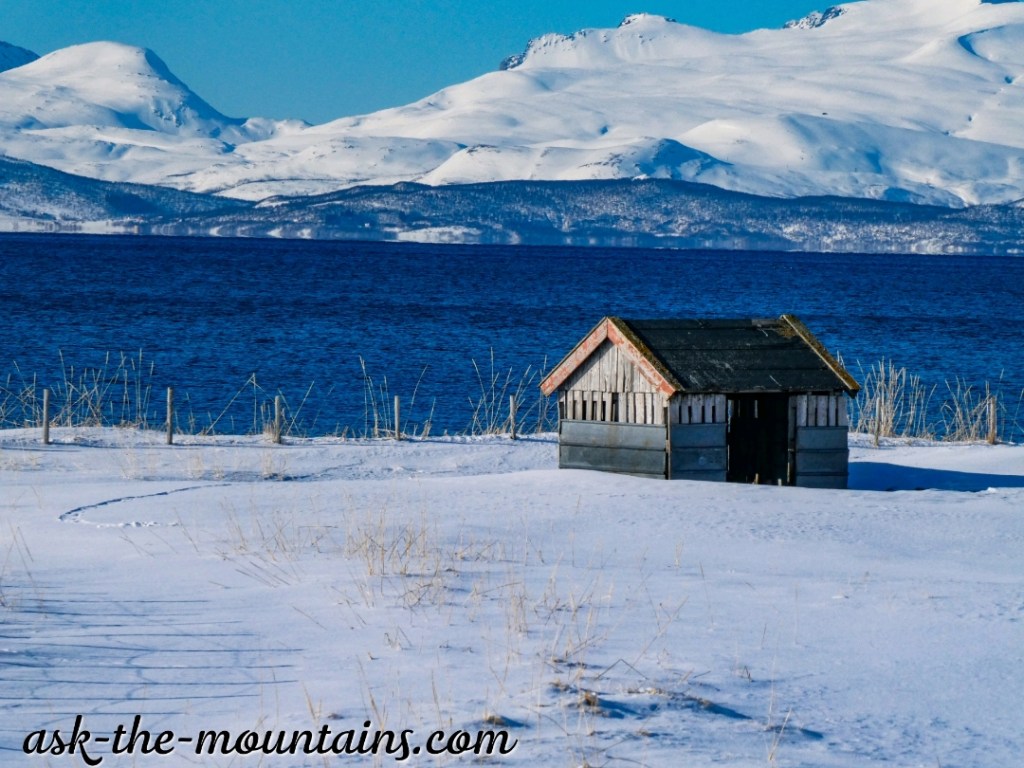
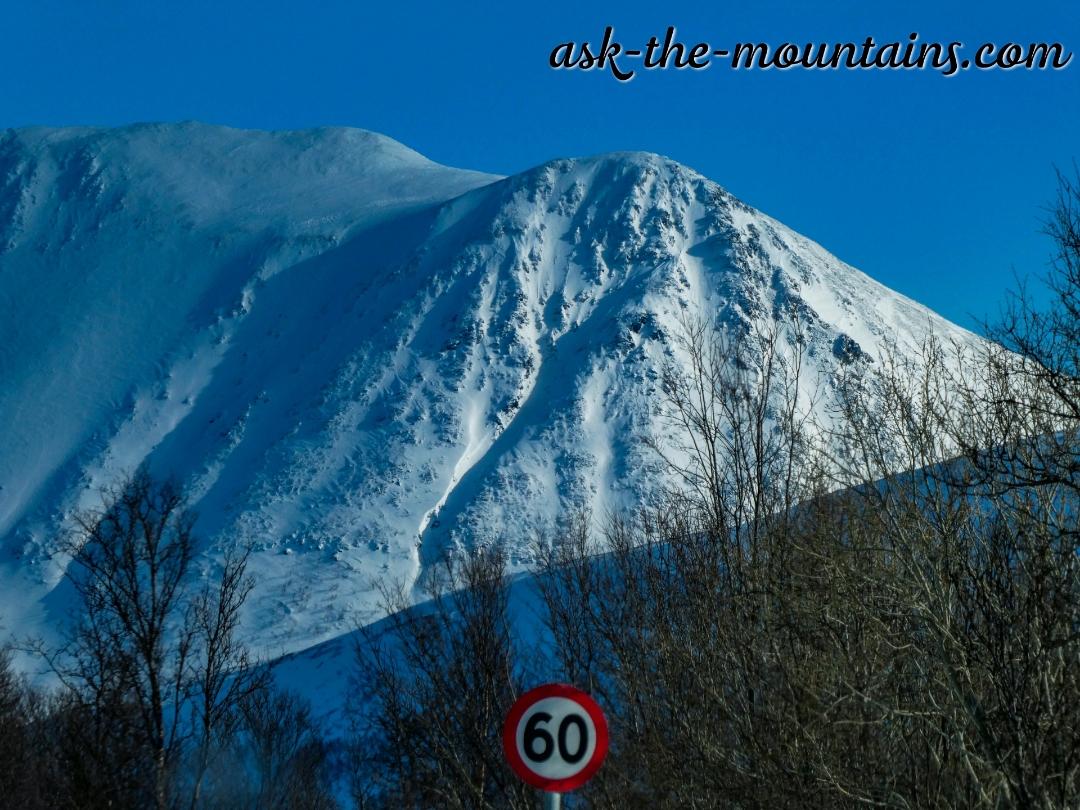
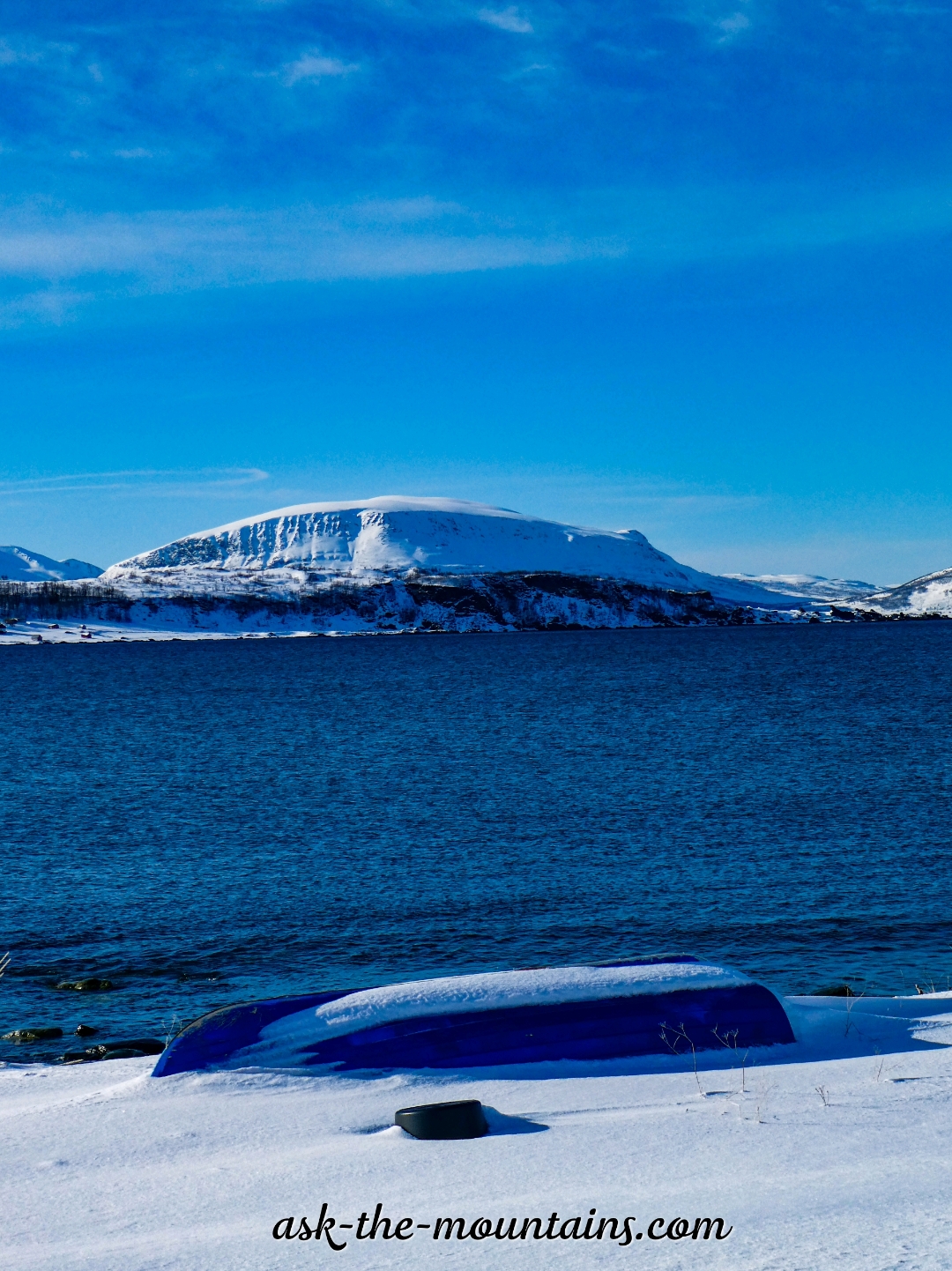
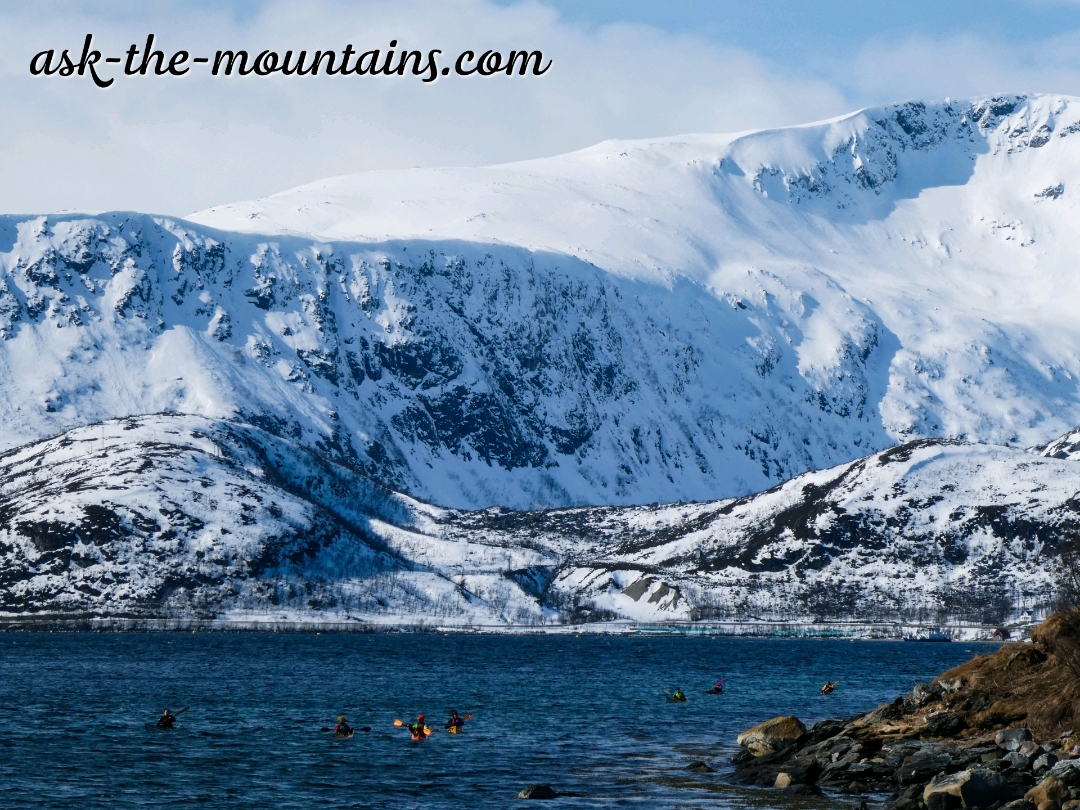
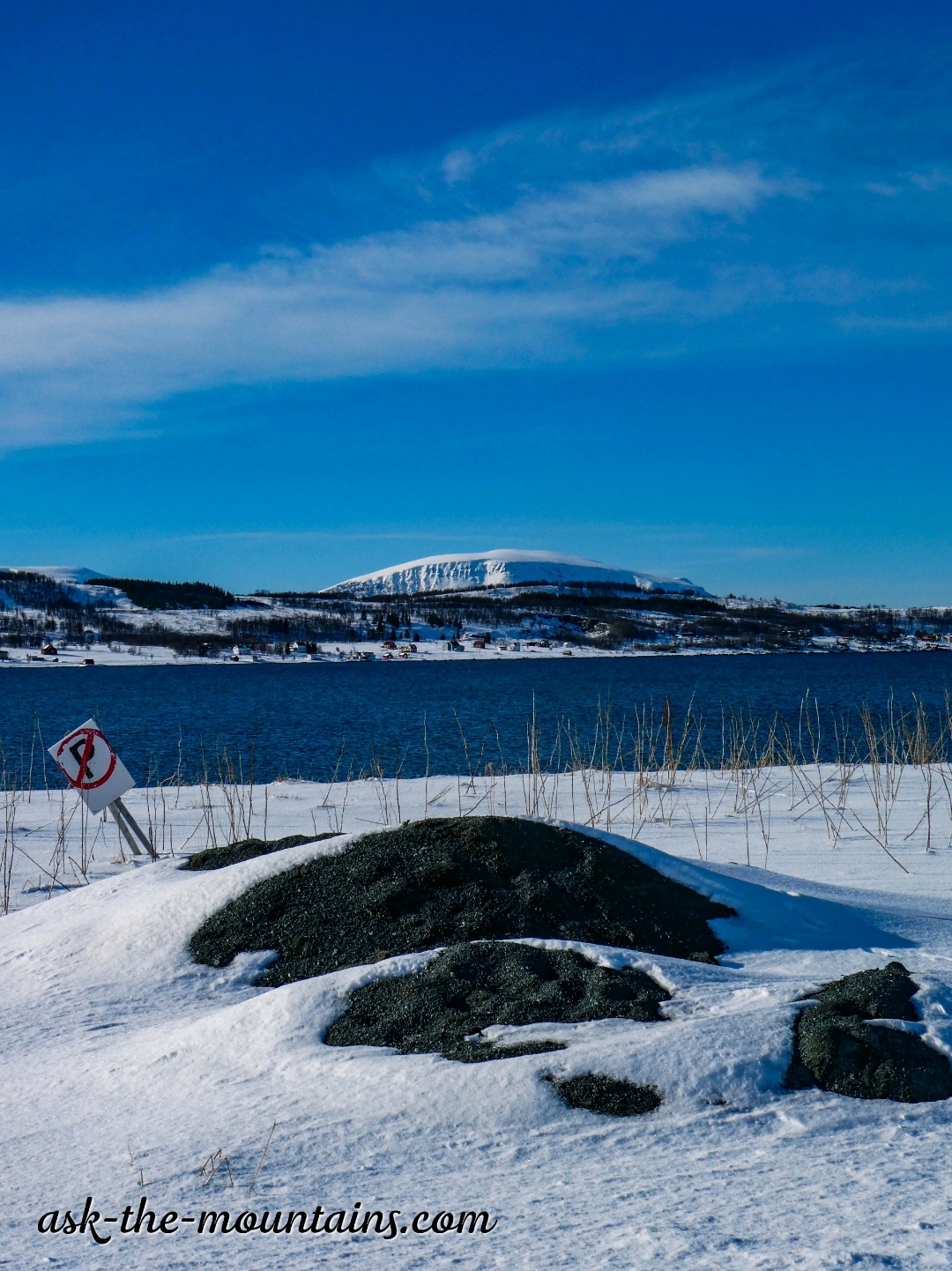
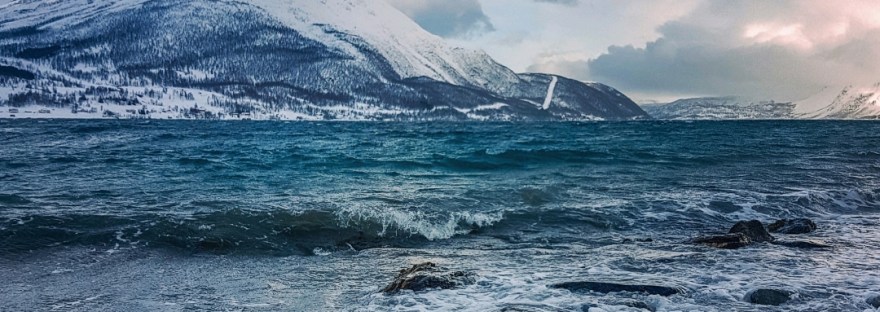
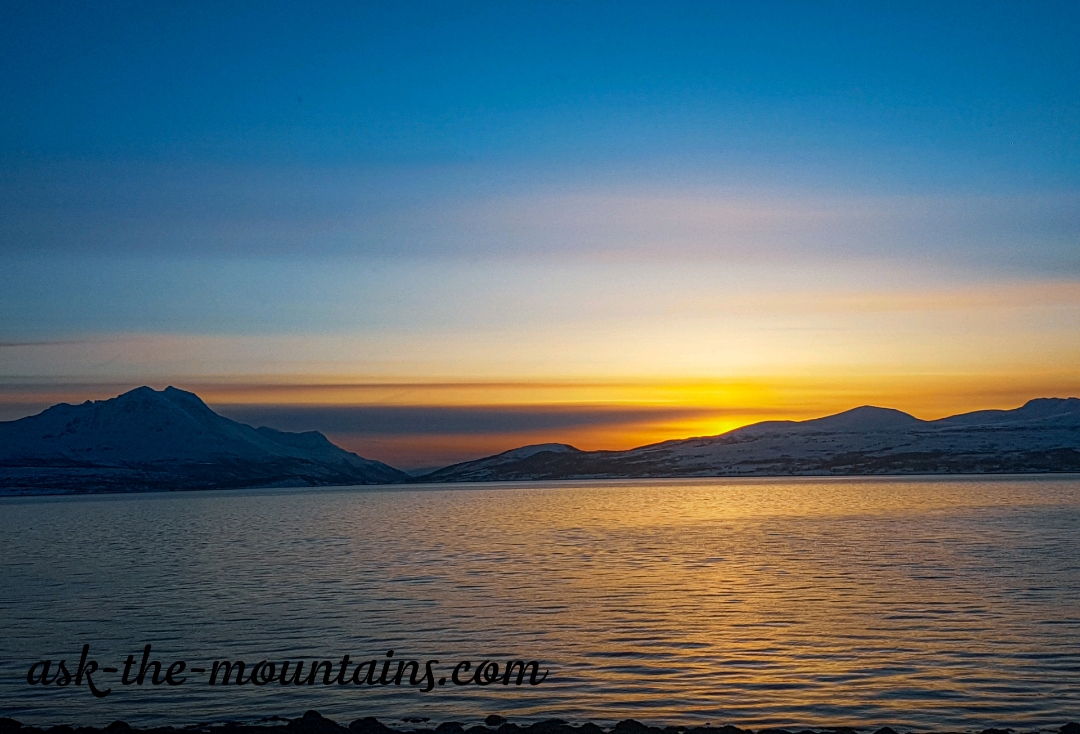
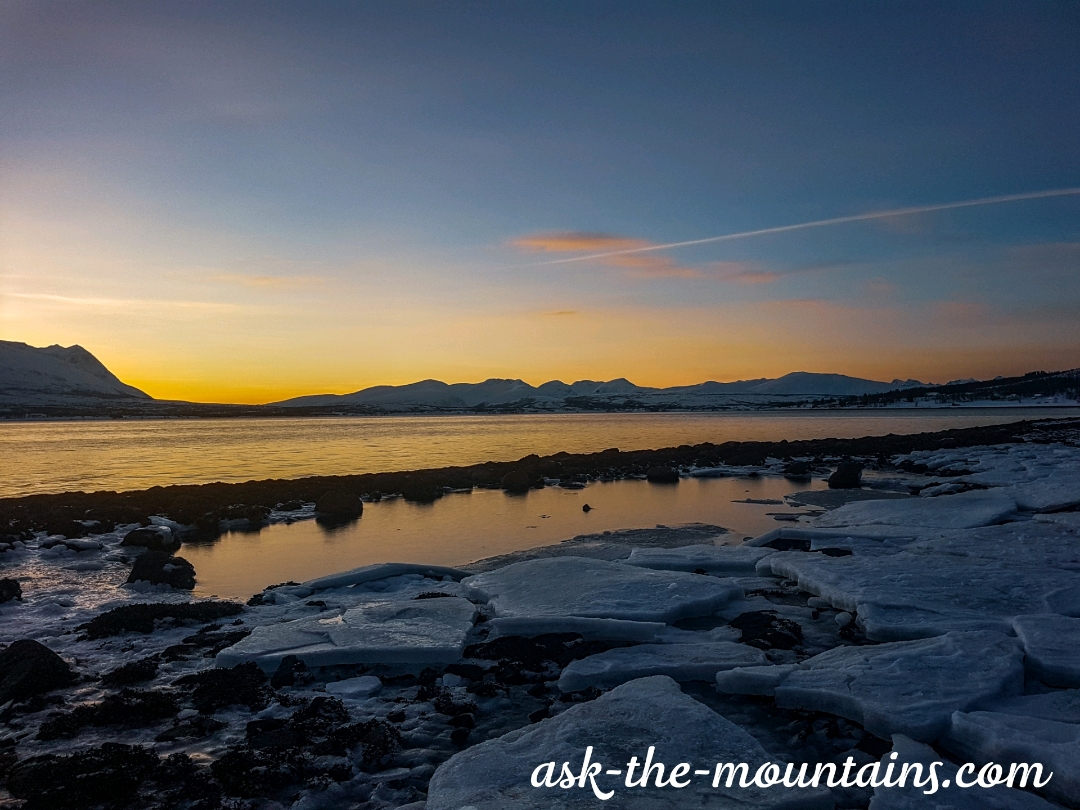
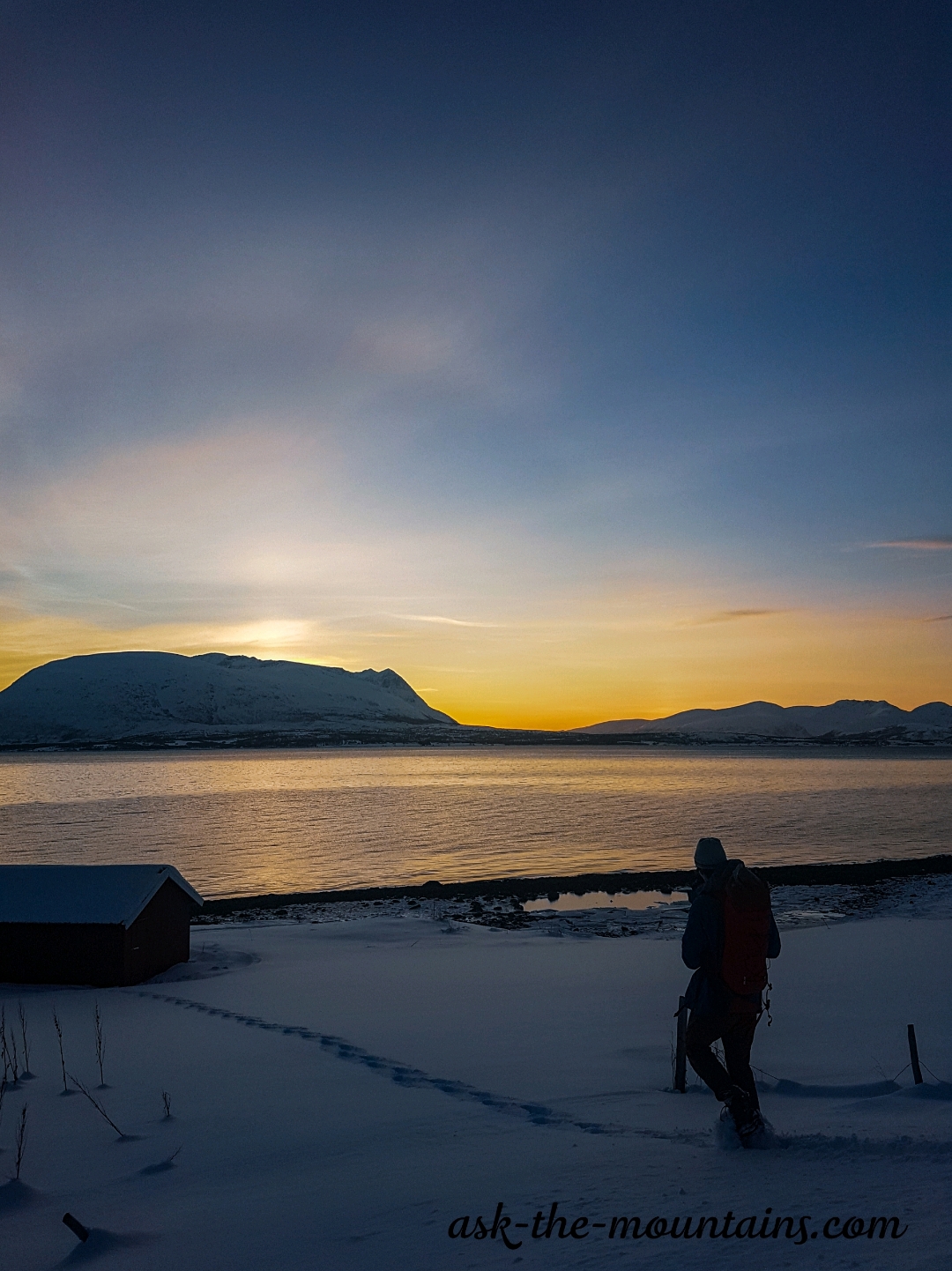
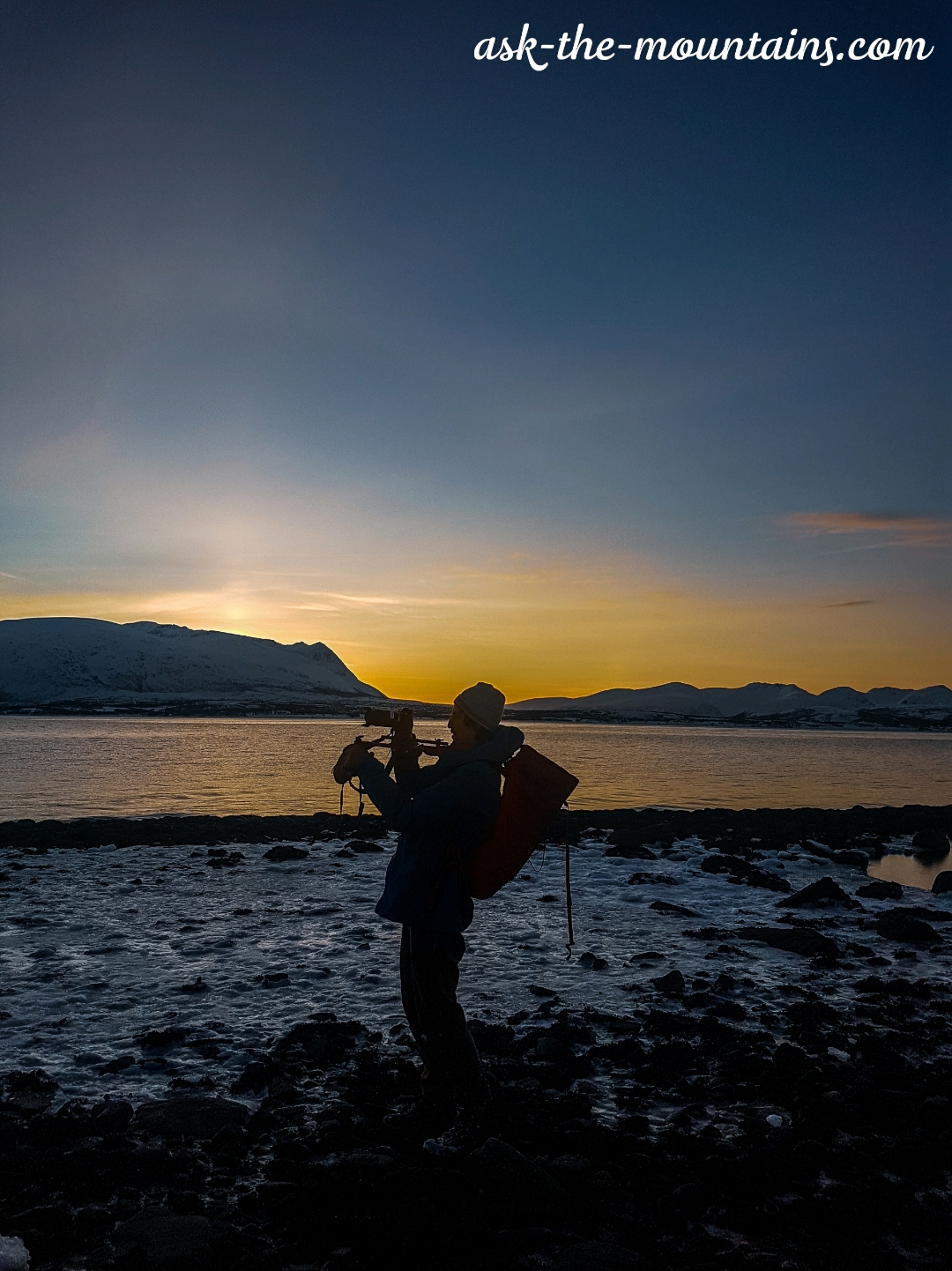
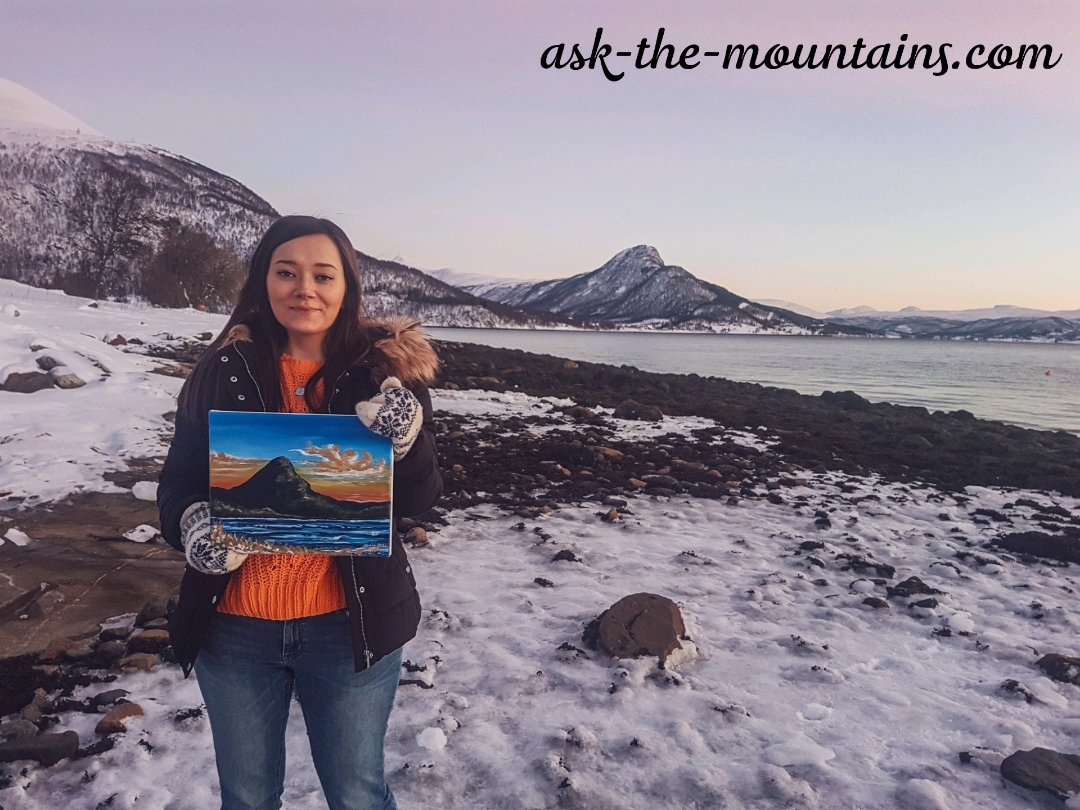
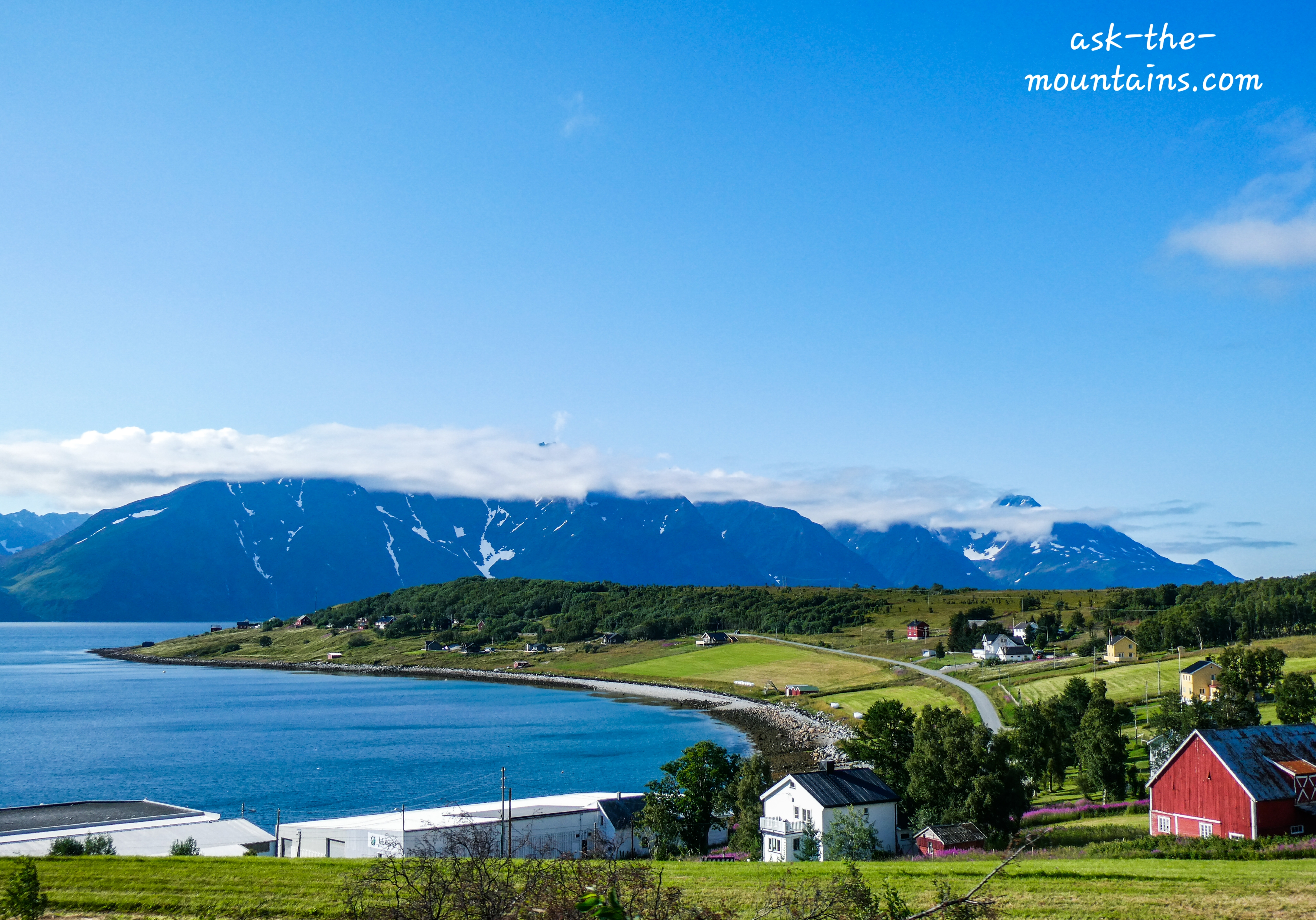
The Winter is stubborn this year, not allowing Spring to enter just yet. I don’t really mind, but also looking forward to green fields, bird song, less layers of clothing and mountain streams. Hope everyone has a great Spring, wherever you are! 🤍 All photos are taken in Arctic Troms.
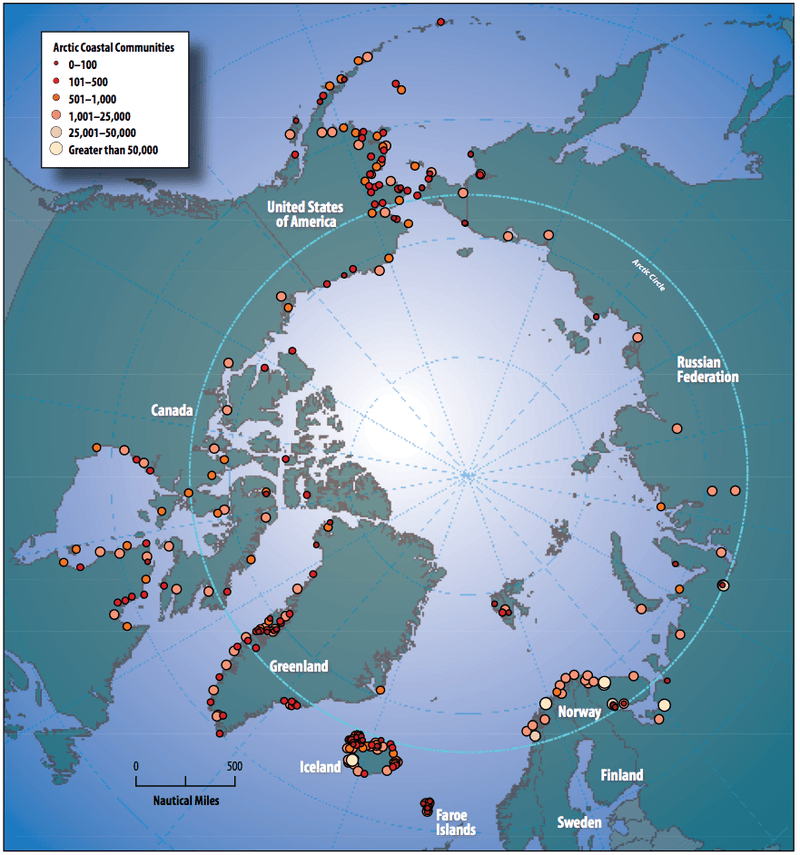
Who are Uralians and Ugrians? We are different peoples with unique cultures and common linguistic roots, stretching from Russia, over Siberia and the Ural mountains, into Scandinavia. Some have moved further south, like the Hungarians. Many of us live Arctic and sub-Arctic lives and livelihoods. Many of us also have lost our traditional cultures and language.
We are Sámis, Kvens, Finns, Karelians, Khantys, Maris, Mansis, Nganasans, Nenets, Komis, Tornedalians, Selkups, and many more. I added a small variety of photos from our community below.
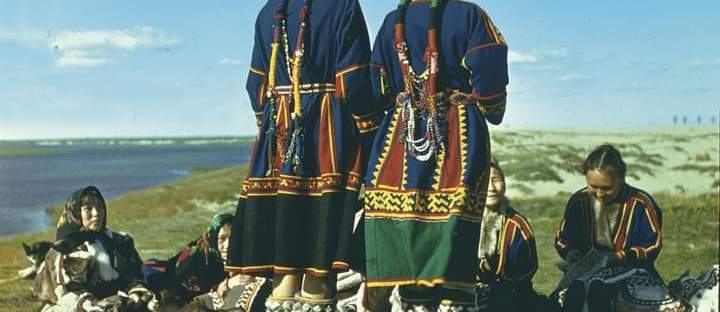
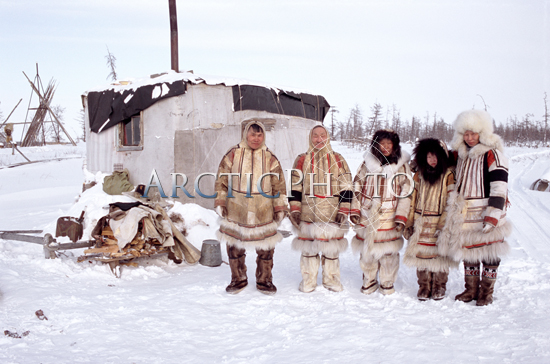
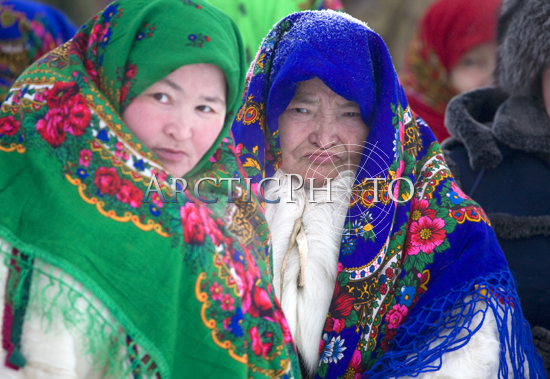
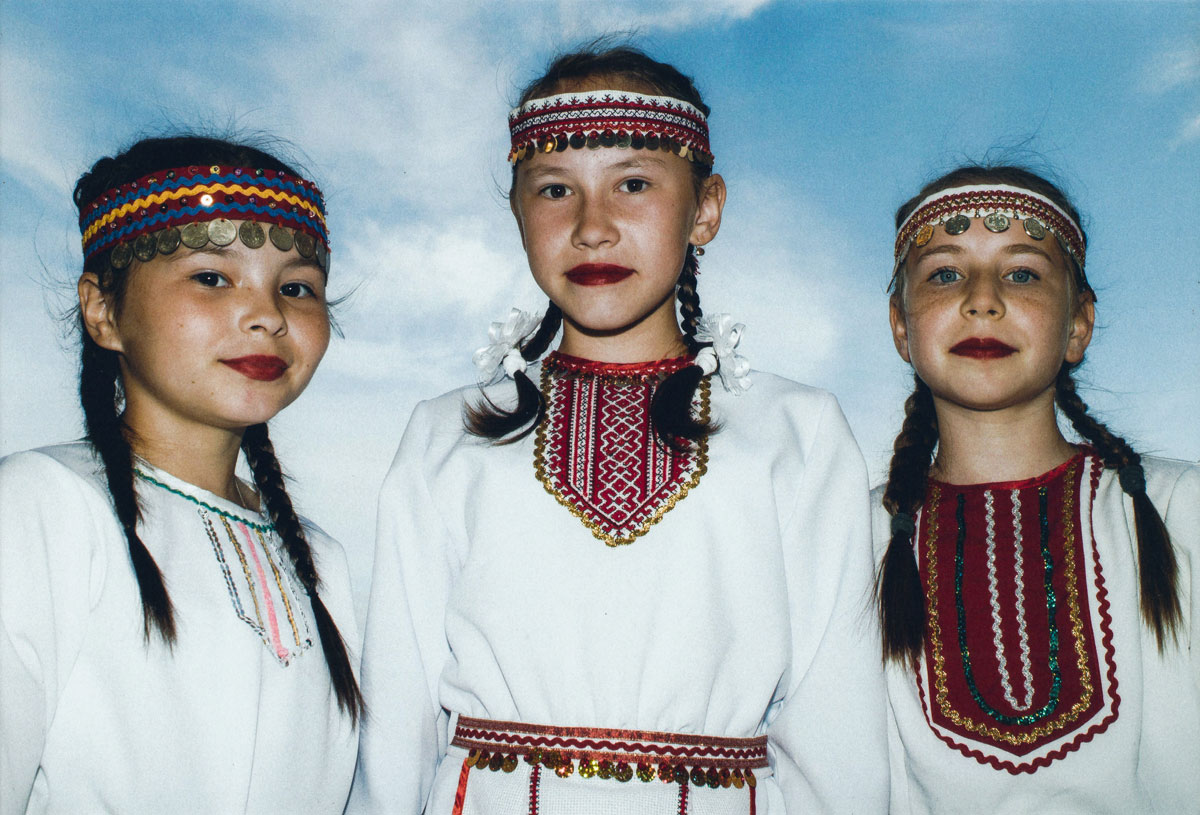
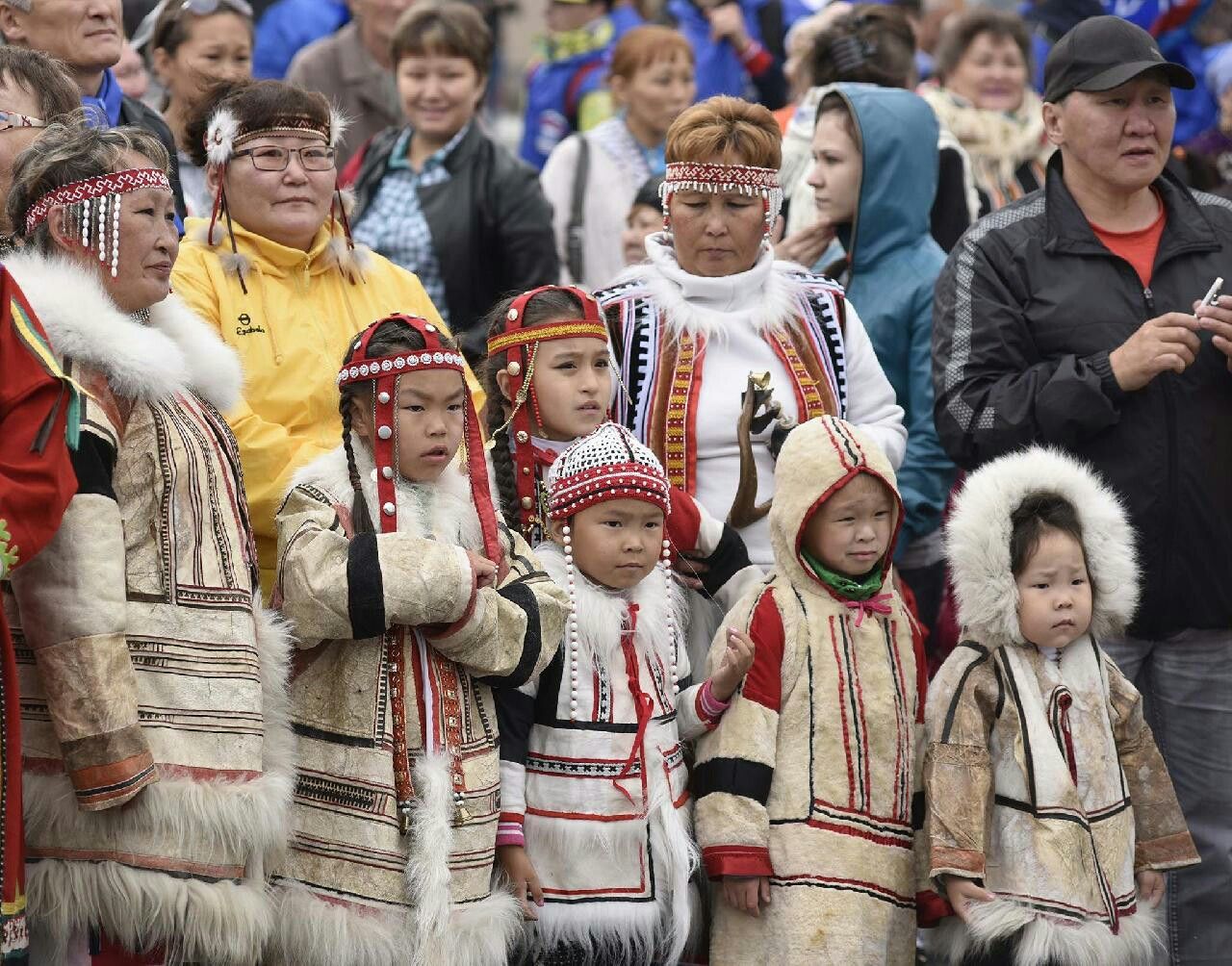
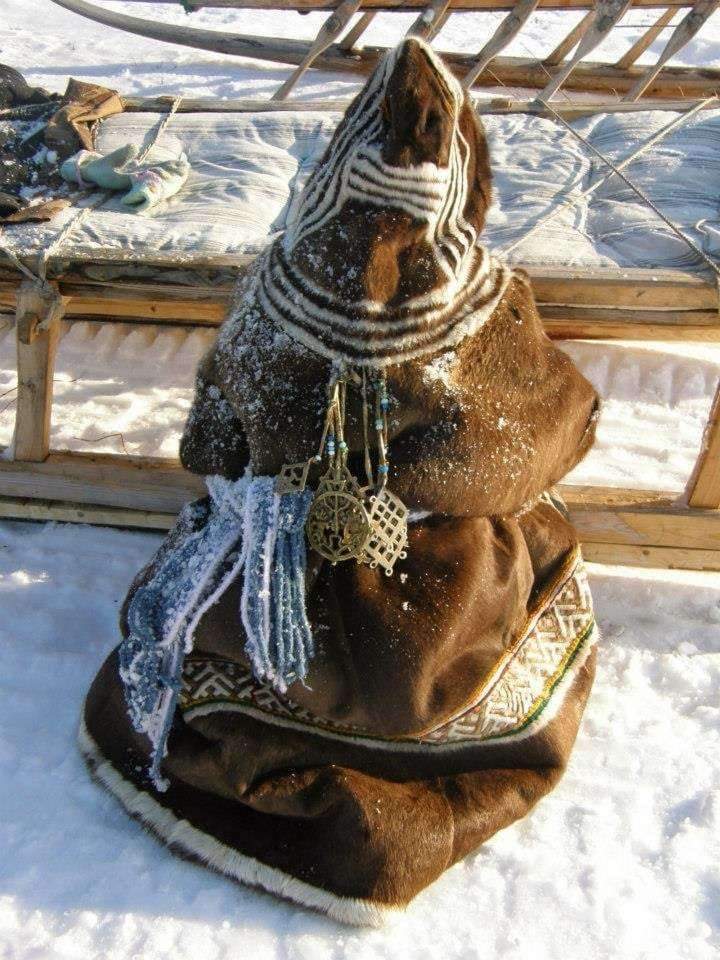
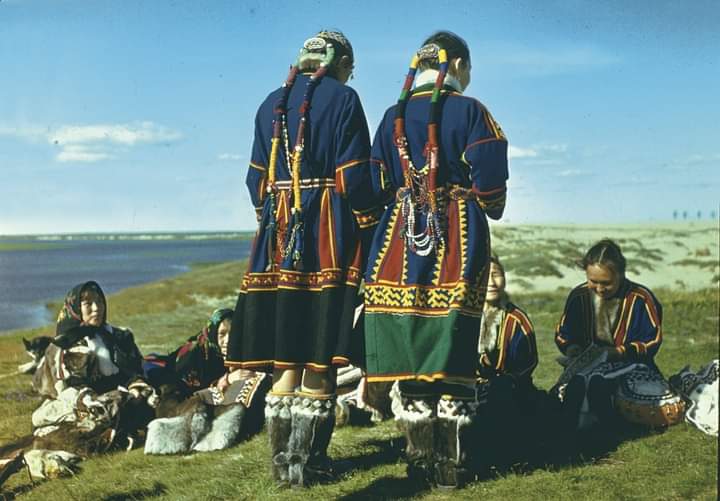
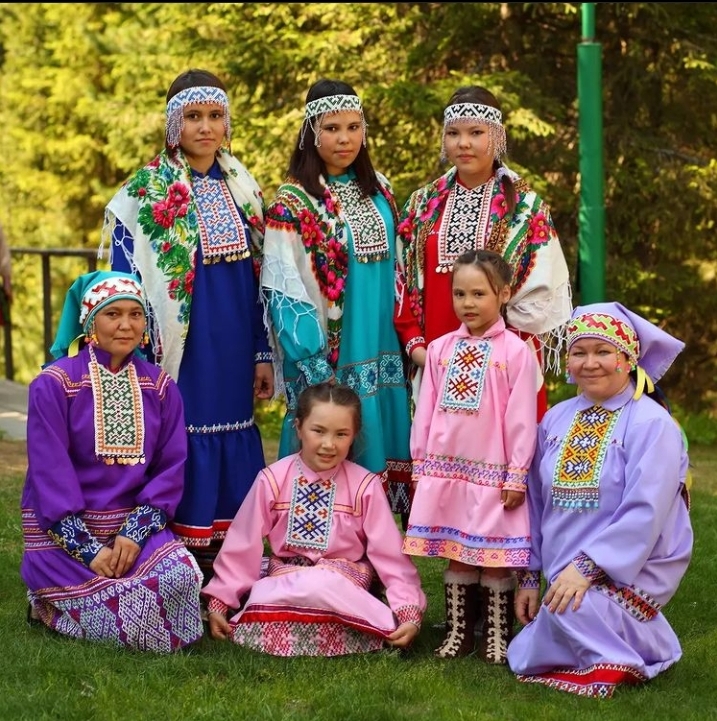
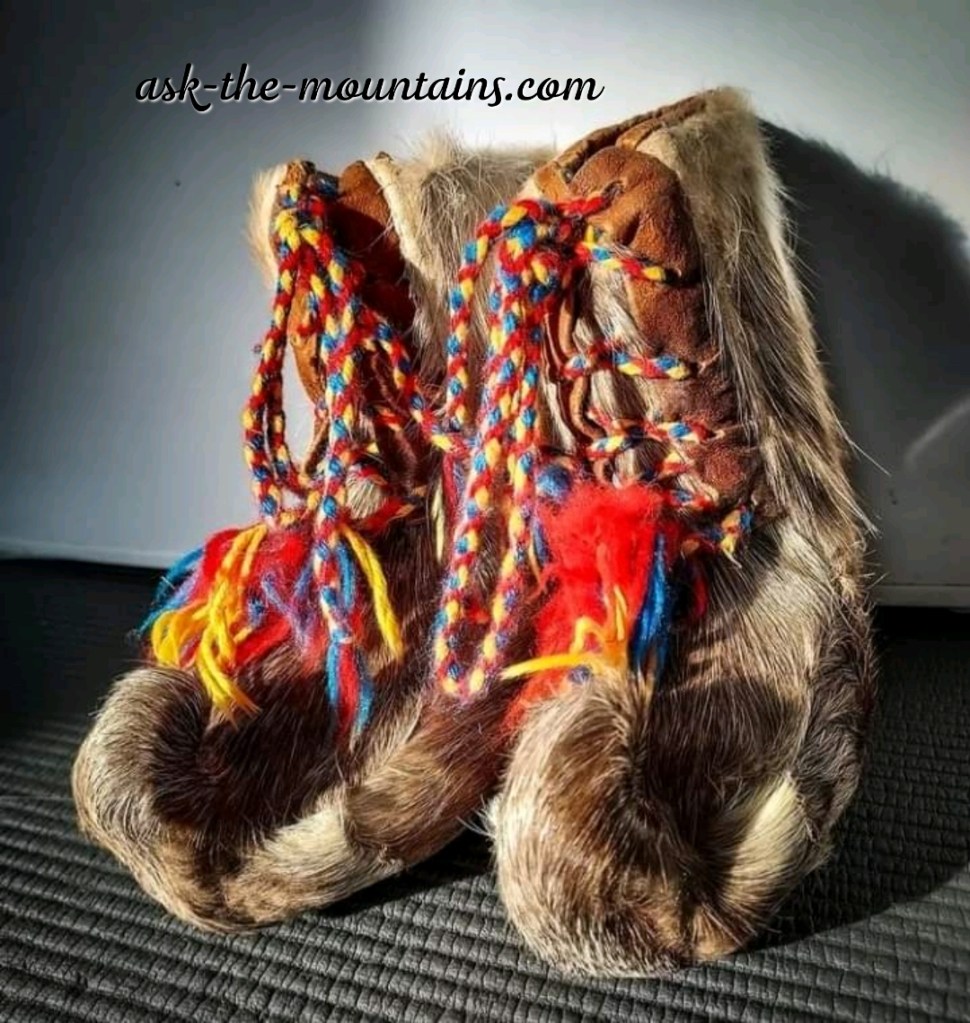
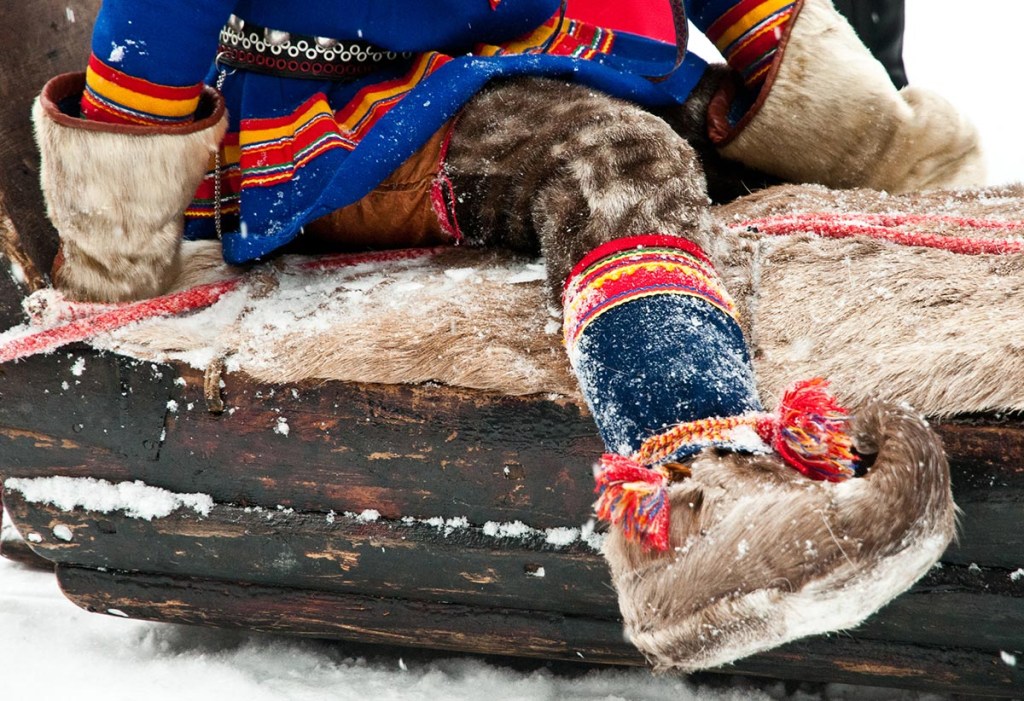
Uralic clothing vary from boys and girls/men and women, and is usually made just to fit the climate. Sewing patterns are often kept within the family and only used by the ethnic group and not outsiders. Summers can get pretty warm, and winters of course get extremely cold, so there are different garments for the seasons. More text and a poem below 😊
Usually, if not always, ethnic European and Eastern/Eurasian (Arctic) clothing has specific designs for women, men, girls and boys. Practical, warm and distinguishable; usually a bit, or vastly, different for each region. Often bright colours and intrinsic details. Made from the immediate surroundings; wool and animals. Sometimes silk. Giving the wearer a place and belonging; need only look at a persons clothes to know where they, or where their parents are from. Sewing patterns are often kept within the family only. Nowadays however, many native outfits are only used a few times a year for special occasions due to many people moving into the city and/or the boarding schools, and designs are evolving with the new creative youth, creating new ideas and identities, which is normal and expected. But traditional sewing skills are sadly not being taught that much from early age.
Clothing is important. No store bought garment sewn by a machine can measure with an outfit that contains your ancestry and history in every stitch. Many nowadays are also lucky to have more than one ancestry and thus more wardrobe options! Many have lost their native language(s) and feel like a “poser” if they use them or sew them, perhaps scared of getting strange looks or be called names, but I will forever argue that we should wear it like our own skin, because it is a birthright of sorts.
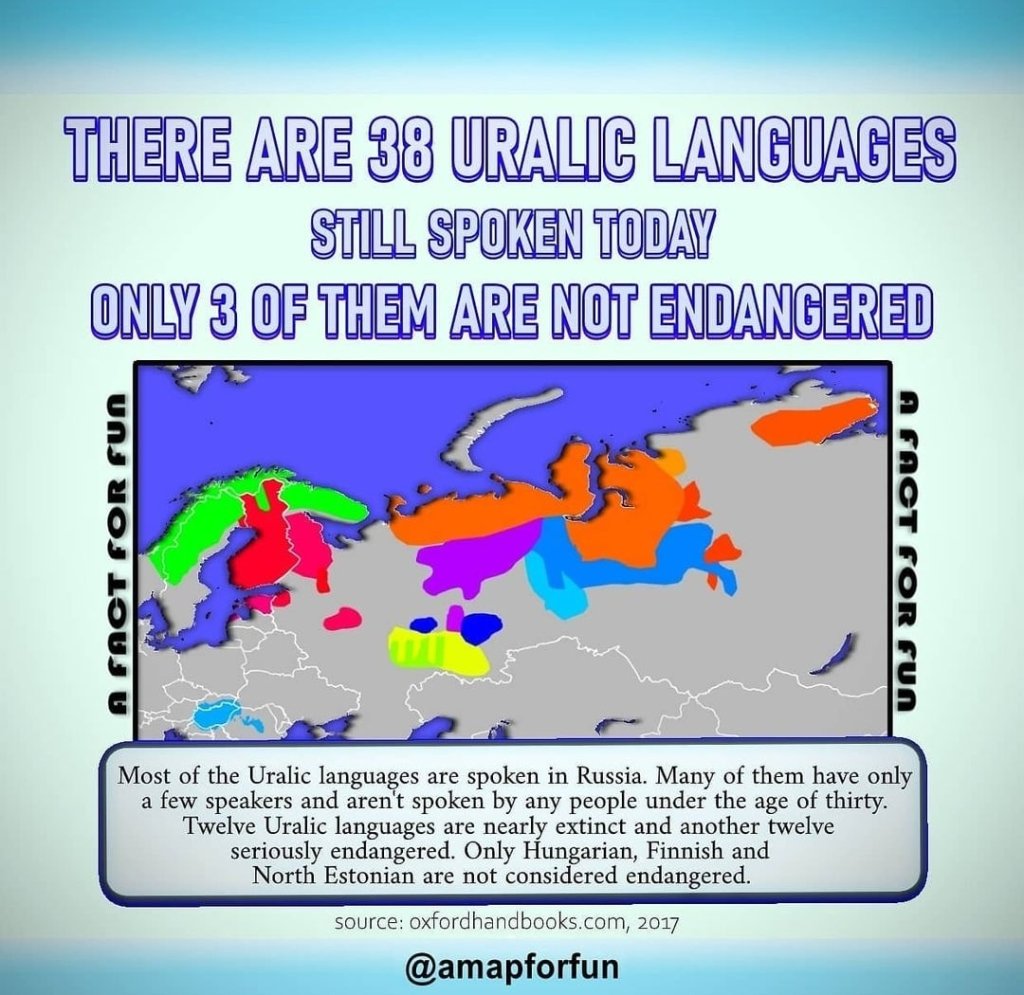
Every two weeks a language dies with its last speaker, 50 to 90 percent of them are predicted to disappear by the next century (source for the statistic: National Geographic). For example; 35 out of 38 Uralic languages are endangered or critically endangered due to assimilation and globalisation. Many Uralics live Arctic lives and livelihood in Europe and Eurasia. Herding, fishing and hunting. Linguistics say there used to be at least (!) 31 000 languages in the human history, now we are down to around 6000, and it is declining every fortnight. This makes sewing and using our traditional dresses even more important.
Keep sewing and keep teaching children traditional skills. They will thank you down the line, I am sure of that.
Thank for reading. I will end this post with a poem by Ingrid Mollenkopf from her book ‘Between Sleeps: Uralic Poetry’:
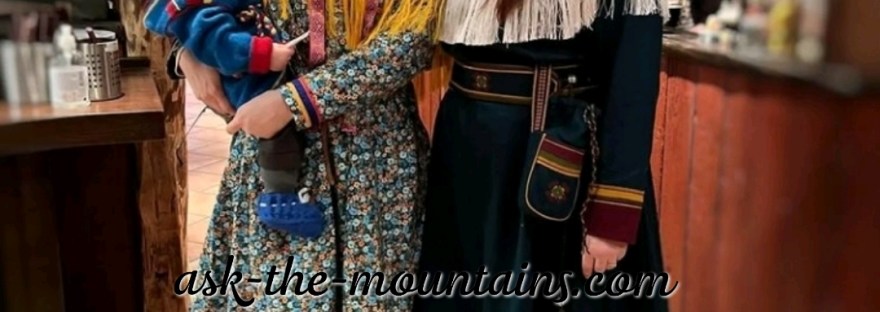
Me, our son and my friend and relative ❤ Láhppigákti. Coastal Sámi.💙💛❤Hat and traditional shawl made by me ❤💛Traditional knit by his father’s mother. Belt is supposed to be on hips, but not easy when he is moving like a little maggot 🪱😄
Today, we celebrated the Sámi National Day, Feb 6th.
I have Kven/Finnish, Norwegian and Sámi heritage, and love to celebrate what I can while I can. I am deeply thankful for my connection to my heritage and my own heart, and wish you all the best 2022 possible.
“People wearing their national dresses symbolise unity. A research conducted on this subject showed that youngsters wearing traditional clothes, irrespective of western pressure, had fewer behavioural and emotional problems. The reason being that they are in touch with their ancestral culture, religion and traditions and thus not confused about their identity or who they are.” Makes sense to me; feeling like you belong and have a community is very important. Nowadays, I think many of us feel a part of many different groups, because we live in a globalised world, and clothing can be changed, thus changing your identity. Maybe that makes our traditional and national dresses even more special? ❤
Here is the link to the study for anyone interested. It also sheds a light on the dangers of not allowing indigenous peoples to use and wear their own clothings, as we have seen happen all over the world.
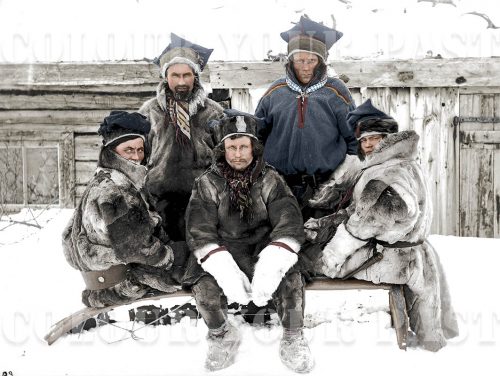
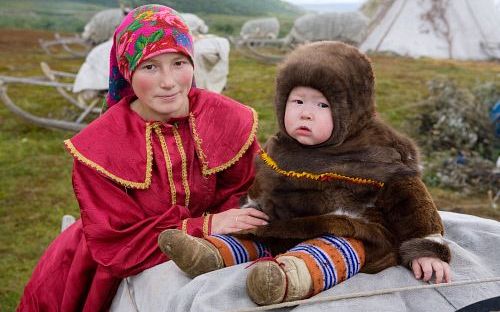
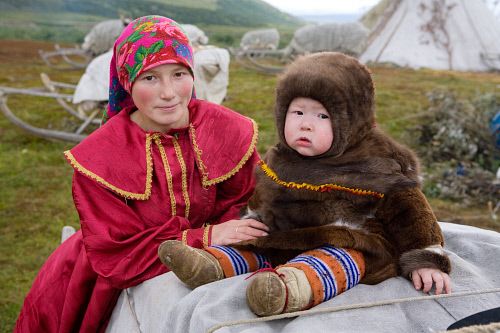
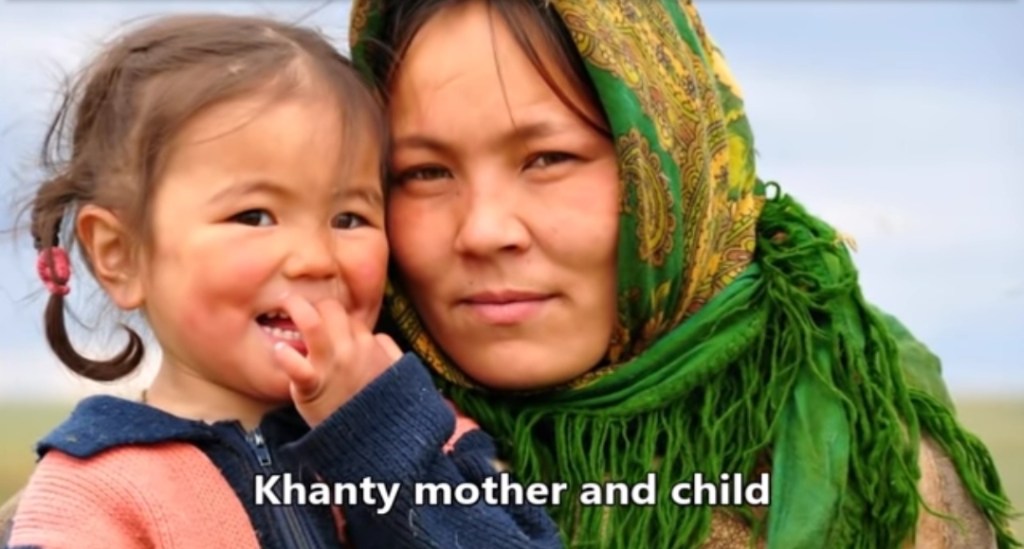
Sámi man in gákti with reindeer pants and mittens. The shoes are nuvttohat, skaller, nutukas.. many names for same shoe. Different languages and dialects. Photo by Lola A. AkerströmKautokeino Sámis. Guovdageaidnu in Northern Sámi language. Wearing pesks and gáktis. With traditional shawls, belts, mittens and hats. Northern Lapland/Sápmi. Khanty woman Kristina Neva and baby in reindeer clothing with decor. Summer on the Arctic tundra. Photo by Bryan and Cherry Alexander.
The path to the light is dark. Silencing the mind through meditation allows us to feel and see the radiant light of our own basic goodness, basic buddha nature, where compassion and creativity flows without obstruction, like the rays of the Sun. – Monica Xx
Feeling the Sunday blues today, and felt like sharing some thoughts I have had for some time now. I hope I manage to articulate myself in a good manner, and hoping to hear others’ view on this as well 🙂
I feel it is so important to have a sense of community and identity. A tribe of sorts. In fact, we all did up until very, very recently. You could even tell what area or region people were from by their clothing. The way they proudly wore their identity and sense of community. It is so rare nowadays that tourists will literally pay thousands to witness authentic indigenous way of life.
A wedding photo from my family tree, many generations ago in Finnmark. Kven/Finnish and Sámi marriage.
It sounds silly, but I miss that. I have never had it, but I miss it. I miss traditional everyday dresses and stronger traditions. I miss women being more supported with raising children by their community. Not feeling alone in our experience. We are not supposed to raise kids alone. We are not supposed to not work together and to not rely on each other. When we don’t have that community around us, we get consumed by loneliness and loss of purpose. Just think about how wonderful it feels to have a good friend or a family member who truly cares. We are utterly dependent on our safety net.
The globalisation we see today has come at a great cost. Every month, the world loses indigenous languages. Every week, less natural surroundings and every day people feel more cut off from each other, and Mother Earth. Where will we end up? Even our diets are globalised, getting adviced to eat the same here in the European Arctic as they do in warm climates. That is not sustainable. That is not what have been practiced for thousands of generations, and what our bodies are used to.
I do not wish to naively say that all things were better before, because I do not believe that they were. I do, however, think we have lost something very precious along the way, at least in my part of the world. People who wish to reclaim their sense of community and identity sometimes even feel like a fraud or a fool for ‘taking back’ something they never personally had.
I believe that the trauma experienced by virtually all humans today by having our way of life so dramatically changed in such a short timespan, needs great healing. And only we can do that job ourselves; in our own hearts and minds.
Thank you for reading, may all beings be free and happy ❤ May communities heal and may we take better care of the planet 🌎
“Regardless of the emotion being experienced — be it desire, anger, pride, jealousy, envy, greed, or whatever — what is really going on is a shift in attention. The mind is expressing itself in a different way. Nothing implicitly requires one to presume that this emotion has any reality in and of itself… It is just that the mind is expressing itself in a different way than it was a moment ago.” – Kalu Rinpoche
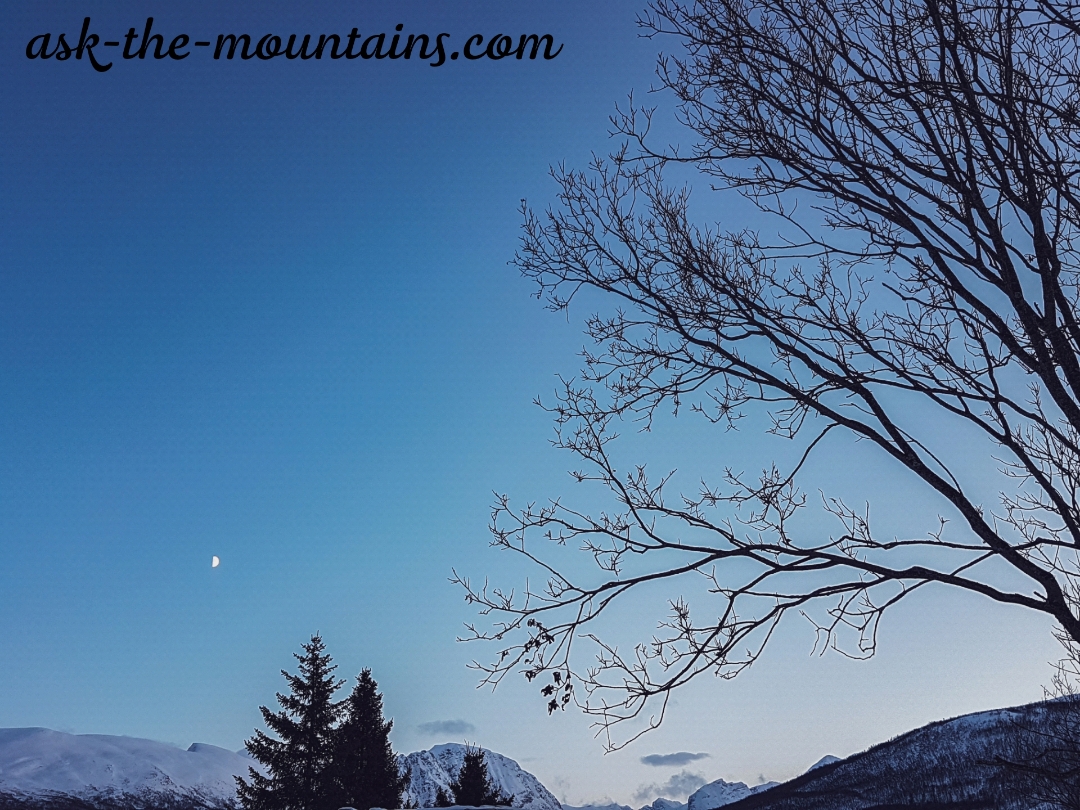
Photos from late autumn when it was still a bit warm. Woke up today to the first snowfall of the year!
A heart opening guided meditation session led by Kim Rinpoche.
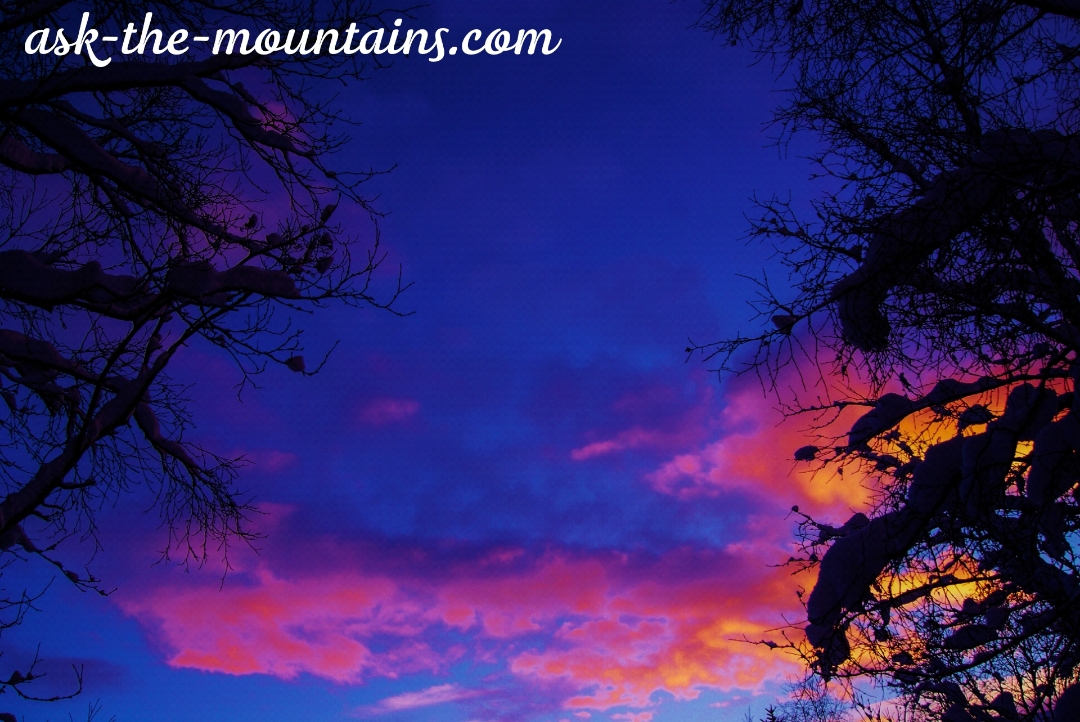
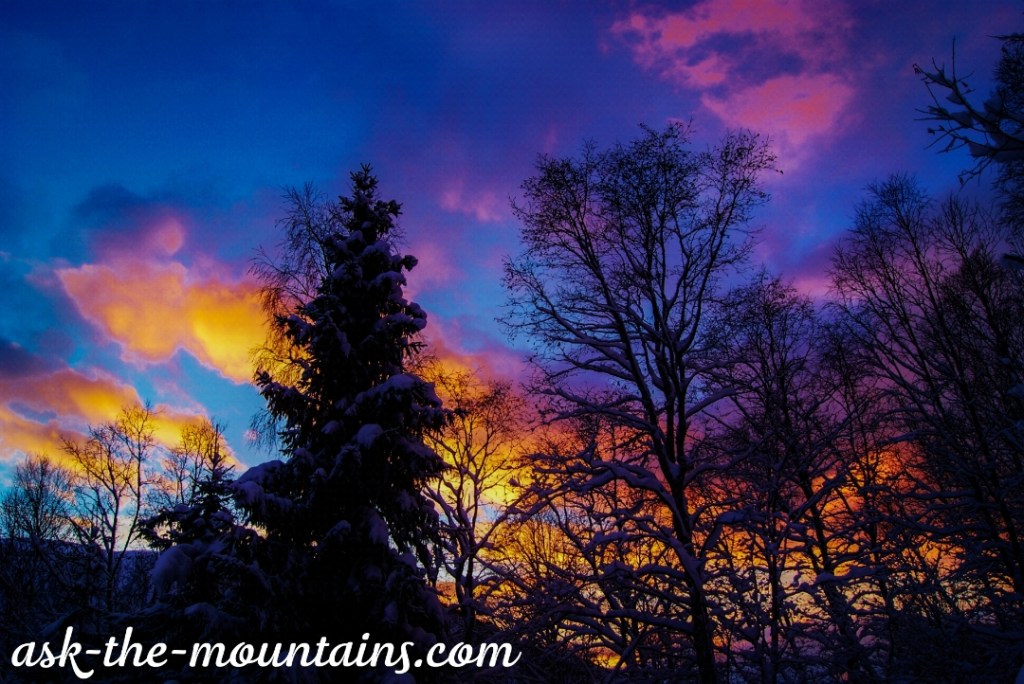
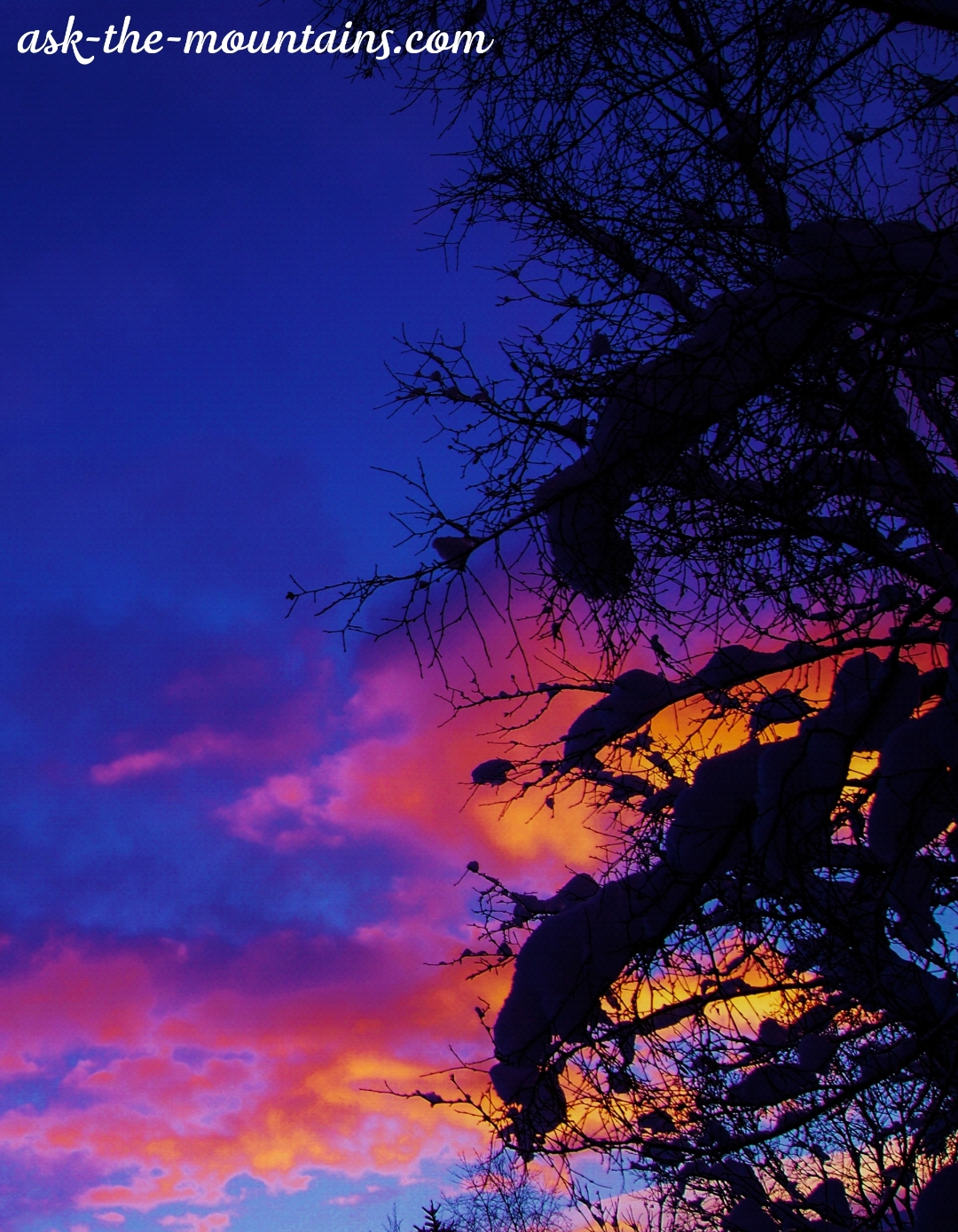
October night sky a few weeks ago 💙🍂
If we know our hearts and our own natural state, we will also simultaneously know how to love and care. Not only for others but for ourselves and our difficult emotions. Life is so full of difficult emotions, as we know. Compassion and forgiveness is always with you, like a silent friend.
Thank you for reading and still following my blog. It is most appreciated. My posts are very sporadic, as time flies by with the new baby. Long days but short weeks. Not enough hours to get it all done, and not enough hours to just enjoy him – this new little person that runs our lives now. Motherhood is equally hard as it is wonderful. I hope to get more painting and other artsy projects into my days again.
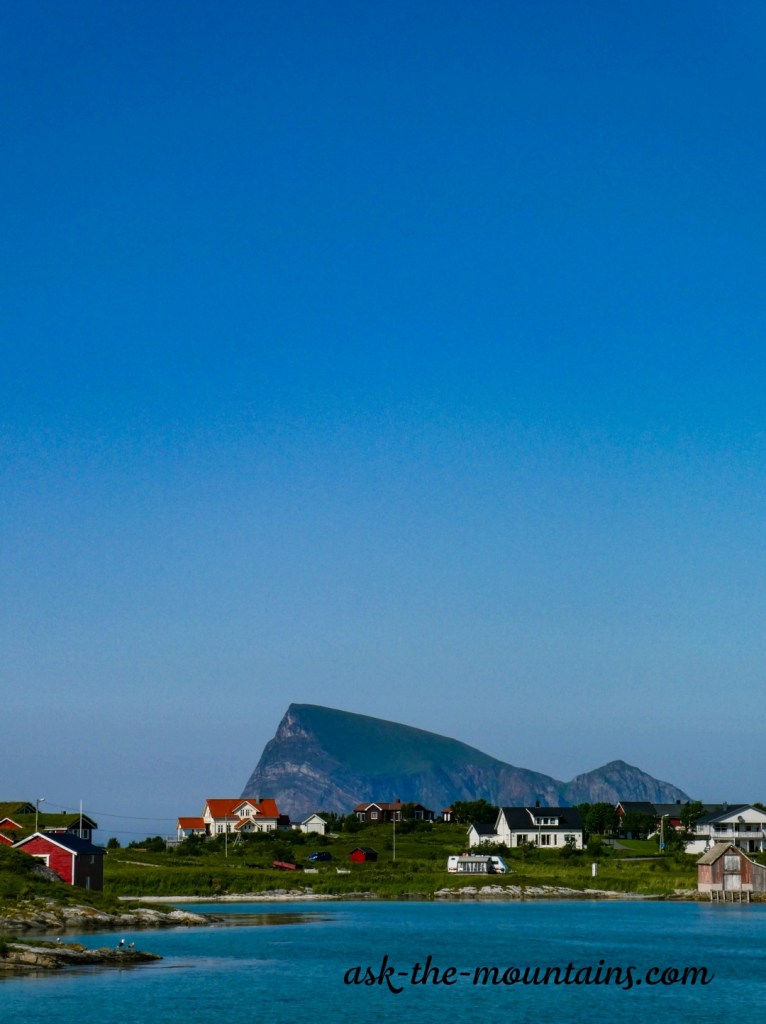
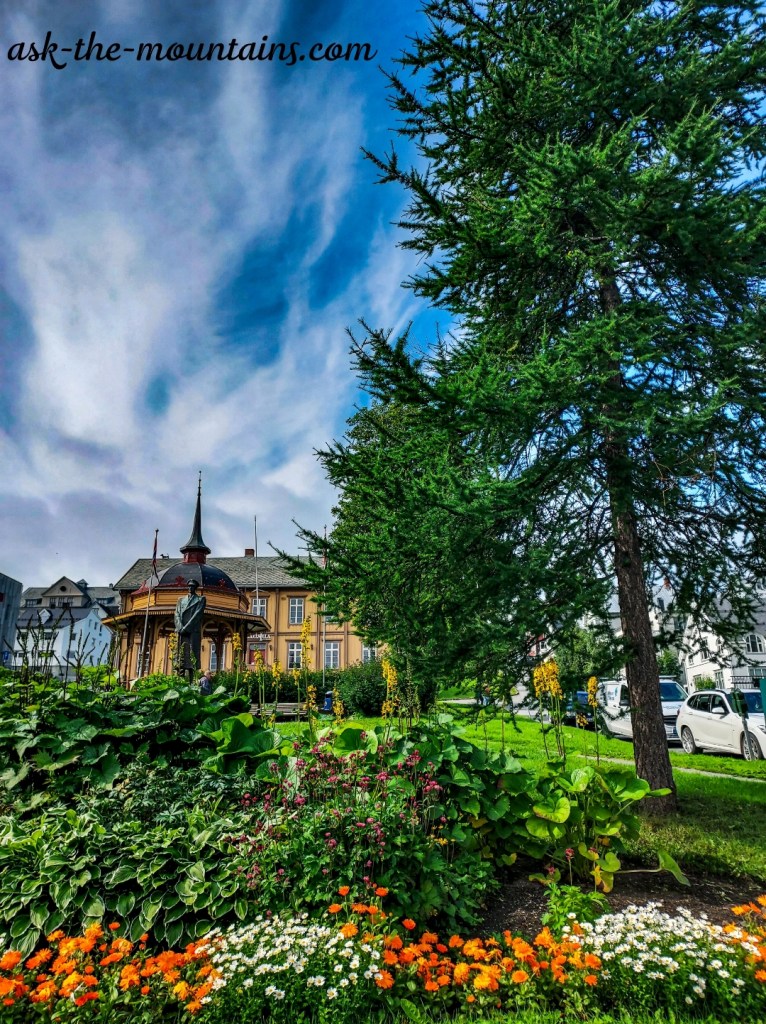
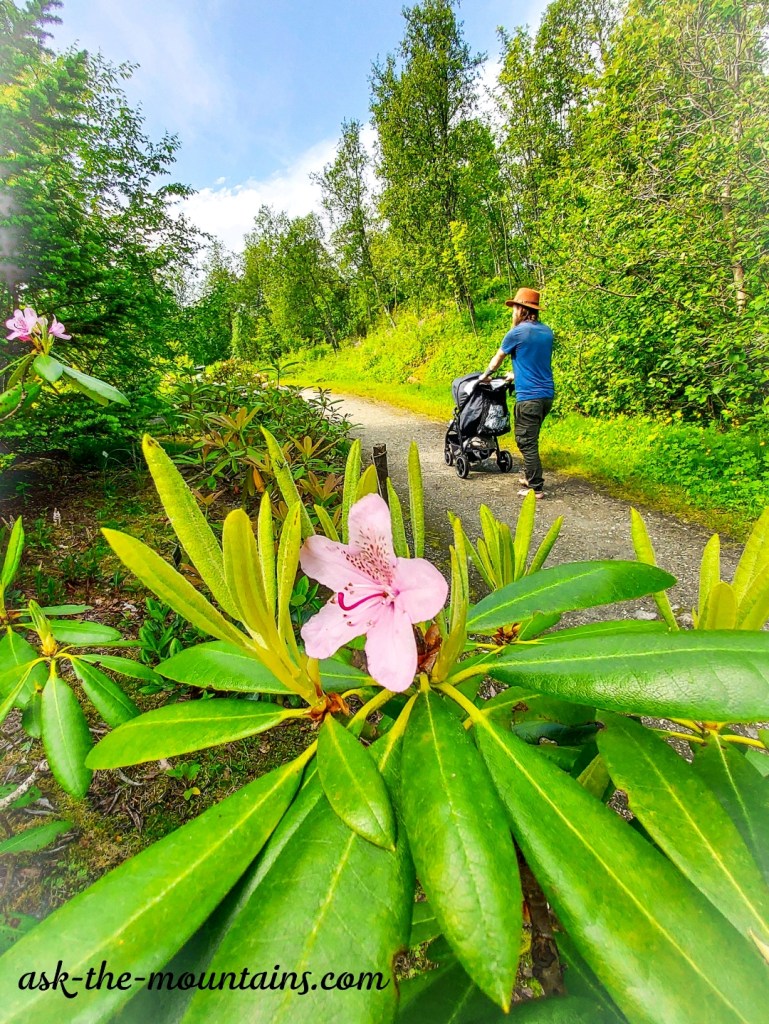
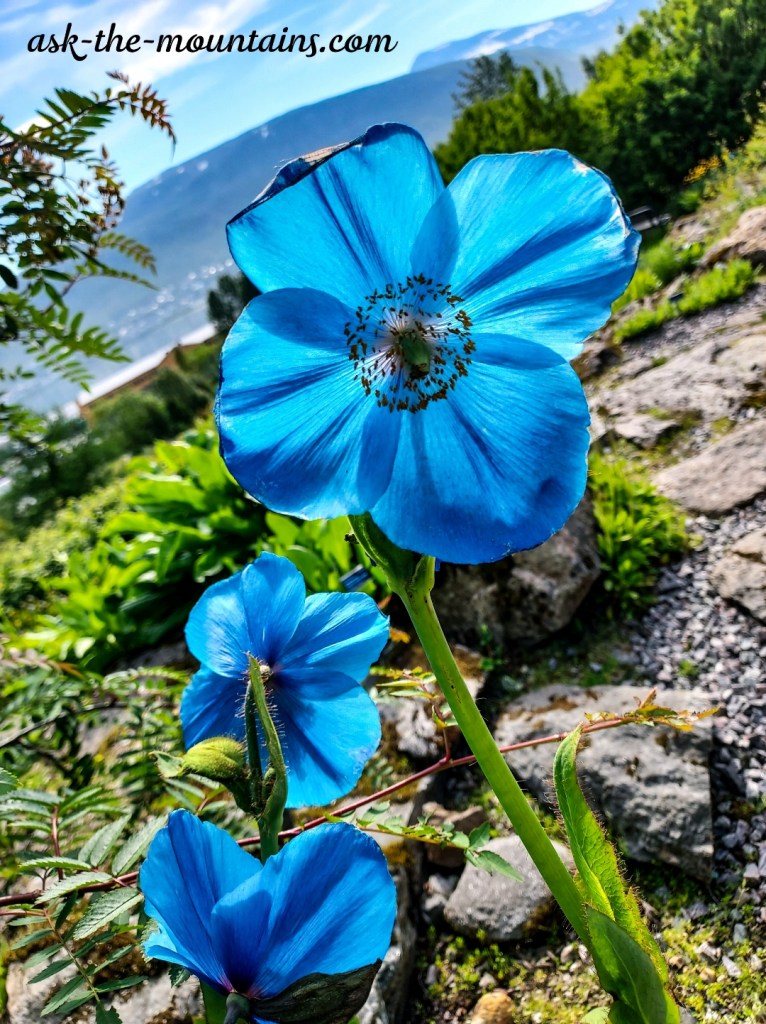
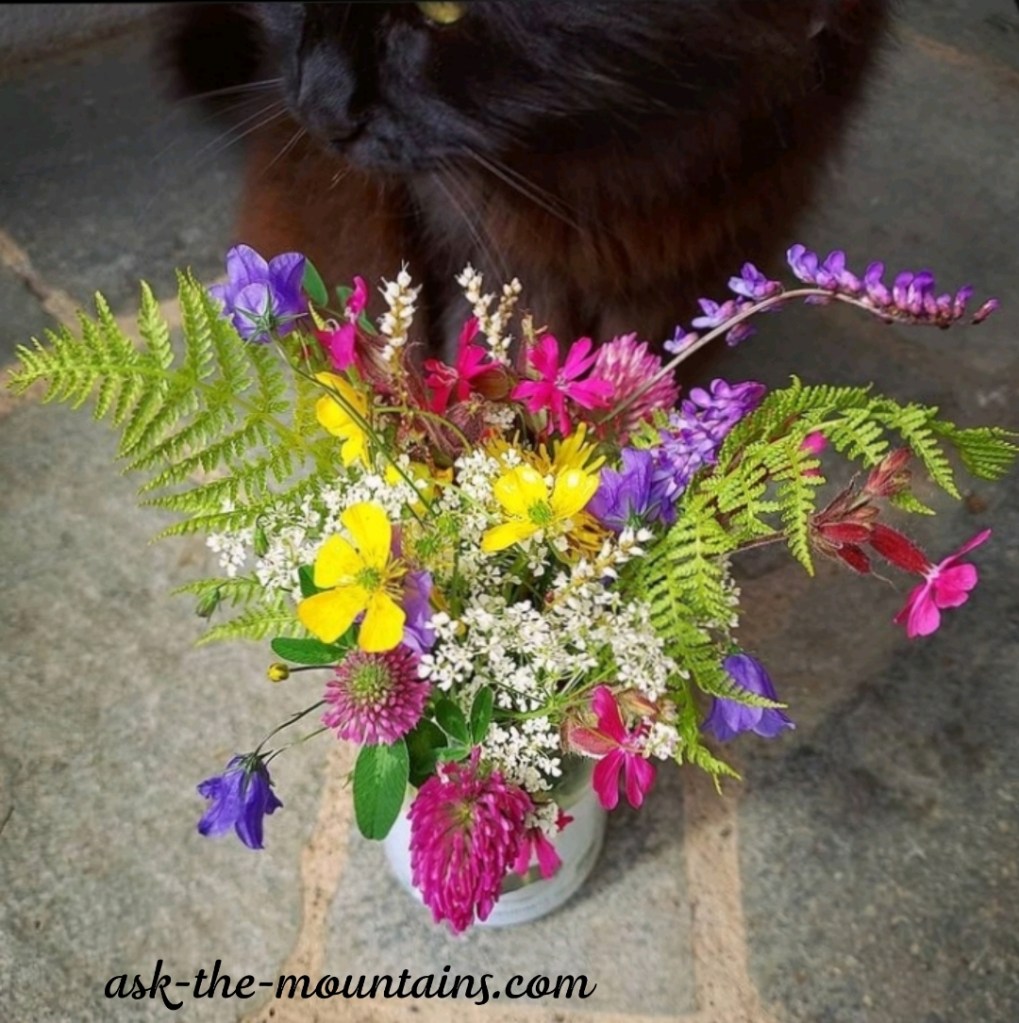
Håja and HillesøyHåja mountain. We drove up and got the best view ever. Very happy with this photo!Arctic July.More furry neighbours.Rainy summer day.Ilo, a cute little dog we met at Reinøya.Early morning at Reinøya. Seal at Reinøya. Summer swim.. Me and my boyfriend’s mother. 8-9°c!Tromsø centrum, the pavillion.At the Arctic-Alpine Botanical garden in Tromsø. Blue Himalayan poppies. 💙 In the World’s Northernmost botanical garden.So many beautiful colours and shapes.Midsummer, 23rd of June.Tiny Arctic dolphins.Sunlight over Lyngsalpan. Rainy evening at Spåkenes. Kali 💚🖤Picked a small bouquet.
“I love the Arctic summer, it’s the best day of the year!” Short but sweet. How was your summer?
According to buddhism, this world is a samsaric world and the minds of sentient beings are samsaric minds. What does this mean? Samsara means being stuck in a repeated loop of confusion. In this repeated loop we keep making misassessments and misjudgements because we see all things in a distorted way. Being deluded and confused means that our perception of the world, ourselves and others is corrupted. Because our mind interferes with direct experience of anything faster than a blink of an eye, is the reason why there is vast confusion and conflict in this world. No matter how hard we try, samsaric beings cannot avoid thinking and feeling in distorted ways, and this makes this world a world of pain and suffering, when potentially it could be a paradise.
From morning until night we keep thinking about “I” or “me”. We perceive the things of the world and other people in terms of me and other, or me and something else. Every single day we have strong opinions even about small petty things. Every day we have high hopes and expectations about things and then we get disappointed, frustrated and angry when things don’t go like we hoped. We are simply unable to not think in this way.
Just like the arteries of the physical body get calcified over time due to bad diet and lack of exercise, so does our mind get fixated and habituated around the compulsory notion of me. This makes us small and miserable. It makes us bitter, angry, deluded and dirty. The thought of me-ness literally steals our life from us.
You can go ahead and say to yourself, “I, I, I” or “me, me, me”, a number of times. Say it in a way as if you were a bit angry about something, like you were earlier today or yesterday. Say, “me, me, me, me” with a frustrated tone, then stop and see how it makes you feel. This is not difficult.
Through this simple thought affirmation, you will feel different sensations in the body and mind. You’ll feel that your energy contracts as if you suddenly became smaller or tighter. It feels as if a loose knot was made tighter. You might feel that your belly gets tense, heart area becomes anxious or you might feel a tight band around your head. Pardon my language but this affirmation makes you feel like shit.
But wait a second… What did we do again? We only said “me” or “I” to ourselves… This is the same I-thought that we keep thinking and saying aloud every day, and it makes us feel awful. That it makes us feel awful is exactly what we need to discover.
We go around in circles and see the world in a distorted way because we are habitually centered around this thought – me. It affects everything at all times. It makes us feel small and constricted during the day and it creates weird dreams and nightmares during the night. Just like it is important to discover that the I-thought makes us feel like shit it is as important to realise that all thoughts, including the I-thought are transitory, impermanent. This means that all thoughts come and go, and do not stay, and yet we give so much meaning to them.
In samsaric mind, thoughts and thought associations define us and this creates havoc and destruction in our lives. This is psychological habituation that can be entirely removed.
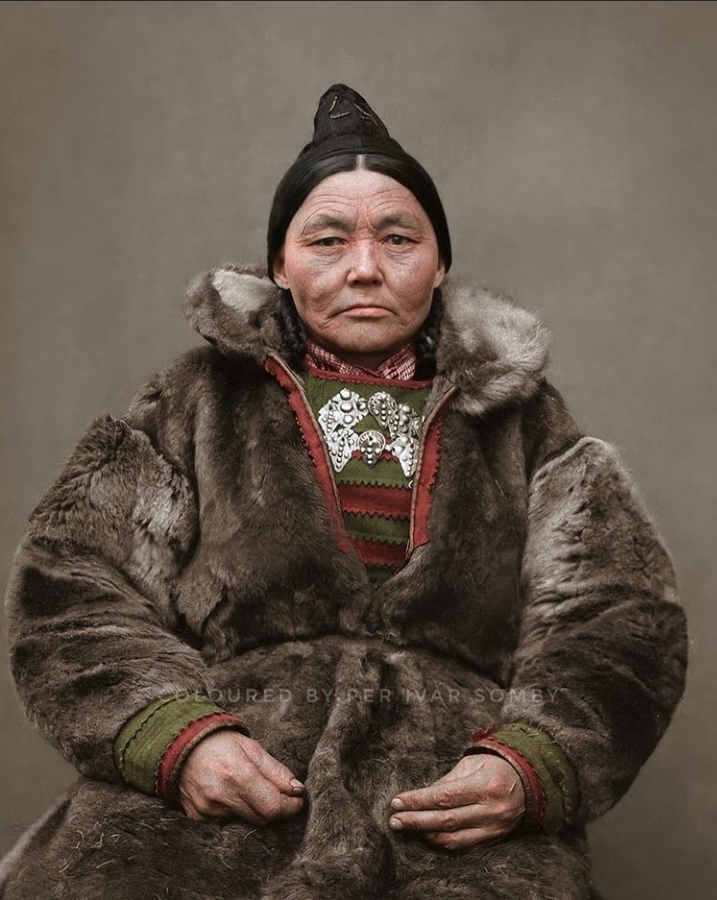
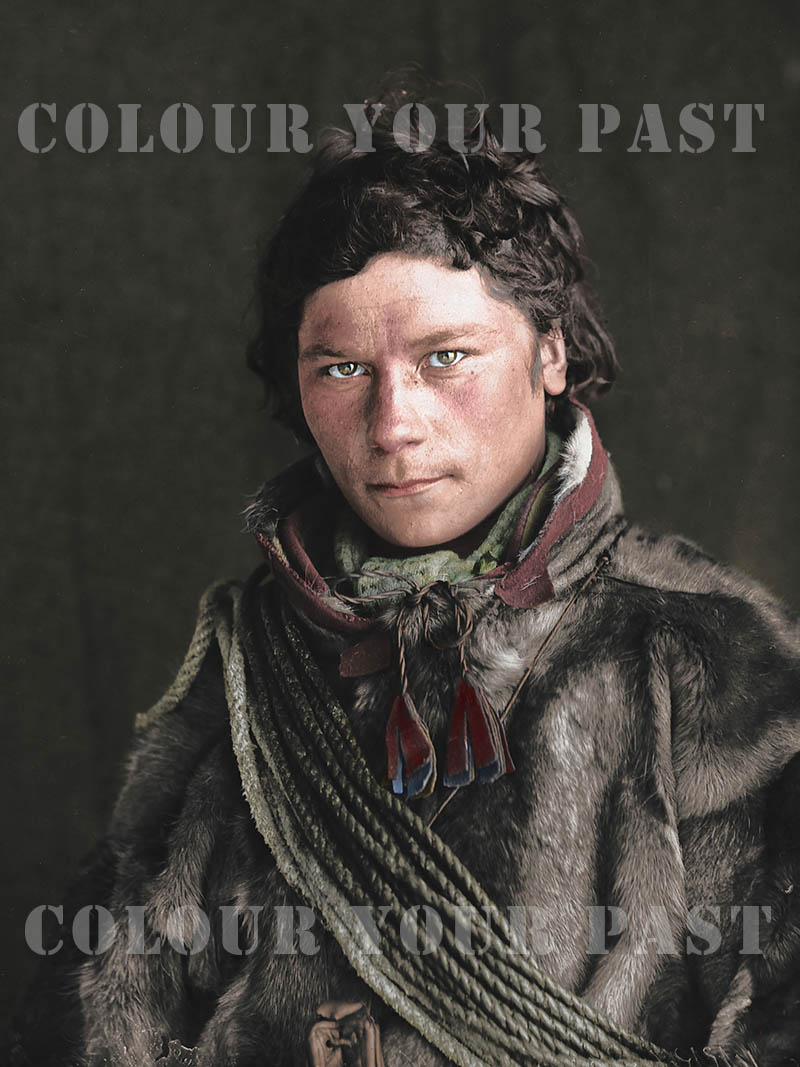
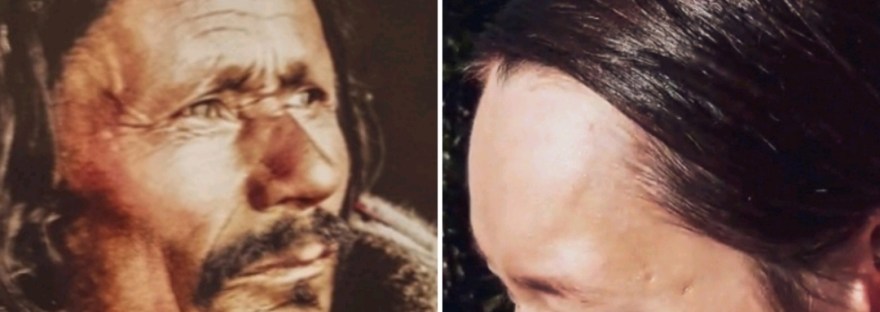
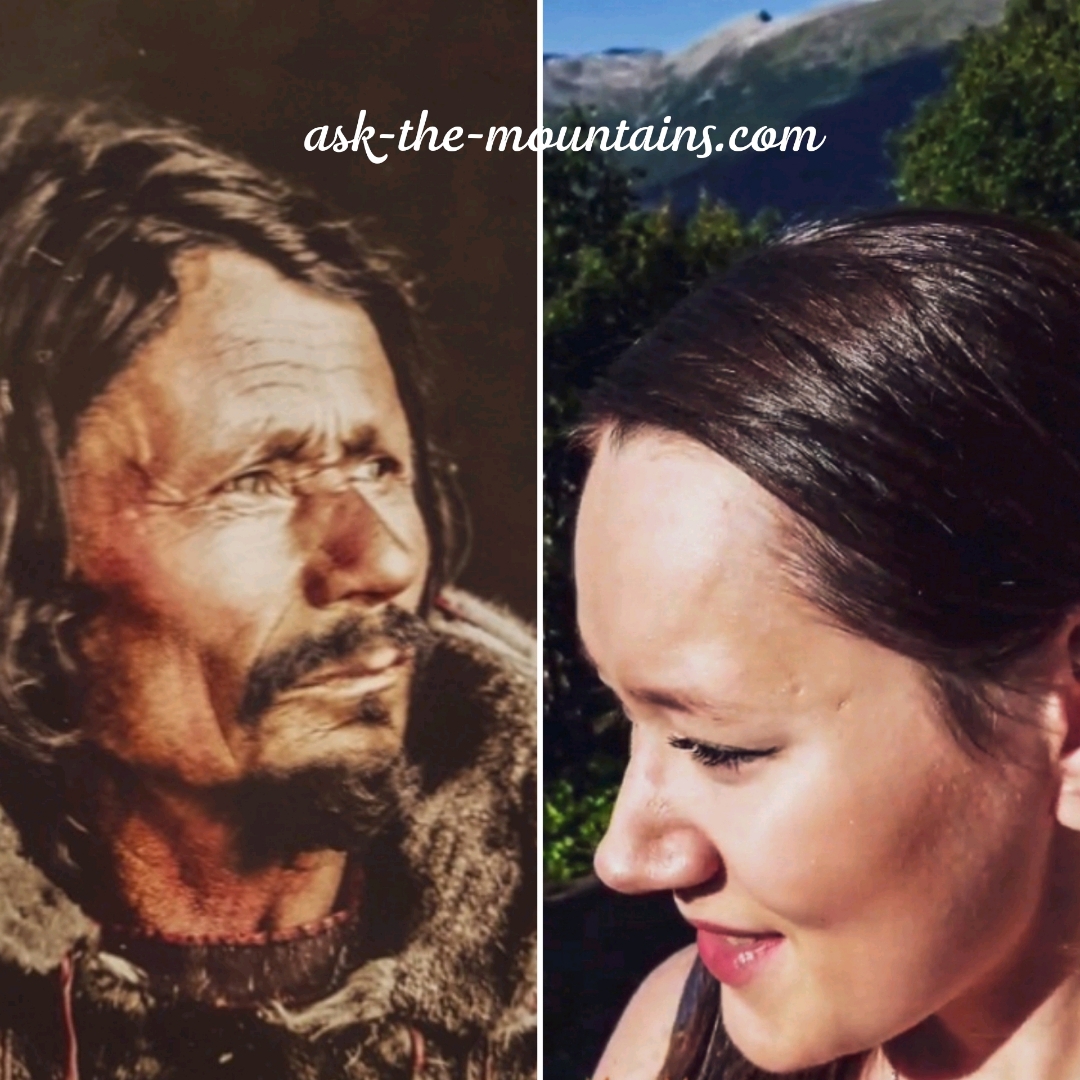
Yesterday was World Indigenous peoples day, so I share this wonderful portrait of my relative Johannes from 6 generations ago. Wearing a pesk/finnmudd. I think we have the same nose, and eyebrows. I look forward to teach our son about his ancestors. It was a black-white photo by S. Trombolt but Per I. Somby colorised it. #ArcticPeople #Uralic
Indigenous means ‘naturally occuring’. Someone or something that ‘belongs’ to a place, and who is living in harmony with the natural surroundings. A part of the local ecosystem. The natural world belongs to us ALL, we need to treat it with respect and appreciation to be able to continue living in it sustainably. Always give more than you take, even if it is “just” gratefulness.
Where was or is your ancestors indigenous to? Do you feel as a part of the natural surroundings?
Small tip on how to feel more connected to the natural world: consciously focus and feel into the knowing of being held and supported by the Earth and gravity. See if you can completely relax intothat knowing and if you can trust that you are safe and being held.
“Practice being here until ‘now’ disappears. Dwell nowhere. Be beneficial to others, and you will lack nothing. Flash open your heart. Be a child of wonder, playing with generosity. Floating in a sea of billions of universes, whatever that is, “That” is all we are. It is as much out there, as it is in here. How amazing. Trade in all your wrongs, injustices, hurts, and fears for mercy, hope, compassion, and kindness. An open heart is the best medicine, open it a little more with every breath. Be like a little kid, running with Wonder, “What is this?” – words by Tilopa, the mahasiddha.
Photo from way back when. I used to love horses but now I must admit being a bit scared of them 😄🙈
How is your spring going?🌻 Myself, I am very busy with the new mama life. Barely time to write this post 😄🙏🏻 It’s hard, wonderful and all worth it.
Will be back with more photographies and updates soon. xx Monica
Allow yourself to be yourself. Close your eyes and feel the stable mountain-like presence of your own being. Indestructable, isn’t it? Your own light, your own intuition. Keep returning to yourself. To home, to where you are safe and where you belong. The same stillness that exists in nature, exists in you. There is no seperation, and it cannot be taken away or destroyed. Allow yourself to come home, over and over, until there is no doubt. xx Monica
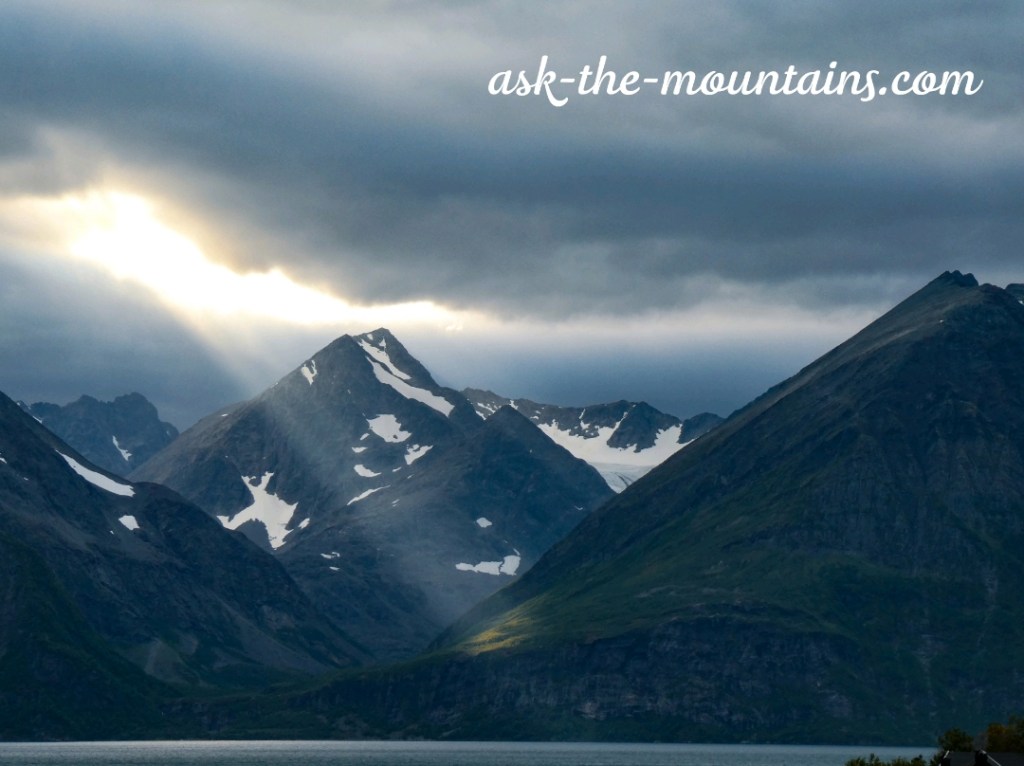
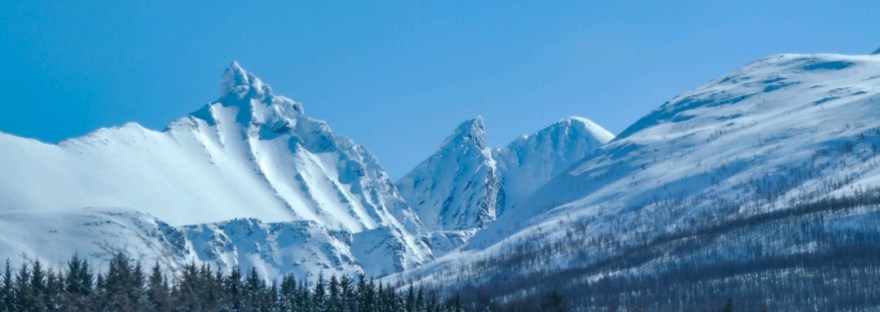
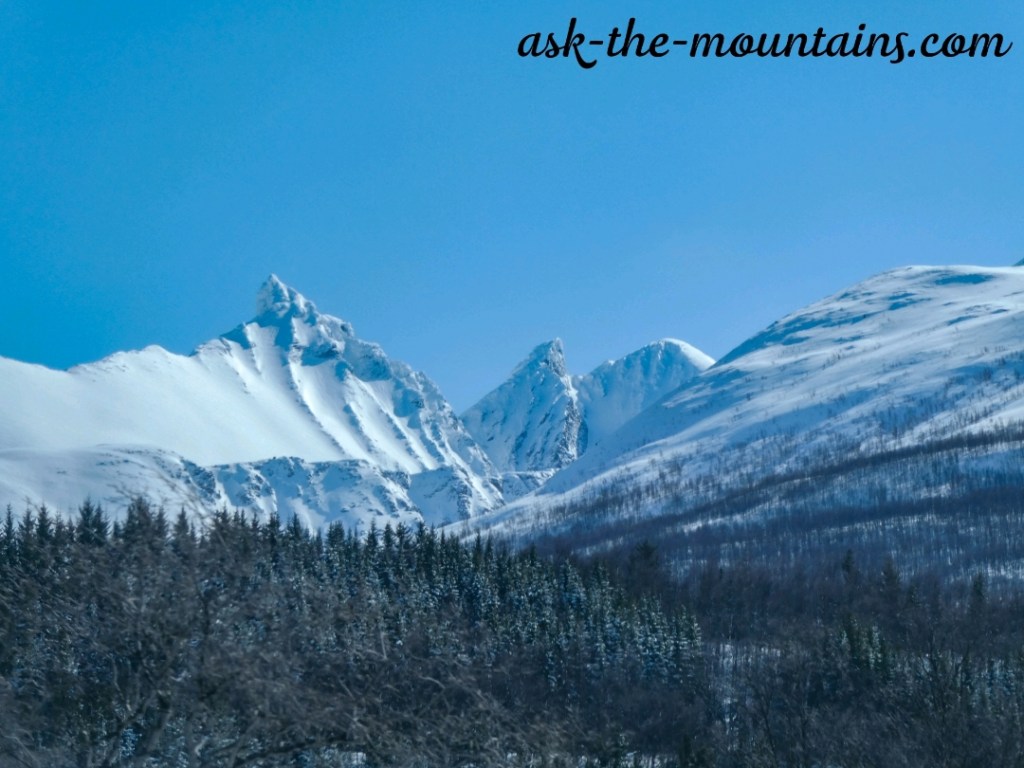
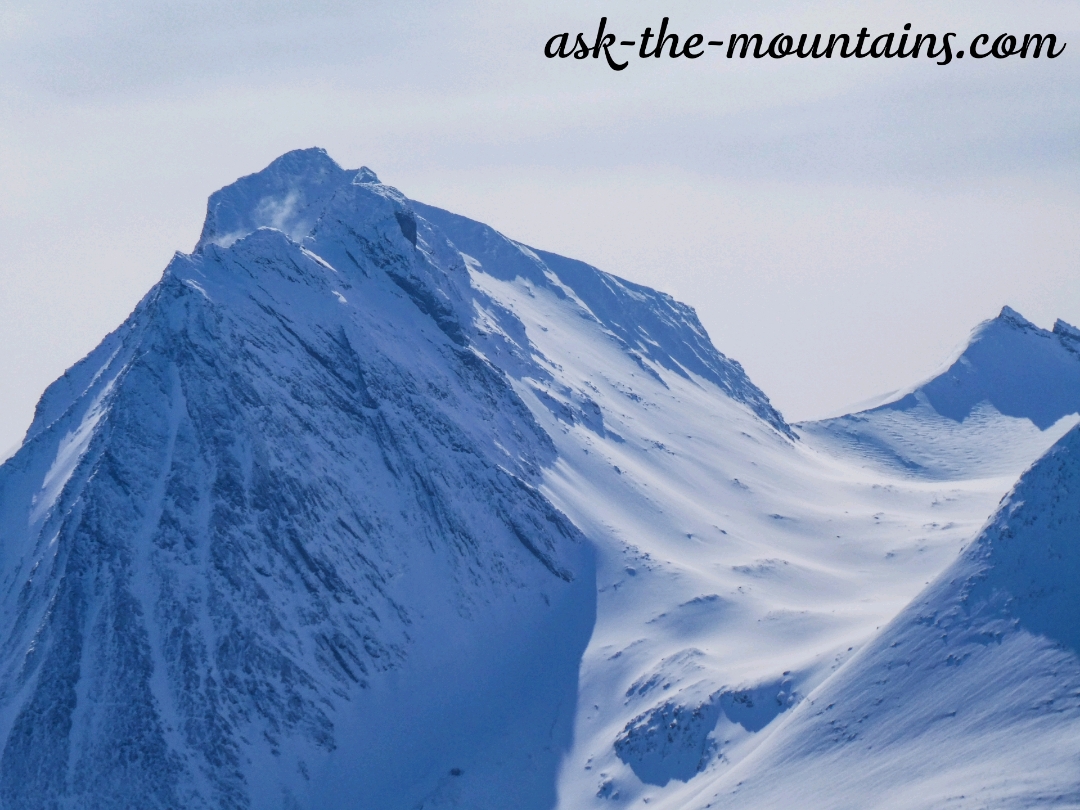
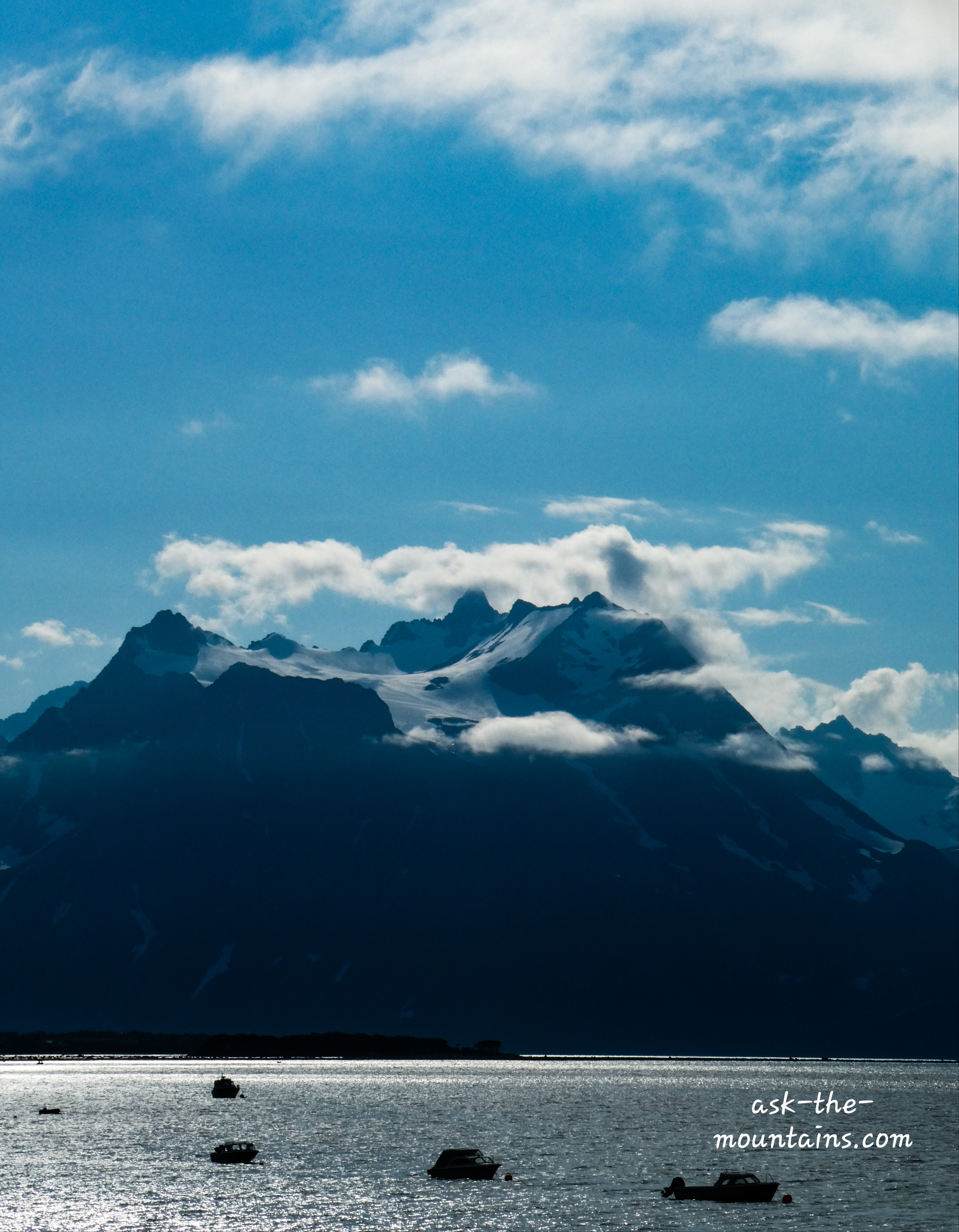
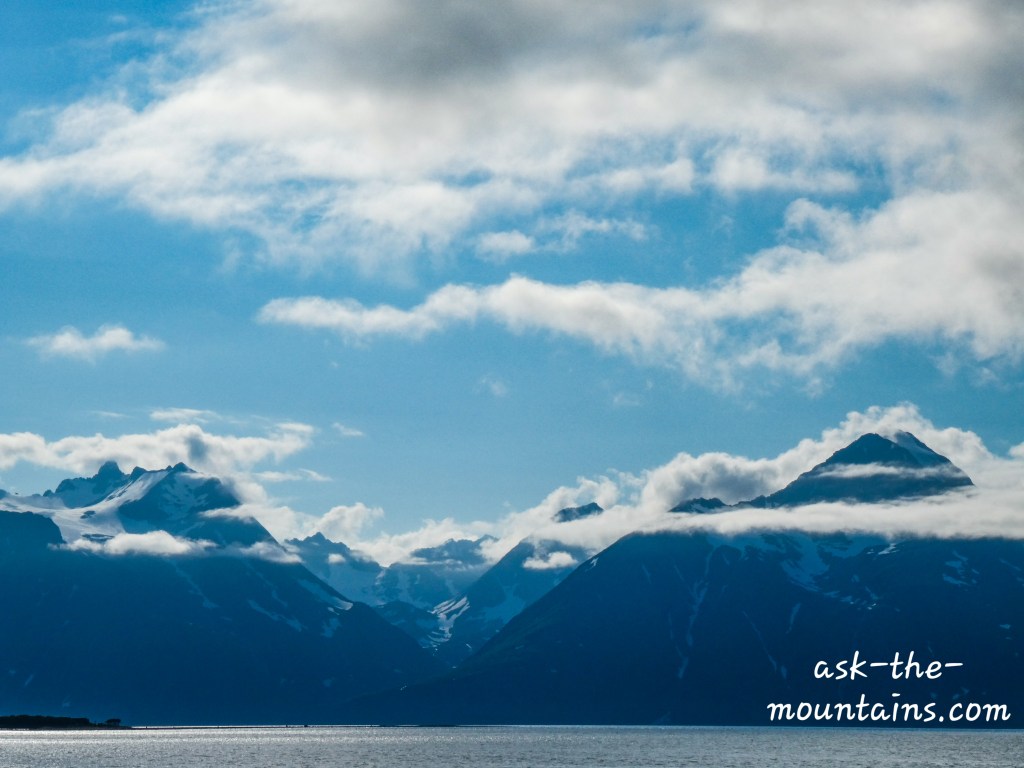
A few snowy peaks shots from beginning of May. Spring is here! Camera used: Panasonic Lumix.
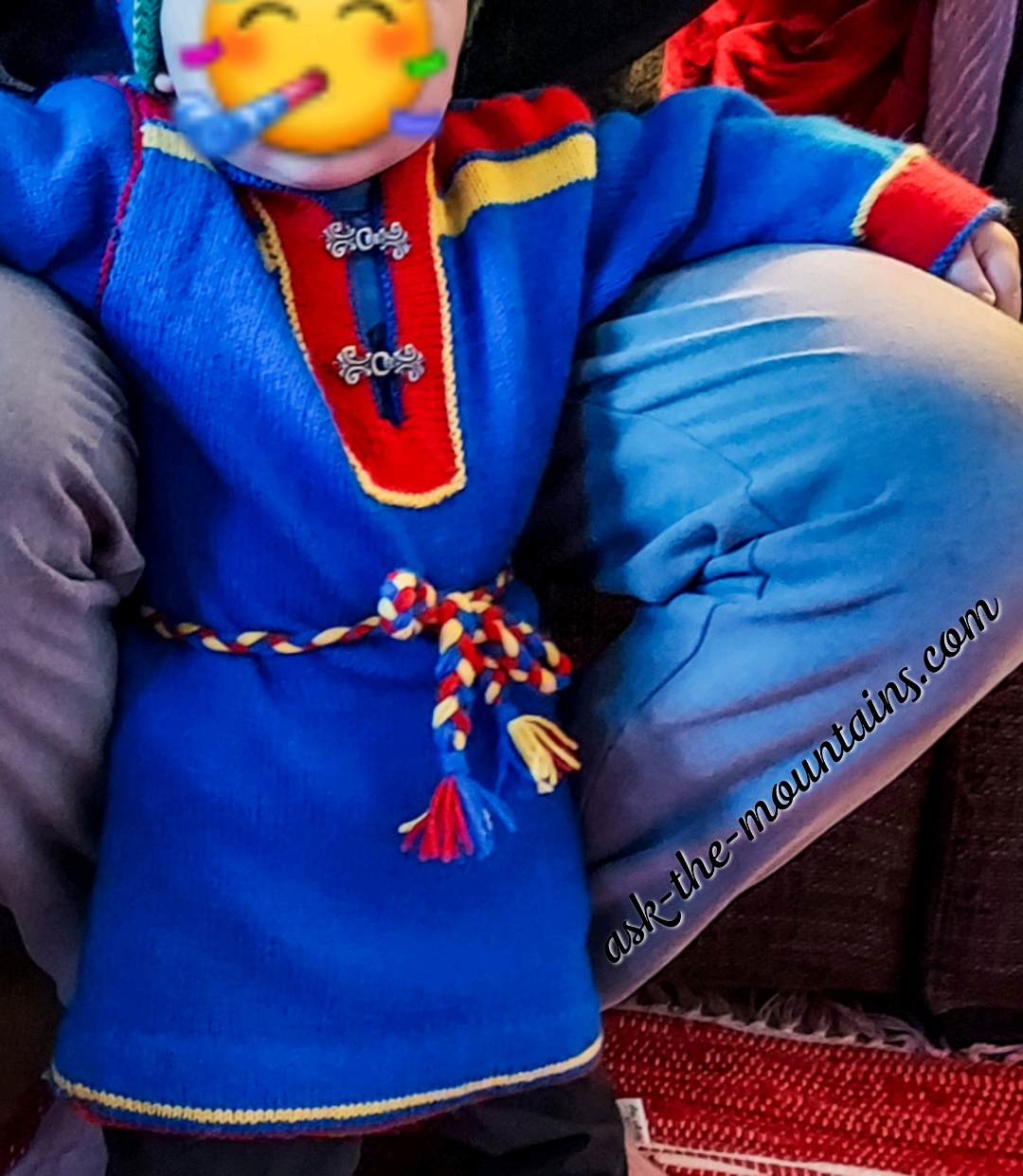
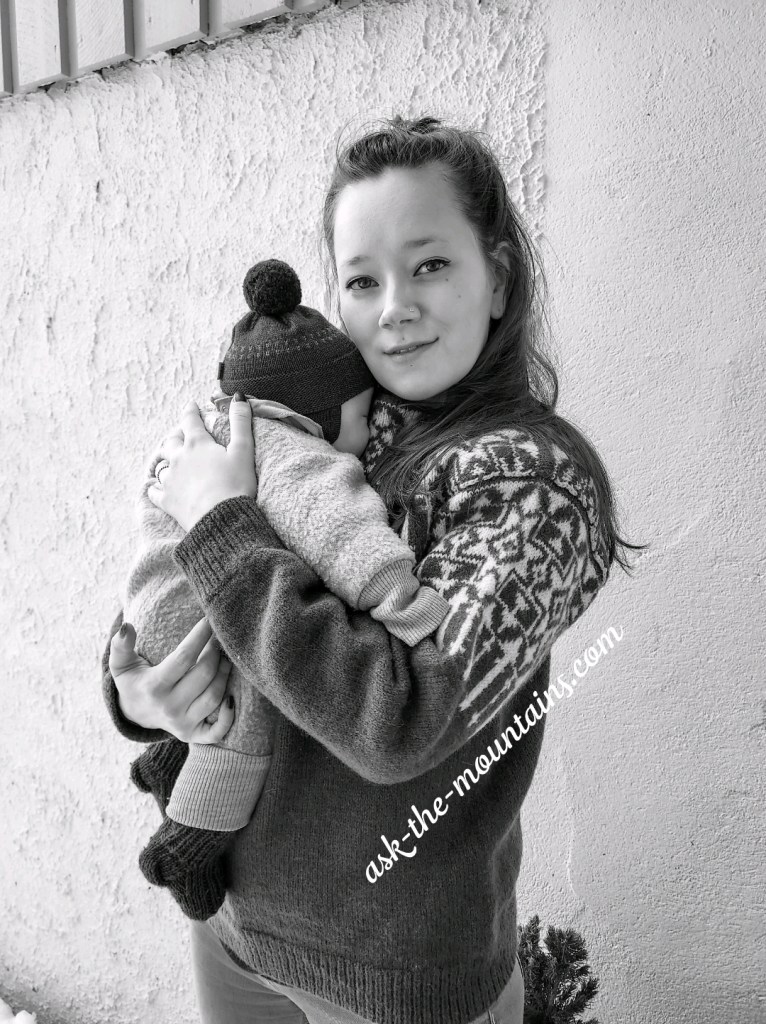
Our sweet little boy 🖤 My wool sweater knitted by grandma.
Being a mama has really opened my heart, not just for our child, but for all children. I have always loved the little new humans obviously, but being a parent takes it to another level somehow. Truly an automatic bodhicitta practice; infinite love and boundless compassion – our true nature.
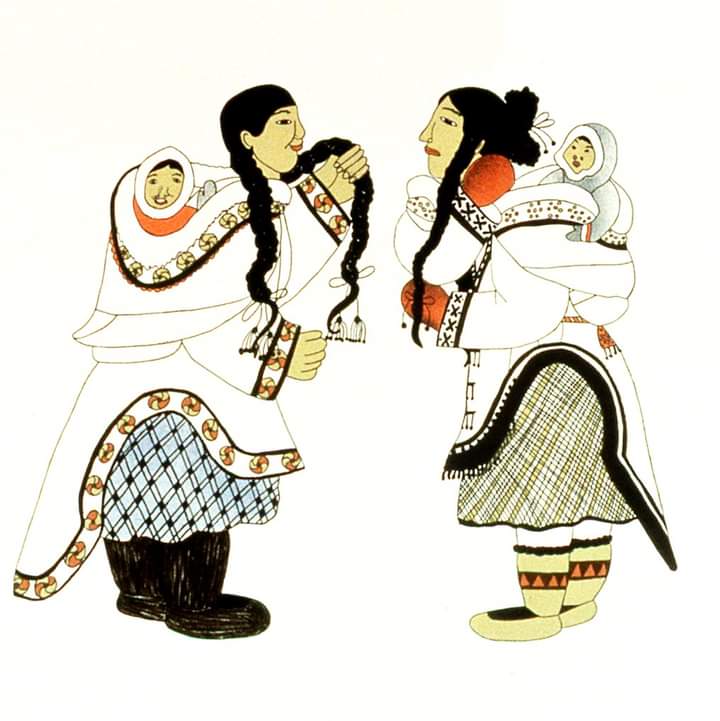
Here are some beautiful motherhood art pieces I really like. Hope you enjoy them as much as I do! 🥰
Art by Germaine Arnaktauyok, “Quiet Time”, 2005Art by Mayoreak Ashoona, “Matching braids”, 1991
Not a painting or art print, but traditional Sámi komse (baby carrier). Truly an art piece in itself, with every woven band having a meaning. Art by Emily KewageshigArt by Alanah Jewell
How has motherhood changed you? Has it opened your heart (more)?
For the past 11 years or so, I have been teaching myself how to relax and be calm.
I have always been quite a worried person, so I feel I had to learn this in order to simply have a better life with more control. I still sometimes forget how to, but each time I remember, I do the following:
An easy quick way to instantly relax the mind and muscles, causing bloodflow to spread more evenly in the body, is to do three things simultanously: relax the jaw and eyes completely, breathe deeply into belly for at least 8 breaths and move the inner gaze/attention to the feet or ground below. Get a sense of the Earth. Notice the effect.
Another way, if you have the oppotunity, is to lay down flat, do the same with jaw and eyes, and to focus on the in and out breaths in the belly. Take deep slow breaths. Imagine them as waves ebbing on the shore.
And lastly, going into nature of course has a calming effect too, even just for 10 minutes. If you cannot go outside, perhaps painting or drawing nature is an idea.
Hope this helps! I truly believe knowing how to relax and calm our selves is an important skill. Getting carried away by the storm can be both painful and result in regrets.
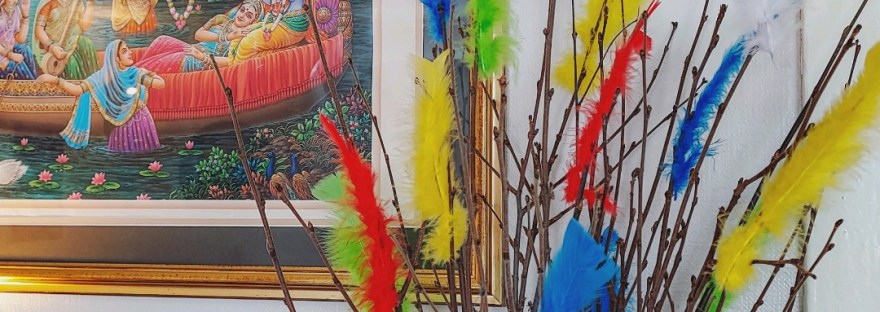
Mårrakaffe og nydelig lilla tulipanKan ikke huske sist jeg laga påskeris ❤💛💚🤍💙Ingen påske uten gule (og noen lilla) tulipaner. Sola titter også oftere frem!
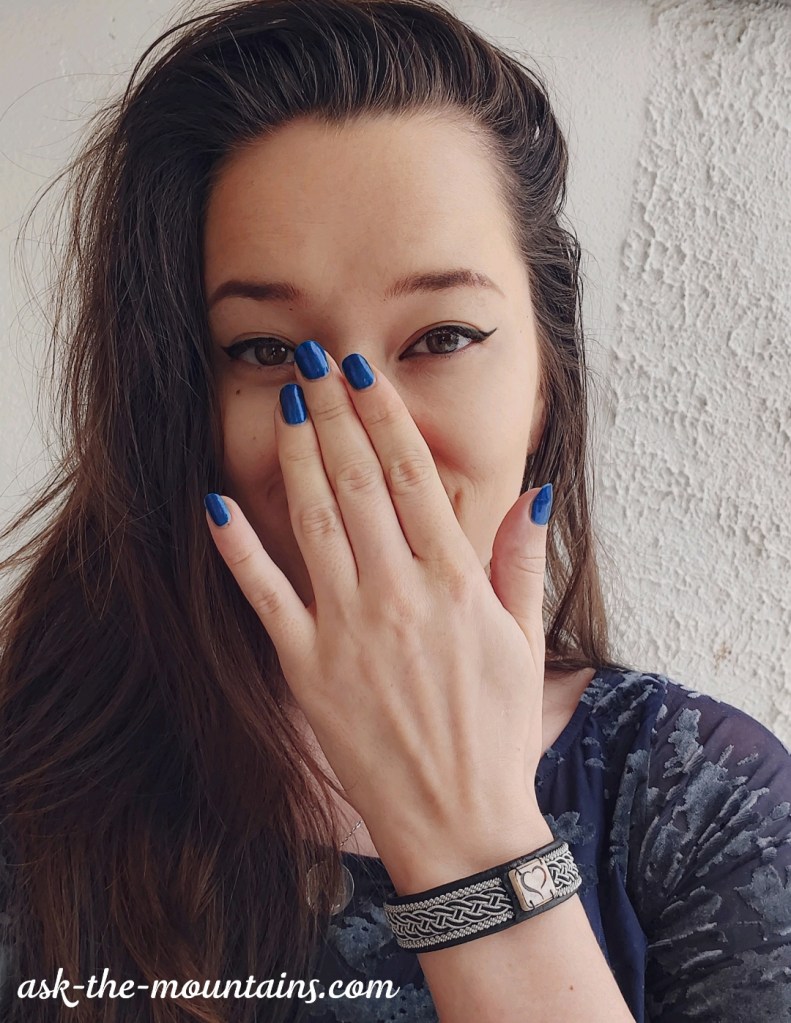
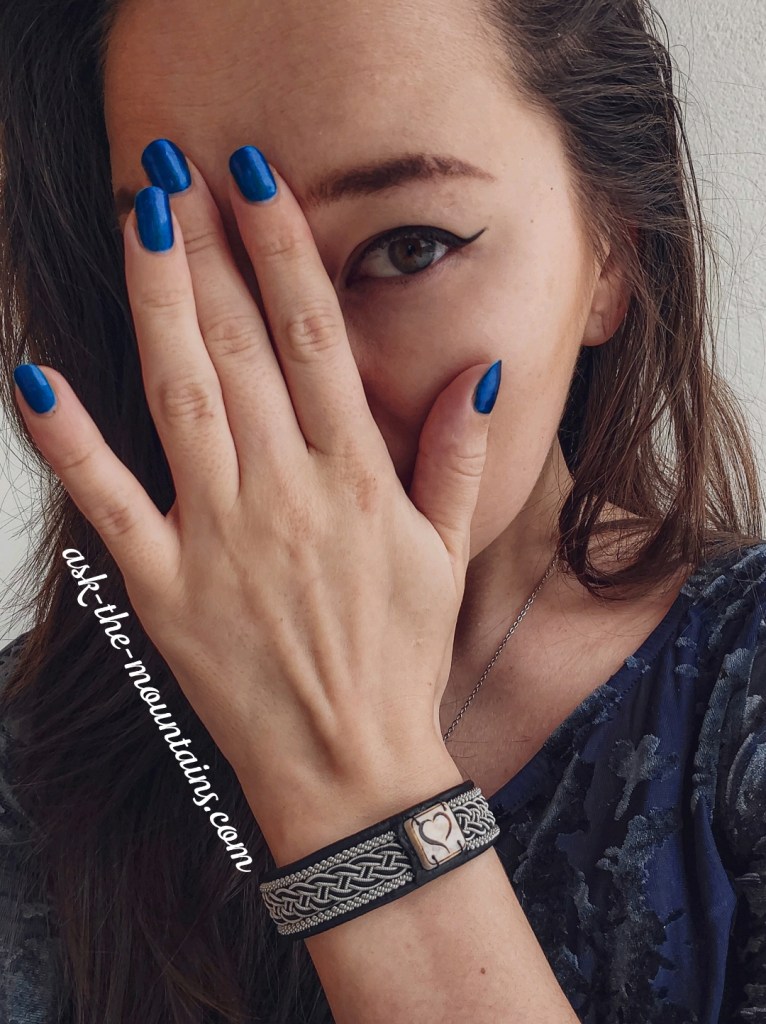
Was so lucky to receive this traditional Sámi bracelet from my partner’s mum as a gift “for giving her the greatest gift” (our son, her grandson) 🖤
It is made from black leather, reindeer antler button and decoration, and the braids are traditional tinwire used in duodji/daidda. It is made by @tinntraadfruen on instagram if you want to see her work 💫
What was a gift you received that had a nice meaning behind it?
The Sun is properly back, and giving us all sorts of moods with her play of light. Like brushstrokes.Afternoon.My friend Flo.We are making a short film. Stay tuned! 🥰Same landscape, different season.
Excellent talk/discussion on the topic of “dark nights”. Very nice to know how to handle, especially if you are a yoga/meditation practitioner or just prone to experience them, and how to get out of it.
I think it’s great when spiritual teachers talk openly about these matters. Many meditators get into spiritual practice because they want answers to their discontentment with life, to get happy. And often with practice we will hit spots in our minds that makes waves into daily life, for example if you have anxiety, it can momentarily get amplified when it is uncovered with practice. So it’s good to know that the goal is not to bypass all our problems, but to face them and to “cut through” them so that our natural state gets revealed. Over and over until all karmas are erased.
The yogic path was never about feeling good and calm all the time, but to unravel and reveal our true selves, our buddha nature, to understand ourself and how the mind works. 📿
It’s the last day of a very eventful January, and I am spending it curled up on our big sleeping couch with our newborn baby boy who is about 2 weeks old now, in his little baby nest and my partner who is sitting on the other end writing away on the computer. Outside, it’s already dark again. Polar night is officially over here but I have not seen the Sun yet. I am not outside so much, hardly at all as all time and energy is spent adjusting and taking care of this new amazing creation. I did however manage our first little walk with the pram!
Life is new and different and surreal as parents. Giving birth was intense and hard work, and unfortunately not how I envisioned, but nontheless a very powerful experience. A rite of passage of sorts.. At one point during delivery I felt like I connected with all other Mothers giving birth naturally, experiencing the same pain at the exact same time. When he was born, there was an incredible silence and love that I have not experienced before 🤱🏻
January is also my birthday month, and this year I celebrated at home with my little family and my friend Katharina. 29; last year in my twenties, first year as a mama! 🎉✨
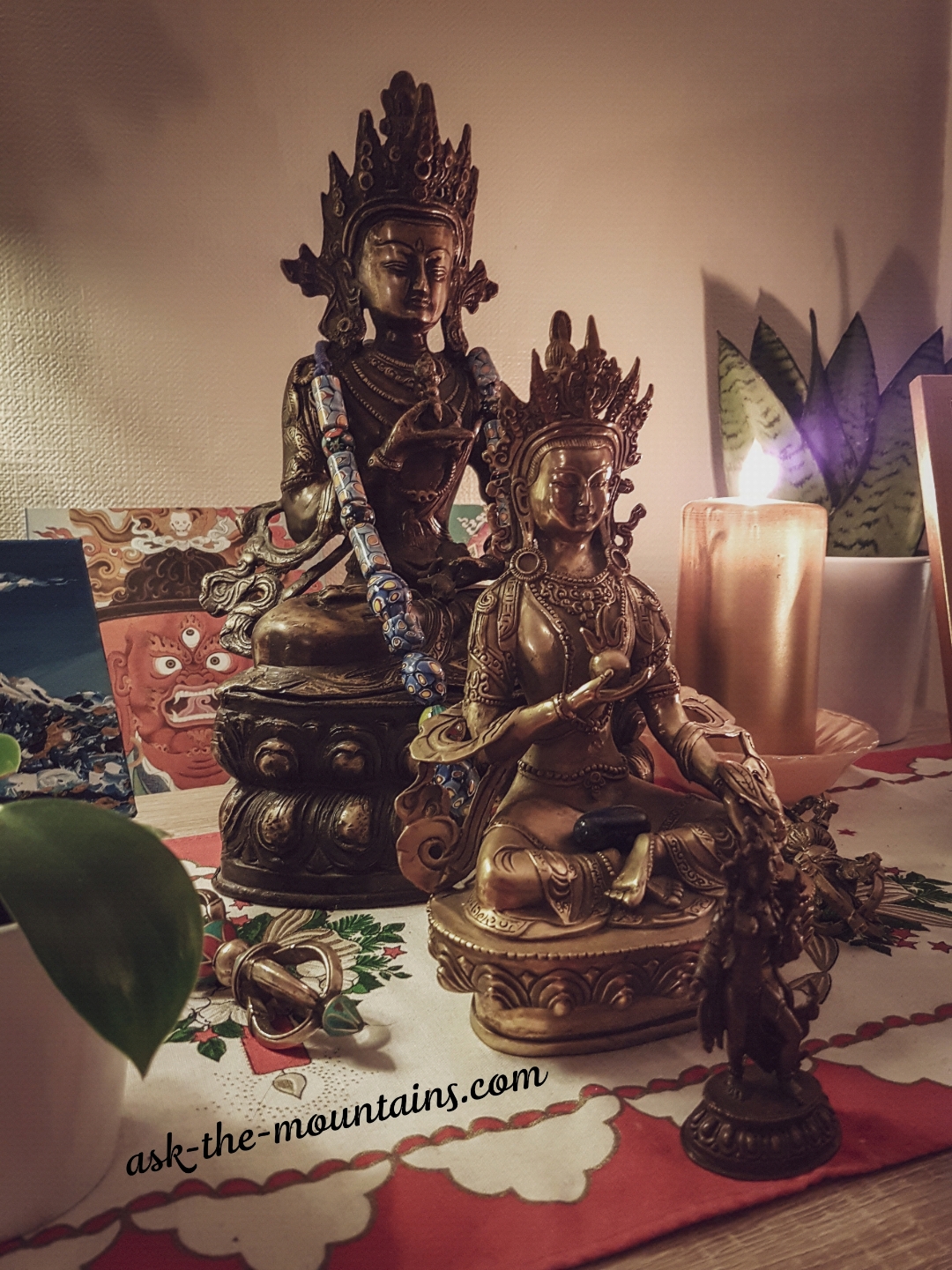
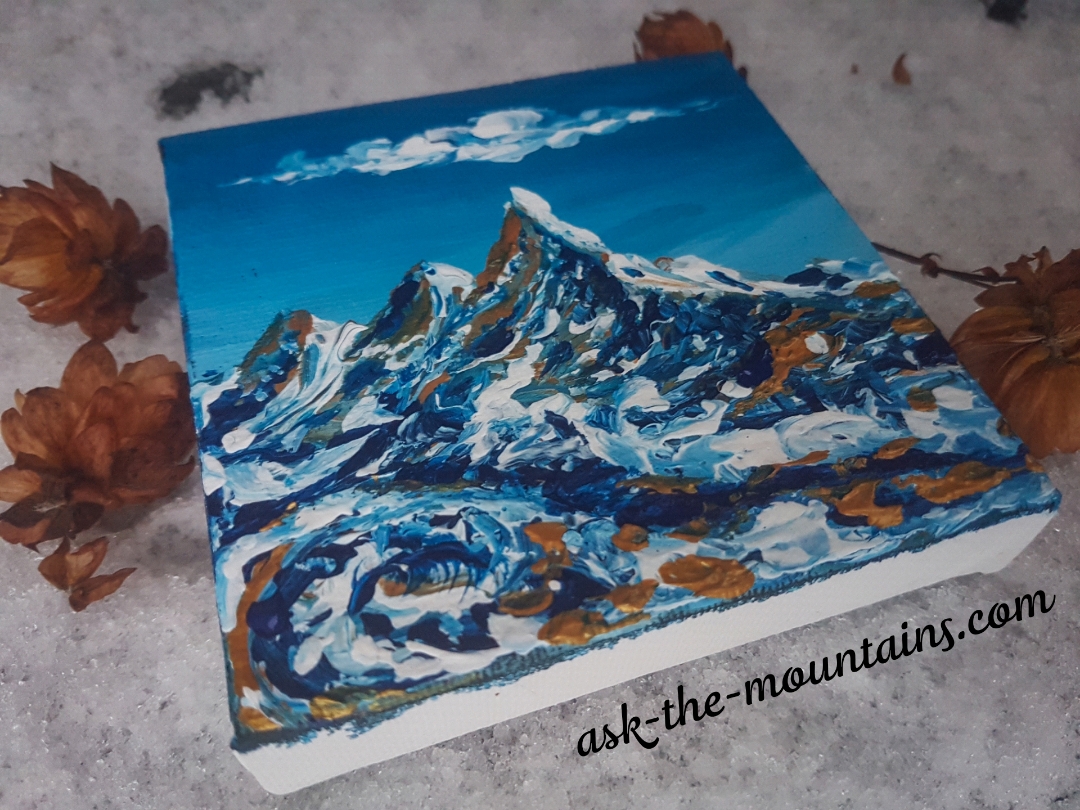
A little snow leopard put her print in the snow 🐾 Tara dancing in the snow next to it ❄10 x 10 cm. Colours used: white, blue and copper/gold.Our Christmas altar. Put my new painting there next to Vajrasattva statue.‘During practice, the Buddhas and bodhisattvas are omnipresent. They’re always here, but we don’t see them because of our obscurations. We practice in order to clear away the obscurations and to acquire pure perception—not with the eyes, but with the heart.’ ❤🙏🏻
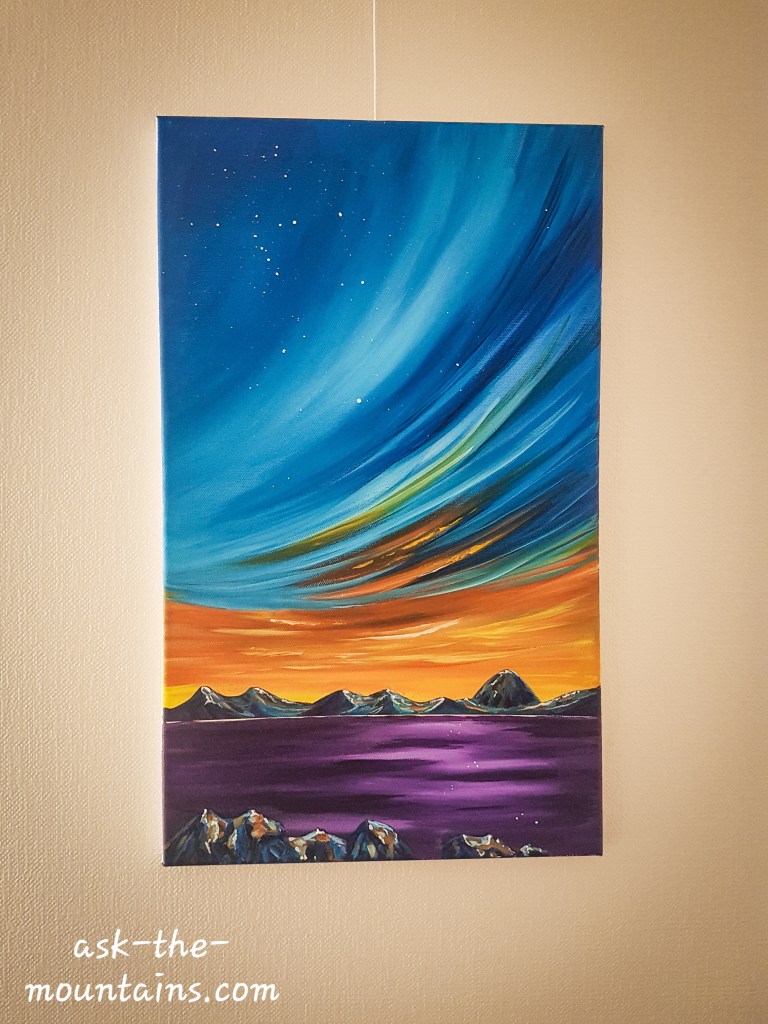
The copper coloured mountain is also known as Zangdok Palri; Guru Rinpoche Padmasambhava’s non-physical pure land.
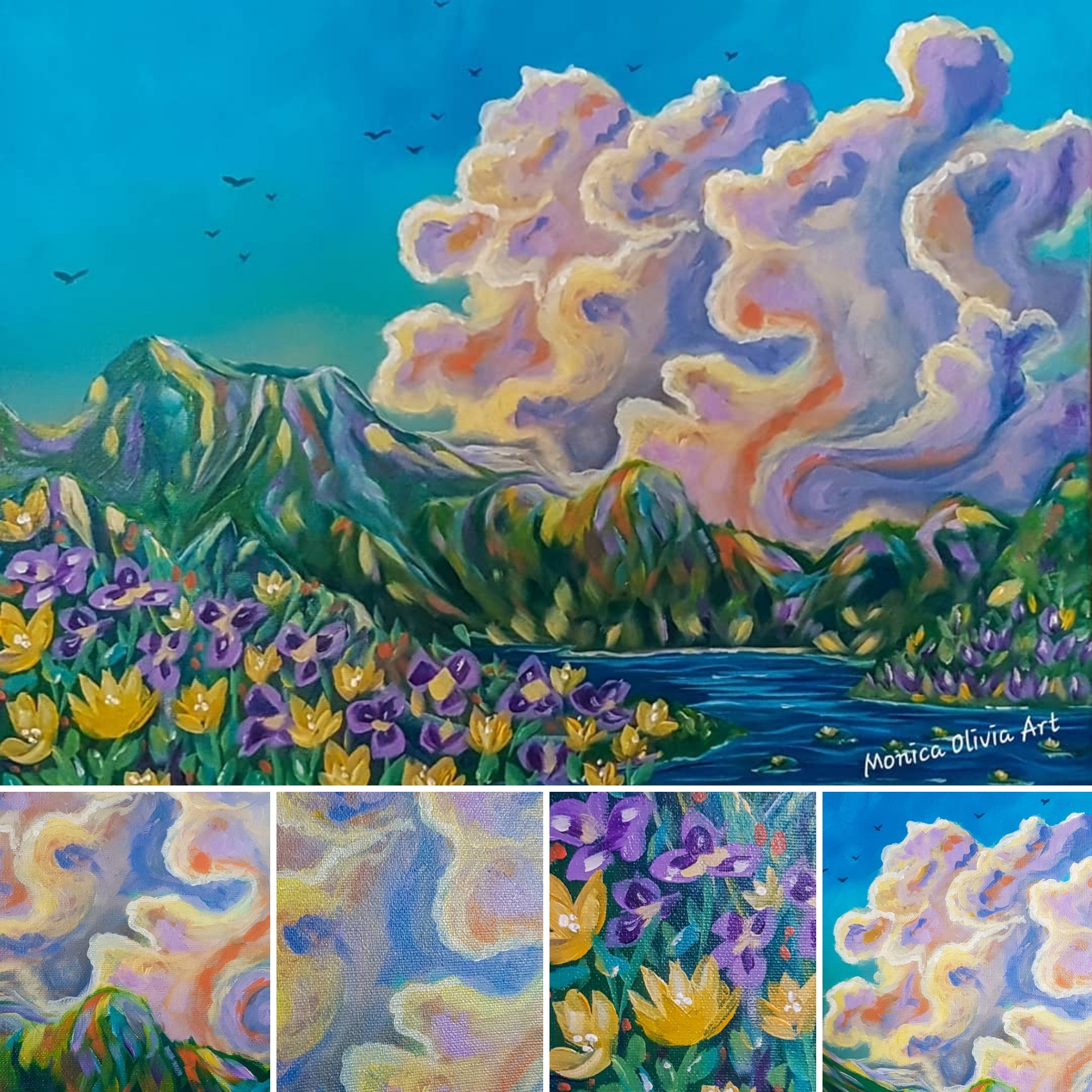
My favourite painting from last year 💙🧡💛💜 Acrylic on canvas.
“An amateur (literally means ‘lover [of something]’) is generally considered a person who persues a particular activity or field of study independently from their source of income/does not persue it professionally or with an eye to gain.” 🎨
“No sløkkes en dag som så vidt rakk å gråne og vise fram landet ei skjømmingsblå stund og gjømt attom fjellan i aust står en måne som snart skal strø sølv over fjorda og sund. I sør ligg ei strime av lys over tindan der dagen blør ut før han slokne førr godt og vi står igjen med oss sjøl og med minnan i mørketidslyset der allting blir blått.
Så kom og vær nær meg – vær sol i desember når midtvinterstanka tar rom i mitt sinn førr året må føle sin kurs og kalender og stian blir tungtrødd når lyset førsvinn. Men hold meg i handa og lær meg å vente på solkvervingstimen då allting skal snu. I mørketidslyset e varme å hente førr den som har mot tel å trosse og tru.
Ja, streif mine strenga og løys i meg tonen tel landet som kvile ved midtvinterstid la mørketids-tankan og haust-depresjonen få vike førr strofe av blå poesi. Vi leve med rest av en sommar i minne i lengting mot daga vi ikkje har fått men kjem du meg nær skal vi solvarmen finne i mørketidslyset der allting blir blått.” – Helge Stangnes 💙💛🧡
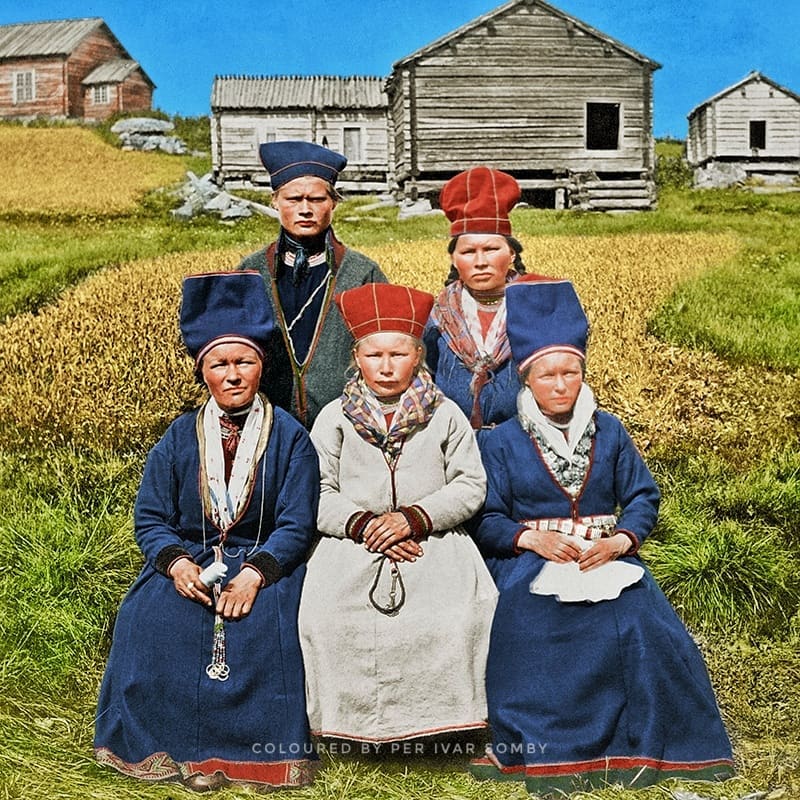
Photo coloured by Per Ivar Somby. In the photo: Brita Somby, wearing traditional dress (gákti) with traditional wool shawl. Reindeer pants and boots.
The eight remaining Sámi languages are spoken here in the north of Europe (see map and gallery below) in a cross-border region which includes Norway, Sweden, Finland and the Kola Peninsula of Russia. This region is generally called Sápmi – mostly by northern Sámis, and is sometimes referred to as Lapland or Samiland. Laponia in Swedish Lapland is the one of the World’s largest unmodified UNESCO nature area still cultured by natives. Sámis are indigenous to Sápmi/Northern Europe and Kola Peninsula, our heritage and ancestry traces back to Ural mountains and Siberia. Sámi is part of the Uralic language family, alongside Khanty, Mansi, Nganasan and Karelian, to mention a few. Lap is considered a deragatory term for Sámi person.
Sámi languages speakers estimate:
Southern Sámi 300 – 500 speakers
Ume Sámi – less than 20 speakers
Lule Sámi 2 000 – 3 000 speakers
Pite Sámi – less than 20 speakers
Northern Sámi – 20-30 000 speakers. There are three main North Sámi dialects. Northern Sámi is the most accessible language, both in terms of literature, news broadcasts, and other material for those who want to learn a Sámi language as a foreign language.
Kemi Sámi – extinct
Inari Sámi 300 – 500 speakers
Akkala Sámi – considered mostly extinct since 2003
Kildin Sámi 300 – 700 speakers
Skolt Sámi 300 – 500 speakers in Finland, fewer than 20 speakers in Russia
Ter Sámi – less than 5 speakers left, all elderly (update 2023: Ter Sámi is extinct)
Today we are around 90 000 Sámis, but as you can see from the numbers they do not match up to speakers of Sámi languages. Roughly 4/10 Sámis speak and use one of the Sámi languages today.
Why is this so?
To avoid humiliation and to give their children “better chances in life”, indigenous and minority parents often decide to speak a dominant or official language with their children. Sámi parents have not been an exception to this rule, especially in the very near past.
For the sake of how long this post would be in order to include all four countries’ history with the Sámi people, I will mainly focus on Norway.
Title: Samiske barn undervises i norsk / Sámi children learning norwegian Opphaver: Fotograf Sverre A. Børretzen Rettighetshaver: Leverandør NTB scanpix
Up to the 17th century, Sámi society lived pretty much its own life, with little interference from the outside. But with the new borders of the Nordic countries, interference was inevitable. Historically, the language situation after interference can be divided into three distinct periods: a missionary phase; a harsh assimilation phase; and the present phase, with potential for integration and revitalisation.
The 17th and 18th centuries characterise the beginning of missionary activities, with some very positive projects for the benefit of the Sámi languages: teaching was conducted through the medium of Sámi and religious texts were translated into Sámi (the Læstadian faith was introduced to Sápmi). From the middle of the 19th century however, a new policy based on national romanticism and ‘vulgar Darwinist ideas’ led to a harsh suppression of Sámi and the languages. The Norwegian Parliament and government pursued overtly a policy aiming at assimilating the whole Sámi population in Norway in the course of one generation. One can only say that this assimilation was very effective.
The “dark century,” 1870 to 1970 ca, had detrimental effects which can still be felt on both the languages themselves and on their status and speakers. In the coastal areas of Norway (and elsewhere), negative attitudes were transmitted by the Sámi themselves as a result of the policies, and inter-generational transfer of the language ceased in only a few generations.
Approx distribution of the languages/dialects today. The biggest blue area is mainly Troms and Finnmark.
New efforts in maintaining the languages were revived in the 1970s and still continues to this day. However, one of the most striking failures of the Sámi strategies is that the smaller Sámi languages (in numbers of speakers as listed above) have not seen success in improving their situation or even in defending their previous position. This failure is partly due to the fact that most speakers live apart from the larger Sámi groups. Dispersed among Norwegians, Swedes, Finns, and Russians, they do not have the demographic concentration that would enable them to use their language in the workplace and in official situations, including schools.
A language’s development, aging, and dying was considered “natural,” out of human reach. Languages were not killed, they “died of old age.” This agentless “model” for the prediction of the future of languages is still found among politicians, and legitimates their way of treating minority languages. The view that a minority is not autonomous and their own people, is devastating to that people’s culture and language.
In Norway, many municipalities with a Sámi population had developed procedures to give the Sámi some local linguistic rights. Yet, when the Sámi language law (in force since 1992) designated certain areas as belonging to the Sámi administrative districts, many of the municipalities left outside these official districts – often municipalities where the speakers of the smaller Sámi languages lived – withdrew services in Sámi, claiming that the law did not require them. Even today, there is strong resilience towards using official Sámi names in for example Norwegian towns and municipalities. This seems to stem from the view that Sámi people somehow belong to Norway, Sweden, Finland or other countries, and not to ourselves as our own people with our own unique language, history and culture.
South Sámi name for Bodø not welcome, 2011.
Currently, education, official documents and the media use Northern Sámi almost exclusively. This variant is used as a de facto “official language” and the most significant efforts have gone into the development of this particular language, to the detriment of other Sámi languages.
Opinions also differ on whether the different versions of Sámi are actual languages or dialects, and how to designate their speakers. Here is a an example what ‘Have a good weekend’ is in 6 Sámi languages:
“Buorre vahkkoloahppa” – North Sami
“Buerie hïelje” – South Sami «Buorre vahkkogiehtje» – Pite Sami “Buorre vahkoloahppa” – Lule Sami “Šiõǥǥ neä’ttel-loopp” – Skolt/East Sami “Pyeri oholoppâ” – Inare Sami
Eastern Sámi is the most different from the other languages.
Official Sápmi flag by artist Astrid Båhl from Skibotn, Troms. Photo: Ørjan Bertelsen
Most Sámis today speak either Norwegian, Swedish, Finnish, Russian, or even English as their everyday tongue (some migrated to the USA). Many are bilingual as well. Another factor is that some Sámis do not identify as Sámi or even know that they are due to the heavy assimilation of the past. They do not have any relationship with the language(s), and thus have lost their door to that culture.
Unlike the Indo-European languages spoken in most of Europe, the Sámi languages belong to the Uralic language family.Photo I took at the main square in Tromsø 2019. Demonstration against violence and discrimination towards sámi.South Sámi women and a man in Sweden. Colourised photo by Per Ivar Somby. Many young Sámis today use the traditional handwoven wool shawl as an everyday garment in a more urban way in order to still show our Sámi identity, and belonging. (Photo by NatGeo of Jokkmokk Sámi Ella-Li Spik, herder).Portrait of my relative Johannes from 6 generations ago. Wearing a pesk/finnmudd. Finnmark, Arctic Sápmi. I think we have the same nose, and eyebrows. It was a black-white photo by S. Trombolt but Per I. Somby colorised it.
Norway, Sweden and Finland was in 2019 urged by the UN to increase public funding of Sámi parliaments as a response to the dire state of the disappearing languages. But even if the situation seems dire for many languages, it is still possible to revitalise them and start using them more often. Which languages survive and which do not ultimately seems to be a question of human will, not of any rules of nature.
I know that languages and cultures come and go, but I do feel it a great loss to lose what has been native for Sápmi for literally thousands of years, in only a few generations, when it can be perserved. I am happy that some schools and institutions are giving sámi language courses to anyone who wishes to learn it (although this is mostly in Northern sámi), and I do also wish that my children will learn it, which I never did due to the Norwegianization process in Finnmark. Language is a huge part of culture and when it’s taken away, people get confused about their own community, identify and sense of belonging, and even turn on each other as a result of feeling alienated.
The languages we learn from our parents shape our brains, literally!, and our worldview, how and who we relate to. The immense loss of language and culture for the Sámi people cannot be described as anything else but traumatic.
Me keeping warm and optimistic about the future of the languages and culture.
“Stuttering or stammering, in its simplest form, is any disruption to speech fluency. This could be repetitions, prolongations, or blocks and may occur anywhere in the word or phrase. Nerves or anxiety does not cause stuttering. Stuttering is a neurophysiological disorder. Oftentimes, it is the stuttering that causes anxiety.”
“Stuttering is believed to occur due to dysfunctional blood flow in certain areas of the brain.”
How stuttering has manifested for me:
Blockages; going mute. Also known as stutter blocks. I’ll know exactly what I want to say, but I physically cannot get the words out. They are stuck in my chest, head or throat/jaw. This has made it quite hard to communicate a lot of the time, and to make friends or be social in general. I often rehearse sentences in my head, and get overjoyed if I manage to say it out loud with fluency. This takes a lot of effort, and is why I prefer writing or any other form of communication. I also struggle some with phone calls.
The blocks makes me say “Uummm” a lot too, to kind of fill in the time because I really want to get the next word out, which is quite stressful. I do fear it makes me sound dumb or slow, and it does kill my confidence, especially if I am with people I want to talk a lot with or I know I have a lot to say on the topic we are discussing. I usually have no problem talking to animals, close old friends, chant buddhist mantras or in certain situations where I don’t feel a pressure to say anything. But those situations are rare, and I would love to learn how to “unblock” my speech, which is why I am doing speech therapy too,
Do you have a speech problem, and/or something similar? Let me know how you deal with it.
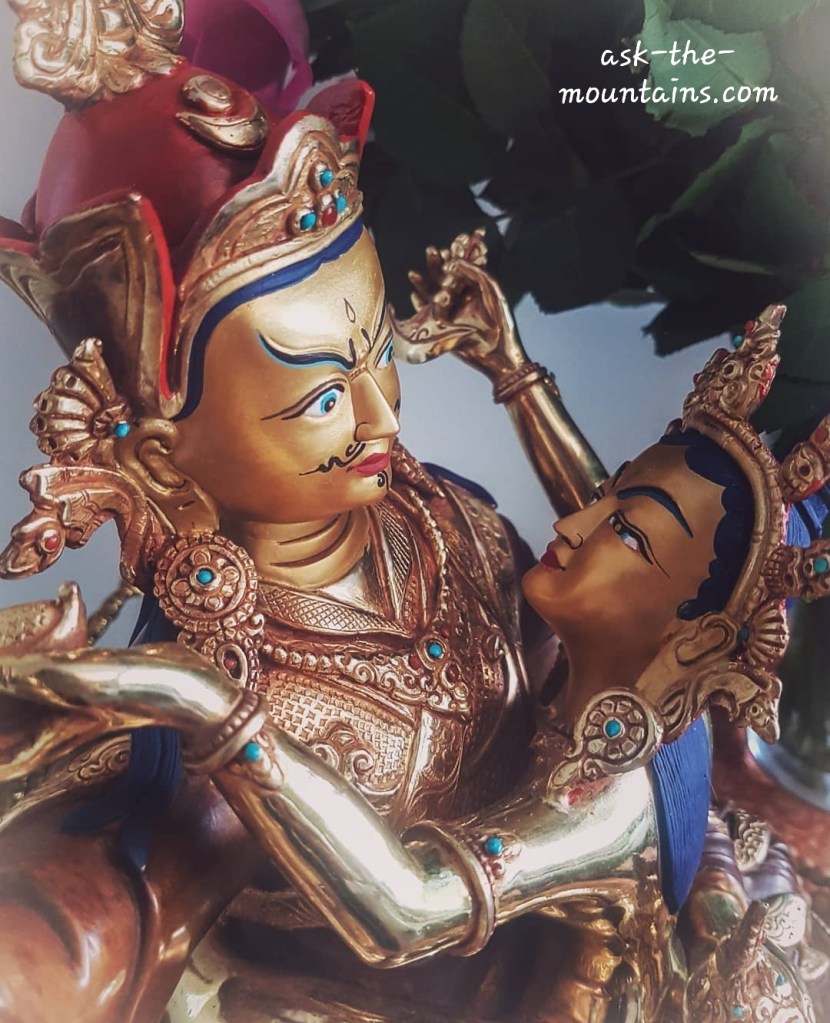
My favourite shawl. Head dress I made by hand.A tantric Padmasambhava and Yeshe Tsogyal statue I helped repaint for a friend. The union of wisdom and compassion. Wish I had a similar one! Hopefully one day I will afford one 🙏🏻
You know how you need to pretend to sleep in order to fall asleep? And at some point it just happens. Maybe it’s the same with other areas of life. Fake it till you make it, kind of, not in a bad way – just a dedicated one. I have noticed at least that the same applies to yoga and meditation sometimes. If I feel stressed, anxious and restless, I force myself to do the practice anyway. And at some level it still does its magic, of that I am 100% sure. In between the sleepless thoughts and rough emotions – they become like clouds in the pastel coloured sky.
Wishing all a lovely calm Polar night, and remember that it’s in darkness you shine the brightest 🌌✨🎆
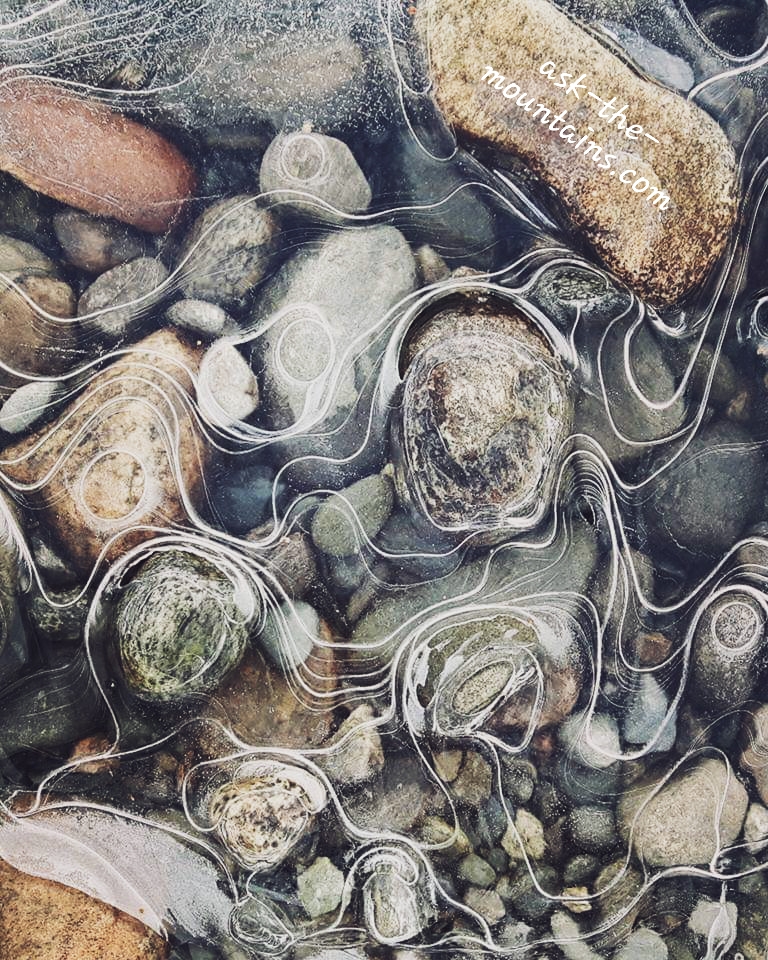
“Just like water, snow and ice, life is always shifting, changing forms.” (This photo is from february 2017). Beautiful texture and shapes in the frozen water.
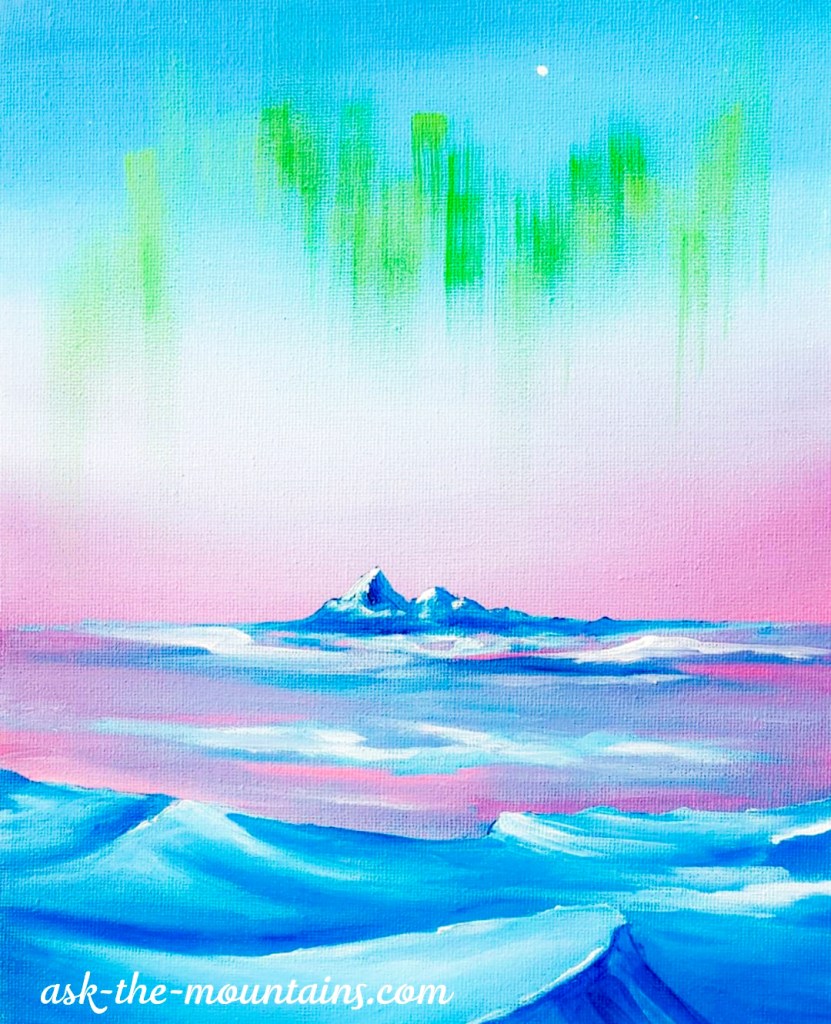
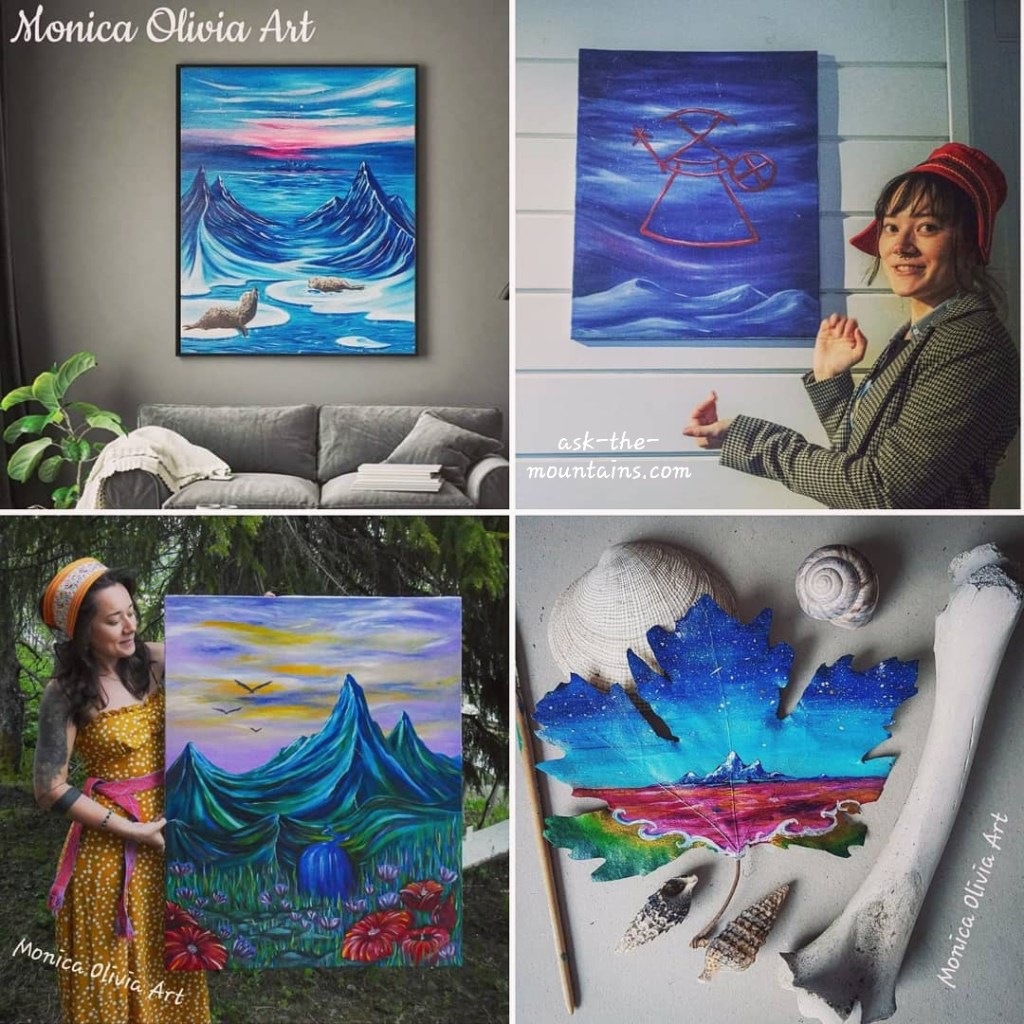
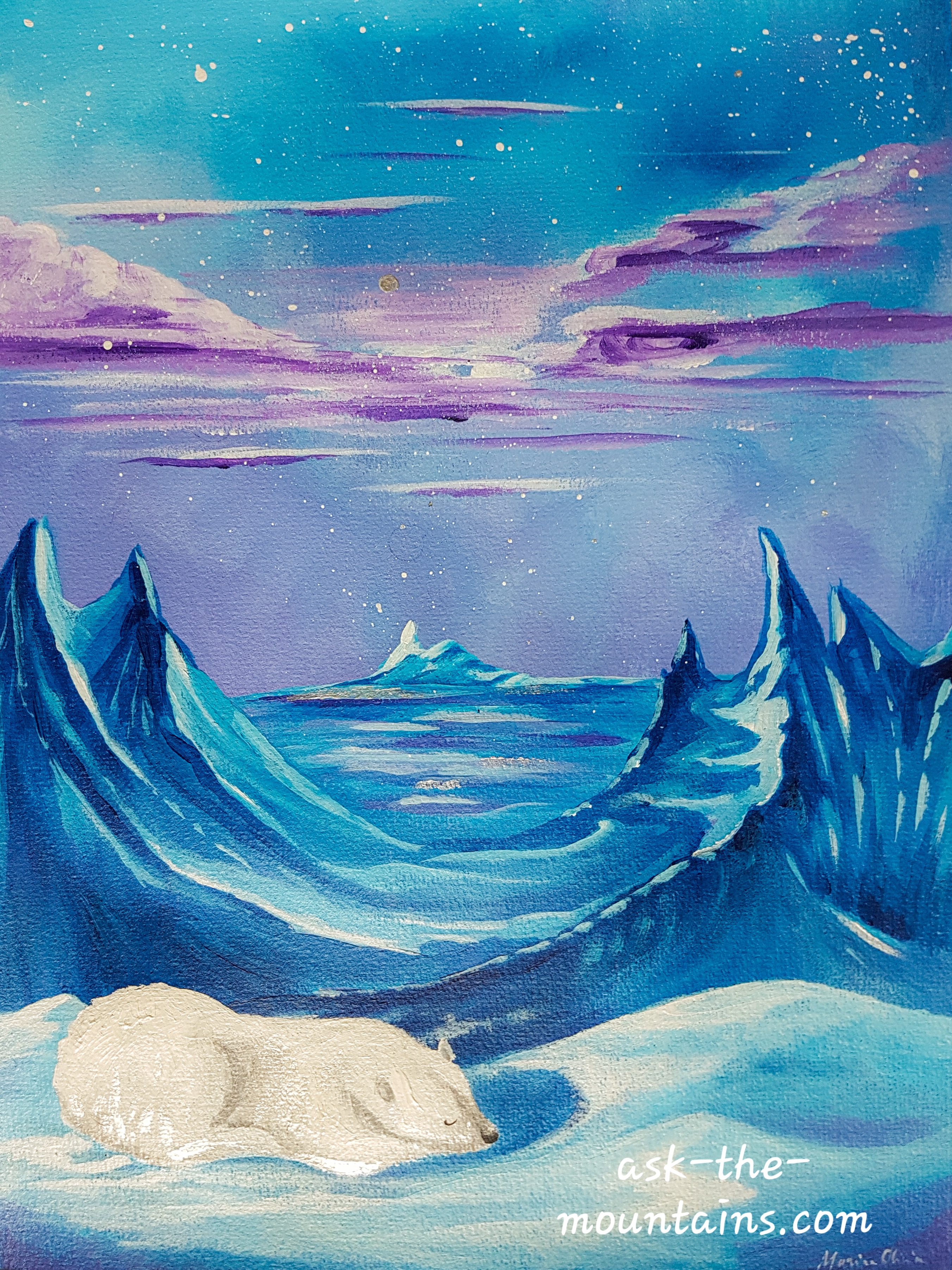
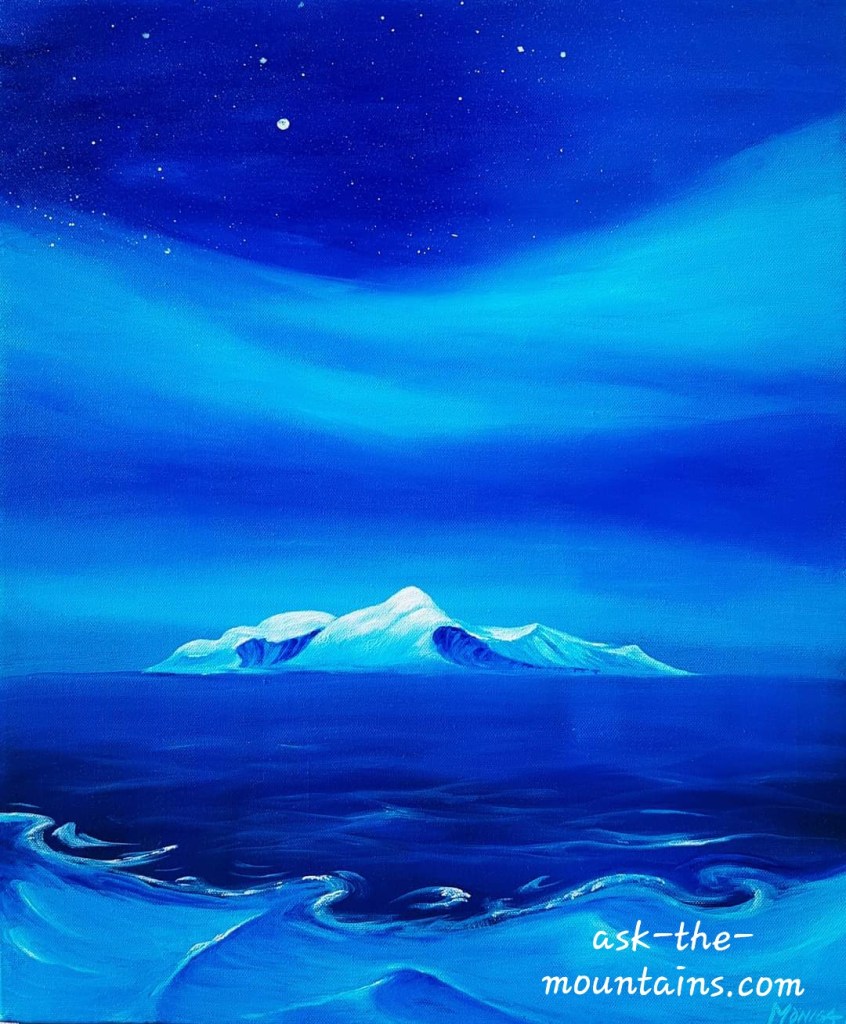
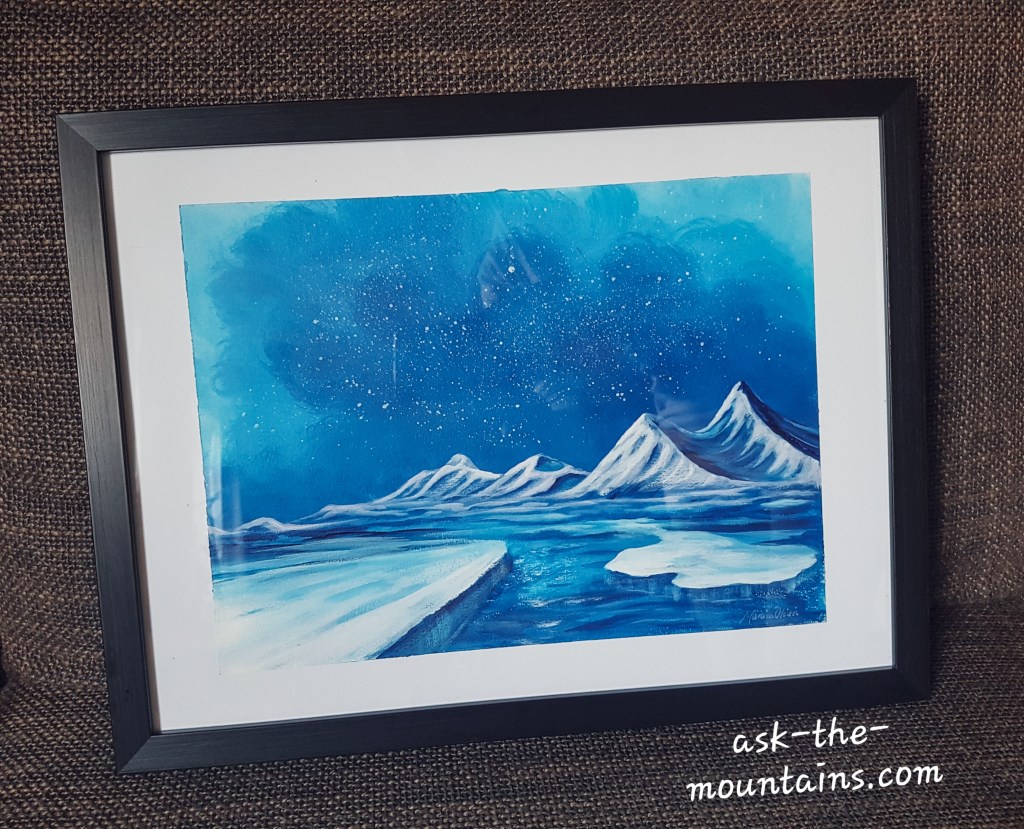
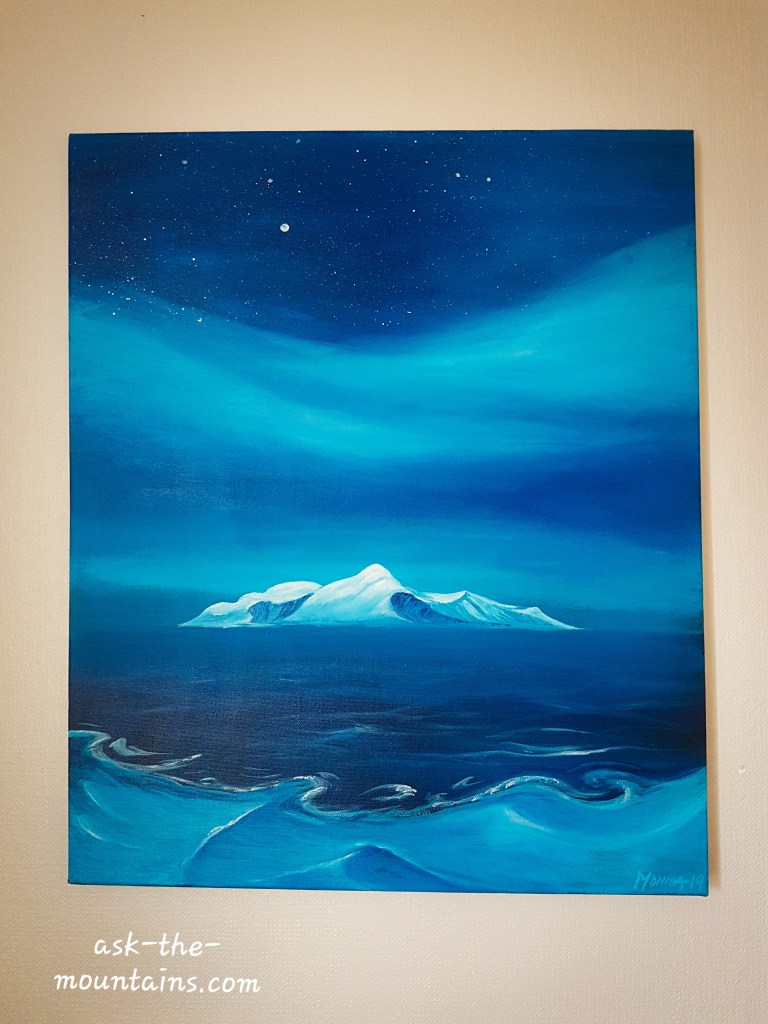
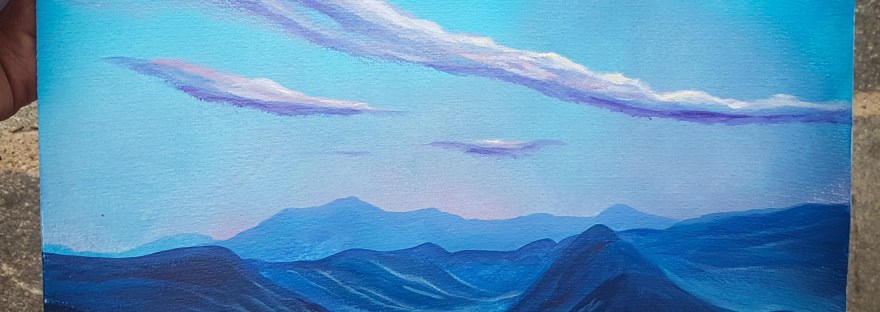
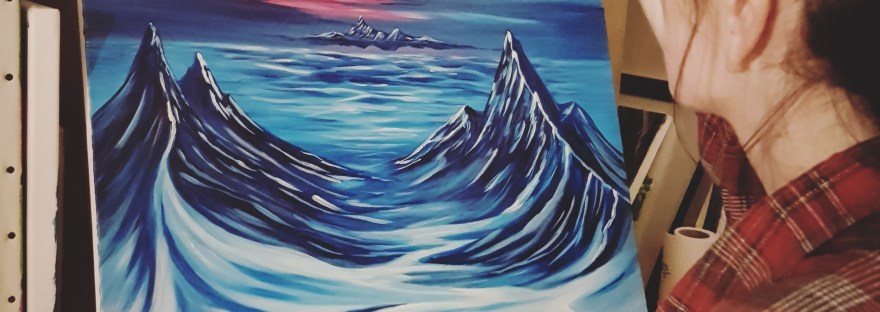
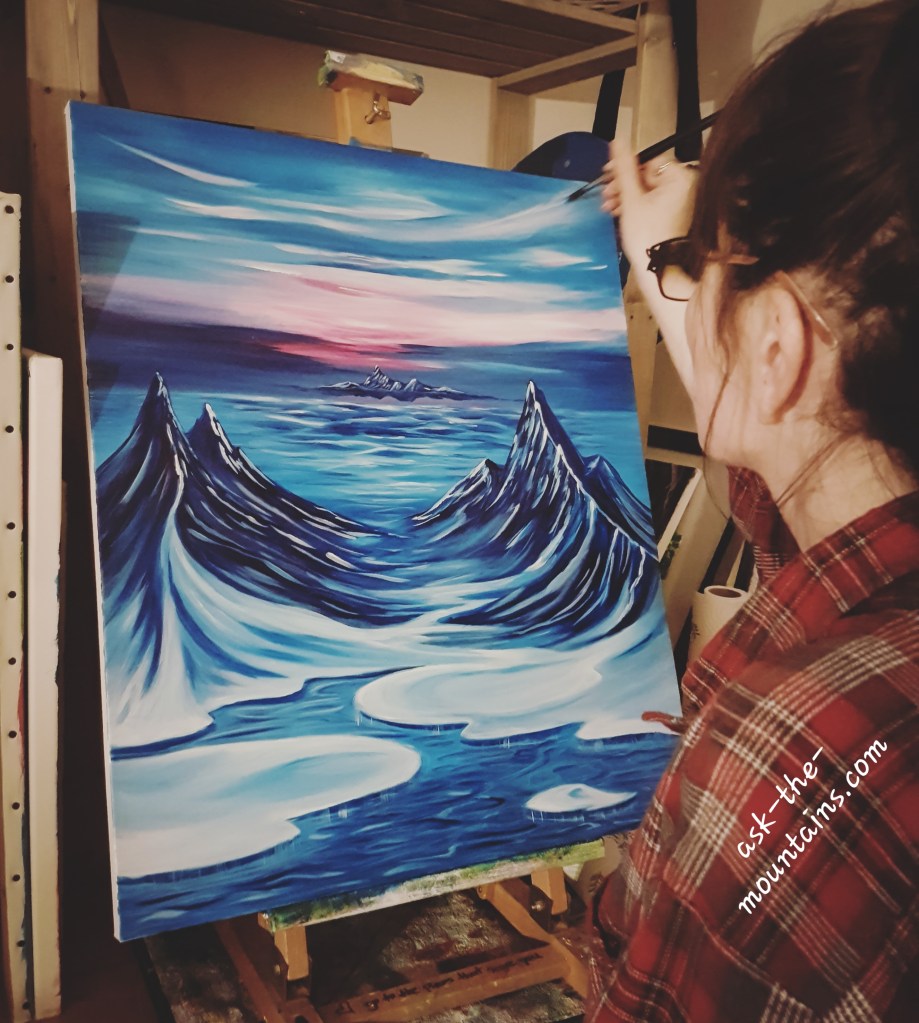
One of my paintings inspired by the icy landscape:
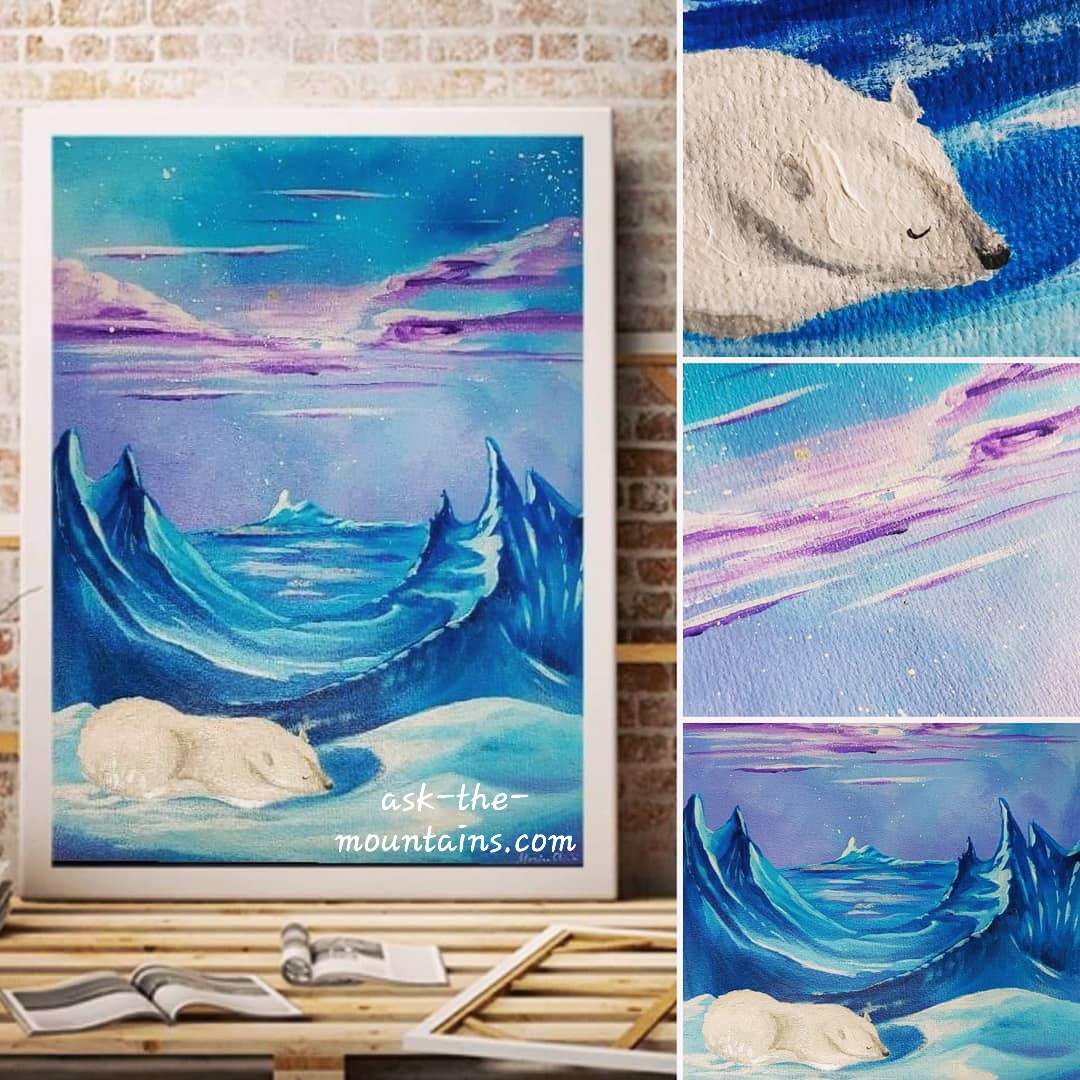
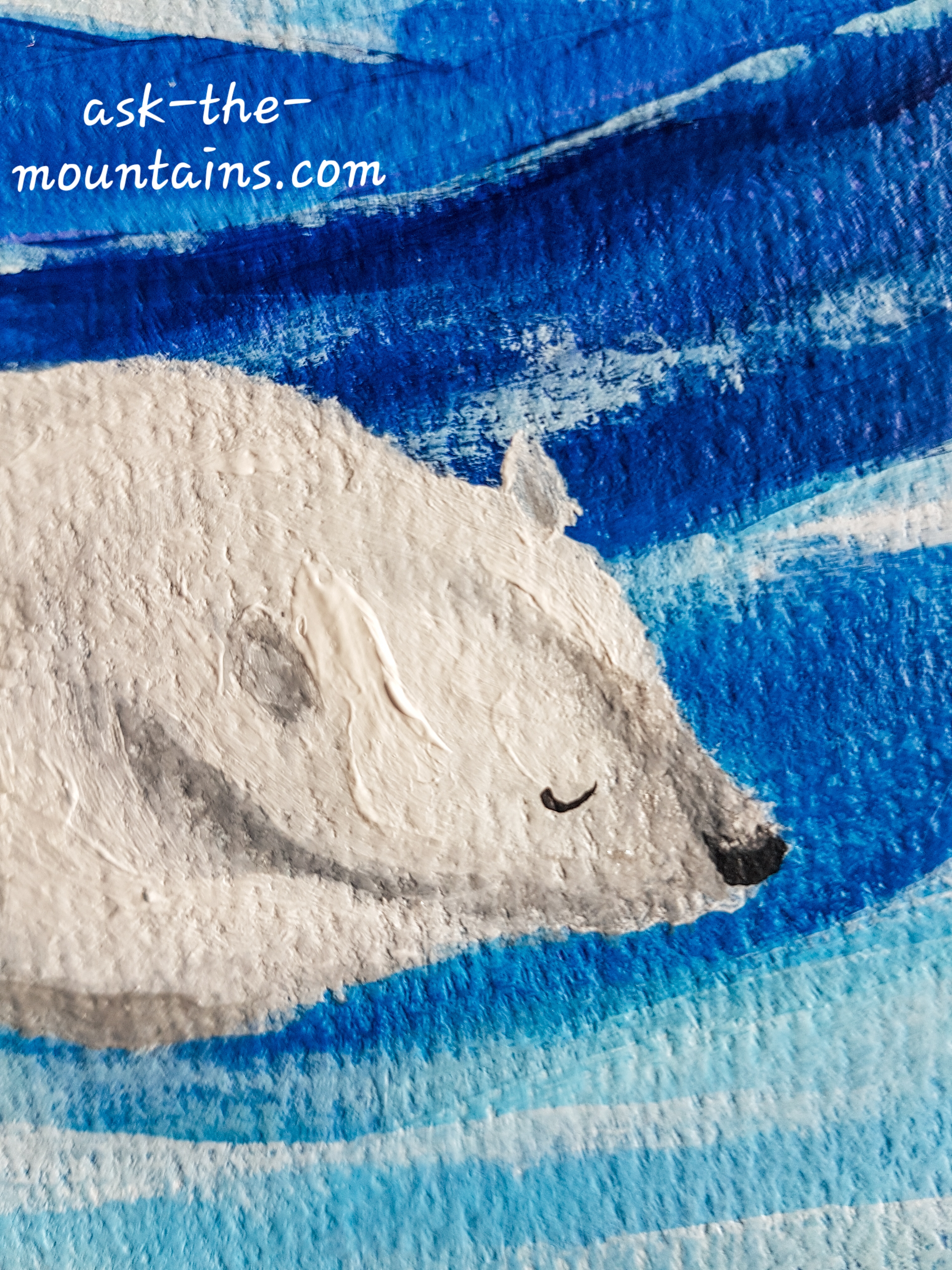
Click to see bigger versionsMy little pregnant polar bear. Wrote a post earlier about this painting 💜 Here she is framed.
Senja island. The pointy peak is Segla. Hiked it once, amazing view. Apologies for grainy mobile shot, it doesn’t do it justice.I love driving. One of my happy places, for sure.
“Away, away,—to the mountains away, Where the pine trees murmur and sway, And the foamy waterfalls sing and spring Over the boulders gray.
Hills— Blue and green hills, near and far, The farther they lie, the better they are. The near ones I can climb and see But the beautiful far ones call to me”
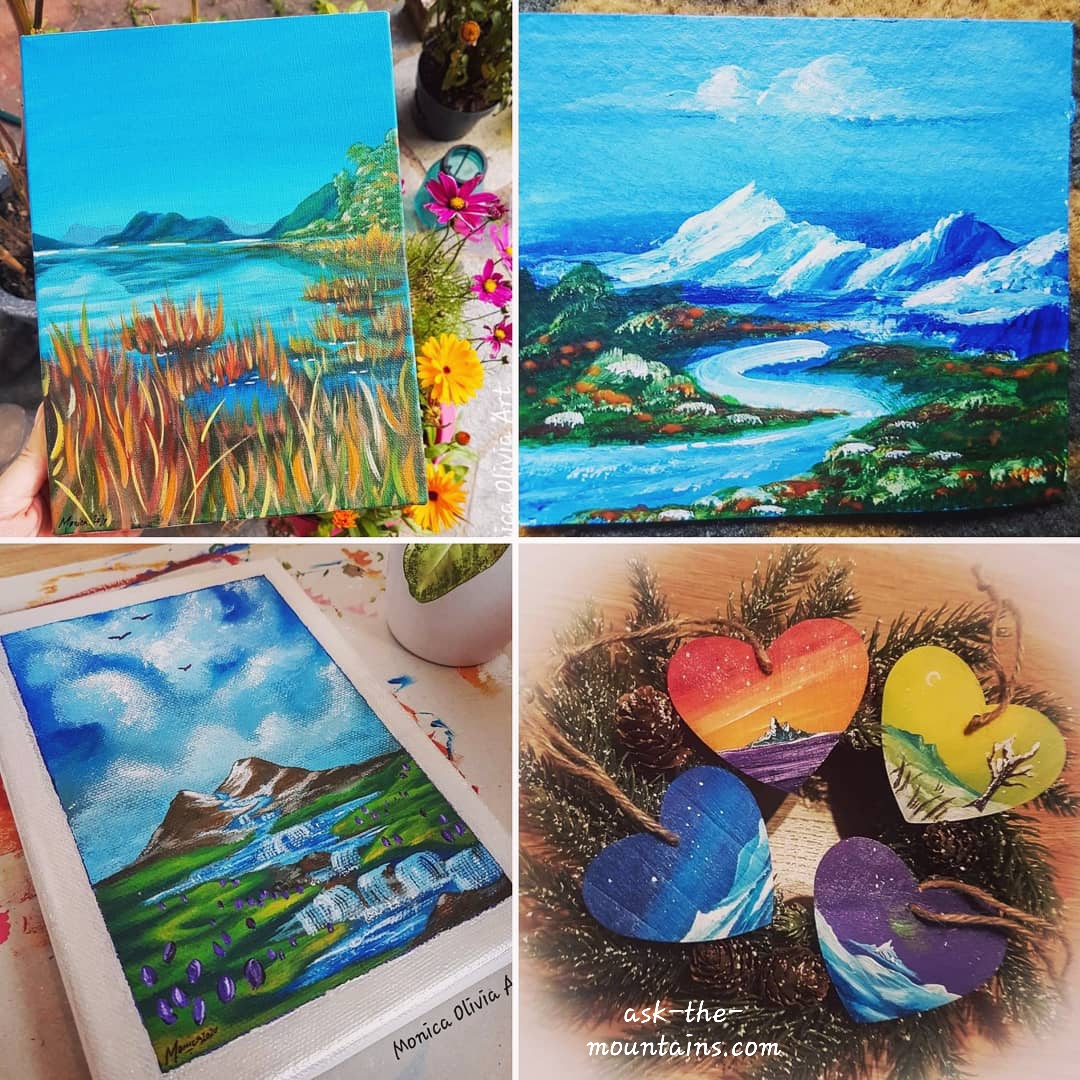
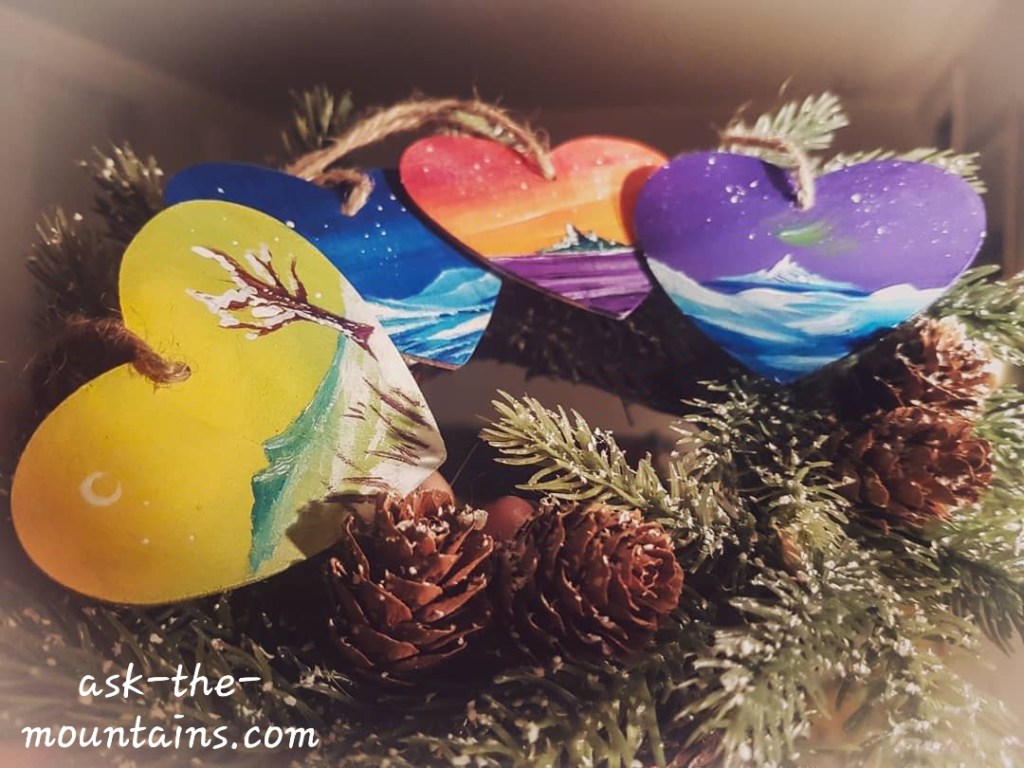
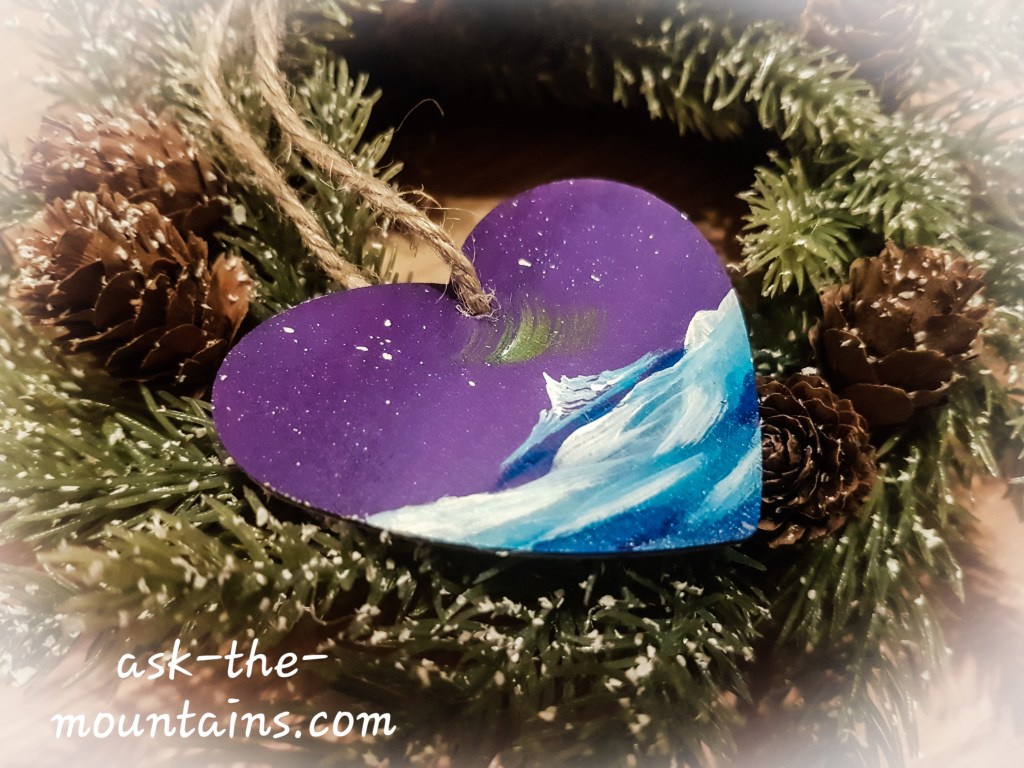
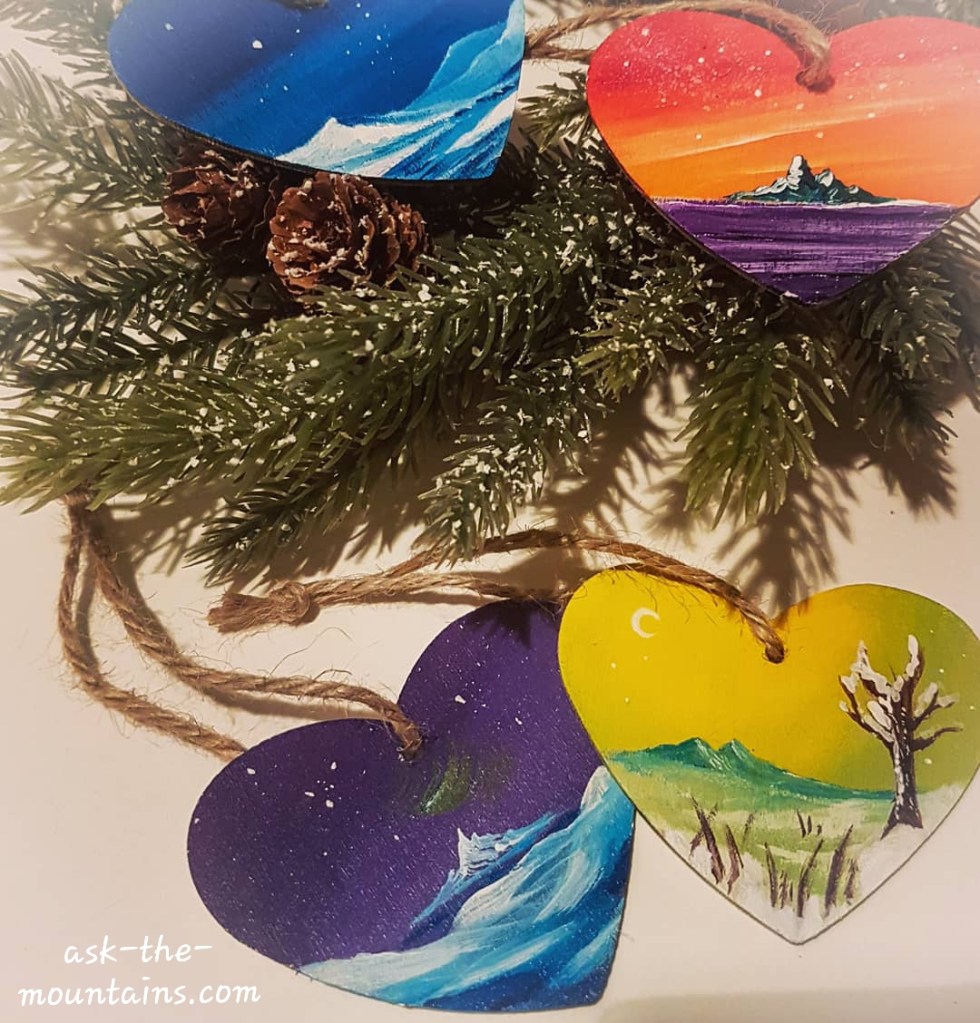
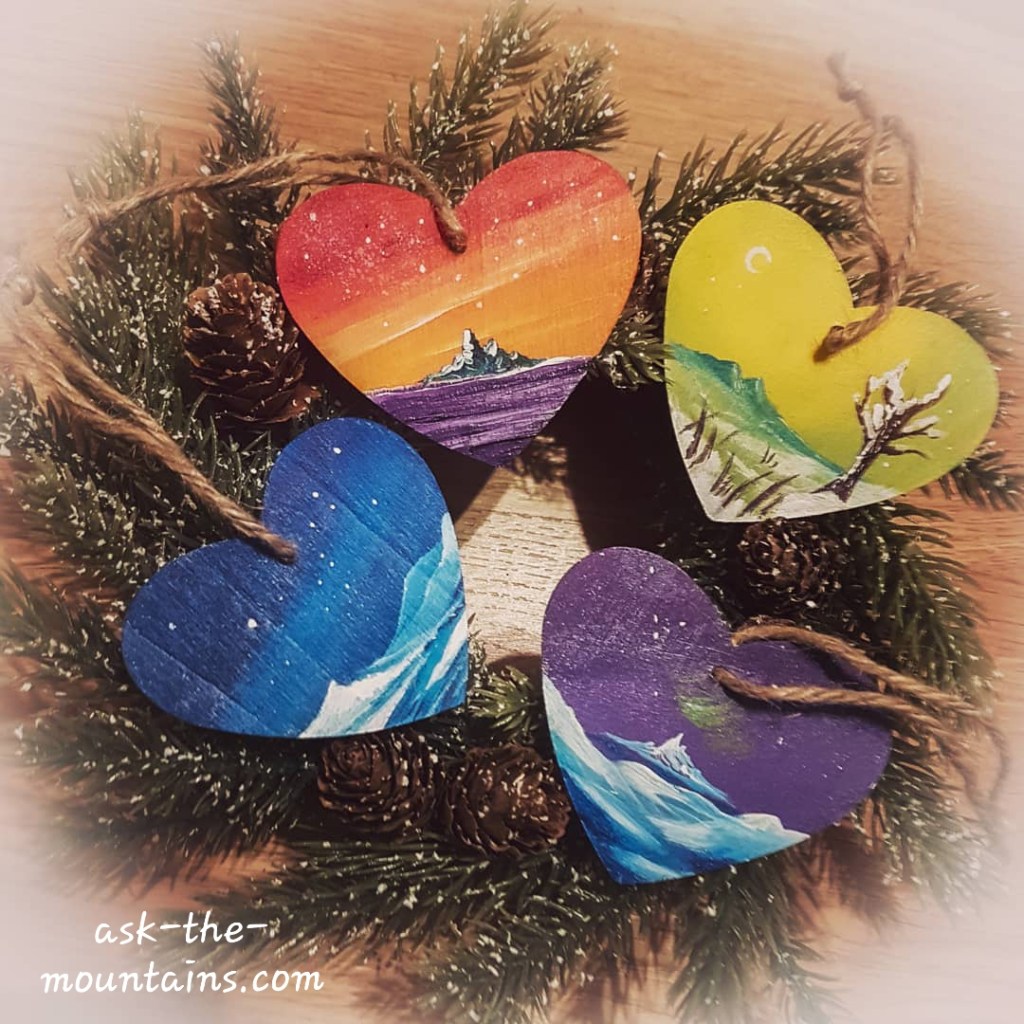
Kjøpte noen kjempesøte små trehjerter på Flying Tiger for en ukes tid siden. De er vel egentlig for å bruke som gavelapper, men de funker også tydeligvis bra til å male på 😁🙌🏻🎨🎄❄
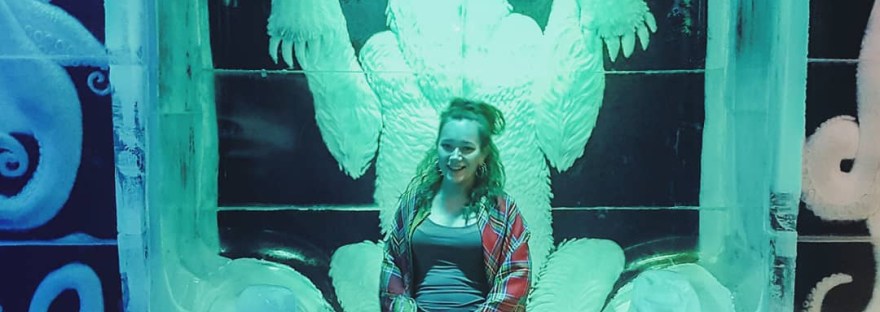
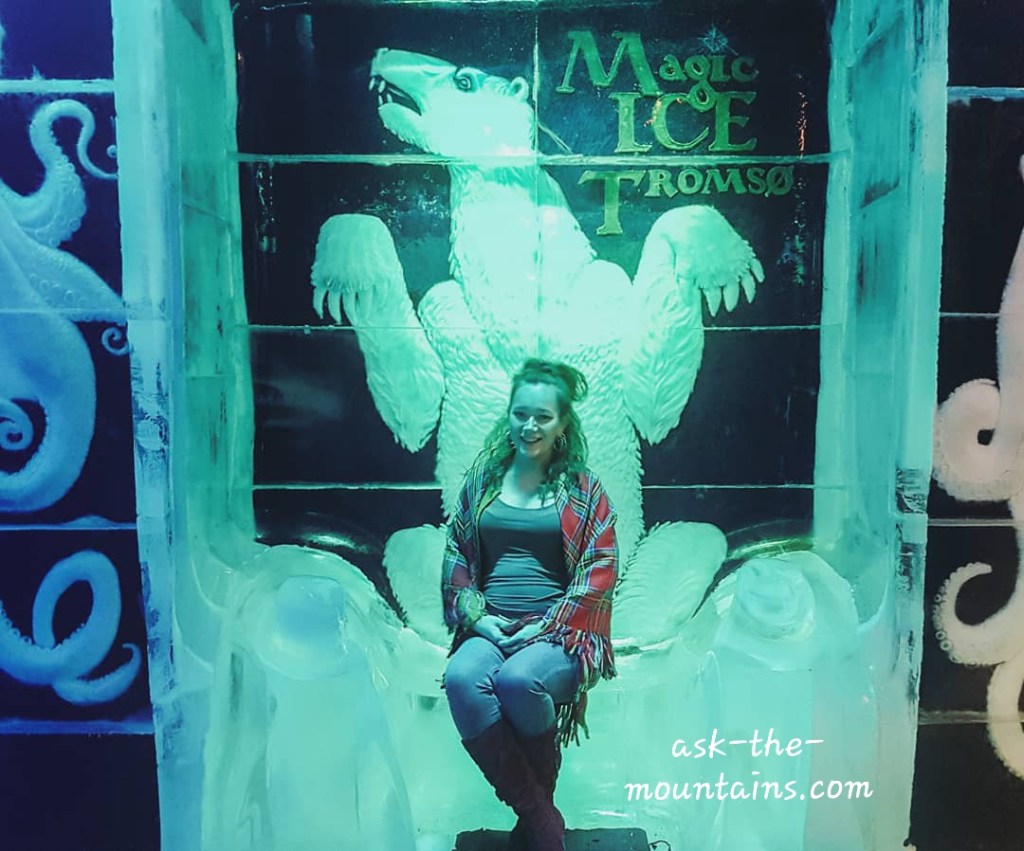
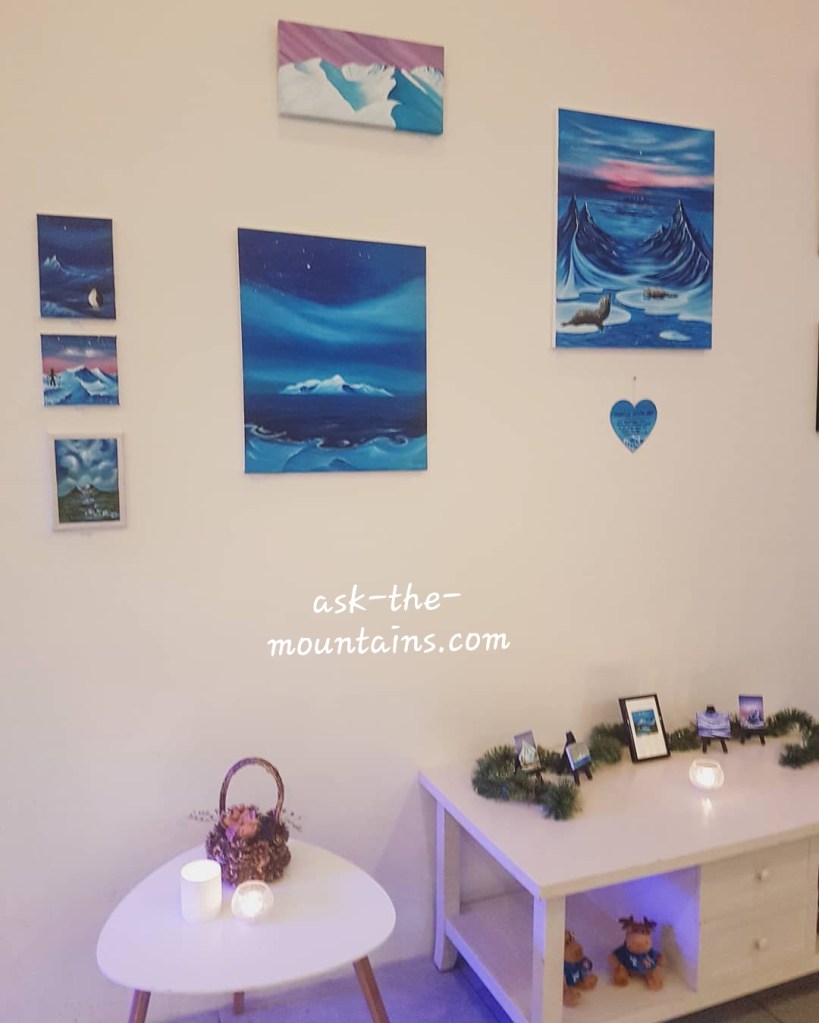
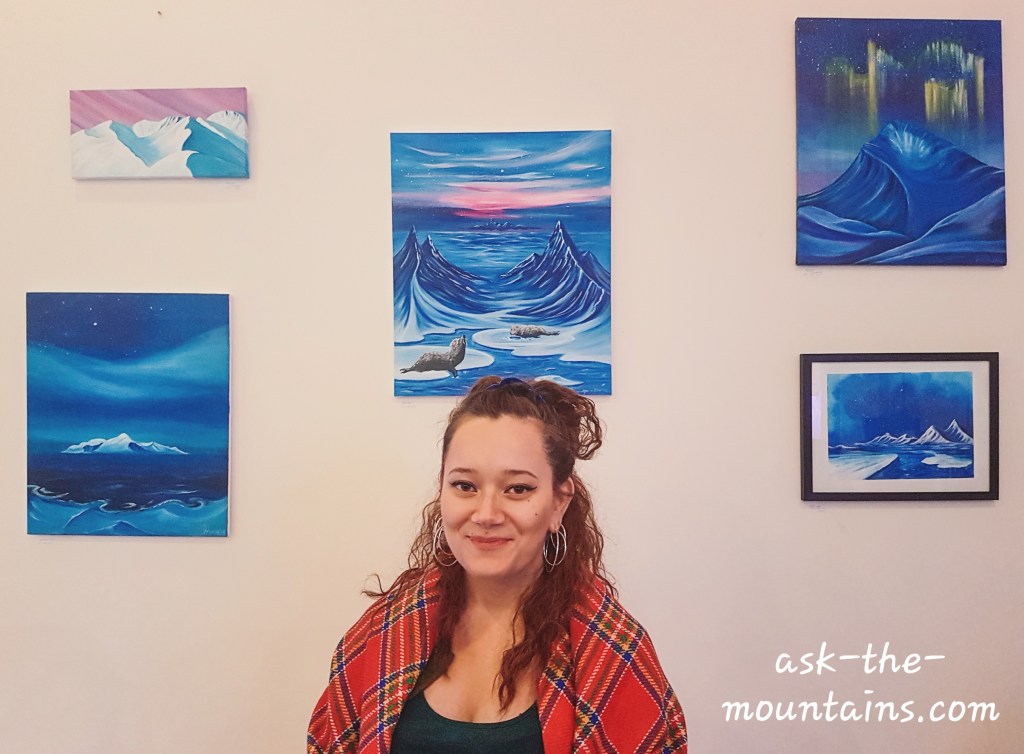
Come see my little exhibition of 13 paintings at Magic Ice Tromsø ❄ Most paintings are for sale 🙏🏻 They also have the cosiest tiny coffee place there, an impressive ice sculpture gallery by Lithuanian artists and a cocktail bar – all ice, even the glasses ☃️🥂🌌
Where the glorious mountains laid Their heads on the breast of the sky And slept while the wind sang by,— There my hurrying feet were stayed. – Ruby Archer
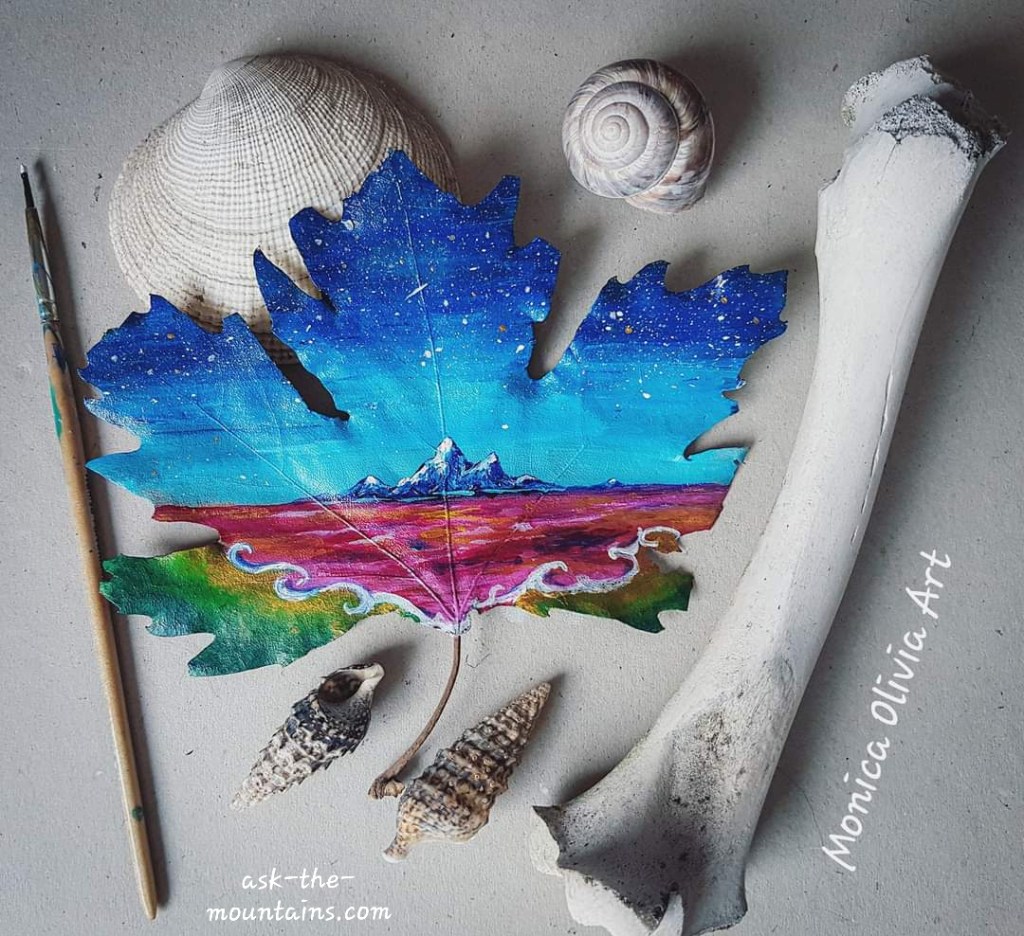
This leaf survived in my bag for weeks, on planes and buses (from some travels in february, I hope to find time to share some photos with you soon!) Only a bit broken in the edges 💜💙💚 Turned out great as canvas for a little landscape painting🎨🍁
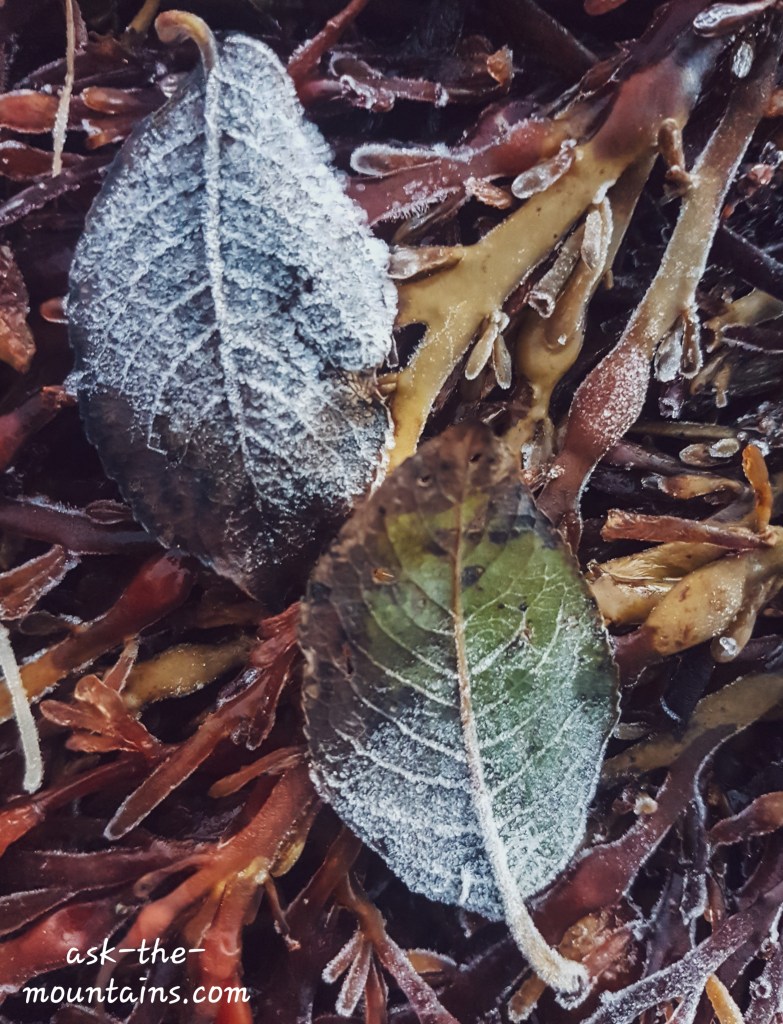
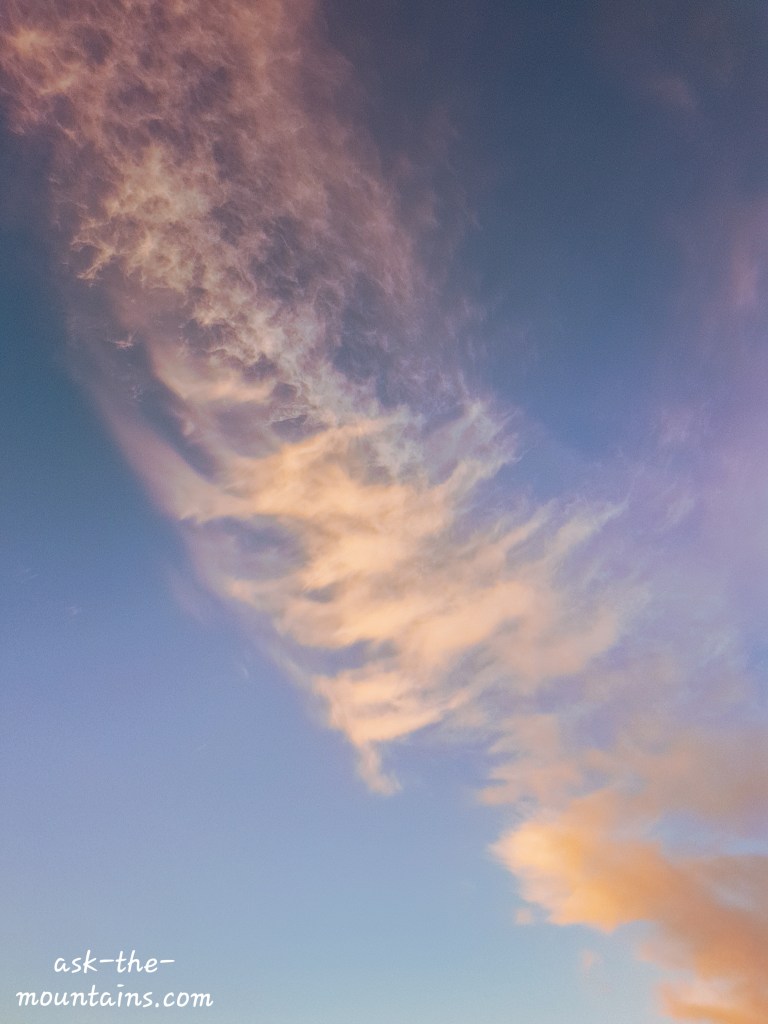
Fant meg en fin plass i fjæra til å meditere samt se på fargespillet på himmelen som alltid skjer nært mørketida.Alle bildene er tatt med mobilen, så beklager kvaliteten 🙈Frost 🍂Pastellhimmel.Regnbuefarger.Kaldere vær betyr store jakker og ullsjal ❤ Er ikke så mange jakker som passer over magen lenger 😄🤰 Månedene flyr forbi, er allerede i siste trimester 💜🌌
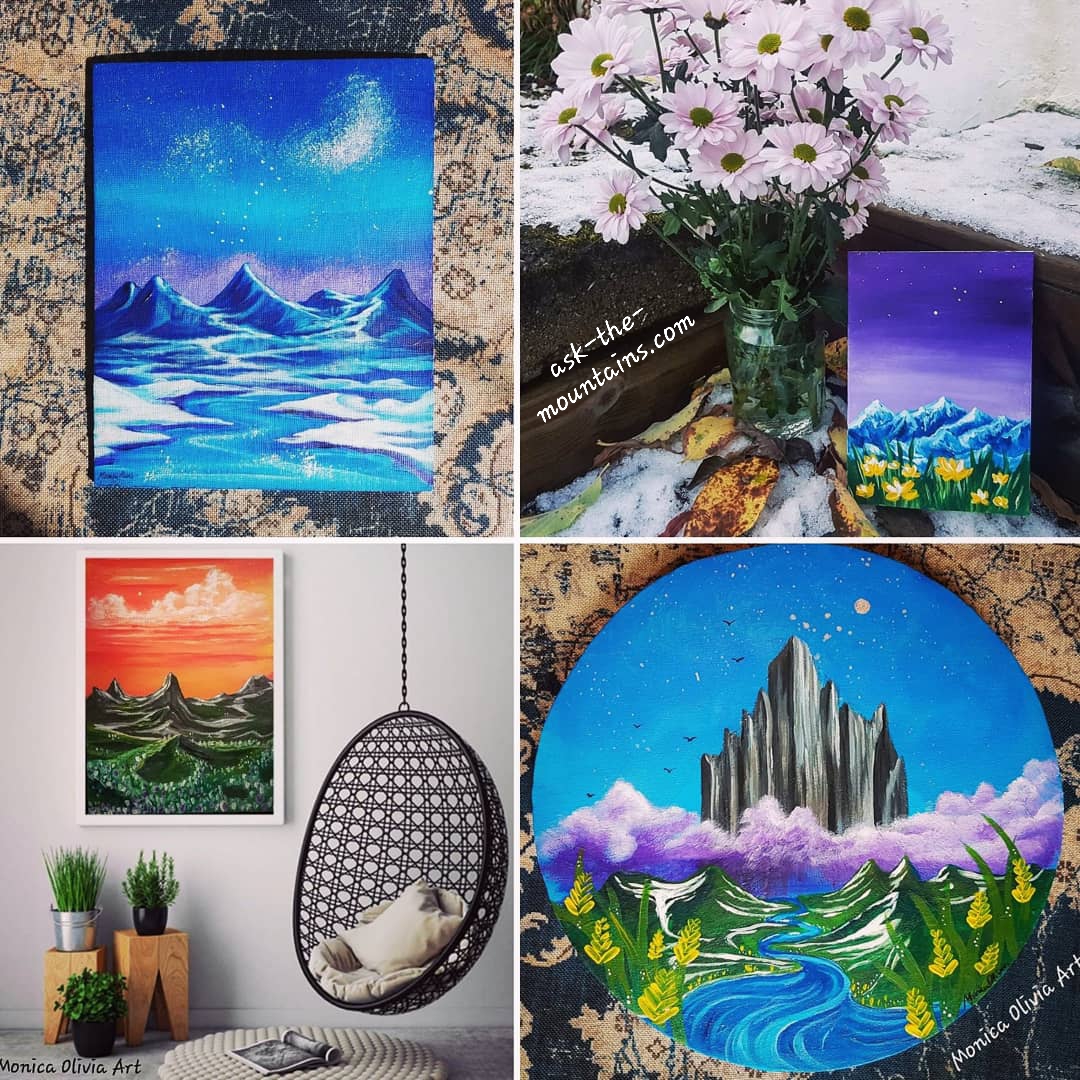
Some of the last rays of sun on my summer paintings before november and polar night comes 🗻🎨🌞This one is new, made two days ago. 20 x 15 cm (I think!)A winter painting snuck in there as well!
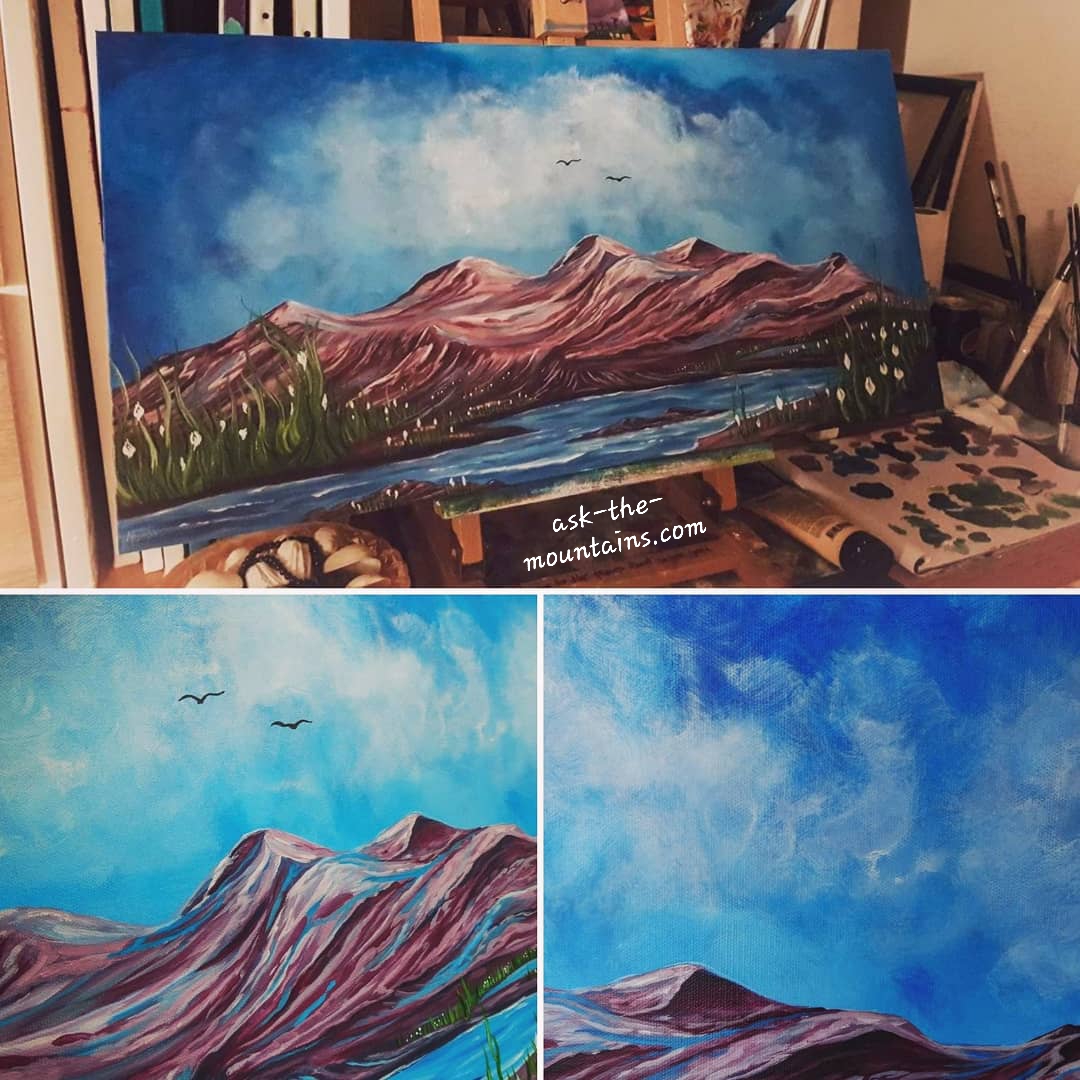
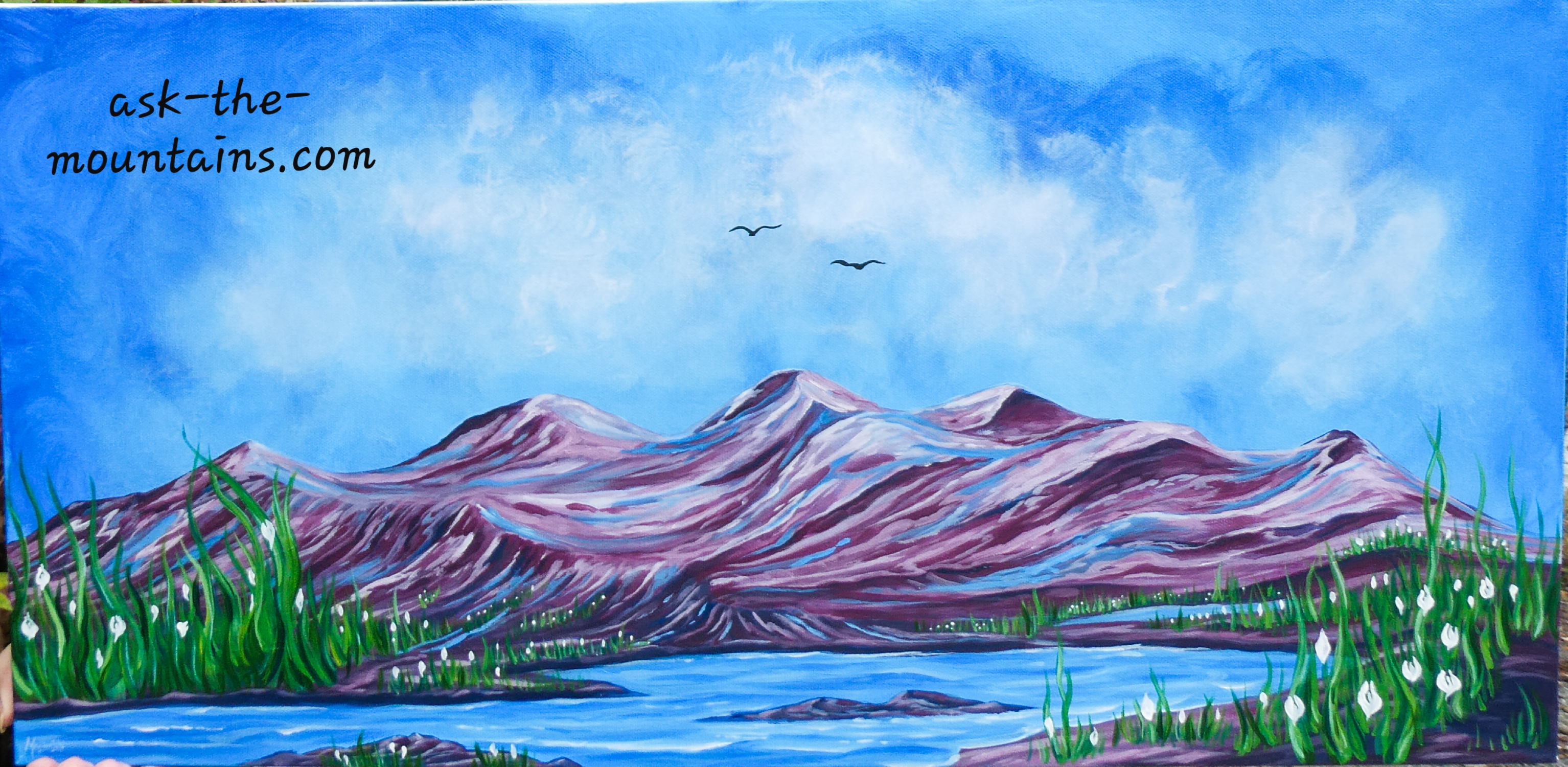
75 x 30 cm. Painting on such a long canvas was new for me! Here it is just finished in the very poor light of my living room.Close up details. I make clouds with make-up brush.My work station 🙂Before I added the plants.In daylight. This was before the snow came!Displayed in an app showroom, just to show in different setting. Happy with the new painting 💙🙏🏼
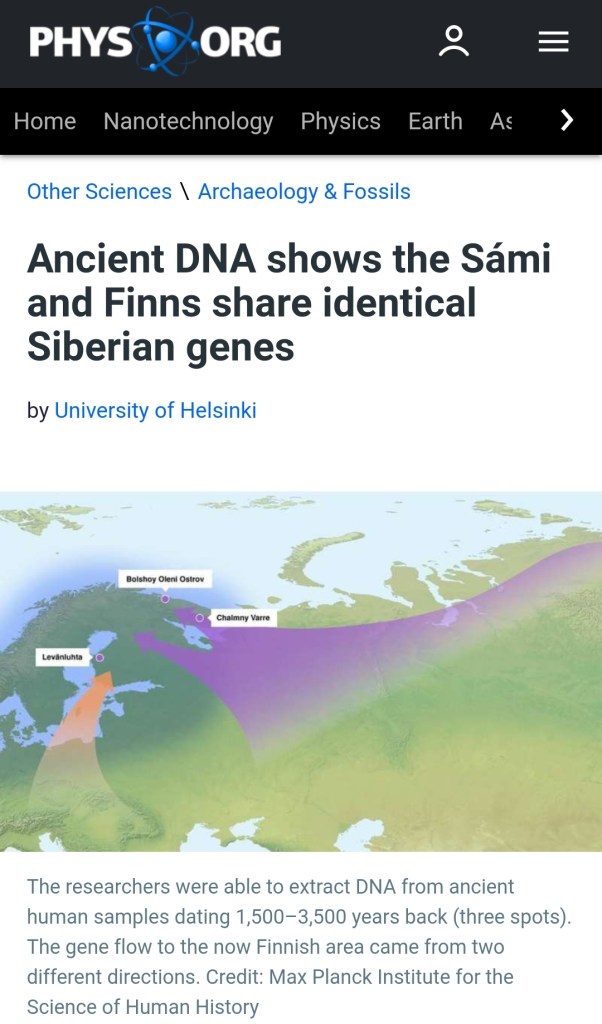
“The first study on the DNA of the ancient inhabitants of Finland has been published, with results indicating that an abundance of genes reached Finland all the way from Siberia.
This article I am sharing is from phys.org
The genetic samples compared in the study were collected from human bones found in a 3,500-year-old burial place in the Kola Peninsula and the 1,500-year-old lake burial site at Levänluhta in South Ostrobothnia, Finland. All of the samples contained identical Siberian genes.
Siberian origin remains perceptible
The ancient DNA has also been compared to modern populations. Siberian origins are still visible in the Sámi, Finns and other populations of the Finno-Ugric language family.
“However, it has been mixed up with the European genome. Of all European populations, modern Sámi are the most evident representatives of the Siberian genome. As for the title of the modern people with the largest Siberian genetic component, that privilege goes to the Nganasan people living in northern Siberia,” says Päivi Onkamo, head of the SUGRIGE project at the Universities of Helsinki and Turku.
The project succeeded in mapping out the entire genome from the bones of eleven individuals. From the Kola Peninsula, the bones of six individuals were collected from a 3,500-year-old burial place, while those of two individuals were found from another location dating back to the 18th and 19th century. In the case of the bones found in the Levänluhta site in South Ostrobothnia, the entire genome was mapped for three individuals.”
Some other Uralic/Finno-ugric peoples with roots from Ural mountains, Siberia are the Nenets (previously called the Samoyeds), the Khanty, the Mansi, the Selkup and the Mari people. We also have very similar traditional costumes and of course traditionally being nomadic, following the reindeers, and sharing same langauge family. Maybe I will write a post on our traditional dresses.
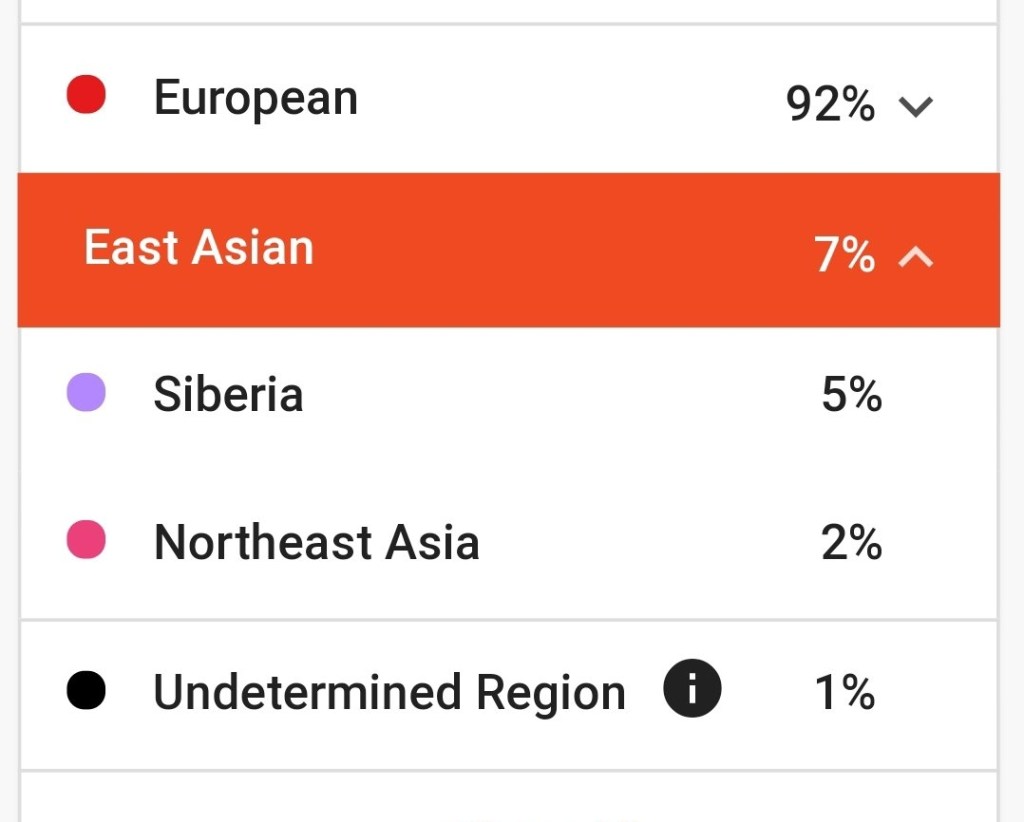
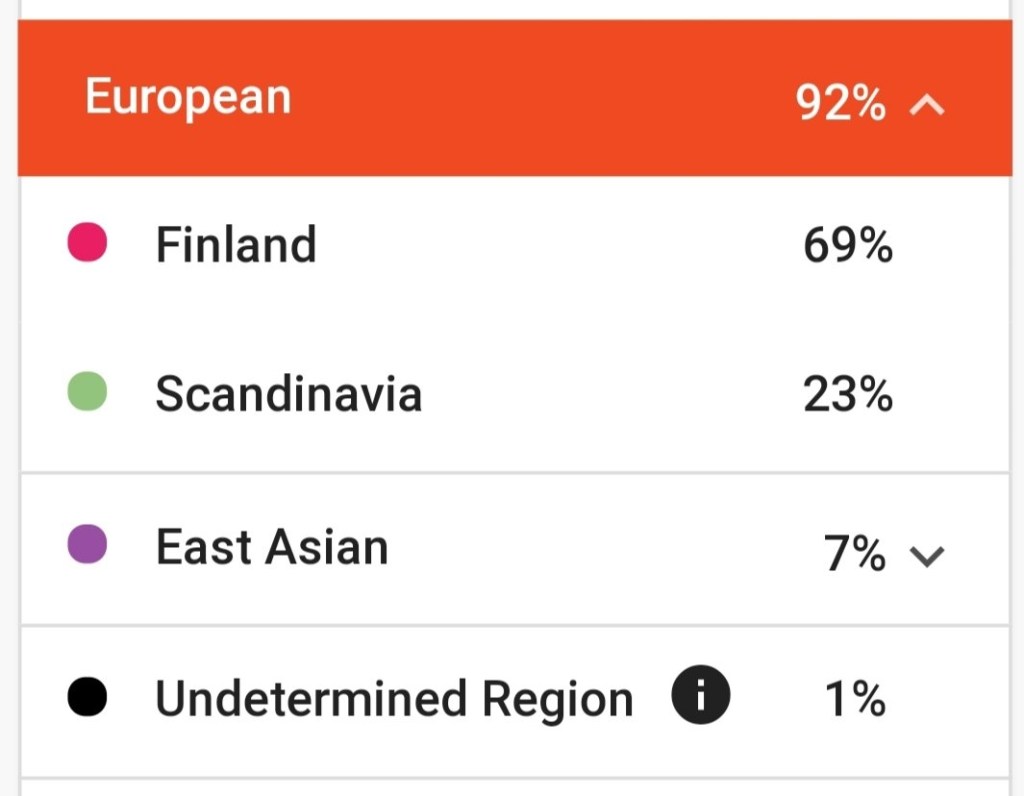
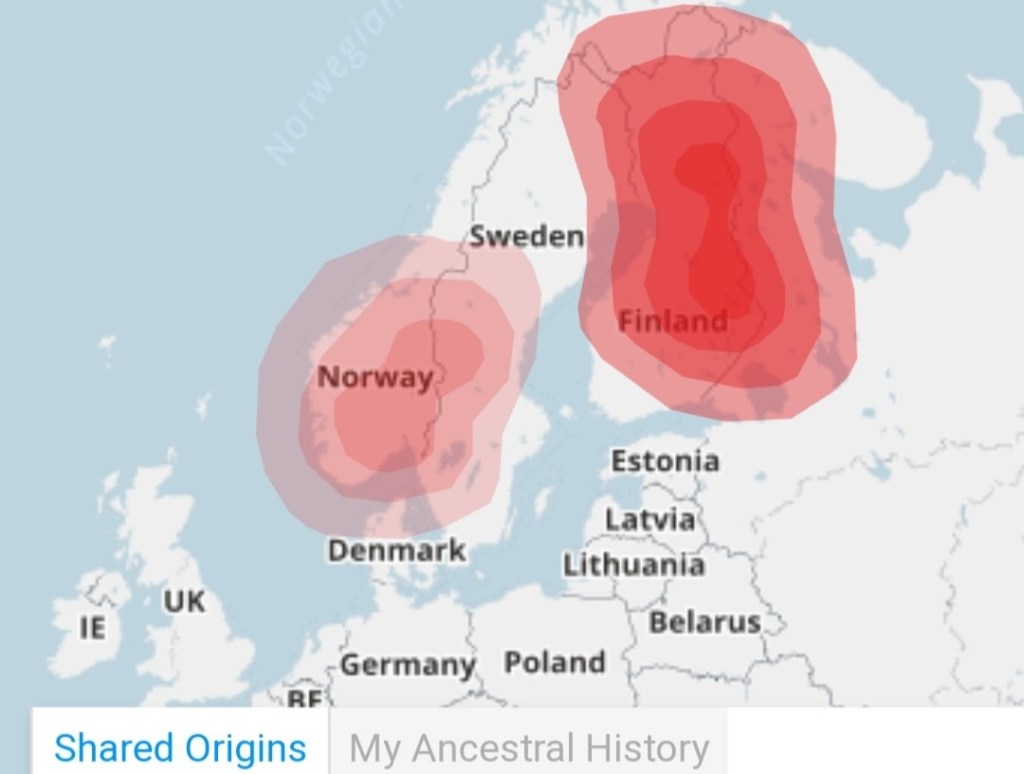
These findings also makes sense with my own FamilyTreeDNA results, although commercial DNA test kits are not super accurate:
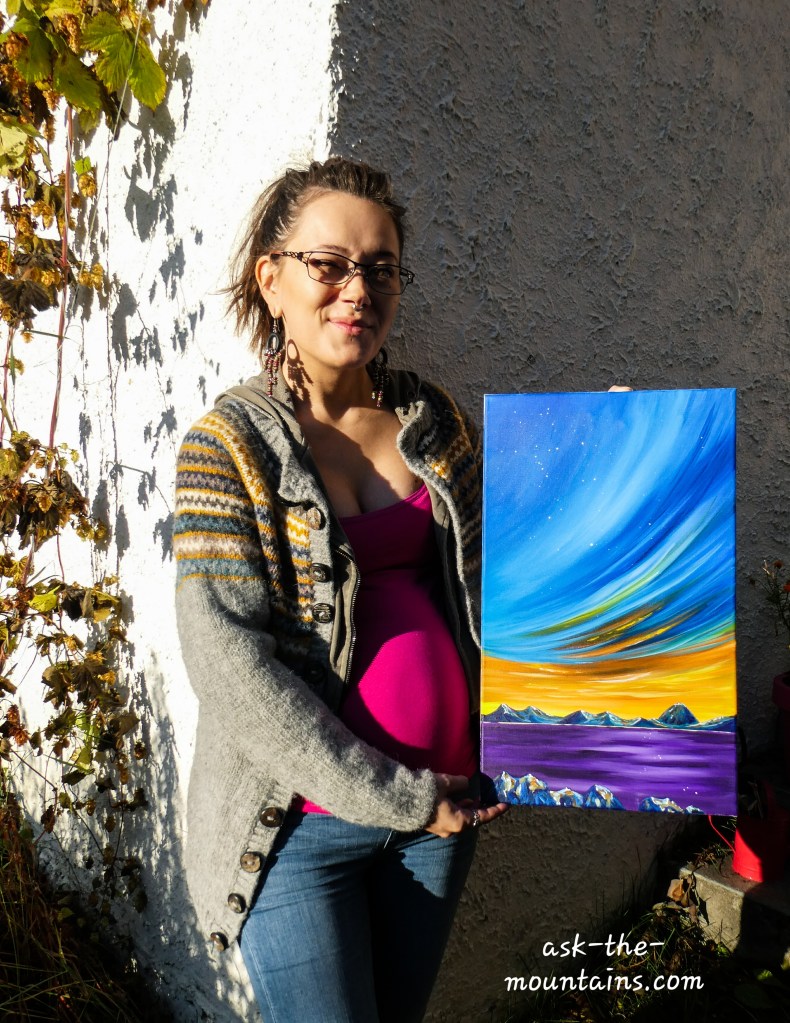
Did you know there is a reason why orange+blue and yellow+purple work together so well? 🧡💙💛💜 They are considered complementary colours! “Complementary colours are pairs of colours which, when combined or mixed, cancel each other out by producing a grayscale colour like white or black. When placed next to each other, they create the strongest contrast for those two colors. Complementary colours may also be called ‘opposite colours’.”
Lowcarb chocolate muffins (from one of those easy to make packages) 😋🙌🏼 Also, look at the beautiful Latvian cup coasters of traditional woven belts 😁 they make me smile. And remind me to maybe do some more weaving myself 🤷🏻♀️
“You might ask, ‟If I have Buddha nature, why can’t I perceive it right now?” It is because, like gold hidden in its matrix, that nature is hidden by our habits that we have accumulated since beginningless time. These habits have been created by our disturbing emotions and then reinforced by the actions that those disturbances have produced.”
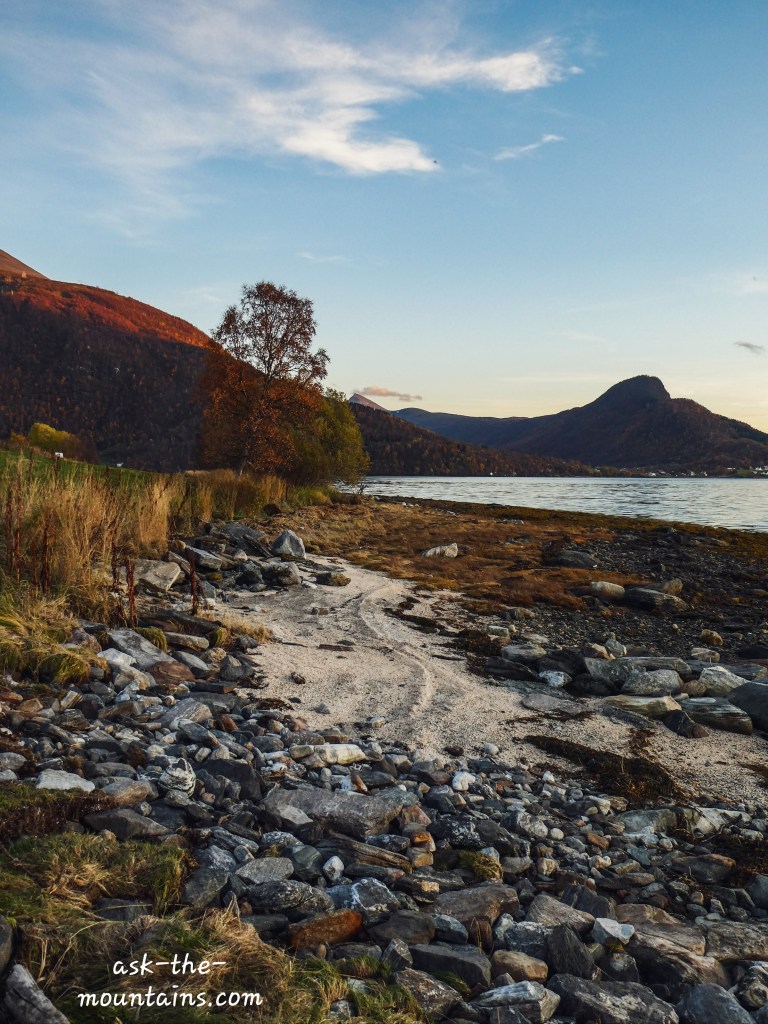
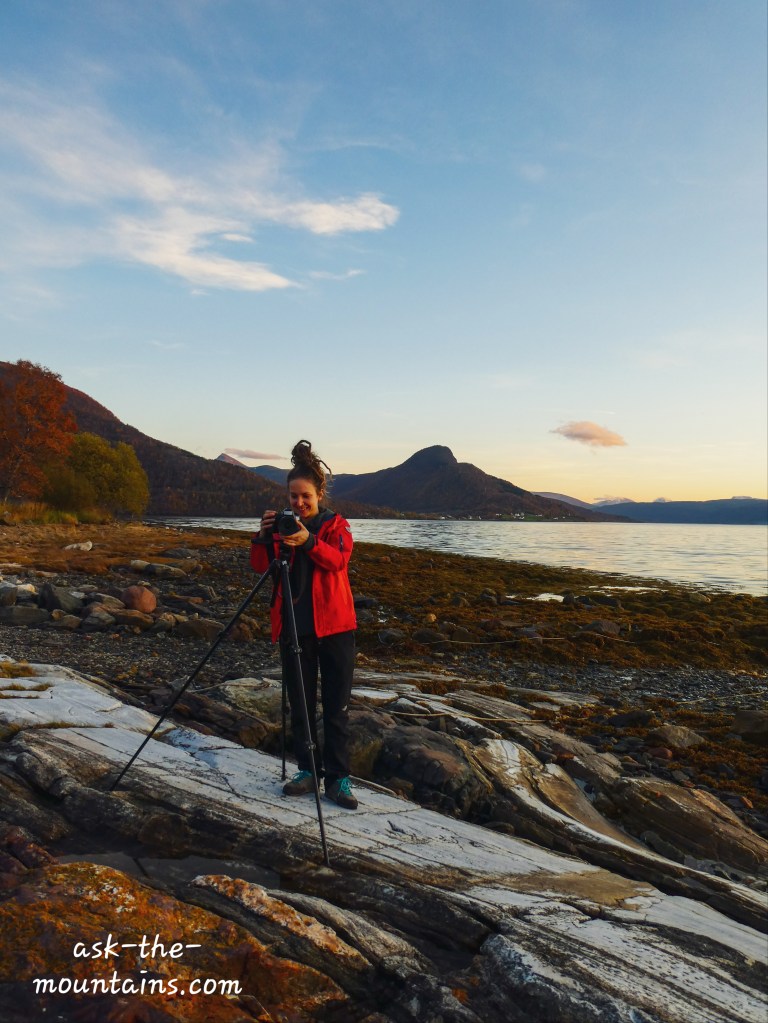
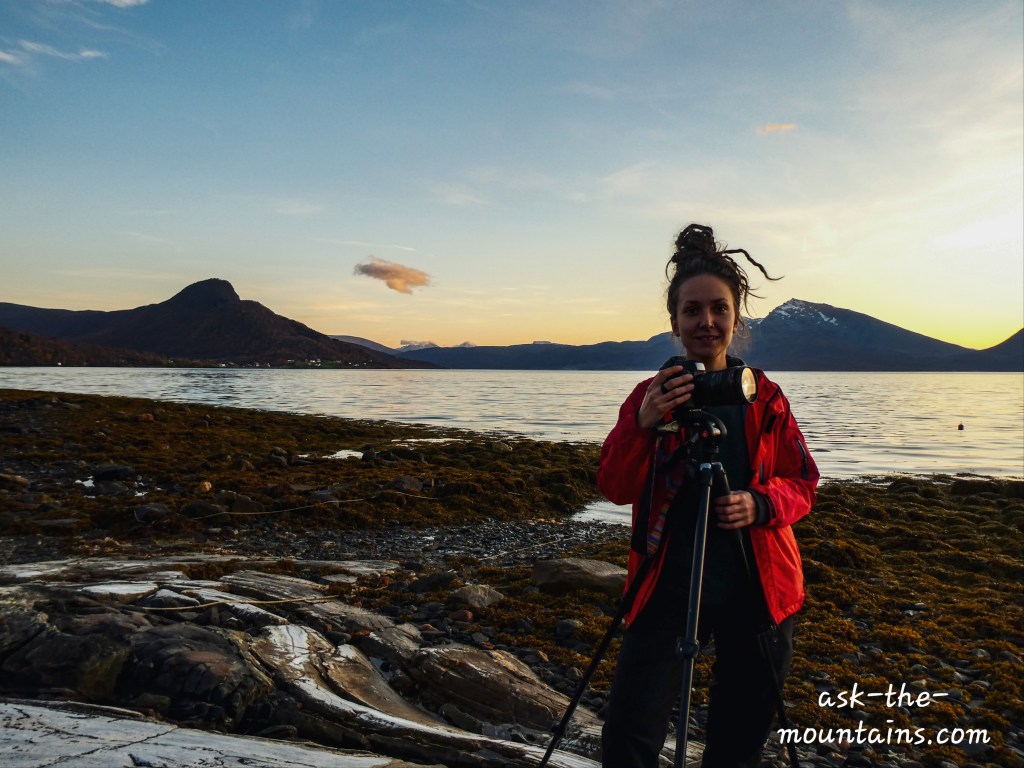
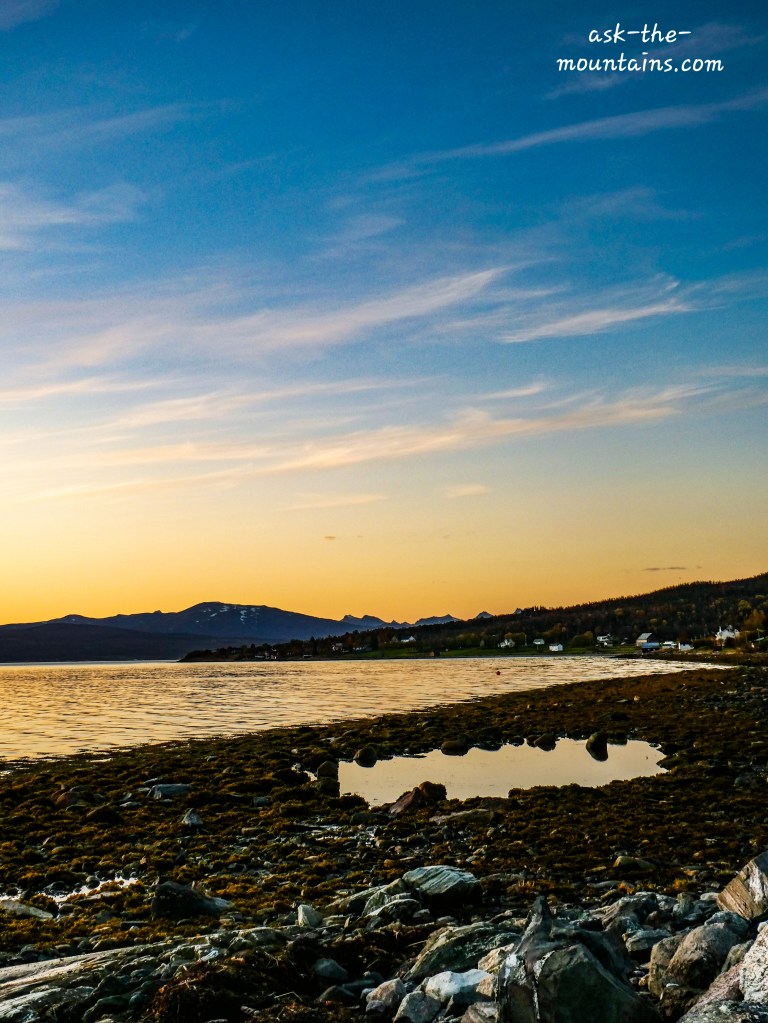
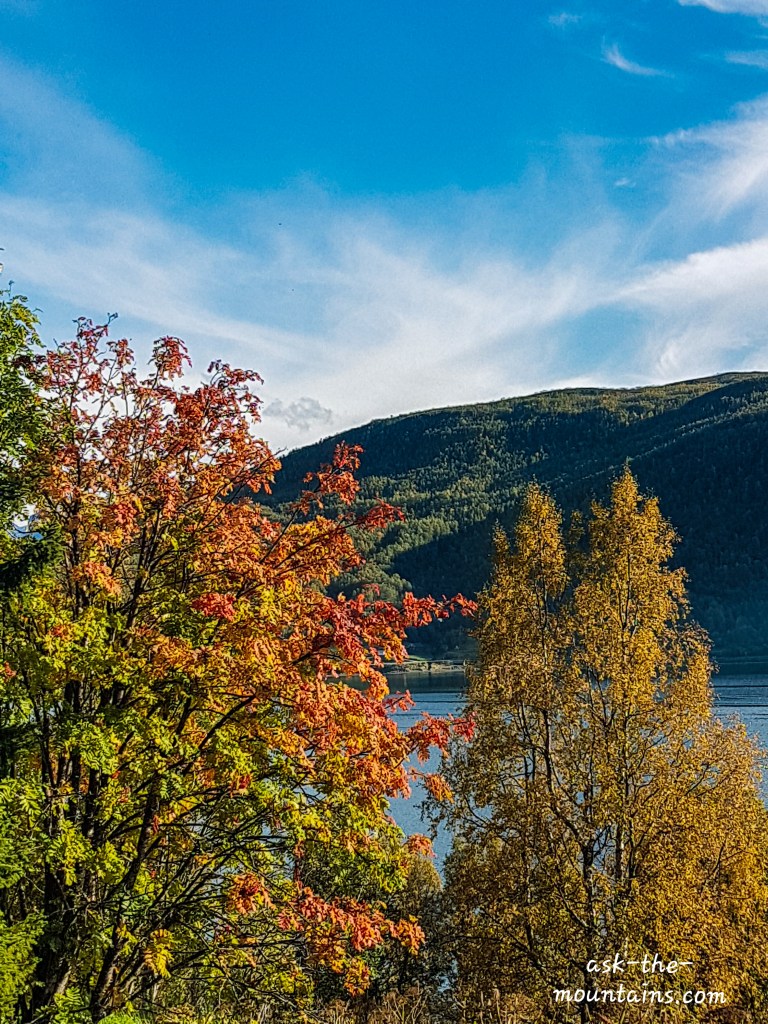
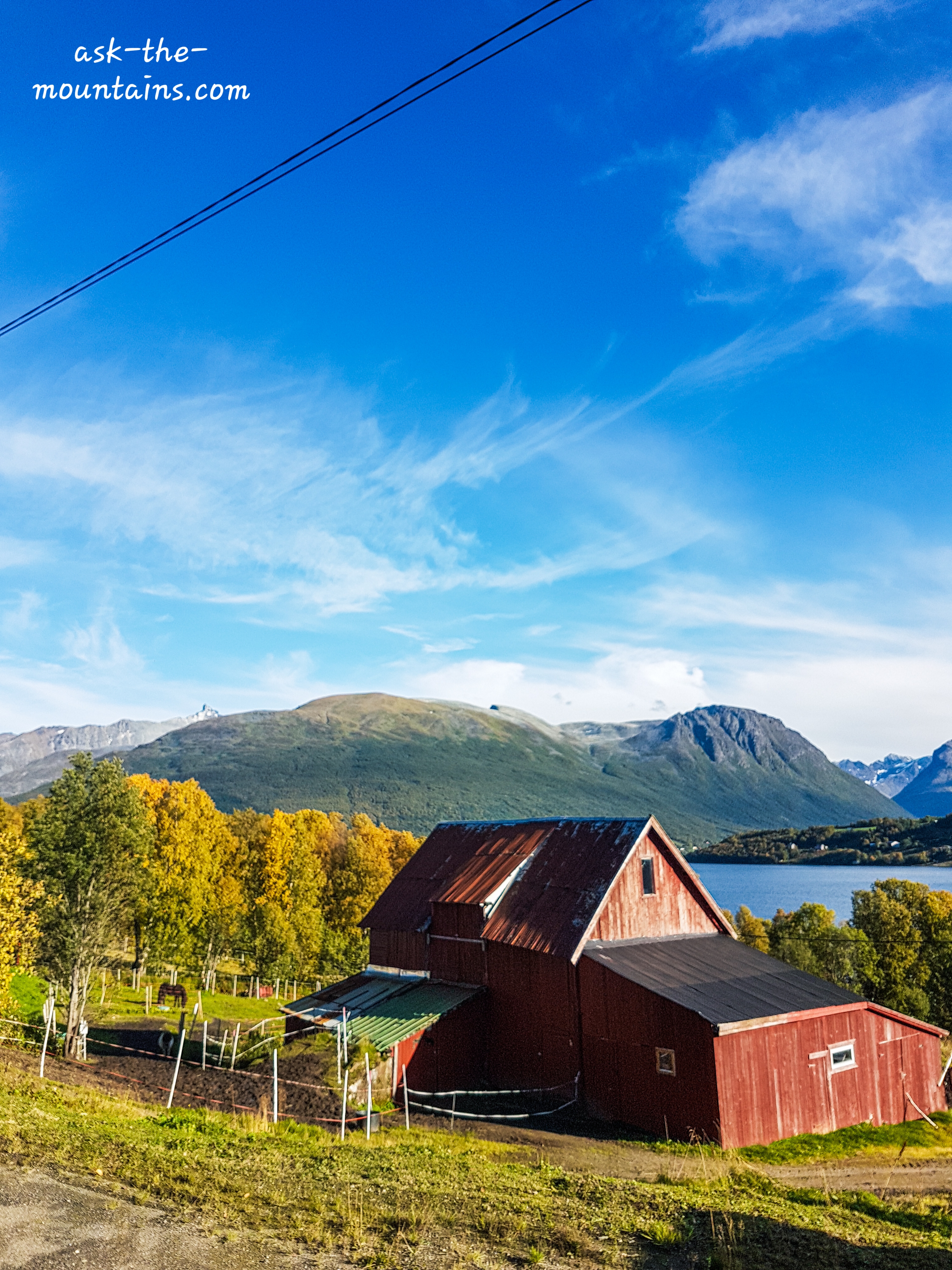
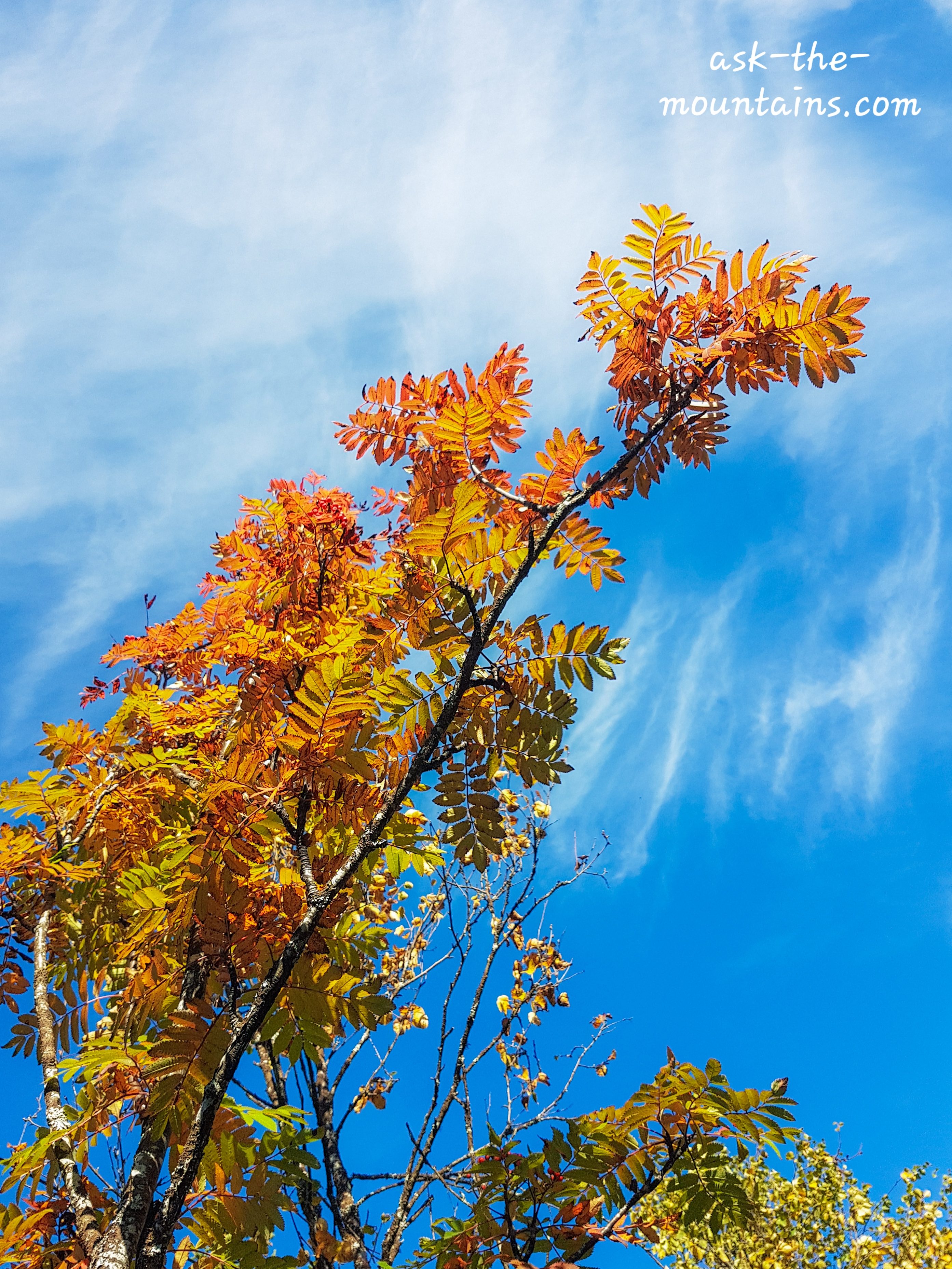
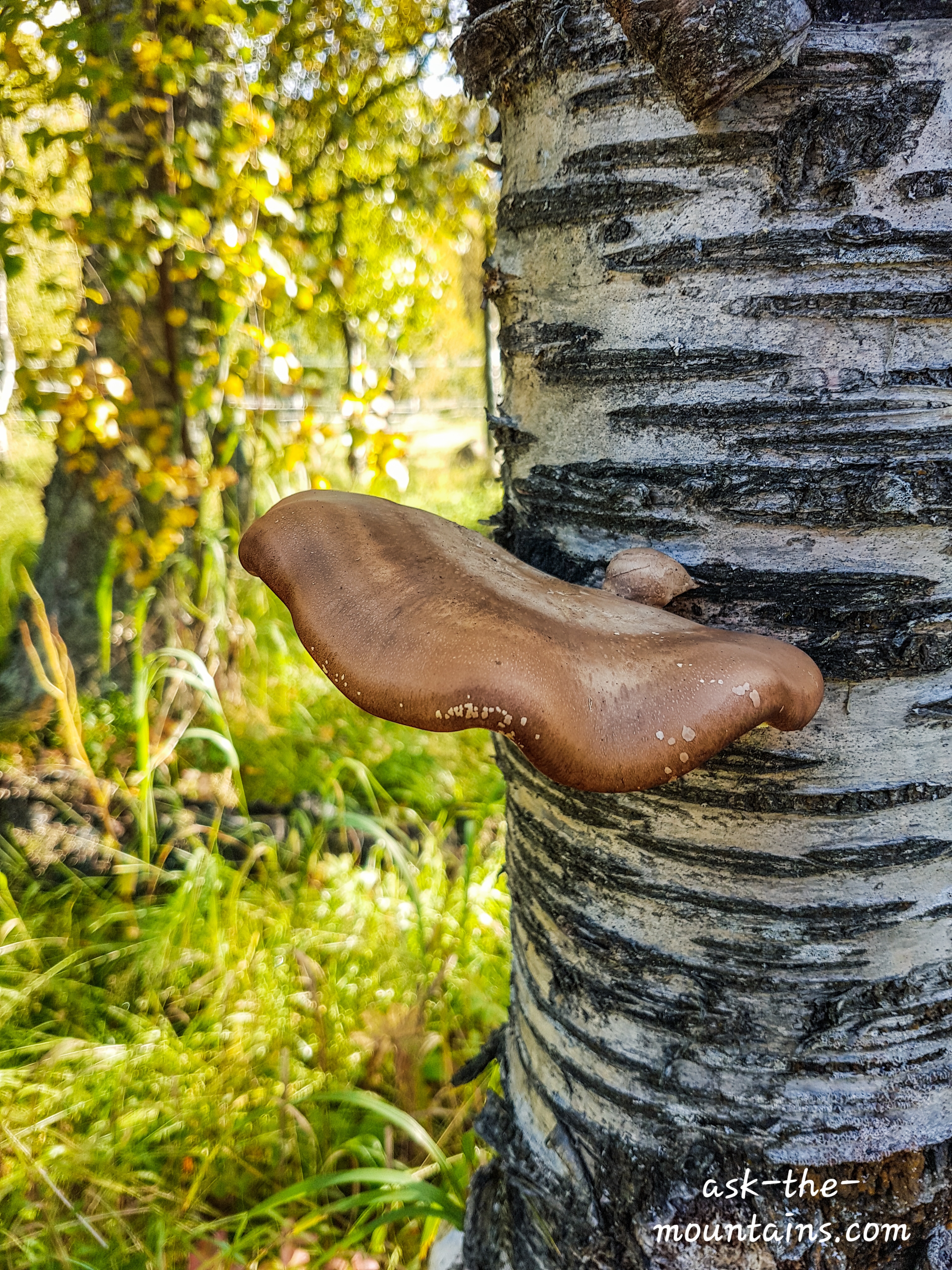
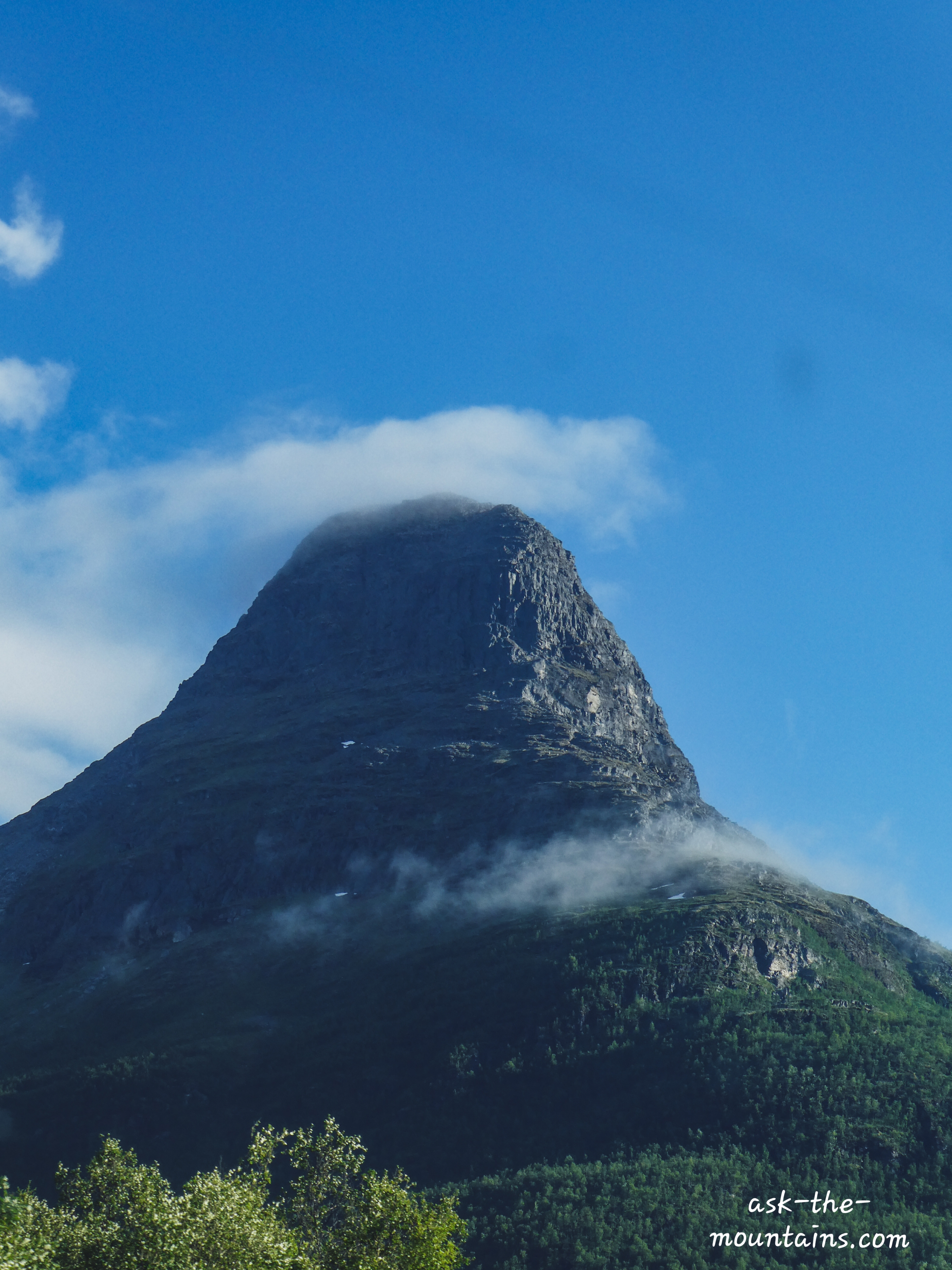
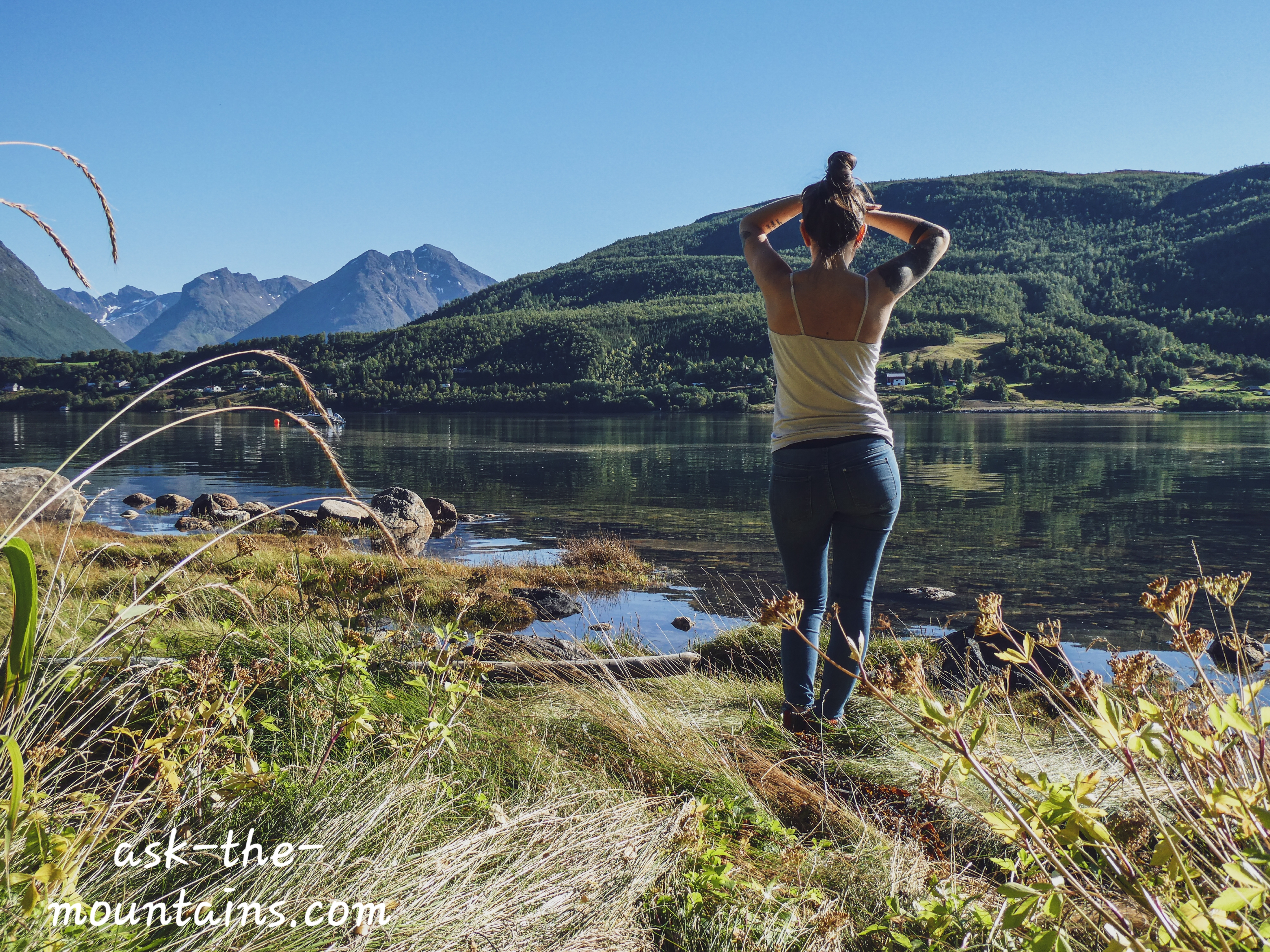
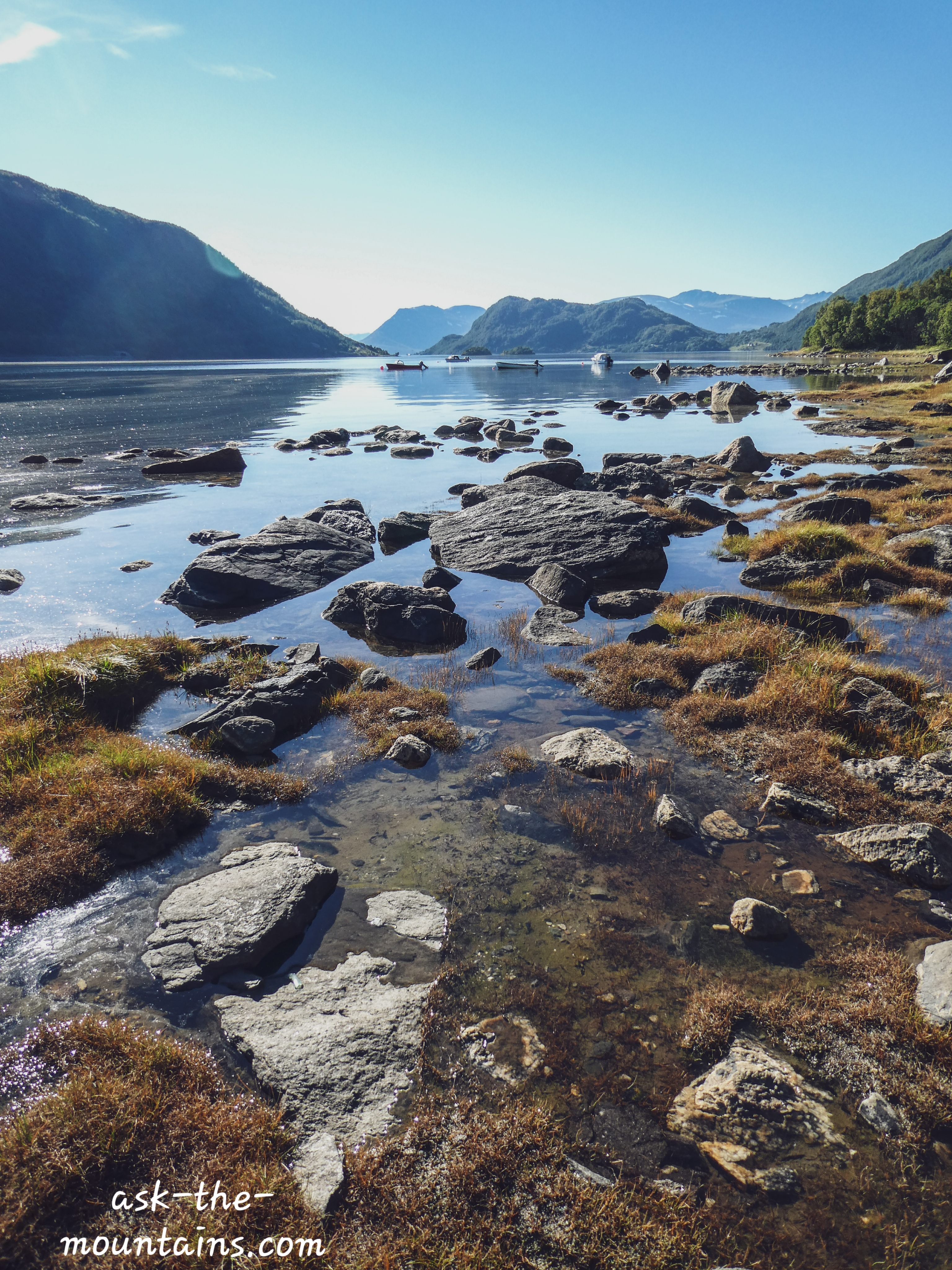
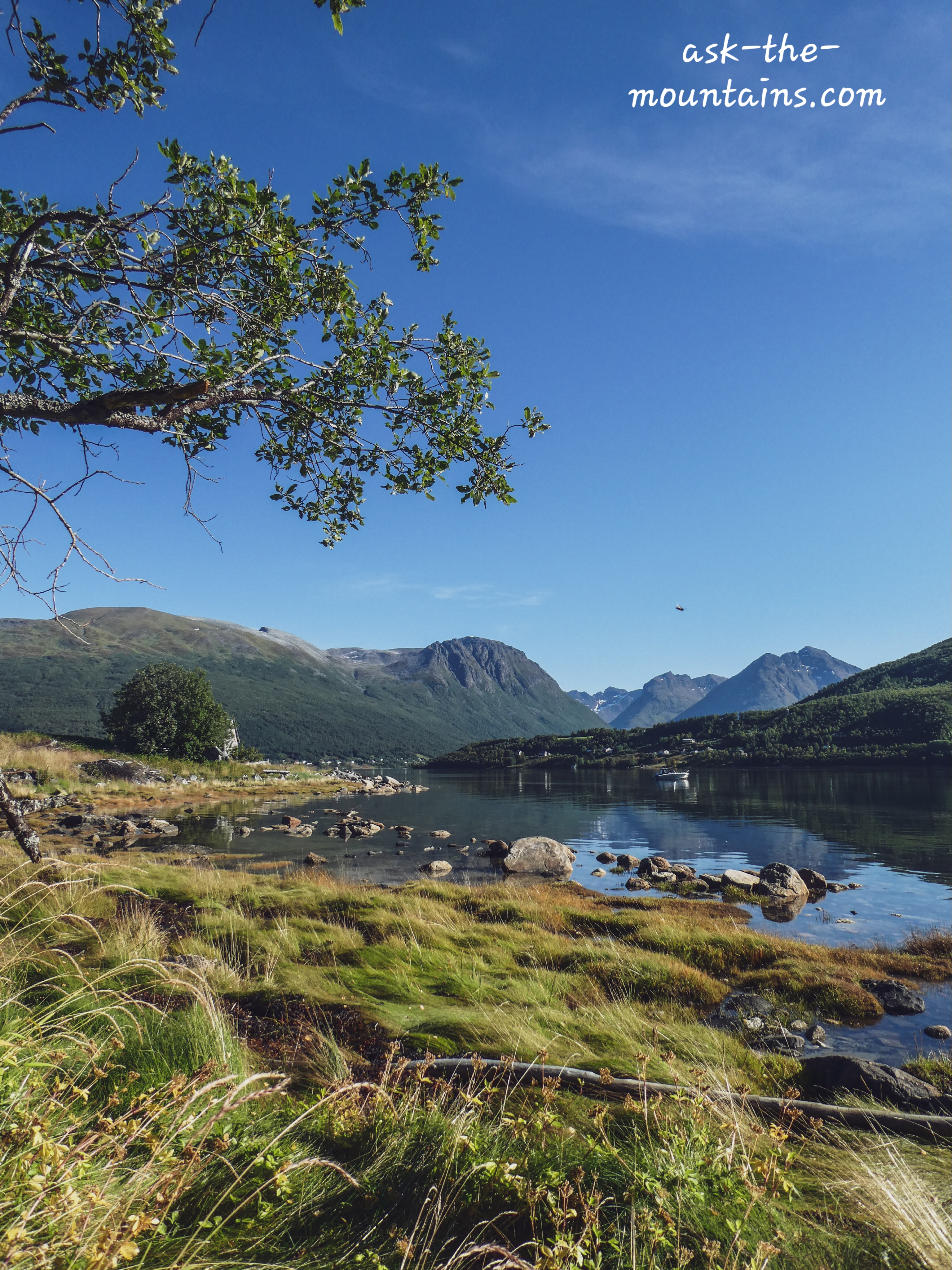
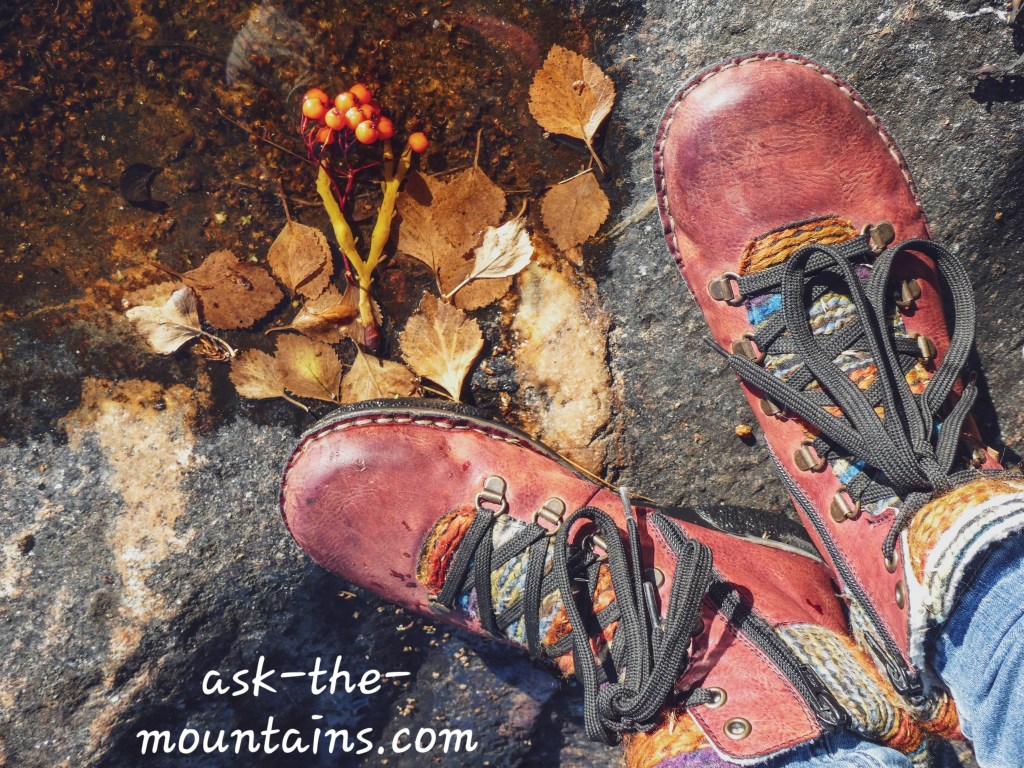
Hadde en helt plutselig solfylt høstdag for cirka en uke siden. Våkna opp uten migrene i tillegg! Så da ble det en gåtur i finværet. Tok noen bilder med mobilen. Tror det var nærmere 20°c den dagen, det er jo tropisk her nord 😁🙏🏼
















































































































































 Ask The Mountains