Sparrow on a real dried leaf I found last autumn going to visit friends🍁 I was able to paint more from my intuition than from my head, so I feel like it turned out much more alive and authentic than many of my other works 🙏🏼🎨🍂💙
Why a sparrow; had some interesting and symbolic encounters with sparrows lately – I didn’t even realise until recently that they even live here, close to our home 😅
Not king, not eagle, only a pulse of brown and breath. It carries the secret of small things: that life does not need grandeur to be holy. In dust, in hedges, in the cracks of cities, the sparrow sings the same simple truth to live is already enough. 🐦✨
This january marked the 10 year anniversary of starting my tantric path, although I started my journey in hatha yoga in 2011.
What is tantra to me? It is easy to go into a textbook definition of it, and I will add one further down, but first I want to share what it means to me personally.
Tantra is transformation. It is working with energy in energy systems (of our mind and body).
Tantrics are usually laypeople – men and women with children, jobs, etc. We do not renounce the material and relative world but rather the opposite – using everyday life and challenges as fuel for the path, transforming impure energies into their pure state through specific yogic practices*.
Being a tantric means training and trusting one’s own path and experiences, rather than just doing what is being told – to have disernment and critical thinking, yet stay open and humble.
Tantra can turn ignorance into wisdom, selfishness into compassion. Illuminating the dark corners of our minds, interrupting the cyclical habits, and learning how to read and work with energies; masculine and feminine, peaceful and wrathful alike. To find the center between extremes; letting hope and fear, aversion and attachment collaps into each other. With practice I believe it is possible to return ones mind and body from the samsaric state into its natural pristine state – which is the difference between ourselves and fully realised practitioners/masters of yoga/tantra. It only makes sense to me, for example, that if you can heal 10% of your traumas, you can heal 100%.
There is no tantric lineage without a head teacher (‘guru’ in sanskrit language, although I hesitate to use the word guru because it has been so misused and thus misleading). Tantra is based on passing empowerments from the teacher to the student. All empowerments I have received has been from Finnish tantric teacher Amrita Baba, and I am part of his sangha (community of practitioners), called AmritaMandala. I feel fortunate to have found what I deem to be an authentic Teacher of Dharma, who is able to transmit high teachings to his students, so that we actually feel the shifts and benefits. In this pragmatic lineage we work closely with non-physical tantric masters (mahasiddhas), mainly Padmasambhava, Yeshe Tsogyal, Ishanath (aka Jesus Christ), Babaji, Mataji, Krishna, Radha, Lao Tzu, Bodhidharma, among many others. See full list here.
Personally, I feel a very close relationship with Ishanatha, he has for instance healed some of my serious physical ailments spontaneously on more than one occasion since 2021 in meditation, and he is – in my eyes – a true tantric yogi beyond of any religious establishment – pure Christ consciousness. (I am raised atheist and am not baptised, so this connection came later in life).
Impermanence is also a central topic in tantra. It is well believed that a practitioner (tantric yogi/ni) should be able to know what happens at the time of death (our two subtle bodies leaving the physical body), and there are practices for this specifically. Meditation and contemplation on illness, death and the impermanent nature of the relative world is essential.
I vaguely remember a few past lives, and that my soul chose this incarnation; I chose being a girl/woman, my parents, my place of birth, and the immense health challenges to fuel my practice. The deeper the suffering, the wider the perspectives, the greater the lessons and the brighter the light at the end of the tunnel.
I am also a Mother, and both of our boys’ souls came to ‘visit’ me before they decided to be born through me. I feel very honored that they chose us as parents, and I cannot wait to see what their plans are for their lives.
Another important cornerstone of tantra is bodhicitta; the genuine wish to attain enlightenment for the sake of all sentient beings. This wish can carry you through some of the darkest moments – it really has for me.
Vajrayana is the tantric interpretation of mahayana. The goal is the same in mahayana but the methods are different.
The biggest practical different, as they’re doctrinally the same, are empowerments and transmissions given by a tantric preceptor who traditionally are called gurus (tib. lit. lama). In tantric empowerments the guru transmits the experience of buddhanature that all beings inherently possess that can be afterwards returned and cultivated by the student. This cultivation is done through the repetition of mantras, visualizations and mudras or physical gestures that are direct expressions of the enlightened speech, mind and body. Mantras are specific verbal formulas of various deities or enlightened archetypes of buddhas and bodhisattvas that embody different aspects of our inherent enlightened nature. Manjushri is an archetype of wisdom and discrimination, Avalokiteshvara that of compassion and Vajrasattva that of selfless clarity. The tantric system is an esoteric method of healing and awakening which under certain circumstances leads to buddhahood ie supreme enlightenment (skt. anuttara samyak sambodhi) in a single lifetime.
It is good to mention that the mentioned enlightenment is not something of the distant past and cultures. Vajrayana which is a yogic training system for normal laypeople, enables full enlightenment for anyone who dedicates to pursue the path to enlightenment for the purpose of helping others, is willing to keep bringing accepting awareness to one’s most painful and unpleasant thoughts, emotions and memories and who is willing to continue to the end of the process regardless.
In terms of doctrines vajrayana, like mahayana, is based on the so called Second and Third Turnings of the wheel of Dharma by Buddha Shakyamuni. Interpretations of these doctrines, especially the buddhanature (skt. tathagatagarbha) teaching of the Third Turning vary slightly. However, all vajrayana, also called tantrayana or mantrayana, is based on the doctrine of emptiness or better, selflessness of all things of the mind (skt. shunyata) and bodhicitta which means revealing the natural loving, compassionate and kind nature of ours towards all beings.
Amrita Baba
My tantric tattoo. A portrait from May 2024, with second baby 🧡😹🙏🏼Ishanatha on our wall
Why the absence of autonomous, multi-age playgroups makes parenting suck. (This is a reshare of Elena Bridgers’ article).
Sámi mommy breastfeeding toddler in Tromsdalen, Tromsø, Arctic Sápmi, while smoking some tobacco.
“Fasten your seatbelts, ladies and (two or three) gentlemen, because we are about to dive into the my absolute favorite topic of all time: the importance of multi-age playgroups in hunter-gatherer societies. Honestly, I get more excited about this stuff than a dog whose owner just said the word “walk.” Back when I first started reading about motherhood in hunter-gatherer societies there were two things that made me go, “ohhhhhhhh, now I get it.” One is the longer interbirth intervals that probably characterized most of human history (as I wrote about here) and the other is the critical important of multi-age playgroups as a source of substitute childcare for mothers. It was a total epiphany for me, and I suspect you may have the same reaction, because once you see how this used to work, how human childhood evolved to work, it just makes so much sense. Over millions of years, we basically evolved a perfect system involving care of children by children, in a way that was wholly compatible with their own need for play, and that we have entirely abandoned in the modern context, to the detriment of all.
But in order for you to understand why this still matters for mothers in the modern context, I need to tell you my own story about just how much I hate playing with my children (even though I love them deeply) and how misguided I was about the role of a “good mom” and what she owes her kids…
I’d rather stick a fork in my eyeball than play pirates.
Only after I had begun doing deep research on hunter-gatherer societies did I realize that this is exactly how things were supposed to work. Children are supposed to play with other children. It was never meant to be the mother’s job. But trapped as we are in single-family homes where playmates can be hard to come by, parents often end up filling this tedious and time-consuming role…[..]”
If you knew that one day someone would be helped and inspired by exactly the trial you are going through now, would it then be easier to bear? I believe that the knowledge/thought that another person can benefit from your story; your experiences and how you solved problems and trials makes the burden lighter in a way; because then you are doing something for something greater than yourself. There is a self-sacrifice in the picture that gives momentum, and you no longer think only of “me and mine,” but also of the well-being of others. I don’t know if this makes sense – I think it’s the autumn and the colourful death and devotion of the plants to the cycle of the seasons that made me write this 🤭🍂💛
In a world that teaches me first, me only, me always, prayer is a quiet rebellion. It begins with a bow, a loosening of the fist that clutches at control.
It dares to whisper: I am not the center. I am not the crown of all things. I am a thread in the tapestry, a note in the chorus, a servant of something vast. Something holy.
Prayer is an act of defiance against the tyranny of ego, against the hunger that never fills. It topples the empire of the small self and builds, stone by stone, a sanctuary for all beings.
In prayer, we betray the myth of isolation. We kneel not in defeat, but in devotion and love.
Prayer is rebellion, the most radical kind, for it wages war not on others, but on the walls within, until only openness remains.
Through the power of prayer, we can align ourselves with life and light itself. What a miracle.
We can call for the aid of both ancient and recent Masters, Beyond space and time. Their luminous wisdom and boundless compassion can touch our hearts as intimately as the Sun’s warmth opens flowers in the morning mist.
Prayer is not just mere words. It is the trembling of the soul reaching for our wholeness, a candle lit in the dark, a river bending toward the ocean. Prayer is tantra and transformation.
Wanted to share this free online playlist on Youtube in six parts, focused on the healing of traumas in the psyche. It can be done sitting in a comfortable posture, or laying down if you prefer. It has been extremely helpful for me, so I share it in hopes someone else will benefit 🫶🏻
The Sacred Bear and “the Origin of the Sámi People”
In Sámi mythology, the bear is a divine ancestor, not just an animal.
One myth tells of a heavenly bear who descended to earth and married a human woman. Their children became the first Sámi people.
Because of this, bears were/are honored as ancestor spirits, and when a bear was killed (very rare and ritualised), its bones were carefully placed in a tree to allow its soul to return to the sky.
A ceremony called the Bear Feast included songs, dances, and apologizing to the bear spirit for the killing, inviting it to be reborn.
The Bear Who Fell From the Stars:
A Sámi Creation Song of the First Bear
In the hush before dawn, where no footprints fall, Where the wind hums secrets to the pine, A star broke loose from the roof of night And tumbled down through time.
He fell with a roar through clouds of gold, Bathed in *Beaivi’s light. He landed not dead, but dreaming still In the heart of the forest’s white.
The reindeer bowed their crowned heads low, The lynx stood still in her track. For this was the First of Bears, The Sky-Child, fallen back.
He walked like thunder on ancient snow, His breath, a wind of flame. Yet gentle were his dreaming eyes, And wise, and without shame.
A woman came from a northern vale, A weaver of skins and song. She found him sleeping in a ring of birch And stayed with him all night long.
They spoke without words by fire and frost, By the rhythm of blood and bone. She taught him the names of the winds and streams; He gave her dreams of home.
And so their children, wild and wise, Were neither beast nor man. They sang to trees, they hunted clean, They walked where few else can.
But then the bear, when spring had sung, Felt longing rise like steam: His fur grew light, his eyes grew wide He vanished into dream.
And so today, when the bear is seen, The Sámi bow and sing “Child of stars, our ancient kin, Return again in spring.”
If ever a bear is taken in hunt, The people weep and pray. They dress his skull in flowers and moss And lift his bones away.
This is the landscape nomadic peoples of the Arctic have travelled for decades and generations. Moving their herds and homes and children safely tucked onto sleds, across the tundra. This is still the case in some areas. If you’ve witnessed the ever-changing play of colours and atmosphere during the Arctic winter and Polar night, it looks something like this; pastel skies, crisp clear air, moon in daytime and the sun hiding behind the horizon, blessing us with a few rays here and there before leaving for a few months. I am in awe at how my ancestors have survived and even thrived here for so long; I feel moved to my core by their know-how of the elements, seasons and animals. “Way of Life” art print, 2400 NOK 🩵💜🤍🧡 89 x 46,5 cm including white edges. The prints have the title written on the white part in front, and signature on the back.
A zen tradition that doesn’t separate buddhanature from substrate consciousness (skt. alaya vijnana), doesn’t speak or teach kensho but then claims to be able to just sit (j. shikantaza), that doesn’t have one on one instruction (j. sanzen/dokusan), that has no emphasis of any type of dynamicity or physicality in training, where lineage blessings go unnoticed, where students and roshis spend sesshin after sesshin half asleep, has got to be the most decadent form of Zen to ever exist. These are the very problems that Bodhidharma corrected by teaching the weak, sleepy and ignorant meditation monks dynamic movement practices but also how to transform, stretch and strenghten tissues (c. yijinjing) and how to transform all three bodies from samsaric to nirvanic state (c. xisuijing, bone marrow washing). It’s been long since Bodhidharma’s time but the state of some systems that claim to be zen buddhism merely based on lineage transmission and mimicked external form, proves that the deluded mind is master in deluding itself, without much ability to learn from the mistakes done by others. It is indeed difficult to find practitioners who are able to analyze and extract the essential meaning of dharma thus demonstrating abundant merit (skt. punya).
Baba, Revitalized Zen 16 March 2025
Yes, this seems to be true; that the state of Zen lineages today is simply not producing Masters, as was the whole point of Zen training. The state of Dharma is seemingly in a bad shape all around. Therefore, I find it very refreshing and interesting to read such quotes as the one above. Here is the YouTube channel of Revitalized Zen, the facebook group and here is the blog. Excellent reading for any spiritual seeker 🙏🏼🪷
Chatral Rinpoche (8. June 1913 – 30. December 2015). Yogi whom has helped me on my spiritual path 💎📿
You might spend your whole life pursuing only food and clothing, With great effort and without regard for suffering or harmful deeds, But when you die you cannot take even a single thing with you — consider this well. The clothing and alms needed to keep you alive are all you need. You might dine on the finest meal of delicious meat and alcohol, But it all turns into something impure the very next morning, And there is nothing more to it all than that. So be content with life-sustaining provisions and simple clothes, And be a loser when it comes to food, clothing and conversation.
No matter where you stay, be it a busy place or a solitary retreat, The only things that you need to conquer are mind’s five poisons(jealousy, pride, anger, ignorance, attachment). And your own true enemies, the eight worldly concerns(hope for pleasure and fear of pain, hope for gain and fear of loss, hope for praise and fear of criticism, hope for good reputation and fear of bad reputation).
There is no better sign of accomplishment than a disciplined mind. This is true victory for the real warrior who carries no weapons. When you practise the teachings of the sūtras and tantras, The altruistic bodhicitta of aspiration and application is crucial, Because it lies at the very root of the Mahāyāna. Just to have this is enough, but without it, all is lost.
It is far better to eliminate your doubts and misconceptions, By relying on the instructions of your own qualified teacher, Than to receive many different teachings and never take them any further.
If you lack the wealth of contentment in your mind, You’ll think you need all kinds of useless things, And end up even worse than just an ordinary person, Because you won’t manage even a single session of practice. So set your mind on freedom from the need for anything at all. Wealth, success and status are all simply ways of attracting enemies and demons. Pleasure-seeking practitioners who fail to turn their minds from this life’s concerns Sever their connection to the authentic Dharma.
Limit yourself to just a few activities and undertake them all with diligence. Not allowing your mind to become fidgety and restless.
Have to share this absolute gem of a film 🙏🏼 Found it very well made and entertaining to watch, and a good Dharma film to show kids. I don’t usually watch a lot of animé but I liked it!
“Maintain the state of undistractedness, and distractions will fly away. Dwell alone, and you shall find the Friend. Take the lowest place, and you shall reach the highest. Hasten slowly, and you shall soon arrive. Renounce all worldly goals, and you shall reach the highest Goal. If you follow this unfrequented path, you will find the shortest way.” -Milarepa
October photos. Colourful sky, sunny days and snowy days.. It’s always shifting very fast here, you could almost say there is four seasons within one season 🌅🌦❄️Prayer flags in our garden ☃️ The weather was interesting that day; grey sky and sea, white landscape and a heavy kind of silence.
Humans are herd animals, we’re mammals. We are literally made to raise children in the company and with the support of other women.
This is something we have lost as a modern society.
I would go as far as to say that we have a pandemic of lonely Mothers. Home alone most of the time with their babies, doing their best, often without much mental, emotional or physical support or stimuli from other mums. It’s not natural. And it’s not healthy for the baby; having their start in life defined by this kind of isolation.
It’s not long ago in our human history that women and mums were much closer, and could rely on each other more. I often wish I could turn back time, and experience that closeness, that kind of Motherhood.
In rare small (indigenous) communities around the world, this is still the case, and used to be like that here too (in Troms and Finnmark).
Loneliness sucks a lot of the joy out of Motherhood. It sits like a gray veil over us and makes us even more isolated. Not to mention the shame and guilt many mums feel for even feeling lonely, bacause we have our babies, so we should feel more than content.
But the truth is that women need women. Mums need mums. Only other mums can truly understand the ordeal of birthing and raising children.
So, if you feel lonely in Motherhood, like me, please do not blame yourself, the fault is not with you. It is that we as a modern society have separated ourself too much and we don’t see the importance and value of a supported mum. It’s kind of obvious though; a healthy happy mum = healthy happy start of life for baby, and thus for the all humans and society at large. It all starts with mum.
A painting I did some years ago. “I will keep you safe and warm”.
Really enjoyed this 2 hour interview with “the smarteste man in the world”. Of course IQ isn’t everything, as he says himself, but I guess what I liked about this interview is how he early on in life decided to look for truth and meaning rather than using his brains to make money. They got into all sorts of topics, like beauty, reality, globalism, God, even aliens, cancel culture, etc. Very relevant atuff. Also, I found it funny how he said most buddhists nowadays don’t understand emptiness/sunyata, I think that is true.
In my summer sea sámi gákti. And small baby “shoes” made by mother-in-law 🙏🏼Shades of blue shellRusty coloursBlue and purple hues“Det er morgen igjen, vesle håp og verden frotterer seg med nyvasket solskinn. Livets ansikt er aldri det samme selv om vi ser på det i all evighet.” – Kolbein Falkeid #home #kitchen #midnightsunCurious little guy on a short hike in the rain. ☔️Summer details in some of my older paintings. Just playing and experimenting with colours and techniques so that I will hopefully find the Joy of painting again 😄 I guess I have a little dry spell in my creative life at the moment.. Blue, orange and yellow are great together. A bouquet I picked by the side of the road.Details Beef tallow.Son and daddy 💙💛❤️💚My partner of 14 years meditating. #yogisondisplay Our shed with some new flowers.Curious little rabbit in our garden.
Yogi on display in nature for the birds, foxes and rabbits to see 😄 also i found a long-ish animal bone that was perfect to use for hitting on a rock to keep the rhythm while chanting and singing prayers. 🐰🐦🦊🦴
What is #YogisOnDisplay?
“Unlike in cultures long established in the dharma, spiritual practice is not visible in the everyday life of Western society. While many Westerners practice some form of spiritual practice, the actual practice is often kept private. This is a great pity. Not only does it speak volumes about the level of spiritual maturity of the West, but it also means that many people never encounter dharma in the first place. If spirituality is not publically displayed, the fact that there is an alternative to existential confusion and suffering does not reach the masses.
In an attempt to counter this, Amrita Baba has initiated the Yogis on Display project. The idea behind Yogis on Display is to encourage spiritual practitioners of the West to become living examples for others. Instead of hiding away in our modern city caves, we need to bring meditation, mantra singing, yoga practice, and so on, directly to where it matters; straight to the middle of the hamster wheel. Displaying the solution to existential confusion and suffering is a hands-on, time-tested way of practicing care and compassion for all beings.
To spread the message of Yogis on Display the hashtag #yogisondisplay has been created. Practitioners who chose to take part are encouraged to take a picture of themselves and share it on social media using this hashtag. This way more people can learn about the initiative and become inspired to light the torch of dharma in our public spheres.” (AmritaMandala.com)
Food and how to get that food is a huge part of any culture. In the Arctic, that food culture has been mainly catching, hunting, fishing and herding, making the foundation of our food for thousands of years an animal based one. We don’t have a lot of local edible plants here, with a few exceptions like berries for example. With the influx of trading and new borders, new foods were introduced, but if you are like me, I don’t tolerate them well at all, especially grains, and a lot of carbs . So I stick to an ancestral Arctic diet that my stomach and body loves, and I feel extremely passionately about food culture, so I guess that is what I made this painting about. I also added 3 samoyed sled/herding dogs, as a little head nod to another Uralic Arctic people neighbouring Sápmi; the Nenets. (An obsolete name for them used to be the Samoyed people, a name not used by themselves). Acrylic on 80 x 80 cm canvas, details in silver and gold pen, oil pastel crayons. 🩷🩵💜🤍💚
It is from Eastern Siberia that the word shaman comes from, which means to ‘heat up’. Where it originated before that, I do not know. The ‘new shananism’ people in the west speak of today can hardly be compared. Shamanism and animism has permeated most if not all of the nomadic and semi-nomadic cultures in this part of the world. The shamans have traditionally been both women and men, though the word ‘shaman’ is masculine form. The feminine word for a female shaman is ‘udugan’ in Tungusic language. In Northern Sámi a shaman is known as a Noaide. (Acrylic on mixed media paper, A4)Shaman’s drum to aid in the trance travel
Here is some pictures I used for inspiration for my painting.
I can also highly recommend these practices on youtube by a Uralic Tantric yoga teacher Amrita Baba; where he teaches tantric practices with ancient shamanic masters. Here is part 1 of 4, and the other parts linked below video.
I often think about how the two genders are put up against each other in todays’ society, and we forget how to cooperate. We forget that men and women are dependant on each others’ strengths and that we complement each others’ weaknesses. We tend to focus on “who has it worse and who does what is most important”, instead of focusing on “what can we accomplish together, and how can we best raise the next generation, and be there for one another in life’s traumas, challenges and victories”. We hear absurd statements like “what is a woman”, and “do we need men”. The feminine and the masculine are two wings of the same bird, we need both to soar. The feminine power represents creation and wisdom, while the masculine represents stability and action. The whole Universe – and thus you and me – are made of these, and we should not forget that.
(Acrylic and oil pastel drawing/painting size A4, on mixed media paper)
I am tempted to just answer my own question with “why not?”, but that is not satisfactory at all. Especially since there is a very good answer that comes to mind, although it is a cheesy one;
My soul needs it. It is who I am, and art helps bring out my authenticity. I feel ill when I have long periods of low motivation and inspiration, and thus don’t paint.
As probably many other children who loved art, growing up meant finding out how fragile art making can be. How vulnerable you make yourself. How other things in life seems to creep in and take over your time, to the point where there is not much time left for art making. All children are born with an innate sense of wanting to create and learn, and it can take a long time to find back to that once you have entered the hectic adult world of chores and time schedules. What a shame. But also, what a journey.
Like in all good stories, the main character loses herself at one point or many, and falls into some sort of despair and discontentment. She wants to find herself again and strives to get rid of the layers of inauthenticity she has adopted during adolescence and adulthood. Deep down, she knows herself, but too much junk has accumulated, and she feels frozen and trapped.
“Energy that is in motion, stays in motion”. In other words; just start something, and the momentuum will keep going by itself. The more we create, the more we want to create. Do 2 mintues of art making, and before you know it, time ceases and you enter the timeless realm of creativity, where it doesn’t matter how long you do it, all that matters is that you enjoy it and you feel yourself being in a flow state.
You may ask; why paint? Does the world really need another painting of a mediocre rose or the aurora borealis? The answer is No, it doesn’t. But the world needs your interpretation of a rose or the aurora borealis. Your superpower is and will always be that there is only one of you. When someone buys your artwork, takes it home and put it on their wall, they are bringing a piece of your soul home. They want that unique thing you made out of nothing to remind them of what they perhaps have forgotten themselves. Or, they wish to have a feeling or memory your artwork inhabits in their home through their eyes. This is a huge compliment for any artist.
You may also ask; but how do I find my own style? You don’t! It finds you. And you can’t get rid of it, even if you wanted to. Unique personal style is something that happens on its own. Don’t worry about it, it will reveal itself, if you just keep making stuff.
It’s hard being an artist. It can be lonely, it can be difficult to get into the desired state for creating, it can be challenging to make a studio/workspace, it can be close to impossible to find motivation some days and it can be a job in itself to make something out of thin air. But then again, it can also be the most rewarding soul nourishing work.
Been spending most days outside this past few months, especially since we discovered that we have mold in our house, that has been contributing to my health issues, and resulted in me being diagnosed with CIRS/mold illness. It’s a hell of a thing to live with, and we are currently looking for treatment and a new place to live. I hope and pray these things sorts out, so that we can focus on our daily lives as a family and not live in a state of emergency.
In other news, I am (still) working on my film on remaining and recently extinct Arctic Indigenous languages in Europe and Asia. It will hopefully be done sometime soon, and I am so looking forward to share it with the world. I hope that it will be interesting and valuable information for people to watch.
Wishing you all a great and bountiful autumn (or spring if you are on the other side of the planet😅) 🙏🏼🍂🍁
The following text is from Barbara Brennan’s book “Light Emerging”, page 337 – 343 💜
“Once upon a time, aeons ago before time was known as it is today, there was a spark of light in the heart of the divine. That spark in the divine burst forth into millions of stars. Each star had a name that was written in the word of God. One of those stars is you. As a star, you grew and developed and sang across the heavens to the other stars. In this time before you were born as a human, you knew light, love, and wisdom. Being unborn, of course you had no body, so there was a great deal of freedom. You were completely aware of the essence of your being. You had great freedom to move about the universe at your will. You moved in the direction that you focused in. With your intention, you began creating things. If you had a wish, you automatically created it. You created stone and earth; tree and flower; star and planet; even cloud and wind.
Your essence moved easily, changing from one form to another. You experienced being a cloud, a moon, a sun, or a fish, or a cat. You continued to move as your pleasure led you. As you moved from one form to another, creating more forms, you slowly became identified with form, and shadow was born. You got so excited in the creating that memory slipped and you forgot who you were. You were so busy creating, you didn’t even notice that you began to think you were form.
Shadow grew darker, and pain was born out of forgetting that the true self is essence. The true self is the creator, that which is beyond form. That is how you created shadow and pain. You forgot who you are. You split yourself in two: the part that forgot and the whole that remembers.
Within every human being, there is the spark of the divine in every cell of your body. It is the essence of self. Within that true essence of who you are is the healer within you who has all of the creative power of the universe. The healer within you is named according to the word of God. That is who you truly are. Move your awareness now to your inner essence, your power and light that are completely unique. You are the word of God made manifest. Move your awareness to the total essence of your being—that is the healer within you. You have felt it your entire life. The golden threads of this power have been woven through the tapestry of your life since before you were born. You knew as a small child, as you know now, what this means. Feel the essence, the power, flowing through you. It is your uniqueness. It is your beauty. It is your love. It is the sweetness that you experienced life to be as a child.
Your power lies within the sweetness of who you are. It is within the sweet longings you have protected and shielded from others. You are like a flower unfolding in the sunlight. Feel the power and the nature of your divinity, unlike any other. Now ground that well in your body. That part of you is still free. That part of you can still move freely through space, time, and other realities. Feel yourself in this freedom now. As you are moving through time and space to different types of reality, in the far distance you hear a cry. That cry wells up and becomes more audible, and you say, “Oh, what could that be?” You hear the longing in the cry for help. Then you spot it and you see the beautiful blue and white shimmering planet in the sky. You are drawn closer to that beloved planet by the cries of need. As you get closer, you say, “What can I do to help? How can I answer this cry, this call? How can I help heal the pain that is upon the earth?” Then you have a great idea. You decide to create a physical form by drawing it up out of the earth and drawing the pain with it. You intend to use the physical form to heal the pain. You descended into a tiny physical body.
After nine months or so, you were born into this world as a human being. The longer you remained attached to that body, the dimmer the memory of your original essence became. As a child, and perhaps way before that, you began taking on the pain. During the experience of the pain, you completely forgot who you were. When the pain would leave, you would remember. When the pain would come back, you would forget. The pain that you chose to heal grew inside of your body.
Look over your childhood. Find the deepest pain that you have carried in all those years. With that pain, you will find your deepest longing. What is it that you want to be? What is it that you longed to be as a child that you now and then thought you could never be? Did you want to move among the stars? Did you want to heal everyone on earth? Did you want to paint or to create beautiful music? Did you want to make everyone feel safe? What was it that you wanted more than anything? If you could be or could have anything you wished on earth, have any fantasy come true, what is that fantasy? How is the un-fulfillment of that related to your very deep pain?
Look backward over your life. As you moved through each moment of your life carrying that pain, there is one thread: a repeated cycle on the spiral of life, where that deepest pain from childhood has been repeated over and over and over again in the many different experiences that you have had. If you look at all of those experiences, you will find a common thread among them all. When you find that common thread, then allow yourself to begin feeling that pain. Allow your body to experience this pain. Where has it affected your body? When you feel it in your body, where does your body tense? Explore now throughout your body where that pain has affected your psychic, your spiritual, your mental, your psychological, and your physical being. That thread runs holographically through every portion of your being, and as it runs through your body it hits in particular places that eventually become experienced as physical pain. Find it in your body. If you are sensitive to the auric field, then find it in the auric field.
As you find that pain, on whatever level it has manifested most profoundly—perhaps a fear, perhaps a problem with relationship, perhaps in a physical disorder, perhaps in your profession—then ask yourself a question: “What has this to do with my deepest longing? How is this particular problem associated with my deepest longing of who I wish to be, what I want to do with my life, where I wish to live?” The first job you have is to heal that pain within the body. For it is by the pain in your body and life that you will learn the personal skills that you need to fill your longing, no matter what it is. Find that pain within your body, and put your hands on it: that which you have carried for a lifetime, that darkest belief system that has the most profound forgetting, that one major, deepest pain, be it in your heart, your belly, or in your throat. Put your hand there now, and experience the consciousness there that believes in separation. It is the shadow. It believes it is separate and isolated from everything, isolated and separate with no hope. Find that pain that has been there from the earliest of days, and let that shadow begin to dissolve. Enter into the shadow. Accompany yourself into the dungeon within the self that needs healing. Do not deny the human experience of that real pain from the human perspective. It is not a new pain. It has been there ever since you can remember. It is not the kind of pain that goes away easily, for it is deeply, deeply ingrained. Spend some time with the pain. Then when you are ready, move your conscious awareness to the healer within you. Here is your wisdom. Here is your longing and your light with which you came here to heal the pain that is in your body. Move back to the pain and feel the pain. Then move to the longing and feel the longing. Move back to the pain and then to the longing again. Continue moving from one to the other until you find the association between the two, until you can answer the question, “What does this pain in my life mean to me? What is it trying to tell me? What is the message it brings to me?”
While you are feeling that pain with your hands, from the human perspective, ask the essence of healer that you are what you need to do. What is the deepest cause of this pain? Ask for help to heal this pain. Ask the healer within for help to heal that which you have been unable to heal in yourself up until now. Truly ask, and it shall be answered. Ask very specifically what you can do. What is the cause? What is the belief system? What do you need to do every day? Allow the essence of the healer within you to work through your hands to heal your body. Be a channel to heal the self. Let the light flow through you. After you have received as much information as you can, reach for the highest spiritual reality you know; your higher self or your guides. Reach for the memory of who you are from that highest spiritual reality. You will find that the pain within you is precisely the pain that you were drawn to earth to heal, way back before you were born, when you were that wondrous spiritual being. That is who you truly are. So reach up to that part of the self that has incarnated in order to heal the very pain that you carry within yourself and that you have carried since your birth. For it is precisely the pain you have come to heal, and it is you who have chosen to take on this pain and in doing so you chose to incarnate with precisely the best combinations of energies and wisdom and love to heal that particular pain. That is what you have come to heal, and you are fully equipped to do so. You have fully equipped yourself to heal it. And that wondrous spiritual being that you were before your birth when you heard the cries and the longing from the earth and were drawn toward the earth is the healer within you.
You are the person who knows how to heal that pain more than anyone else. That is your healer within. Be the healer within you, and heal that thread of pain that you have carried throughout your whole life. Touch your body in places you feel pain. As you are working, move your consciousness back and forth between the healer within and the inner person who is in pain. As you continue to move back and forth, you begin to understand the relationship between the healer within you and the pain that it has come to heal. You have drawn this pain up from the earth to transform it. Give yourself plenty of time to complete this process. You are integrating the pain within, the longing that you carry within your heart, and the healer within that can heal you. Let the healer within you draw out that pain and return you to wholeness. Move back and forth between the human with the deep pain, and the healer with universal power. Move them closer and closer together as you move back and forth until they merge. Continue the process until you become completely merged. When you feel satisfied that the merging is complete and has stabilized, I would like you to remain silent for at least an hour. Remain silent, sit in meditation, or simply get up and go for a walk in the woods.”
Morning sunlight through the autumn leavesDew drops…Patch of neighbourhood bathing in morning lightA kind of autumn bouqet I pickedIt’s dark in the evenings now. Hello candles!The golden season
Can I just say, this is the best photo anyone has ever taken of me? Susann, thank you for capturing my essence. Here I am wearing a headdress and silk liidni I sewed myself, and the gákti summer dress is made by Nadezda Johnsen. Autumn wind…🧡🍂🙌🏼Life is a lot of chopping wood and carrying water… I think that is how the saying goes 😉
“Your healing journey will, of course, include a consideration and use of all the best tools modern medicine can offer you, as well as the best tools holistic healing can offer you. From a deeper perspective, illness is caused by unfulfilled longing. The deeper the illness, the deeper the longing. It is a message that somehow, somewhere, you have forgotten who you are and what your purpose is. You have forgotten and disconnected from the purpose of your creative energy from your core. Your illness is the symptom: The disease represents your unfulfilled longing. So above all else, use your illness to set yourself free to do what you have always wanted to do, to be who you have always wanted to be, to manifest and express who you already are from your deepest, broadest, and highest reality. If indeed you have discovered yourself to be ill, prepare yourself for change, expect your deepest longing to surface and to be brought to fruition. Prepare yourself to finally stop running and turn and face the tiger within you, whatever that means to you in a very personal way. I suggest the best place to start to find the meaning of your illness is to ask yourself: “What is it that I have longed for and not yet succeeded in creating in my life?”’ (From Barbara Brennan’s book Emerging Light)
“Darkness, no matter how ominous and intimidating, is not a thing or force: it is merely the absence of light. So light need not combat and overpower darkness in order to displace it – where light is, darkness is not. A thimbleful of light will therefore banish a roomful of darkness. The same is true of good and evil: evil is not a thing or force, but merely the absence or concealment of good. One need not ‘defeat’ the evil in the world; one need only bring to light its inherent goodness.”
“From the perspective of a healer, illness is the result of imbalance. Imbalance is a result of forgetting who you are. Forgetting who you are creates thoughts and actions that lead to an unhealthy lifestyle and eventually to illness.” – Barbara Brennan, Hands of Light
Healing can occur spontaneously and over time. The spirit has an innate ability and longing for healing, health and happiness. We can all access this healing ability, we just sometimes need some help to tap into that. Never think that healing is not an option for you, or that it’s too late. We can always be reminded of who we are, where our strength lies and how strong our spirits are.
I’d like to recommend 2 books that helped me: Healing back pain: the mind-body connection by Dr. John Sarno, and Hands of Light by Barbara Brennan.
Much healing love to anyone and everyone who needs it. -M
Pictured: me at age 10 ca., on a hiking trip with my family. 🖤
Who are Uralians and Ugrians? We are different peoples with unique cultures and common linguistic roots, stretching from Russia, over Siberia and the Ural mountains, into Scandinavia. Some have moved further south, like the Hungarians. Many of us live Arctic and sub-Arctic lives and livelihoods. Many of us also have lost our traditional cultures and language.
We are Sámis, Kvens, Finns, Karelians, Khantys, Maris, Mansis, Nganasans, Nenets, Komis, Tornedalians, Selkups, and many more. I added a small variety of photos from our community below.
Uralic clothing vary from boys and girls/men and women, and is usually made just to fit the climate. Sewing patterns are often kept within the family and only used by the ethnic group and not outsiders. Summers can get pretty warm, and winters of course get extremely cold, so there are different garments for the seasons. More text and a poem below 😊
Usually, if not always, ethnic European and Eastern/Eurasian (Arctic) clothing has specific designs for women, men, girls and boys. Practical, warm and distinguishable; usually a bit, or vastly, different for each region. Often bright colours and intrinsic details. Made from the immediate surroundings; wool and animals. Sometimes silk. Giving the wearer a place and belonging; need only look at a persons clothes to know where they, or where their parents are from. Sewing patterns are often kept within the family only. Nowadays however, many native outfits are only used a few times a year for special occasions due to many people moving into the city and/or the boarding schools, and designs are evolving with the new creative youth, creating new ideas and identities, which is normal and expected. But traditional sewing skills are sadly not being taught that much from early age.
Clothing is important. No store bought garment sewn by a machine can measure with an outfit that contains your ancestry and history in every stitch. Many nowadays are also lucky to have more than one ancestry and thus more wardrobe options! Many have lost their native language(s) and feel like a “poser” if they use them or sew them, perhaps scared of getting strange looks or be called names, but I will forever argue that we should wear it like our own skin, because it is a birthright of sorts.
Every two weeks a language dies with its last speaker, 50 to 90 percent of them are predicted to disappear by the next century (source for the statistic: National Geographic). For example; 35 out of 38 Uralic languages are endangered or critically endangered due to assimilation and globalisation. Many Uralics live Arctic lives and livelihood in Europe and Eurasia. Herding, fishing and hunting. Linguistics say there used to be at least (!) 31 000 languages in the human history, now we are down to around 6000, and it is declining every fortnight. This makes sewing and using our traditional dresses even more important.
Keep sewing and keep teaching children traditional skills. They will thank you down the line, I am sure of that.
Thank for reading. I will end this post with a poem by Ingrid Mollenkopf from her book ‘Between Sleeps: Uralic Poetry’:
The path to the light is dark. Silencing the mind through meditation allows us to feel and see the radiant light of our own basic goodness, basic buddha nature, where compassion and creativity flows without obstruction, like the rays of the Sun. – Monica Xx
According to buddhism, this world is a samsaric world and the minds of sentient beings are samsaric minds. What does this mean? Samsara means being stuck in a repeated loop of confusion. In this repeated loop we keep making misassessments and misjudgements because we see all things in a distorted way. Being deluded and confused means that our perception of the world, ourselves and others is corrupted. Because our mind interferes with direct experience of anything faster than a blink of an eye, is the reason why there is vast confusion and conflict in this world. No matter how hard we try, samsaric beings cannot avoid thinking and feeling in distorted ways, and this makes this world a world of pain and suffering, when potentially it could be a paradise.
From morning until night we keep thinking about “I” or “me”. We perceive the things of the world and other people in terms of me and other, or me and something else. Every single day we have strong opinions even about small petty things. Every day we have high hopes and expectations about things and then we get disappointed, frustrated and angry when things don’t go like we hoped. We are simply unable to not think in this way.
Just like the arteries of the physical body get calcified over time due to bad diet and lack of exercise, so does our mind get fixated and habituated around the compulsory notion of me. This makes us small and miserable. It makes us bitter, angry, deluded and dirty. The thought of me-ness literally steals our life from us.
You can go ahead and say to yourself, “I, I, I” or “me, me, me”, a number of times. Say it in a way as if you were a bit angry about something, like you were earlier today or yesterday. Say, “me, me, me, me” with a frustrated tone, then stop and see how it makes you feel. This is not difficult.
Through this simple thought affirmation, you will feel different sensations in the body and mind. You’ll feel that your energy contracts as if you suddenly became smaller or tighter. It feels as if a loose knot was made tighter. You might feel that your belly gets tense, heart area becomes anxious or you might feel a tight band around your head. Pardon my language but this affirmation makes you feel like shit.
But wait a second… What did we do again? We only said “me” or “I” to ourselves… This is the same I-thought that we keep thinking and saying aloud every day, and it makes us feel awful. That it makes us feel awful is exactly what we need to discover.
We go around in circles and see the world in a distorted way because we are habitually centered around this thought – me. It affects everything at all times. It makes us feel small and constricted during the day and it creates weird dreams and nightmares during the night. Just like it is important to discover that the I-thought makes us feel like shit it is as important to realise that all thoughts, including the I-thought are transitory, impermanent. This means that all thoughts come and go, and do not stay, and yet we give so much meaning to them.
In samsaric mind, thoughts and thought associations define us and this creates havoc and destruction in our lives. This is psychological habituation that can be entirely removed.
Excellent talk/discussion on the topic of “dark nights”. Very nice to know how to handle, especially if you are a yoga/meditation practitioner or just prone to experience them, and how to get out of it.
I think it’s great when spiritual teachers talk openly about these matters. Many meditators get into spiritual practice because they want answers to their discontentment with life, to get happy. And often with practice we will hit spots in our minds that makes waves into daily life, for example if you have anxiety, it can momentarily get amplified when it is uncovered with practice. So it’s good to know that the goal is not to bypass all our problems, but to face them and to “cut through” them so that our natural state gets revealed. Over and over until all karmas are erased.
The yogic path was never about feeling good and calm all the time, but to unravel and reveal our true selves, our buddha nature, to understand ourself and how the mind works. 📿
“You might ask, ‟If I have Buddha nature, why can’t I perceive it right now?” It is because, like gold hidden in its matrix, that nature is hidden by our habits that we have accumulated since beginningless time. These habits have been created by our disturbing emotions and then reinforced by the actions that those disturbances have produced.”
“Sometimes she moves like rivers, sometimes like trees; Or tranced and fixed like South Pole silences; Sometimes she is beauty, sometimes fury, sometimes neither.”
Go towards the people that see you for who you truly are, in all your colours. For your badass kindness and fierce compassion. How we treat others reaches far beyond outer beauty and appearances; touching someone elses’ heart and helping them feel free and loved unconditionally is a gift that will never stop giving.
Before even starting this list, I know this is going to be a long post. I will not be able to choose just one artwork by each artist, and I want to write what exactly it is about their work which speaks to me and inspires me. Just googling and looking through their work and studying their techniques instantly sparks motivation and awe in me. I do have more than 10 favourites by the way, but let’s not go too crazy!
Here are the artists:
Nicholas Roerich Thomas Cole K. Hokusai John Savio Eva Harr Robert Gonsalves Theodor Kittelsen The Brothers Hildebrandt Phil Couture
Let’s begin!
Nicholas Roerich
The list is sort of random, except for the one on top. Nicholas Roerich’s artworks are truly some of the best I’ve seen, not only in style and composition but also in the message they convey: often spiritual, mystical and religious themes combined with amazing landscapes and colour combinations.
Short trivia: Roerich (1874-1947) was a Russian painter, philospher and archeaologist. Founder of Agni Yoga or Living Ethics/Teaching of Life with his wife, Helena. He did a five year long ‘expedition’ to Asia, which in his own words were: “from Sikkim through Punjab, Kashmir, Ladakh, the Karakoram Mountains, Khotan, Kashgar, Qara Shar, Urumchi, Irtysh, the Altai Mountains, the Oyrot region of Mongolia, the Central Gobi, Kansu, Tsaidam, and Tibet”, which immensely influenced his works.
During his life, he lived both in Russia, Finland, England, India and USA.
Besides the recognition as one of the greatest Russian painters, Roerich’s most notable achievement during his lifetime was the Roerich Pact (the Treaty on the Protection of Artistic and Scientific Institutions and Historic Monuments) signed April 1935 by the representatives of American states in the Oval Office of the White House. It was the first international treaty signed in the Oval Office.
There is a museum in New York displaying 150 of his works- which I would love to visit 🙂
Fun fact: The minor planet 4426 Roerich in the Solar System was named in honor of Nicholas Roerich.
Here are some of his best works, in my opinion (Sources: Google and the Roerich museum website)
“On the heights, (Tummo)”, 1936 – As a breathing exercise, tummo (Candali in Sanskrit) is a part of tantric practice. Tummo literally means “brave female” or “inner fire” in Tibetan.
(Could not find the title for these, but I find them lovely)
“Milarepa – the one who harkened”, 1925 – the first painting I saw of Roerich and fell in love with.
“St. Panteleimon the Healer”, 1916
(Could not find the title for this one either)
“Padmasambhava”, 1924 – I particularly like this one because of the colours, but also how Padmasambhava (aka The Lotus Born, Guru Rinpoche) sort of sits leaning over a little mountain top looking over the meditating monk in a caring way, probably giving him some blessing, transmission or terma (secret teaching). I would love to have this on my wall.
Thomas Cole
As you can probably guess, my favourite kind of art is landscapes; mountains and rivers, skies and horizons. Thomas Cole’s work is very realistic and typical for the romantic era, but also carries a sort of spiritual vibe to them as he often implemented celestial beings, such as angels. He is exceptionally good at perspective and composition, as you can see in the works below – and the details are amazing.
Short trivia: Thomas Cole (1801-1811) was born in England, but moved to the United states when he was 17 with his family. He is known for his amazing landscape paintings of the American wilderness, and was mostly self taught, studying other artists’ work and reading books.
In 1842, Cole embarked on a grand tour of Europe in an effort to study in the style of the Old Masters and to paint its scenery. Most striking to Cole was Europe’s tallest active volcano, Mount Etna. Cole was so moved by the volcano’s beauty that he produced several sketches and at least six paintings of it.
Fun fact: The fourth highest peak in the Catskills (where he and his wife lived) is named Thomas Cole Mountain in his honor.
I struggled choosing a limited amount of Cole’s paintings because he has so many good ones. I chose four of the absolute best ones, in my opinion, where the two first ones are part of a four series of paintings called The Ages of Life.
(Sources: google and Wikipedia)
“Childhood”
“Youth”
“Prometheus Bound” – 1847. One of Cole’s largest oil paintings. In the painting, Prometheus is chained to a rock on Mount Caucasus in Scythia. Zeus has punished him for endowing humans with life, knowledge, and specifically for giving humans fire.
Could not find the title for this, but I like it because it looks like a scene from the Tolkien universe.
Amid those scenes of solitude… the mind is cast into the contemplation of eternal things.
Thomas cole
Katsushika Hokusai
I love Japanese art. Although kind of typical Japanese in style, Hokusai still has his own expression, and I like the use of so many colours. He also has a lot of movement in his works, making them come alive. Just look at that wave 🙂
Short trivia: Hokusai (approx. 1760-1849), was a Japanese painter and woodblock print maker.
Hokusai had a long career, but he produced most of his important work after age 60 (!) His most popular work is the ukiyo-e series Thirty-six Views of Mount Fuji, which was created between 1826 and 1833. It consists of 46 prints.
Hokusai was never in one place for long. He found cleaning distasteful, and instead, he allowed dirt and grime to build up in his studio until the place became unbearable and then simply moved out. The artist changed residences over 90 times throughout his life.
During a Tokyo festival in 1804, he created a portrait of the Buddhist priest Daruma said to be 600 feet (180 m) long using a broom and buckets full of ink. Another story places him in the court of the Shogun Iyenari, invited there to compete with another artist who practiced more traditional brush stroke painting. Hokusai’s painting, created in front of the Shogun, consisted of painting a blue curve on paper, then chasing a chicken across it whose feet had been dipped in red paint. He described the painting to the Shogun as a landscape showing the Tatsuta River with red maple leaves floating in it, winning the competition.
The artist also had difficulty settling on a single moniker. Although changing one’s name was customary among Japanese artists at this time, Hokusai took the practice even further with a new artist name roughly each decade. Together with his numerous informal pseudonyms, the printmaker claimed more than 30 names in total (!)
His tombstone bears his final name, Gakyo Rojin Manji, which translates to “Old Man Mad about Painting.”
Fun fact: Claude Monet acquired 23 of the Japanese artist’s prints.
(Sources: katsushikahokusai.org, artsy.net, google and wikipedia)
“Great wave off Kanawaga” – 1832
“Hokusai” For anyone who likes Hayao Miyazaki‘s movies, I think maybe some of his creatures were inspired by this woodblock print.
“Sarumaru daiyu” – 1835
“Shore of Tago Bay, Ejiri at Tokaido” – 1842
“Inume pass in Kai Province” In Japanese woodblock printing, the use of Prussian blue – a synthetic pigment imported from Europe – is very common. My favourite shade of blue 🙂
John Savio
The only Sámi artist on my list, and the best one 🙂 I snuck him on there despite him not mainly being a painter, but also doing lithography. This summer, I went to see his original artworks at the Savio museum in Kirkenes, my mother’s hometown – half of my roots. Most of his art has Arctic inspired themes; reindeers, the Sámi peoples way of life, and the tundra (vidda). He has captured a life frozen in time that no longer exists, but is still somehow in me.
Short trivia: John Andreas Savio (1902-1938) from Bugøyfjord, was the first sámi artist to get his own exhibition at the National Gallery (Norway). He also exhibited some of his works in Paris in 1937.
Savio grew up as an orphan and died at age 36. He was poor most of his life and used to go door to door, trying to sell his art.
Picture I took of one of his paintings at the Savio museum in Kirkenes.
“Summer” – Lithography of a Sámi man in lotus posture
“Boy and girl” – One of his most famous works, at the Saviomuseum
“Man with reindeer ox”
A painting by Savio. The inscriptioin on the frame is in German, and is thought to have been owned by the Nazis during the war. In 2005, this painting was donated in the mail to the Savio museum from a woman in Germany. Savio rarely put dates on his art.
“Kjærlighet på pinne”
Eva Harr
I was lucky enough to visit Eva Harr’s gallery in Reine, Lofoten this autumn, and got to see her original works up close. Her style is realistic combined with a fiction-like feeling; it could be a real place she has painted, but it could also be a made-up dreamy landscape. She’s good at combining elements, such as rocks, and I like how she is able to make many of her paintings look hazy.
Short trivia: Harr (1951) is a Norwegian painter, born in Harstad. She has her own gallery as mentioned, and many of her works are displayed in other museums around Norway. Her own words about her art:
“Jeg har en meditativ holdning til mitt arbeide, der naturens syklus alltid står i fokus. Døgnets ulike stemninger, lyset og mørket, nattens begynnelse og slutt – og ikke minst månen med sin mektige symbolikk og innvirkning på våre liv. Symbolene jeg finner i naturen er ofte universelle og sterkt ladet. Dette velger jeg å utforske og fordype meg i. Mitt landskap er et indre landskap, og er metafor på mine indre reiser. Jeg vil speile naturen, og dens viktige plass i våre liv. Jeg blir berørt av dette uforutsigbare som preger vår tid, uro og støy som truer vår natur. Dette preger mitt blikk, og er underliggende i mitt valg av motiv. Samtidig ser jeg klart at lysets skiftninger og landskapet i nord, er en veldig viktig inspirasjonskilde.”
from her own website, evaharr.no
Some of her amazing works (Sources: google and her website)
“Erindring” (Recollection)
“Brev hjem” (Letter home)
“Mot blått” (Towards blue)
“Over jorden” (Above the earth)
Rob Gonsalves
Four years ago, I came across one of Gonsalves’ paintings (the first one below) and it reminded me of a meditation experience I had had. So I checked out more of his works, and found so many more that I liked. Style: surrealism (or magic realism) and optical illusions.
Short trivia: Rob Gonsalves (1959-2017), also known as The Master of illusion, was a architect and painter from Ontario, Canada. His works were very much influenced by other surrealist artists, such as Dalí and Escher. He also published several books containing his works. Sadly, Gonsalves took his own life last year. Check out this webpage if you want to see more of his mindbending artworks.
(Sources: wikipedia and google)
“The phenomenon of floating”
“White blanket”. I think there is something very cozy and safe about this painting. I love the snow, and have many times thought what it would be like if the snow was warm – like a bed.
“Nocturnal skating”
“Union of Sea and Sky” – Acrylic on Canvas. This painting reminds me of a poster I had in my room growing up, of dolphins and other sea animals underwater.
Theodor Kittelsen
One of the most famous and beloved artists in Norway. You have probably seen his works even if you don’t know it. His art reminds me of childhood, as he made illustrations to many of the big Norwegian fairytales, lores and legends. I wish I had more of Kittelsen’s art, but I have been so fortunate to get my hands on five vintage porcelain plates (for hanging on the wall) with his drawings on them, and one giclée print of “White Bear King Valemon”.
Short trivia: Theodor Severin Kittelsen (1857-1914) was a Norwegian illustrator and painter born in Kragerø. He has also written and published several poems. He came from a poor family with seven siblings, and his father died when Theodor was only 11 years old. This forced him to get out and get a job as an apprentice, which inevitably lead him to meet art historian Diderich Aall, who saw how gifted the boy was. Aall decided to pay for his art education.
In 1874, 17 years old, Kittelsen attended Wilhelm von Hannos drawing school in Christiania (now Oslo). In 1876, he travelled to München, to study at the royal art academy there.
Kittelsen’s depiction of trolls have largely shaped how people see these beloved fictional creatures.
His family’s home at Lauvlia is today a museum. Some of his most popular works were made here. His wife Inga was a stay-at-home teacher for their nine children and she organised his exhibitions.
Th. Kittelsen also composed an eerie book with illustrations about the Black Death.
Despite being very talented, Kittelsen never achieved financial security through his works.
(Sources: wikipedia, google and theodorkittelsen.no)
“Far, far away, Soria Moria Palace shimmered in Gold”
“Self portrait” – 1887. I think this might be the best self portrait I’ve seen 😀
“Nøkken as a white horse”. In legends and fairytales, Nøkken is a personalisation of what lives in the eerie unknown waters in forests. He lives in rivers, fresh water lakes and bogs, and often lures people in to drown them. One of Kittelsen’s most famous works is “Nøkken”.
“The troll who wonders how old he is”. I remember seeing this painting is school books, and absolutely falling in love with it.
“Huldra disappeared”. In legends, Huldra is a beautiful female creature who lures men into the woods, kind of like Nøkken. I love the misty feeling in this one.
“Echo” – 1888, oil on canvas. I absolutely adore this painting, inspired by Lofoten. Kittelsen regarded this as his best work.
The Brothers Hildebrandt
When I was a kid, I used to flick through my dad’s art books and magazines, and I specifically remember seeing fantasy paintings. Fantasy is a very unique genre, and I love how skillful you have to be with your brush to make good fantasy art. Tim and Greg Hildebrandt are two of these.
Short trivia: Greg and Tim Hildebrandt, known as the Brothers Hildebrandt (born January 23, 1939), are American twin brothers who worked collaboratively as fantasy and science fiction artists for many years. They produced illustrations for comic books, movie posters, children’s books, posters, novels, calendars, advertisements, and trading cards. Tim Hildebrandt died on June 11, 2006.
They began painting professionally in 1959 as the Brothers Hildebrandt. The brothers both held an ambition to work as animators for Walt Disney, and although they never realized this dream, their work was heavily influenced by illustration style of Disney feature films such as Snow White, Pinnochio and Fantasia.
The brothers are best known for their popular The Lord of the Rings calendar illustrations, illustrating comics for Marvel Comics and DC Comics, original oil paintings for a limited edition of Terry Brooks’s The Sword of Shannara, and their Magic: The Gathering and Harry Potter illustrations for Wizards of the Coast.
(Sources: timhildebrandt.com and Wikipedia)
“An unexpected party” – Greg and Tim Hildebrandt. A scene from Tolkien’s children’s book The Hobbit.
“Mushroom village of the elves” – Tim Hildebrandt
“Gandalf visits Bilbo” – Greg and Tim Hildebrandt
Weird looking cat-fish-creature by Tim Hildebrandt.
Tim Hildebrandt’s painting of J.R.R. Tolkien sitting under a tree with one of his own imaginary creatures.
Phil Couture
An oil painting artist I discovered last year on Etsy. As mentioned above, I like Asian art, and also fine art, so Phil Couture’s oil portraits of geishas really deserved a place on my list. I ordered one of his prints not long ago. Style: realism.
Short trivia: Philippe Couture was born in Drummondville, Canada in 1984, raised in Lakeland, Florida, and currently resides in Kyoto, Japan. He has been drawing and painting his entire life and Phil’s art education was primarily self-taught. His training consisted of drawing and painting from life, studying masterpieces in museums around the world, and employing exercises taught by classical ateliers. – from his own website.
Høsten er en alltid en fin og fargerik påminnelse om forandring og det forgjengelige.
Jeg liker lister, lister er både gøy å skrive og å lese, så her er en liten liste over ting jeg…
Burde: Stå opp tidligere og ikke starte dagen med kaffe, men ordentlig frokost. Har blitt en sånn en!
Skal: Bruke dagen i dag på å få unnagjort ting jeg har utsatt; svare på mailer, bestille legetimer og få pressa inn noen timer med sitting (meditasjon).
Har dilla på for tiden: Nutella. Er maktesløs mot Nutella.
Ønsker å bli bedre i: Å kommunisere! Jeg har ingen problem med å skrive ting, men skulle ønske jeg var flinkere til å si ting, ikke være så konfliktsky.. Det er vel en øvingssak?
Leser nå:The Lotus Sutra og One Taste av Ken Wilber. Han skriver bra, veldig bra. Har kommet sånn 20 sider inn i boka, og har allerede flirt og grått. Skal sjekke ut flere av hans bøker etter denne. Har lagt til en widget nederst på bloggen til GoodReads-profilen min, sånn btw:)
Gleder meg til: Retreats i både november og desember. Samt kunstutstillingen jeg skal ha på SevenDesign rundt nyttår! Det blir stas.
Gruer meg til: HPV-vaksinen. Haha. Ikke fordi jeg er redd sprøyter, men jeg vet aldri hvordan kroppen reagerer, eventuelle bivirkninger og sånt.
Sparer penger til: Retreats. Og reising.
Prøver å ikke gjøre mer: Utsette ting.
Savner: Sommeren.
Jobber mot: Male nok bilder til en ny utstilling til neste år.
.
.
Kommentér gjerne om du har flere punkt jeg kan adde til lista mi 🙂
My best early Sunday morning try at making a logo/profile pic for my Facebook art page.
Think it turned out pretty good! I used an app called Logopit Plus to add the fonts and circles, and the picture itself I just took outside on the porch – daylight really brings out the color in my paintings.
This morning I also felt very inspired and creative to make something, and I have always been very fond of Asian art, specifically Chinese and Japanese style paintings. So this one is inspired by that:
“The Master has mastered Nature; not in the sense of conquering it, but of becoming it. In surrendering to the Tao, in giving up all concepts, judgments, and desires, her mind has grown naturally compassionate. She finds deep in her own experience the central truths of the art of living, which are paradoxical only on the surface: that the more truly solitary we are, the more compassionate we can be; the more we let go of what we love, the more present our love becomes; the clearer our insight into what is beyond good and evil, the more we can embody the good.” – Lao Tzu
These past couple of days, my mind has been spinning in the direction of motivation and inspiration towards writing and painting. I feel creative again, after many, many months of having a huge creative blockage in my system. I’m painting and writing letters to people I care about. I’m not feeling as critical towards my own ability to create, and therefore I am able to play around more without being too hung up on the result. I even found the courage to go ask an art studio and a gallery in town if they wanted to display my paintings, and they did! What an adrenaline kick.
Anyway. I felt like writing about my buddhist path. Two nights ago, I was at a small get-together, a moving-in-party at a buddhist friend´s place, and the conversation steered towards spirituality and religion. Me and this friend were the only practicing buddhists in the room, and it became evident to me that there are a lot of assuptions about buddhism that I just don’t find true at all, in my personal experience. For example that the (historical) Buddha Shakyamuni is looked upon as a God, above other people/followers, that enlightenment/buddhahood is something mystical only available to certain people and that spirituality is only empty rituals.
To me, it only makes sense that since we all have a mind, that means we all have the ability to transform it, to step out of the wheel of suffering and confusion. And since we all have a heart, we all have the potential to open it towards all living beings, and develop a compassionate heart without disrimination. The Buddha Shakyamuni showed us it’s possible, and so did many other dharma practitioners and teachers, such as Yeshe Tsogyal, Padmasambhava and Jetsun Milarepa – to mention a few.
I think it’s important to remember that when we are practicing dharma, it is not to become a part of Tibetan or Indian culture, or to belong to any other culture with a strong tie to buddhism. It is “simply” to be a kind of scientist who looks closely at our own minds, and to be able to use the samsaric (cyclic) mind as a tool to transform it into an enlightened one. Training our minds through meditation. In this sense, I feel buddhism has much more of a spiritual approach to it, than a religious one. There is a lot of religious and cultural baggage attached to buddhism that I personally don’t agree with; for example putting young children in monasteries, away from their families, blindly believing something just because a robed person said it without using common sense to check it for yourself, and the still-existing patriarchy that’s still going on in some areas of buddhism.
Despite this, I still call myself a buddhist, or dharma practitioner, because I feel a strong devotion in my own heart to practice the dharma following the buddhist approach and a motivation to transform my mind using the buddhist teachings. I feel lucky to not live in a poor country and to have time to practice and to be able to go on retreats 3-4 times a year with a wonderful sangha and a very capable teacher. I also feel like the basic buddhist principles of ethics, honesty and being of help and benefit to others is such a beautiful and transformative thing which one can implement in one’s daily life.
Having been doing yogic practice for about 7 years now, I definitely feel like I have a more clear mind and a more pure heart. Still long ways to go, but feeling progress is golden. If you’d like to check out the tradition I am practicing in, go to openheart.fi 🙂
Noen blinkskudd fra årets Riddu Riddu-festival i Manndalen! Herrefred, kor æ kosa mæ 😀 Topp fem mest minneverdige øyeblikk fra festivalen:
1. Tyva Kyzy – et tuvansk strupesanggruppe. Fikk sett de hele 3 ganga; en intimkonsert i en yurta, en gang på hovedscenen og enda en gang under frivilligfesten.
2. DJ Shub + Classic Roots, de spilte på fredagen (sjanger: pow wow dub). Du kan sjekke ut en av de beste sangene her.
3. Møte med andre urkulturer.
4. Koselige stunder rundt bål.
5. Alle de vakre koftene som var å se.
Some books I 1) have read and loved, 2) plan to read and 3) am currently reading 🙂
1)
* Stones to Shatter the Stainless mirror: The fearless teachings of Tilopa to Naropa:
Excerpt from the book: “…I suppose that is the secret and the point of this Vision. In every situation, there is the relative view; where there are others and a world to serve with loving-kindness, compassion and generosity. And there is also the Ultimate view; where there are no others and no world. Only the mind of clear light, manifesting in the various illusions.”
This book really hit home for me; it’s easy to read, is filled with wisdom but also some funny parts that I could recognize from my own path. It’s written in a way that shows Naropa’s own point of view and the hardships he went through to humble himself enough to receive the teachings of Tilopa. Also, there are some direct “pointers to the moon” by Tilopa at the very end of the book.
* The Life of Milarepa
“It presents a quest for purification and buddhahood in a single lifetime, tracing the path of a great sinner who became a great saint. It is also a powerfully evocative narrative, full of magic, miracles, suspense, and humor, while reflecting the religious and social life of medieval Tibet.”
I have heard this book three times on audio, and it actually only gets better each time. The words are collected and written down by Tsangnyön Heruka (“The madman Heruka from Tsang”), and tells the story of Milarepa‘s physical and spiritual journey towards enlightenment. It’s written in quite a humorous way, I think, and has been very inspirational for me. Actually planning on hearing/reading it again very soon!
2)
* White Lotus: An explanation of the Seven Line prayer to Guru Padmasambhava
“Mipham Rinpoche’s famous explanation of the Seven Line Prayer to Guru Rinpoche. In this remarkable text the author explains the Seven Line Prayer in the context and application of the main practices of the Nyingma school, including Trekchö and Tögal in an exceptionally clear and accessible manner. ”
* Lady of the Lotus-born: The life and Enlightenment of Yeshe Tsogyal
“This classical text is not only a biography but also an inspiring example of how the Buddha’s teaching can be put into practice. Lady of the Lotus-Born interweaves profound Buddhist teachings with a colorful narrative that includes episodes of adventure, court intrigue, and personal searching.”
I ordered this book from Amazon about a week ago; patiently waiting for it to drop into my mail box! I have been fascinated by, and feel very close to, Yeshe Tsogyal for the last 6 months or so, so am very excited to start reading this book. I normally order books to my Kindle app, but there is something very nice about having the book physically in your hands too 🙂 Especially if you are in a coffee shop reading, which I often do.
* Sky Dancer: The secret life and songs of the Lady Yeshe Tsogyal
Another book on Yeshe Tsogyal. Not much on this book when I google it, but still seems worth reading and easy to order for my Kindle app. The cover shows a picture of Vajrayogini/Naljorma – one of Yeshe Tsogyal’s aspects.
* The Life of Longchenpa: The Omniscient Dharma King of the Vast Expanse
“Compiled from numerous Tibetan and Bhutanese sources, including Longchenpa’s autobiography and stories of his previous lives and subsequent rebirths, The Life of Longchenpa weaves an inspiring and captivating tale of wonder and magic, of extraordinary visions and spiritual insight, set in the kingdoms of fourteenth-century Tibet and Bhutan. It also reveals for the first time fascinating details of his ten years of self-exile in Bhutan, stories that were unknown to his Tibetan biographers.”
Since I loved The Life of Milarepa so much, I have been looking for more biographies on spiritual teachers to read, and stumbled upon this one on Longchenpa, a teacher from the Nyingma lineage. These kinds of biographies seems to be very inspiring and motivational for my own path, and I just generally enjoy reading about other people’s path, and the way they deal with hardships and challenges. Still have not ordered this one, but it’s on my list!
3)
* The Heart of Compassion: The thirty seven verses on the Practice of a Bodhisattva
“What would be the practical implications of caring more about others than about yourself? This is the radical theme of this extraordinary set of instructions, a training manual composed in the fourteenth century by the Buddhist hermit Ngulchu Thogme, here explained in detail by one of the great Tibetan Buddhist masters of the twentieth century, Dilgo Khyentse.”
Only just started on this one, think I am on page 4. I have been meaning to read Dilgo Khyentse’s autobiography Brilliant Moon for some time, but then I stumbled upon this book instead and will finish this before I start on the other. Dilgo Khyentse is by far one of the most inspirational buddhist teachers I know of, so looking forward to see if I like this text.
* Wild Ivy: The spiritual autobiography of Zen Master Hakuin
“Hakuin Zenji (1689-1769) is a towering figure in Japanese Zen. A fiery and dynamic teacher and renowned artist, he reformed the Zen Rinzai tradition, which had fallen into stagnation and decline in his time, revitalizing it and ensuring its survival even to our own day. Hakuin emphasized the importance of zazen, or sitting meditation, and is also known for his skillful use of koans as a means to insight.”
I am, unfortunately, a very slow reader and have spent a few months on this book, but I really do like it and plan on finishing it. It’s filled with personal accounts of Hakuin and also some lovely calligraphy paintings.
* More than Two: A practical guide to ethical polyamory
As the title implies, this is a book about polyamory. As a person who is relatively new to this kind of relationship structure, I thought I could use some pointers. Only read the introduction so far, but it seems promising.
If you have any books to recommend, please do not hesitate to comment or link it to me 😀
Litt bilder fra Lyfjorden. Var der på meditasjonsretreat for andre året på rad. Utrolig heldig med været og vi var en veldig bra gruppe mennesker, både fra Norge, Finland og Irland:) Alltid like gøy å møte andre som praktiserer samme type yoga/meditasjon. Gleder meg allerede til neste års retreat!
This was a very fun project to do. I got an order to make a rainbow body/sambhogãkaya representation in the form of swirling rainbow light in primary colors (the five elements), with a simple black circle. It was a challenge to get the different colors in the same size and had to do most of it freehand, but it turned out super nice and whole image seems to have movement which was the goal. It took about 7-8 hours in total, and each color has 4 layers to not make it look streaky. The person who ordered it seemed very pleased with the result and seeing someone else appreciate my work is priceless. Thank you.
50 x 50, acrylic on stetched canvas. Simple yet powerful.
“Though this world seems stable and solid, nothing here is permanent, but like water, snow and ice; life is always shifting, changing form.” -Leonard Cohen

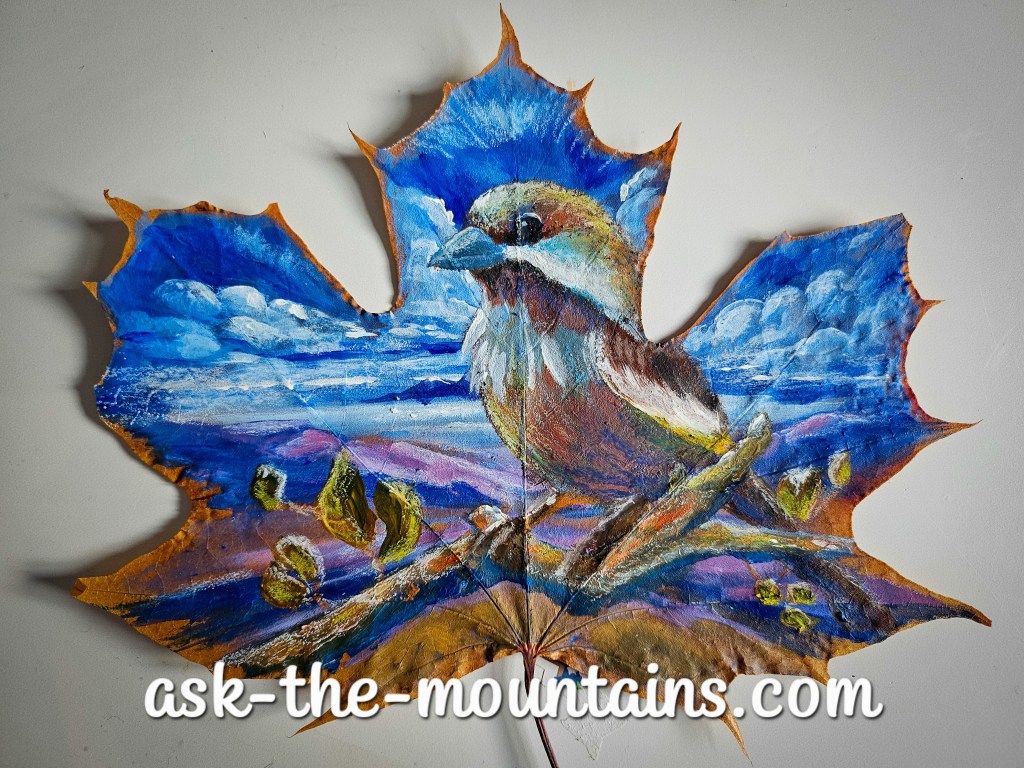
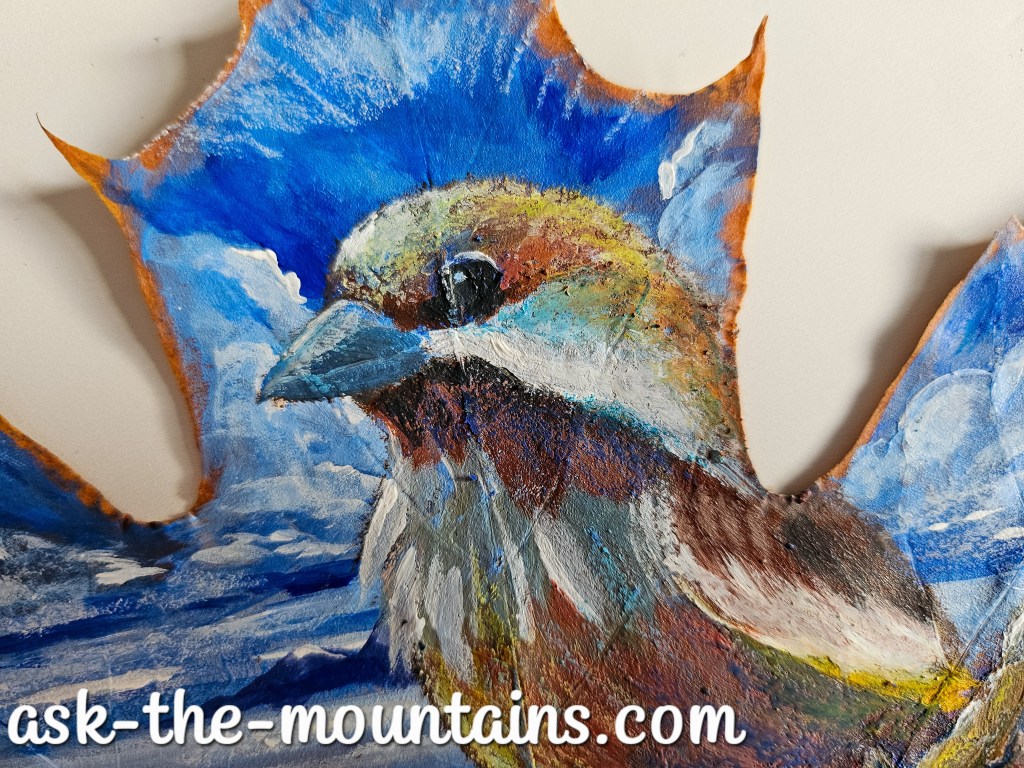
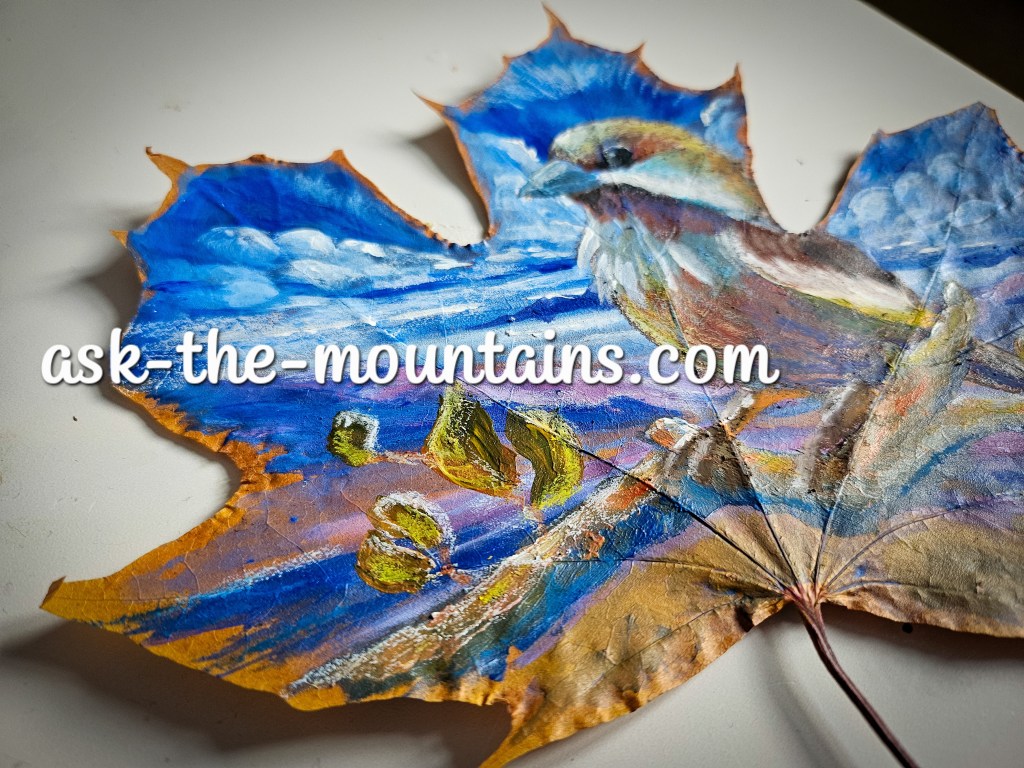
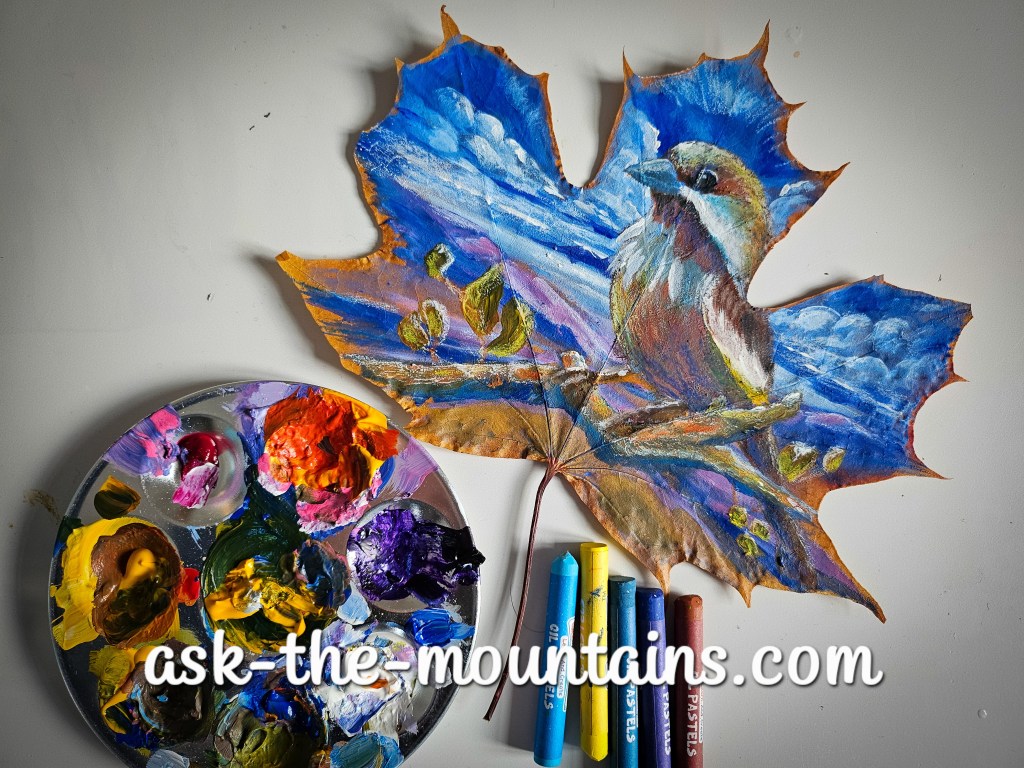
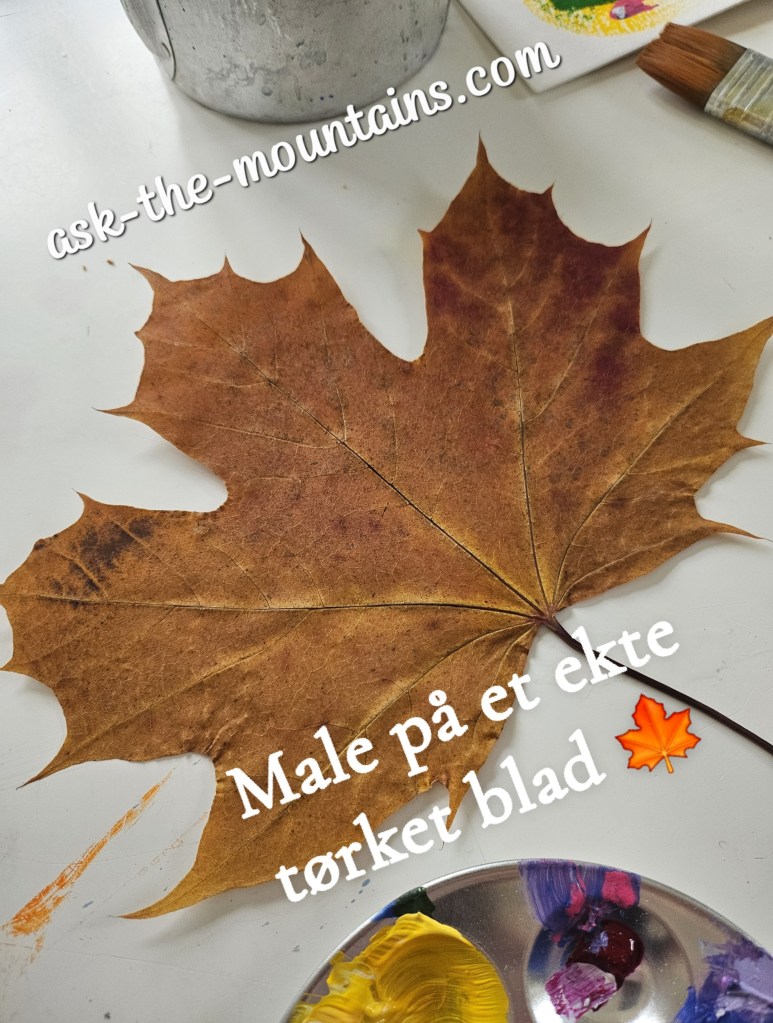
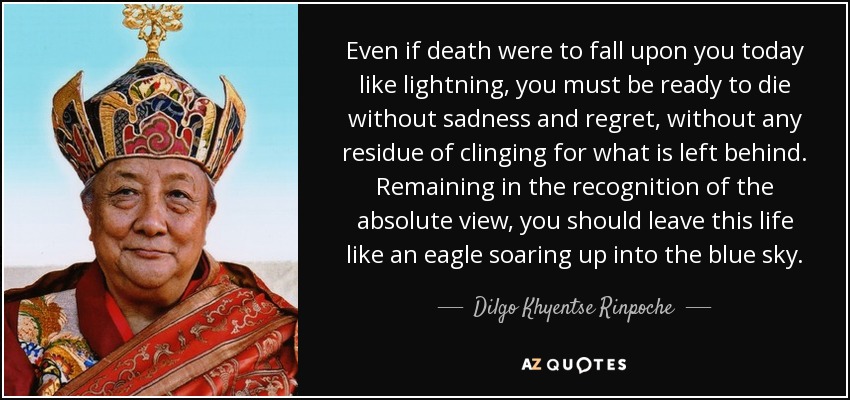
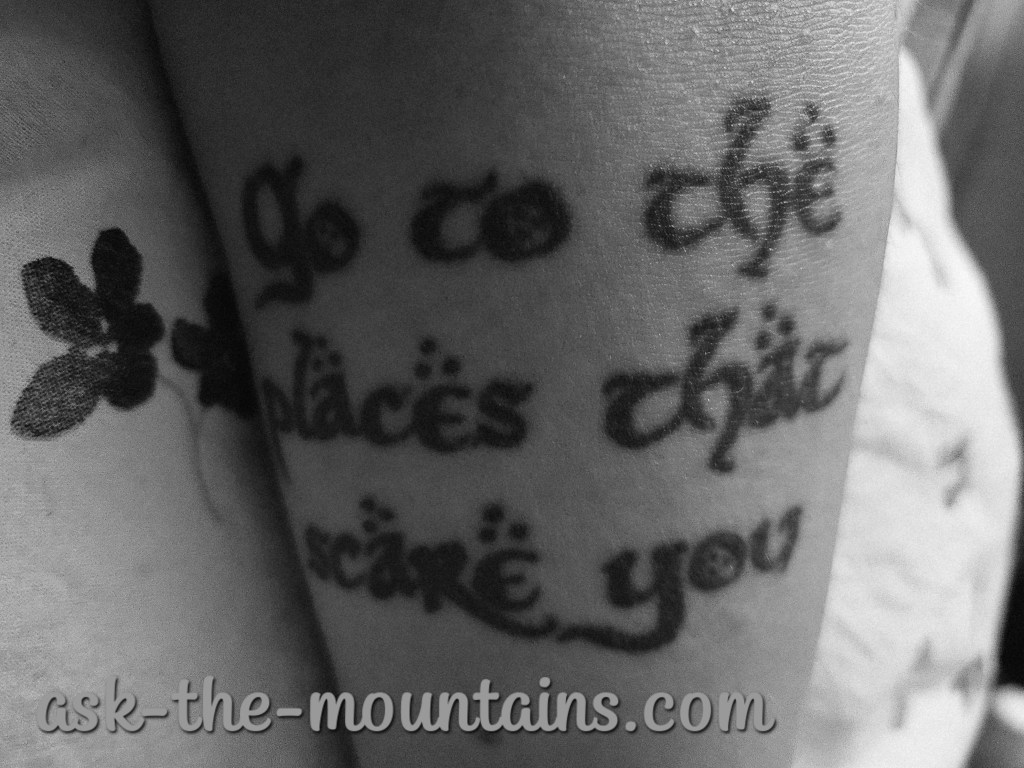
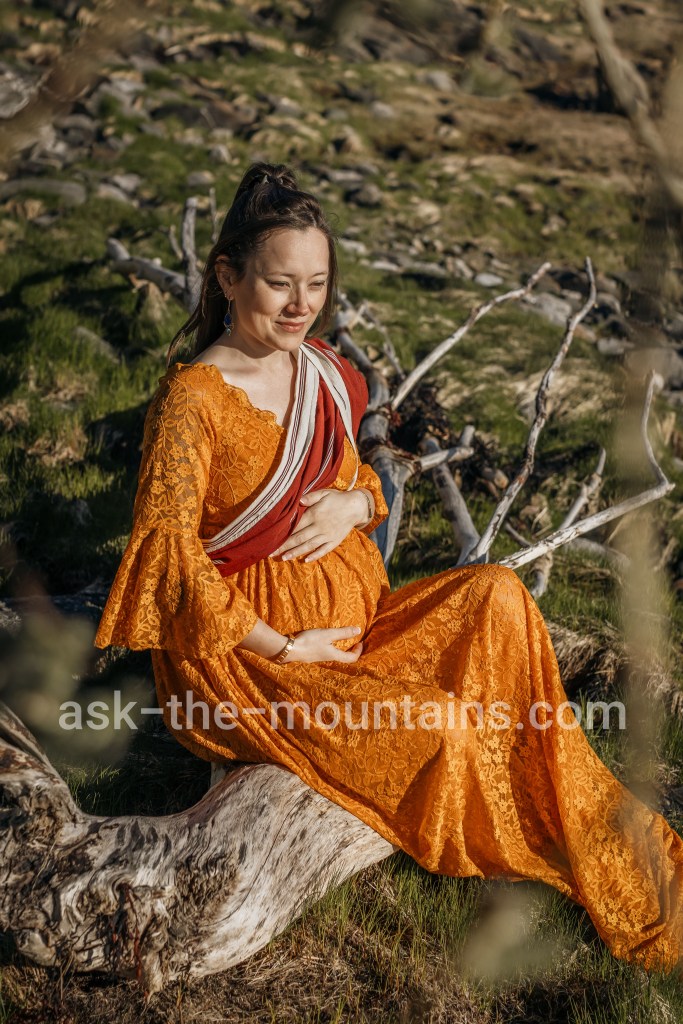



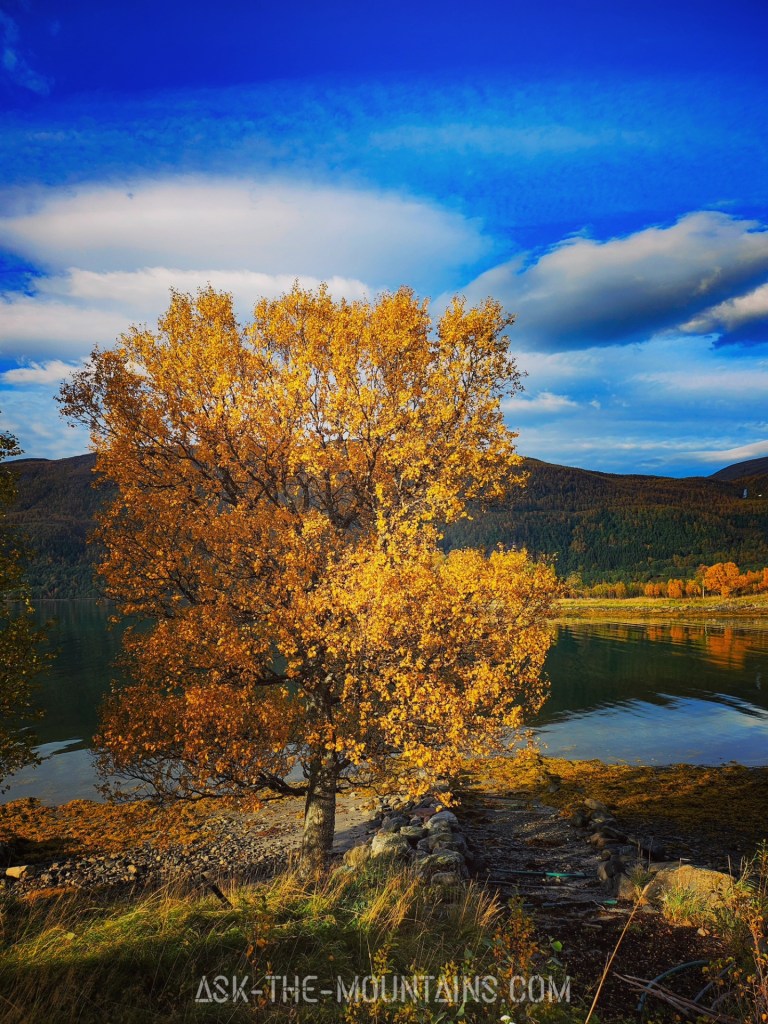
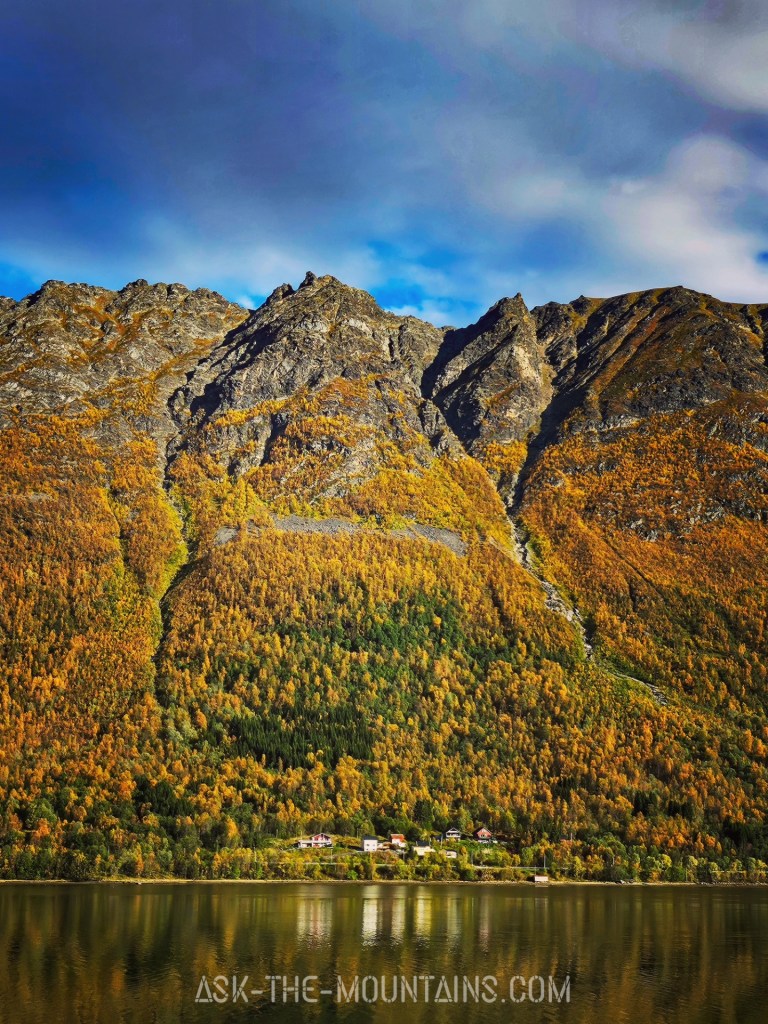
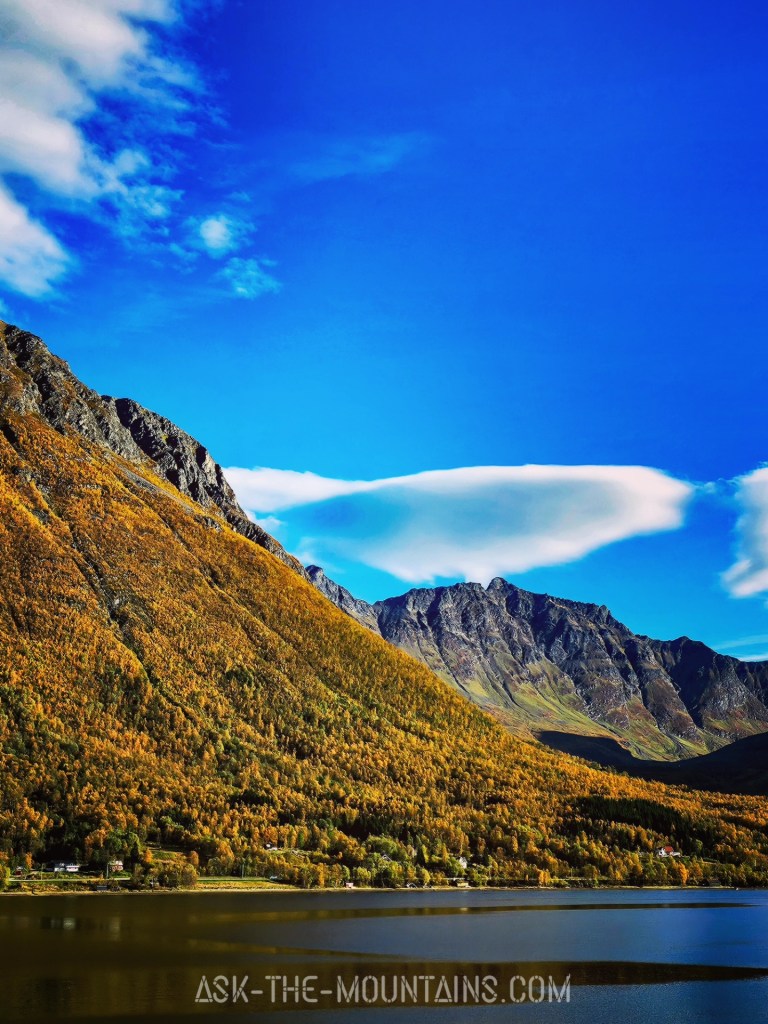
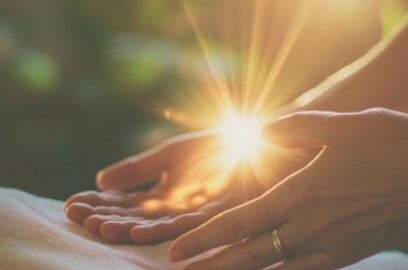

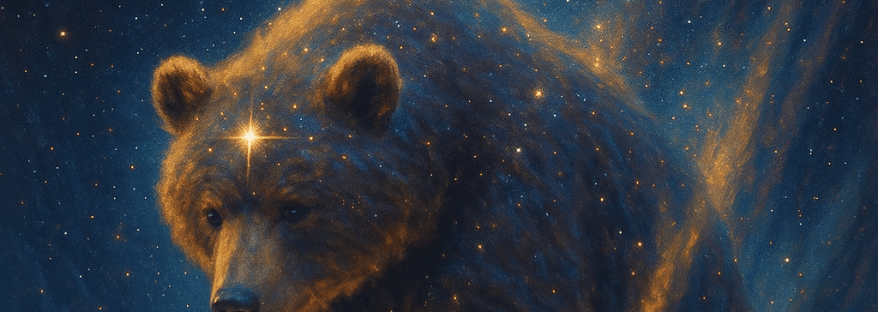


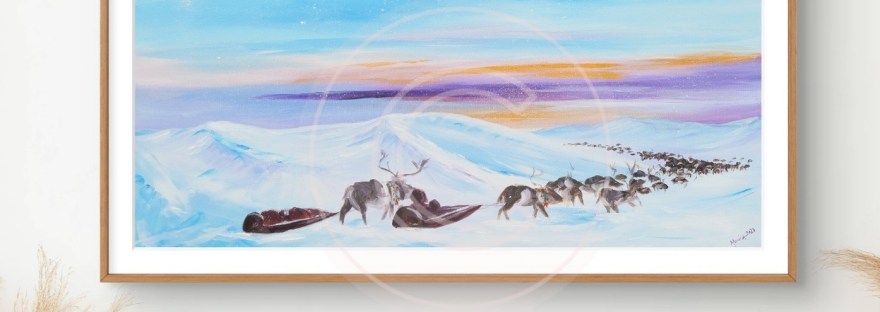
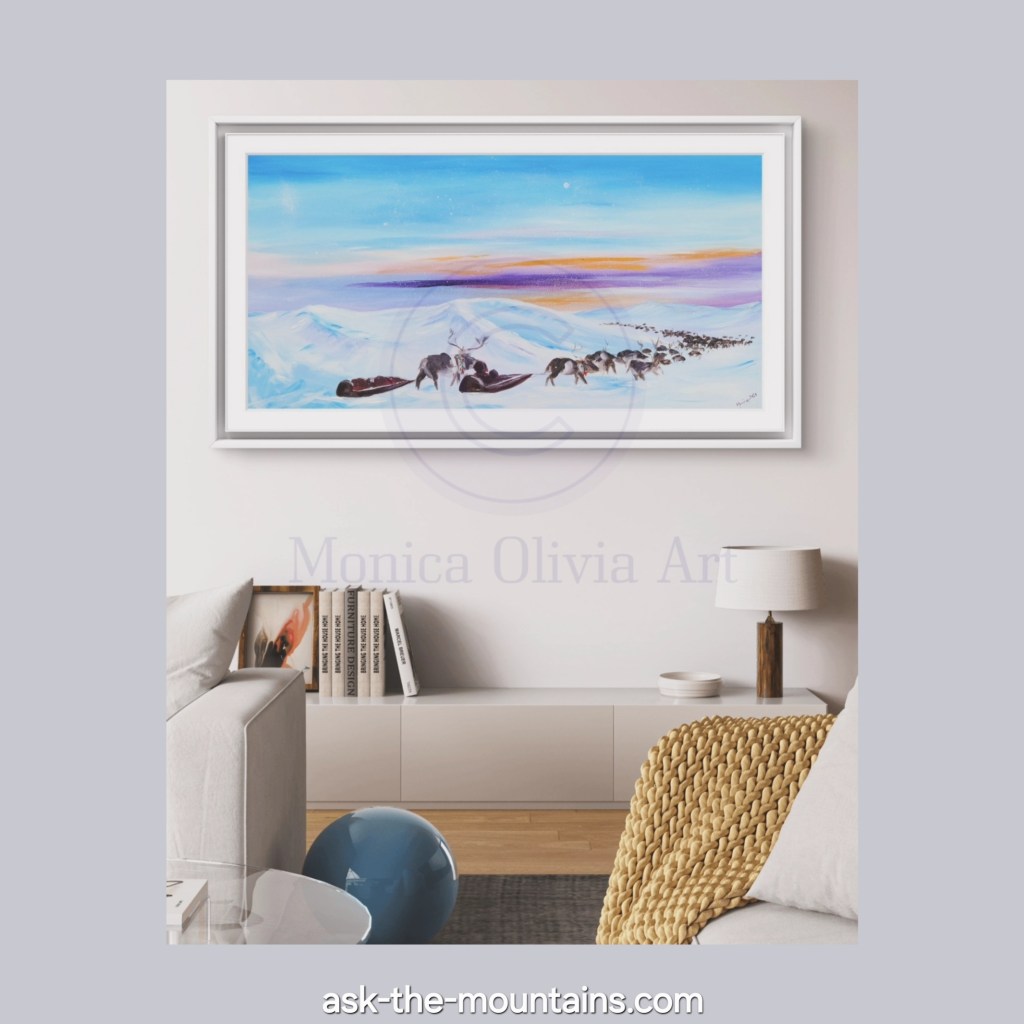

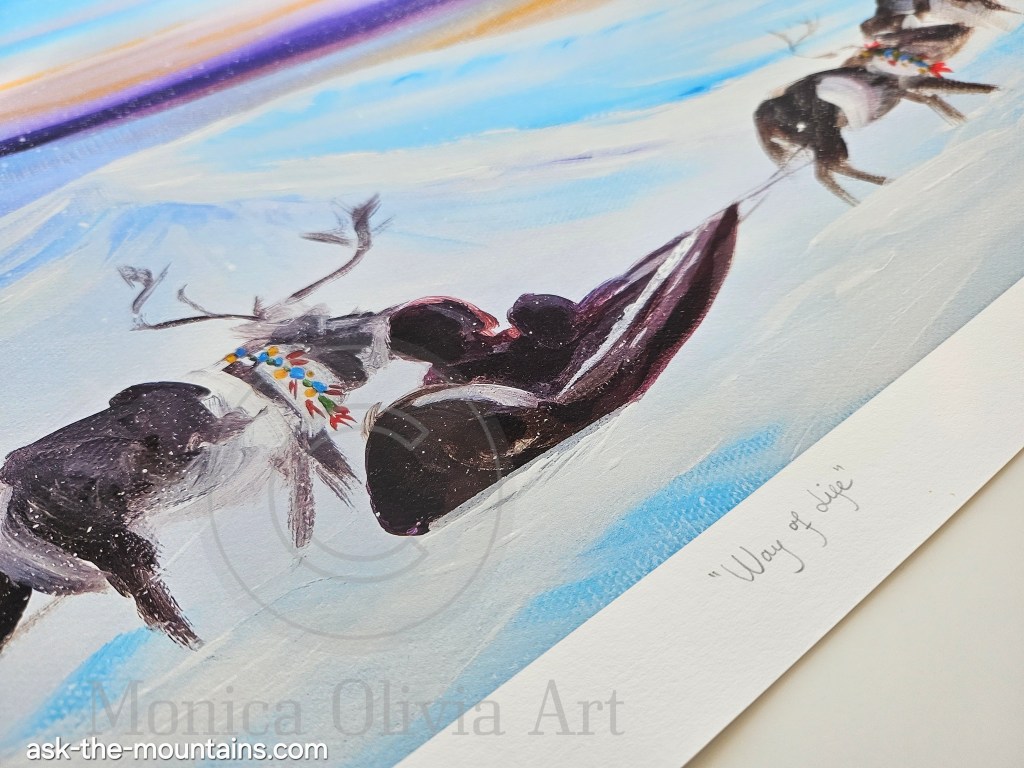
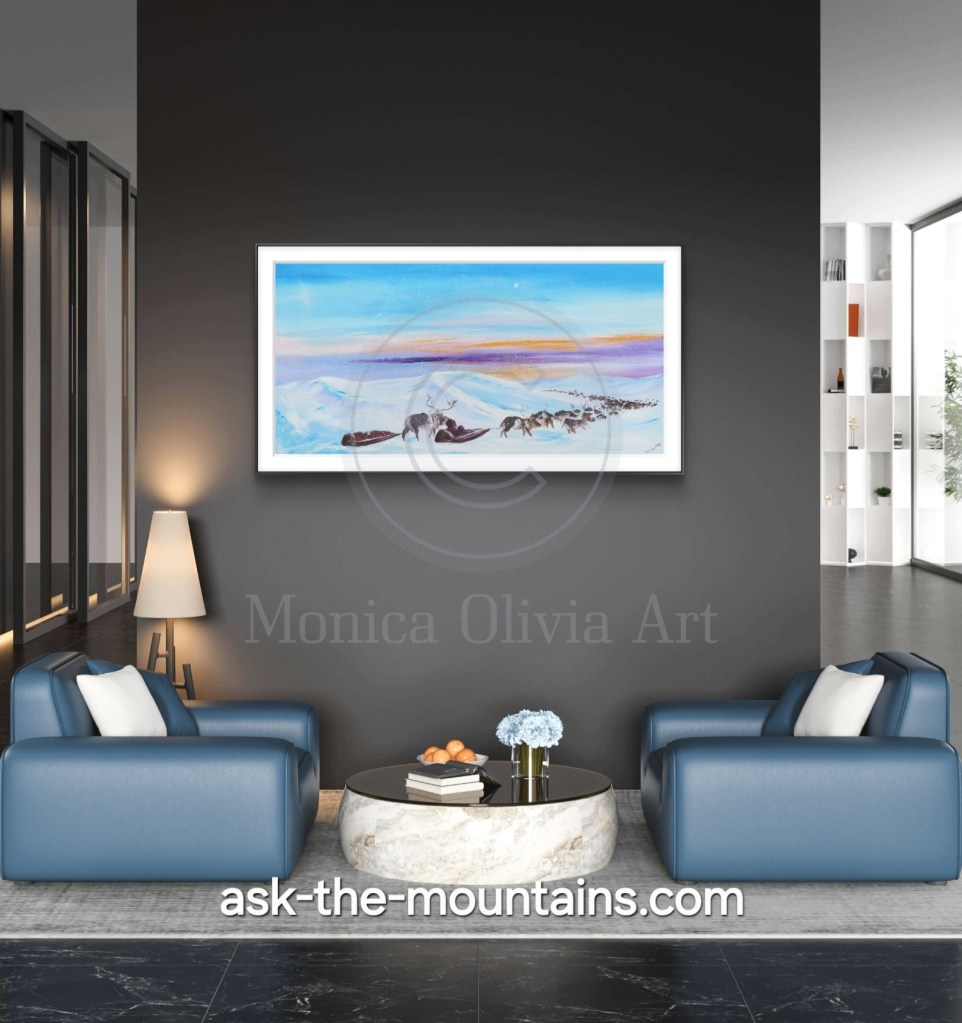


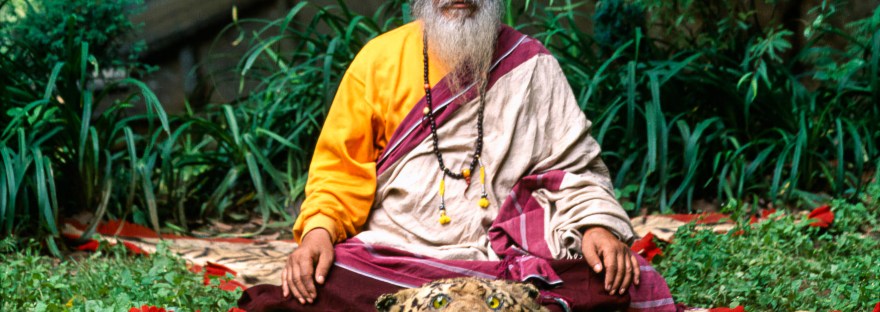
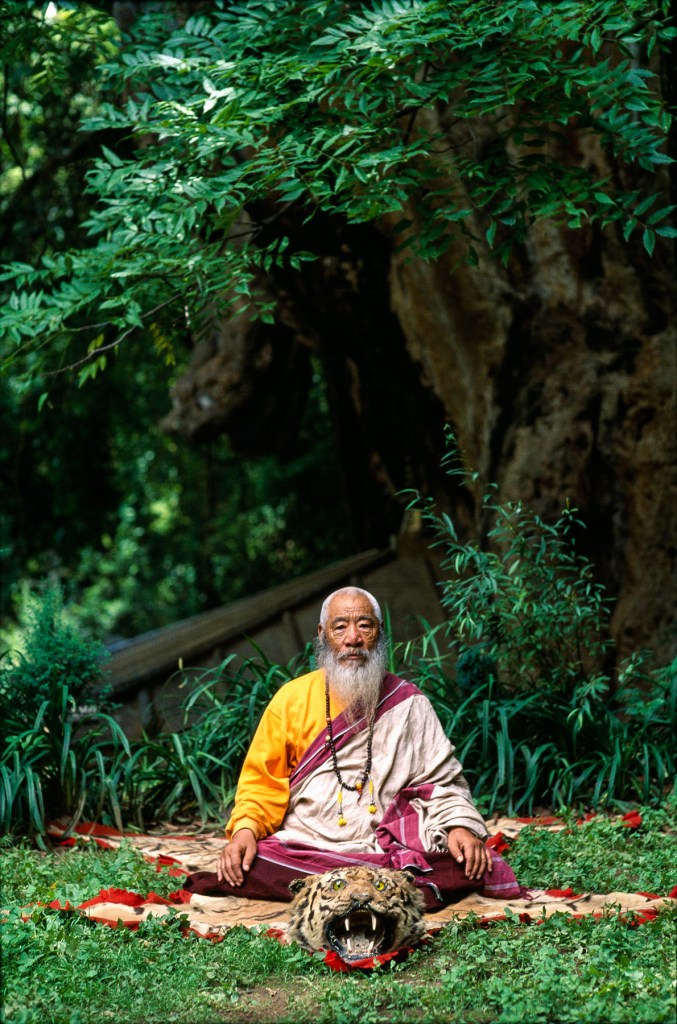

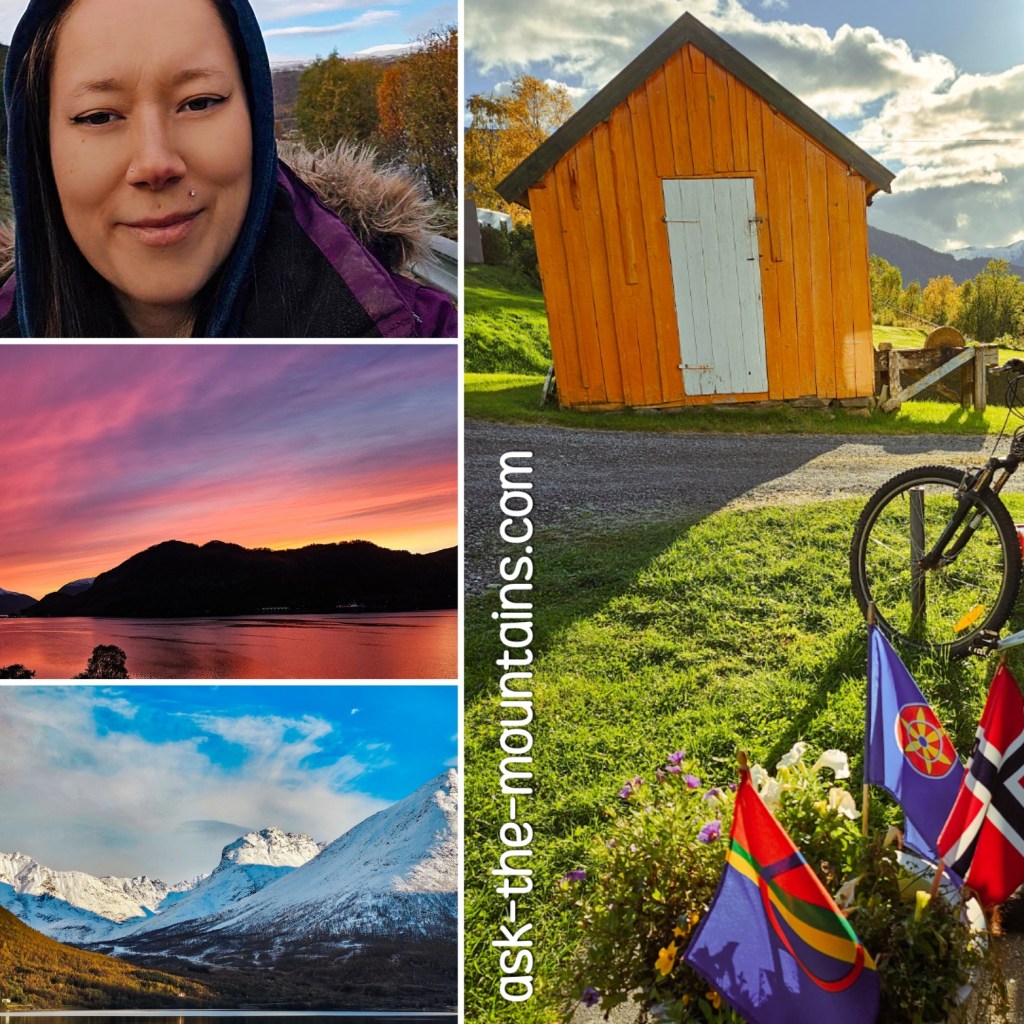
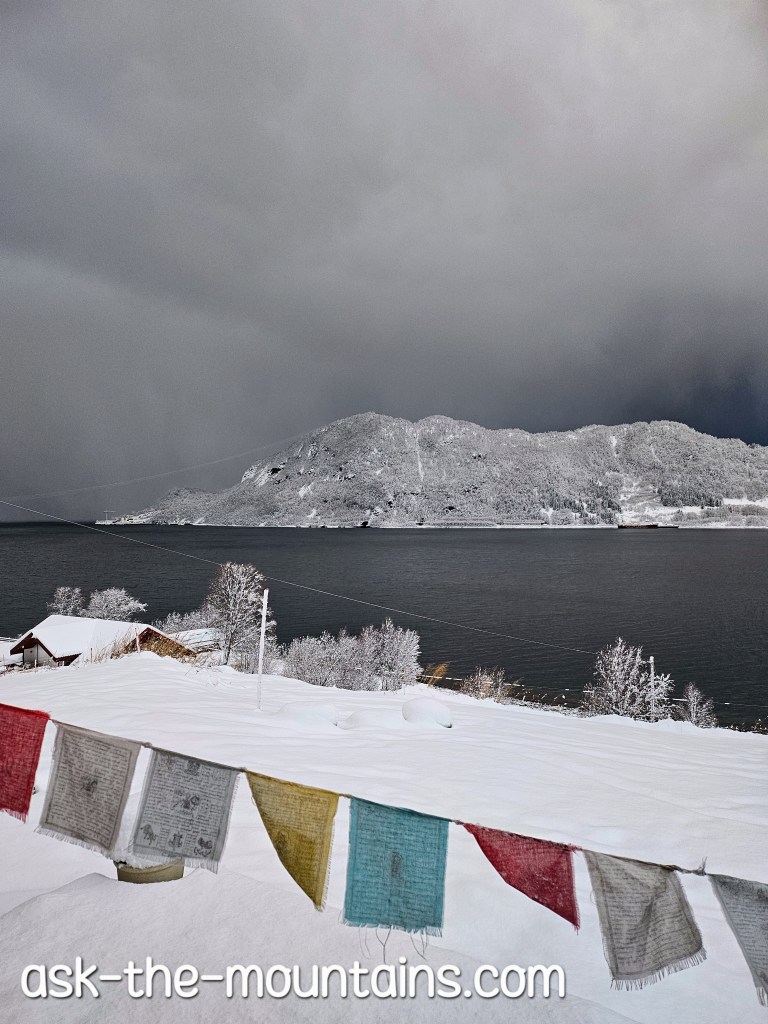
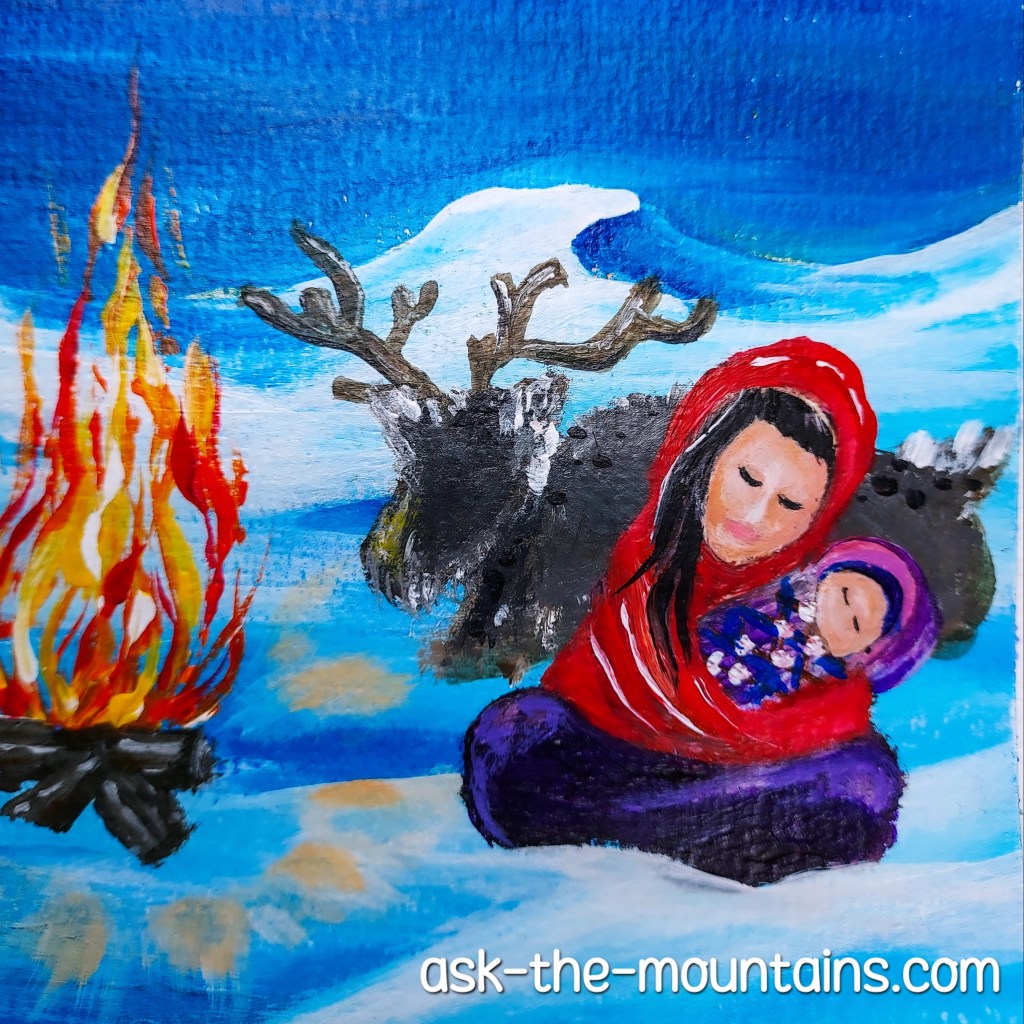

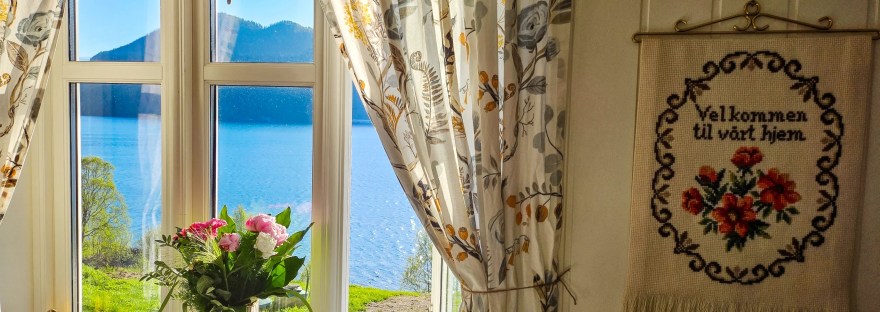


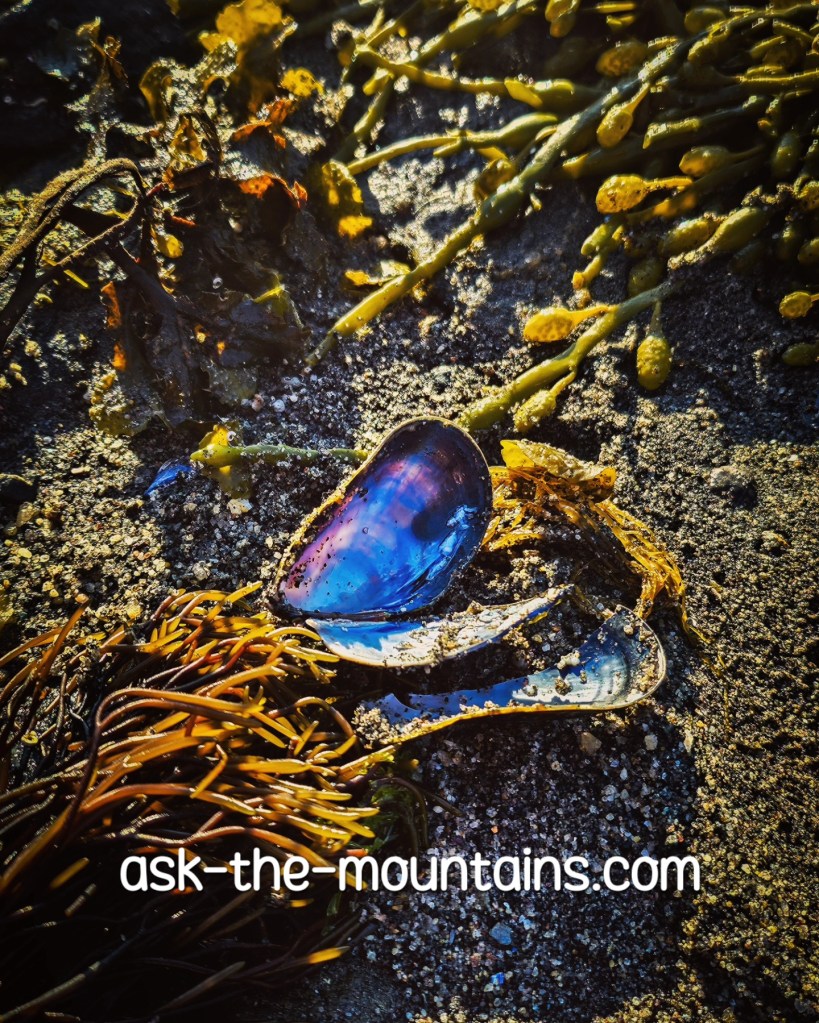


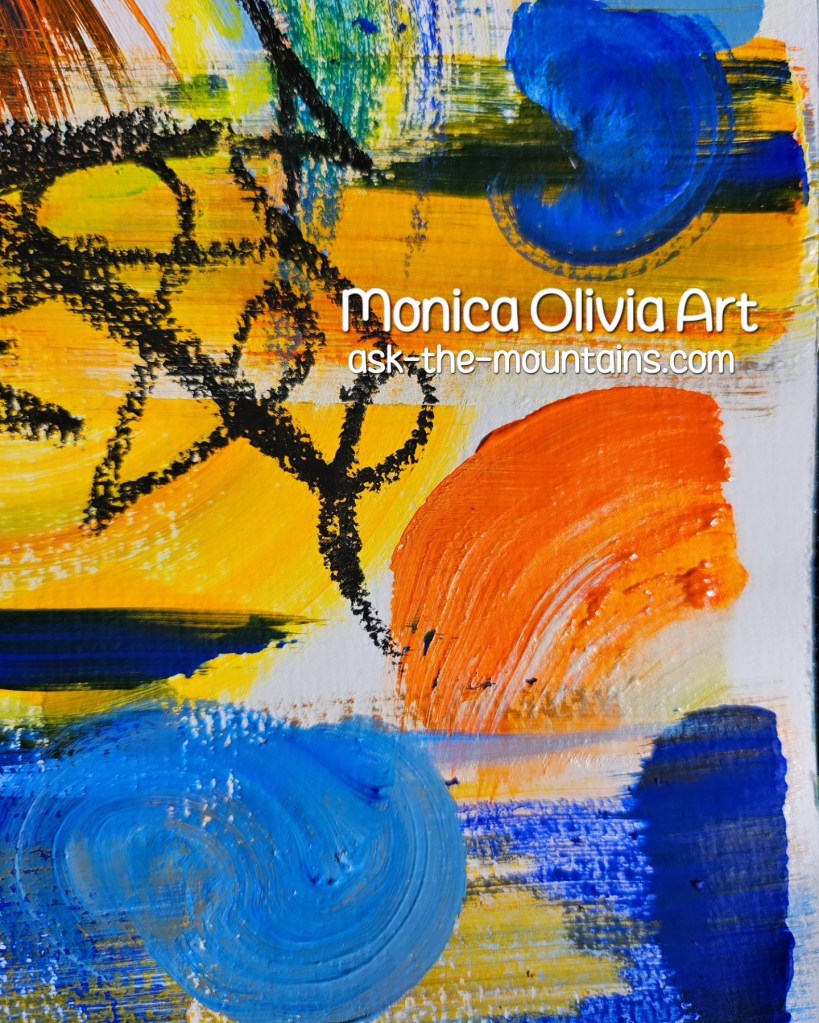
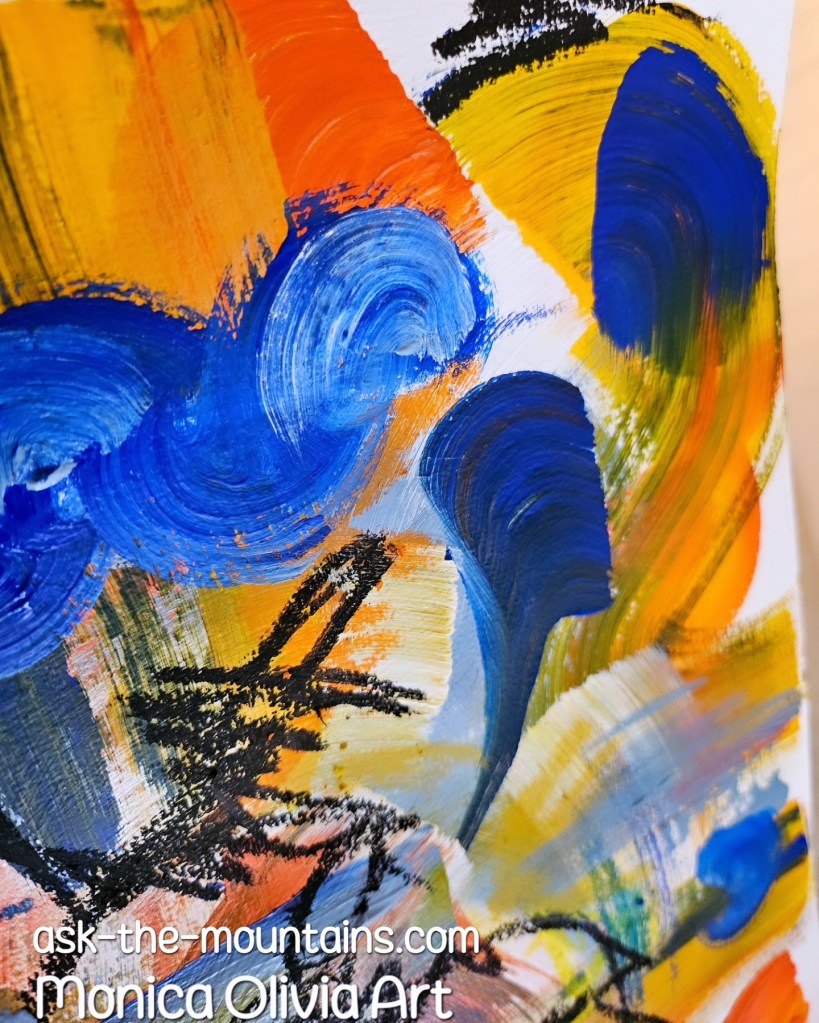

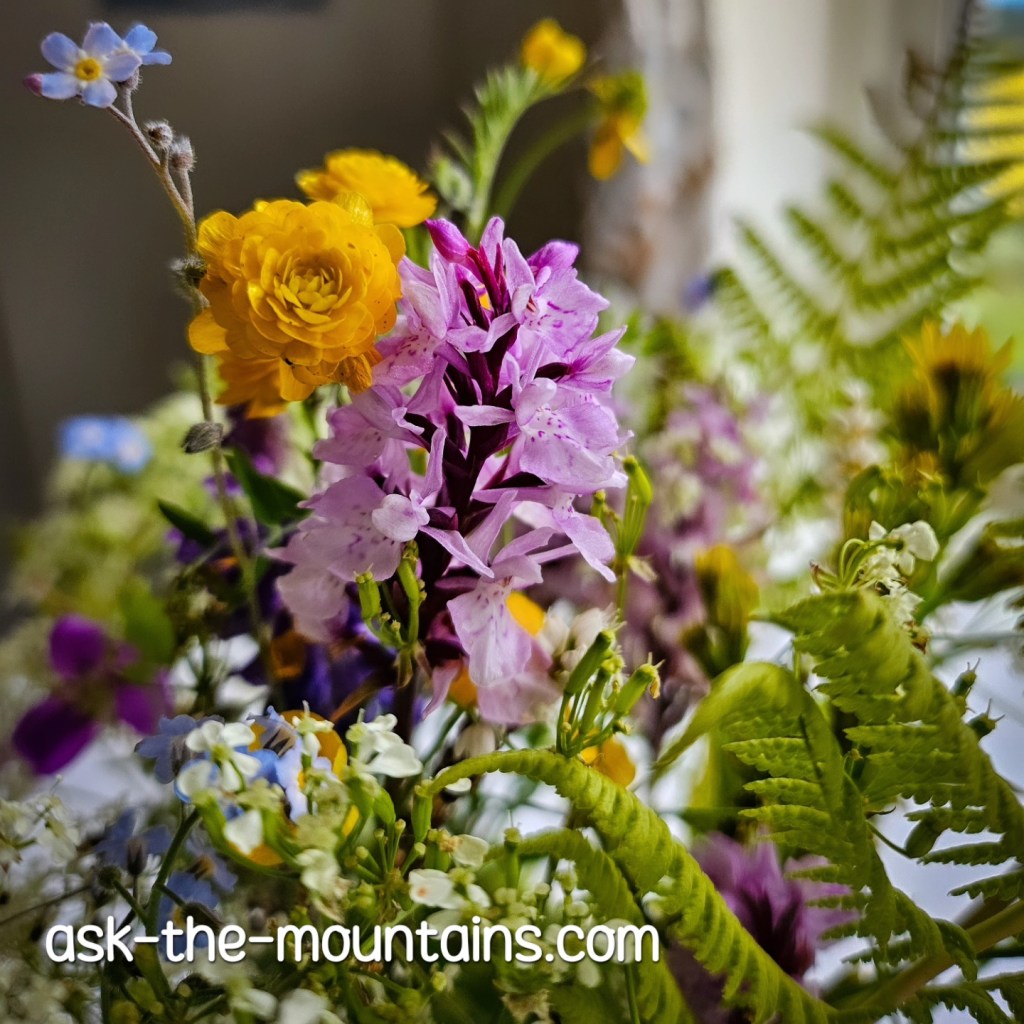




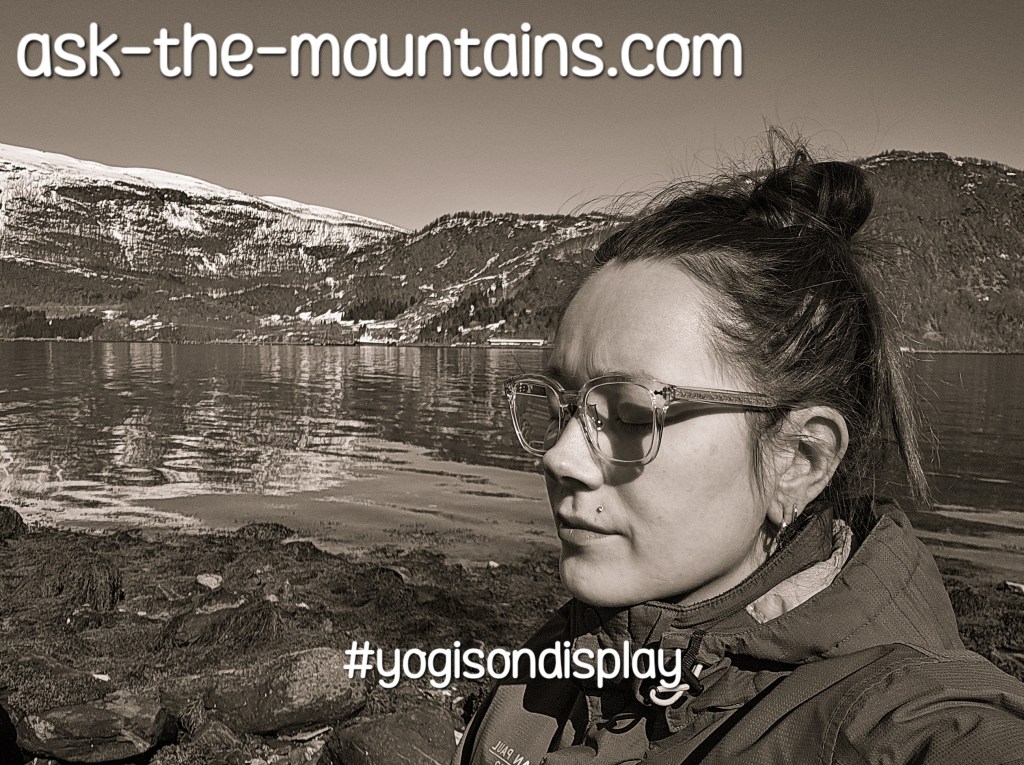


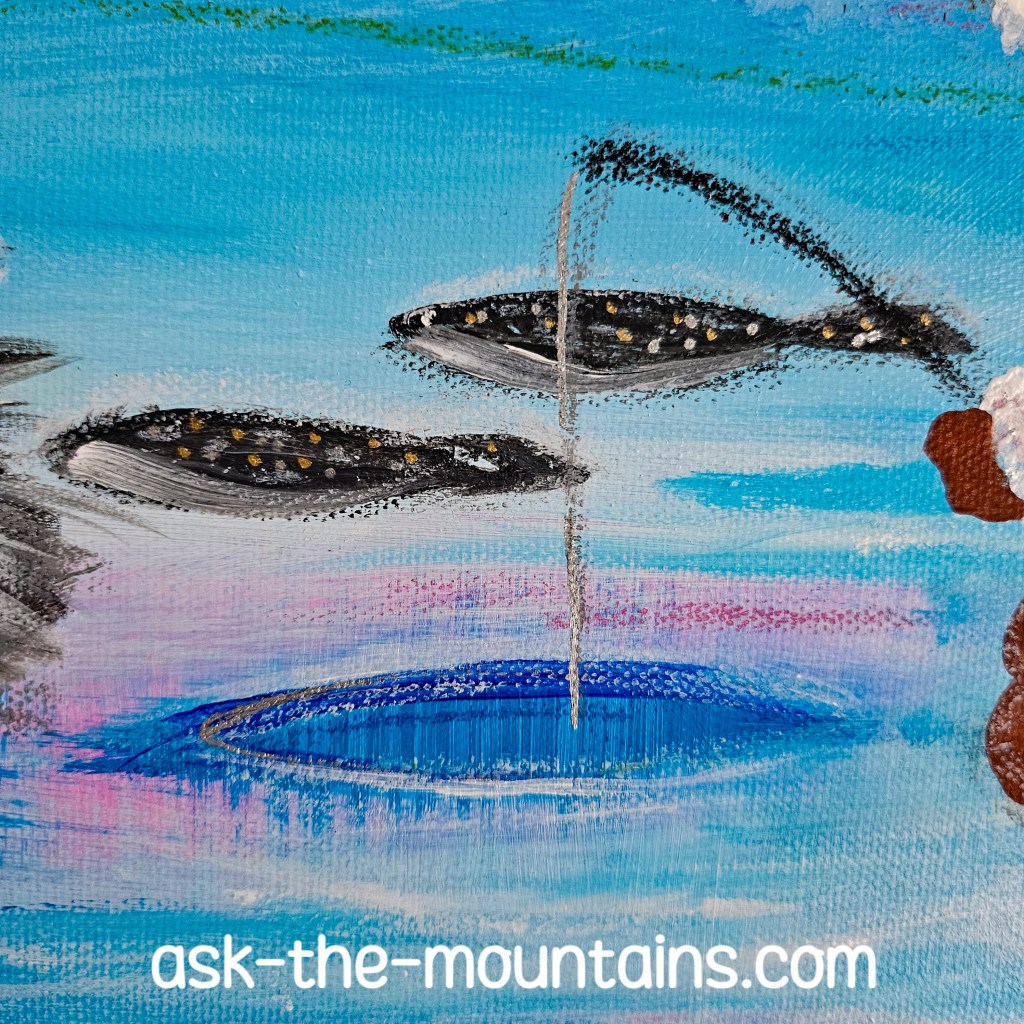


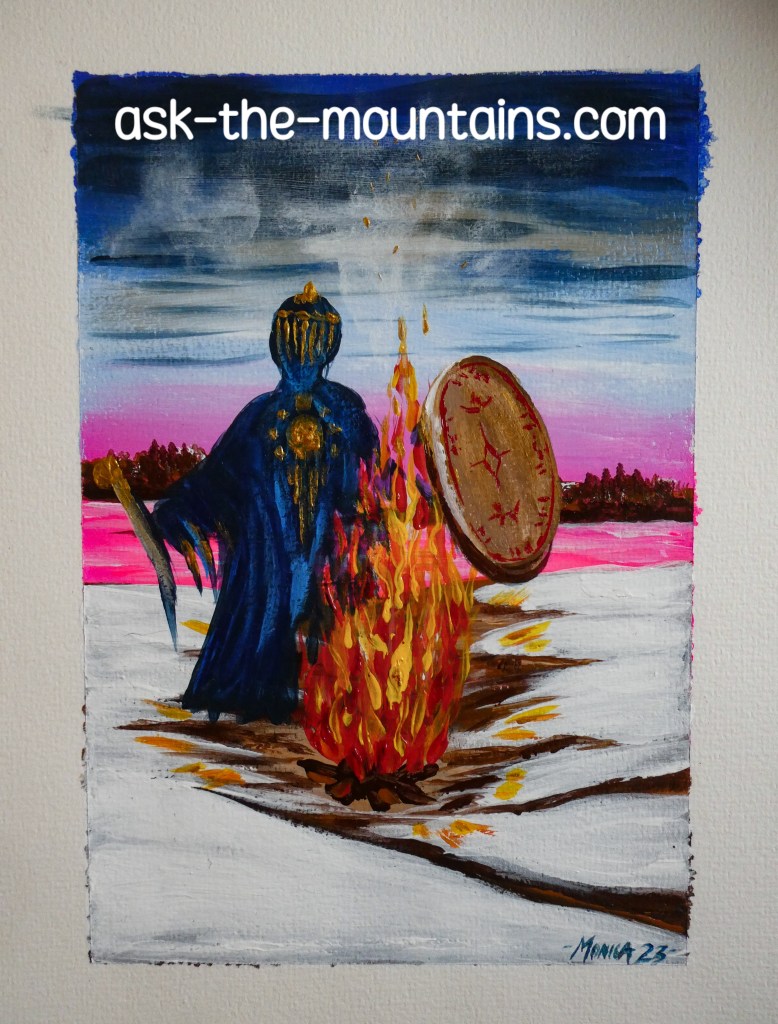
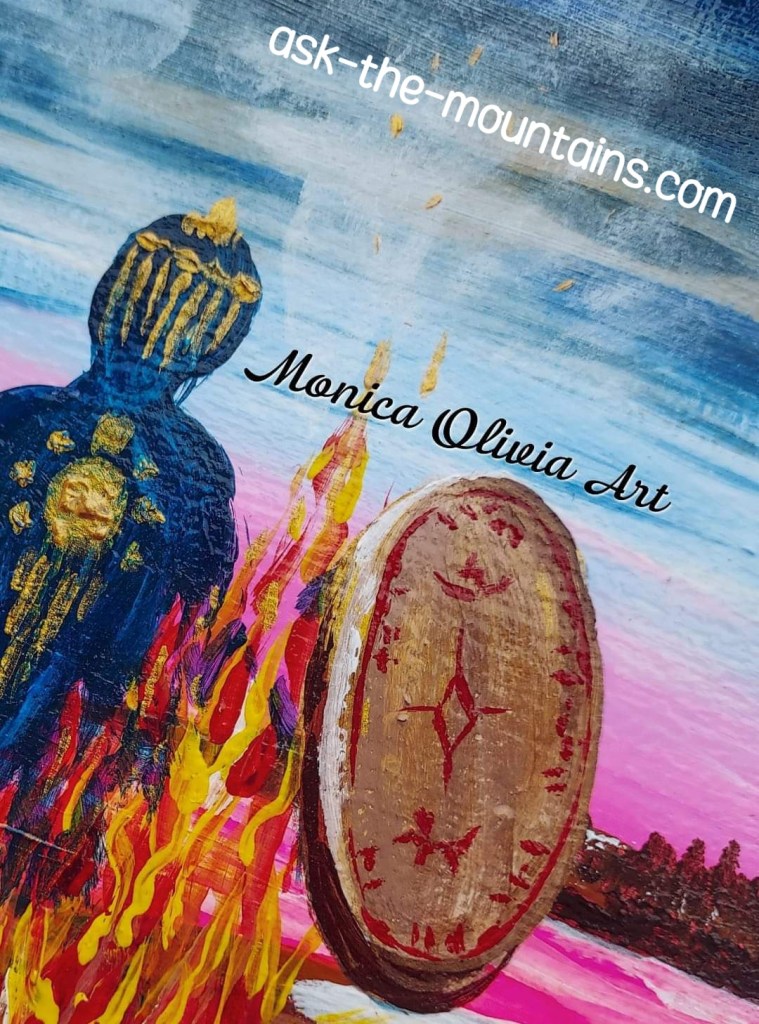

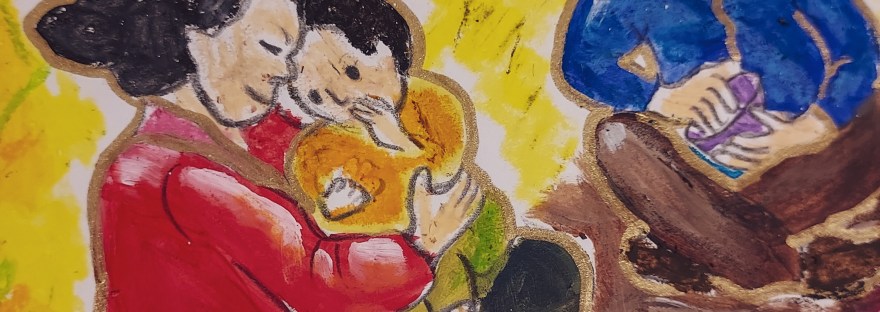

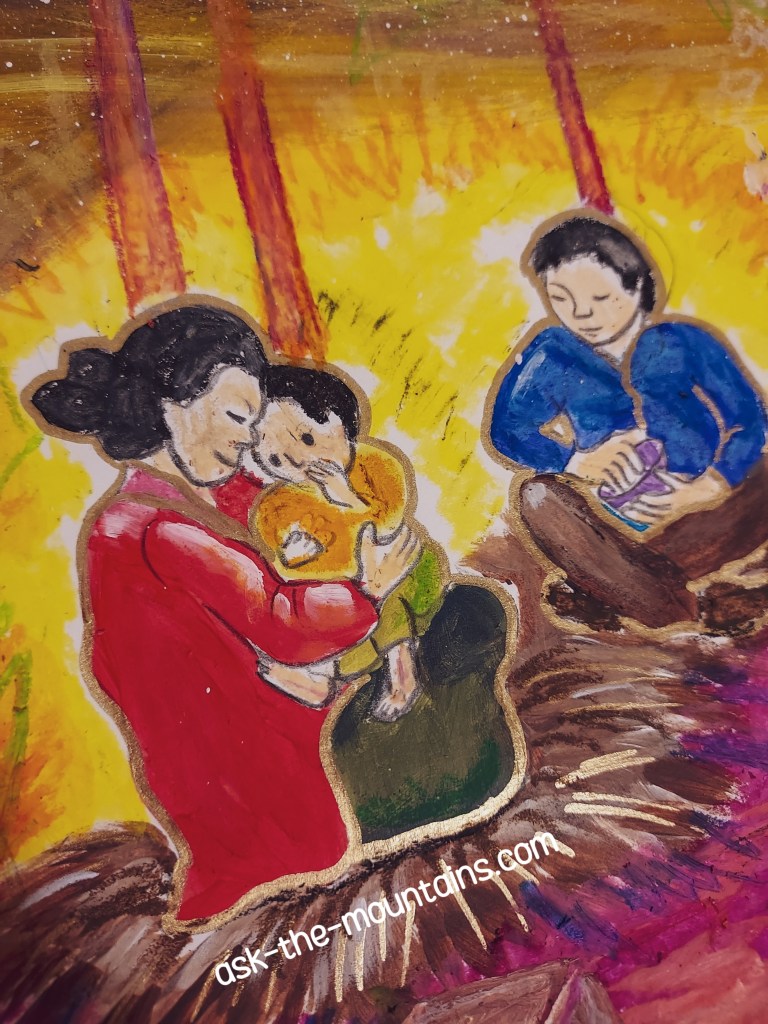
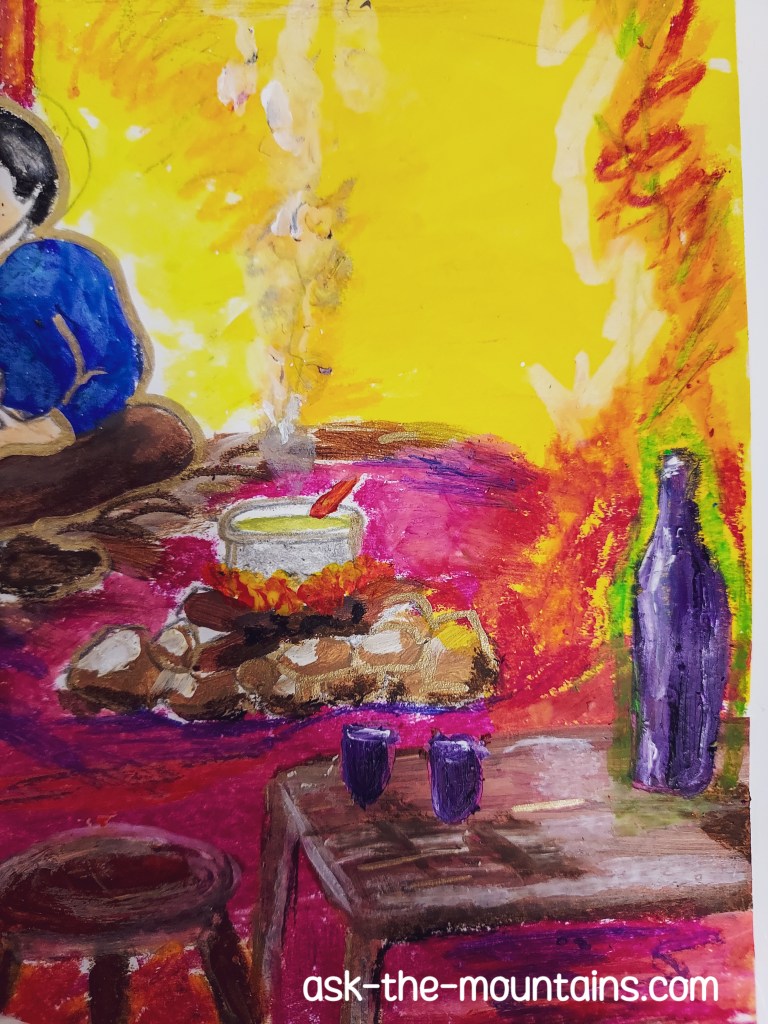
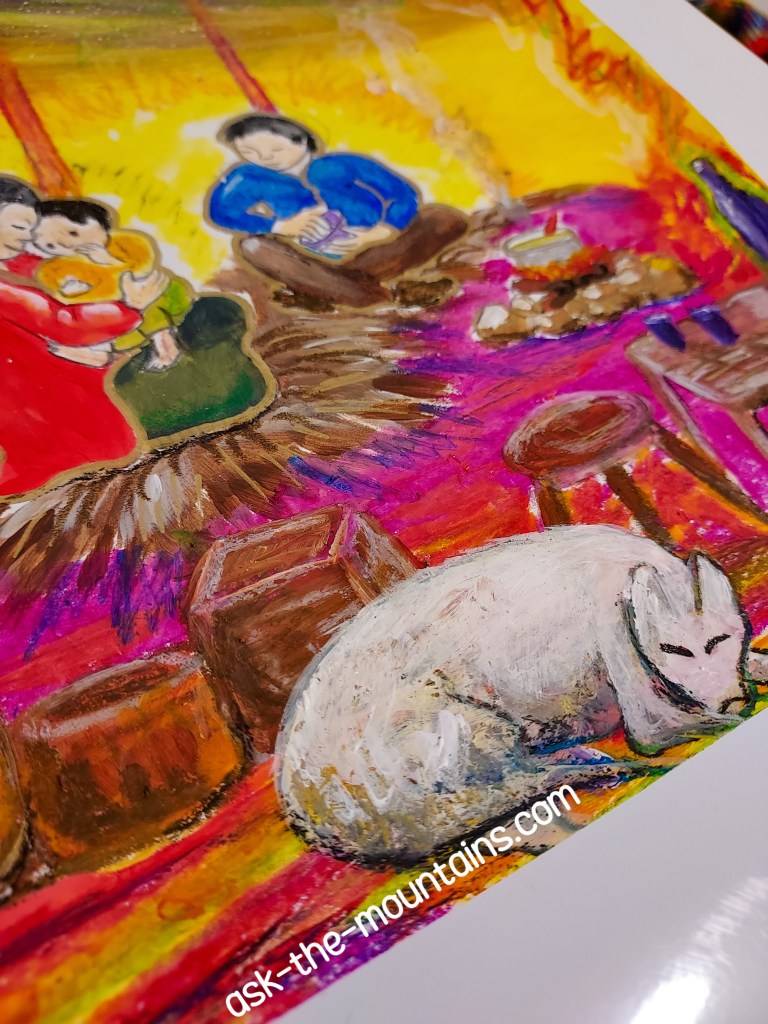
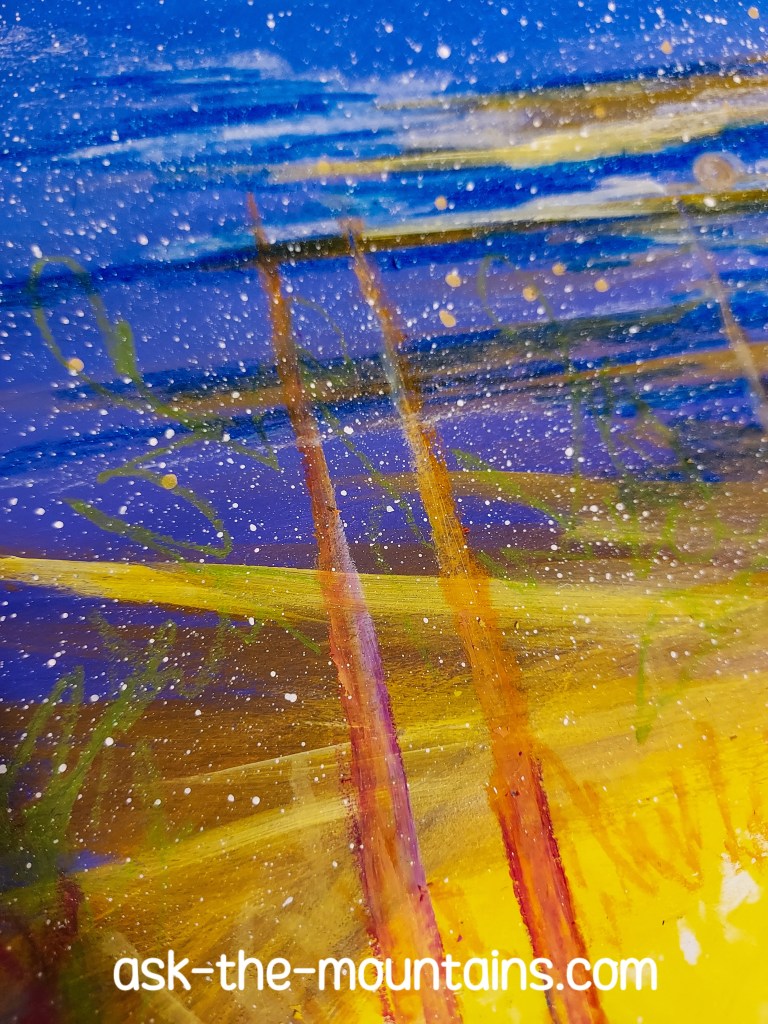






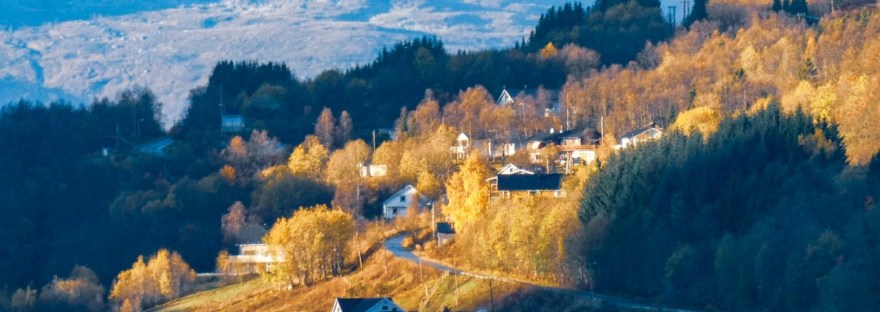
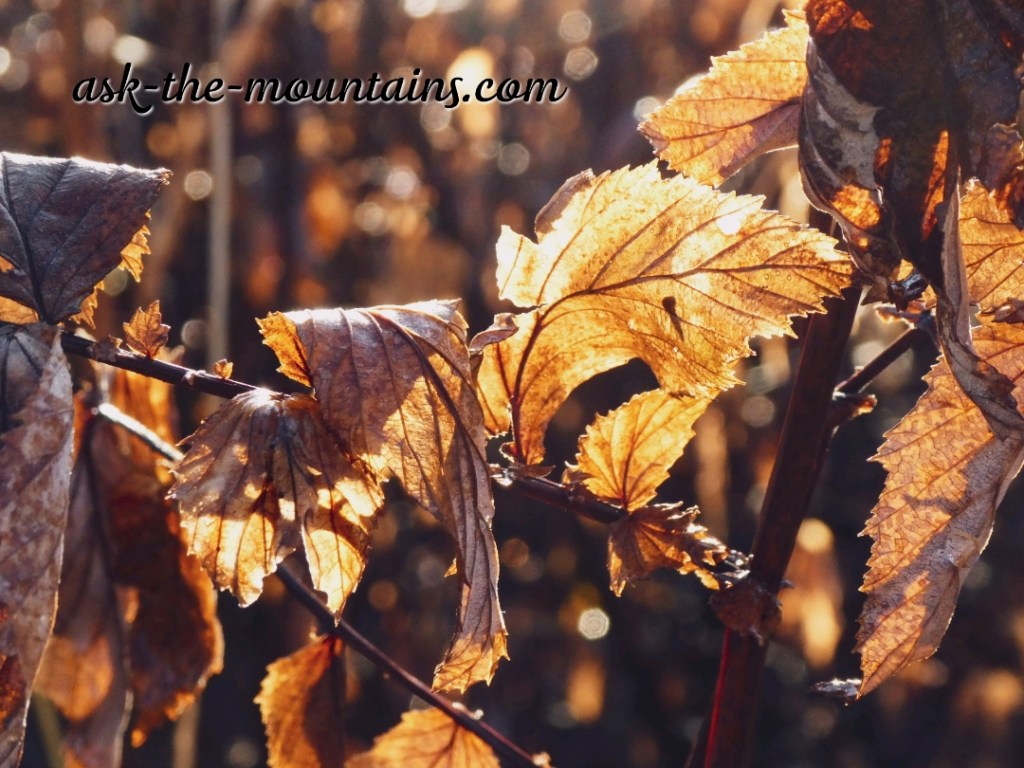


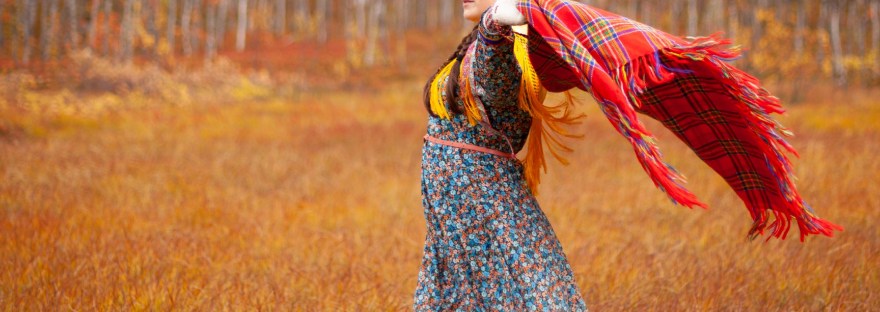


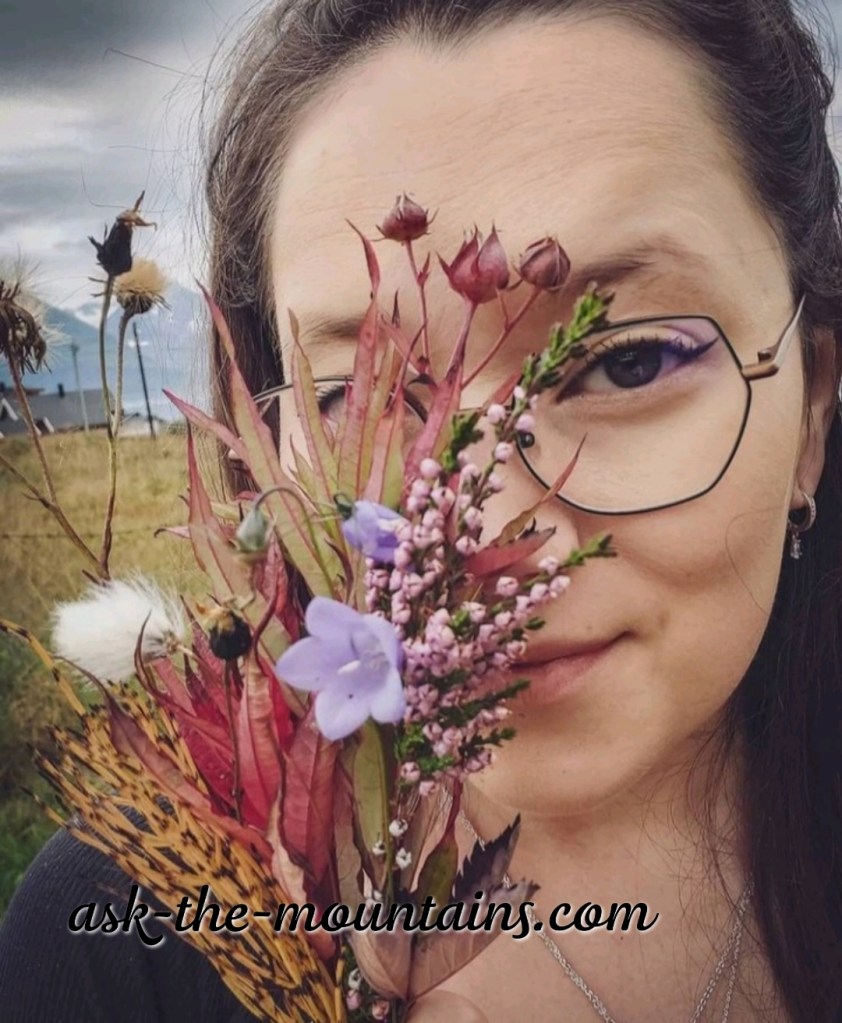


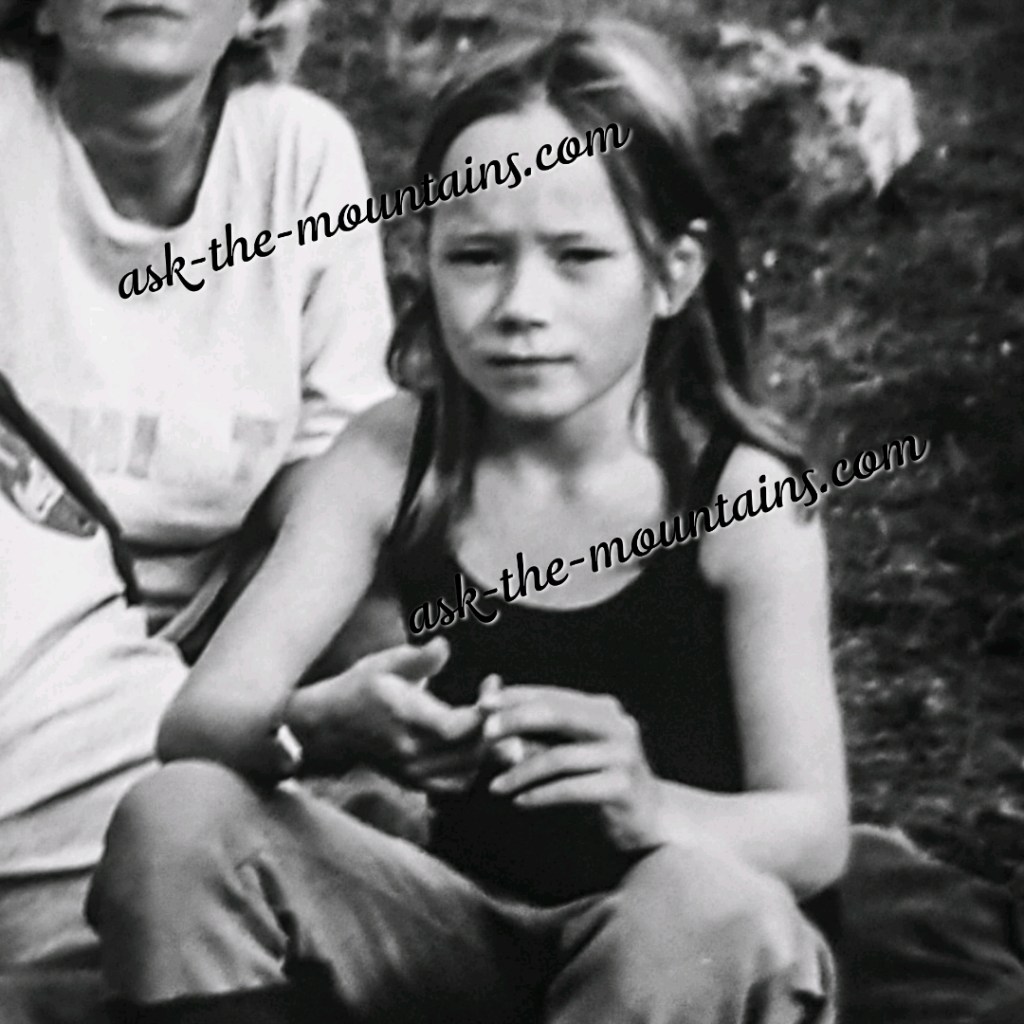

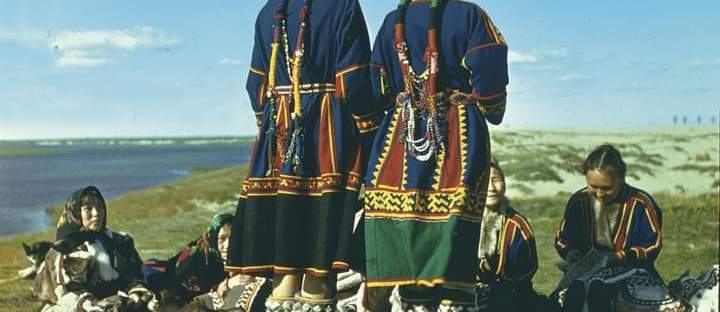
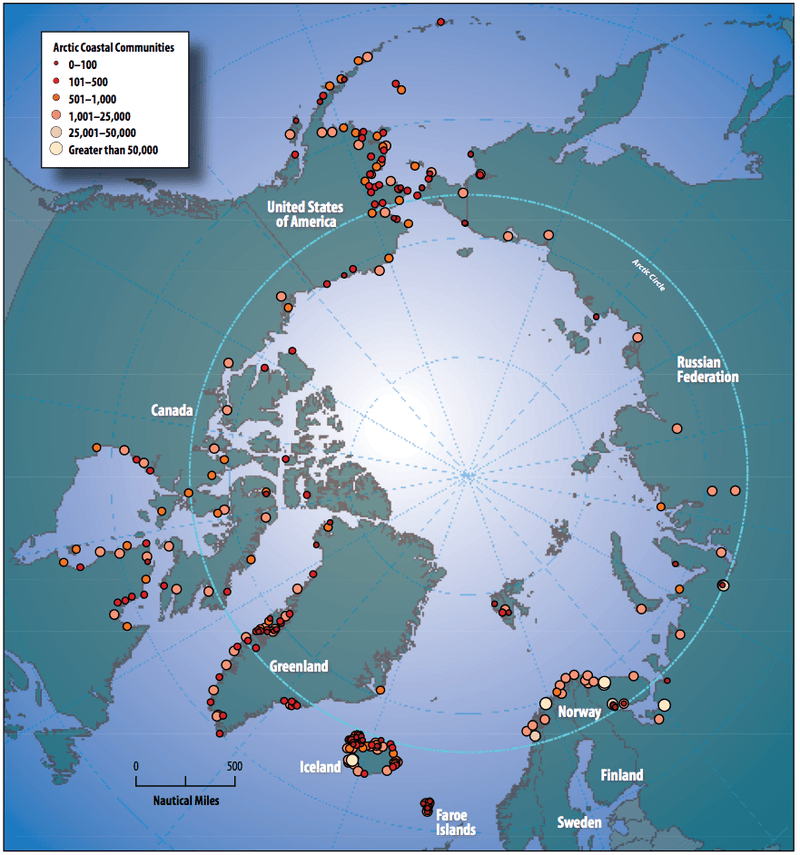

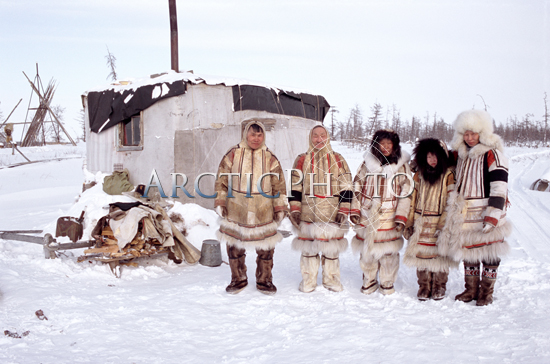


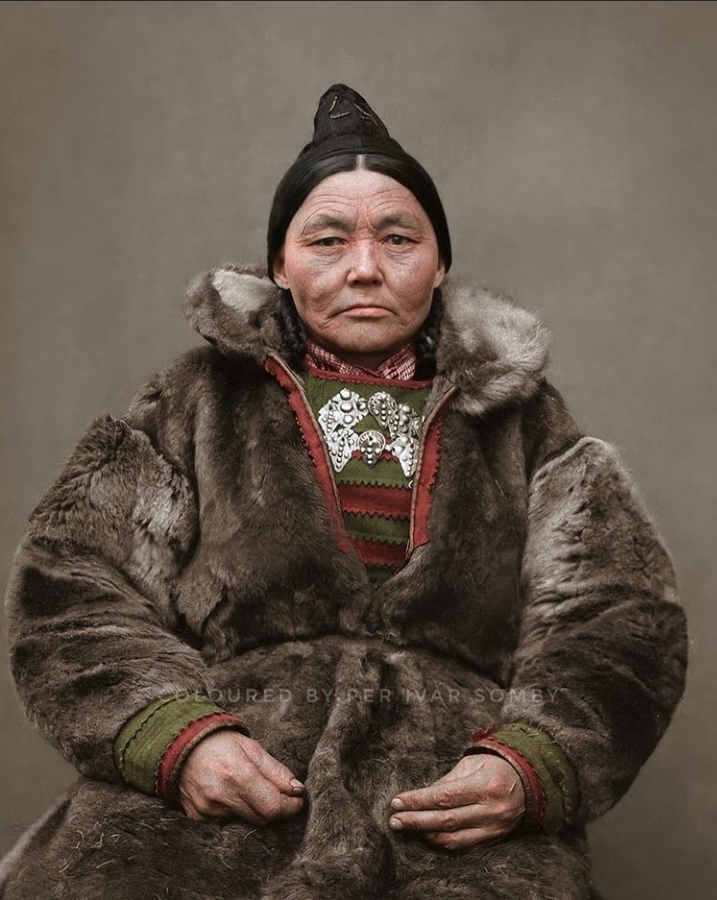


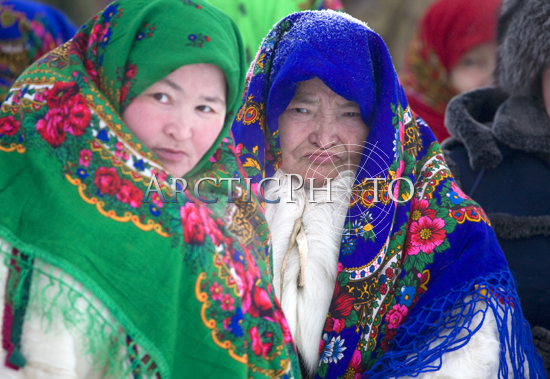

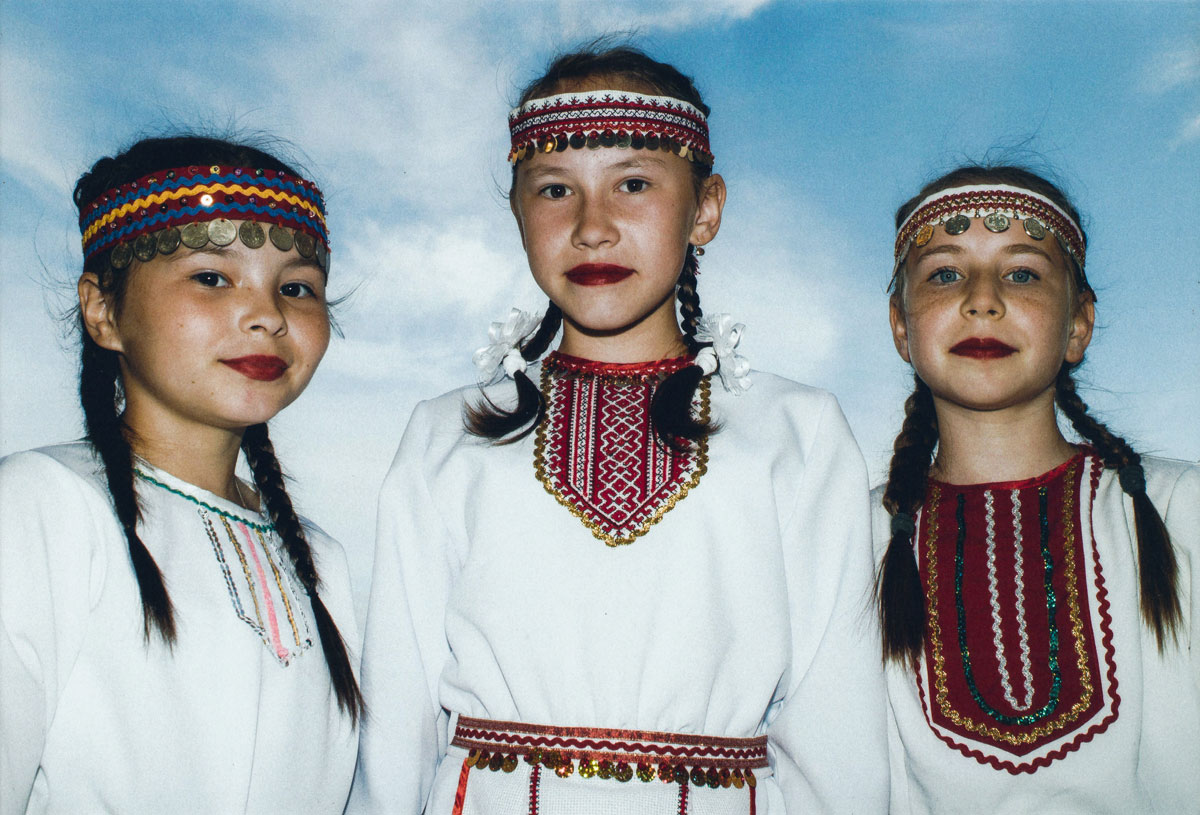
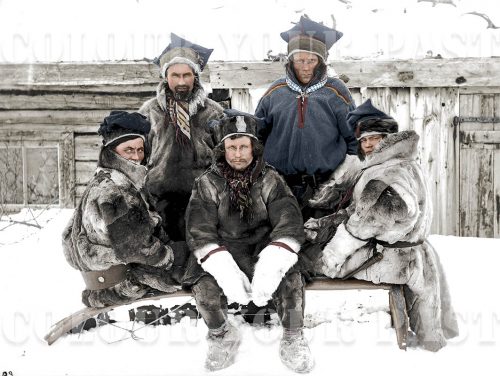

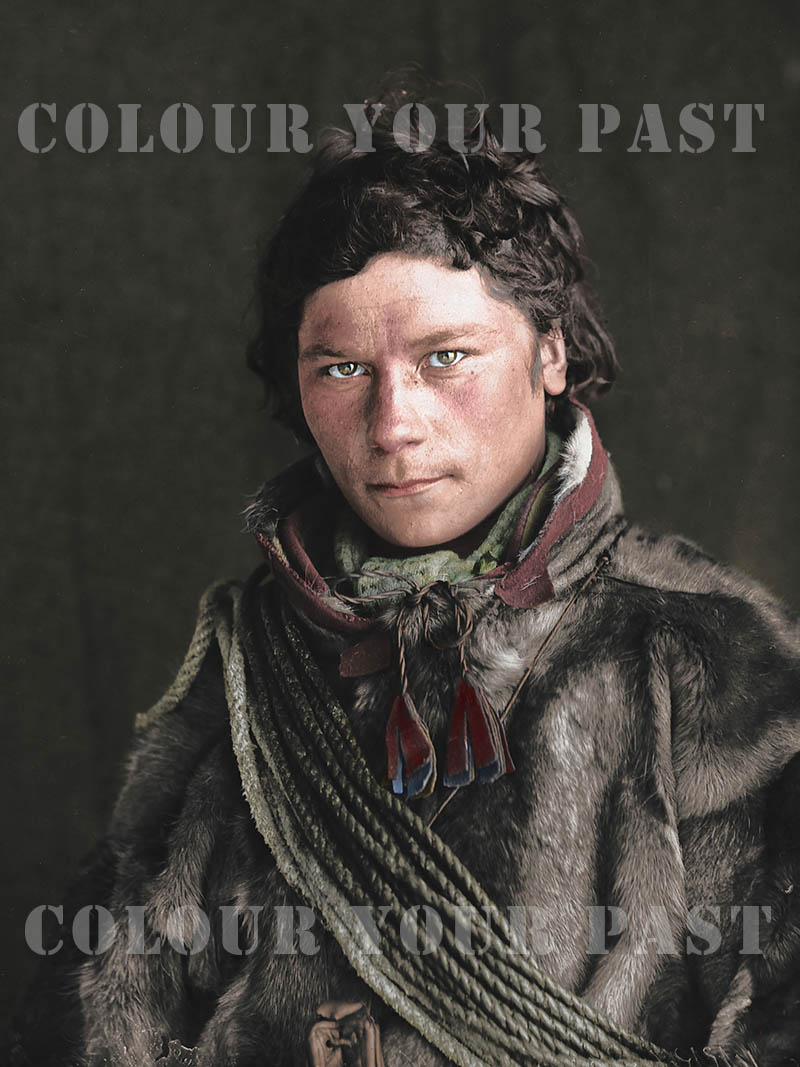
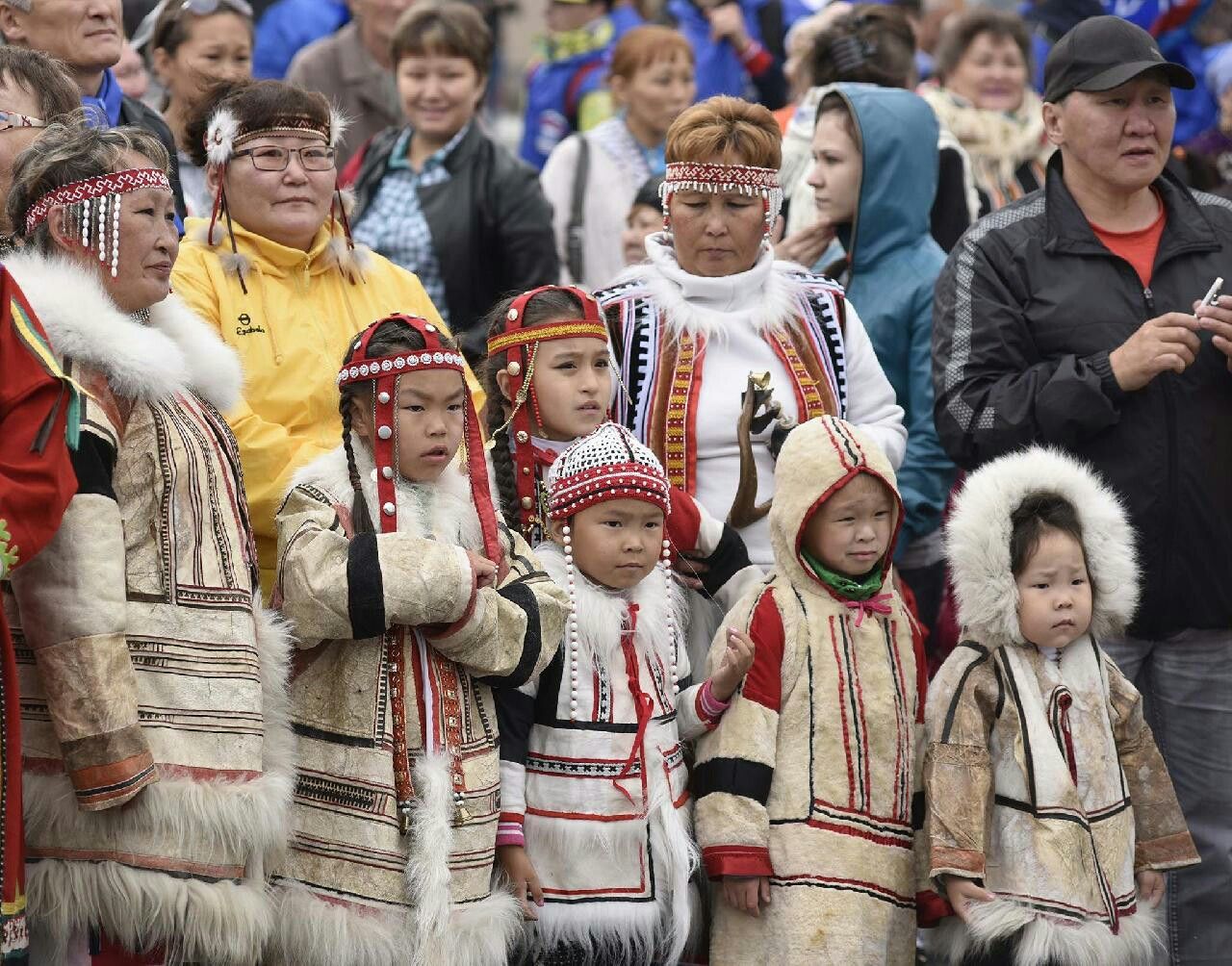


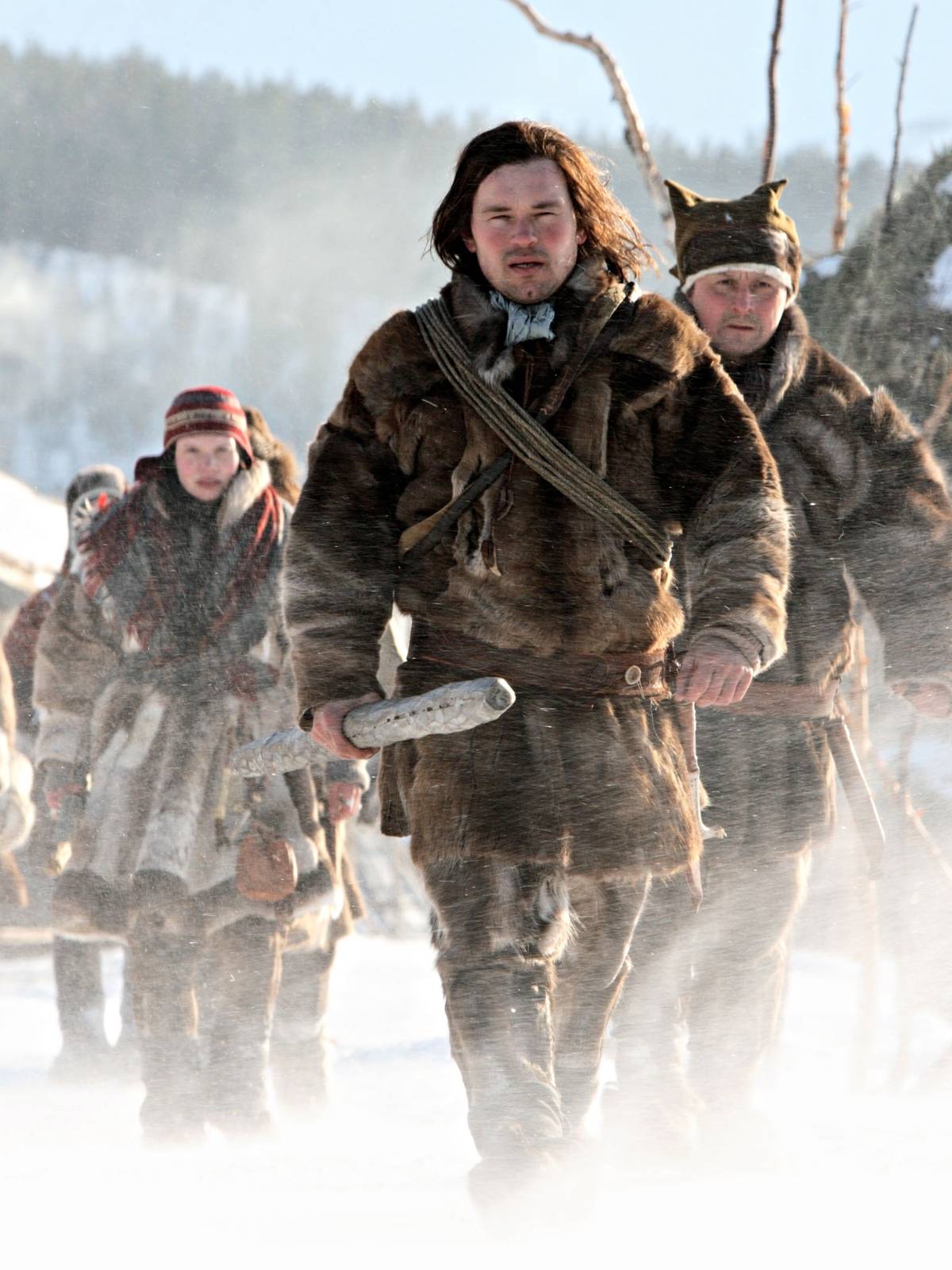


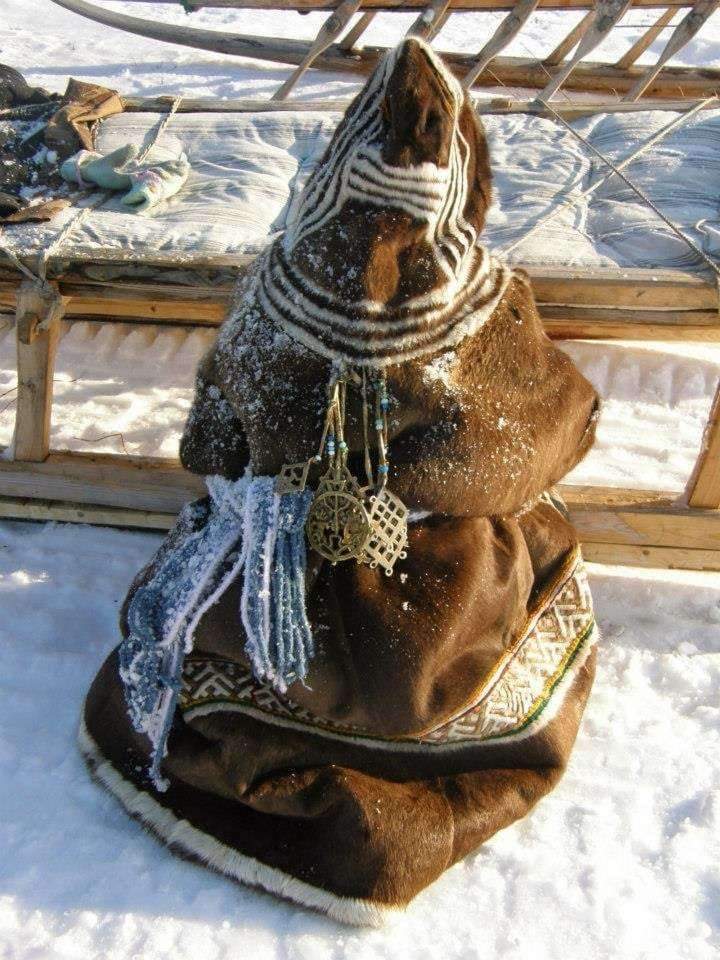

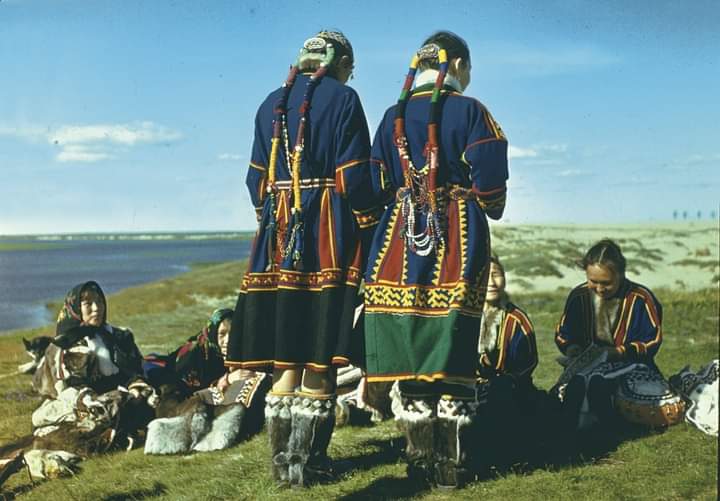

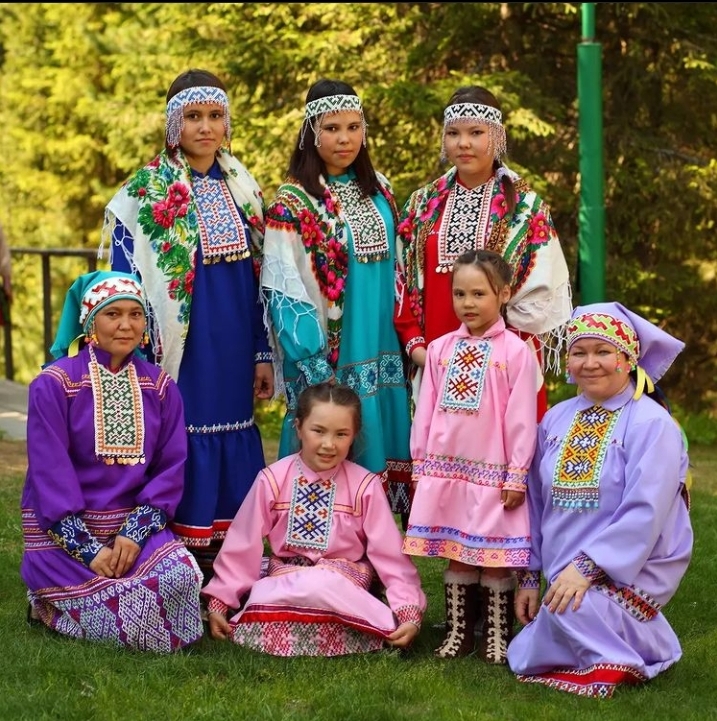
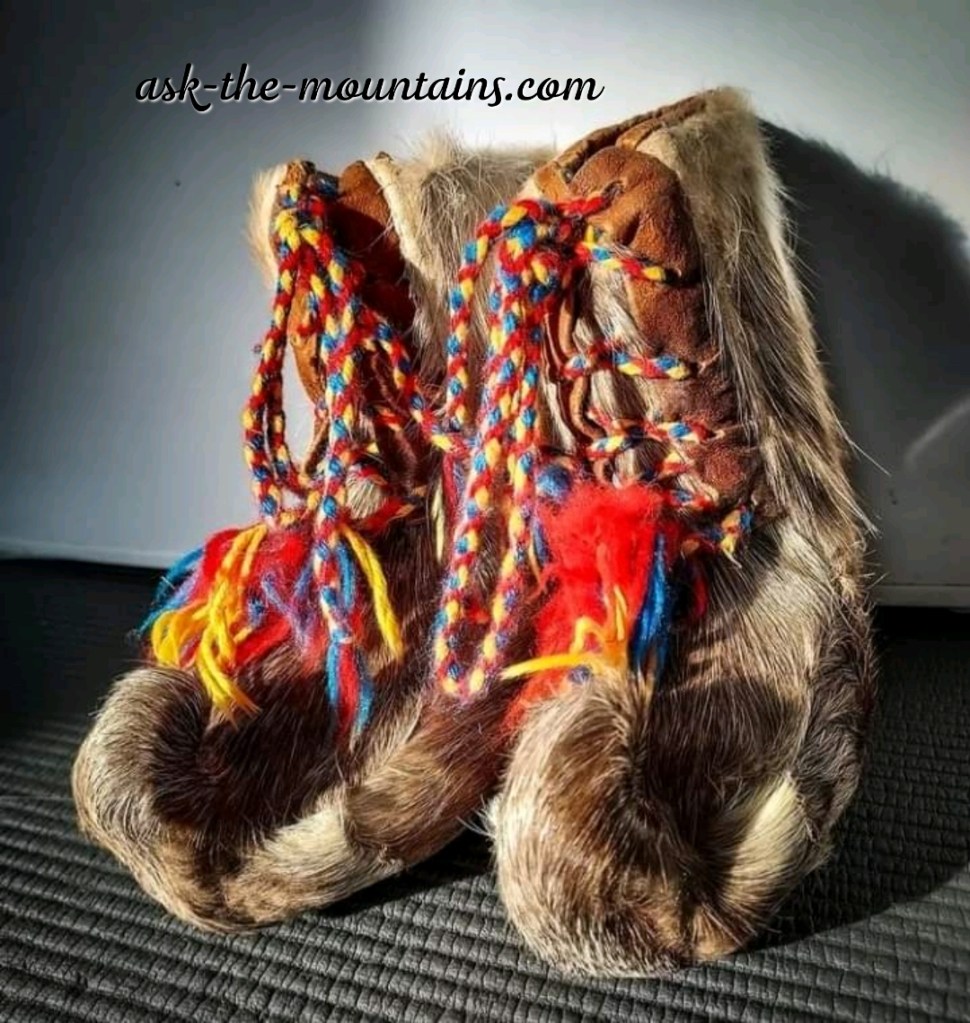
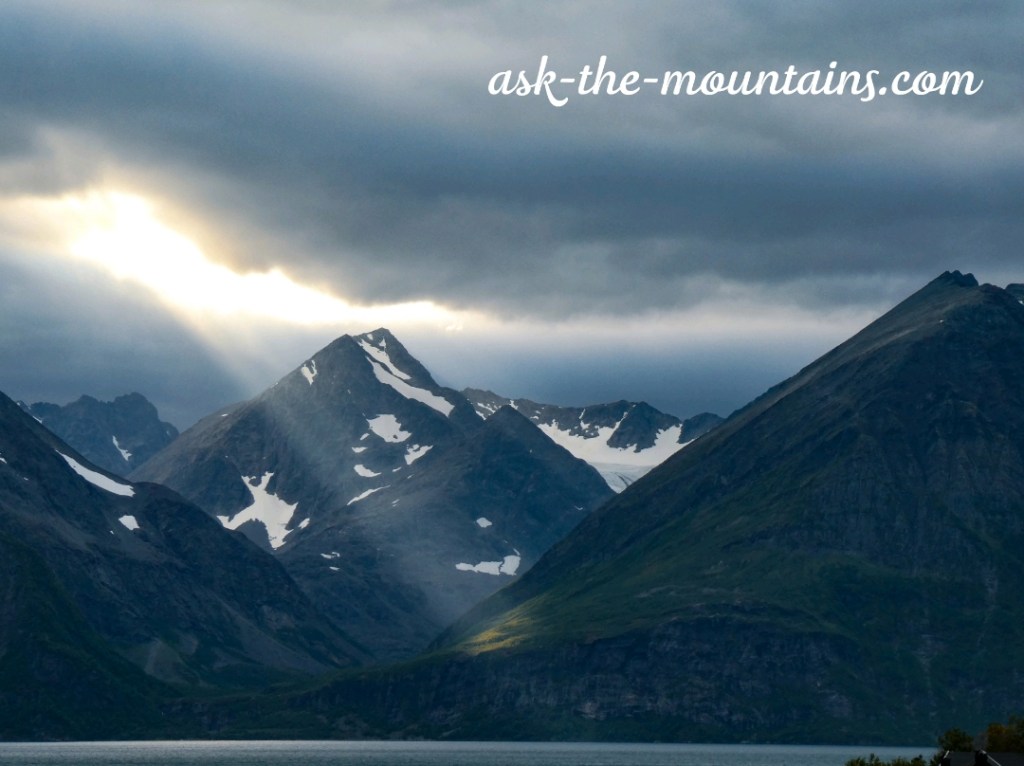





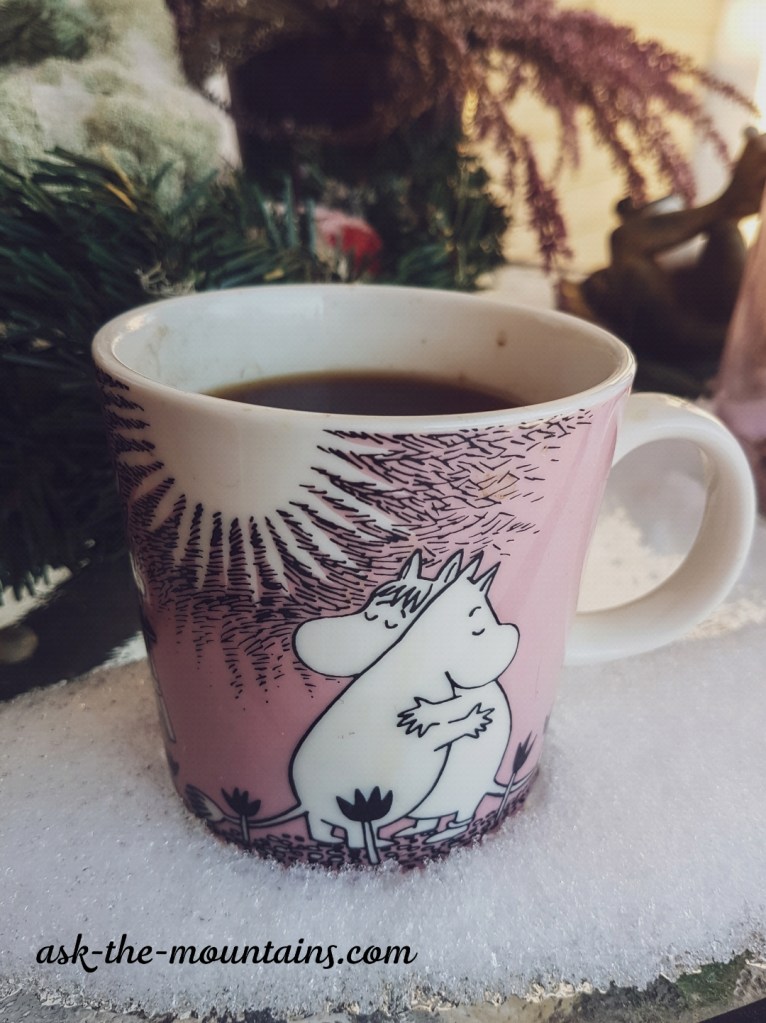




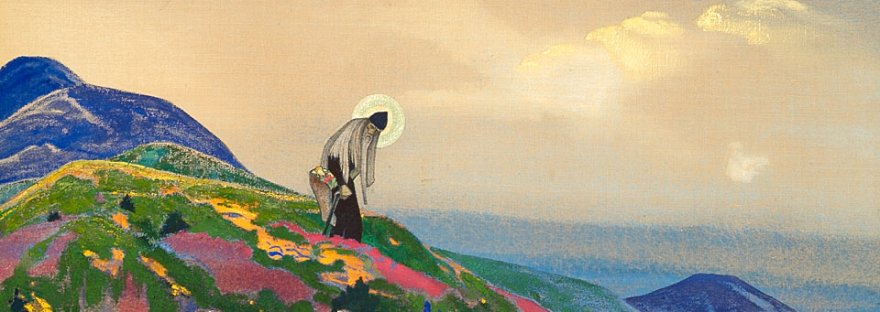


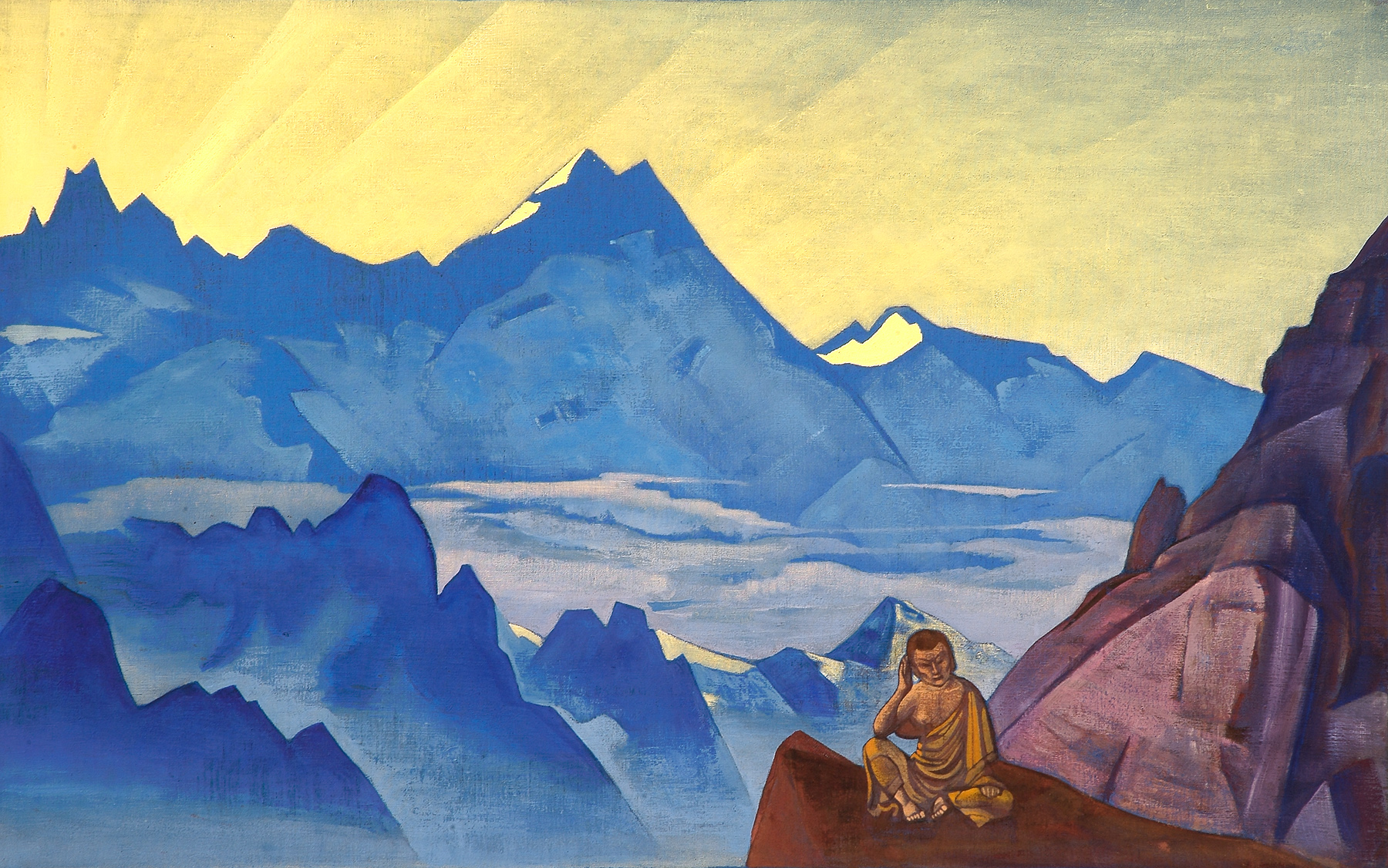
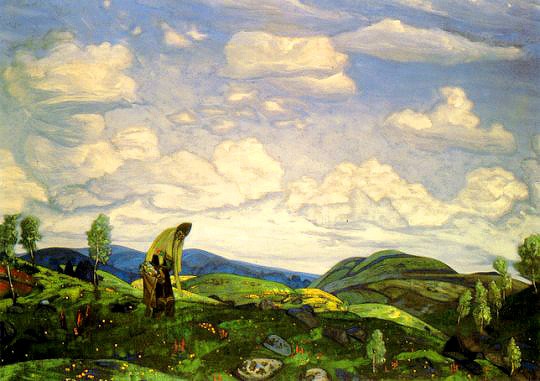


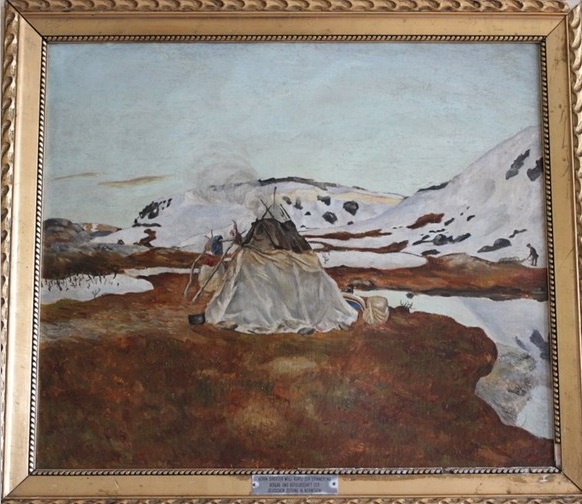

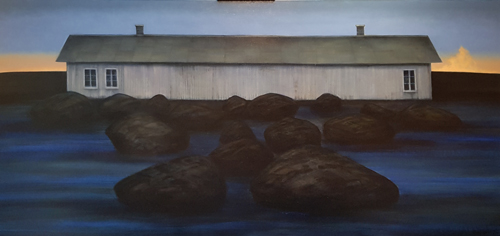


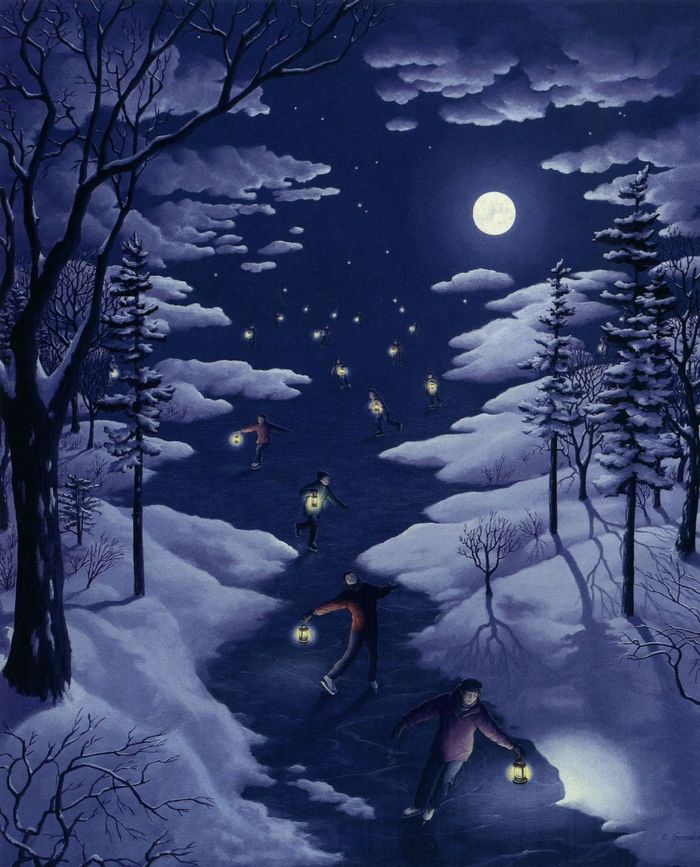


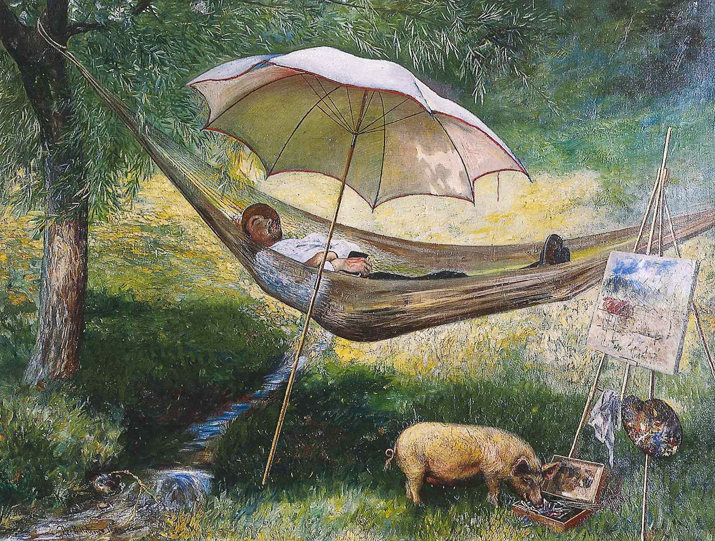


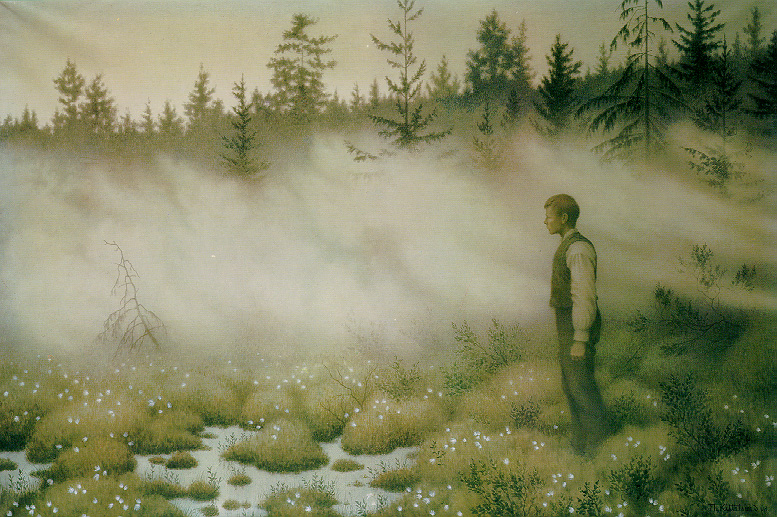

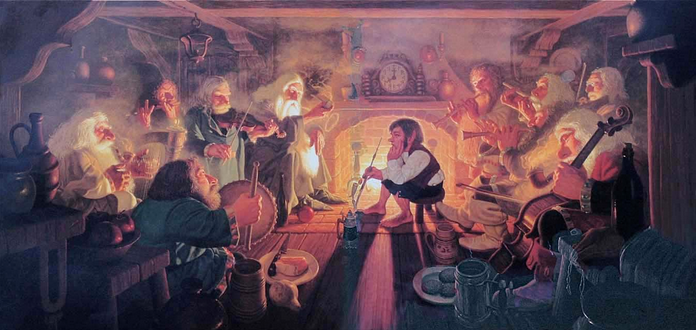

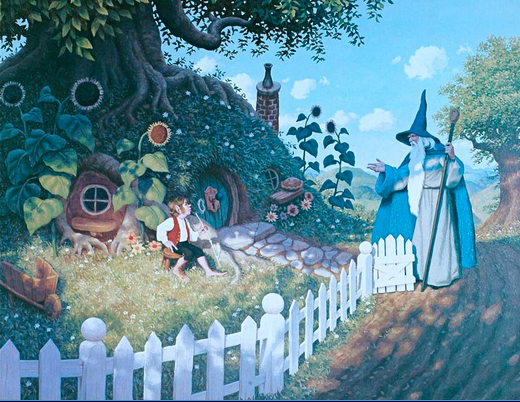
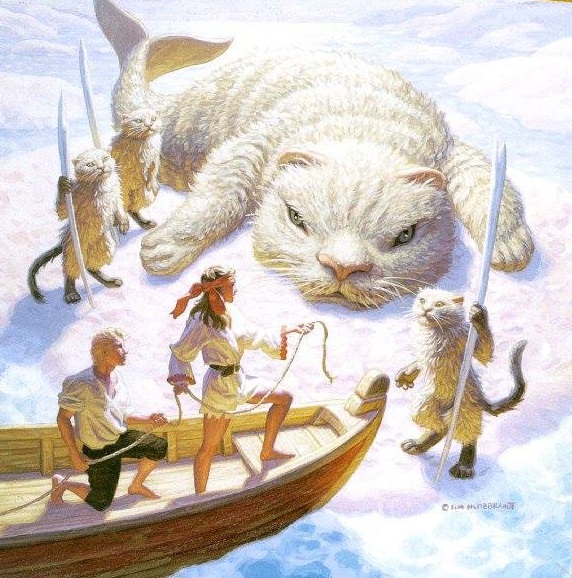

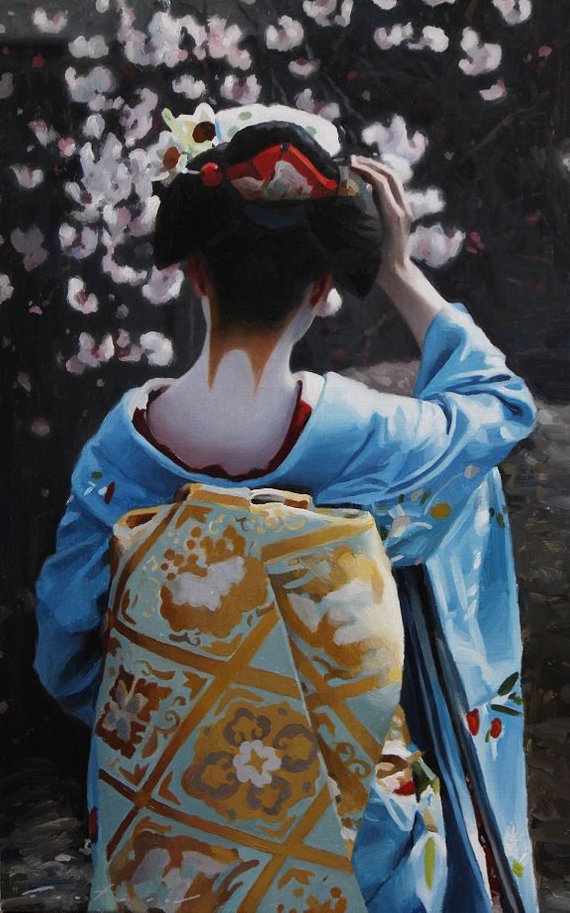
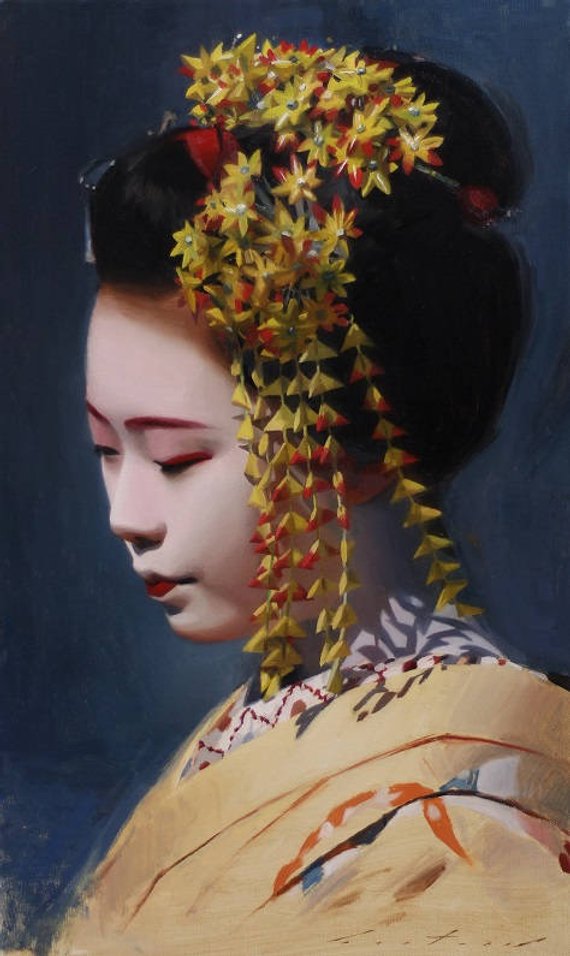


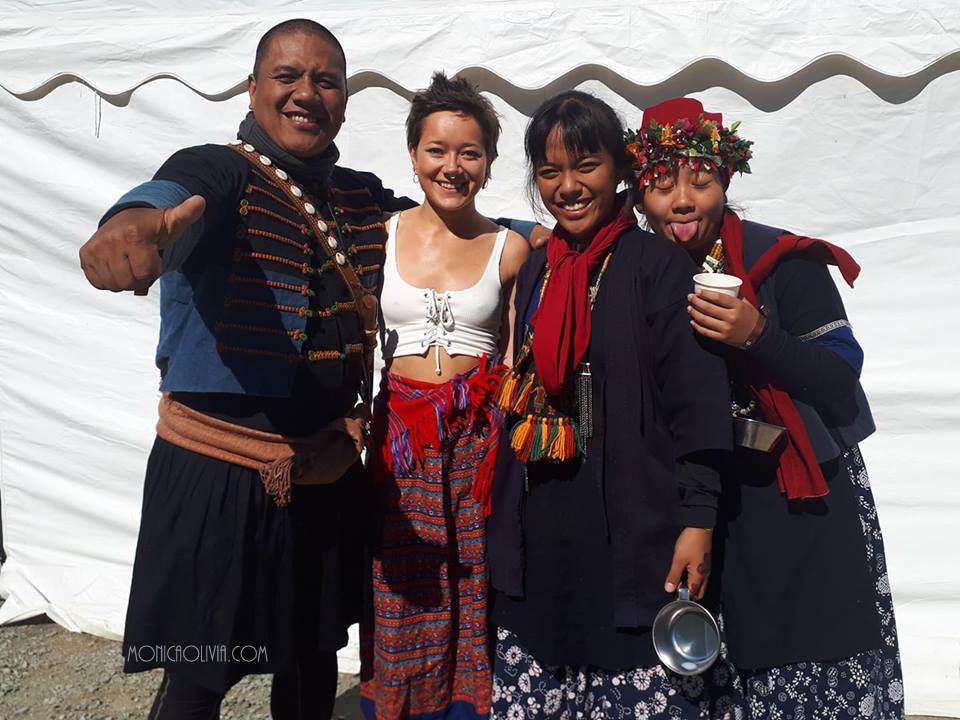
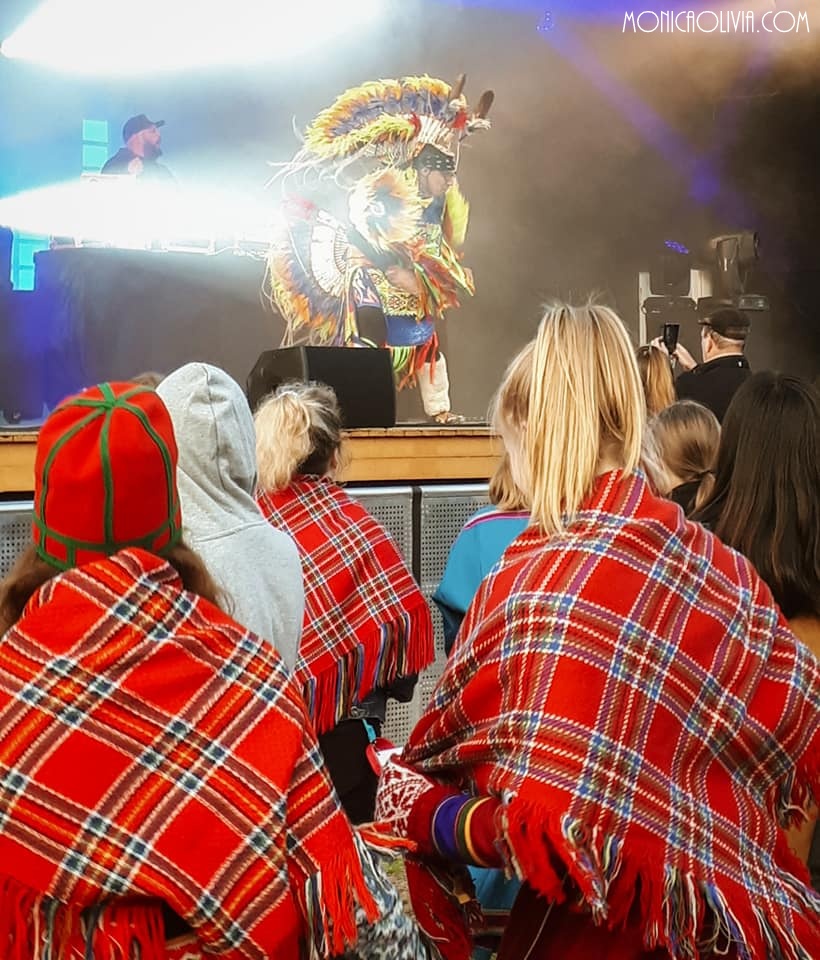


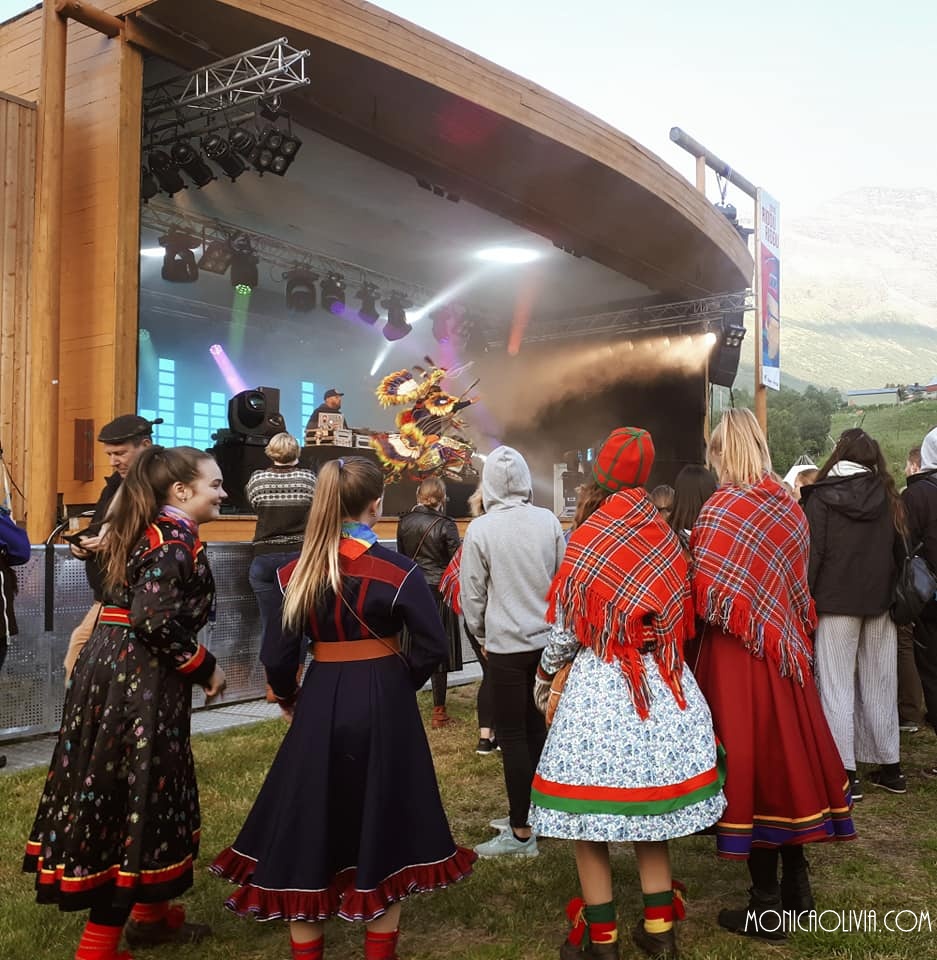

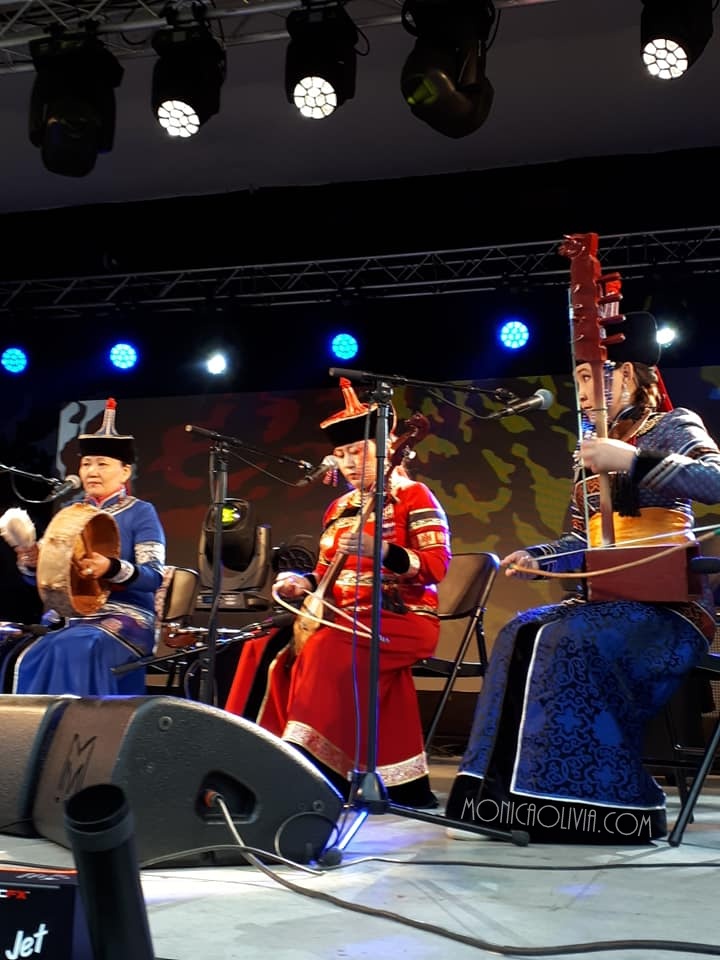


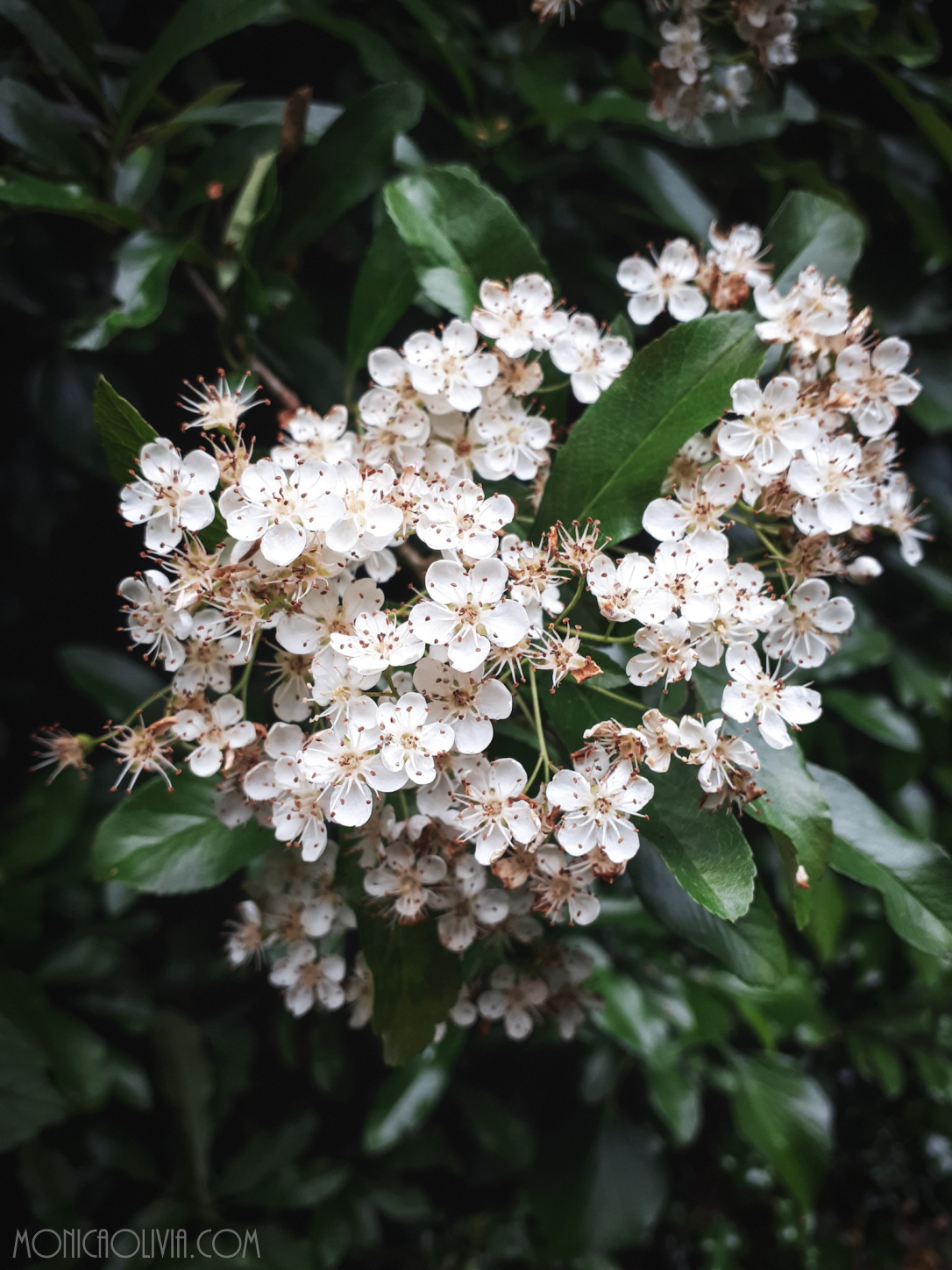


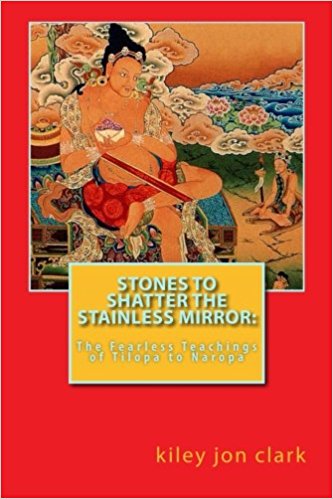

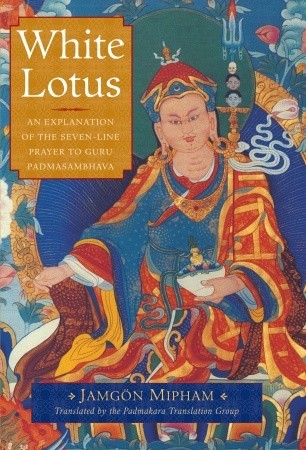
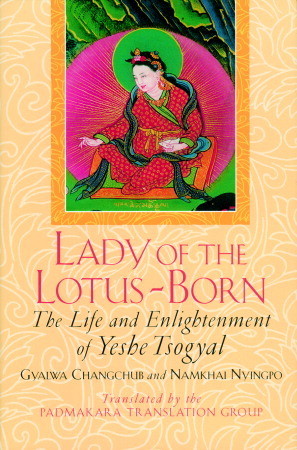
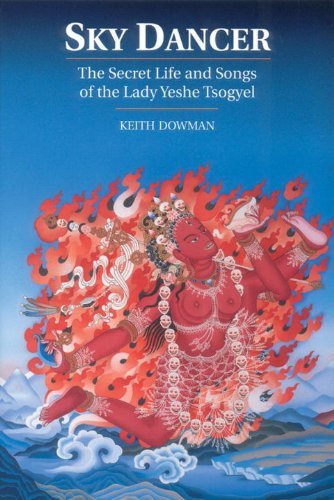


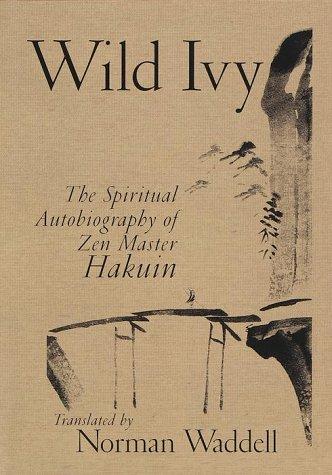


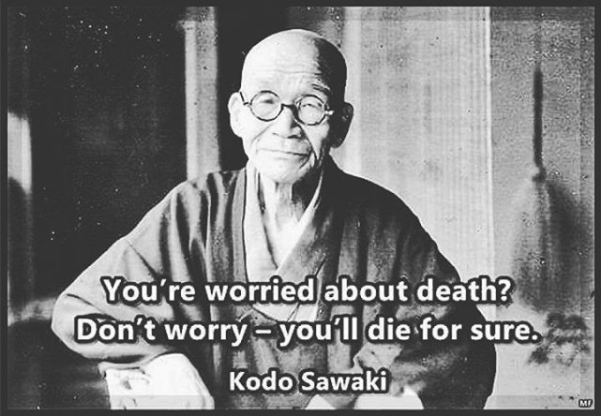




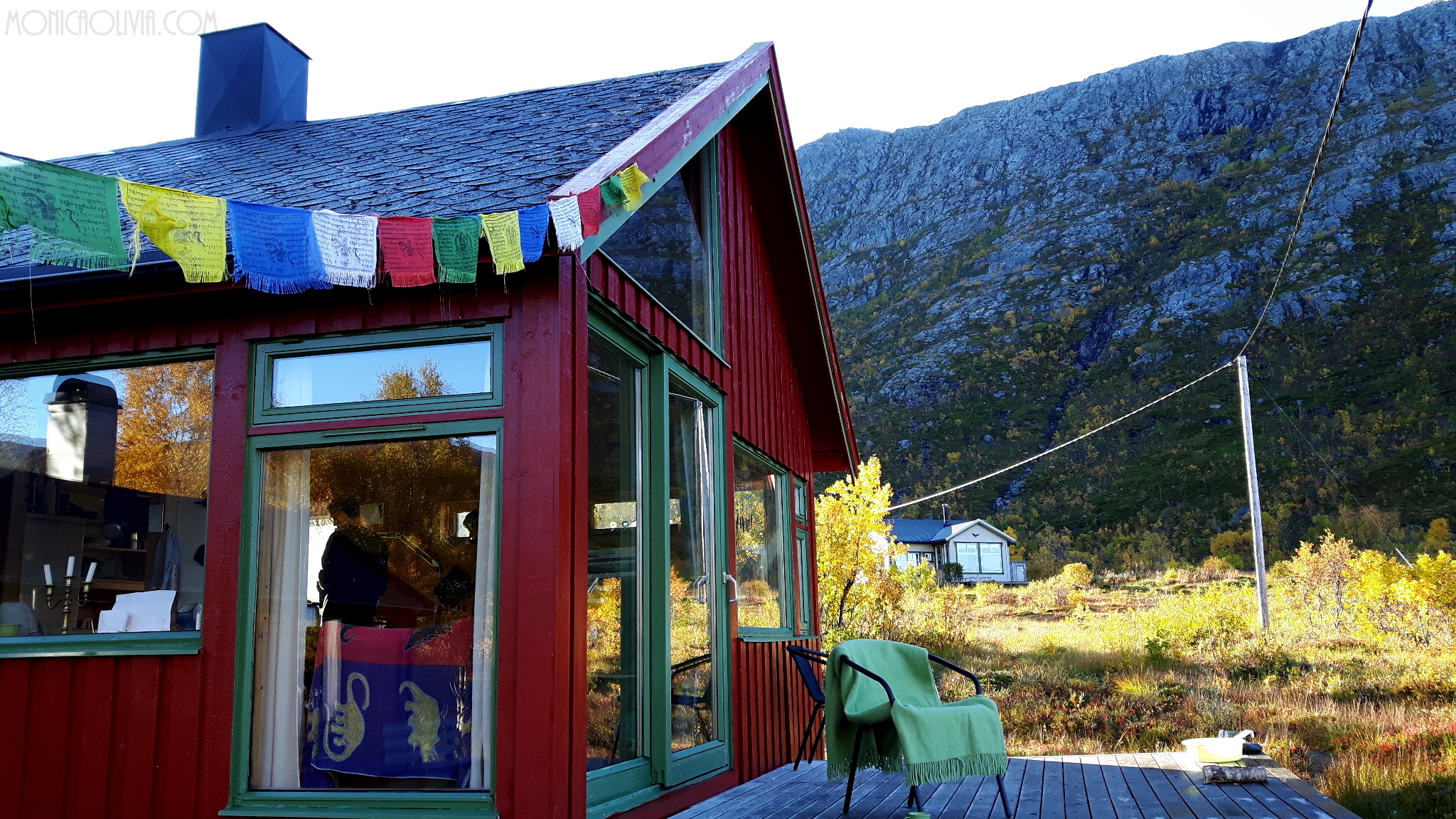


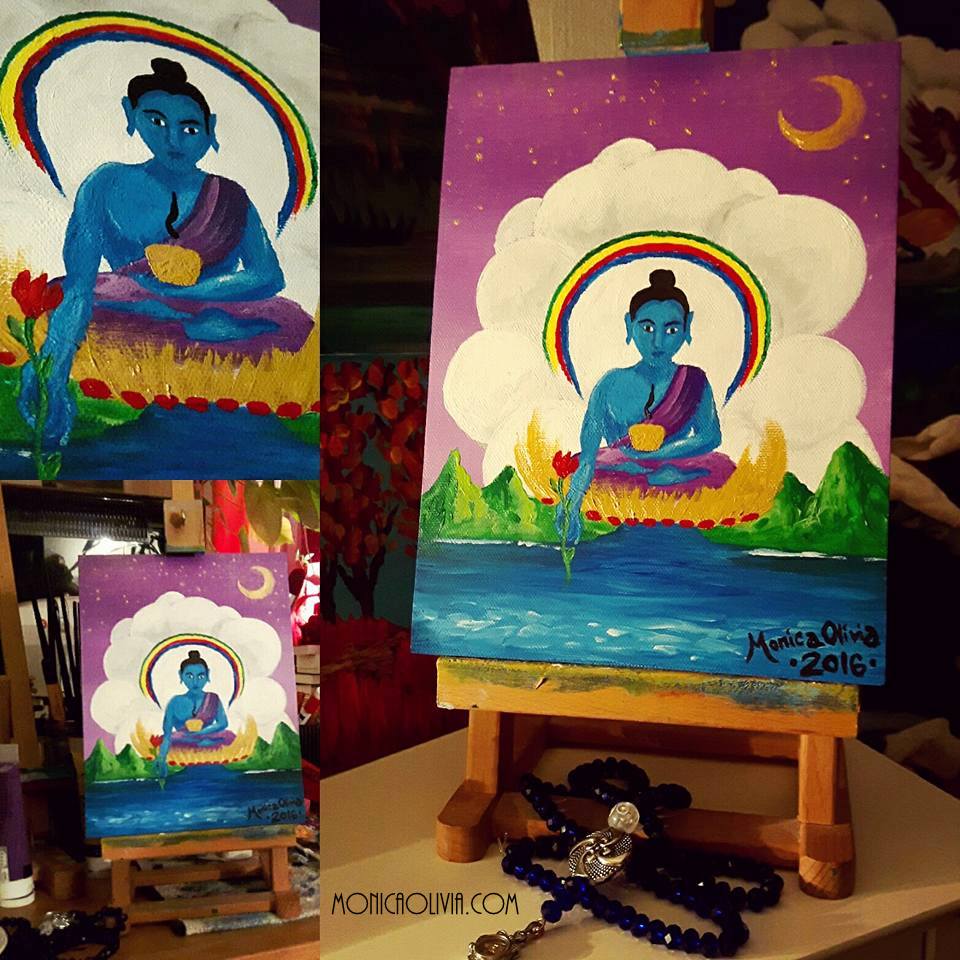
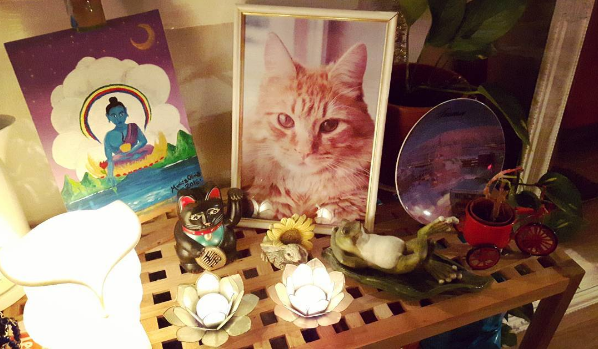
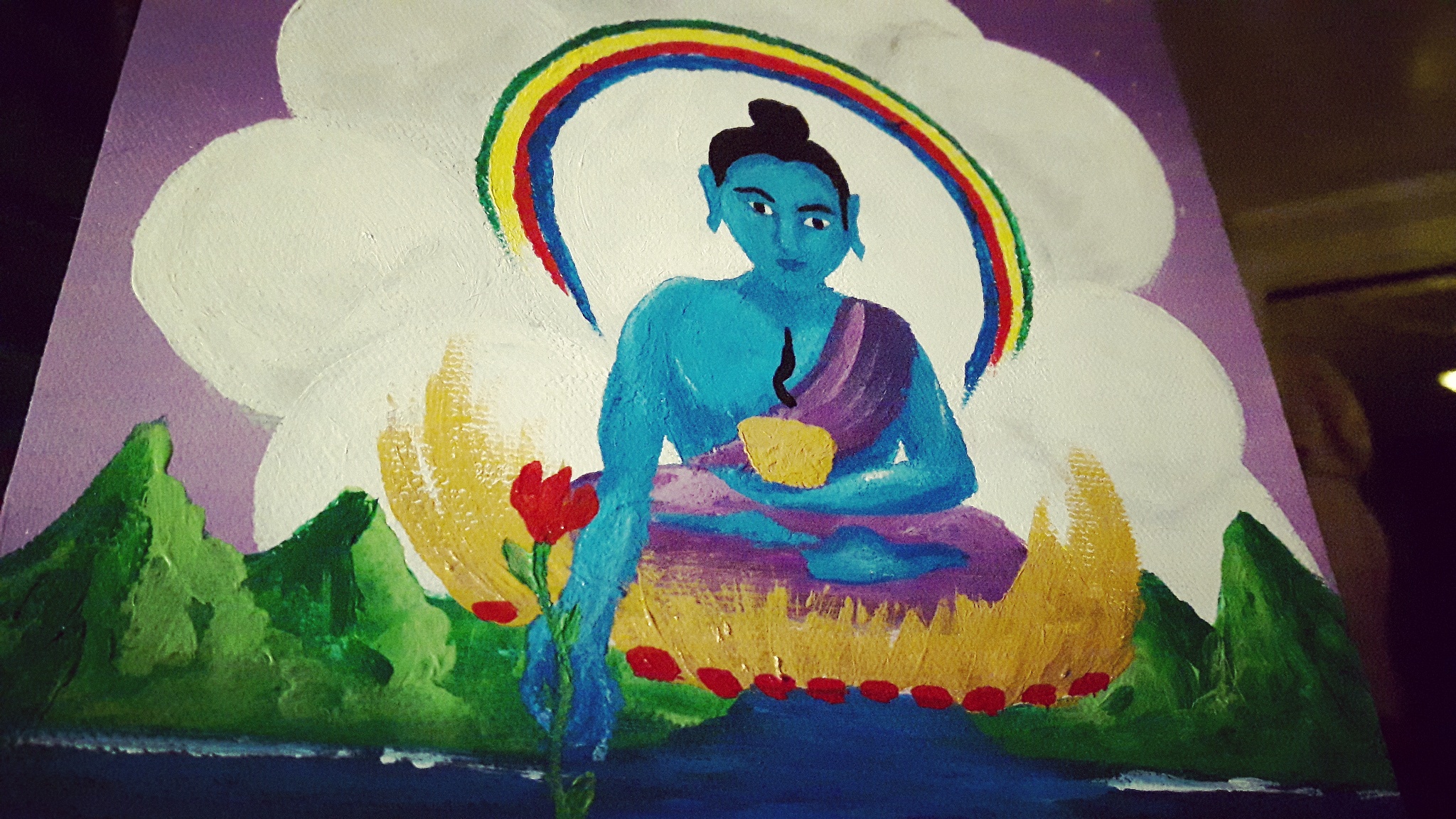


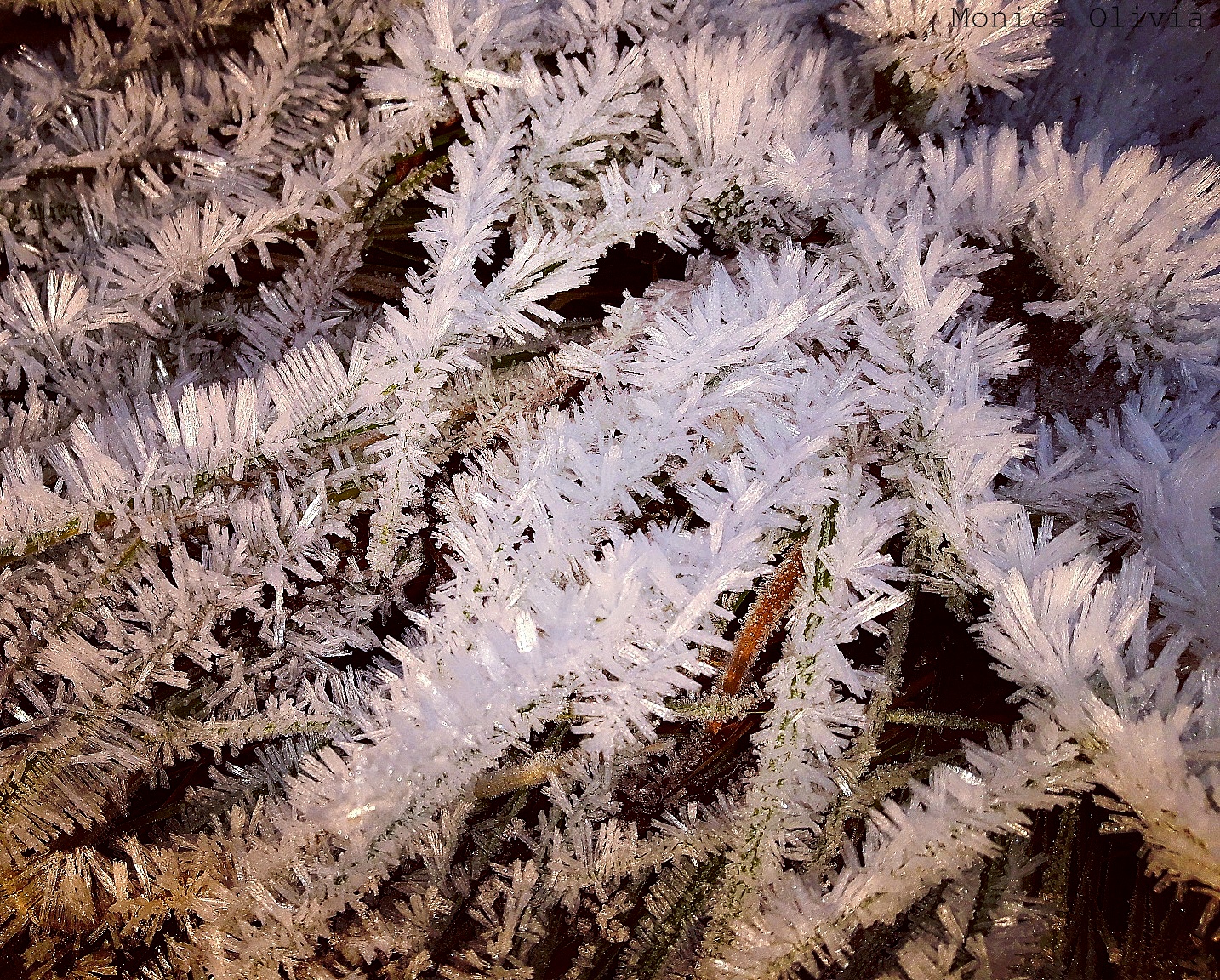

 Ask The Mountains