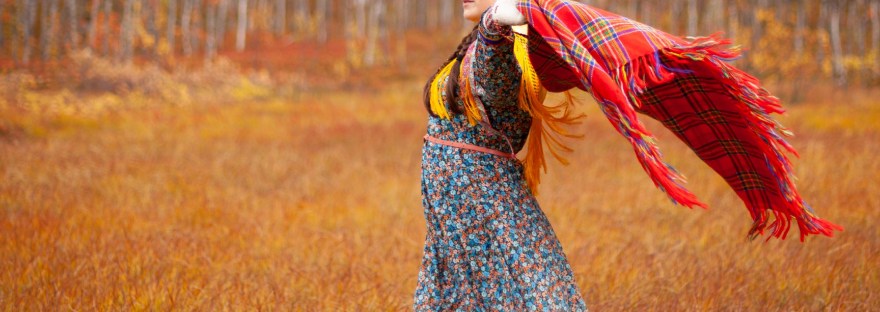
Can I just say, this is the best photo anyone has ever taken of me? Susann, thank you for capturing my essence. Here I am wearing a headdress and silk liidni I sewed myself, and the gákti summer dress is made by Nadezda Johnsen. Autumn wind…🧡🍂🙌🏼Life is a lot of chopping wood and carrying water… I think that is how the saying goes 😉
“Your healing journey will, of course, include a consideration and use of all the best tools modern medicine can offer you, as well as the best tools holistic healing can offer you. From a deeper perspective, illness is caused by unfulfilled longing. The deeper the illness, the deeper the longing. It is a message that somehow, somewhere, you have forgotten who you are and what your purpose is. You have forgotten and disconnected from the purpose of your creative energy from your core. Your illness is the symptom: The disease represents your unfulfilled longing. So above all else, use your illness to set yourself free to do what you have always wanted to do, to be who you have always wanted to be, to manifest and express who you already are from your deepest, broadest, and highest reality. If indeed you have discovered yourself to be ill, prepare yourself for change, expect your deepest longing to surface and to be brought to fruition. Prepare yourself to finally stop running and turn and face the tiger within you, whatever that means to you in a very personal way. I suggest the best place to start to find the meaning of your illness is to ask yourself: “What is it that I have longed for and not yet succeeded in creating in my life?”’ (From Barbara Brennan’s book Emerging Light)
Sewed these little toddler pants in cotton fabric for our son, with a string in waist. I also made a dress in same fabric for myself, will share that too later. The pattern on the fabric is super cute and the fabric itself is quite thick cotton, and high quality.
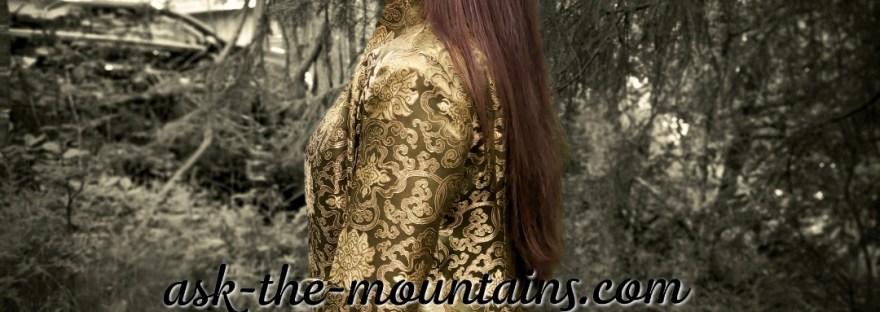
Vajra brocade jacket in green and gold I was lucky to find in local second hand store. It is handmade, too, wonder who made it and gave it away.
I wanted to make a post on the physical body. I have noticed in social media a trend called ‘body positivity’, and I wanted to share my own version of what that means to me:
Knowing that my body is made from the natural elements and is a result of thousands of generations
Reminding myself that all my cells are working hard to keep me alive every day
Eating traditional sustainable foods that my body easily turn into energy
Deep sleep and meditation to give body healing and vitality
Practice prayer and mantras to help body get rid of karmic traces stored inside the cells
Strength training to keep joints stable and posture straight
Keeping in mind how ancestors lived, and how they treated their bodies
Reminding myself to breathe with my belly, through nose and keeping my tongue in the roof of mouth, while jaw relaxed, as this feels most natural and it makes body relax
Tapping into body’s innate healing powers if I feel sick
Feeling how the body is an anchor that keeps us in the present moment
Maybe I could add more later. What would you add? Thanks for reading, have a lovely day. -M
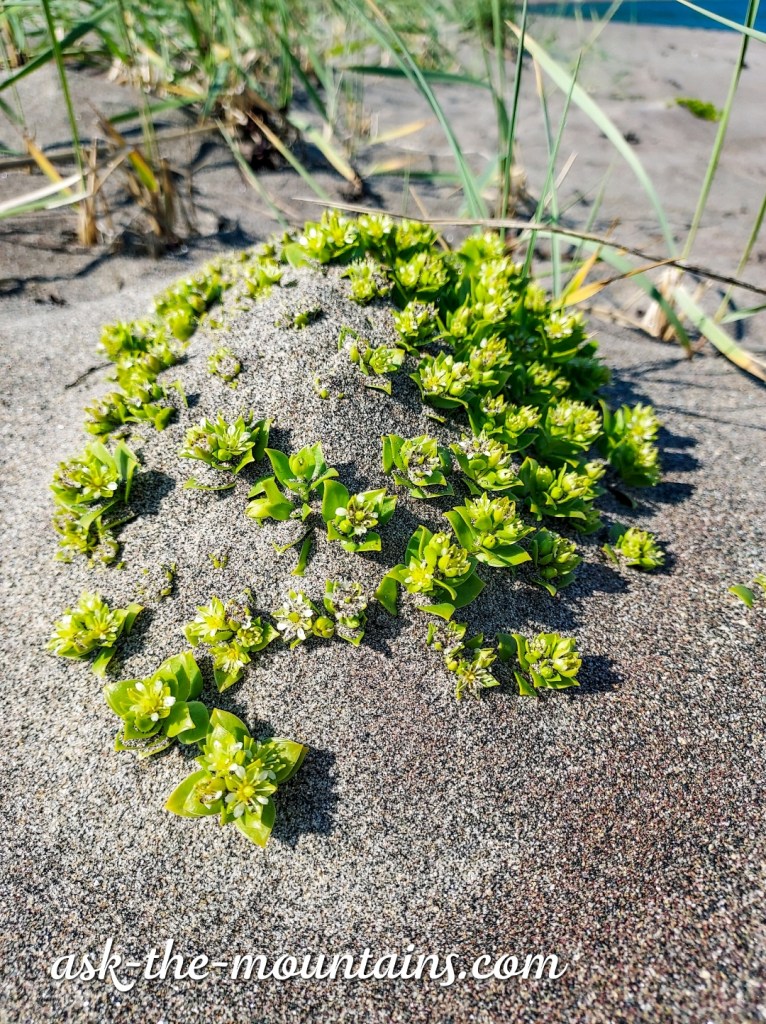
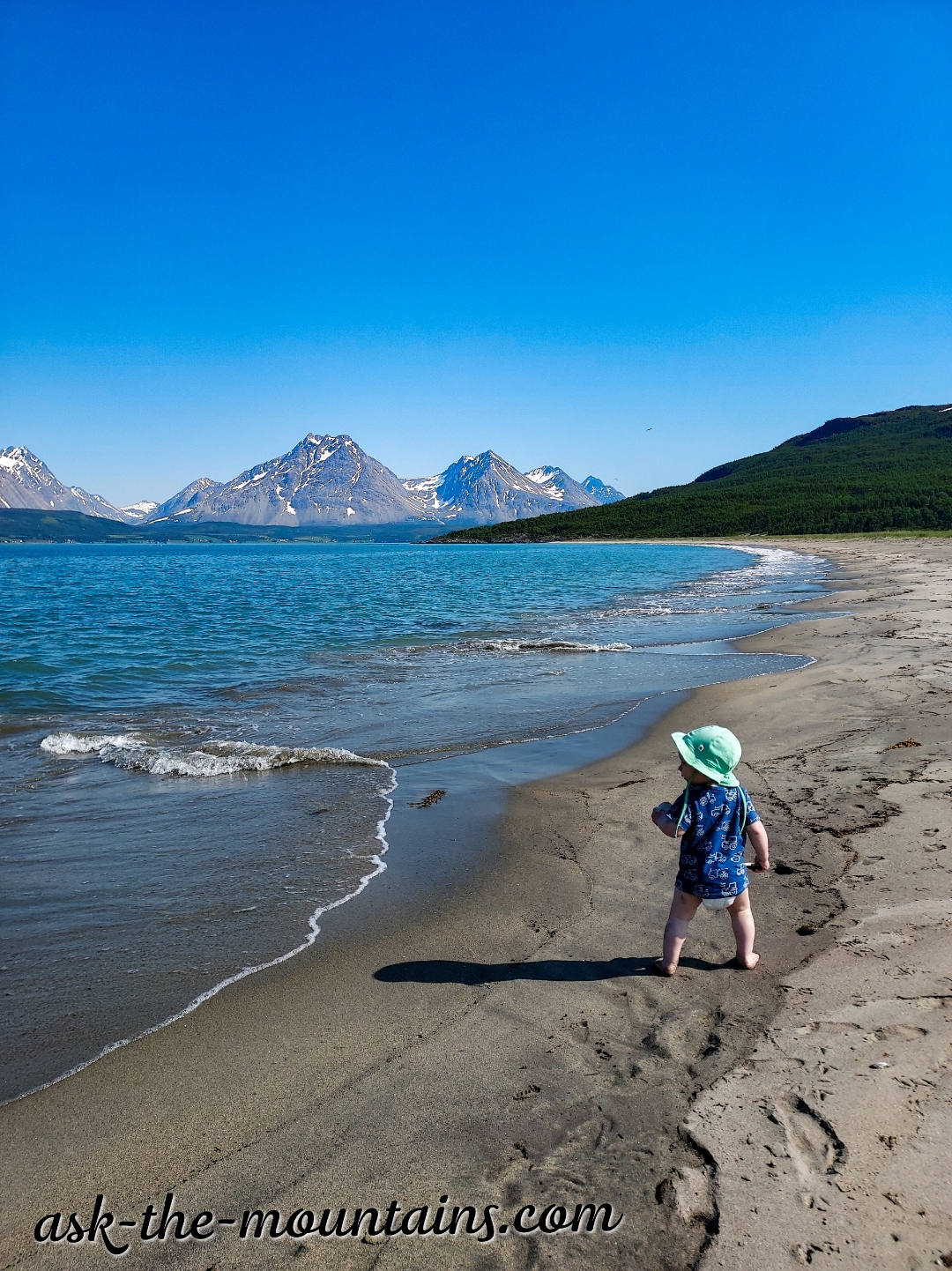
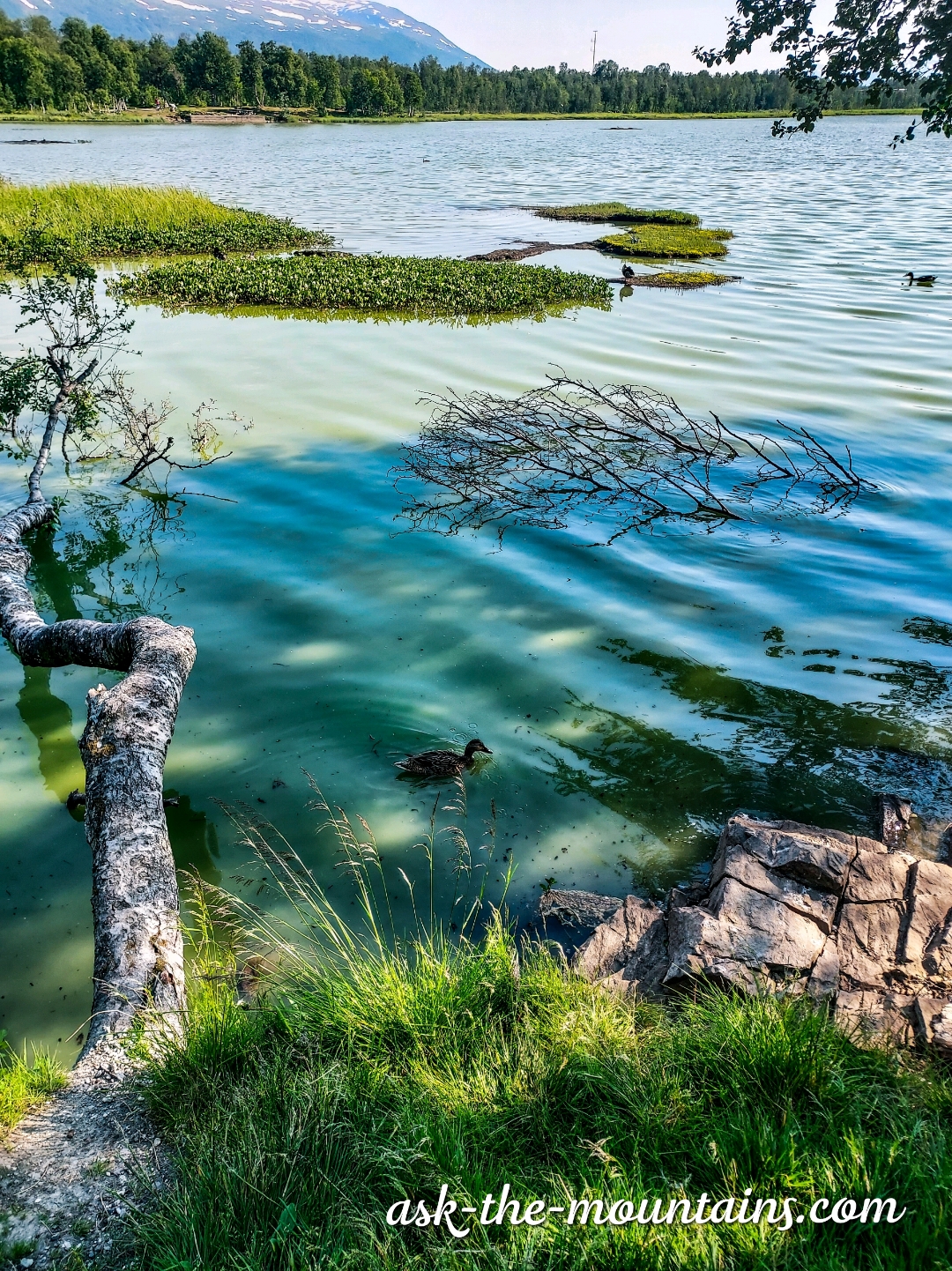
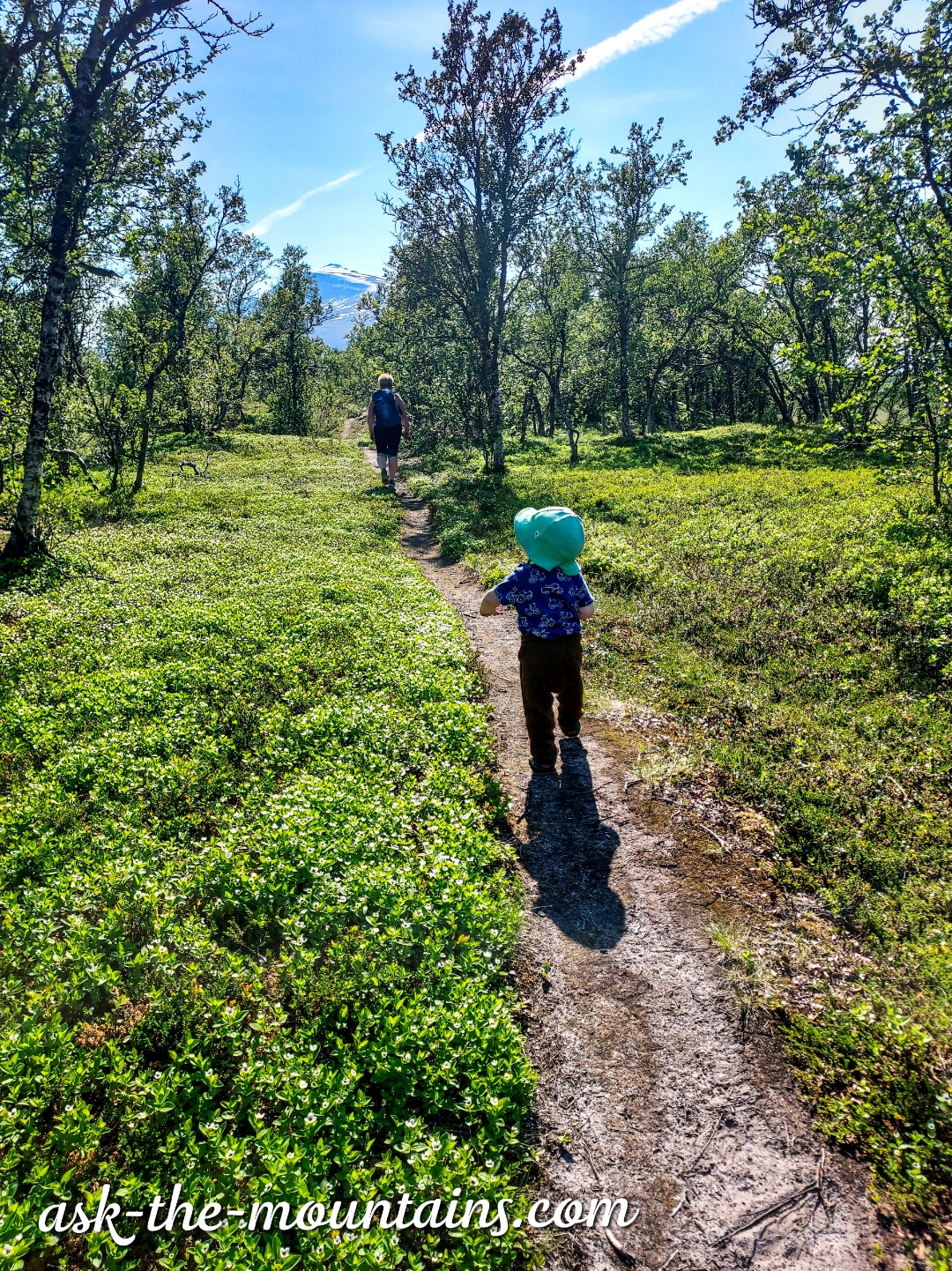
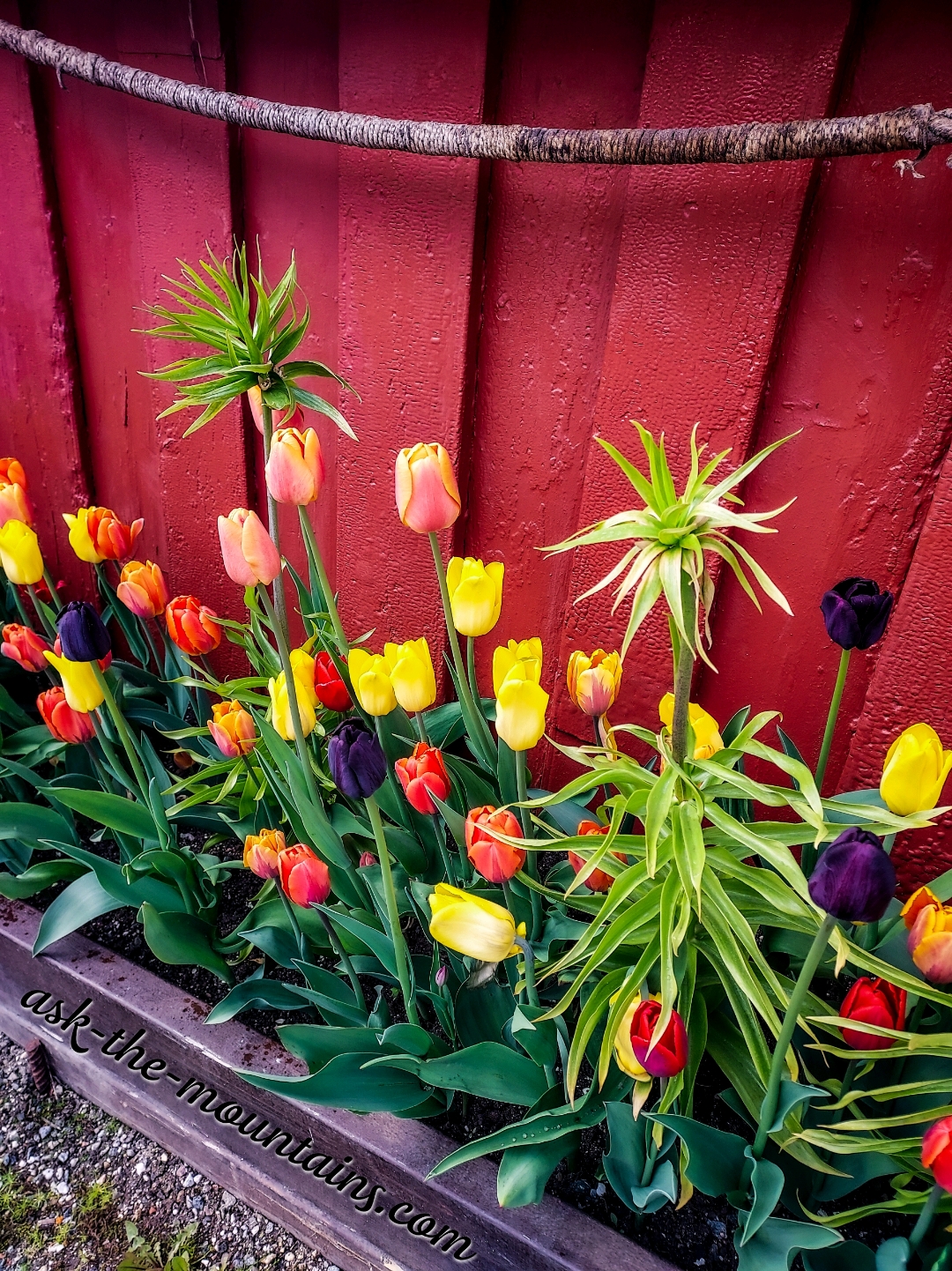
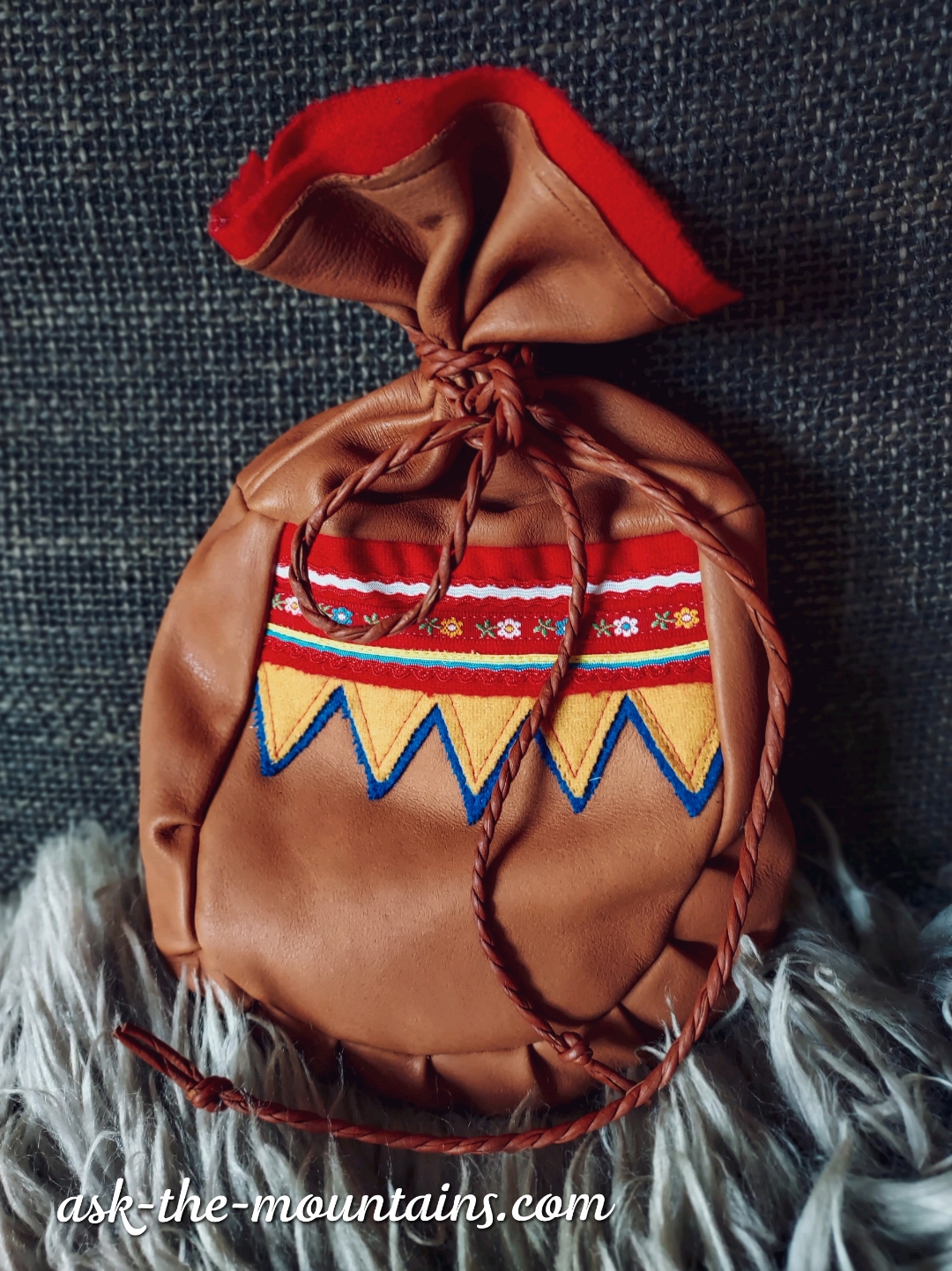
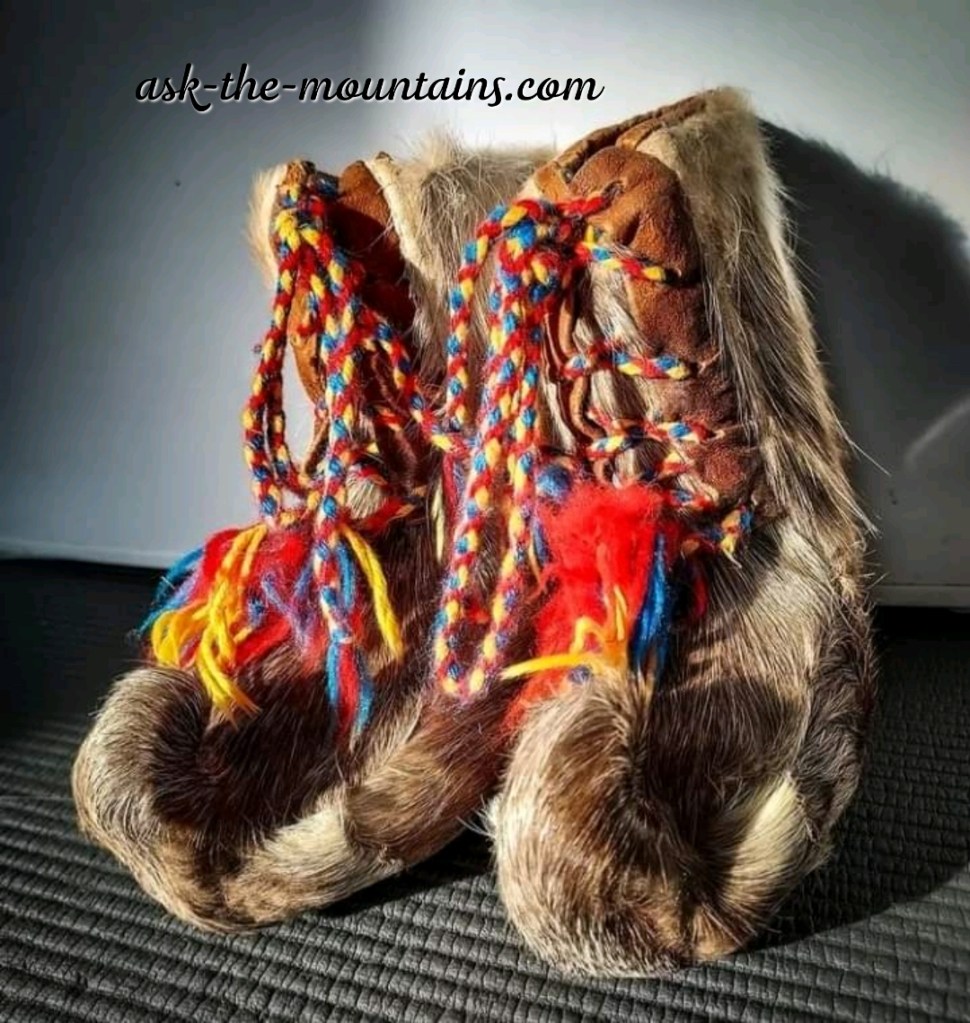
My mum staring into the ocean 💙Little flowers in the sand at our hidden secret beach.Beach view.Our son got to see and play with the ocean waves. He was kind of scared, but also curious!Prestvannet / BáhpajávriSome lotus like flowers at the Arctic Alpine botanic garden. In the forest 💚Some gorgeous tulips outside the Polar Museum in Tromsø.My beautiful coffee bag sewn by duojár Inga Nilsen Eira. It’s made from reindeer skin, wool and cotton bands, and braided reindeer skin string. Perfect to bring my coffee on walks and trips ❤️
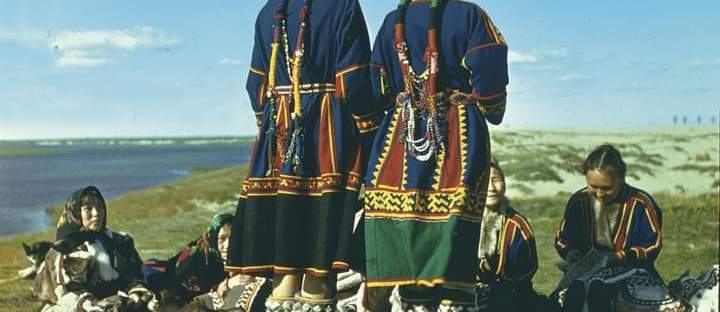
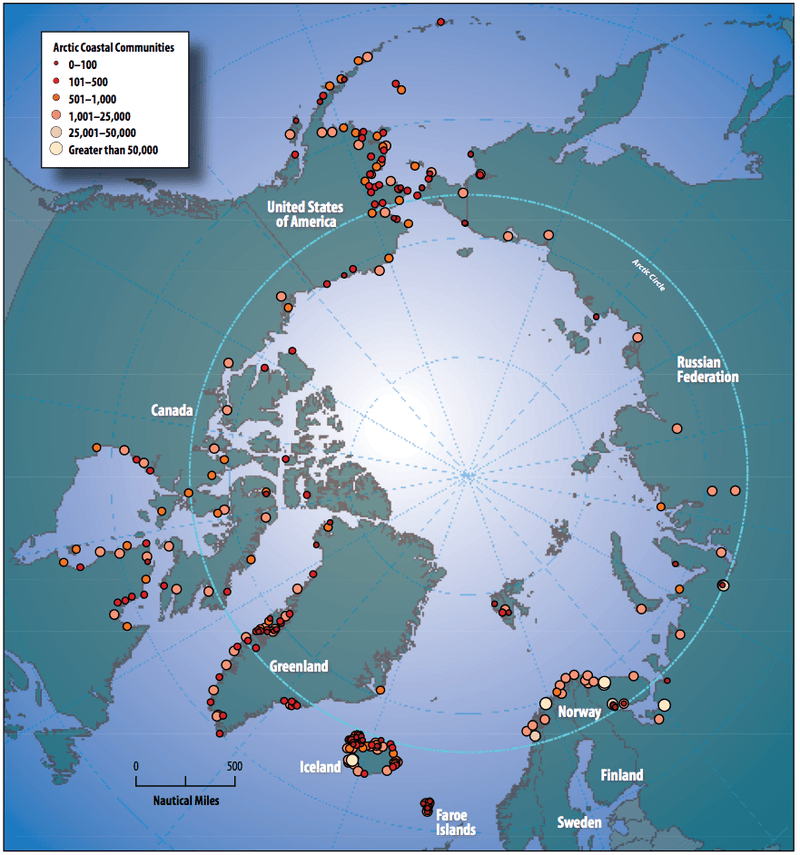
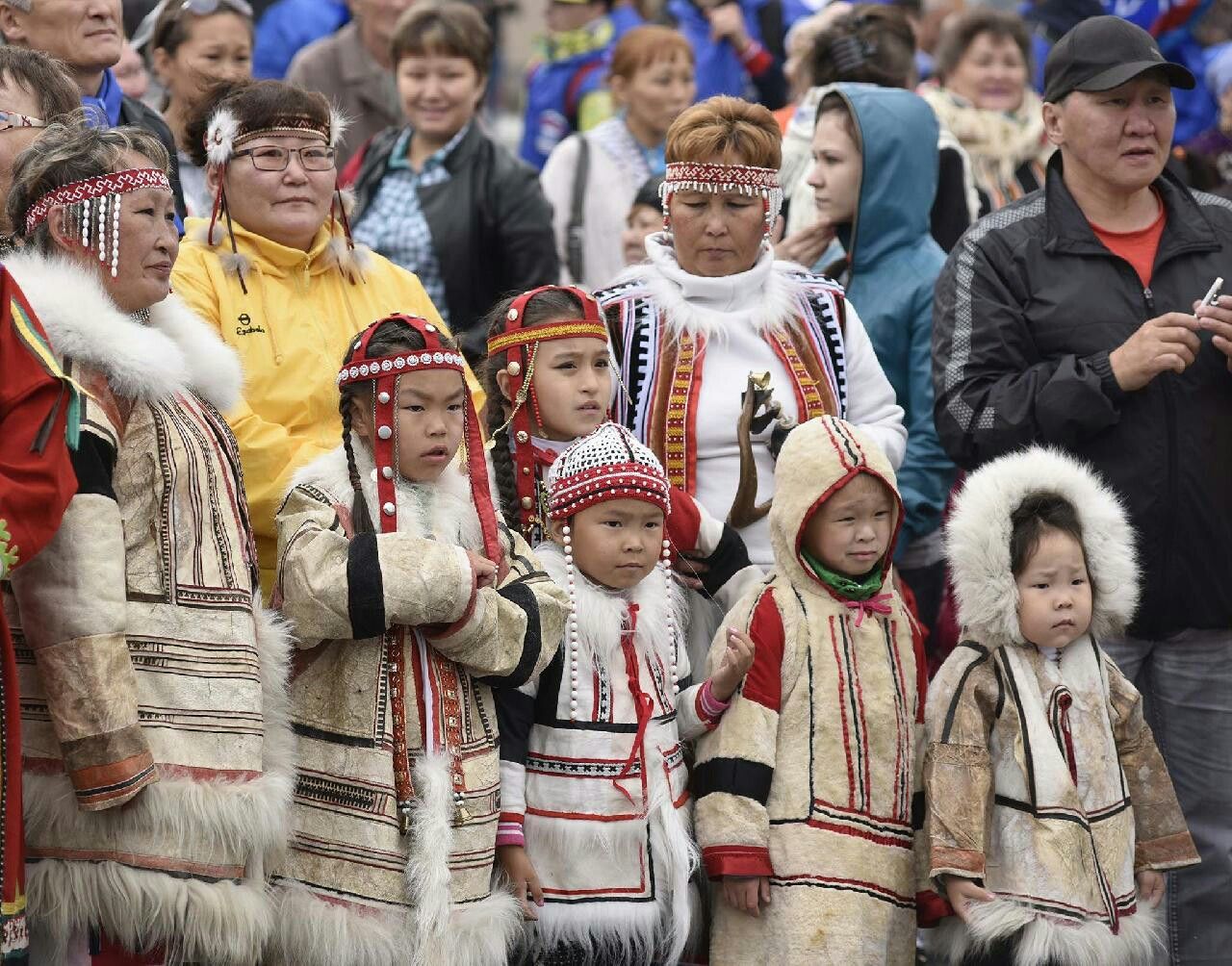
Who are Uralians and Ugrians? We are different peoples with unique cultures and common linguistic roots, stretching from Russia, over Siberia and the Ural mountains, into Scandinavia. Some have moved further south, like the Hungarians. Many of us live Arctic and sub-Arctic lives and livelihoods. Many of us also have lost our traditional cultures and language.
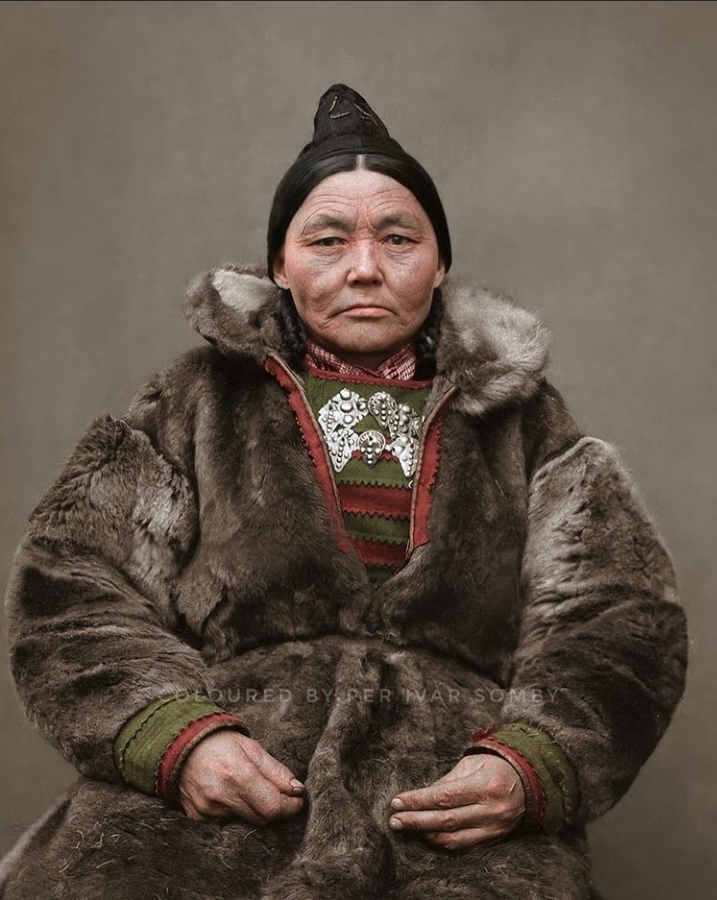
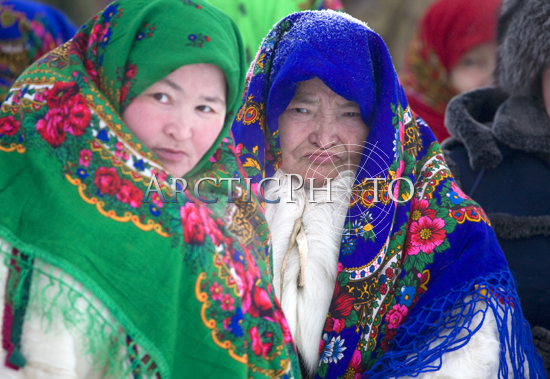
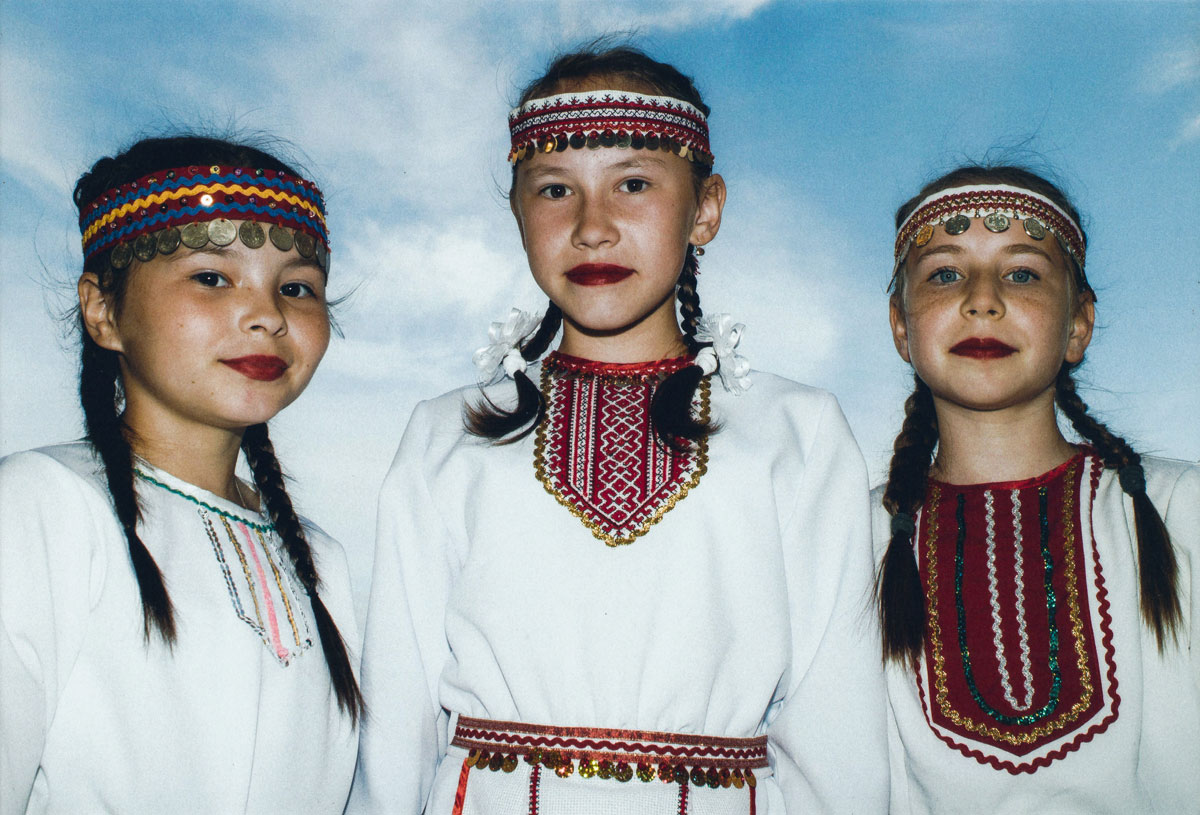
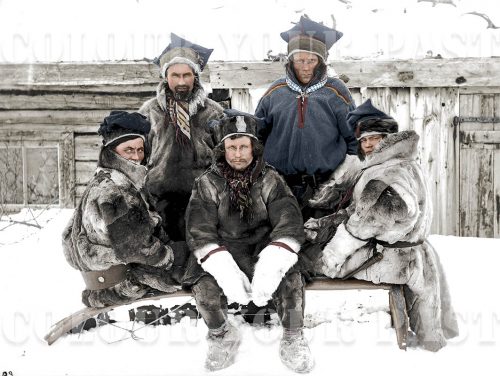
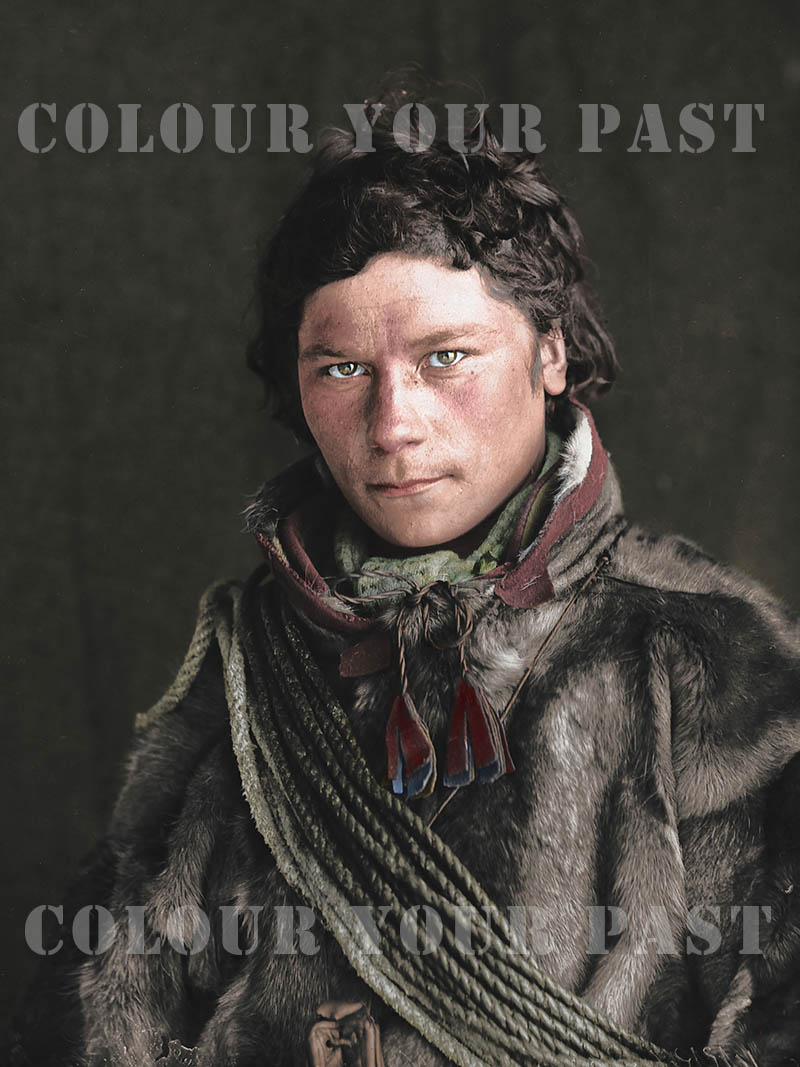
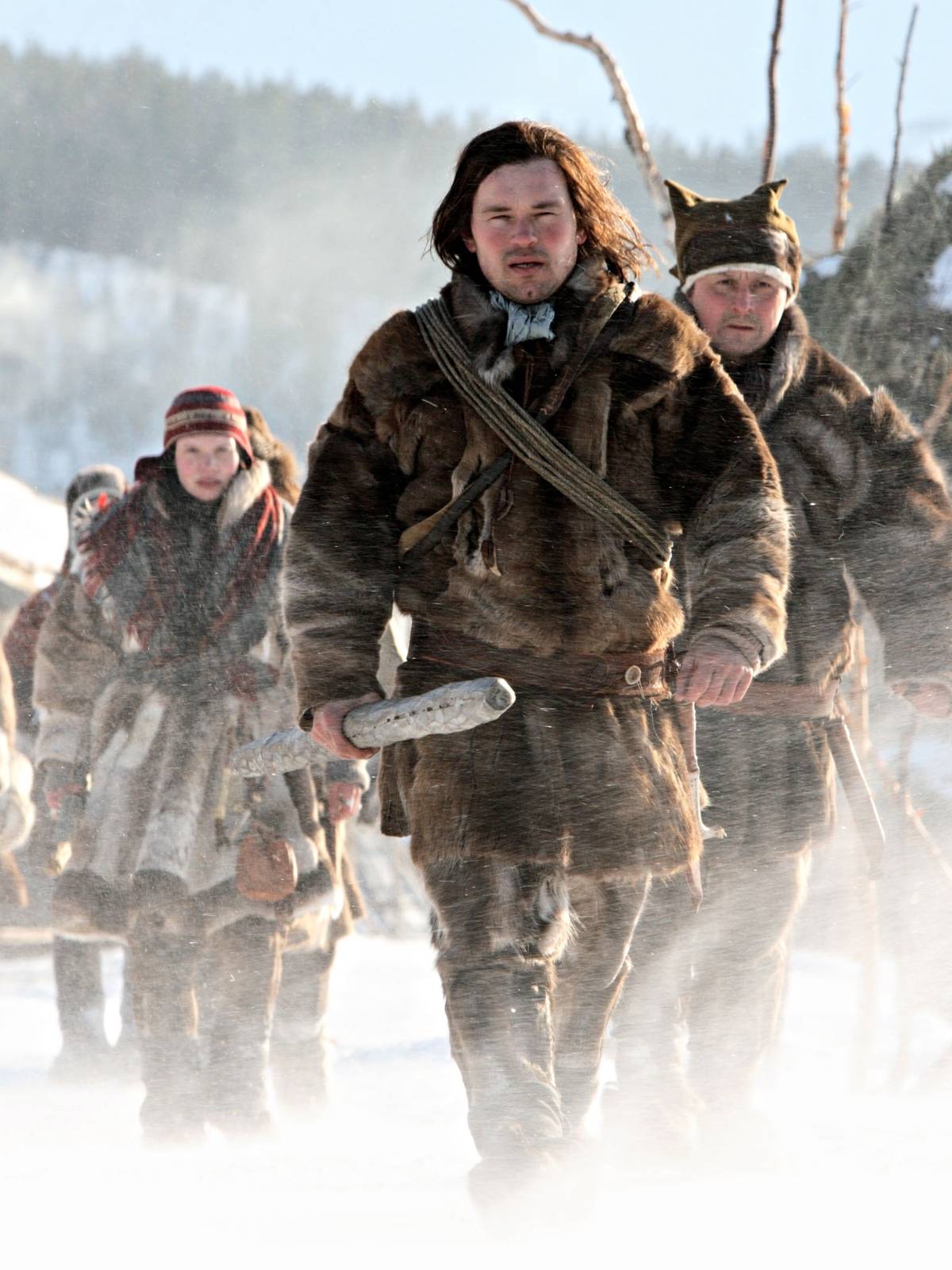
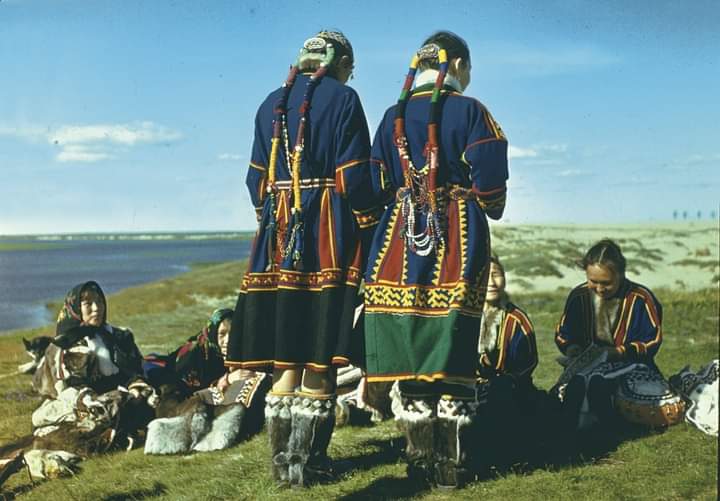
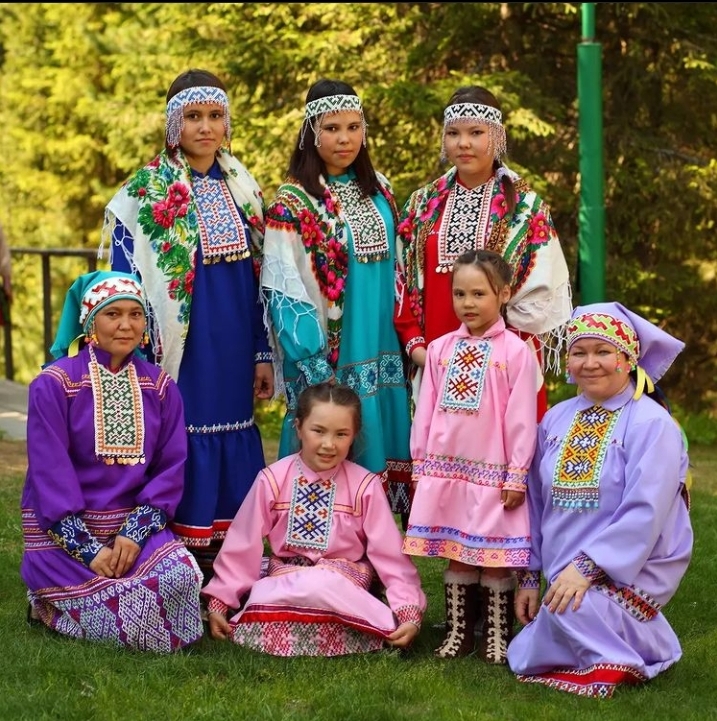
We are Sámis, Kvens, Finns, Karelians, Khantys, Maris, Mansis, Nganasans, Nenets, Komis, Tornedalians, Selkups, and many more. I added a small variety of photos from our community below.
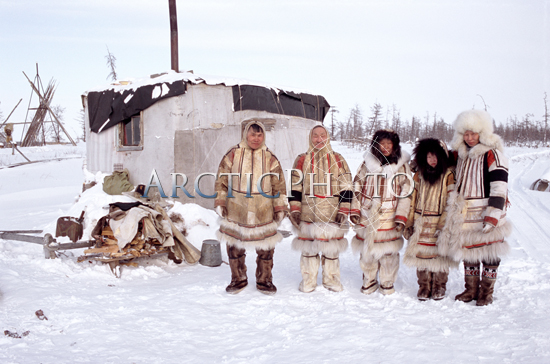
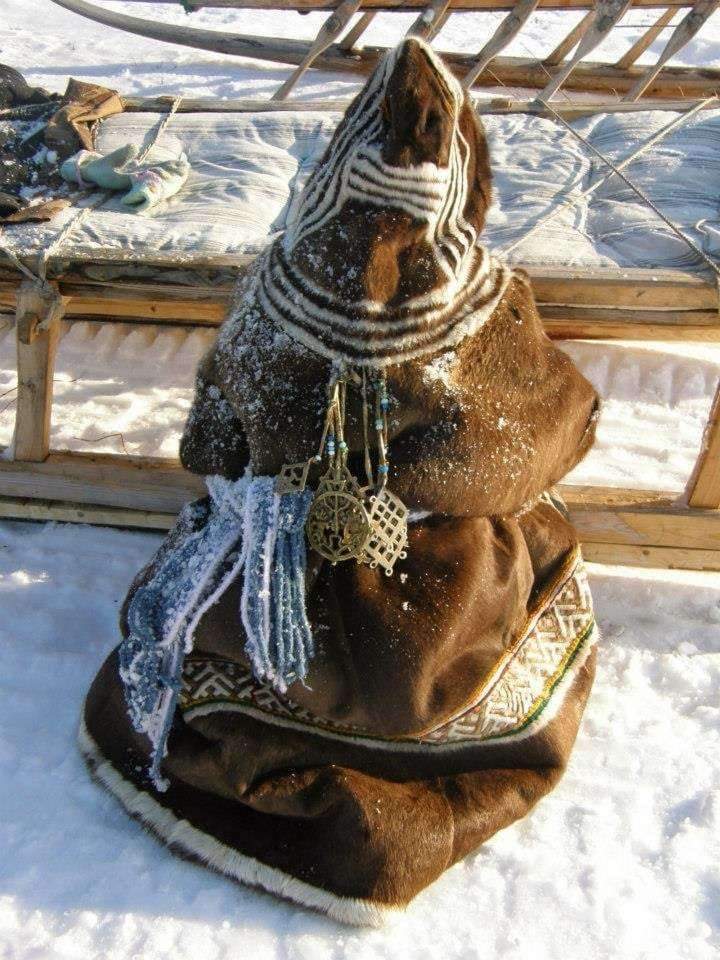
Uralic clothing vary from boys and girls/men and women, and is usually made just to fit the climate. Sewing patterns are often kept within the family and only used by the ethnic group and not outsiders. Summers can get pretty warm, and winters of course get extremely cold, so there are different garments for the seasons. More text and a poem below 😊
Usually, if not always, ethnic European and Eastern/Eurasian (Arctic) clothing has specific designs for women, men, girls and boys. Practical, warm and distinguishable; usually a bit, or vastly, different for each region. Often bright colours and intrinsic details. Made from the immediate surroundings; wool and animals. Sometimes silk. Giving the wearer a place and belonging; need only look at a persons clothes to know where they, or where their parents are from. Sewing patterns are often kept within the family only. Nowadays however, many native outfits are only used a few times a year for special occasions due to many people moving into the city and/or the boarding schools, and designs are evolving with the new creative youth, creating new ideas and identities, which is normal and expected. But traditional sewing skills are sadly not being taught that much from early age.
Clothing is important. No store bought garment sewn by a machine can measure with an outfit that contains your ancestry and history in every stitch. Many nowadays are also lucky to have more than one ancestry and thus more wardrobe options! Many have lost their native language(s) and feel like a “poser” if they use them or sew them, perhaps scared of getting strange looks or be called names, but I will forever argue that we should wear it like our own skin, because it is a birthright of sorts.
Every two weeks a language dies with its last speaker, 50 to 90 percent of them are predicted to disappear by the next century (source for the statistic: National Geographic). For example; 35 out of 38 Uralic languages are endangered or critically endangered due to assimilation and globalisation. Many Uralics live Arctic lives and livelihood in Europe and Eurasia. Herding, fishing and hunting. Linguistics say there used to be at least (!) 31 000 languages in the human history, now we are down to around 6000, and it is declining every fortnight. This makes sewing and using our traditional dresses even more important.
Keep sewing and keep teaching children traditional skills. They will thank you down the line, I am sure of that.
Thank for reading. I will end this post with a poem by Ingrid Mollenkopf from her book ‘Between Sleeps: Uralic Poetry’:
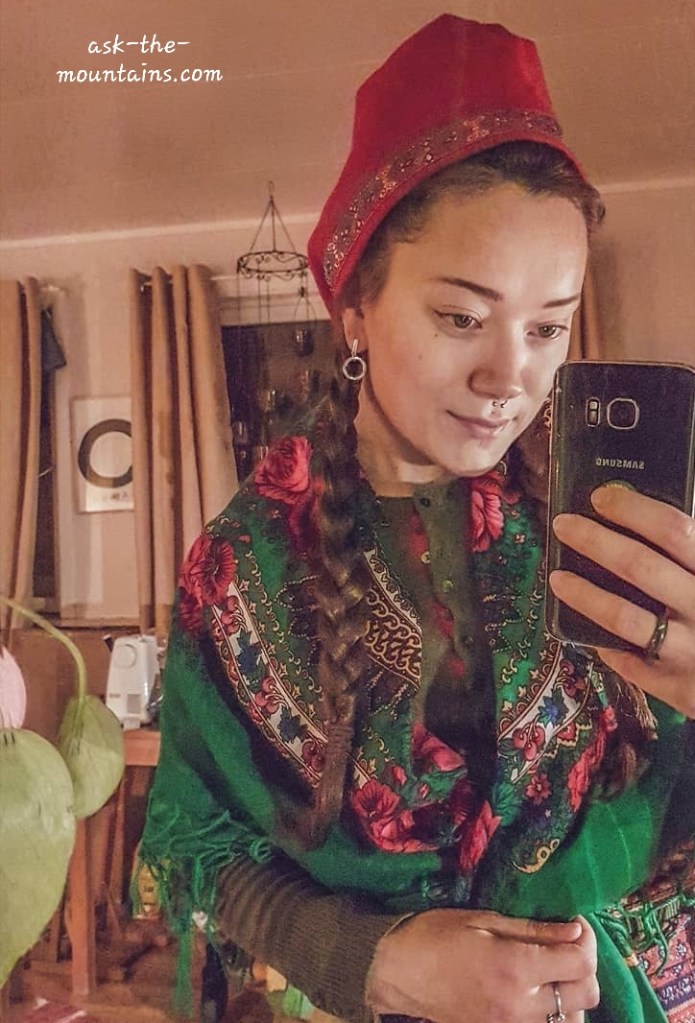
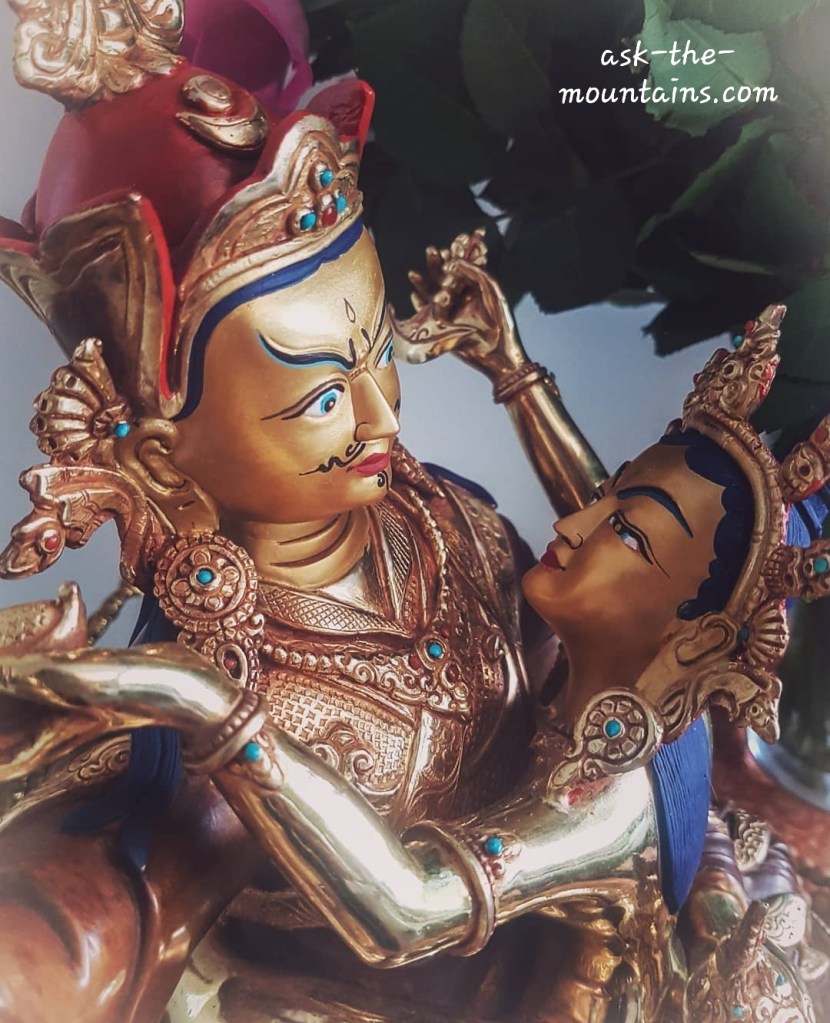
My favourite shawl. Head dress I made by hand.A tantric Padmasambhava and Yeshe Tsogyal statue I helped repaint for a friend. The union of wisdom and compassion. Wish I had a similar one! Hopefully one day I will afford one 🙏🏻
You know how you need to pretend to sleep in order to fall asleep? And at some point it just happens. Maybe it’s the same with other areas of life. Fake it till you make it, kind of, not in a bad way – just a dedicated one. I have noticed at least that the same applies to yoga and meditation sometimes. If I feel stressed, anxious and restless, I force myself to do the practice anyway. And at some level it still does its magic, of that I am 100% sure. In between the sleepless thoughts and rough emotions – they become like clouds in the pastel coloured sky.
Wishing all a lovely calm Polar night, and remember that it’s in darkness you shine the brightest 🌌✨🎆
En enkel d.i.y som jeg ladge for masse år siden; sydde et lite hårtørkle/pannebånd ut av et sjal med fint fargerikt blomstermønster. På midten av båndet er det et lite tøystykke som klemmer det sammen og gir sånn fin fasong. Enkel dobbelknute i nakken ✌ Nå som jeg begynner å få hår igjen (holdt det på 7 mm en god stund), så er det gøy å leke med litt farger, frisyrer og diverse hårpynt. Også må jeg innrømme at min naturlige hårfarge ikke er så verst, er nok ferdig med å farge det.
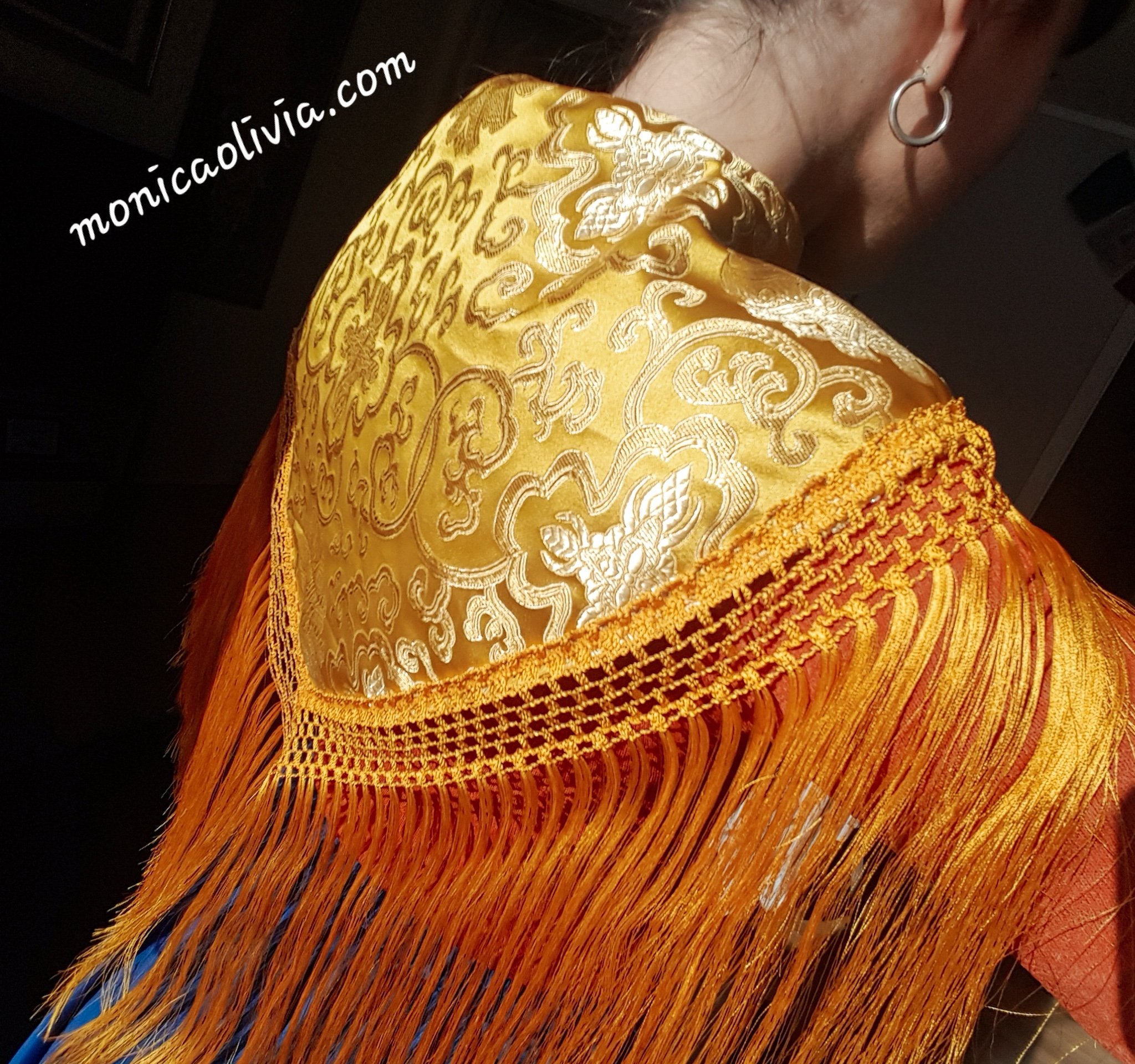
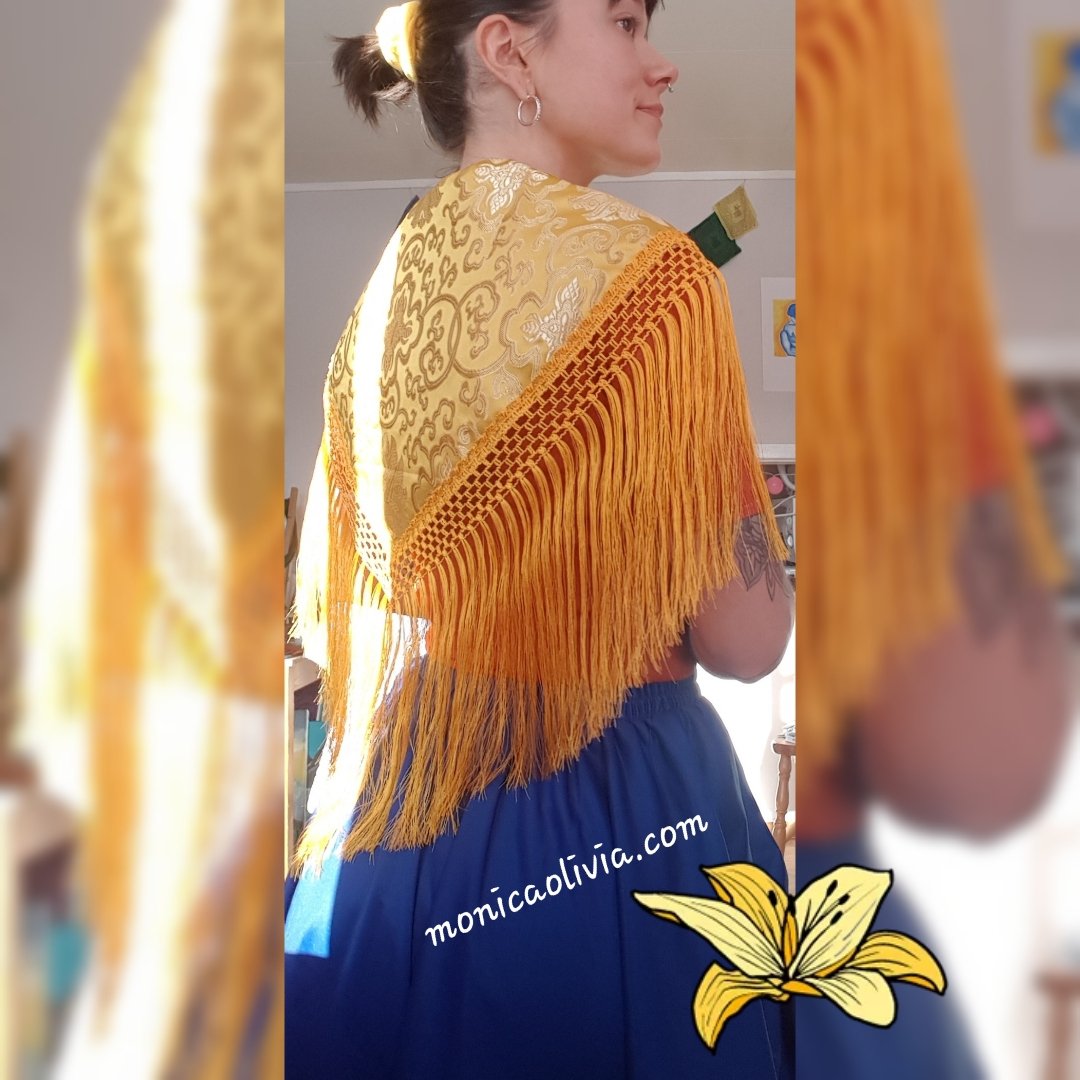
Handmade traditional form fitted sámi silk shawl for my Sea Sámi kofte made with Asian brocade fabric traditionally used in buddhism. Lotus and vajra pattern in yellow and gold 😊 Turned out so nice, very happy with the result, it’s glowing in the sunlight 🙌 My kofte (gákti) is green, which will look amazing with the yellow 💛
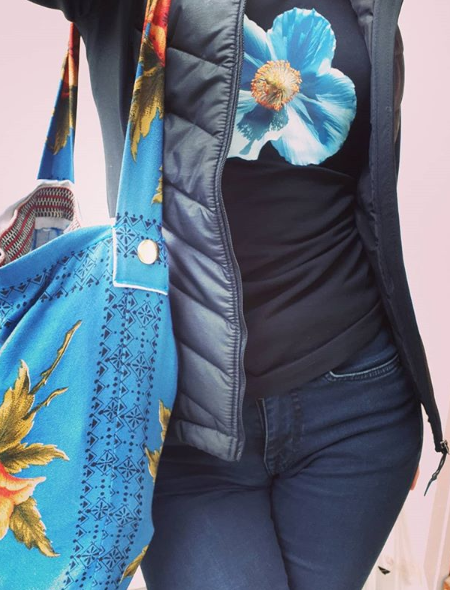
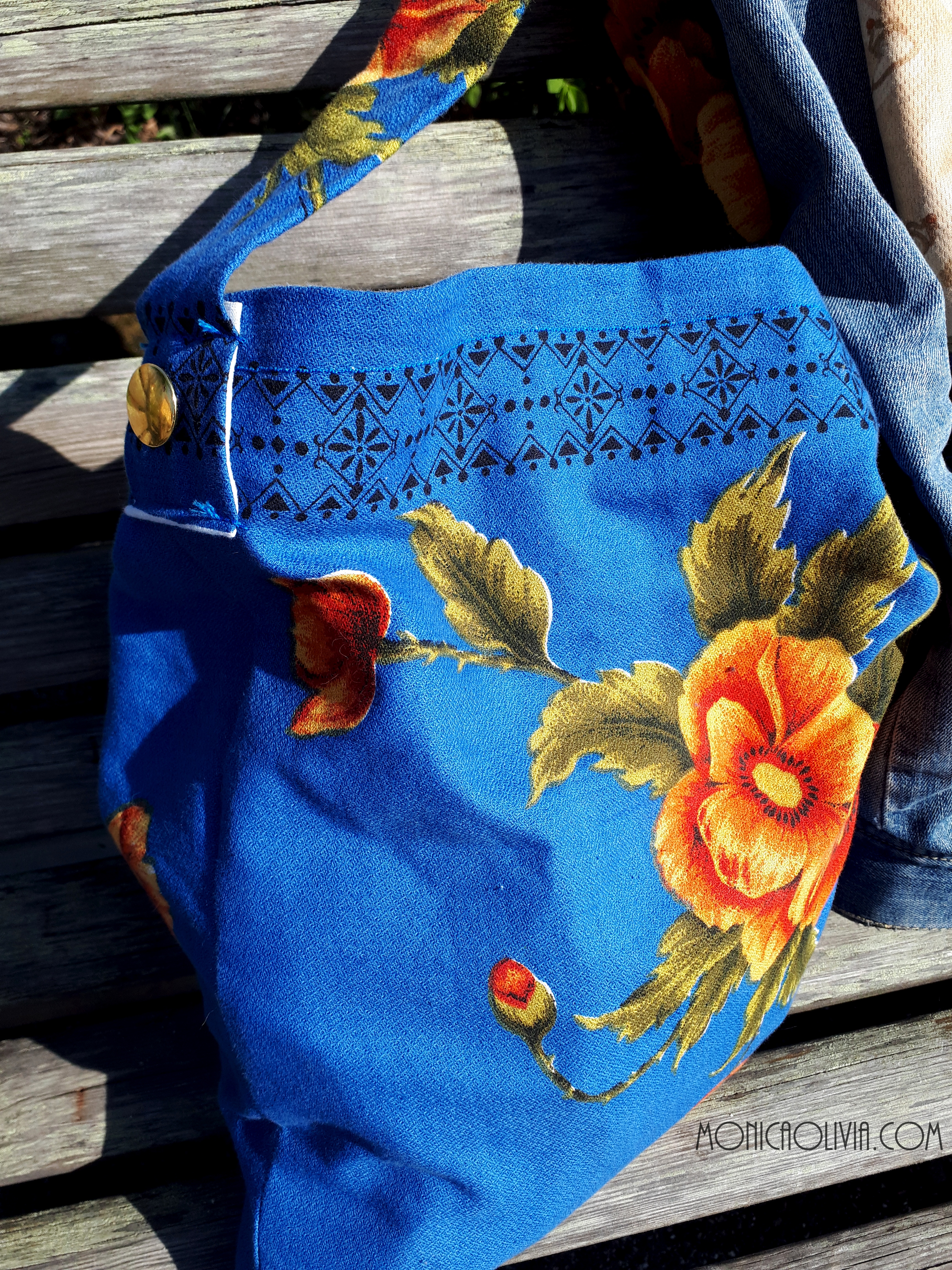
Oransje og blå er muligens min favoritt komplimentærfargekombinasjon, og jeg har lenge lurt på hva jeg skal sy ut av denne bordduken jeg aldri har brukt. Så da ble det til en enkel og fin – og veldig sommerlig tøyveske med gullknapper som dekorasjon på hver side. Kjempefornøyd med resultatet, har brukt den så og si hver dag siden jeg lagde den. Har stoff nok til å lage én til, så om noen er interessert, let me know! 😀
































 Ask The Mountains