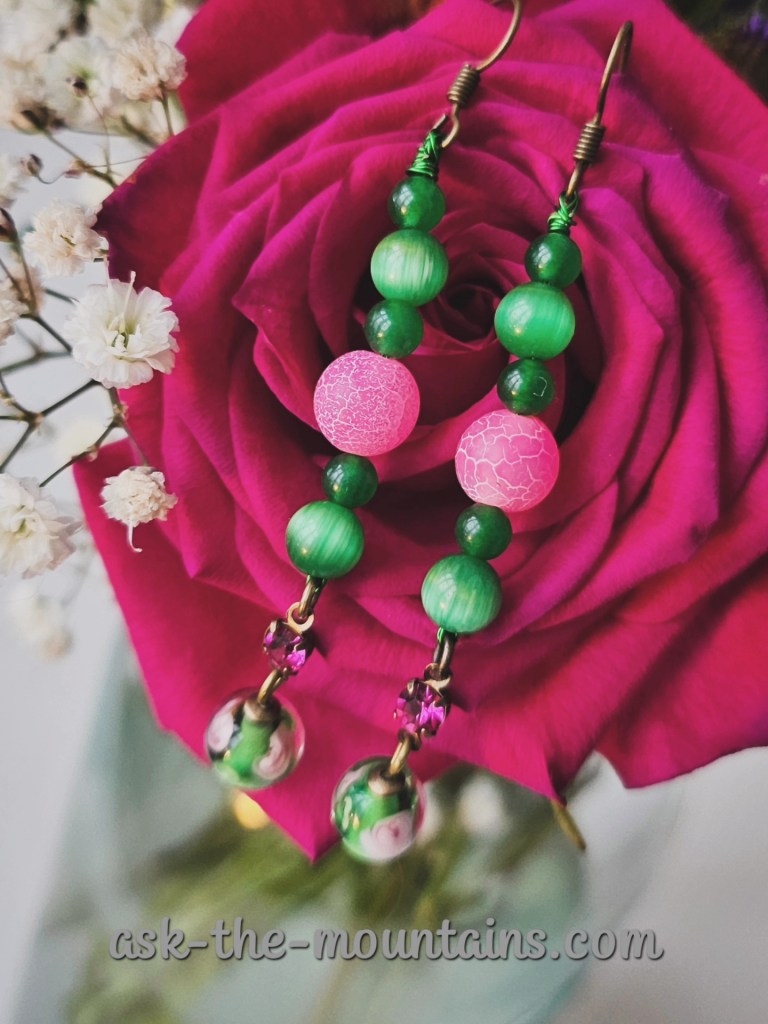
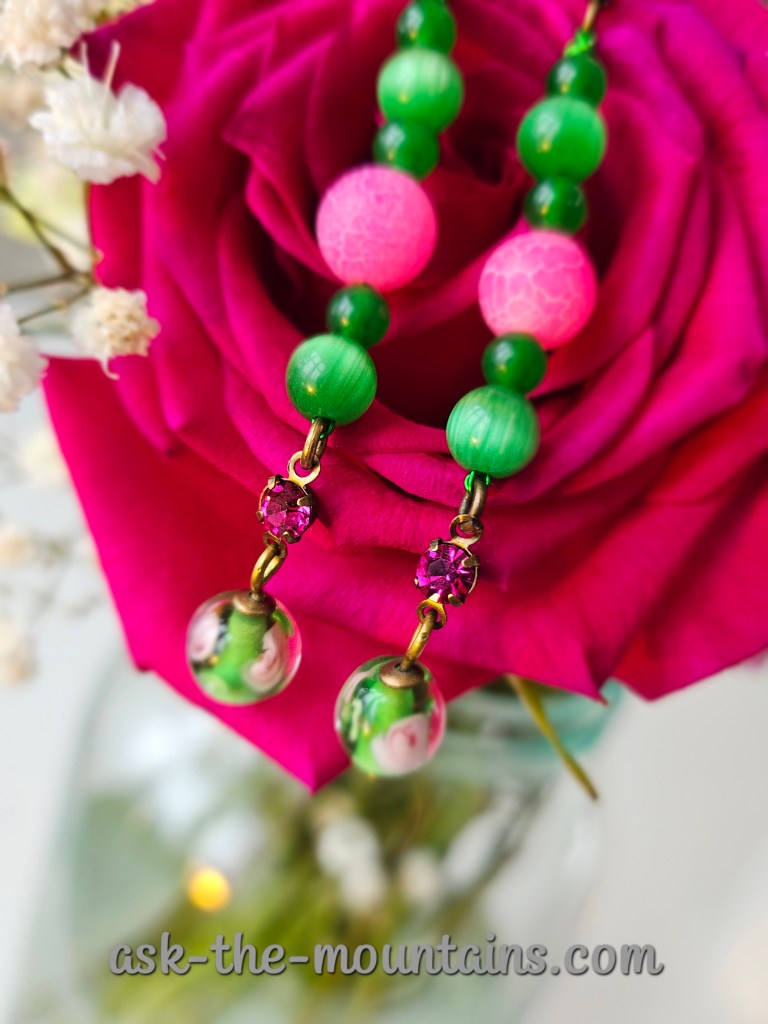
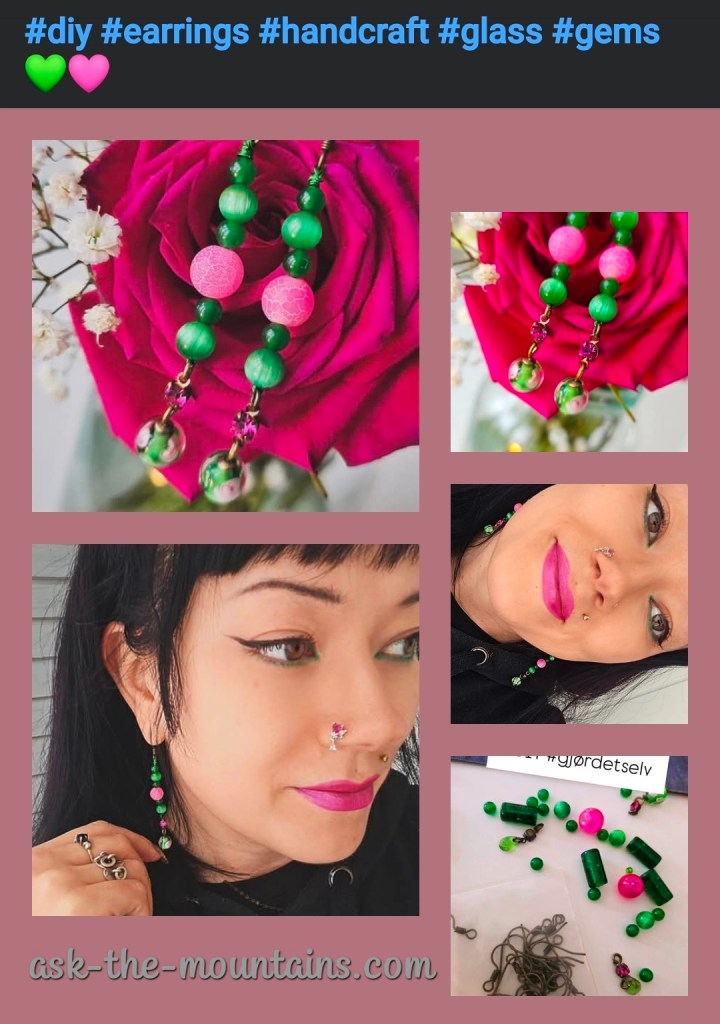
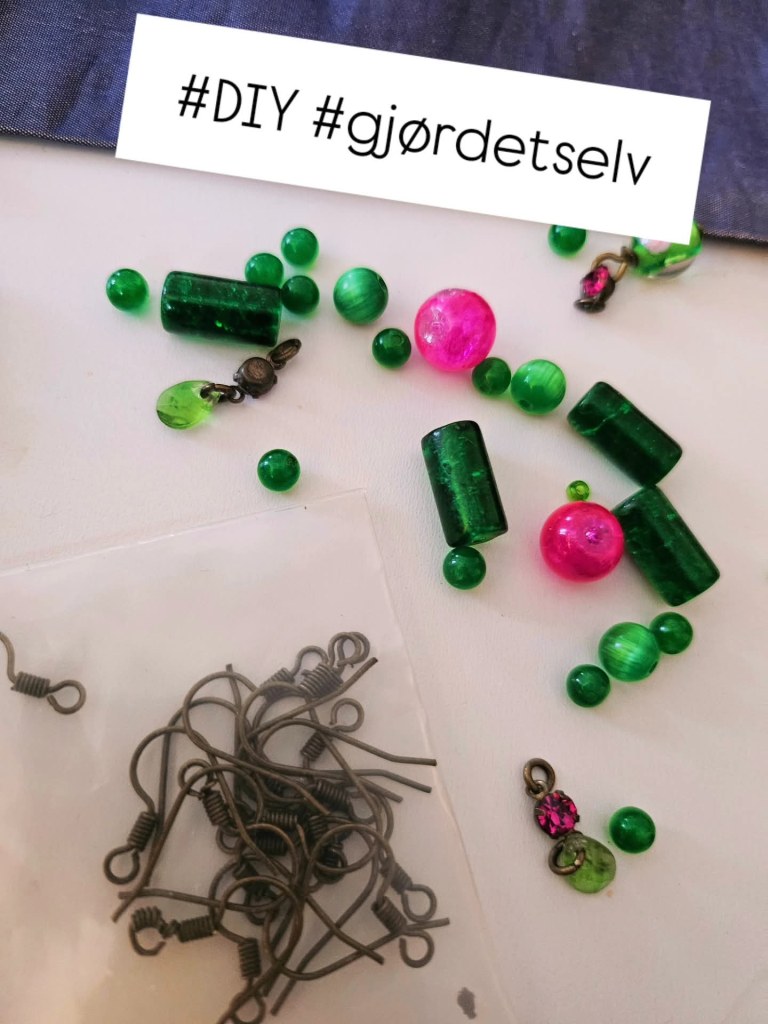
Made a pair of earrings for myself today, just because I miss doing stuff like this, and I love this colour combination 💚🩷

Uralic & Nordic artist living in the European Arctic with my little family. Art, dharma, culture and much more.
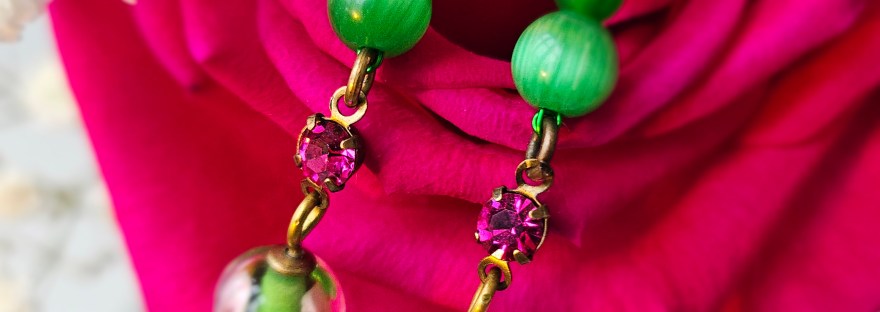
Made a pair of earrings for myself today, just because I miss doing stuff like this, and I love this colour combination 💚🩷
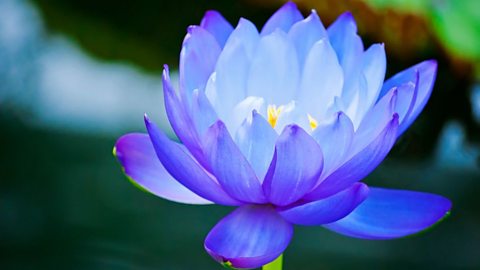
This january marked the 10 year anniversary of starting my tantric path, although I started my journey in hatha yoga in 2011.
What is tantra to me?
It is easy to go into a textbook definition of it, and I will add one further down, but first I want to share what it means to me personally.
Tantra is transformation. It is working with energy in energy systems (of our mind and body).
Tantrics are usually laypeople – men and women with children, jobs, etc. We do not renounce the material and relative world but rather the opposite – using everyday life and challenges as fuel for the path, transforming impure energies into their pure state through specific yogic practices*.
Being a tantric means training and trusting one’s own path and experiences, rather than just doing what is being told – to have disernment and critical thinking, yet stay open and humble.
Tantra can turn ignorance into wisdom, selfishness into compassion. Illuminating the dark corners of our minds, interrupting the cyclical habits, and learning how to read and work with energies; masculine and feminine, peaceful and wrathful alike. To find the center between extremes; letting hope and fear, aversion and attachment collaps into each other. With practice I believe it is possible to return ones mind and body from the samsaric state into its natural pristine state – which is the difference between ourselves and fully realised practitioners/masters of yoga/tantra. It only makes sense to me, for example, that if you can heal 10% of your traumas, you can heal 100%.
There is no tantric lineage without a head teacher (‘guru’ in sanskrit language, although I hesitate to use the word guru because it has been so misused and thus misleading). Tantra is based on passing empowerments from the teacher to the student. All empowerments I have received has been from Finnish tantric teacher Amrita Baba, and I am part of his sangha (community of practitioners), called AmritaMandala. I feel fortunate to have found what I deem to be an authentic Teacher of Dharma, who is able to transmit high teachings to his students, so that we actually feel the shifts and benefits. In this pragmatic lineage we work closely with non-physical tantric masters (mahasiddhas), mainly Padmasambhava, Yeshe Tsogyal, Ishanath (aka Jesus Christ), Babaji, Mataji, Krishna, Radha, Lao Tzu, Bodhidharma, among many others. See full list here.
Personally, I feel a very close relationship with Ishanatha, he has for instance healed some of my serious physical ailments spontaneously on more than one occasion since 2021 in meditation, and he is – in my eyes – a true tantric yogi beyond of any religious establishment – pure Christ consciousness. (I am raised atheist and am not baptised, so this connection came later in life).
Impermanence is also a central topic in tantra. It is well believed that a practitioner (tantric yogi/ni) should be able to know what happens at the time of death (our two subtle bodies leaving the physical body), and there are practices for this specifically. Meditation and contemplation on illness, death and the impermanent nature of the relative world is essential.
I vaguely remember a few past lives, and that my soul chose this incarnation; I chose being a girl/woman, my parents, my place of birth, and the immense health challenges to fuel my practice. The deeper the suffering, the wider the perspectives, the greater the lessons and the brighter the light at the end of the tunnel.
I am also a Mother, and both of our boys’ souls came to ‘visit’ me before they decided to be born through me. I feel very honored that they chose us as parents, and I cannot wait to see what their plans are for their lives.
Another important cornerstone of tantra is bodhicitta; the genuine wish to attain enlightenment for the sake of all sentient beings. This wish can carry you through some of the darkest moments – it really has for me.
Do you have a spiritual practice? 😊
*Main practices of Amrita Mandala is:
Rainbow Body Yoga (free download)
Amrita Kriya Yoga (free download)
Trauma specials guided practice(youtube playlist)
Mending the Broken Human guided practice (youtube playlist)
Talk on Dzogchen, trekcho, thogal and atiyoga (the highest yoga)
Click here to read about Amrita Mandala’s 13 bhumi model
Free e-book on awakening (opening of the first bhumi center inside the head)
The Two-Part Formula for Awakening
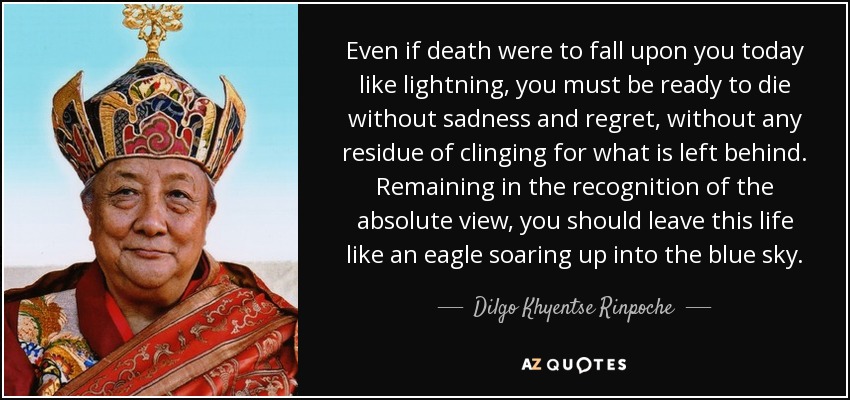
Vajrayana is the tantric interpretation of mahayana. The goal is the same in mahayana but the methods are different.
The biggest practical different, as they’re doctrinally the same, are empowerments and transmissions given by a tantric preceptor who traditionally are called gurus (tib. lit. lama). In tantric empowerments the guru transmits the experience of buddhanature that all beings inherently possess that can be afterwards returned and cultivated by the student. This cultivation is done through the repetition of mantras, visualizations and mudras or physical gestures that are direct expressions of the enlightened speech, mind and body. Mantras are specific verbal formulas of various deities or enlightened archetypes of buddhas and bodhisattvas that embody different aspects of our inherent enlightened nature. Manjushri is an archetype of wisdom and discrimination, Avalokiteshvara that of compassion and Vajrasattva that of selfless clarity. The tantric system is an esoteric method of healing and awakening which under certain circumstances leads to buddhahood ie supreme enlightenment (skt. anuttara samyak sambodhi) in a single lifetime.
It is good to mention that the mentioned enlightenment is not something of the distant past and cultures. Vajrayana which is a yogic training system for normal laypeople, enables full enlightenment for anyone who dedicates to pursue the path to enlightenment for the purpose of helping others, is willing to keep bringing accepting awareness to one’s most painful and unpleasant thoughts, emotions and memories and who is willing to continue to the end of the process regardless.
In terms of doctrines vajrayana, like mahayana, is based on the so called Second and Third Turnings of the wheel of Dharma by Buddha Shakyamuni. Interpretations of these doctrines, especially the buddhanature (skt. tathagatagarbha) teaching of the Third Turning vary slightly. However, all vajrayana, also called tantrayana or mantrayana, is based on the doctrine of emptiness or better, selflessness of all things of the mind (skt. shunyata) and bodhicitta which means revealing the natural loving, compassionate and kind nature of ours towards all beings.
Amrita Baba
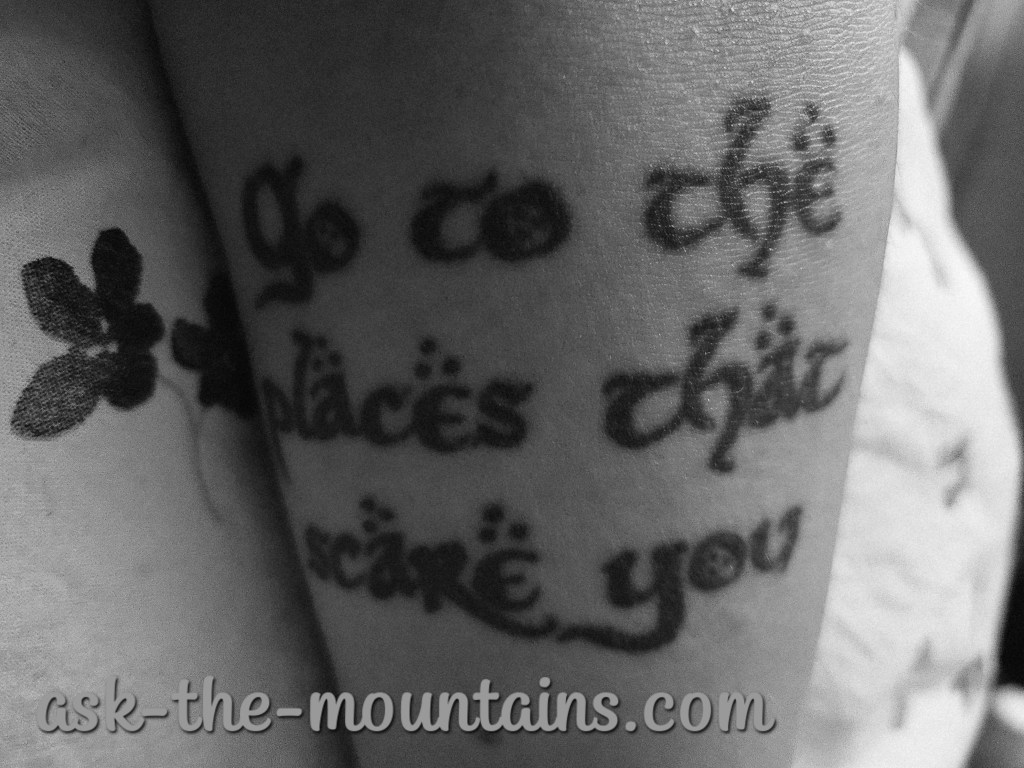


“Maintain the state of undistractedness, and distractions will fly away. Dwell alone, and you shall find the Friend. Take the lowest place, and you shall reach the highest. Hasten slowly, and you shall soon arrive. Renounce all worldly goals, and you shall reach the highest Goal. If you follow this unfrequented path, you will find the shortest way.” -Milarepa
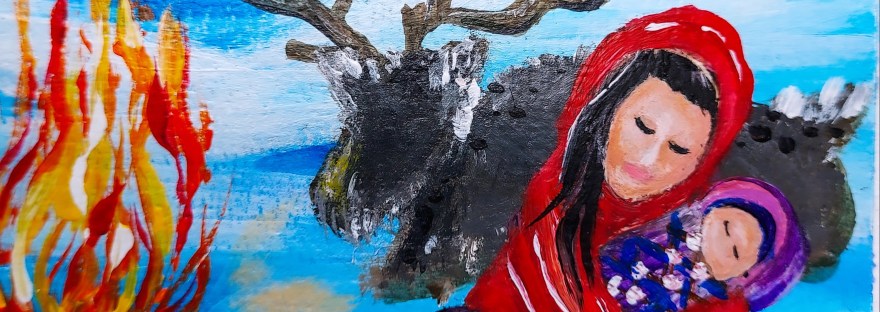
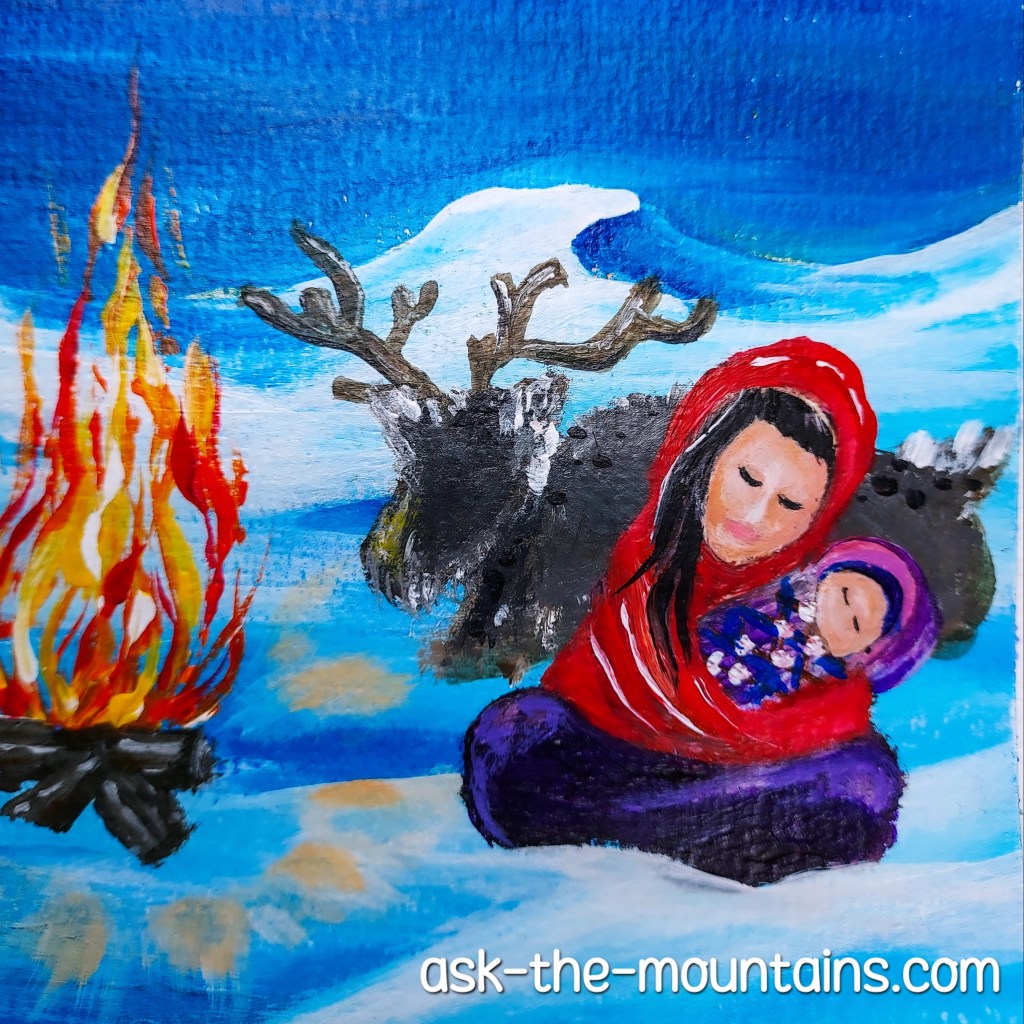
Humans are herd animals, we’re mammals. We are literally made to raise children in the company and with the support of other women.
This is something we have lost as a modern society.
I would go as far as to say that we have a pandemic of lonely Mothers. Home alone most of the time with their babies, doing their best, often without much mental, emotional or physical support or stimuli from other mums. It’s not natural. And it’s not healthy for the baby; having their start in life defined by this kind of isolation.
It’s not long ago in our human history that women and mums were much closer, and could rely on each other more. I often wish I could turn back time, and experience that closeness, that kind of Motherhood.
In rare small (indigenous) communities around the world, this is still the case, and used to be like that here too (in Troms and Finnmark).
Loneliness sucks a lot of the joy out of Motherhood. It sits like a gray veil over us and makes us even more isolated. Not to mention the shame and guilt many mums feel for even feeling lonely, bacause we have our babies, so we should feel more than content.
But the truth is that women need women. Mums need mums. Only other mums can truly understand the ordeal of birthing and raising children.
So, if you feel lonely in Motherhood, like me, please do not blame yourself, the fault is not with you. It is that we as a modern society have separated ourself too much and we don’t see the importance and value of a supported mum. It’s kind of obvious though; a healthy happy mum = healthy happy start of life for baby, and thus for the all humans and society at large. It all starts with mum.


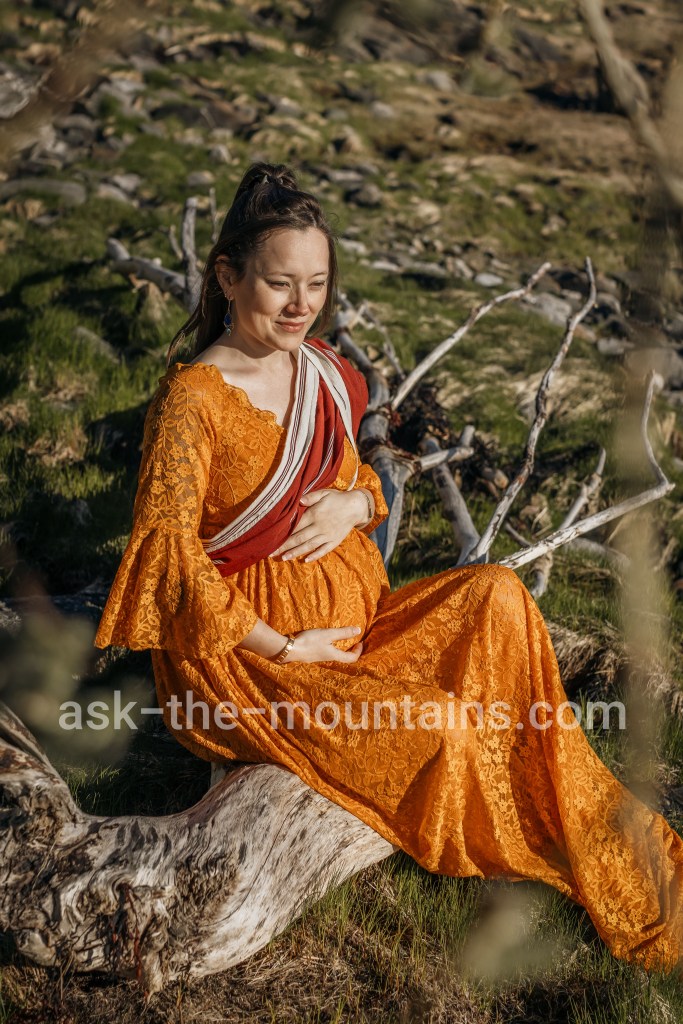
“Pregnancy is a process that invites you to surrender to the unseen force behind all life.” 💚🧡🤍🩵 Photos taken by Gunhild Berg Johansen, I was ca 6 months pregnant here.
I highly recommend this very helpful and insightful podcast episode on breaking the fear-tension-pain cycle that most women go into when in labour, myself included. I am very close to giving birth to our second child, and feeling all the emotions that comes naturally leading up to that. This podcast episode really helped me, along with a hypnobirthing course I’ve been doing lately.
– Monica Amrita Mani







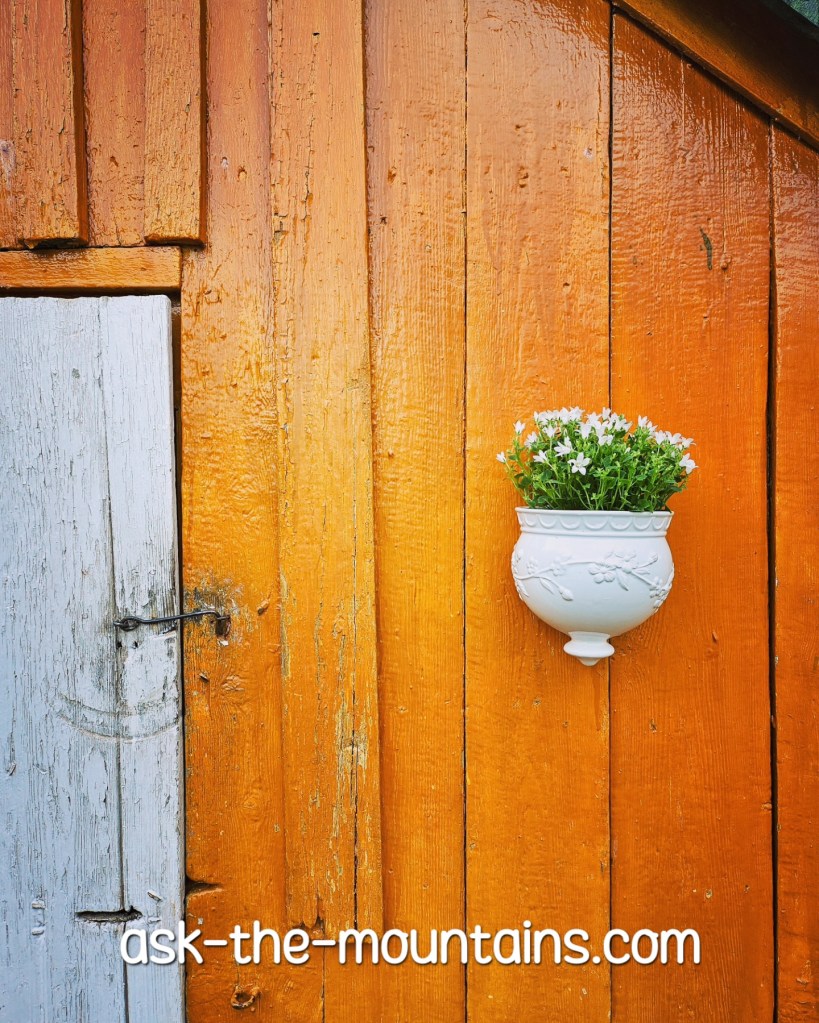
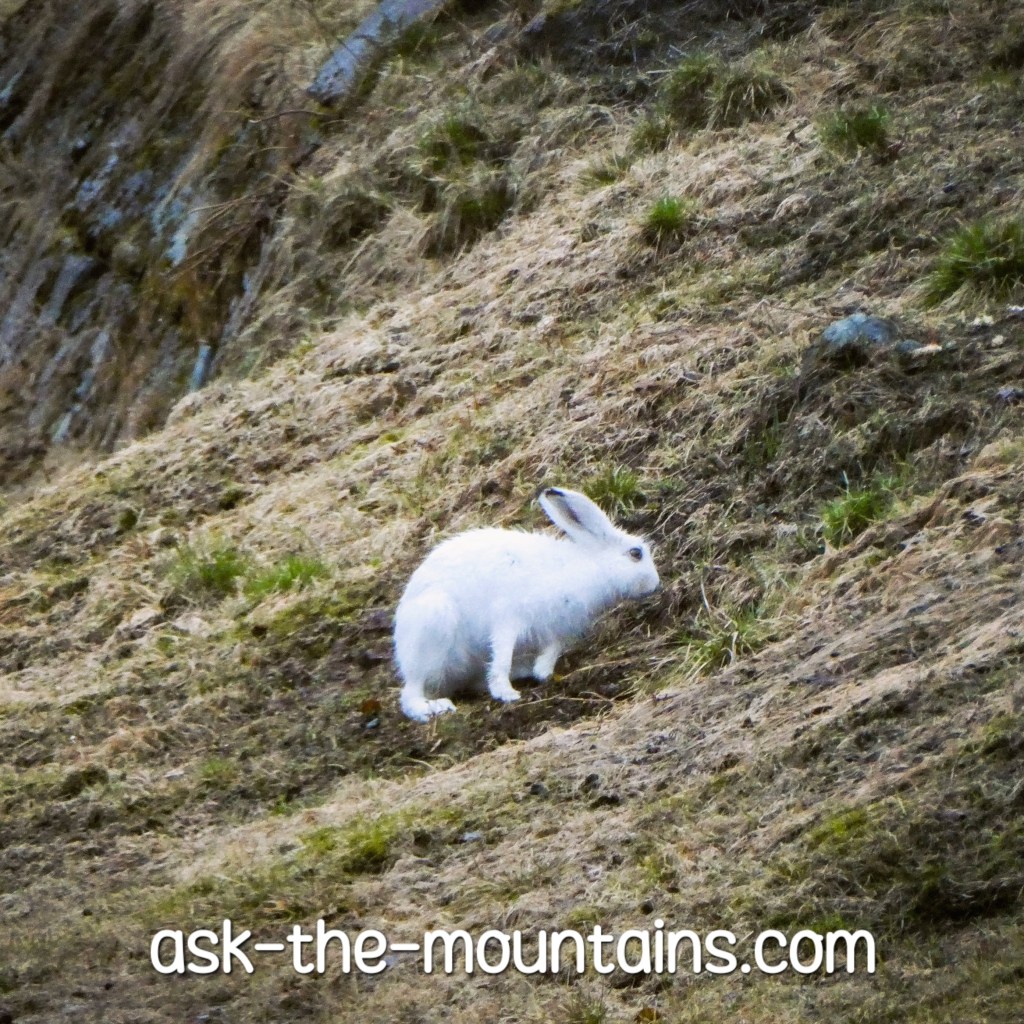
Xx Monica Amrita Mani

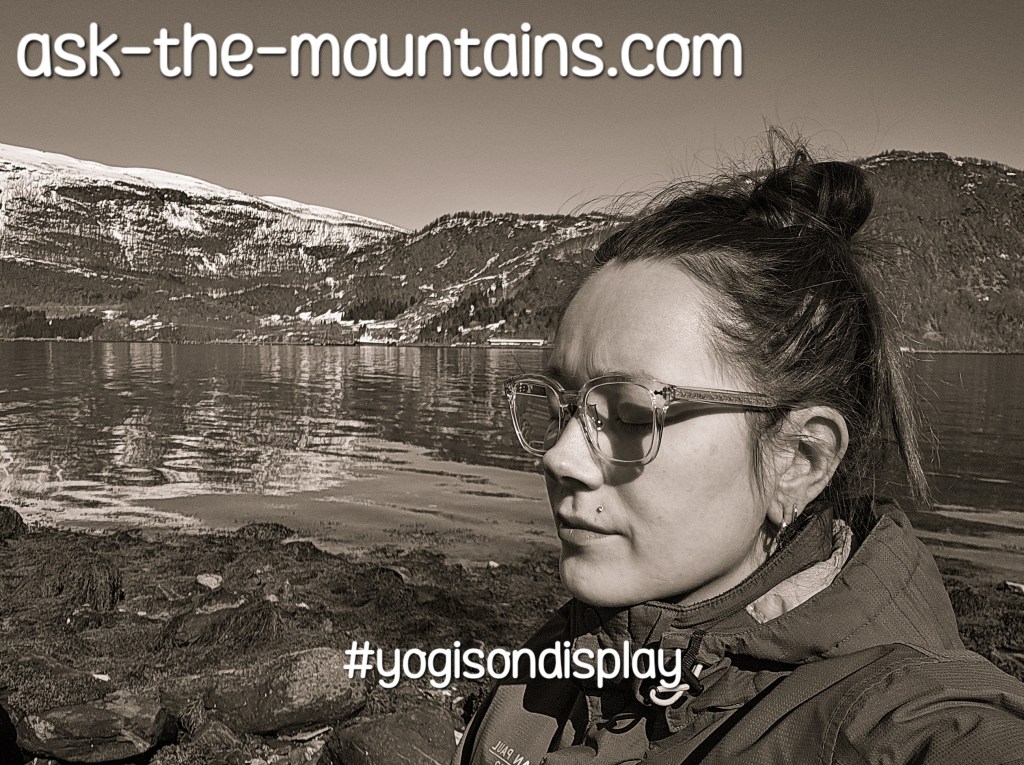
What is #YogisOnDisplay?
“Unlike in cultures long established in the dharma, spiritual practice is not visible in the everyday life of Western society. While many Westerners practice some form of spiritual practice, the actual practice is often kept private. This is a great pity. Not only does it speak volumes about the level of spiritual maturity of the West, but it also means that many people never encounter dharma in the first place. If spirituality is not publically displayed, the fact that there is an alternative to existential confusion and suffering does not reach the masses.
In an attempt to counter this, Amrita Baba has initiated the Yogis on Display project. The idea behind Yogis on Display is to encourage spiritual practitioners of the West to become living examples for others. Instead of hiding away in our modern city caves, we need to bring meditation, mantra singing, yoga practice, and so on, directly to where it matters; straight to the middle of the hamster wheel. Displaying the solution to existential confusion and suffering is a hands-on, time-tested way of practicing care and compassion for all beings.
To spread the message of Yogis on Display the hashtag #yogisondisplay has been created. Practitioners who chose to take part are encouraged to take a picture of themselves and share it on social media using this hashtag. This way more people can learn about the initiative and become inspired to light the torch of dharma in our public spheres.” (AmritaMandala.com)
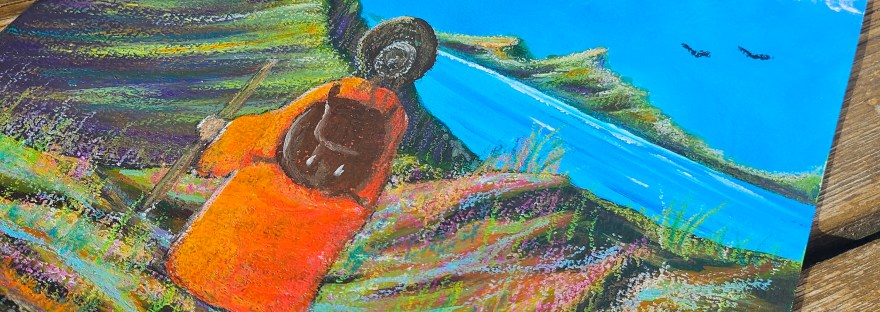


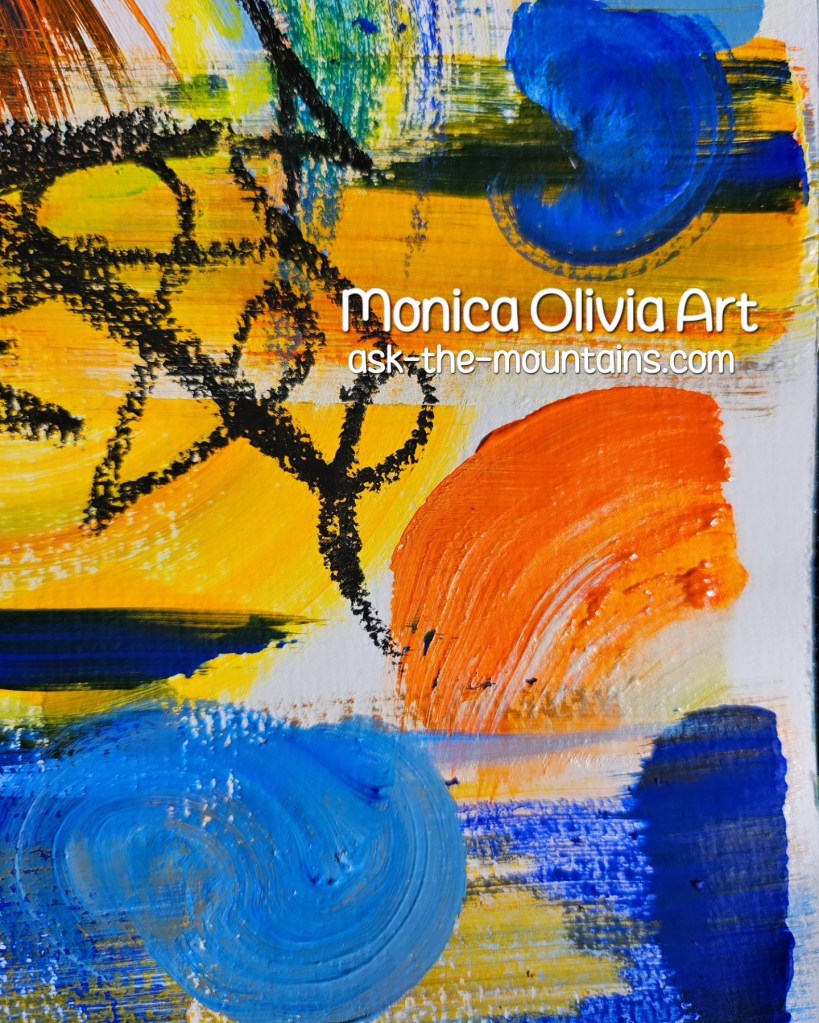
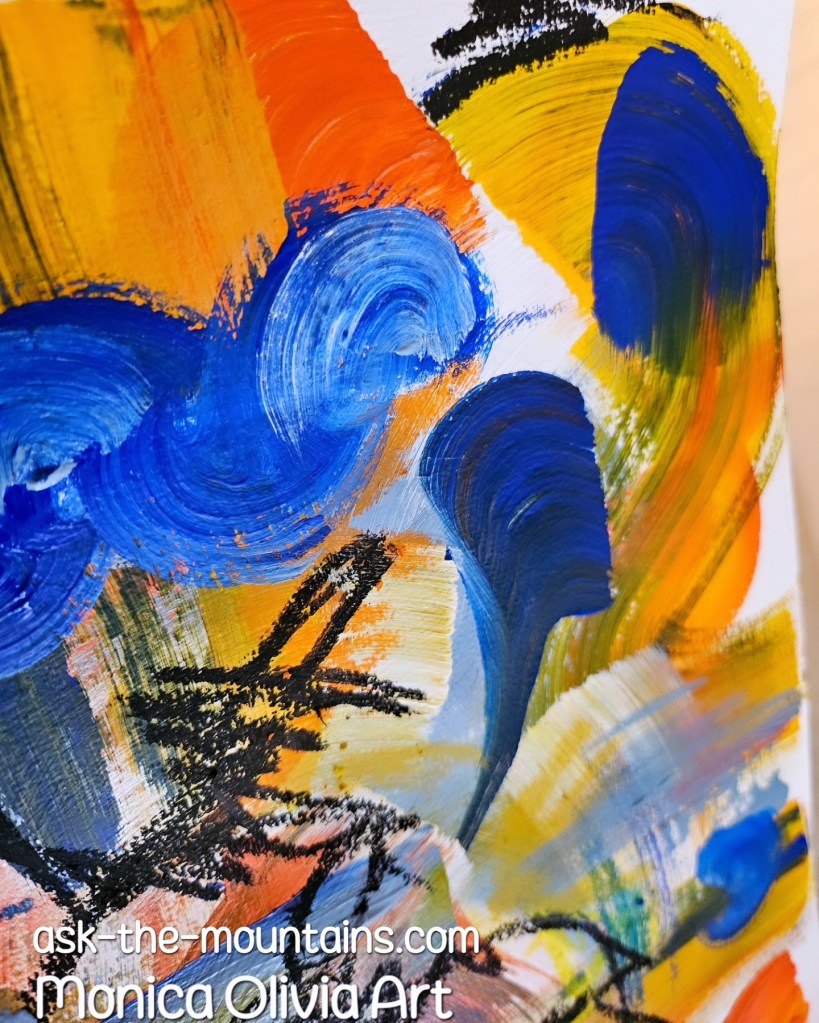
Our true inner nature is the same as in the natural world; open, alive, grounded, expressive…🧡💛💚💙 “Basic nature”, acrylic and oil pastel crayons, 31,7 x 23,6 cm



“Your healing journey will, of course, include a consideration and use of all the best tools modern medicine can offer you, as well as the best tools holistic healing can offer you. From a deeper perspective, illness is caused by unfulfilled longing. The deeper the illness, the deeper the longing. It is a message that somehow, somewhere, you have forgotten who you are and what your purpose is. You have forgotten and disconnected from the purpose of your creative energy from your core. Your illness is the symptom: The disease represents your unfulfilled longing. So above all else, use your illness to set yourself free to do what you have always wanted to do, to be who you have always wanted to be, to manifest and express who you already are from your deepest, broadest, and highest reality. If indeed you have discovered yourself to be ill, prepare yourself for change, expect your deepest longing to surface and to be brought to fruition. Prepare yourself to finally stop running and turn and face the tiger within you, whatever that means to you in a very personal way. I suggest the best place to start to find the meaning of your illness is to ask yourself: “What is it that I have longed for and not yet succeeded in creating in my life?”’ (From Barbara Brennan’s book Emerging Light)
“Darkness, no matter how ominous and intimidating, is not a thing or force: it is merely the absence of light. So light need not combat and overpower darkness in order to displace it – where light is, darkness is not. A thimbleful of light will therefore banish a roomful of darkness. The same is true of good and evil: evil is not a thing or force, but merely the absence or concealment of good. One need not ‘defeat’ the evil in the world; one need only bring to light its inherent goodness.”
– Rebbe Menachem Mendel Schneerson

I wanted to make a post on the physical body. I have noticed in social media a trend called ‘body positivity’, and I wanted to share my own version of what that means to me:
Maybe I could add more later. What would you add? Thanks for reading, have a lovely day. -M

“From the perspective of a healer, illness is the result of imbalance. Imbalance is a result of forgetting who you are. Forgetting who you are creates thoughts and actions that lead to an unhealthy lifestyle and eventually to illness.” – Barbara Brennan, Hands of Light
Healing can occur spontaneously and over time. The spirit has an innate ability and longing for healing, health and happiness. We can all access this healing ability, we just sometimes need some help to tap into that. Never think that healing is not an option for you, or that it’s too late. We can always be reminded of who we are, where our strength lies and how strong our spirits are.
I’d like to recommend 2 books that helped me: Healing back pain: the mind-body connection by Dr. John Sarno, and Hands of Light by Barbara Brennan.
Much healing love to anyone and everyone who needs it. -M
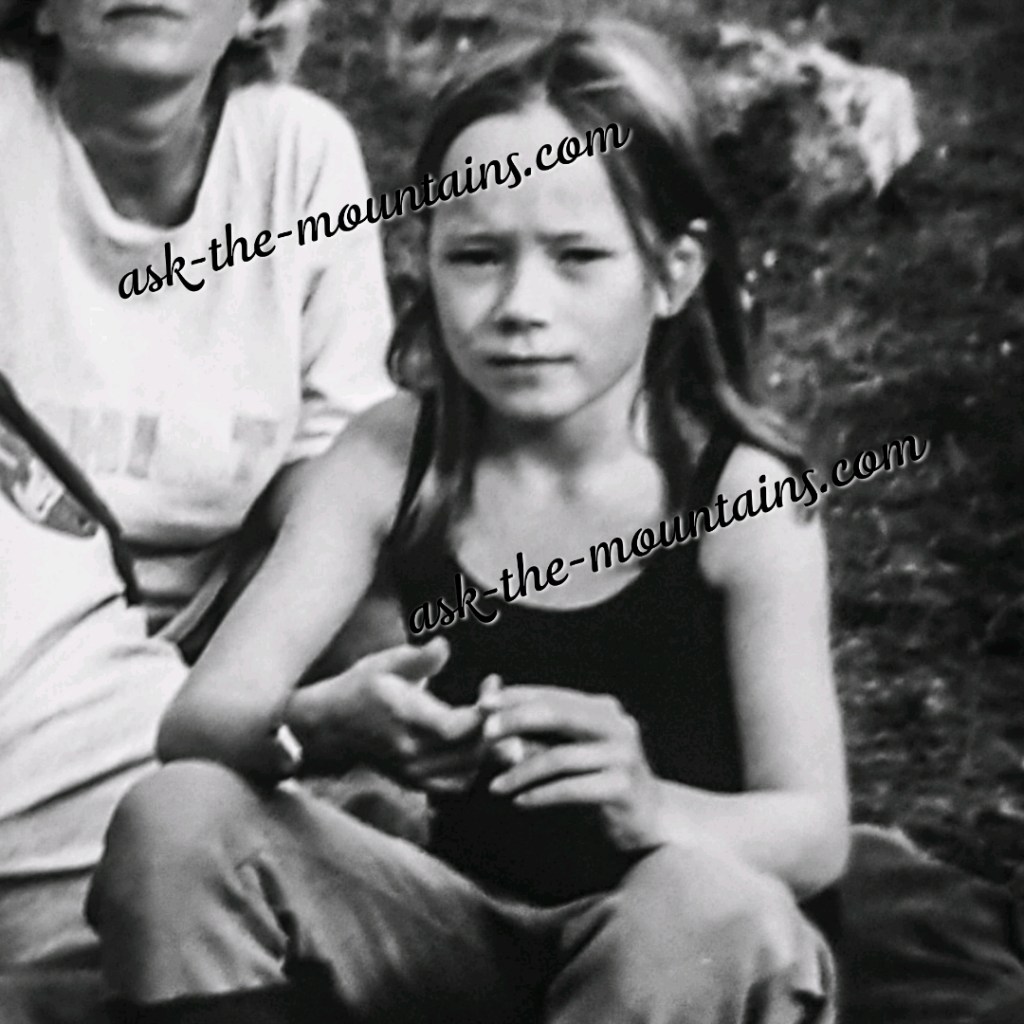
Pictured: me at age 10 ca., on a hiking trip with my family. 🖤
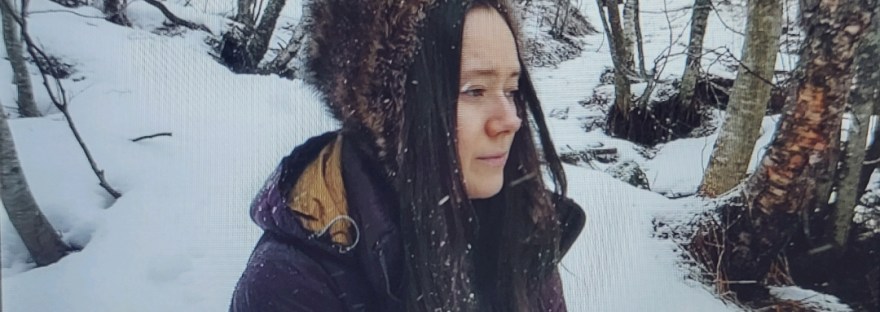

Emotions make us act and feel in strange ways
But the real you remains unchanged
Experiences and challenges shape us, like pots of clay on a spinning table
Still, the real you remains untouched
Illness, pain and grief chip away our vital energy
Even so, the real you remains ever so vibrant
Death arrives, entering without knocking
Yet, the real you remains.
A poem I wrote today, while contemplating impermanence. ❤️

“Regardless of the emotion being experienced — be it desire, anger, pride, jealousy, envy, greed, or whatever — what is really going on is a shift in attention. The mind is expressing itself in a different way. Nothing implicitly requires one to presume that this emotion has any reality in and of itself… It is just that the mind is expressing itself in a different way than it was a moment ago.” – Kalu Rinpoche


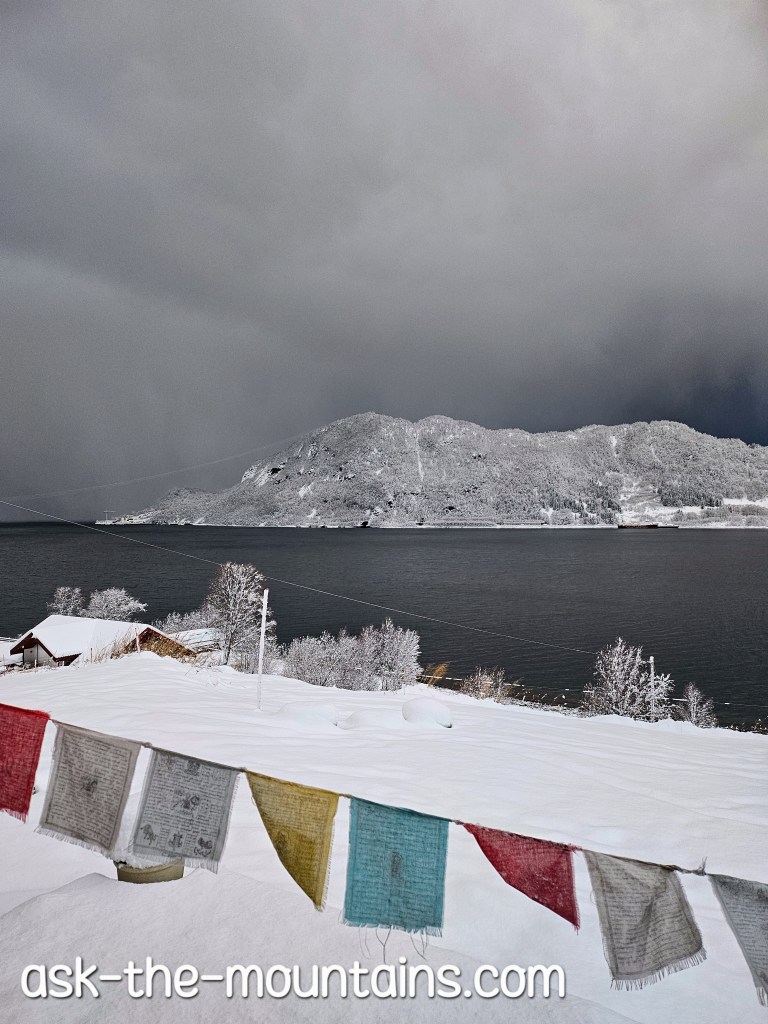
Photos from late autumn when it was still a bit warm. Woke up today to the first snowfall of the year!
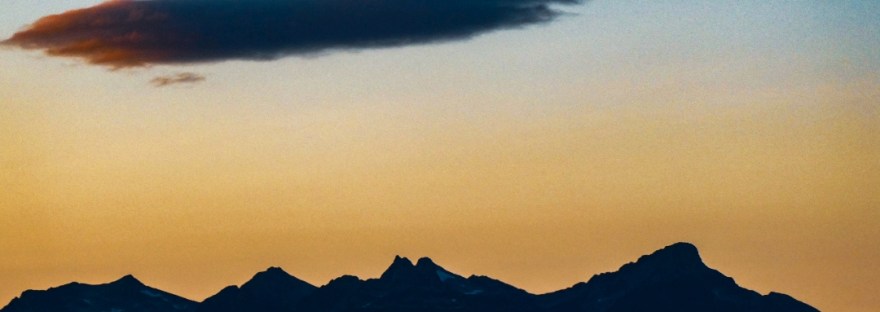
A heart opening guided meditation session led by Kim Rinpoche.

If we know our hearts and our own natural state, we will also simultaneously know how to love and care. Not only for others but for ourselves and our difficult emotions. Life is so full of difficult emotions, as we know. Compassion and forgiveness is always with you, like a silent friend.
Thank you for reading and still following my blog. It is most appreciated. My posts are very sporadic, as time flies by with the new baby. Long days but short weeks. Not enough hours to get it all done, and not enough hours to just enjoy him – this new little person that runs our lives now. Motherhood is equally hard as it is wonderful. I hope to get more painting and other artsy projects into my days again.

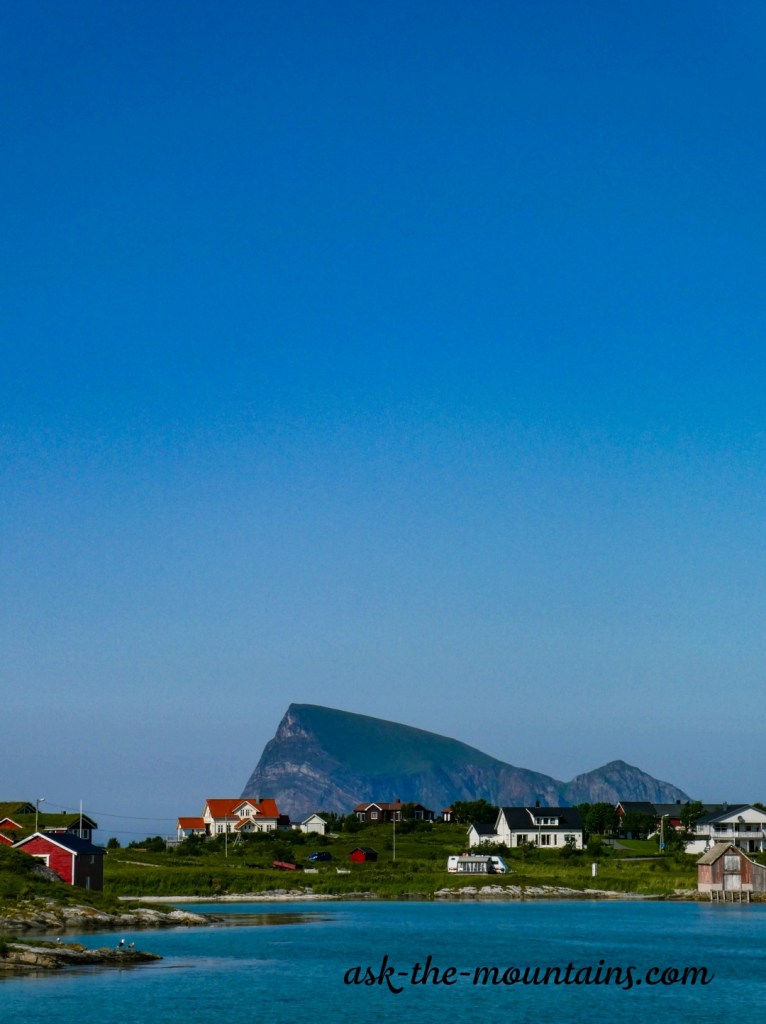


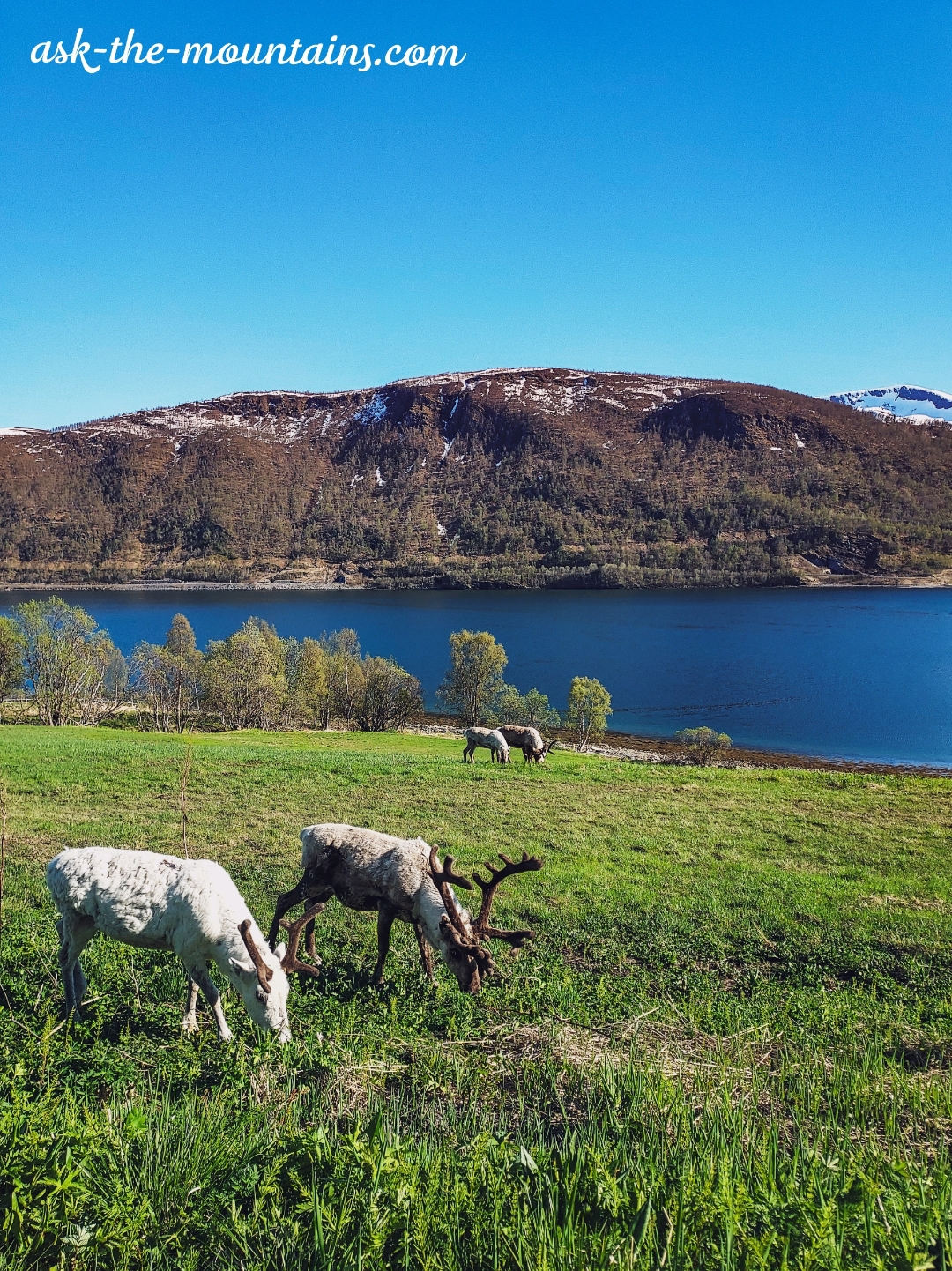


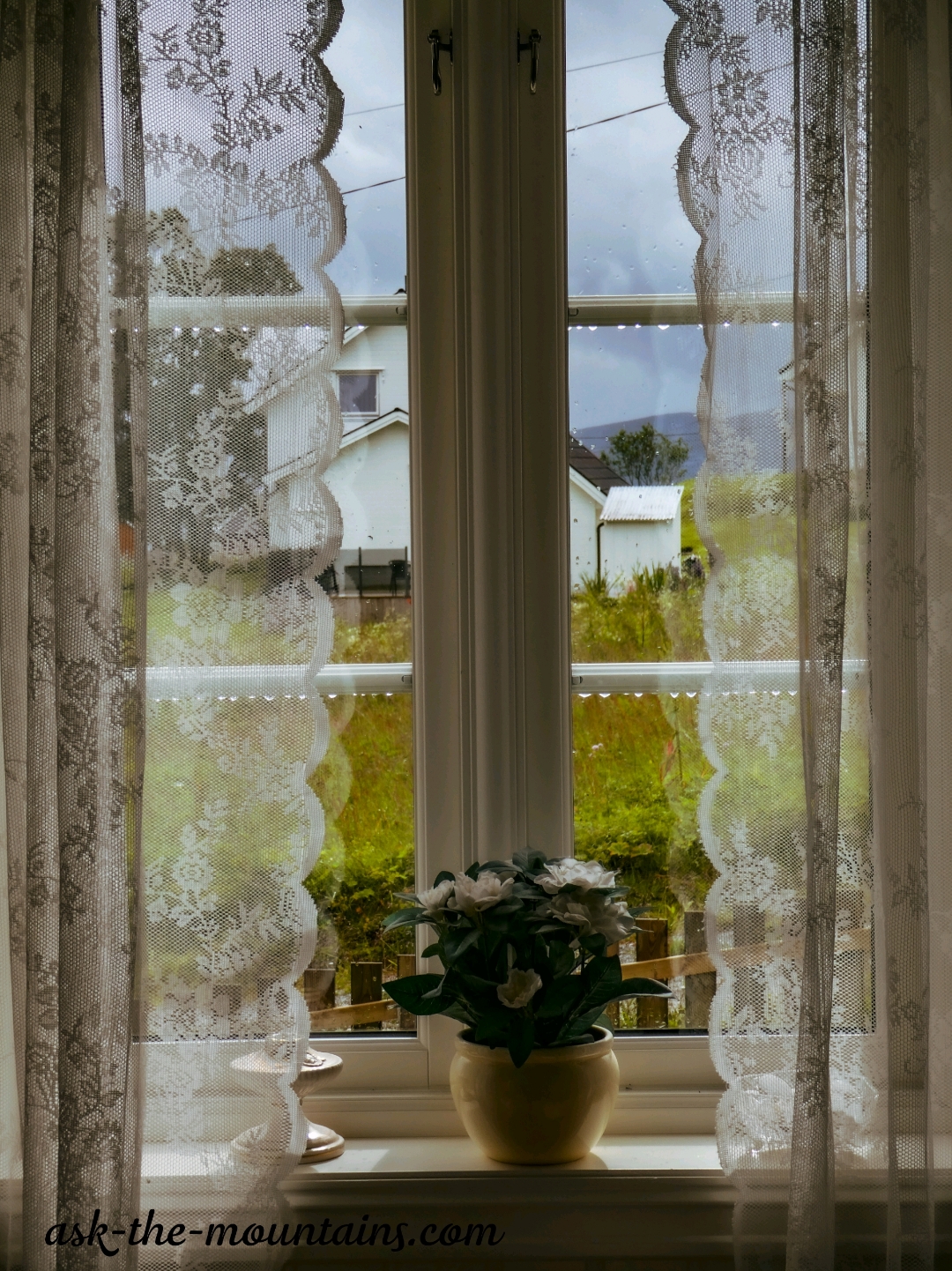


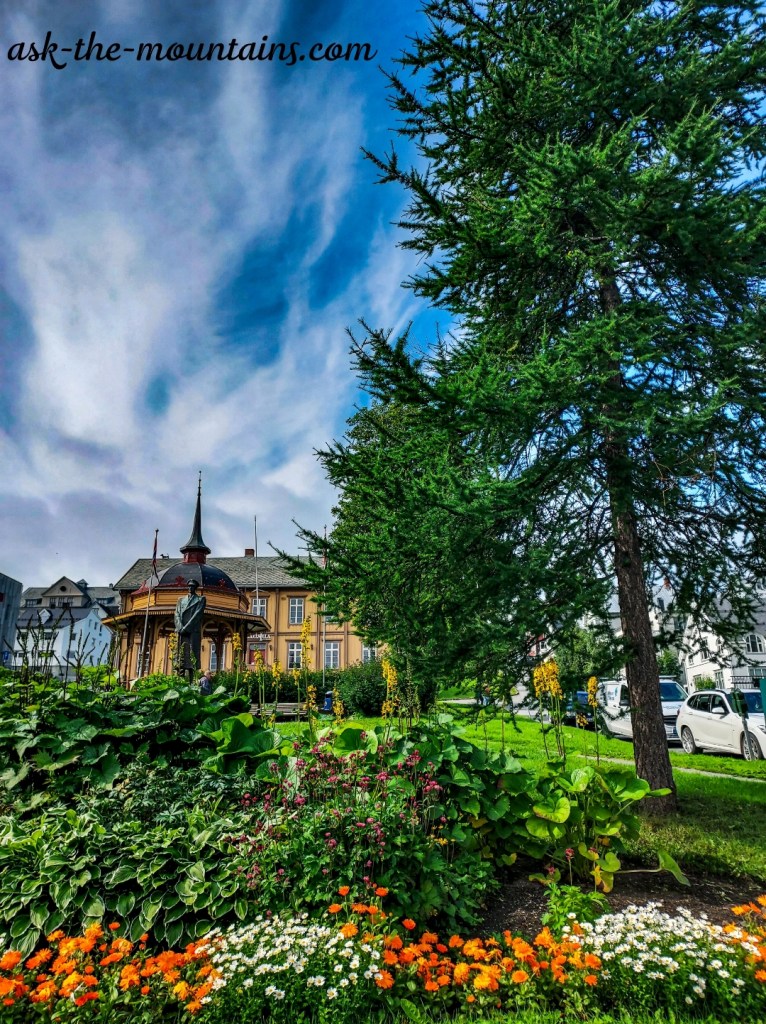
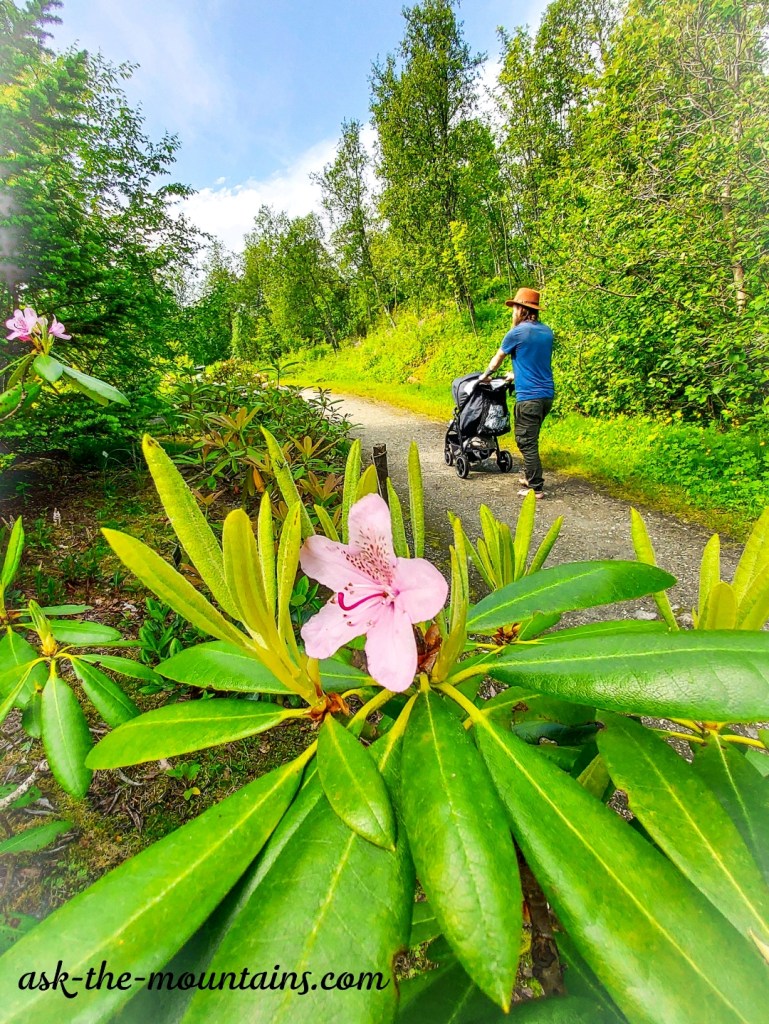
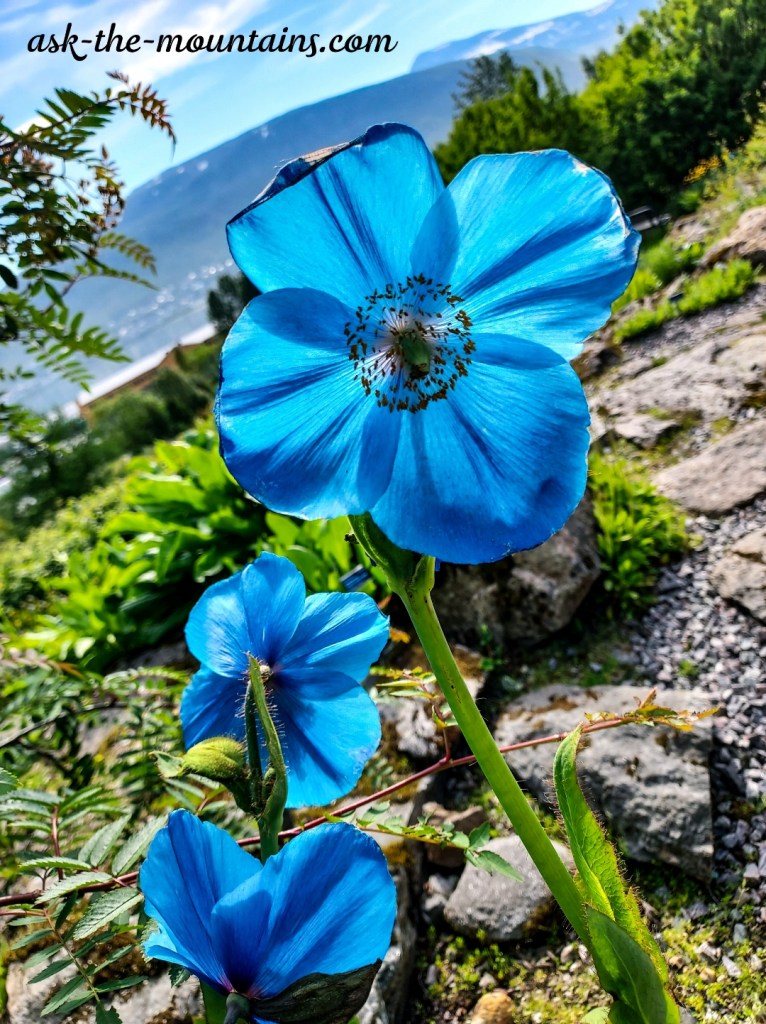


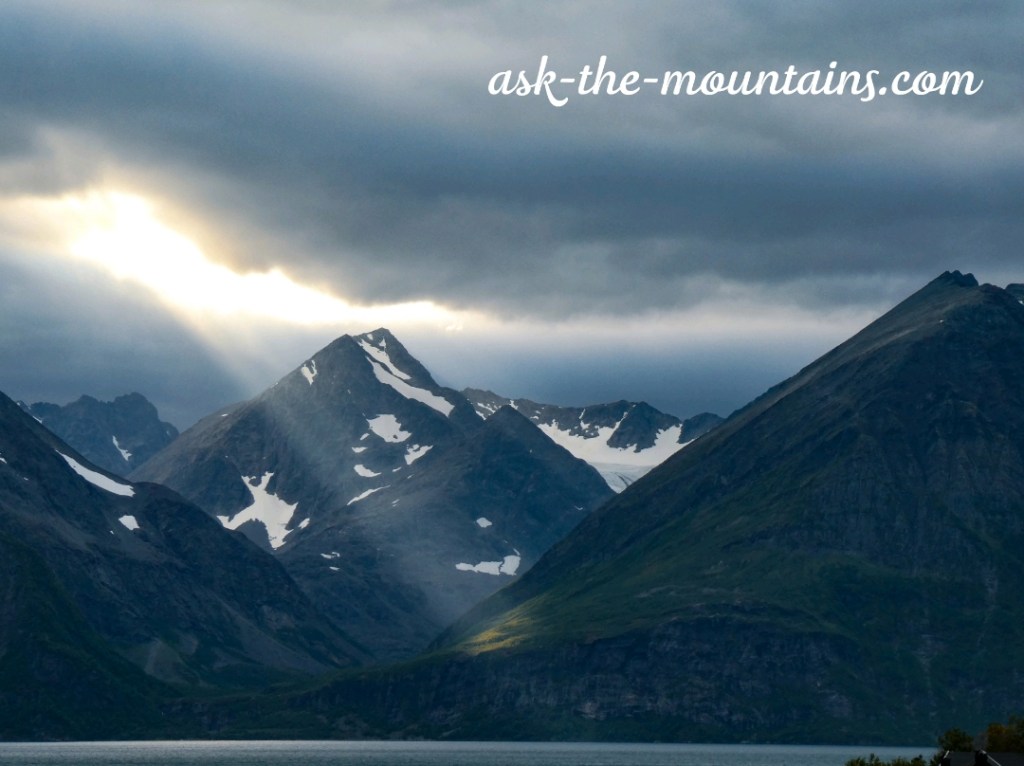


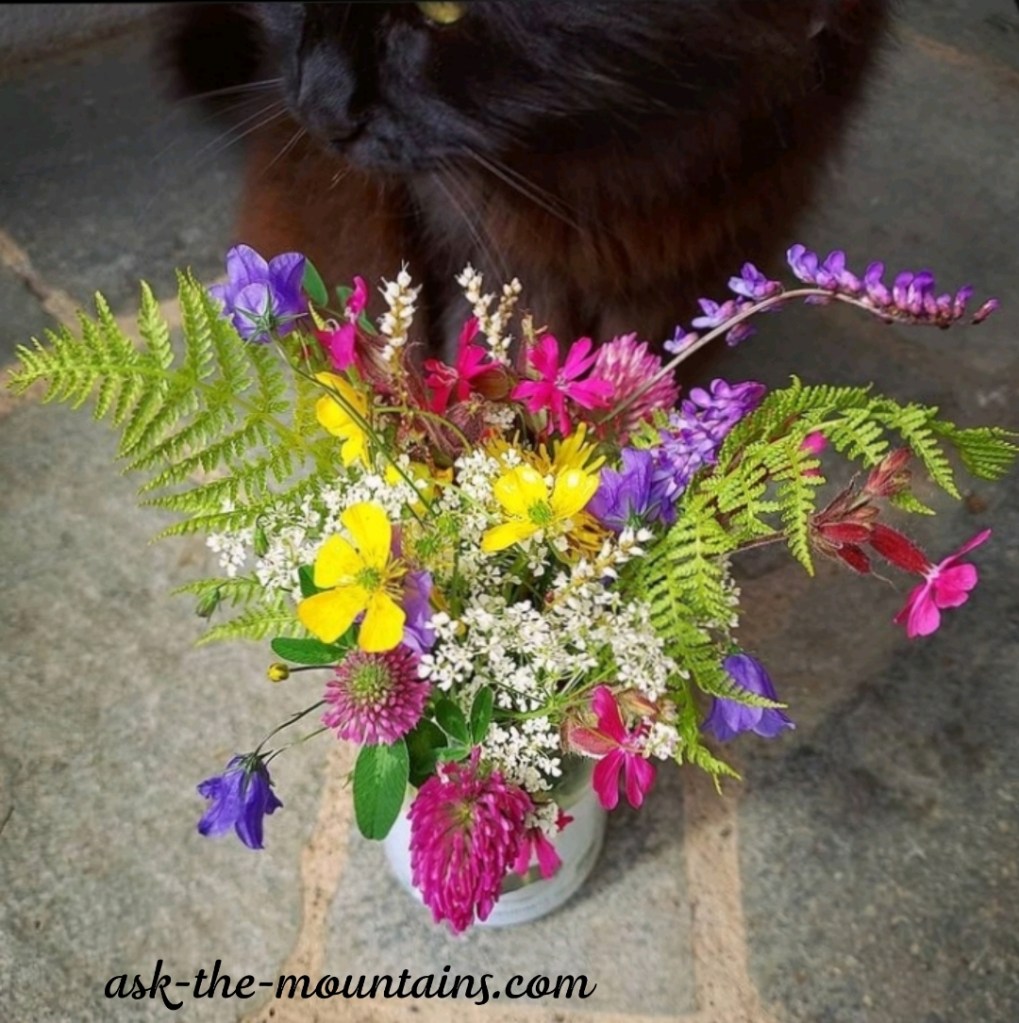
“I love the Arctic summer, it’s the best day of the year!” Short but sweet. How was your summer?


“Practice being here until ‘now’ disappears. Dwell nowhere. Be beneficial to others, and you will lack nothing. Flash open your heart. Be a child of wonder, playing with generosity. Floating in a sea of billions of universes, whatever that is, “That” is all we are. It is as much out there, as it is in here. How amazing. Trade in all your wrongs, injustices, hurts, and fears for mercy, hope, compassion, and kindness. An open heart is the best medicine, open it a little more with every breath. Be like a little kid, running with Wonder, “What is this?” – words by Tilopa, the mahasiddha.
Photo from way back when. I used to love horses but now I must admit being a bit scared of them 😄🙈
How is your spring going?🌻 Myself, I am very busy with the new mama life. Barely time to write this post 😄🙏🏻 It’s hard, wonderful and all worth it.
Will be back with more photographies and updates soon. xx Monica

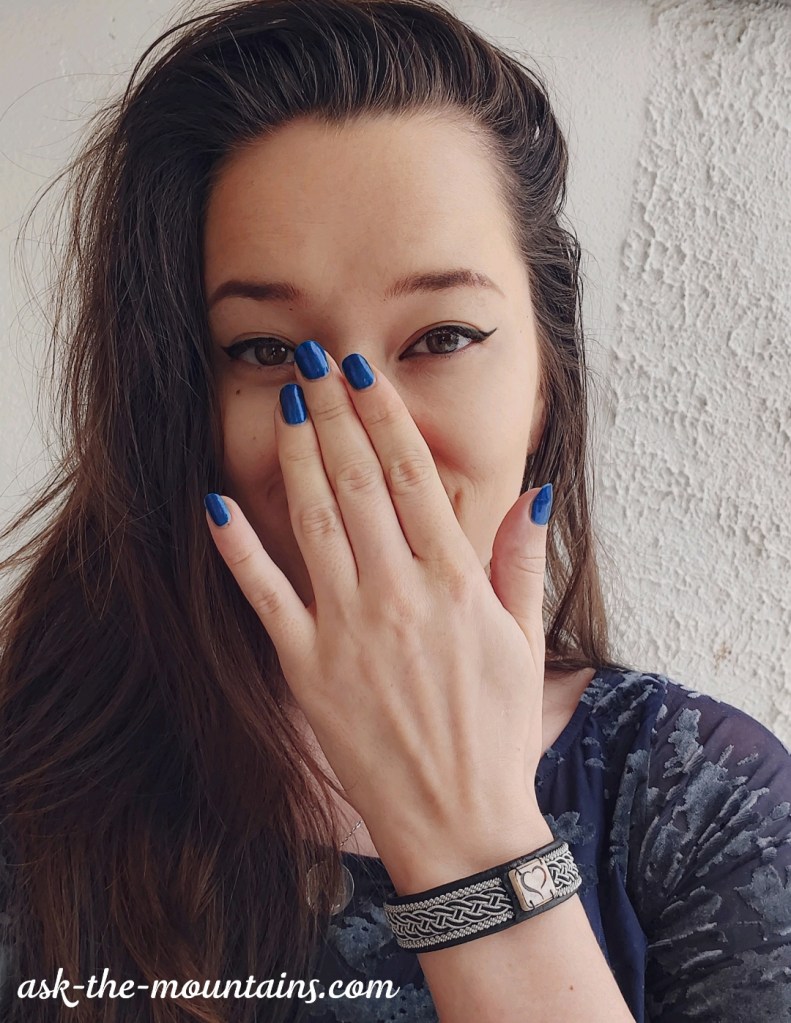


Was so lucky to receive this traditional Sámi bracelet from my partner’s mum as a gift “for giving her the greatest gift” (our son, her grandson) 🖤
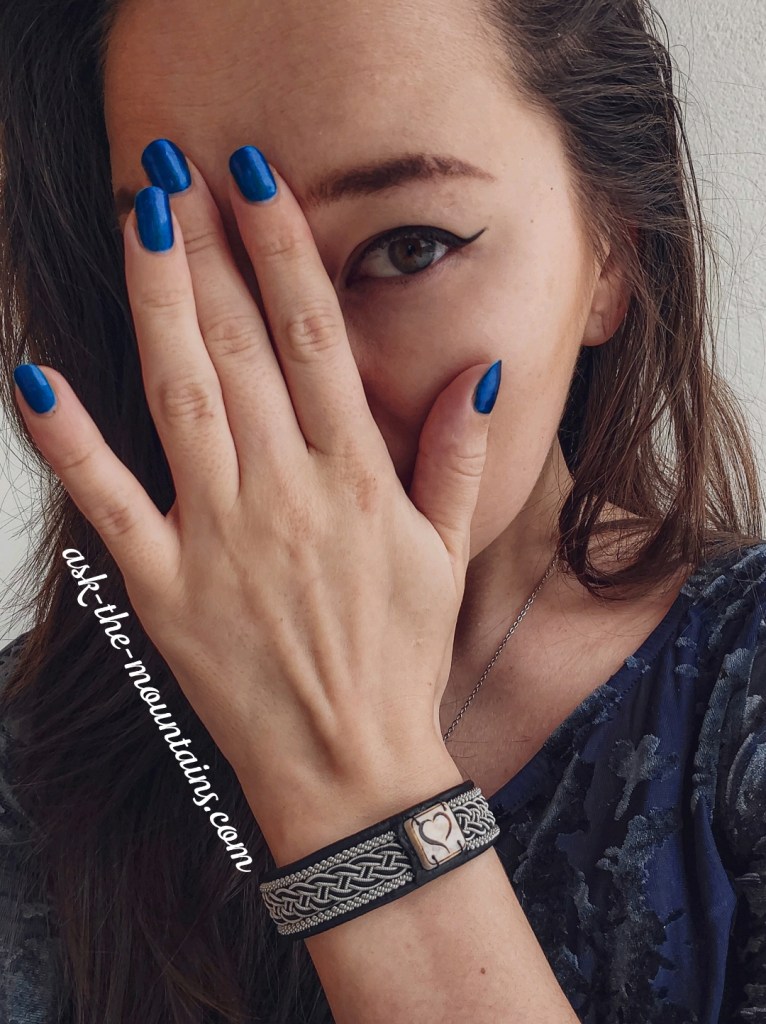
It is made from black leather, reindeer antler button and decoration, and the braids are traditional tinwire used in duodji/daidda. It is made by @tinntraadfruen on instagram if you want to see her work 💫
What was a gift you received that had a nice meaning behind it?


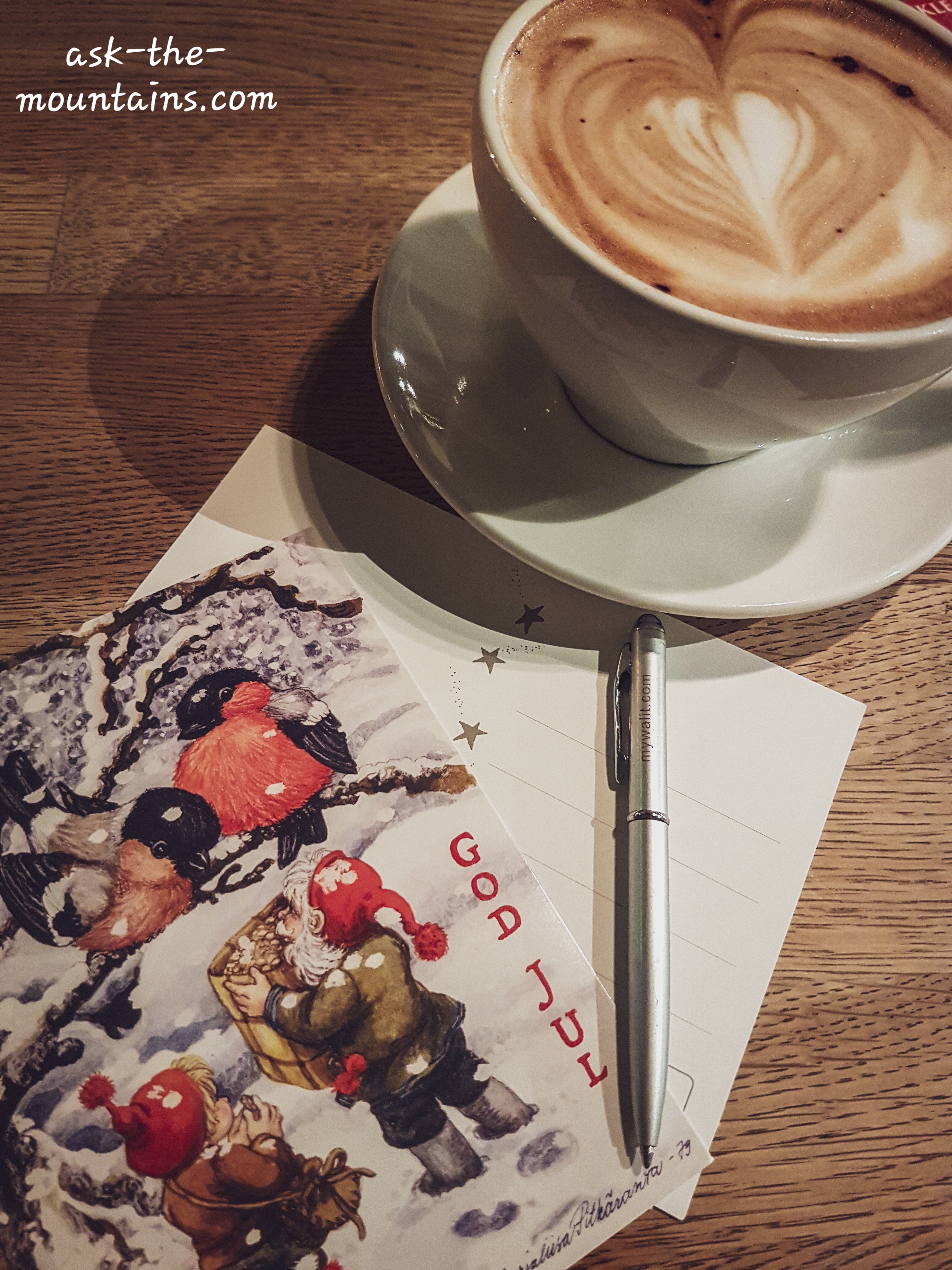



Wishing you all a peaceful Christmas ✨


Before even starting this list, I know this is going to be a long post. I will not be able to choose just one artwork by each artist, and I want to write what exactly it is about their work which speaks to me and inspires me. Just googling and looking through their work and studying their techniques instantly sparks motivation and awe in me. I do have more than 10 favourites by the way, but let’s not go too crazy!
Here are the artists:
Nicholas Roerich
Thomas Cole
K. Hokusai
John Savio
Eva Harr
Robert Gonsalves
Theodor Kittelsen
The Brothers Hildebrandt
Phil Couture
Let’s begin!
Nicholas Roerich
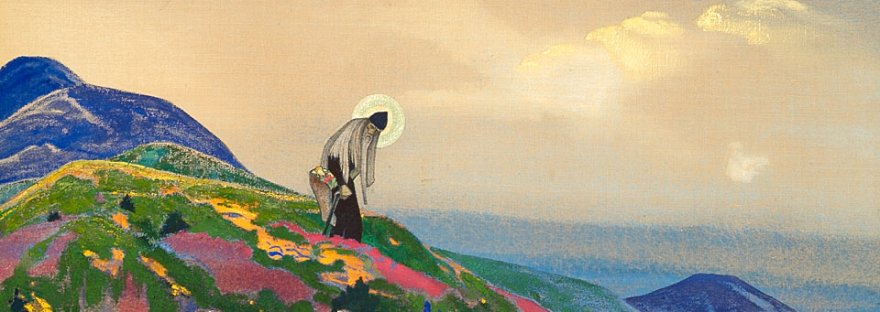
The list is sort of random, except for the one on top. Nicholas Roerich’s artworks are truly some of the best I’ve seen, not only in style and composition but also in the message they convey: often spiritual, mystical and religious themes combined with amazing landscapes and colour combinations.
Short trivia: Roerich (1874-1947) was a Russian painter, philospher and archeaologist. Founder of Agni Yoga or Living Ethics/Teaching of Life with his wife, Helena. He did a five year long ‘expedition’ to Asia, which in his own words were: “from Sikkim through Punjab, Kashmir, Ladakh, the Karakoram Mountains, Khotan, Kashgar, Qara Shar, Urumchi, Irtysh, the Altai Mountains, the Oyrot region of Mongolia, the Central Gobi, Kansu, Tsaidam, and Tibet”, which immensely influenced his works.
During his life, he lived both in Russia, Finland, England, India and USA.
Besides the recognition as one of the greatest Russian painters, Roerich’s most notable achievement during his lifetime was the Roerich Pact (the Treaty on the Protection of Artistic and Scientific Institutions and Historic Monuments) signed April 1935 by the representatives of American states in the Oval Office of the White House. It was the first international treaty signed in the Oval Office.
There is a museum in New York displaying 150 of his works- which I would love to visit 🙂
Fun fact: The minor planet 4426 Roerich in the Solar System was named in honor of Nicholas Roerich.
Here are some of his best works, in my opinion (Sources: Google and the Roerich museum website)

“On the heights, (Tummo)”, 1936 – As a breathing exercise, tummo (Candali in Sanskrit) is a part of tantric practice. Tummo literally means “brave female” or “inner fire” in Tibetan.

(Could not find the title for these, but I find them lovely)
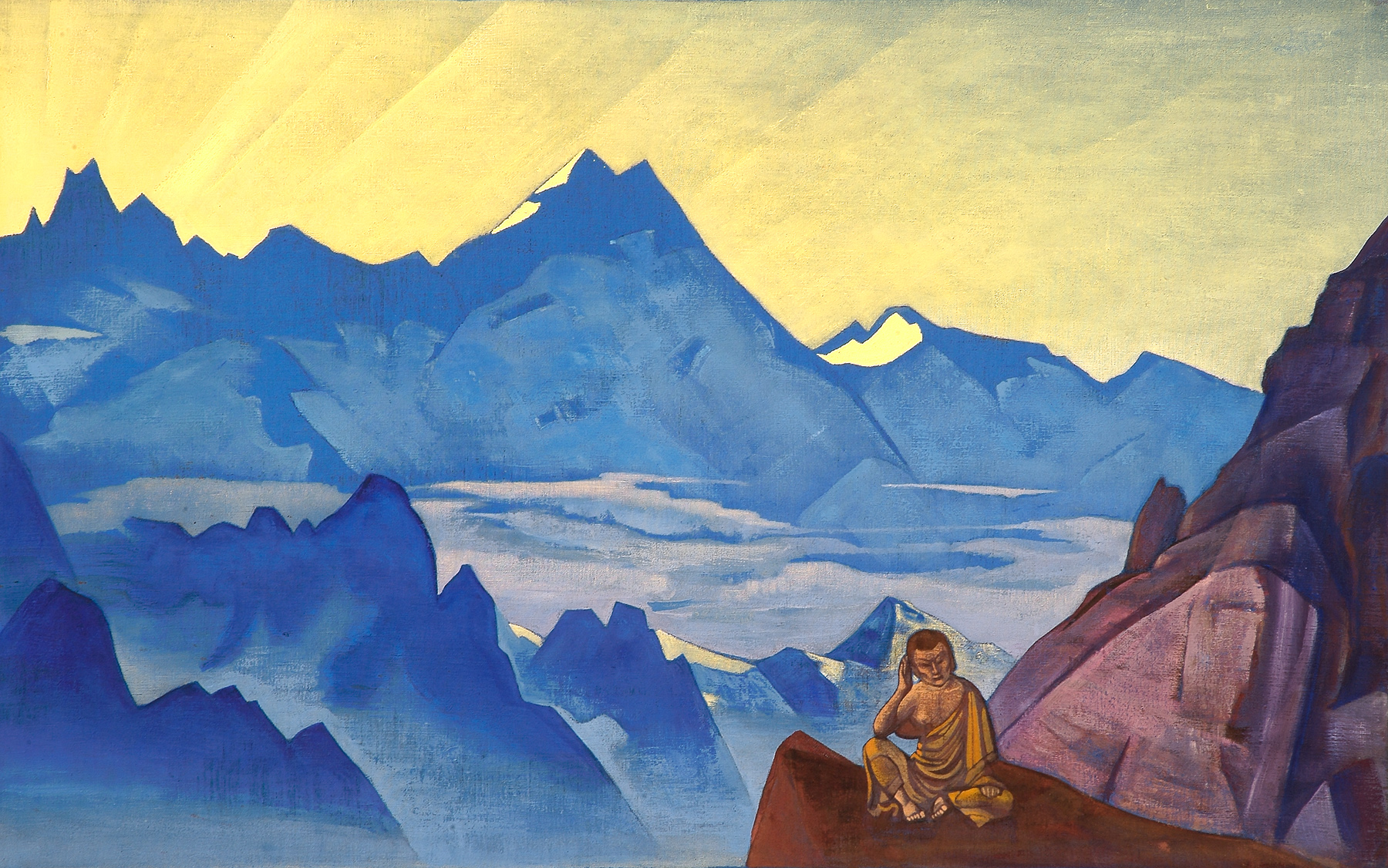
“Milarepa – the one who harkened”, 1925 – the first painting I saw of Roerich and fell in love with.
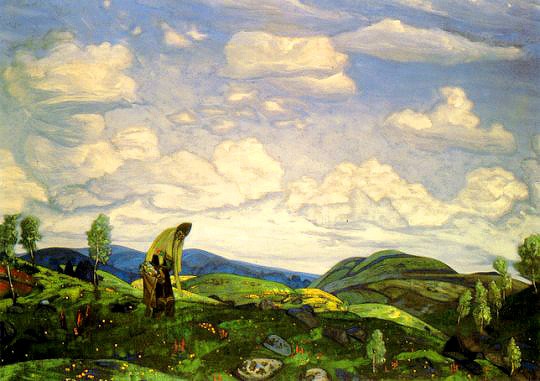
“St. Panteleimon the Healer”, 1916

(Could not find the title for this one either)

“Padmasambhava”, 1924 – I particularly like this one because of the colours, but also how Padmasambhava (aka The Lotus Born, Guru Rinpoche) sort of sits leaning over a little mountain top looking over the meditating monk in a caring way, probably giving him some blessing, transmission or terma (secret teaching). I would love to have this on my wall.
Thomas Cole
As you can probably guess, my favourite kind of art is landscapes; mountains and rivers, skies and horizons. Thomas Cole’s work is very realistic and typical for the romantic era, but also carries a sort of spiritual vibe to them as he often implemented celestial beings, such as angels. He is exceptionally good at perspective and composition, as you can see in the works below – and the details are amazing.
Short trivia: Thomas Cole (1801-1811) was born in England, but moved to the United states when he was 17 with his family. He is known for his amazing landscape paintings of the American wilderness, and was mostly self taught, studying other artists’ work and reading books.
In 1842, Cole embarked on a grand tour of Europe in an effort to study in the style of the Old Masters and to paint its scenery. Most striking to Cole was Europe’s tallest active volcano, Mount Etna. Cole was so moved by the volcano’s beauty that he produced several sketches and at least six paintings of it.
Fun fact: The fourth highest peak in the Catskills (where he and his wife lived) is named Thomas Cole Mountain in his honor.
I struggled choosing a limited amount of Cole’s paintings because he has so many good ones. I chose four of the absolute best ones, in my opinion, where the two first ones are part of a four series of paintings called The Ages of Life.
(Sources: google and Wikipedia)


Amid those scenes of solitude… the mind is cast into the contemplation of eternal things.
Thomas cole
Katsushika Hokusai
I love Japanese art. Although kind of typical Japanese in style, Hokusai still has his own expression, and I like the use of so many colours. He also has a lot of movement in his works, making them come alive. Just look at that wave 🙂
Short trivia: Hokusai (approx. 1760-1849), was a Japanese painter and woodblock print maker.
Hokusai had a long career, but he produced most of his important work after age 60 (!) His most popular work is the ukiyo-e series Thirty-six Views of Mount Fuji, which was created between 1826 and 1833. It consists of 46 prints.
Hokusai was never in one place for long. He found cleaning distasteful, and instead, he allowed dirt and grime to build up in his studio until the place became unbearable and then simply moved out. The artist changed residences over 90 times throughout his life.
During a Tokyo festival in 1804, he created a portrait of the Buddhist priest Daruma said to be 600 feet (180 m) long using a broom and buckets full of ink. Another story places him in the court of the Shogun Iyenari, invited there to compete with another artist who practiced more traditional brush stroke painting. Hokusai’s painting, created in front of the Shogun, consisted of painting a blue curve on paper, then chasing a chicken across it whose feet had been dipped in red paint. He described the painting to the Shogun as a landscape showing the Tatsuta River with red maple leaves floating in it, winning the competition.
The artist also had difficulty settling on a single moniker. Although changing one’s name was customary among Japanese artists at this time, Hokusai took the practice even further with a new artist name roughly each decade. Together with his numerous informal pseudonyms, the printmaker claimed more than 30 names in total (!)
His tombstone bears his final name, Gakyo Rojin Manji, which translates to “Old Man Mad about Painting.”
Fun fact: Claude Monet acquired 23 of the Japanese artist’s prints.
(Sources: katsushikahokusai.org, artsy.net, google and wikipedia)


John Savio
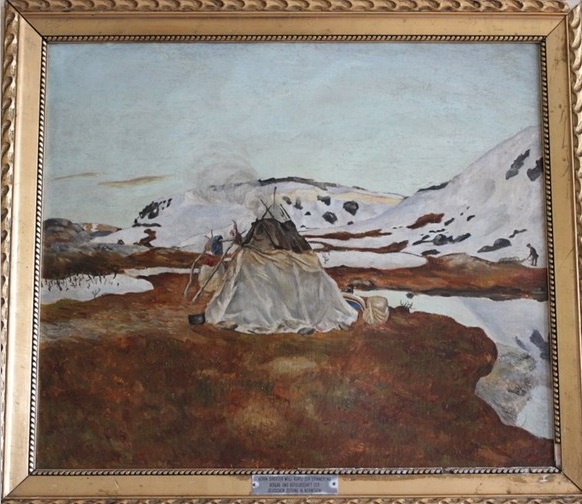
The only Sámi artist on my list, and the best one 🙂 I snuck him on there despite him not mainly being a painter, but also doing lithography. This summer, I went to see his original artworks at the Savio museum in Kirkenes, my mother’s hometown – half of my roots. Most of his art has Arctic inspired themes; reindeers, the Sámi peoples way of life, and the tundra (vidda). He has captured a life frozen in time that no longer exists, but is still somehow in me.
Short trivia: John Andreas Savio (1902-1938) from Bugøyfjord, was the first sámi artist to get his own exhibition at the National Gallery (Norway). He also exhibited some of his works in Paris in 1937.
Savio grew up as an orphan and died at age 36. He was poor most of his life and used to go door to door, trying to sell his art.



Eva Harr
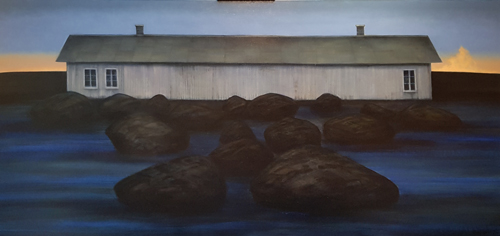
I was lucky enough to visit Eva Harr’s gallery in Reine, Lofoten this autumn, and got to see her original works up close. Her style is realistic combined with a fiction-like feeling; it could be a real place she has painted, but it could also be a made-up dreamy landscape. She’s good at combining elements, such as rocks, and I like how she is able to make many of her paintings look hazy.
Short trivia: Harr (1951) is a Norwegian painter, born in Harstad. She has her own gallery as mentioned, and many of her works are displayed in other museums around Norway. Her own words about her art:
from her own website, evaharr.no
“Jeg har en meditativ holdning til mitt arbeide, der naturens syklus alltid står i fokus. Døgnets ulike stemninger, lyset og mørket, nattens begynnelse og slutt – og ikke minst månen med sin mektige symbolikk og innvirkning på våre liv. Symbolene jeg finner i naturen er ofte universelle og sterkt ladet. Dette velger jeg å utforske og fordype meg i. Mitt landskap er et indre landskap, og er metafor på mine indre reiser. Jeg vil speile naturen, og dens viktige plass i våre liv. Jeg blir berørt av dette uforutsigbare som preger vår tid, uro og støy som truer vår natur. Dette preger mitt blikk, og er underliggende i mitt valg av motiv. Samtidig ser jeg klart at lysets skiftninger og landskapet i nord, er en veldig viktig inspirasjonskilde.”
Some of her amazing works (Sources: google and her website)


Rob Gonsalves
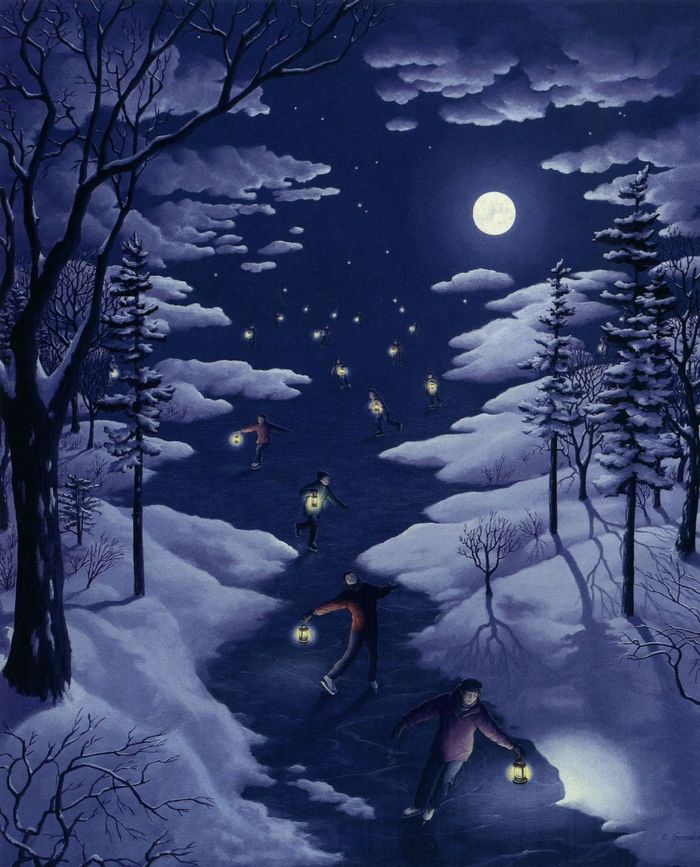
Four years ago, I came across one of Gonsalves’ paintings (the first one below) and it reminded me of a meditation experience I had had. So I checked out more of his works, and found so many more that I liked. Style: surrealism (or magic realism) and optical illusions.
Short trivia: Rob Gonsalves (1959-2017), also known as The Master of illusion, was a architect and painter from Ontario, Canada. His works were very much influenced by other surrealist artists, such as Dalí and Escher. He also published several books containing his works. Sadly, Gonsalves took his own life last year. Check out this webpage if you want to see more of his mindbending artworks.
(Sources: wikipedia and google)



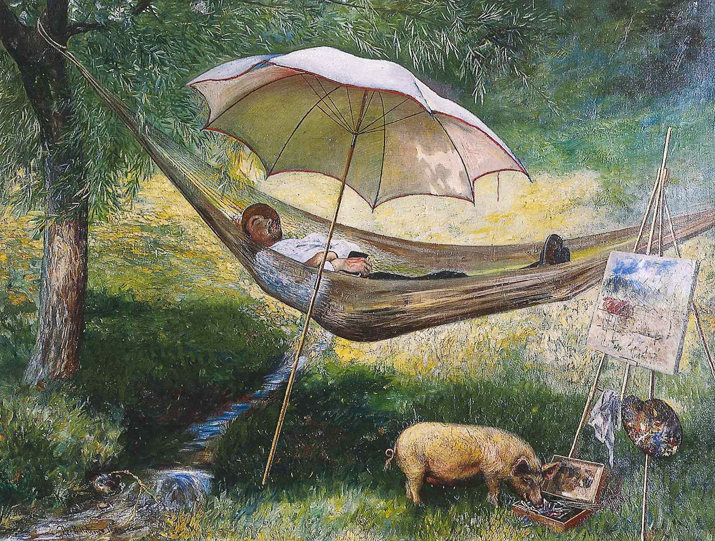
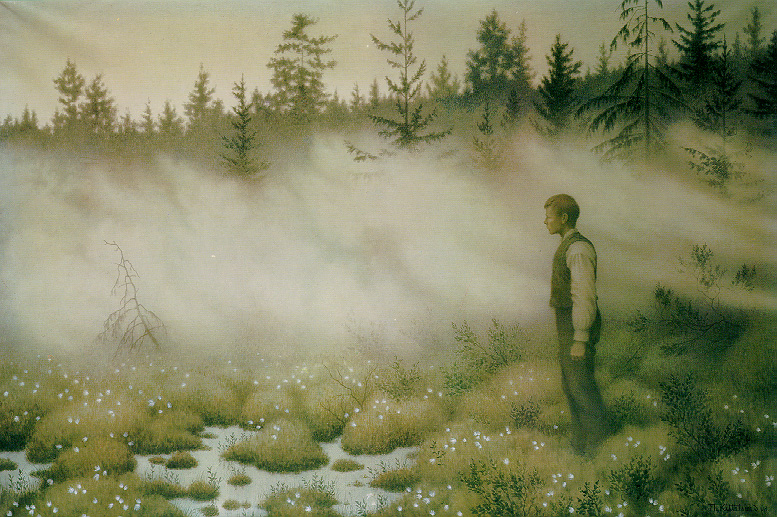
Theodor Kittelsen
One of the most famous and beloved artists in Norway. You have probably seen his works even if you don’t know it. His art reminds me of childhood, as he made illustrations to many of the big Norwegian fairytales, lores and legends. I wish I had more of Kittelsen’s art, but I have been so fortunate to get my hands on five vintage porcelain plates (for hanging on the wall) with his drawings on them, and one giclée print of “White Bear King Valemon”.
Short trivia: Theodor Severin Kittelsen (1857-1914) was a Norwegian illustrator and painter born in Kragerø. He has also written and published several poems. He came from a poor family with seven siblings, and his father died when Theodor was only 11 years old. This forced him to get out and get a job as an apprentice, which inevitably lead him to meet art historian Diderich Aall, who saw how gifted the boy was. Aall decided to pay for his art education.
In 1874, 17 years old, Kittelsen attended Wilhelm von Hannos drawing school in Christiania (now Oslo). In 1876, he travelled to München, to study at the royal art academy there.
Kittelsen’s depiction of trolls have largely shaped how people see these beloved fictional creatures.
His family’s home at Lauvlia is today a museum. Some of his most popular works were made here. His wife Inga was a stay-at-home teacher for their nine children and she organised his exhibitions.
Th. Kittelsen also composed an eerie book with illustrations about the Black Death.
Despite being very talented, Kittelsen never achieved financial security through his works.
Fun Fact: The Norwegian black metal band Burzum have used Kittelsen’s drawings for their albums Hvis lyset tar oss and Filosofem.
(Sources: wikipedia, google and theodorkittelsen.no)




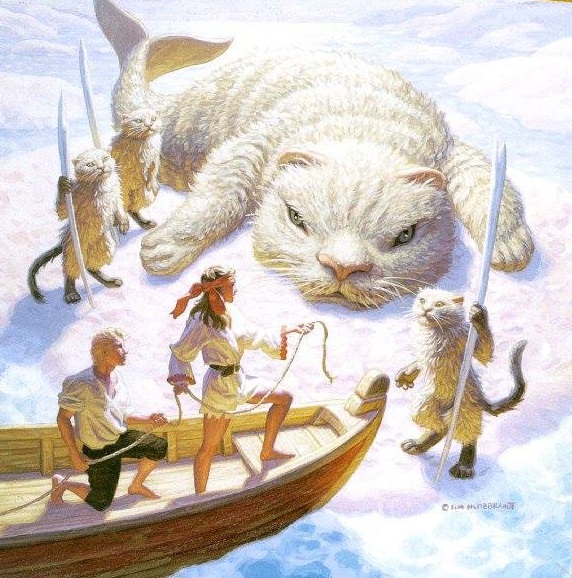
The Brothers Hildebrandt
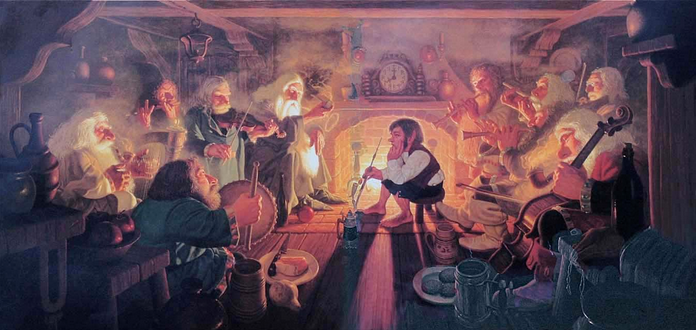
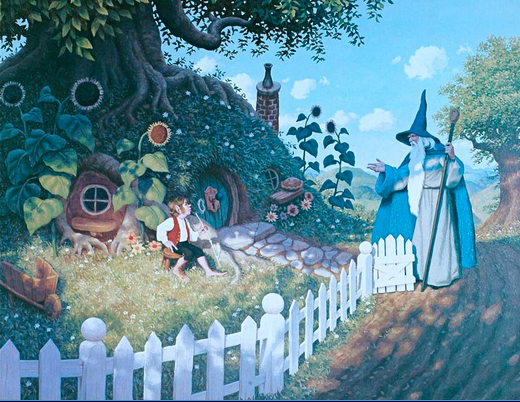
When I was a kid, I used to flick through my dad’s art books and magazines, and I specifically remember seeing fantasy paintings. Fantasy is a very unique genre, and I love how skillful you have to be with your brush to make good fantasy art. Tim and Greg Hildebrandt are two of these.
Short trivia: Greg and Tim Hildebrandt, known as the Brothers Hildebrandt (born January 23, 1939), are American twin brothers who worked collaboratively as fantasy and science fiction artists for many years. They produced illustrations for comic books, movie posters, children’s books, posters, novels, calendars, advertisements, and trading cards. Tim Hildebrandt died on June 11, 2006.
They began painting professionally in 1959 as the Brothers Hildebrandt. The brothers both held an ambition to work as animators for Walt Disney, and although they never realized this dream, their work was heavily influenced by illustration style of Disney feature films such as Snow White, Pinnochio and Fantasia.
The brothers are best known for their popular The Lord of the Rings calendar illustrations, illustrating comics for Marvel Comics and DC Comics, original oil paintings for a limited edition of Terry Brooks’s The Sword of Shannara, and their Magic: The Gathering and Harry Potter illustrations for Wizards of the Coast.
(Sources: timhildebrandt.com and Wikipedia)


Phil Couture
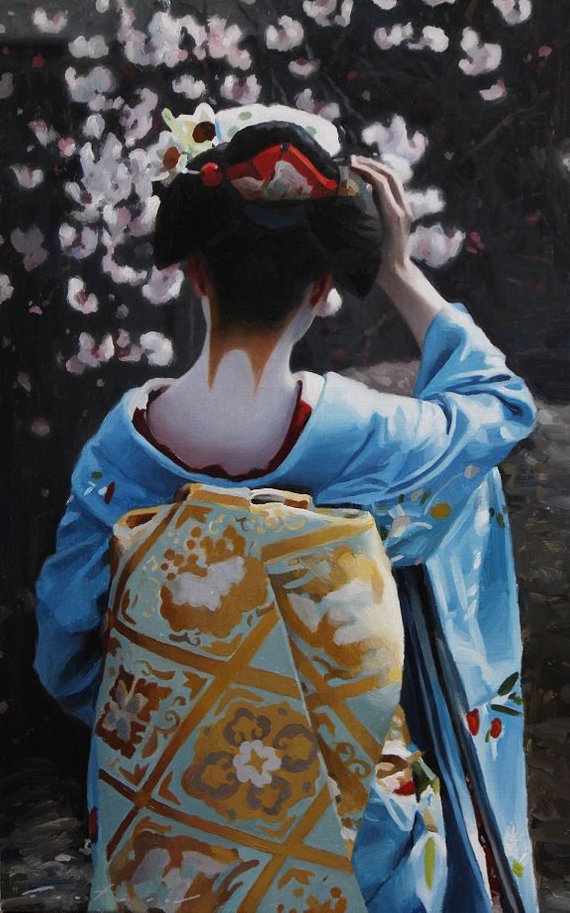
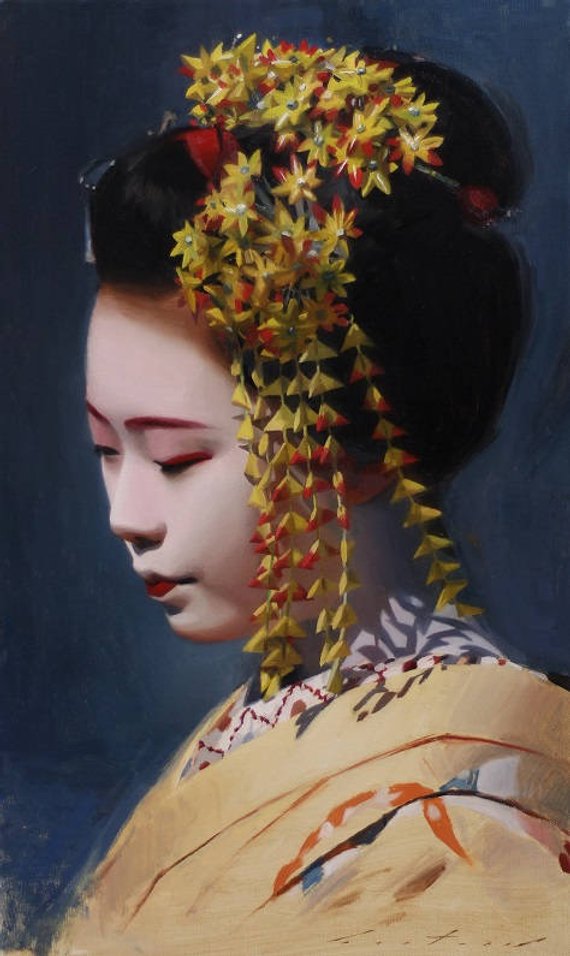
An oil painting artist I discovered last year on Etsy. As mentioned above, I like Asian art, and also fine art, so Phil Couture’s oil portraits of geishas really deserved a place on my list. I ordered one of his prints not long ago. Style: realism.
Short trivia: Philippe Couture was born in Drummondville, Canada in 1984, raised in Lakeland, Florida, and currently resides in Kyoto, Japan. He has been drawing and painting his entire life and Phil’s art education was primarily self-taught. His training consisted of drawing and painting from life, studying masterpieces in museums around the world, and employing exercises taught by classical ateliers. – from his own website.
Couture also has his own Instagram page.

Thanks for reading! Who is your favourite artist/painter?
 Ask The Mountains