Why the absence of autonomous, multi-age playgroups makes parenting suck. (This is a reshare of Elena Bridgers’ article).
Sámi mommy breastfeeding toddler in Tromsdalen, Tromsø, Arctic Sápmi, while smoking some tobacco.
“Fasten your seatbelts, ladies and (two or three) gentlemen, because we are about to dive into the my absolute favorite topic of all time: the importance of multi-age playgroups in hunter-gatherer societies. Honestly, I get more excited about this stuff than a dog whose owner just said the word “walk.” Back when I first started reading about motherhood in hunter-gatherer societies there were two things that made me go, “ohhhhhhhh, now I get it.” One is the longer interbirth intervals that probably characterized most of human history (as I wrote about here) and the other is the critical important of multi-age playgroups as a source of substitute childcare for mothers. It was a total epiphany for me, and I suspect you may have the same reaction, because once you see how this used to work, how human childhood evolved to work, it just makes so much sense. Over millions of years, we basically evolved a perfect system involving care of children by children, in a way that was wholly compatible with their own need for play, and that we have entirely abandoned in the modern context, to the detriment of all.
But in order for you to understand why this still matters for mothers in the modern context, I need to tell you my own story about just how much I hate playing with my children (even though I love them deeply) and how misguided I was about the role of a “good mom” and what she owes her kids…
I’d rather stick a fork in my eyeball than play pirates.
Only after I had begun doing deep research on hunter-gatherer societies did I realize that this is exactly how things were supposed to work. Children are supposed to play with other children. It was never meant to be the mother’s job. But trapped as we are in single-family homes where playmates can be hard to come by, parents often end up filling this tedious and time-consuming role…[..]”
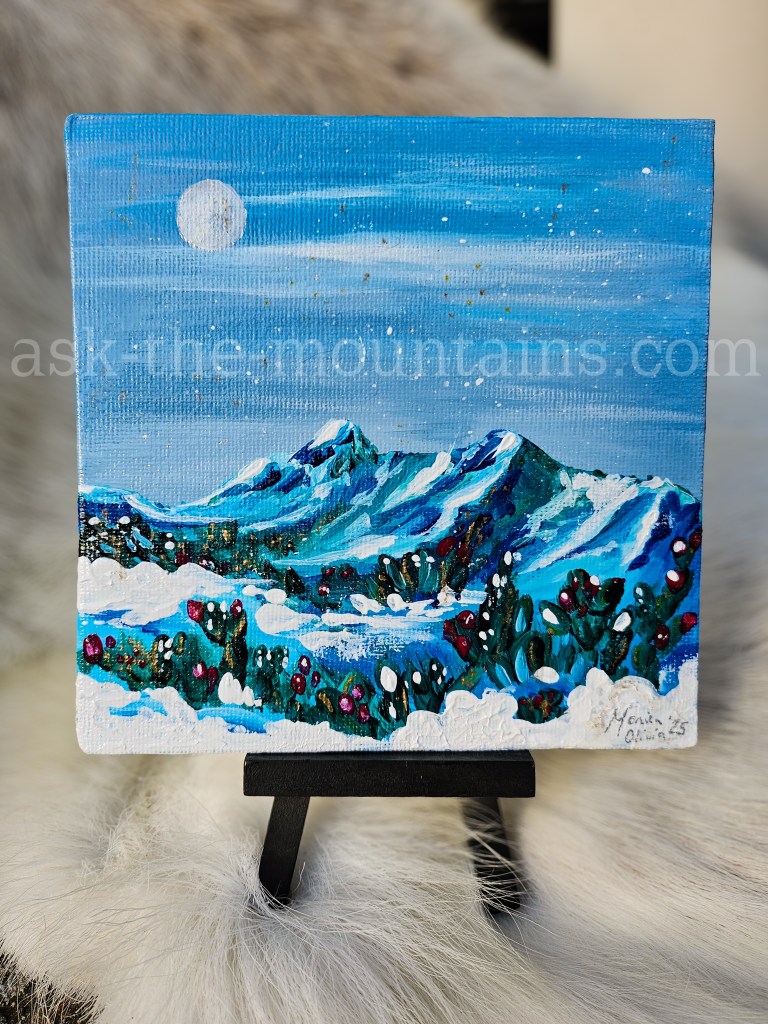
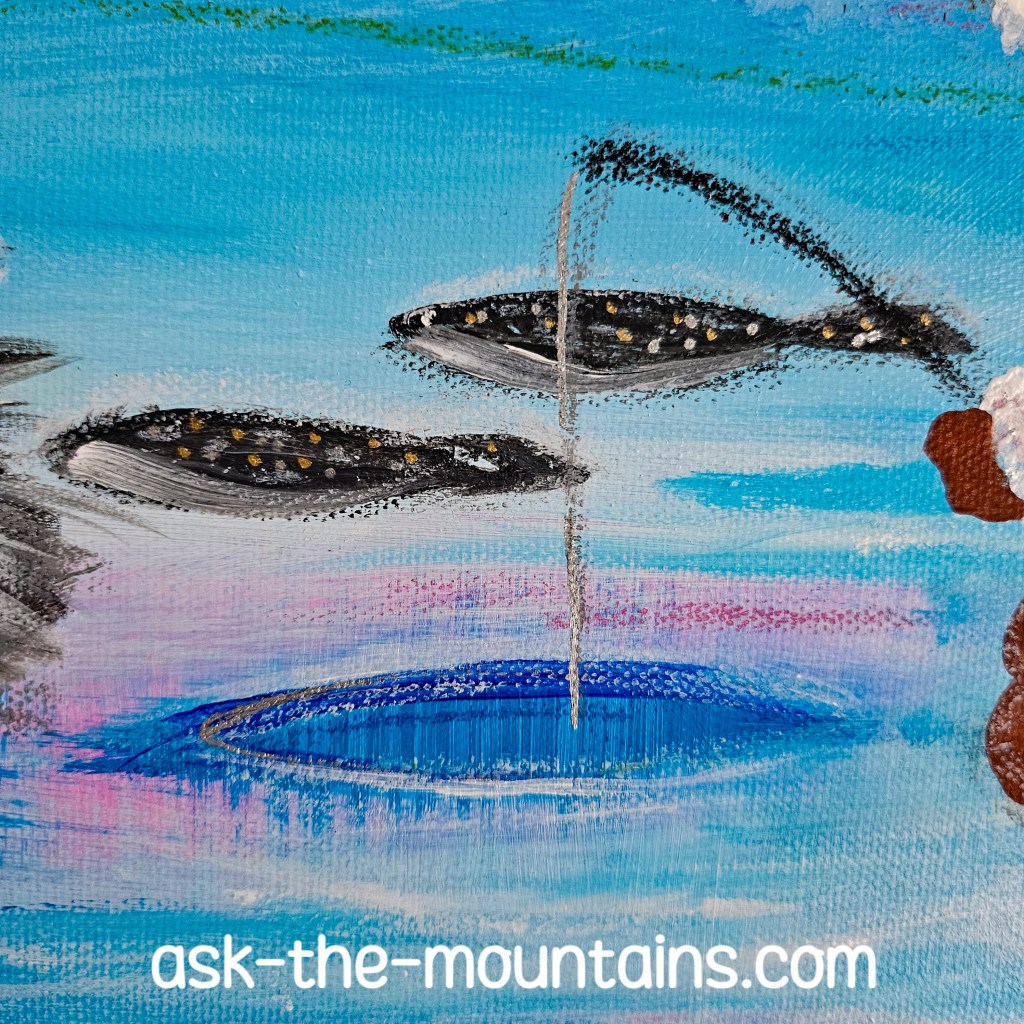
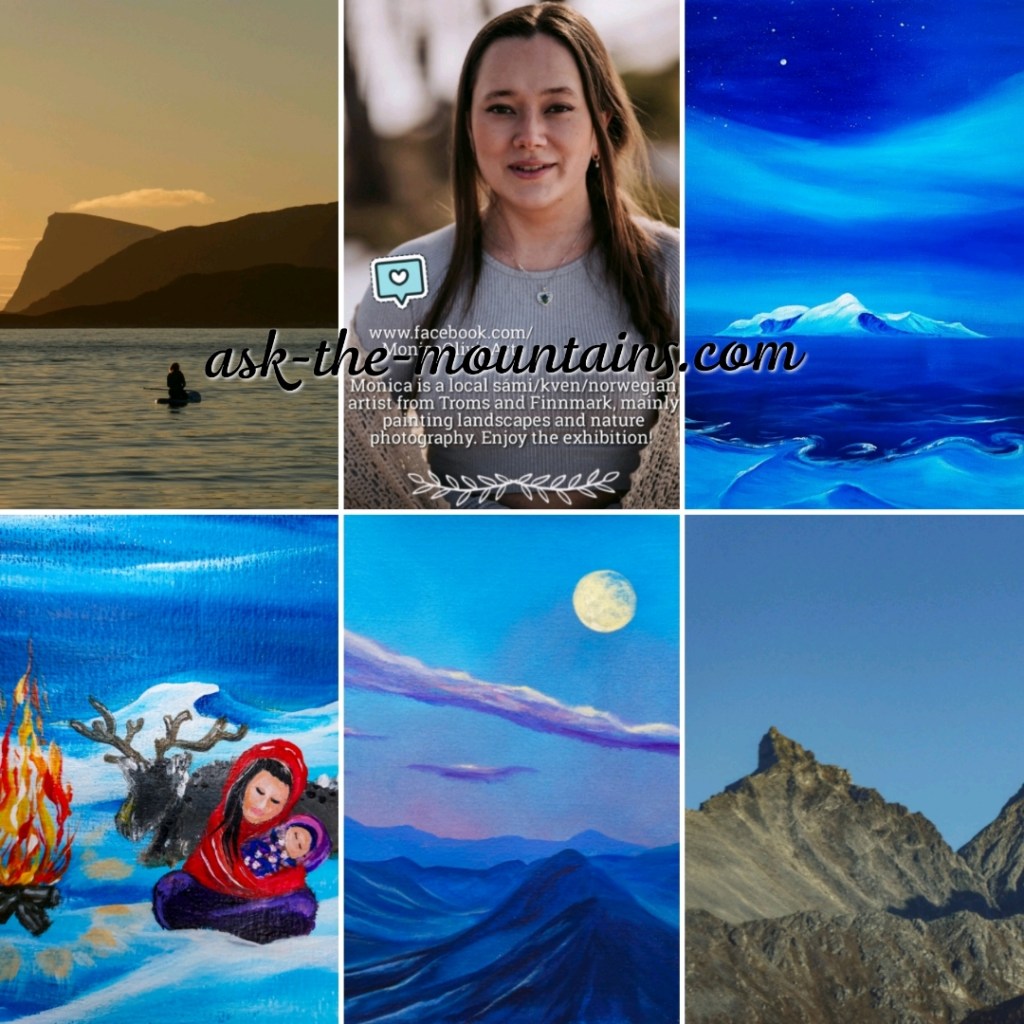
A painting I started a while ago, didn’t know how to finish it, until today. I really like it now. 💙 I used acrylic paint, gold -and glitter pens. It is 15 x 15 cm, the title is “Myk” – meaning soft. It is for sale on my art page. 🫶🏻
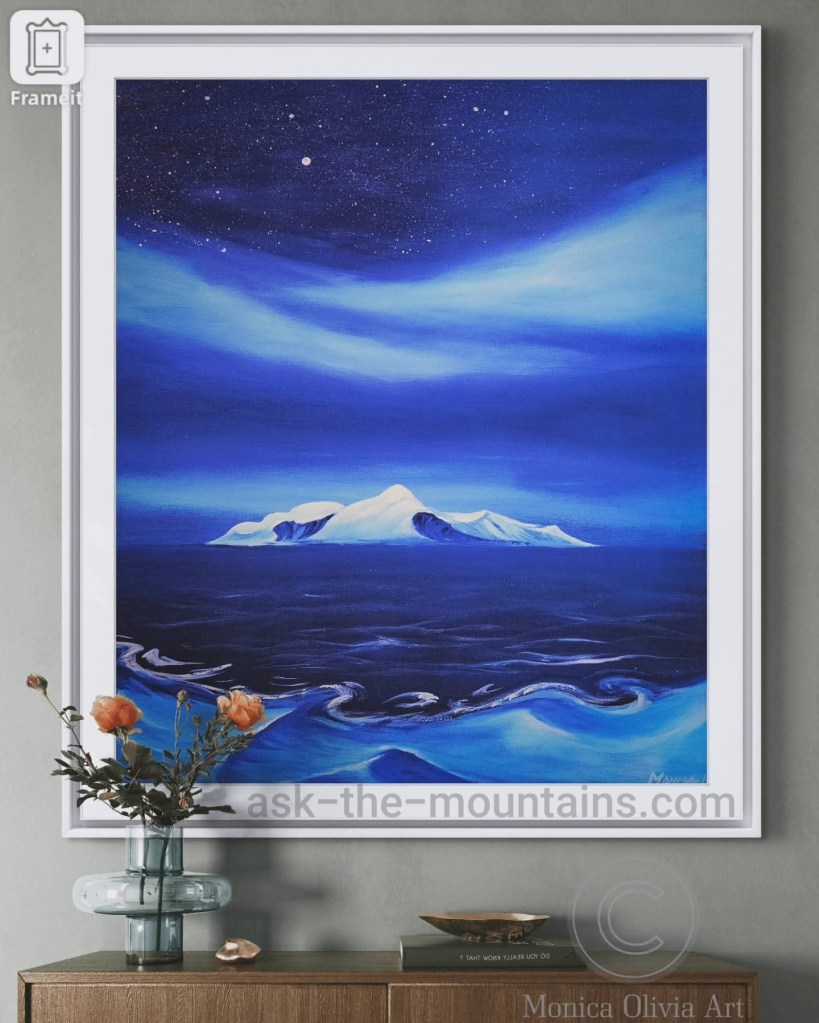
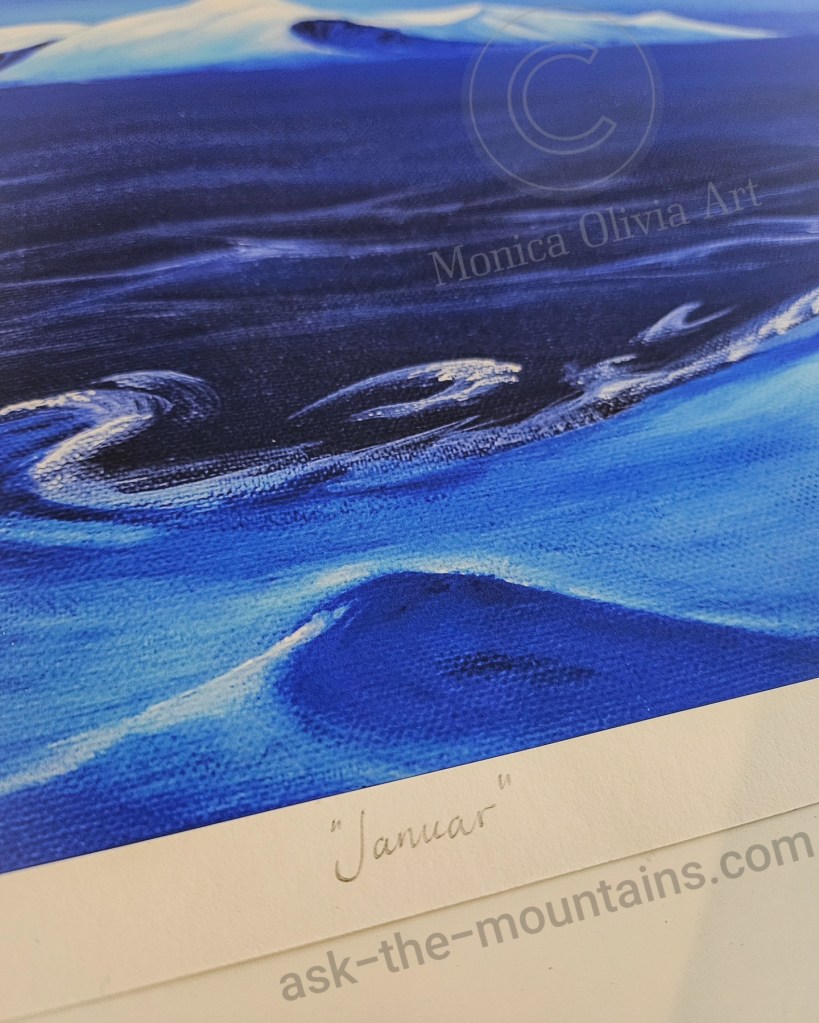
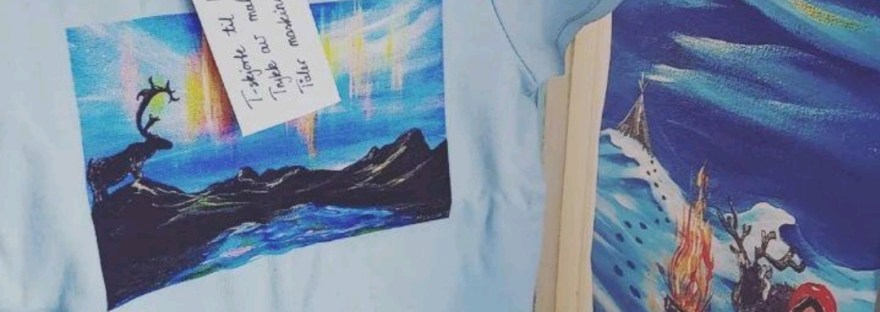
I painted this motive back in 2019, with the inspiration of a photo I took during the Polar night. And recently made this art print from it that I wish to sell ❄️ The price is 1800 NOK 🩵The print is 48 x 56,3 cm, printed on art paper by Fineartprint in Sandnes, Norway.I like to write the title on front, and the signature on the back of the print as the painting is already signed from when it was painted. In other words, not a huge fan of double signing 😄I also made small art prints/cards with envolope. 75 NOK for one, 140 NOK for two 💙Previoisly made business cards with the same motive. Here sending off 4 art cards along with 2 business cards to the South of Norway 🙏🏼😃
If you are interested in any of these, please write to me in the comment section, or visit my art page on Facebook😊👏🏽
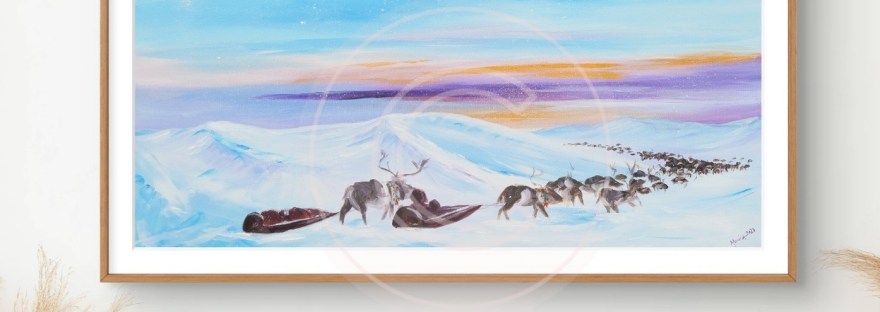
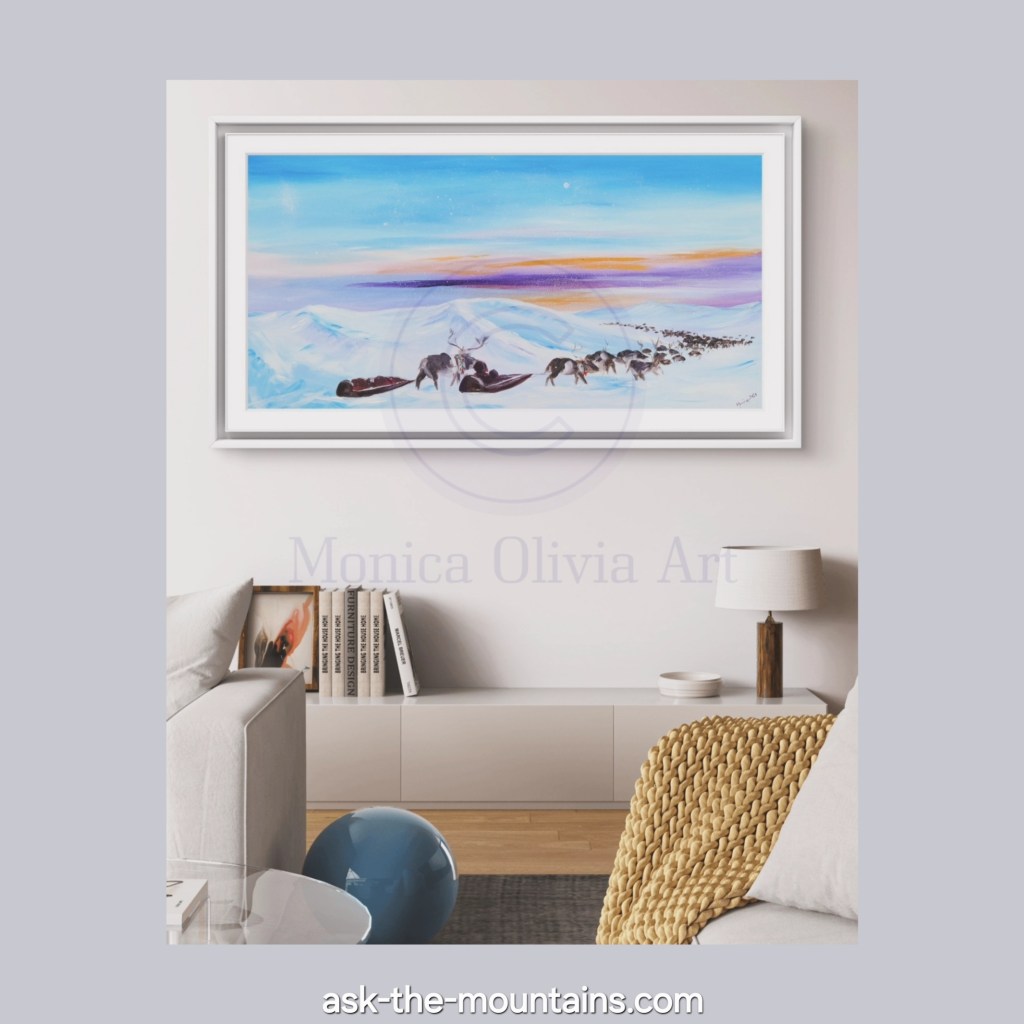
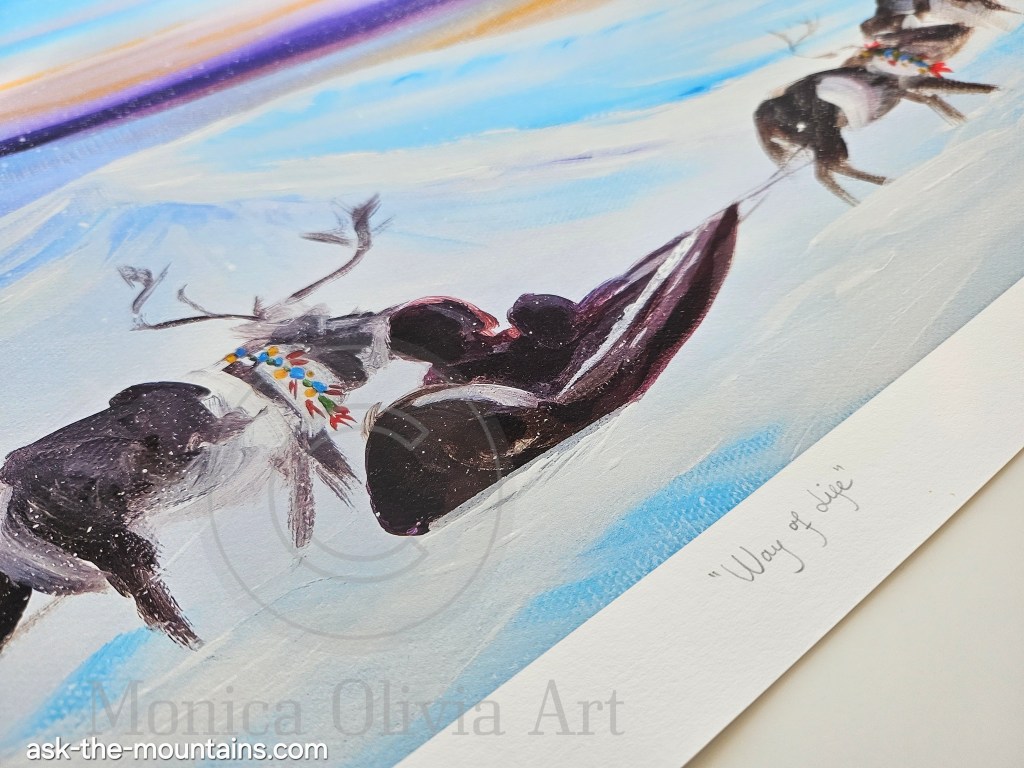
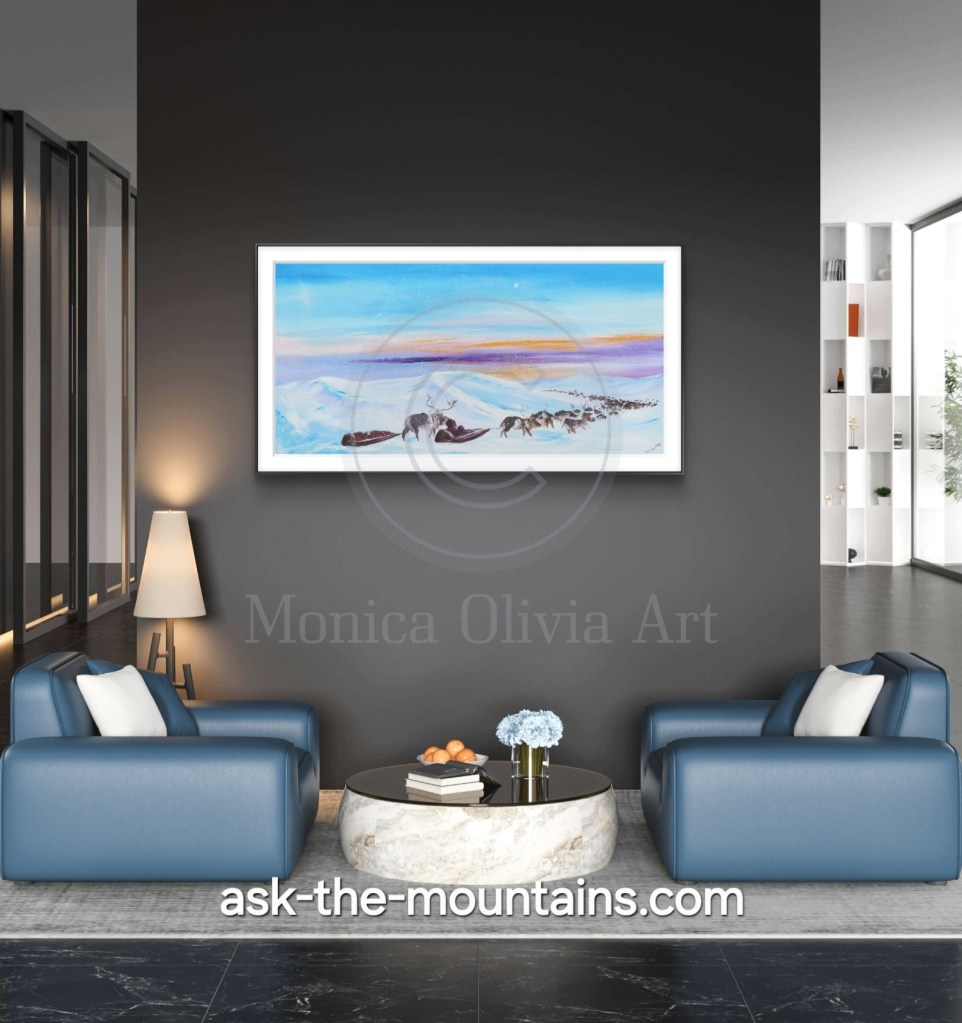
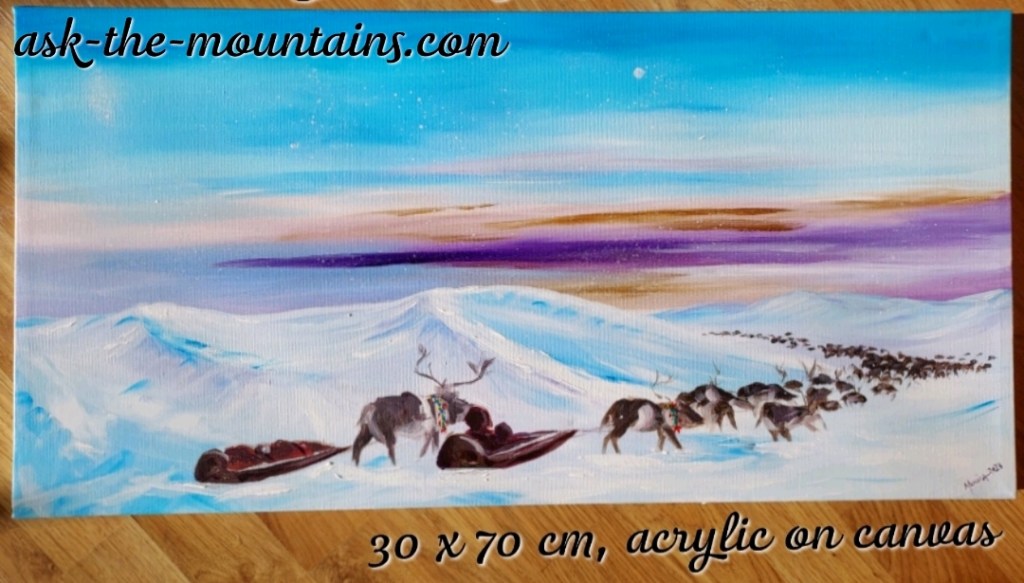
This is the landscape nomadic peoples of the Arctic have travelled for decades and generations. Moving their herds and homes and children safely tucked onto sleds, across the tundra. This is still the case in some areas. If you’ve witnessed the ever-changing play of colours and atmosphere during the Arctic winter and Polar night, it looks something like this; pastel skies, crisp clear air, moon in daytime and the sun hiding behind the horizon, blessing us with a few rays here and there before leaving for a few months. I am in awe at how my ancestors have survived and even thrived here for so long; I feel moved to my core by their know-how of the elements, seasons and animals. “Way of Life” art print, 2400 NOK 🩵💜🤍🧡 89 x 46,5 cm including white edges. The prints have the title written on the white part in front, and signature on the back.
Humans are herd animals, we’re mammals. We are literally made to raise children in the company and with the support of other women.
This is something we have lost as a modern society.
I would go as far as to say that we have a pandemic of lonely Mothers. Home alone most of the time with their babies, doing their best, often without much mental, emotional or physical support or stimuli from other mums. It’s not natural. And it’s not healthy for the baby; having their start in life defined by this kind of isolation.
It’s not long ago in our human history that women and mums were much closer, and could rely on each other more. I often wish I could turn back time, and experience that closeness, that kind of Motherhood.
In rare small (indigenous) communities around the world, this is still the case, and used to be like that here too (in Troms and Finnmark).
Loneliness sucks a lot of the joy out of Motherhood. It sits like a gray veil over us and makes us even more isolated. Not to mention the shame and guilt many mums feel for even feeling lonely, bacause we have our babies, so we should feel more than content.
But the truth is that women need women. Mums need mums. Only other mums can truly understand the ordeal of birthing and raising children.
So, if you feel lonely in Motherhood, like me, please do not blame yourself, the fault is not with you. It is that we as a modern society have separated ourself too much and we don’t see the importance and value of a supported mum. It’s kind of obvious though; a healthy happy mum = healthy happy start of life for baby, and thus for the all humans and society at large. It all starts with mum.
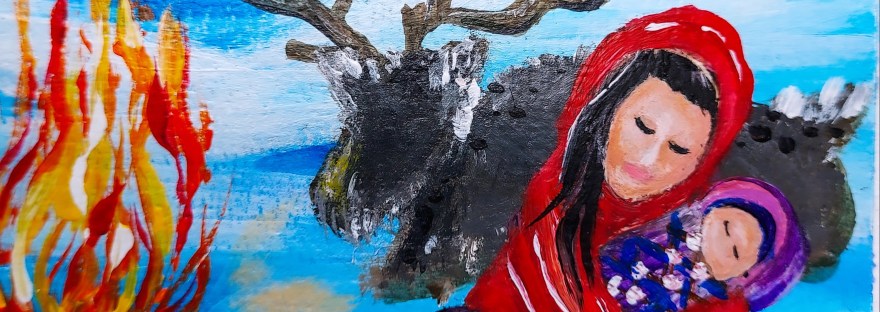
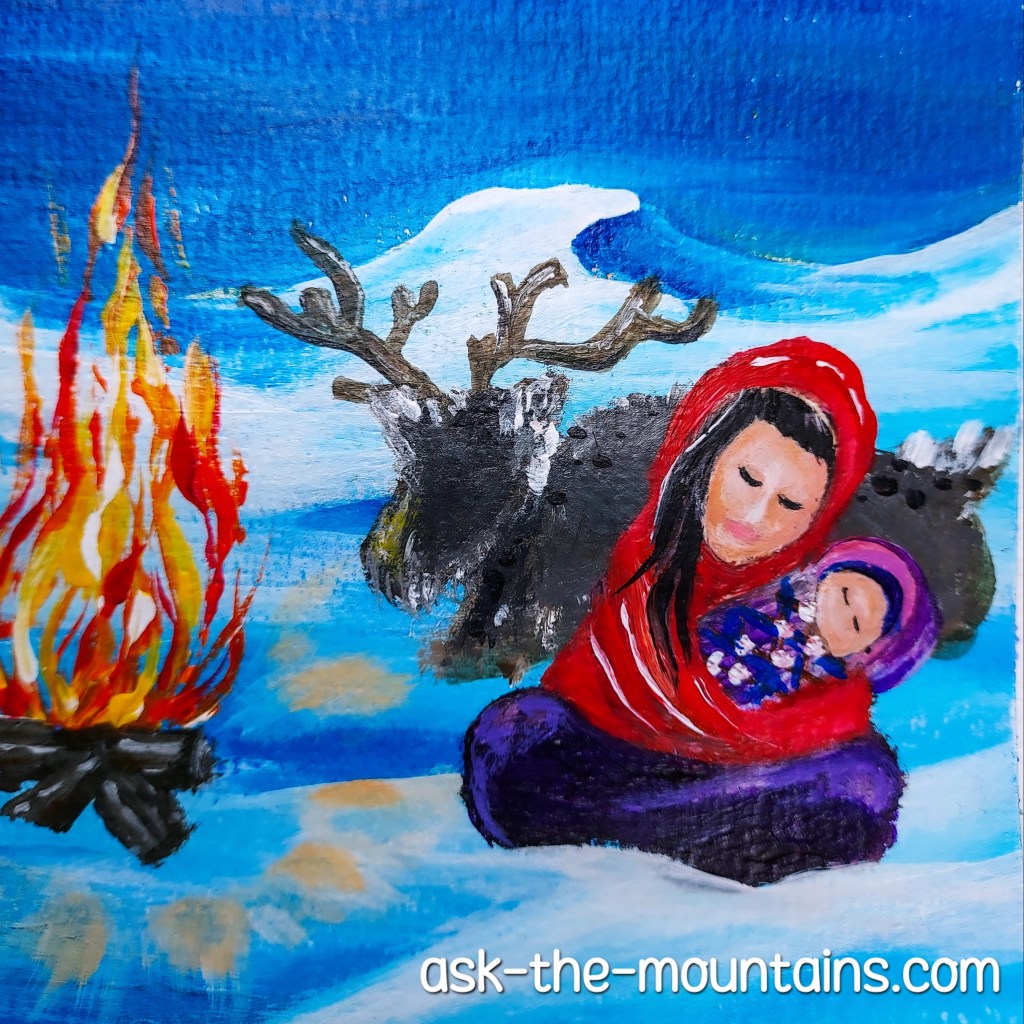
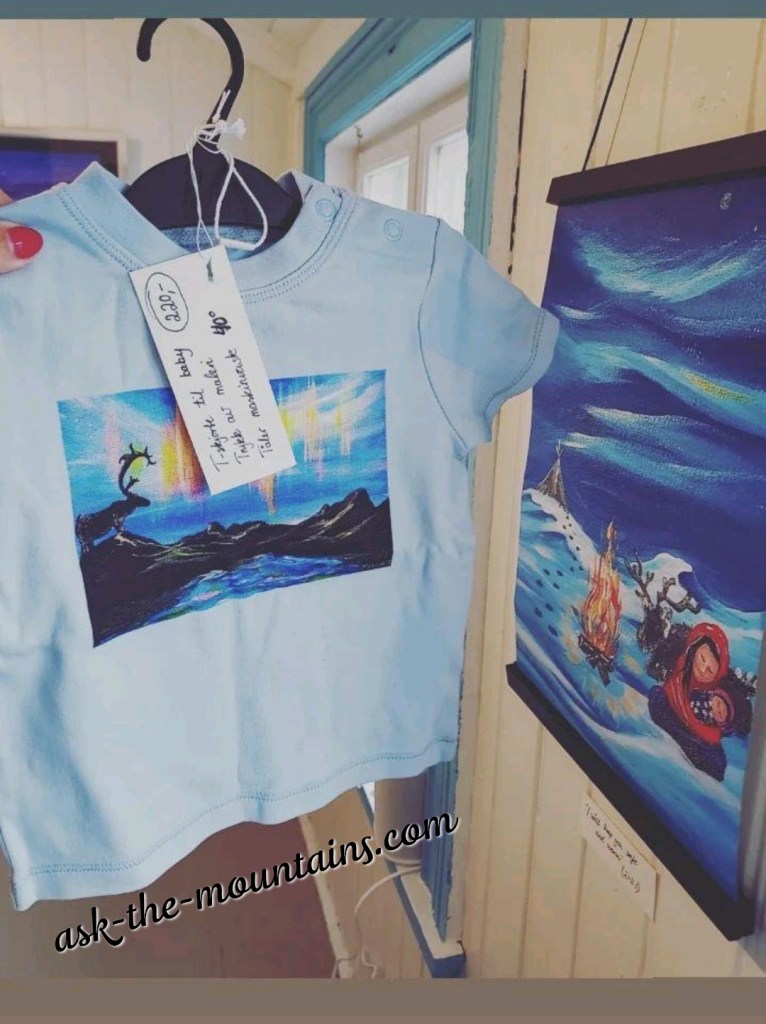
A painting I did some years ago. “I will keep you safe and warm”.
This short video really highlights something that is close to my heart; right nutrition in pregnancy. Am currently pregnant with our second baby, and since going keto, the difference before and after is like night and day. Especially if I compare to my first pregnancy 4 years ago when I was not in ketosis. I was binging carbs all day and gaining a lot of weight, and barely had any energy. At the end of that pregnancy, I had to use crutches and/or wheelchair. The really shitty thing about using glucose as main energy source is that the more carbs you eat, the more you crave. I’ve noticed that when switching to (animal) fat as the main fuel, I don’t have cravings, mood and energy level is quite stable and I can function a lot better as a mum and basically as a human being 😅 I can write a longer more in detail post about what exactly I eat to maintain ketosis and how it makes sense for me to do that both from a health perspective but also from an ancestral point of view.
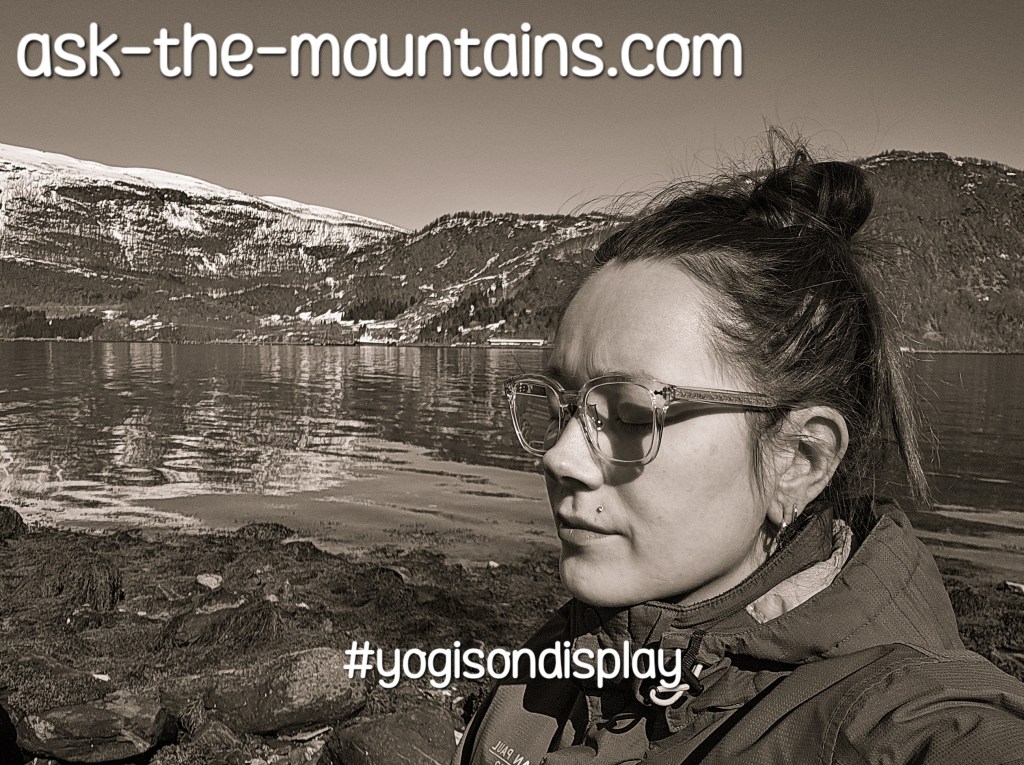
Yogi on display in nature for the birds, foxes and rabbits to see 😄 also i found a long-ish animal bone that was perfect to use for hitting on a rock to keep the rhythm while chanting and singing prayers. 🐰🐦🦊🦴
What is #YogisOnDisplay?
“Unlike in cultures long established in the dharma, spiritual practice is not visible in the everyday life of Western society. While many Westerners practice some form of spiritual practice, the actual practice is often kept private. This is a great pity. Not only does it speak volumes about the level of spiritual maturity of the West, but it also means that many people never encounter dharma in the first place. If spirituality is not publically displayed, the fact that there is an alternative to existential confusion and suffering does not reach the masses.
In an attempt to counter this, Amrita Baba has initiated the Yogis on Display project. The idea behind Yogis on Display is to encourage spiritual practitioners of the West to become living examples for others. Instead of hiding away in our modern city caves, we need to bring meditation, mantra singing, yoga practice, and so on, directly to where it matters; straight to the middle of the hamster wheel. Displaying the solution to existential confusion and suffering is a hands-on, time-tested way of practicing care and compassion for all beings.
To spread the message of Yogis on Display the hashtag #yogisondisplay has been created. Practitioners who chose to take part are encouraged to take a picture of themselves and share it on social media using this hashtag. This way more people can learn about the initiative and become inspired to light the torch of dharma in our public spheres.” (AmritaMandala.com)
Food and how to get that food is a huge part of any culture. In the Arctic, that food culture has been mainly catching, hunting, fishing and herding, making the foundation of our food for thousands of years an animal based one. We don’t have a lot of local edible plants here, with a few exceptions like berries for example. With the influx of trading and new borders, new foods were introduced, but if you are like me, I don’t tolerate them well at all, especially grains, and a lot of carbs . So I stick to an ancestral Arctic diet that my stomach and body loves, and I feel extremely passionately about food culture, so I guess that is what I made this painting about. I also added 3 samoyed sled/herding dogs, as a little head nod to another Uralic Arctic people neighbouring Sápmi; the Nenets. (An obsolete name for them used to be the Samoyed people, a name not used by themselves). Acrylic on 80 x 80 cm canvas, details in silver and gold pen, oil pastel crayons. 🩷🩵💜🤍💚
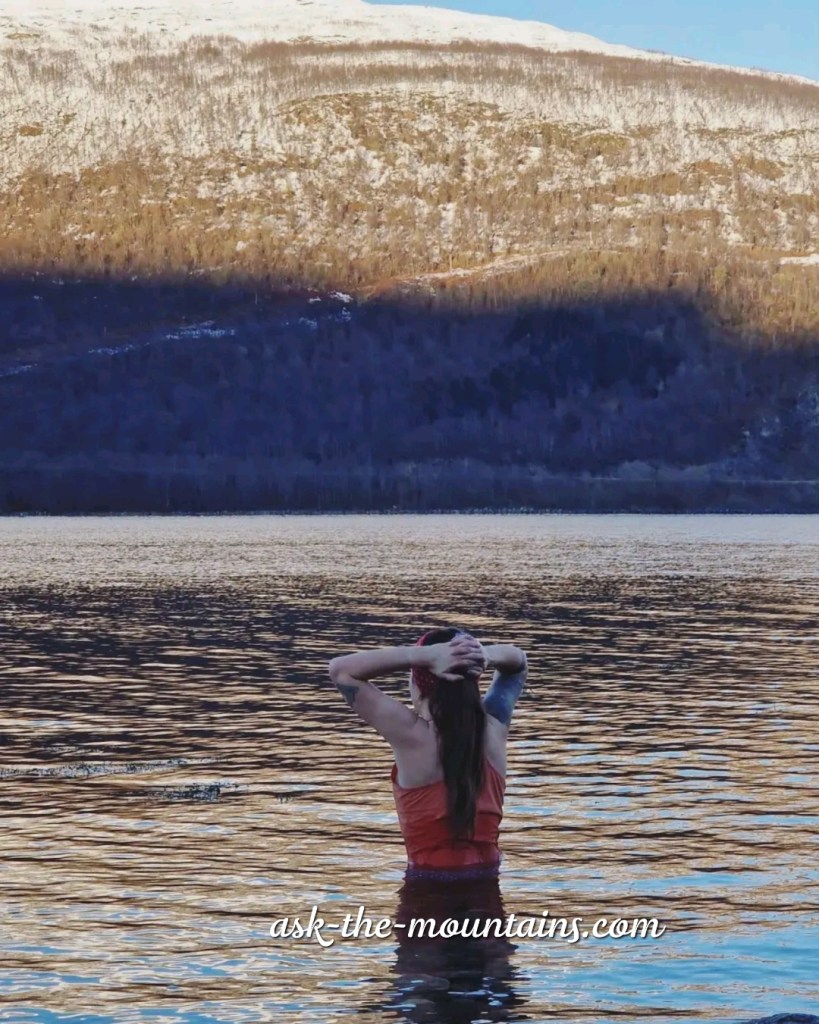
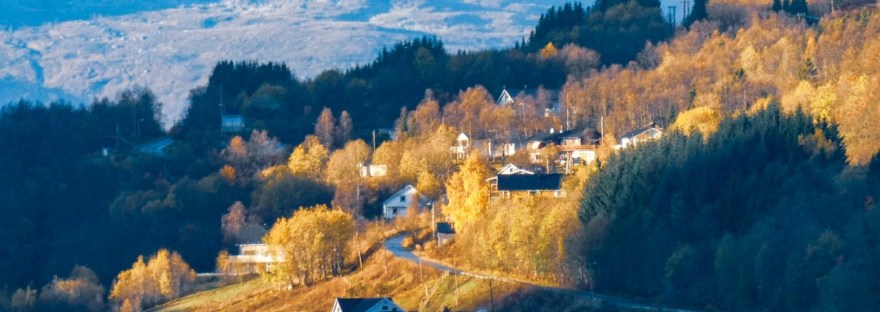
Winter is on our doorsteps, snow is here, polarnight is 2 weeks away, and it’s time for cosying up, hibernating, perserving our energy – and perhaps do some more icebaths. A small photo series from September, October and a few from November so far 🤍 Much love from Arctic Sápmi 🙌🏼
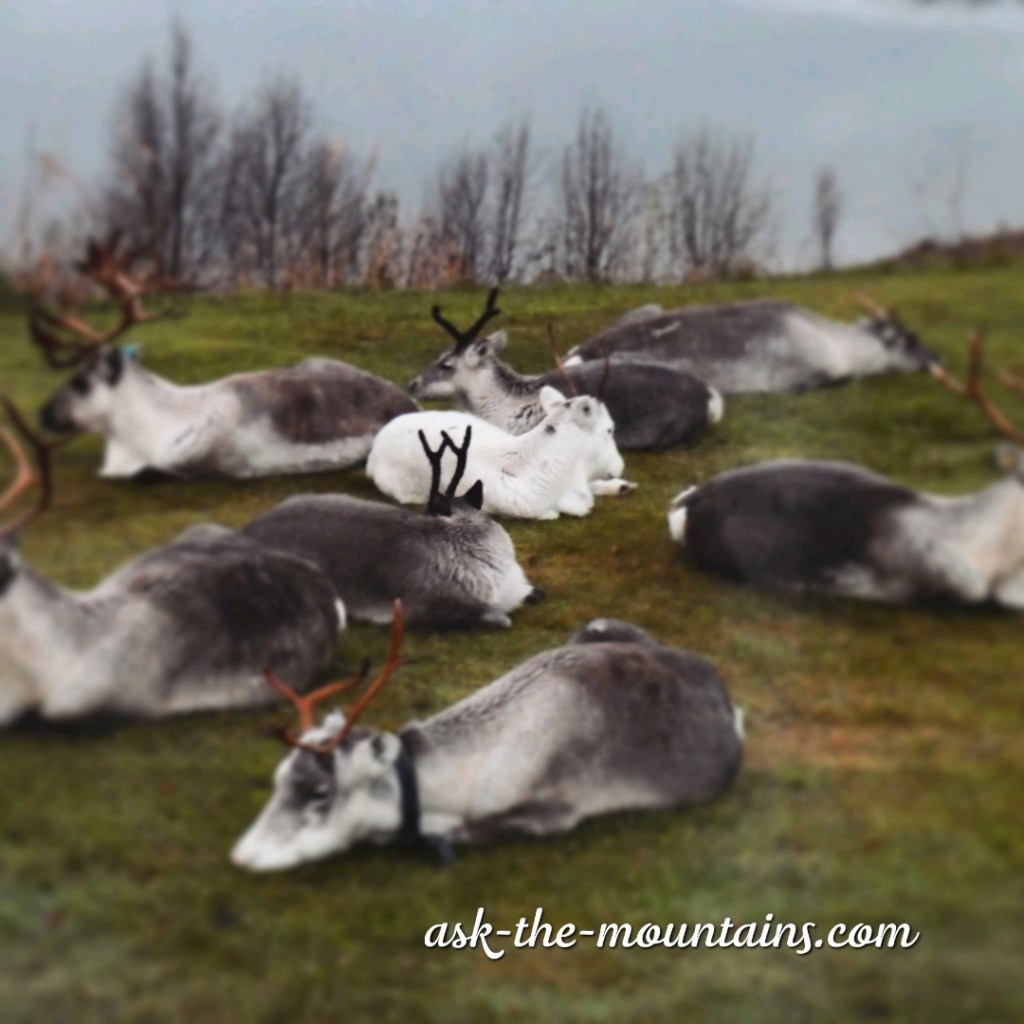
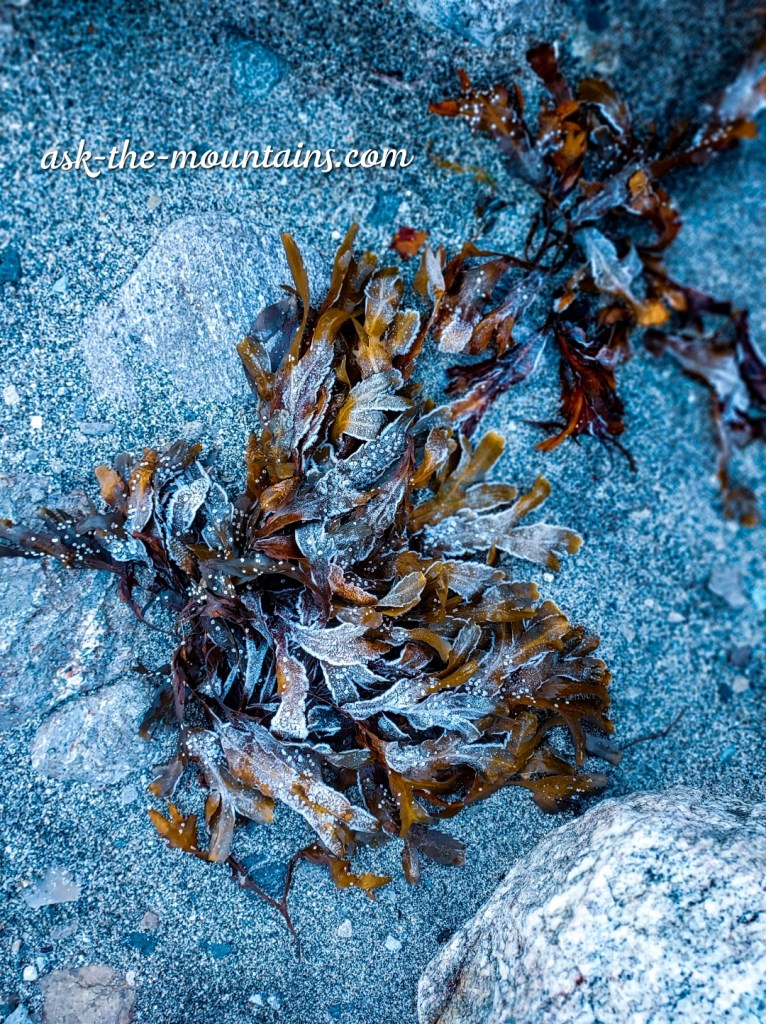
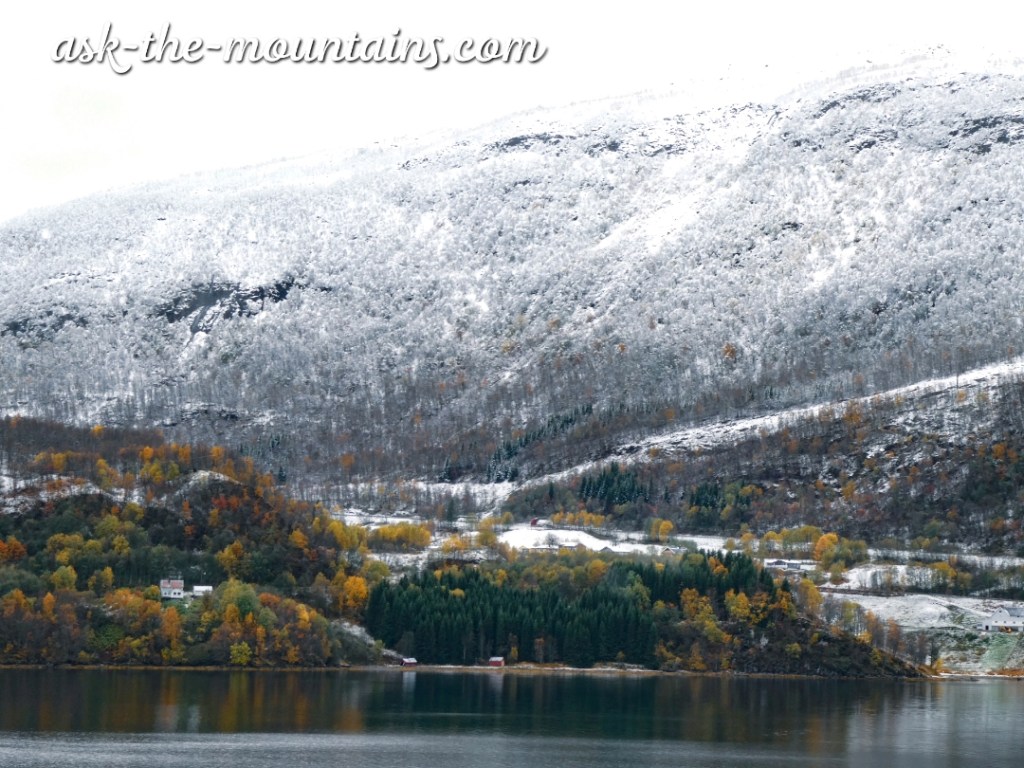
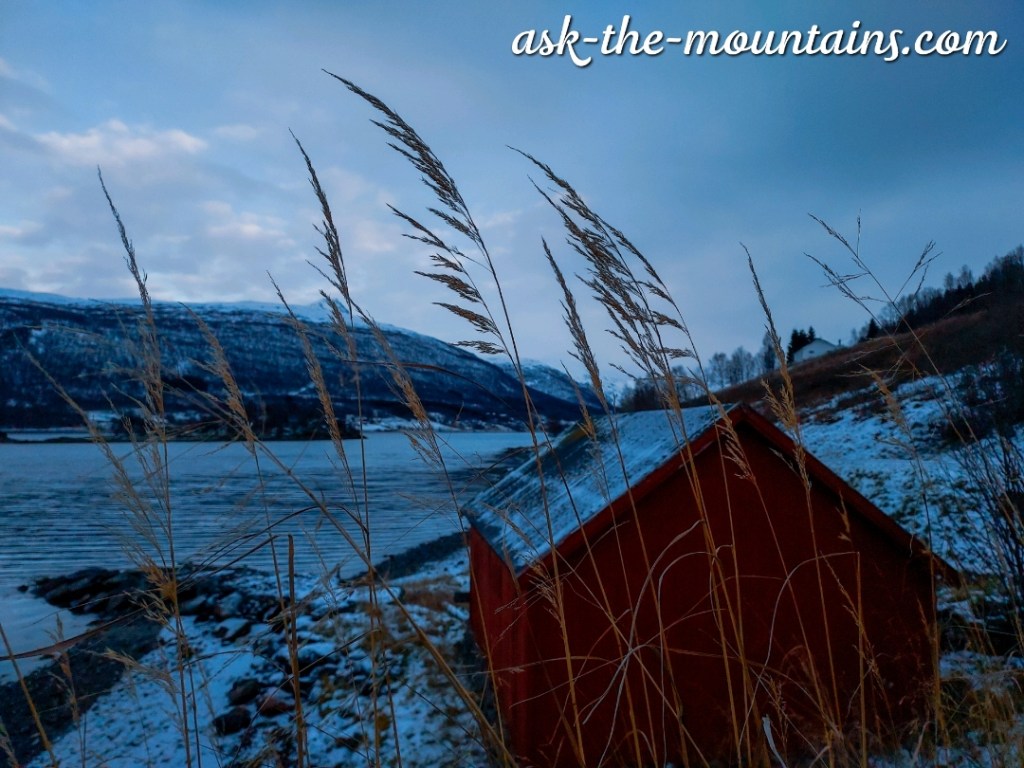
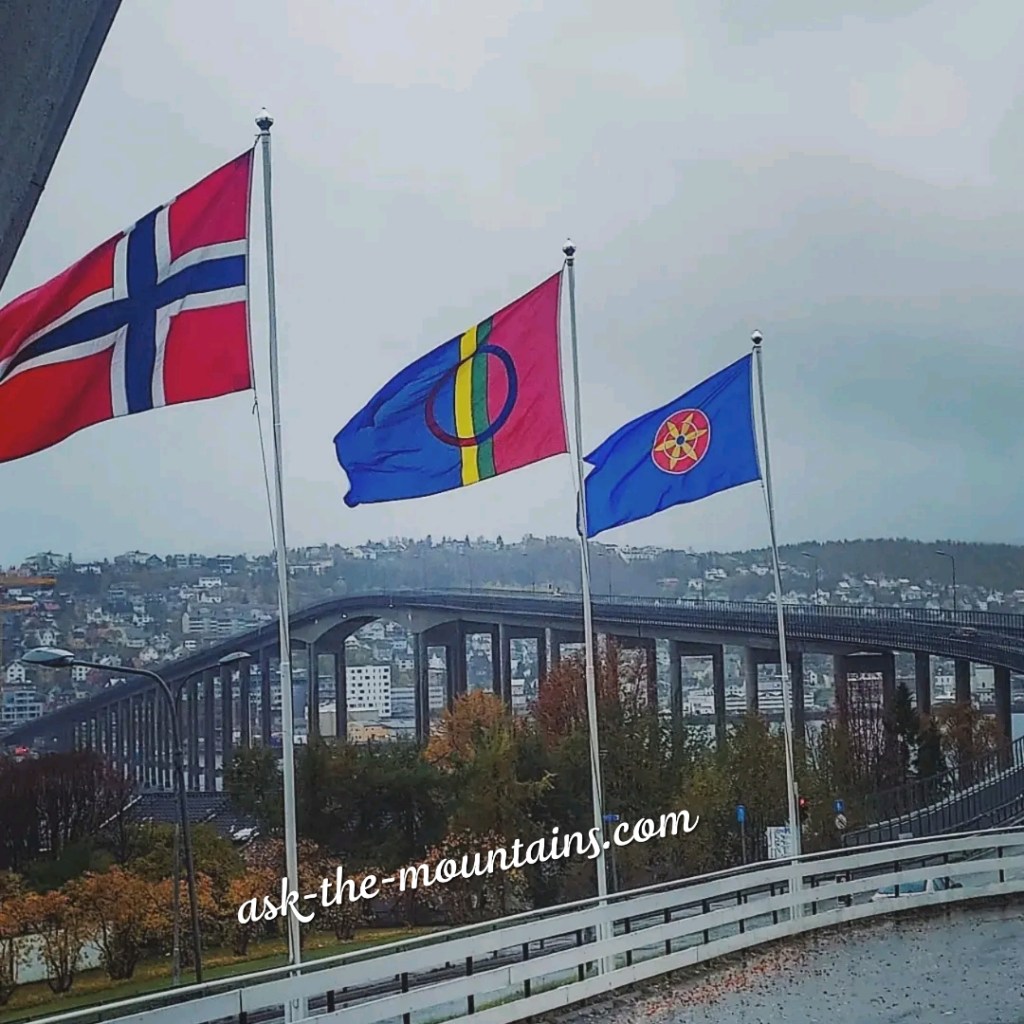
Crips airHalf autumn, half winter Woman walking…Kitchen view 22.oct. The adults were watching over the white baby reindeer. Colours of autumnWe are 6-7 women doing ice bathing every week togetherHelps to have a fire when icebathingSálasvaggiFrost on seaweedFrosty boatWhen winter crept down the hill side12:30 lightIda swimmingKali on a reindeer peltLadies ice bathingMe ice bathingAfternoon light in autumn Reindeer heart…Cooked it with onion and full fat creamNorwegian, Sámi and Kveni flag next to each other Blue tones by the riverPastel hues
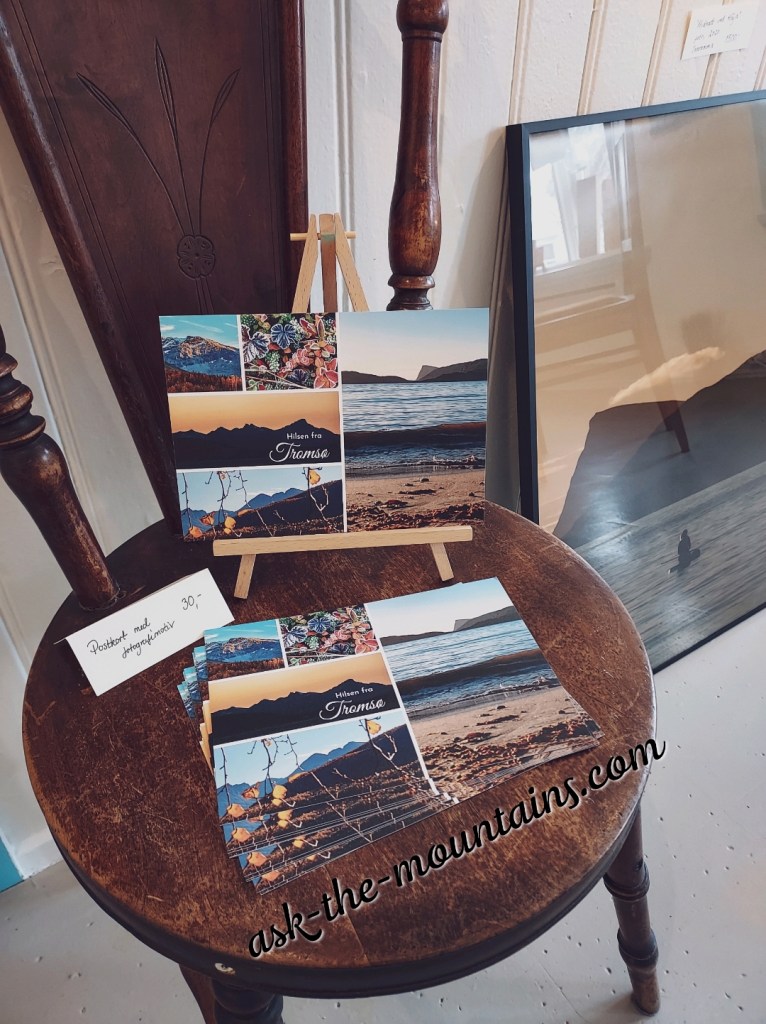
Kunst -og fotoutstilling på SevenDesign Atelier fra 3.-31. mai, oppe i andre etasje, i rommet med de blå vindus-og dørkarmene 💙 Rommet har ett kafébord og stoler, og rommet før har kaffe -og snackservering samt utstilling av andres kunst. Åpent alle ukedager 09:30 – 17:00 (18:00 på torsdager). Har også postkort, print og øredobber til salgs. Jannicke på SevenDesign har utrolige mye annet spennende der, i begge etasjer og flere rom.
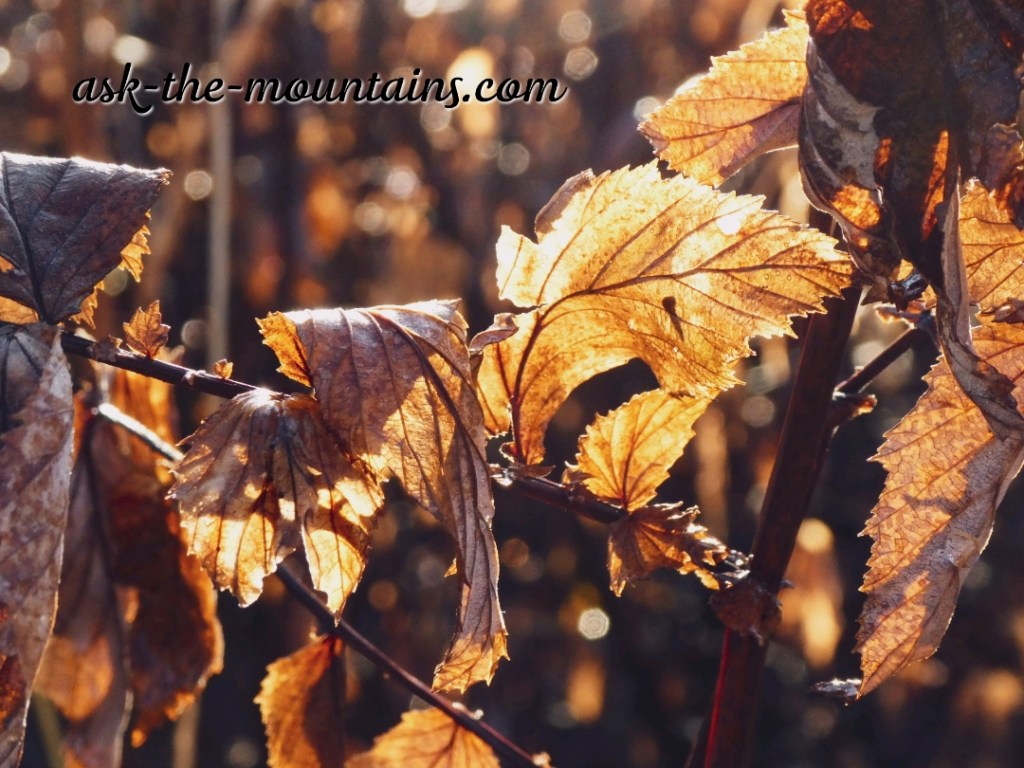
Morning sunlight through the autumn leavesDew drops…Patch of neighbourhood bathing in morning lightA kind of autumn bouqet I pickedIt’s dark in the evenings now. Hello candles!The golden season
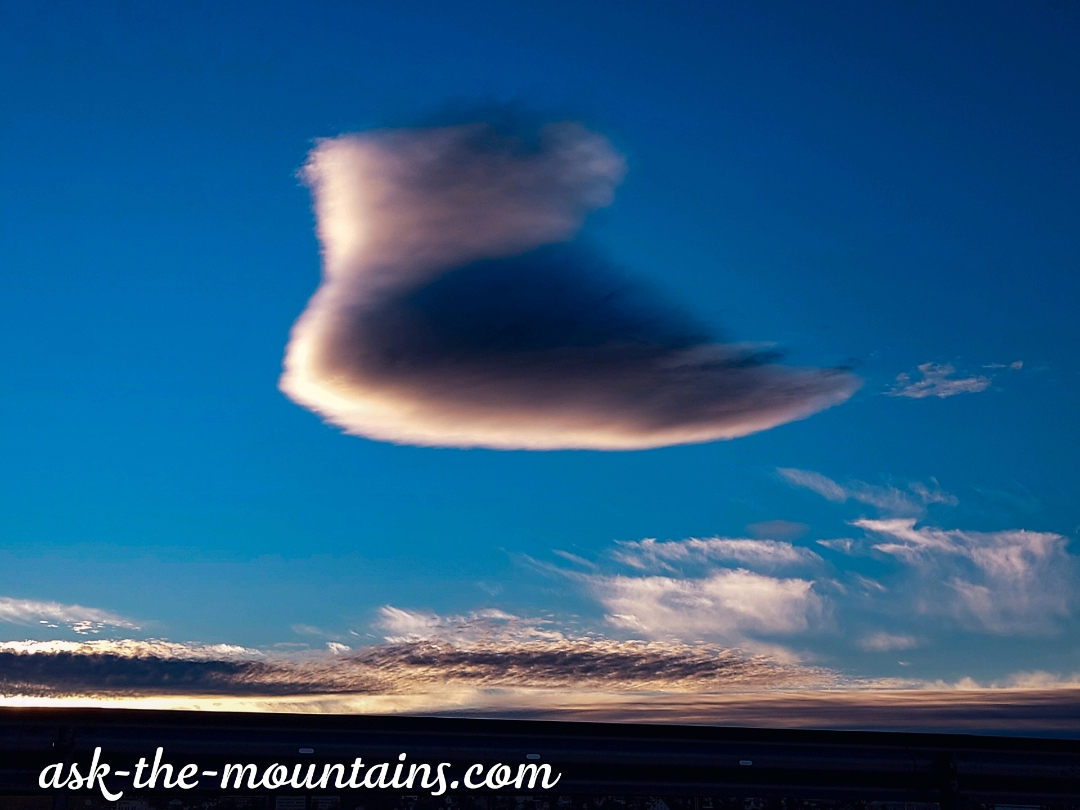
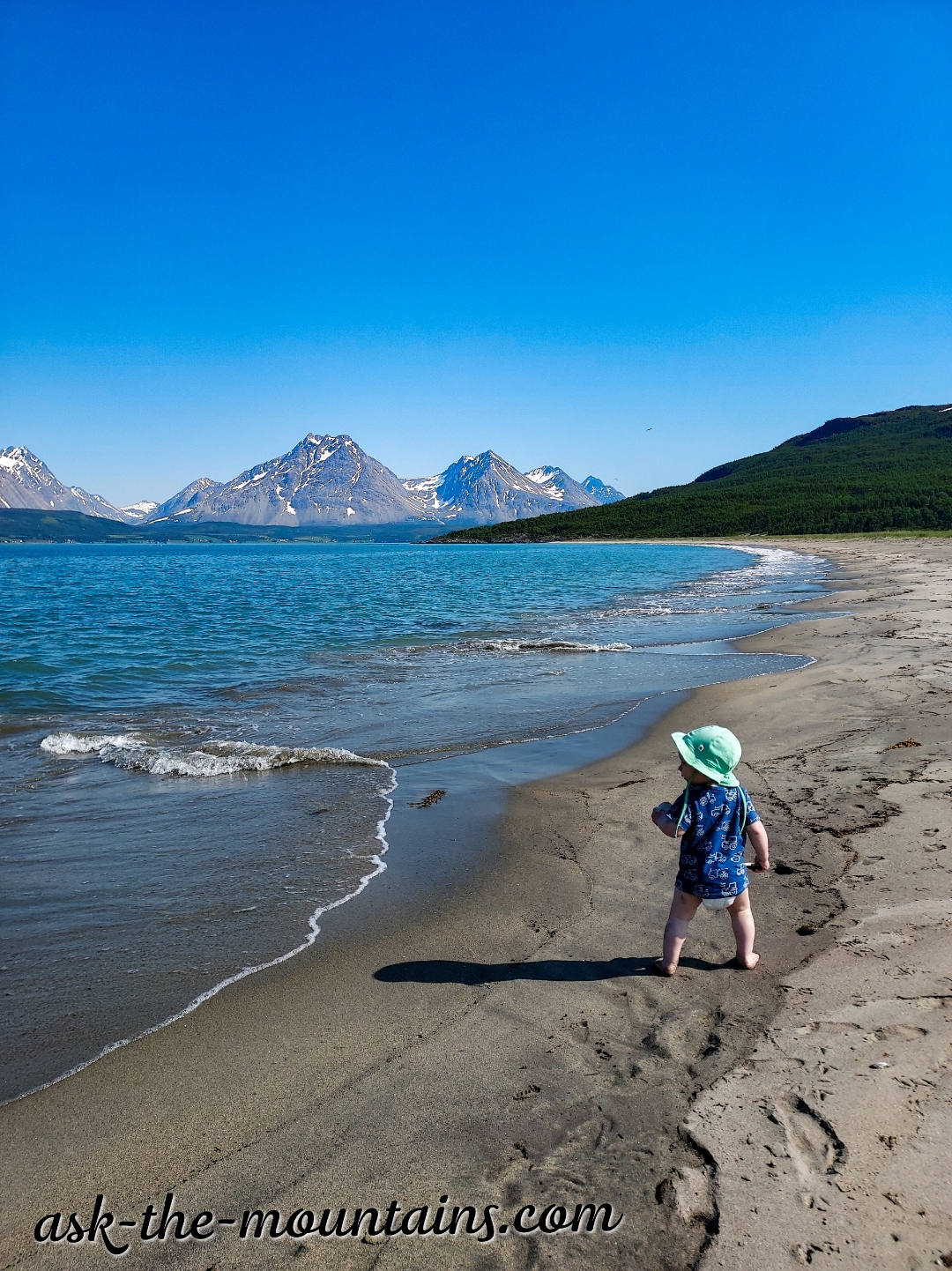
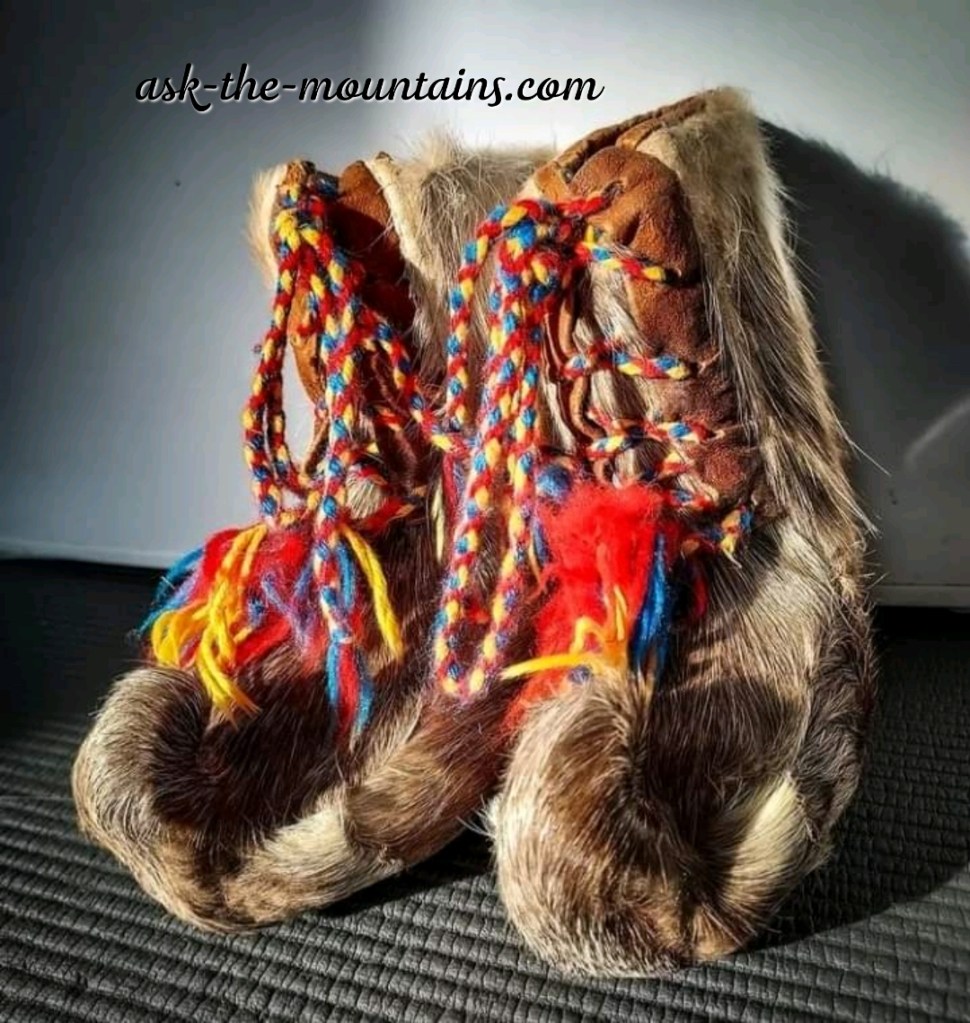
Sunlight in the sea – the grey stuff is mudLate summer in AugustA foot bath in the sea mudA funny cloud that looked like skaller (nuvttohat/sámi pelt shoe)Kvaløya seen from Tromsø islandA pale yellow flower from my mother’s gardenOur son being immersed in play
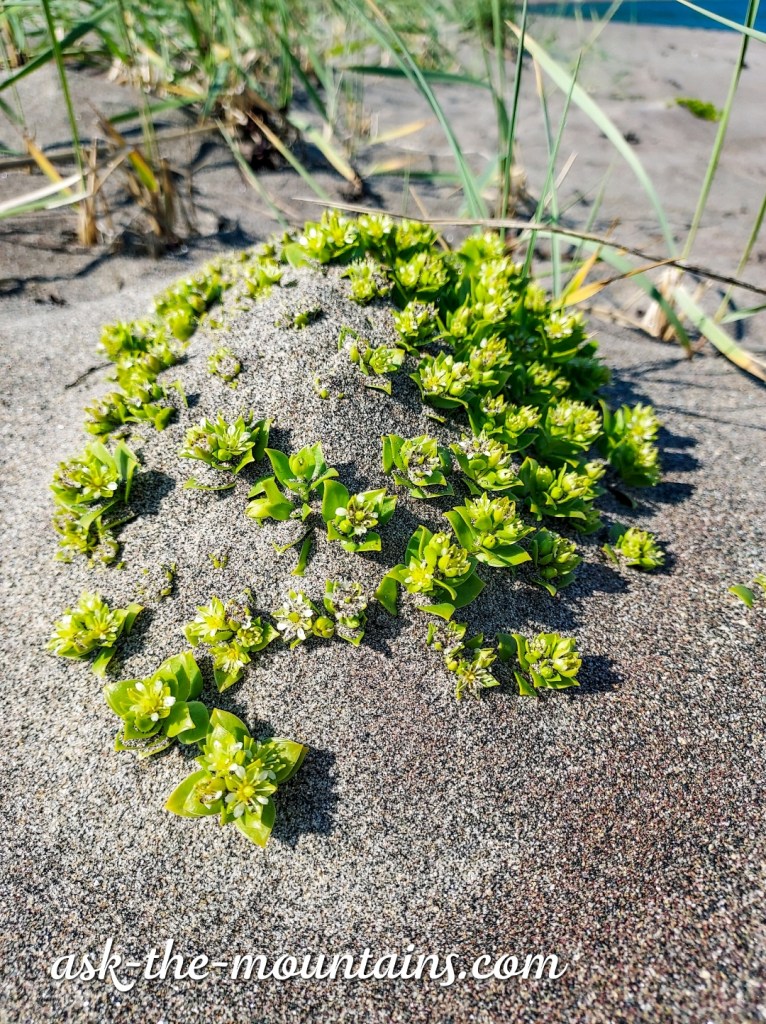
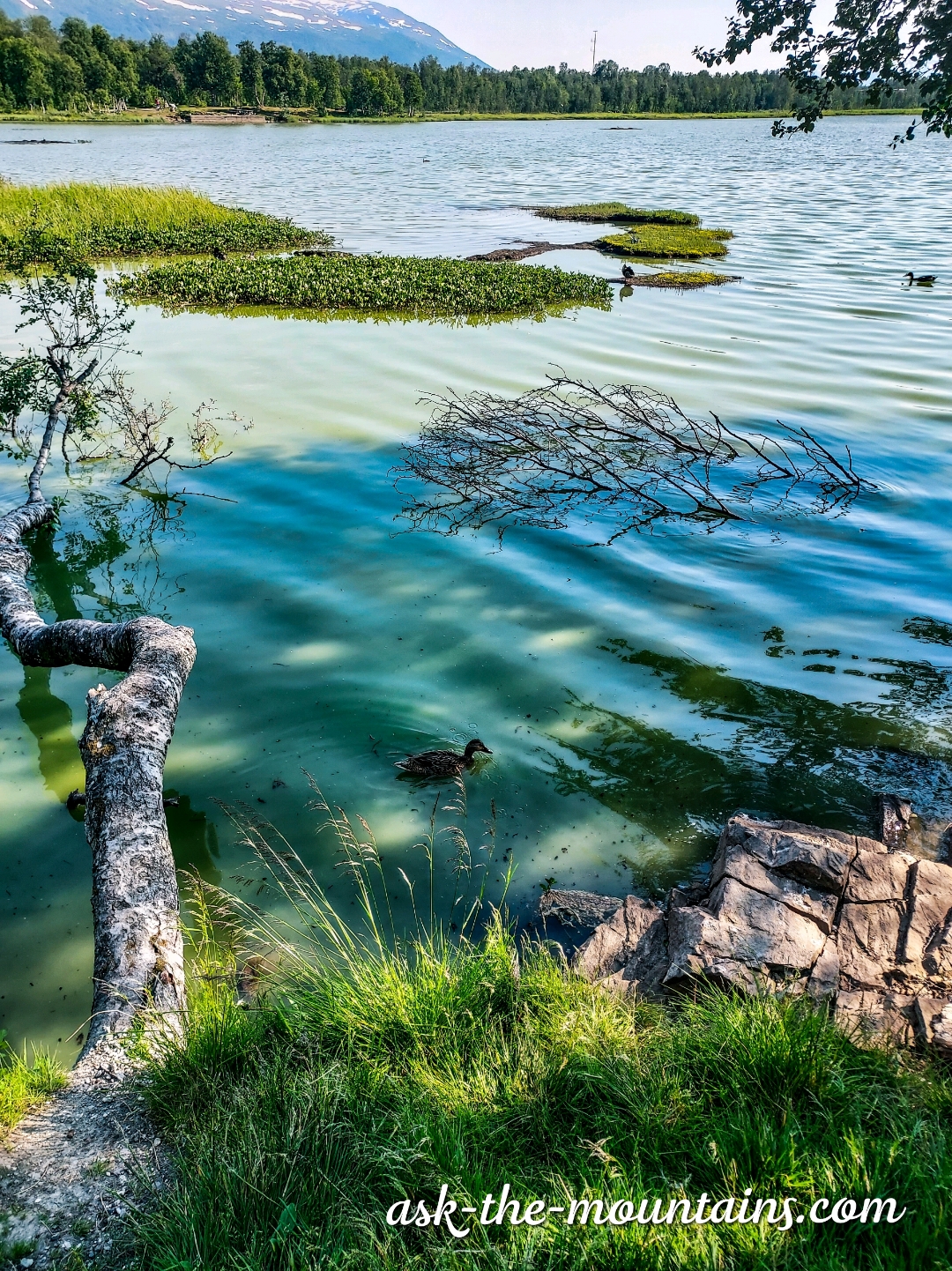
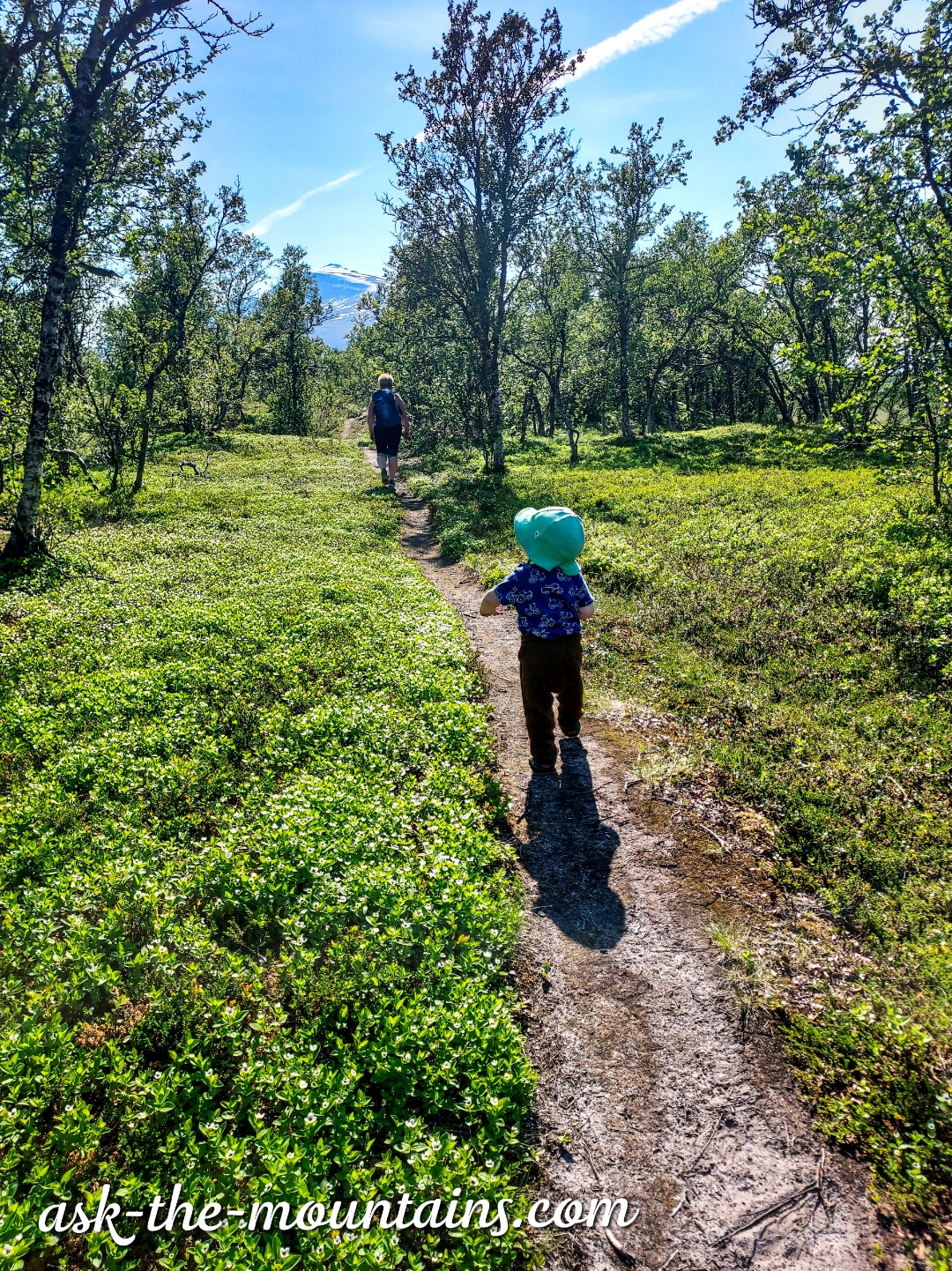
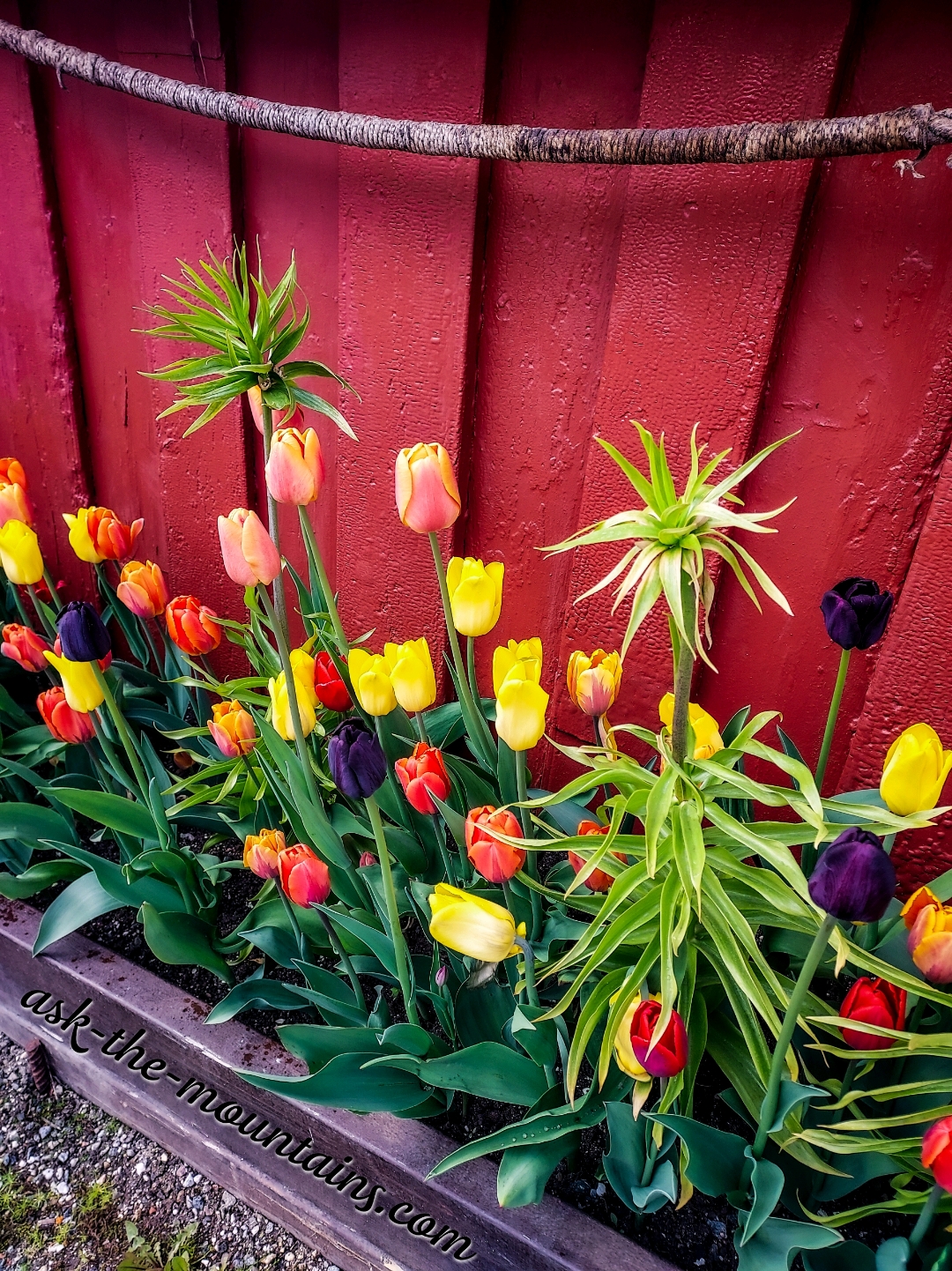
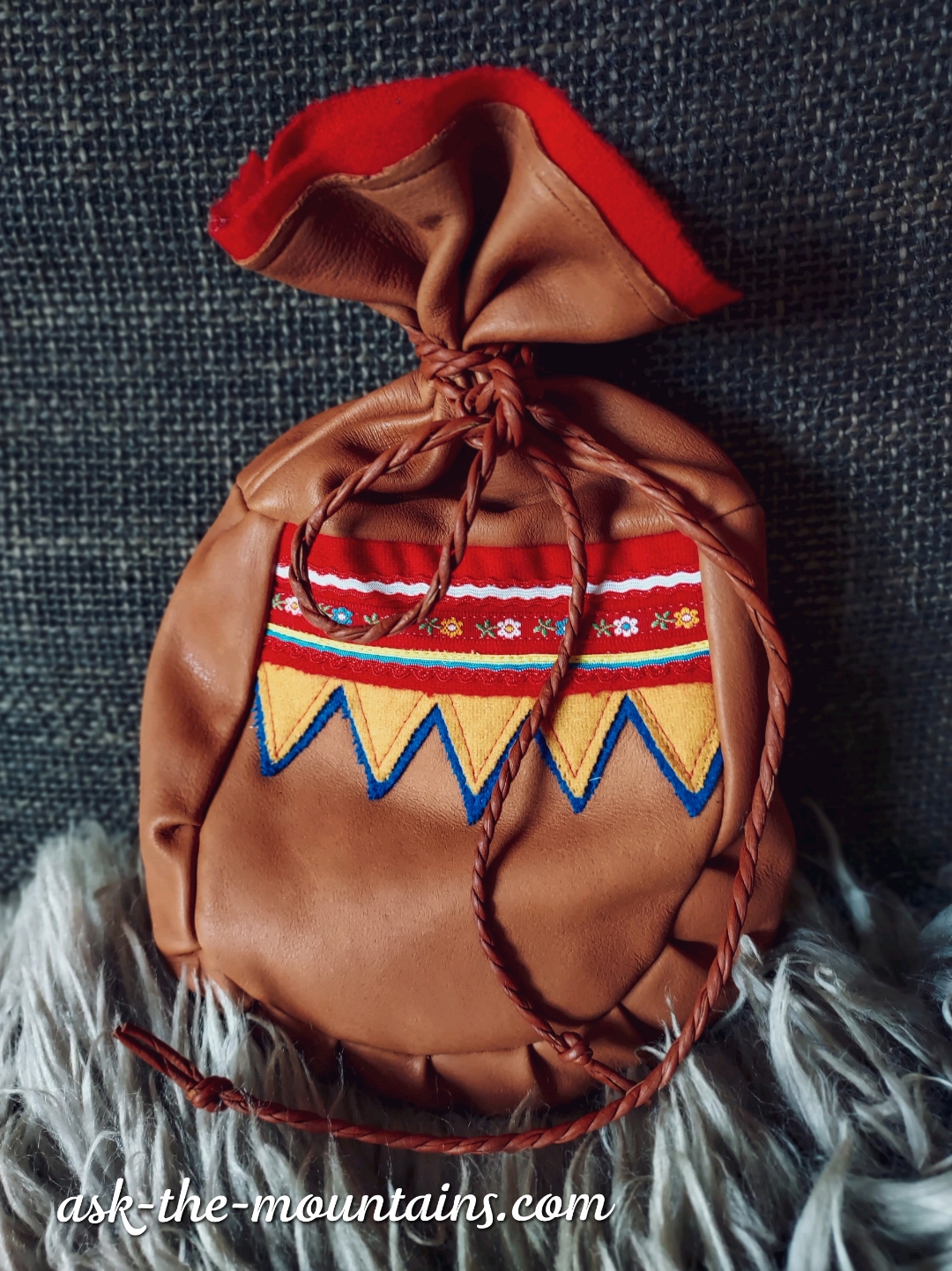
My mum staring into the ocean 💙Little flowers in the sand at our hidden secret beach.Beach view.Our son got to see and play with the ocean waves. He was kind of scared, but also curious!Prestvannet / BáhpajávriSome lotus like flowers at the Arctic Alpine botanic garden. In the forest 💚Some gorgeous tulips outside the Polar Museum in Tromsø.My beautiful coffee bag sewn by duojár Inga Nilsen Eira. It’s made from reindeer skin, wool and cotton bands, and braided reindeer skin string. Perfect to bring my coffee on walks and trips ❤️
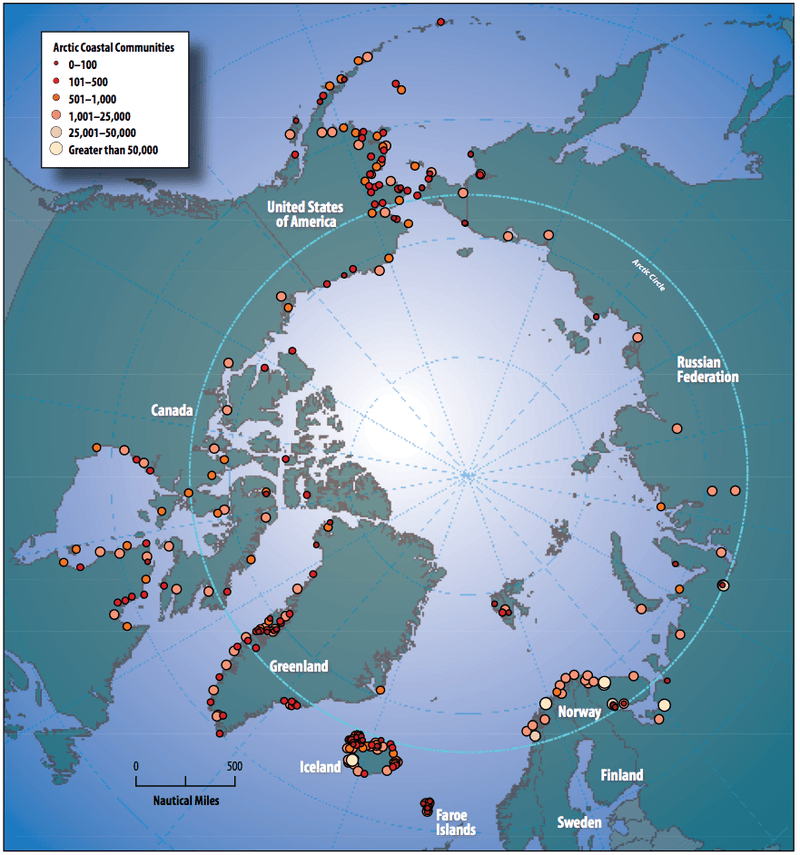
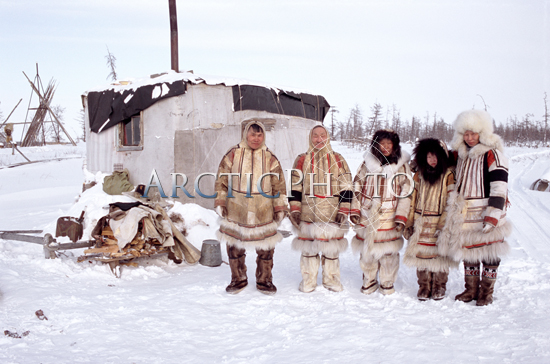
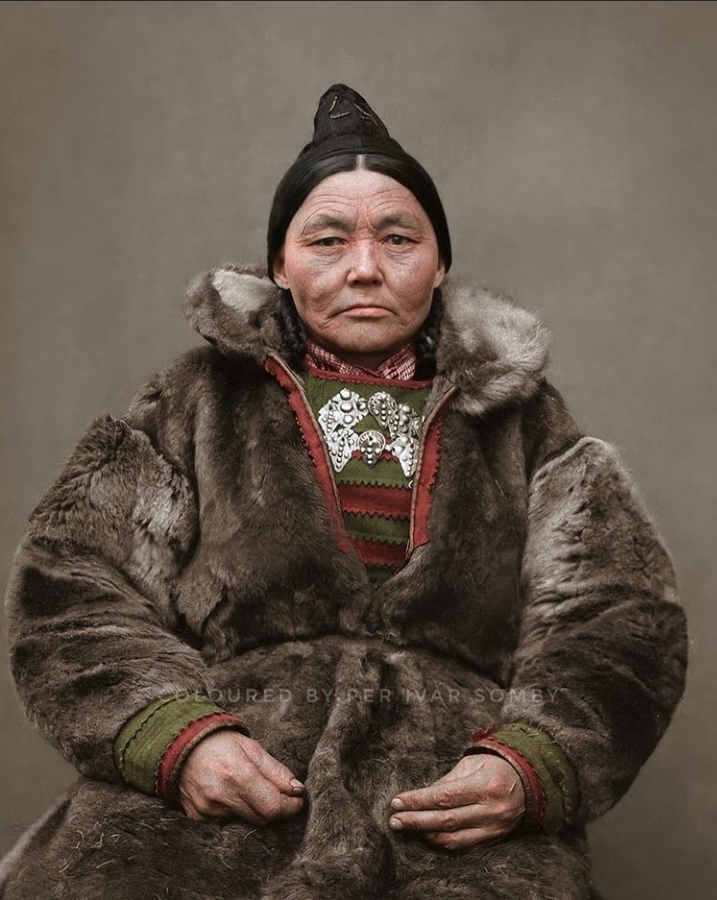
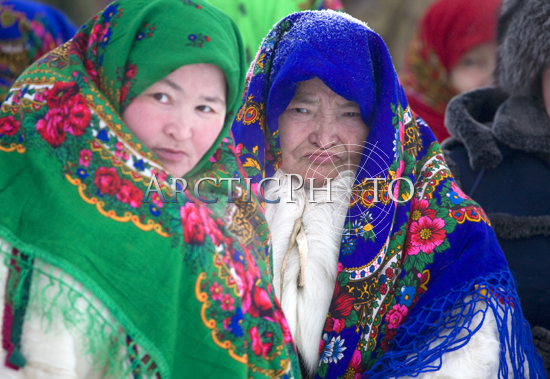
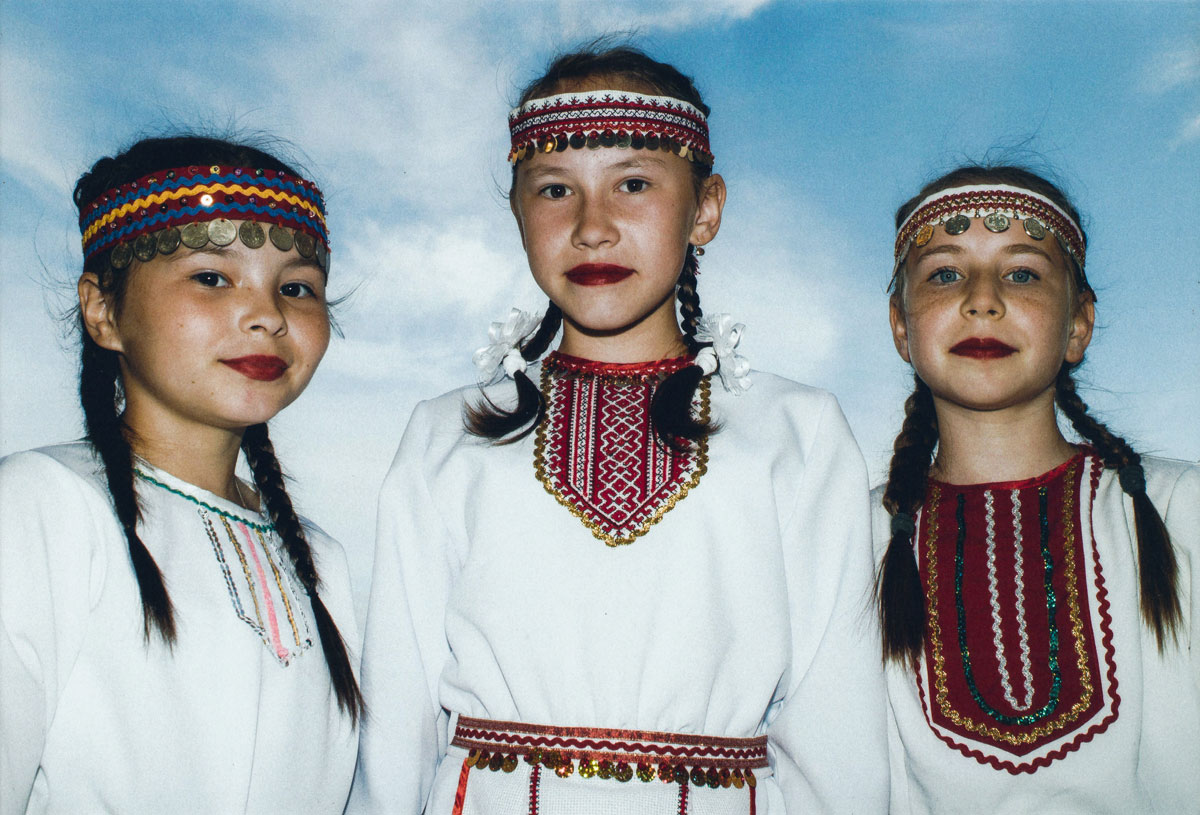
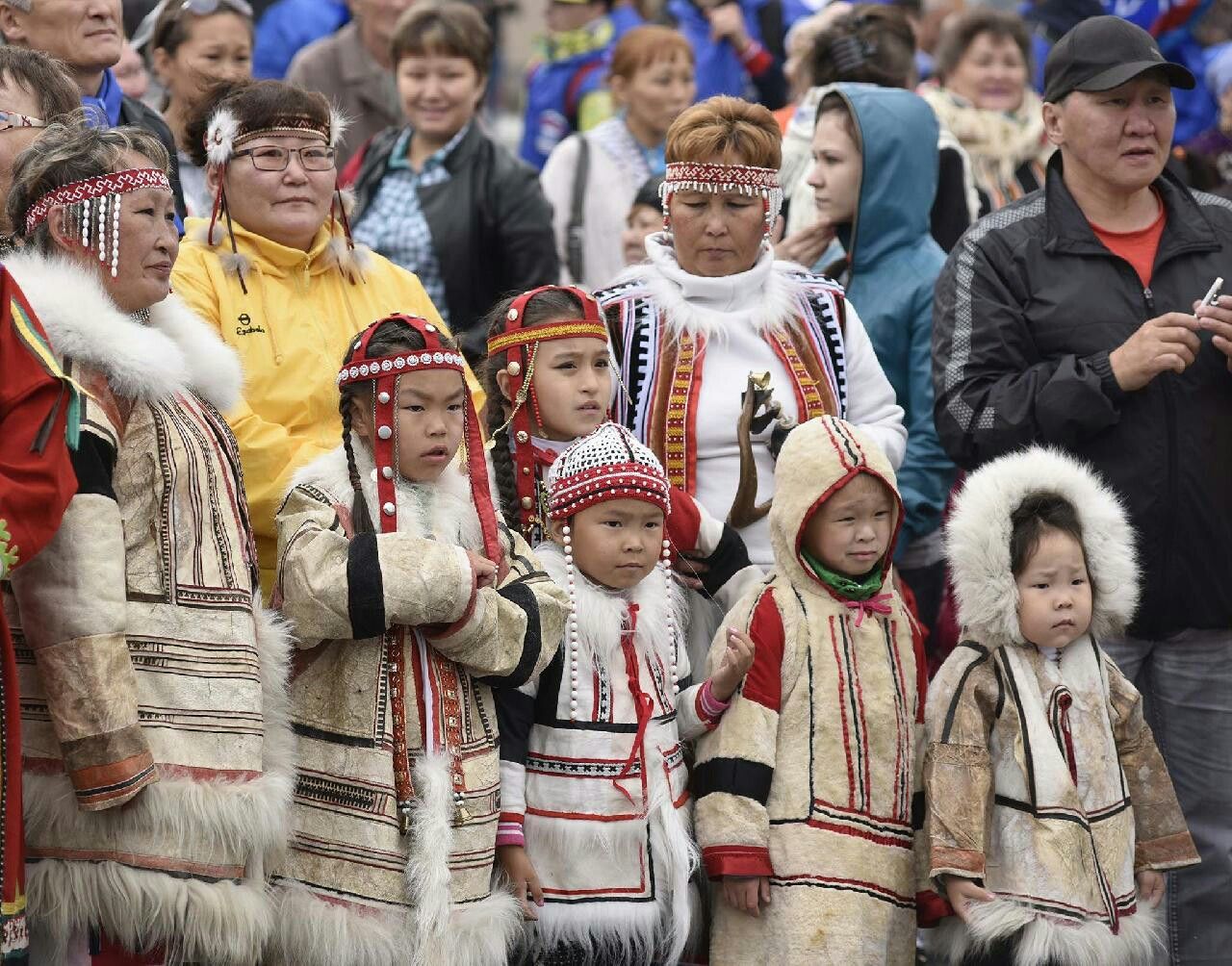
Who are Uralians and Ugrians? We are different peoples with unique cultures and common linguistic roots, stretching from Russia, over Siberia and the Ural mountains, into Scandinavia. Some have moved further south, like the Hungarians. Many of us live Arctic and sub-Arctic lives and livelihoods. Many of us also have lost our traditional cultures and language.
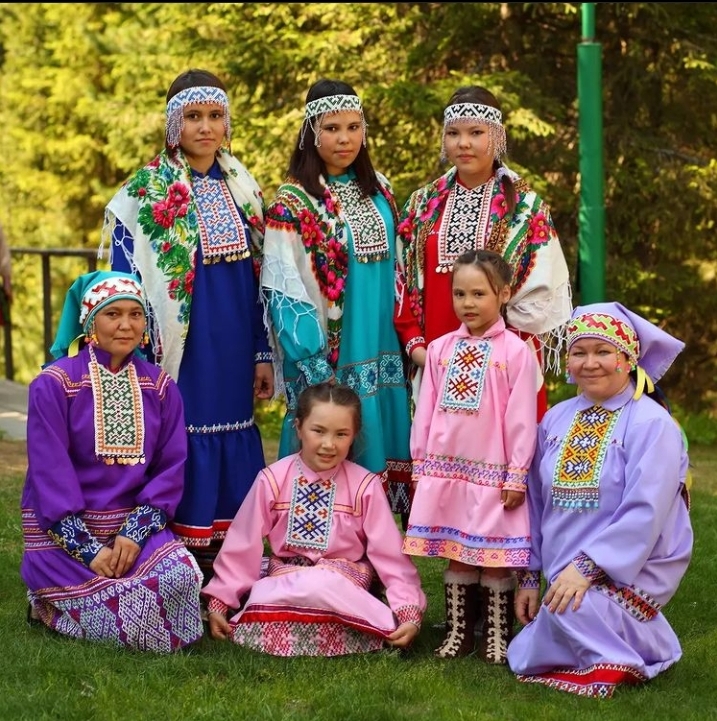
We are Sámis, Kvens, Finns, Karelians, Khantys, Maris, Mansis, Nganasans, Nenets, Komis, Tornedalians, Selkups, and many more. I added a small variety of photos from our community below.
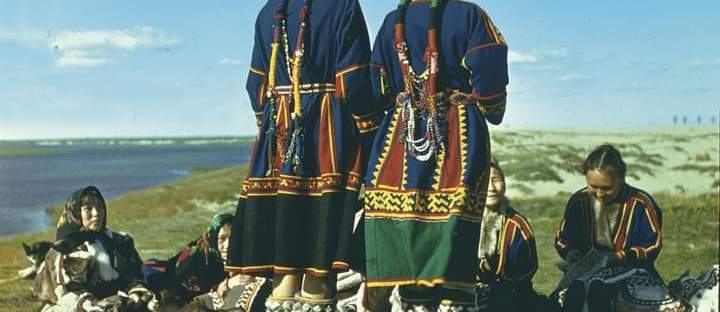
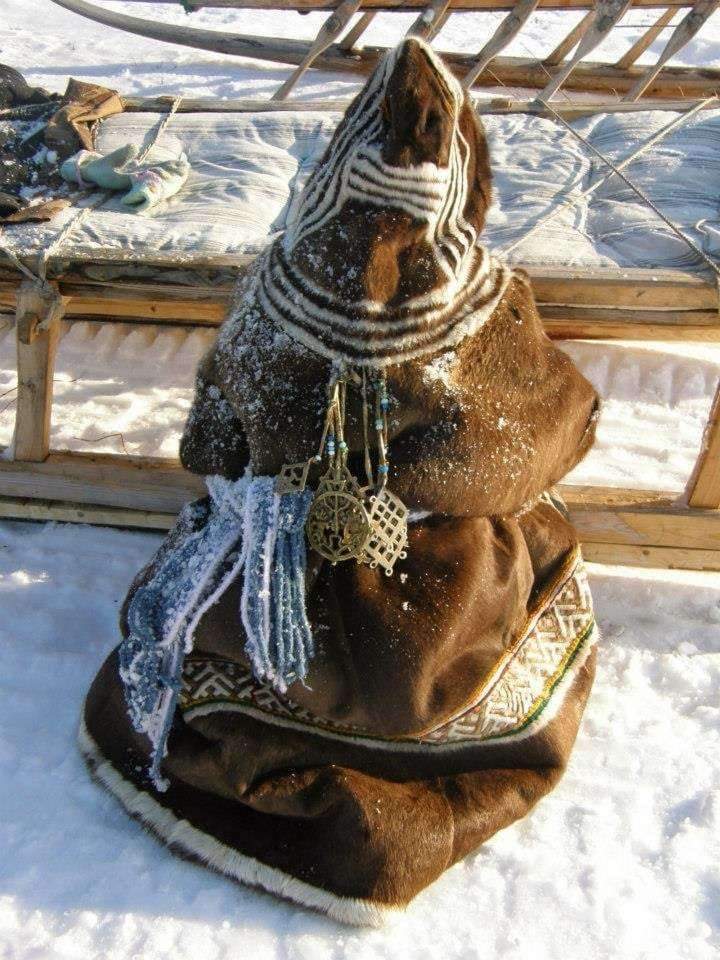
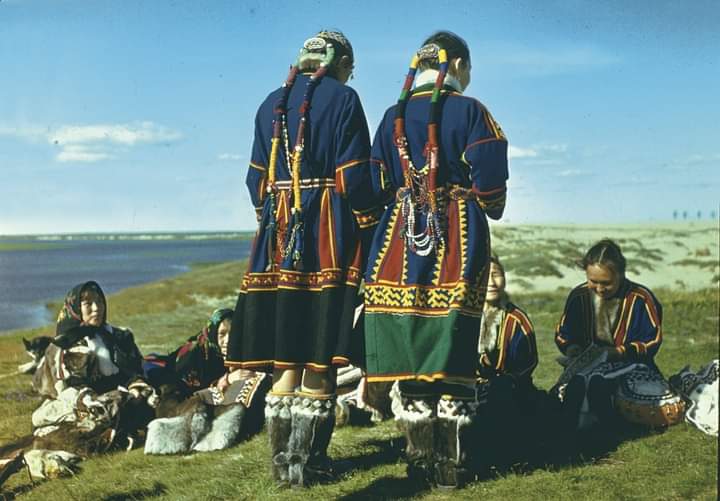
Uralic clothing vary from boys and girls/men and women, and is usually made just to fit the climate. Sewing patterns are often kept within the family and only used by the ethnic group and not outsiders. Summers can get pretty warm, and winters of course get extremely cold, so there are different garments for the seasons. More text and a poem below 😊
Usually, if not always, ethnic European and Eastern/Eurasian (Arctic) clothing has specific designs for women, men, girls and boys. Practical, warm and distinguishable; usually a bit, or vastly, different for each region. Often bright colours and intrinsic details. Made from the immediate surroundings; wool and animals. Sometimes silk. Giving the wearer a place and belonging; need only look at a persons clothes to know where they, or where their parents are from. Sewing patterns are often kept within the family only. Nowadays however, many native outfits are only used a few times a year for special occasions due to many people moving into the city and/or the boarding schools, and designs are evolving with the new creative youth, creating new ideas and identities, which is normal and expected. But traditional sewing skills are sadly not being taught that much from early age.
Clothing is important. No store bought garment sewn by a machine can measure with an outfit that contains your ancestry and history in every stitch. Many nowadays are also lucky to have more than one ancestry and thus more wardrobe options! Many have lost their native language(s) and feel like a “poser” if they use them or sew them, perhaps scared of getting strange looks or be called names, but I will forever argue that we should wear it like our own skin, because it is a birthright of sorts.
Every two weeks a language dies with its last speaker, 50 to 90 percent of them are predicted to disappear by the next century (source for the statistic: National Geographic). For example; 35 out of 38 Uralic languages are endangered or critically endangered due to assimilation and globalisation. Many Uralics live Arctic lives and livelihood in Europe and Eurasia. Herding, fishing and hunting. Linguistics say there used to be at least (!) 31 000 languages in the human history, now we are down to around 6000, and it is declining every fortnight. This makes sewing and using our traditional dresses even more important.
Keep sewing and keep teaching children traditional skills. They will thank you down the line, I am sure of that.
Thank for reading. I will end this post with a poem by Ingrid Mollenkopf from her book ‘Between Sleeps: Uralic Poetry’:
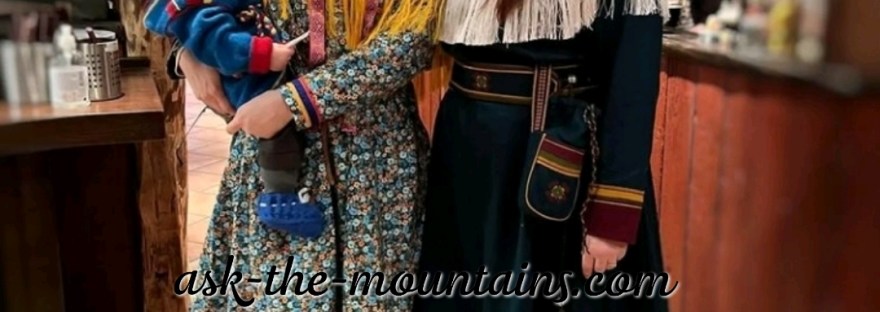
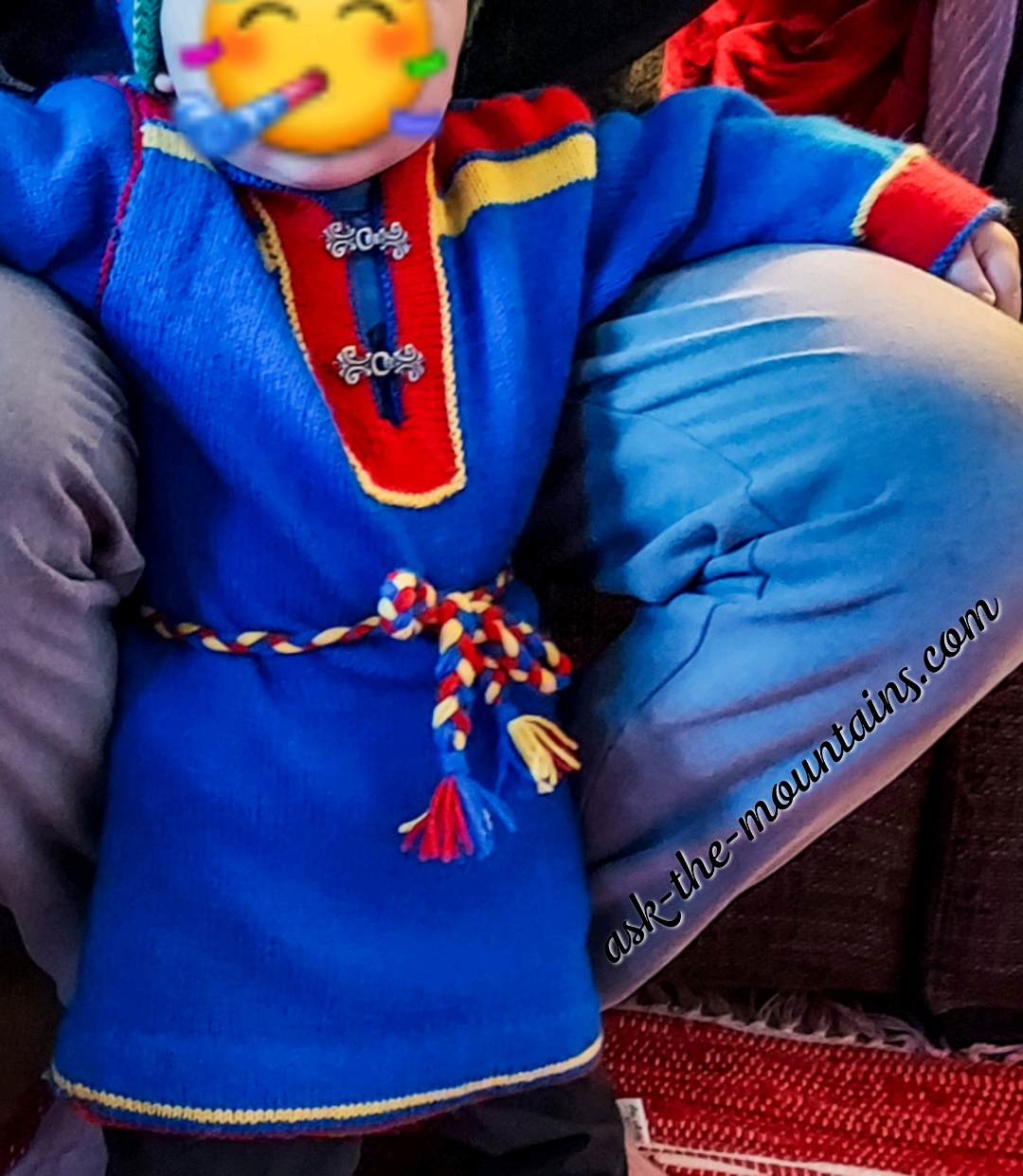
Me, our son and my friend and relative ❤ Láhppigákti. Coastal Sámi.💙💛❤Hat and traditional shawl made by me ❤💛Traditional knit by his father’s mother. Belt is supposed to be on hips, but not easy when he is moving like a little maggot 🪱😄
Today, we celebrated the Sámi National Day, Feb 6th.
I have Kven/Finnish, Norwegian and Sámi heritage, and love to celebrate what I can while I can. I am deeply thankful for my connection to my heritage and my own heart, and wish you all the best 2022 possible.
Feeling the Sunday blues today, and felt like sharing some thoughts I have had for some time now. I hope I manage to articulate myself in a good manner, and hoping to hear others’ view on this as well 🙂
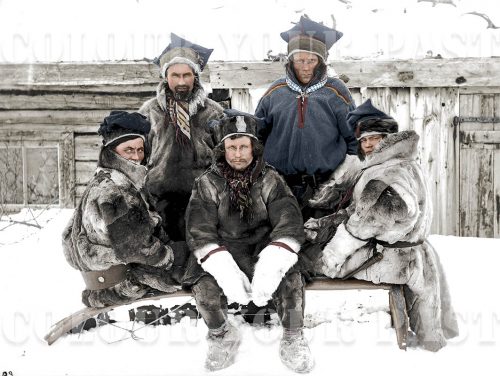
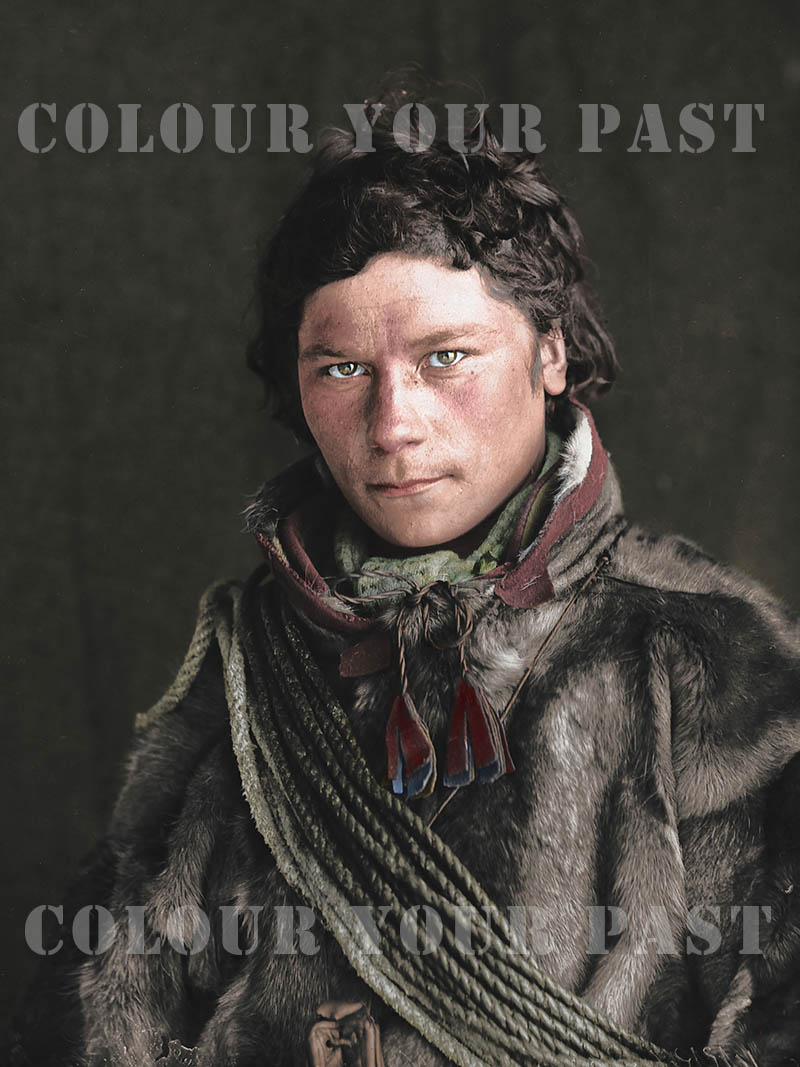
I feel it is so important to have a sense of community and identity. A tribe of sorts. In fact, we all did up until very, very recently. You could even tell what area or region people were from by their clothing. The way they proudly wore their identity and sense of community. It is so rare nowadays that tourists will literally pay thousands to witness authentic indigenous way of life.
A wedding photo from my family tree, many generations ago in Finnmark. Kven/Finnish and Sámi marriage.
It sounds silly, but I miss that. I have never had it, but I miss it. I miss traditional everyday dresses and stronger traditions. I miss women being more supported with raising children by their community. Not feeling alone in our experience. We are not supposed to raise kids alone. We are not supposed to not work together and to not rely on each other. When we don’t have that community around us, we get consumed by loneliness and loss of purpose. Just think about how wonderful it feels to have a good friend or a family member who truly cares. We are utterly dependent on our safety net.
The globalisation we see today has come at a great cost. Every month, the world loses indigenous languages. Every week, less natural surroundings and every day people feel more cut off from each other, and Mother Earth. Where will we end up? Even our diets are globalised, getting adviced to eat the same here in the European Arctic as they do in warm climates. That is not sustainable. That is not what have been practiced for thousands of generations, and what our bodies are used to.
I do not wish to naively say that all things were better before, because I do not believe that they were. I do, however, think we have lost something very precious along the way, at least in my part of the world. People who wish to reclaim their sense of community and identity sometimes even feel like a fraud or a fool for ‘taking back’ something they never personally had.
I believe that the trauma experienced by virtually all humans today by having our way of life so dramatically changed in such a short timespan, needs great healing. And only we can do that job ourselves; in our own hearts and minds.
Thank you for reading, may all beings be free and happy ❤ May communities heal and may we take better care of the planet 🌎
A heart opening guided meditation session led by Kim Rinpoche.
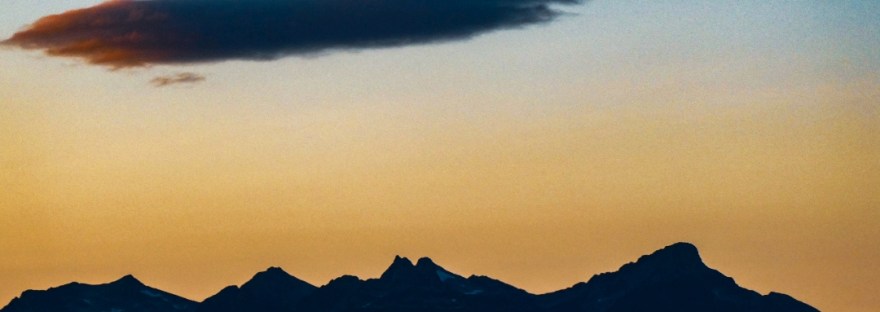
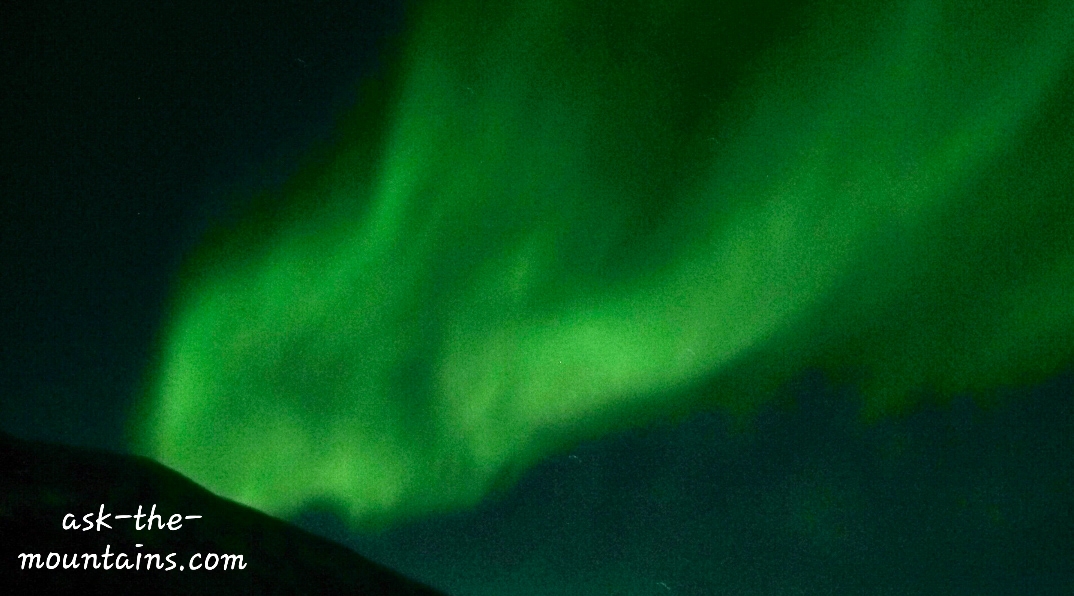
October night sky a few weeks ago 💙🍂
If we know our hearts and our own natural state, we will also simultaneously know how to love and care. Not only for others but for ourselves and our difficult emotions. Life is so full of difficult emotions, as we know. Compassion and forgiveness is always with you, like a silent friend.
Thank you for reading and still following my blog. It is most appreciated. My posts are very sporadic, as time flies by with the new baby. Long days but short weeks. Not enough hours to get it all done, and not enough hours to just enjoy him – this new little person that runs our lives now. Motherhood is equally hard as it is wonderful. I hope to get more painting and other artsy projects into my days again.
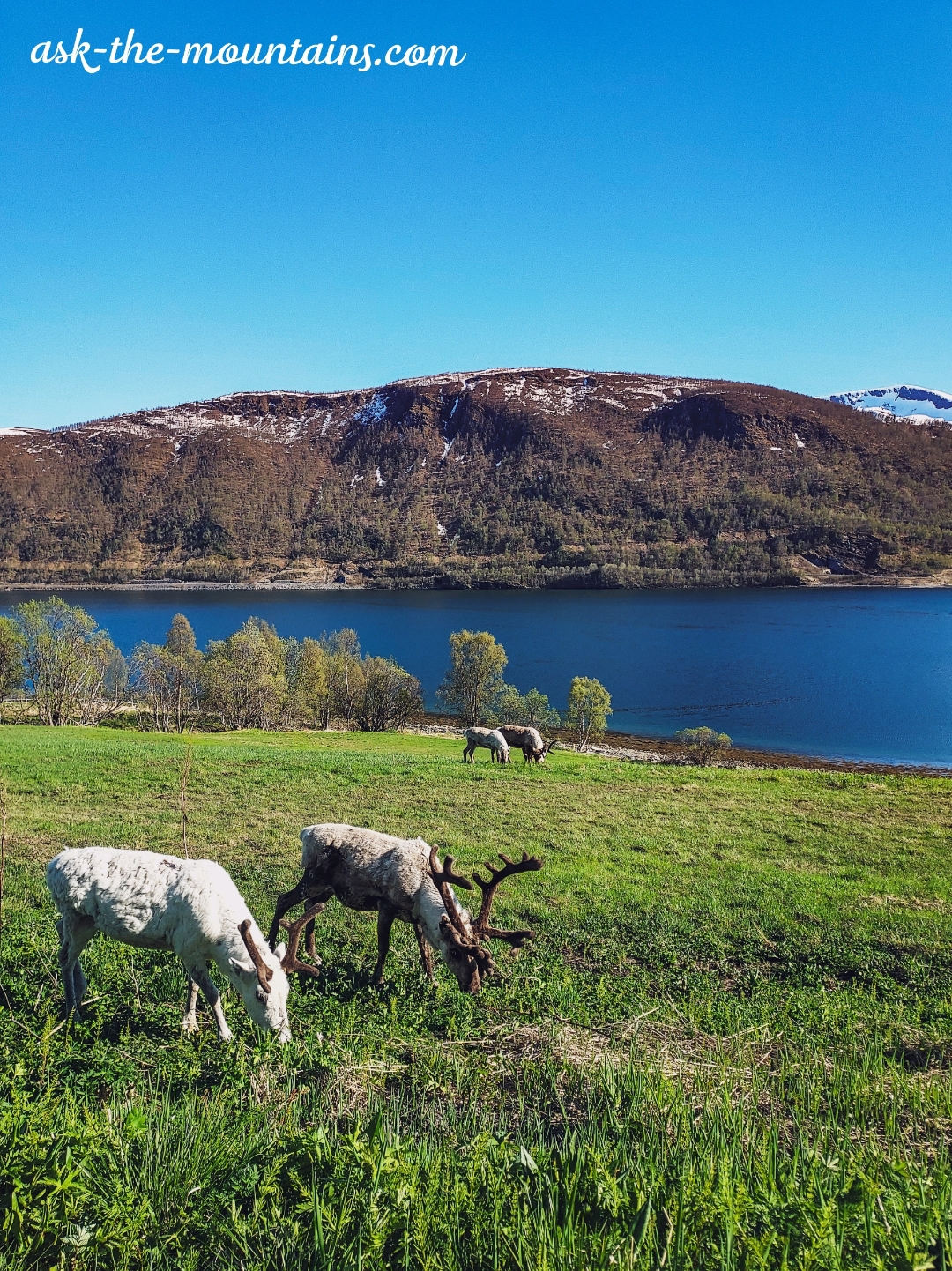
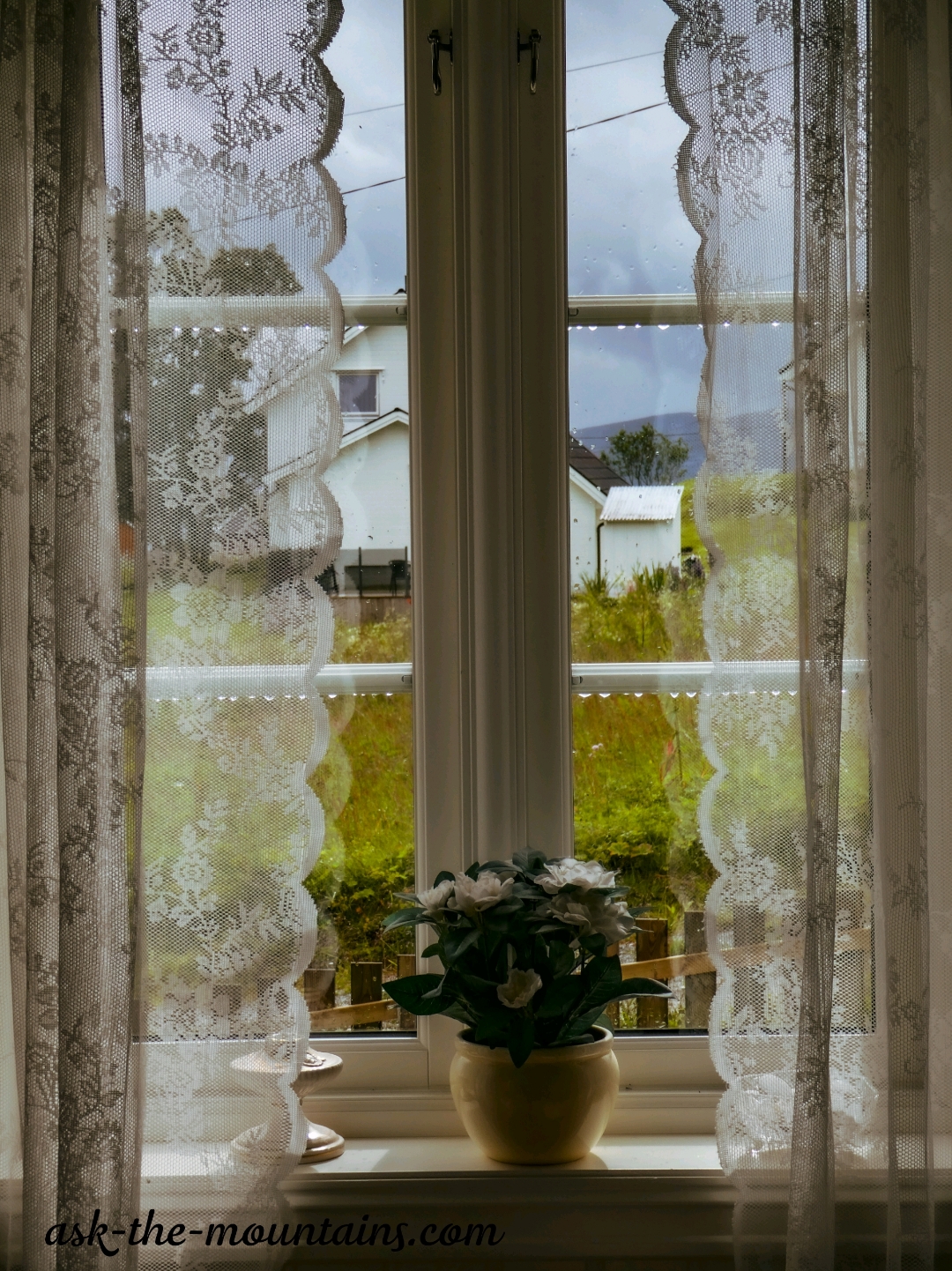
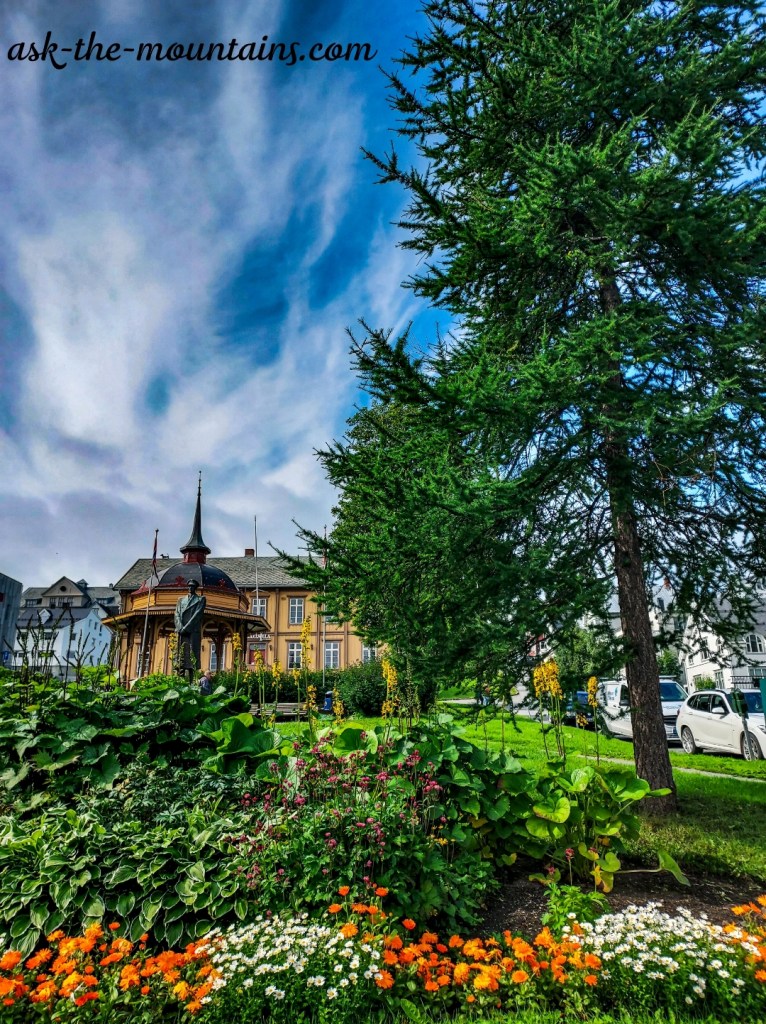
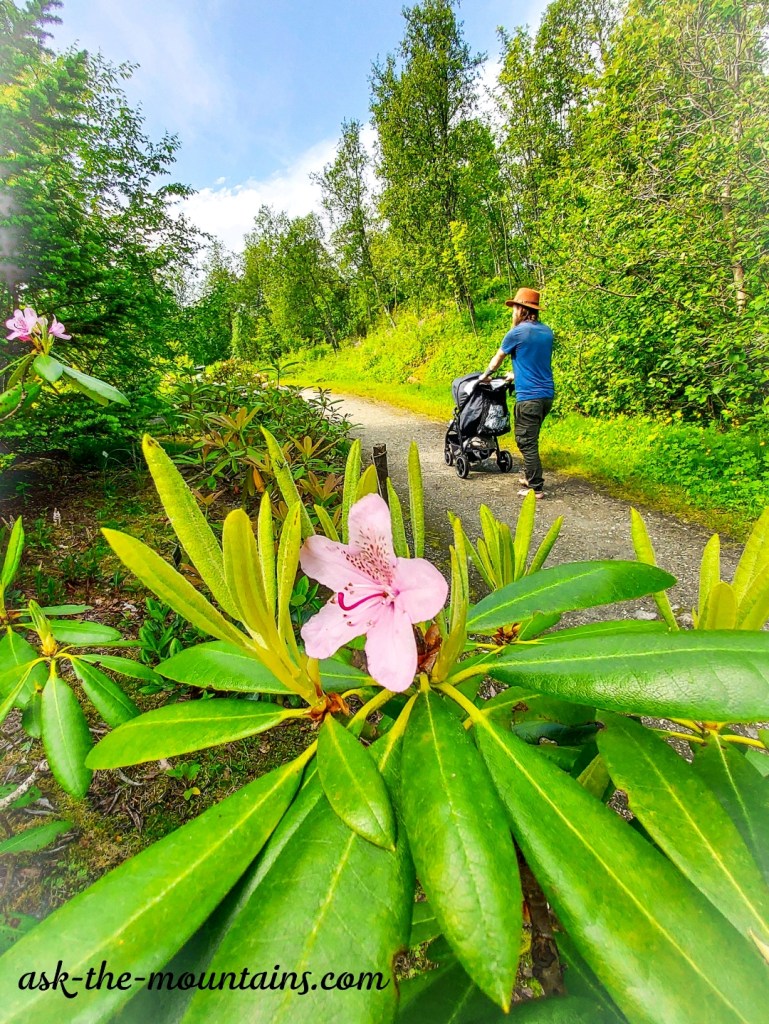
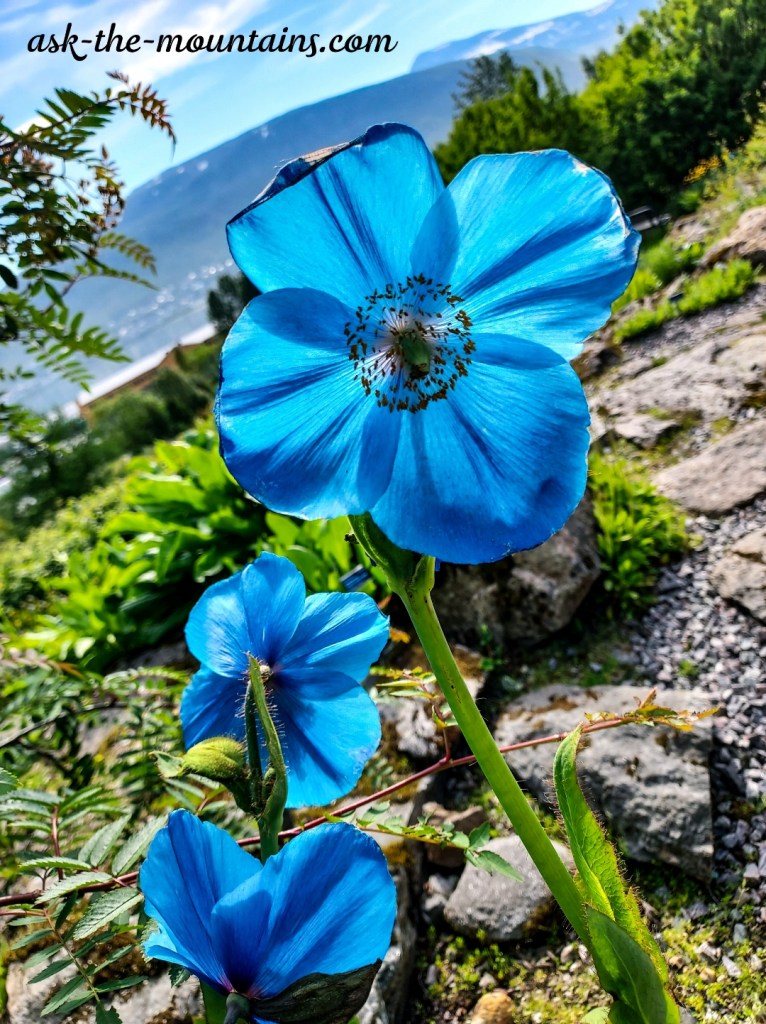
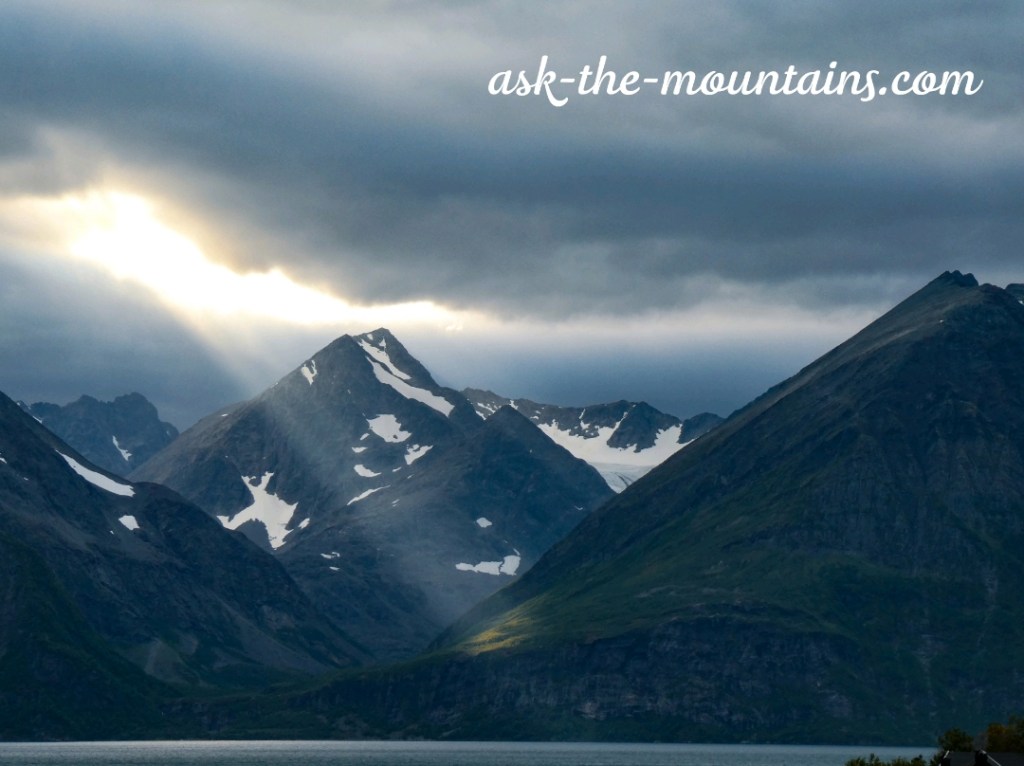
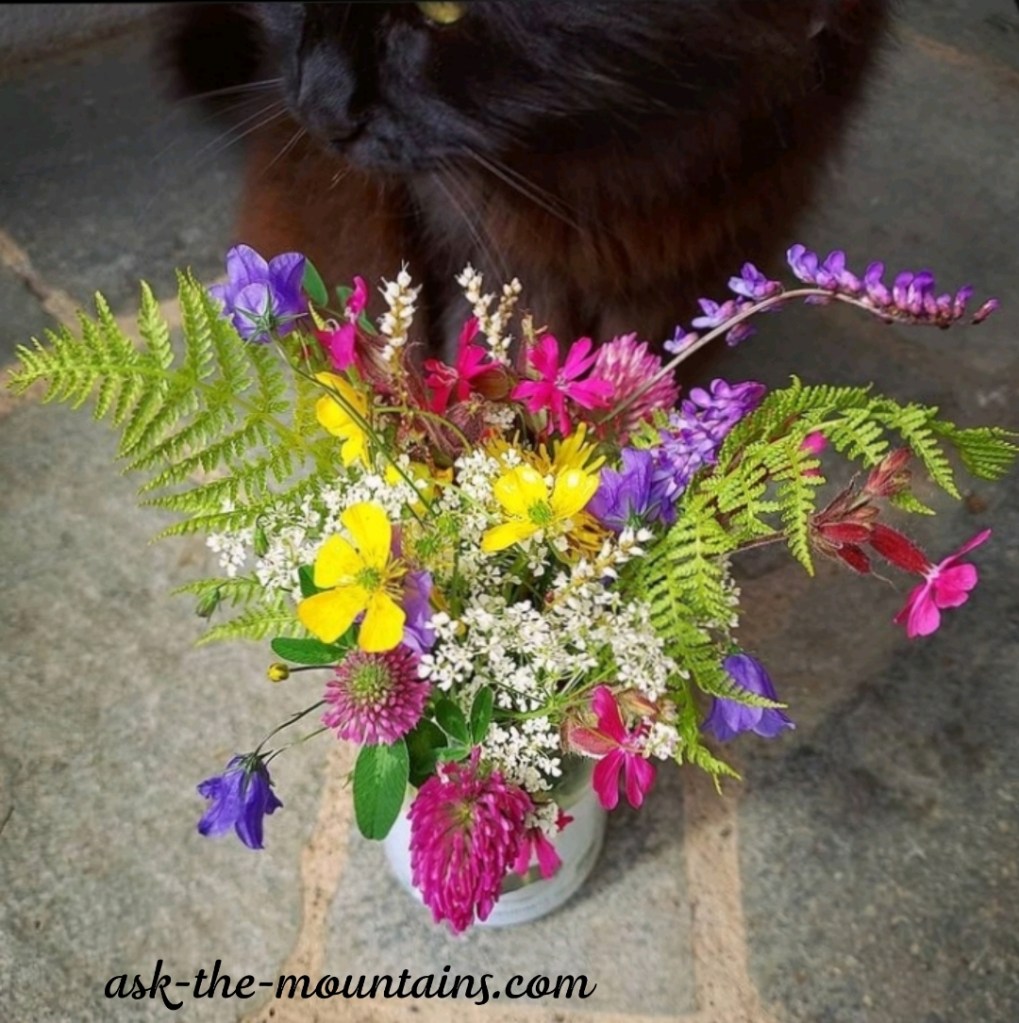
Håja and HillesøyHåja mountain. We drove up and got the best view ever. Very happy with this photo!Arctic July.More furry neighbours.Rainy summer day.Ilo, a cute little dog we met at Reinøya.Early morning at Reinøya. Seal at Reinøya. Summer swim.. Me and my boyfriend’s mother. 8-9°c!Tromsø centrum, the pavillion.At the Arctic-Alpine Botanical garden in Tromsø. Blue Himalayan poppies. 💙 In the World’s Northernmost botanical garden.So many beautiful colours and shapes.Midsummer, 23rd of June.Tiny Arctic dolphins.Sunlight over Lyngsalpan. Rainy evening at Spåkenes. Kali 💚🖤Picked a small bouquet.
“I love the Arctic summer, it’s the best day of the year!” Short but sweet. How was your summer?










































































 Ask The Mountains