Amrita Mandala, Awareness, Beauty, Bodhidharma, Buddhism, Culture, Dharma, Dzogchen, Everyday life, Family, Health, Heritage, Hinduism, History, Indigenous, Japan, Jesus, Landscape, Mahayana, Meditation, Motherhood, Neurodiversity, Nordic, Outfit, People, Photography, Photoshoot, Pregnancy, Quotes, Saami, Sámi, Sápmi, Self portrait, Shamanism, Spirituality, Tantric, Taoism, Vajrayana, Yoga, Zen

Transformation

This january marked the 10 year anniversary of starting my tantric path, although I started my journey in hatha yoga in 2011.

What is tantra to me?
It is easy to go into a textbook definition of it, and I will add one further down, but first I want to share what it means to me personally.

Tantra is transformation. It is working with energy in energy systems (of our mind and body).

Tantrics are usually laypeople – men and women with children, jobs, etc. We do not renounce the material and relative world but rather the opposite – using everyday life and challenges as fuel for the path, transforming impure energies into their pure state through specific yogic practices*.

Being a tantric means training and trusting one’s own path and experiences, rather than just doing what is being told – to have disernment and critical thinking, yet stay open and humble.

Tantra can turn ignorance into wisdom, selfishness into compassion. Illuminating the dark corners of our minds, interrupting the cyclical habits, and learning how to read and work with energies; masculine and feminine, peaceful and wrathful alike. To find the center between extremes; letting hope and fear, aversion and attachment collaps into each other. With practice I believe it is possible to return ones mind and body from the samsaric state into its natural pristine state – which is the difference between ourselves and fully realised practitioners/masters of yoga/tantra. It only makes sense to me, for example, that if you can heal 10% of your traumas, you can heal 100%.

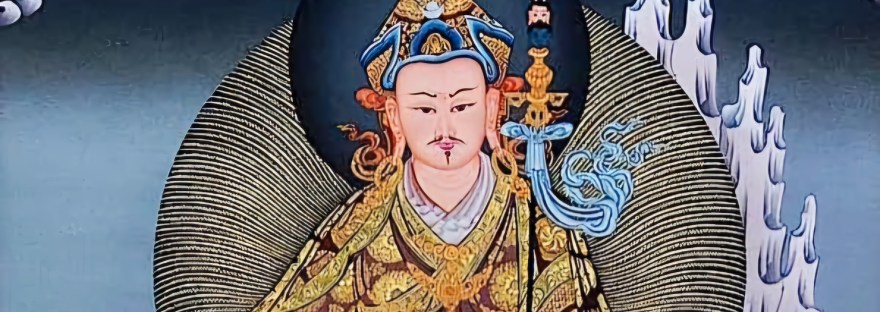
There is no tantric lineage without a head teacher (‘guru’ in sanskrit language, although I hesitate to use the word guru because it has been so misused and thus misleading). Tantra is based on passing empowerments from the teacher to the student. All empowerments I have received has been from Finnish tantric teacher Amrita Baba, and I am part of his sangha (community of practitioners), called AmritaMandala. I feel fortunate to have found what I deem to be an authentic Teacher of Dharma, who is able to transmit high teachings to his students, so that we actually feel the shifts and benefits. In this pragmatic lineage we work closely with non-physical tantric masters (mahasiddhas), mainly Padmasambhava, Yeshe Tsogyal, Ishanath (aka Jesus Christ), Babaji, Mataji, Krishna, Radha, Lao Tzu, Bodhidharma, among many others. See full list here.

Personally, I feel a very close relationship with Ishanath, he has for instance healed some of my serious physical ailments spontaneously on more than one occasion since 2021 in meditation, and he is – in my eyes – a true tantric yogi beyond of any religious establishment – pure Christ consciousness.

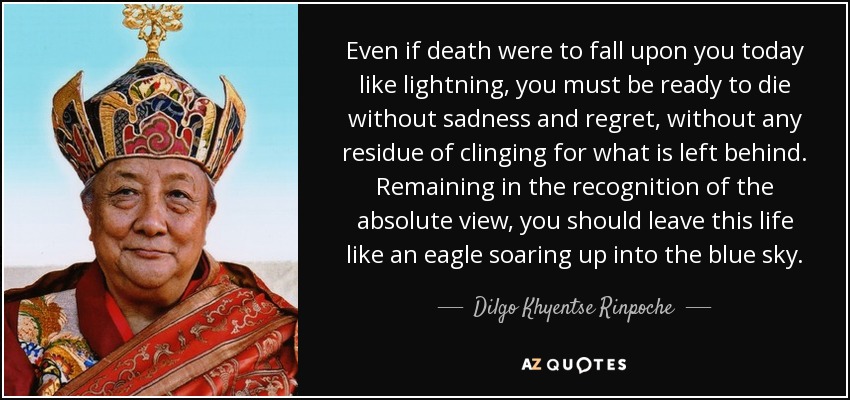
Impermanence is also a central topic in tantra. It is well believed that a practitioner (tantric yogi/ni) should be able to know what happens at the time of death (our two subtle bodies leaving the physical body), and there are practices for this specifically. Meditation and contemplation on illness, death and the impermanent nature of the relative world is essential.

I vaguely remember a few past lives, and that my soul chose this incarnation; I chose being a girl/woman, my parents, my place of birth, and the immense health challenges to fuel my practice. The deeper the suffering, the wider the perspectives, the greater the lessons and the brighter the light at the end of the tunnel.

I am also a Mother, and both of our boys’ souls came to ‘visit’ me before they decided to be born through me. I feel very honored that they chose us as parents, and I cannot wait to see what their plans are for their lives.

Another important cornerstone of tantra is bodhicitta; the genuine wish to attain enlightenment for the sake of all sentient beings. This wish can carry you through some of the darkest moments – it really has for me.

Do you have a spiritual practice? 😊


*Main practices of Amrita Mandala is:
Rainbow Body Yoga (free download)


Amrita Kriya Yoga (free download)


Amrita Asana Yoga


Trauma specials guided practice(youtube playlist)


Mending the Broken Human guided practice (youtube playlist)

Talk on Dzogchen, trekcho, thogal and atiyoga (the highest yoga)

Click here to read about Amrita Mandala’s 13 bhumi model

Free e-book on awakening (opening of the first bhumi center inside the head)

The Two-Part Formula for Awakening
Vajrayana is the tantric interpretation of mahayana. The goal is the same in mahayana but the methods are different.

The biggest practical different, as they’re doctrinally the same, are empowerments and transmissions given by a tantric preceptor who traditionally are called gurus (tib. lit. lama). In tantric empowerments the guru transmits the experience of buddhanature that all beings inherently possess that can be afterwards returned and cultivated by the student. This cultivation is done through the repetition of mantras, visualizations and mudras or physical gestures that are direct expressions of the enlightened speech, mind and body. Mantras are specific verbal formulas of various deities or enlightened archetypes of buddhas and bodhisattvas that embody different aspects of our inherent enlightened nature. Manjushri is an archetype of wisdom and discrimination, Avalokiteshvara that of compassion and Vajrasattva that of selfless clarity. The tantric system is an esoteric method of healing and awakening which under certain circumstances leads to buddhahood ie supreme enlightenment (skt. anuttara samyak sambodhi) in a single lifetime.

It is good to mention that the mentioned enlightenment is not something of the distant past and cultures. Vajrayana which is a yogic training system for normal laypeople, enables full enlightenment for anyone who dedicates to pursue the path to enlightenment for the purpose of helping others, is willing to keep bringing accepting awareness to one’s most painful and unpleasant thoughts, emotions and memories and who is willing to continue to the end of the process regardless.

In terms of doctrines vajrayana, like mahayana, is based on the so called Second and Third Turnings of the wheel of Dharma by Buddha Shakyamuni. Interpretations of these doctrines, especially the buddhanature (skt. tathagatagarbha) teaching of the Third Turning vary slightly. However, all vajrayana, also called tantrayana or mantrayana, is based on the doctrine of emptiness or better, selflessness of all things of the mind (skt. shunyata) and bodhicitta which means revealing the natural loving, compassionate and kind nature of ours towards all beings.

Amrita Baba

My tantric tattoo.
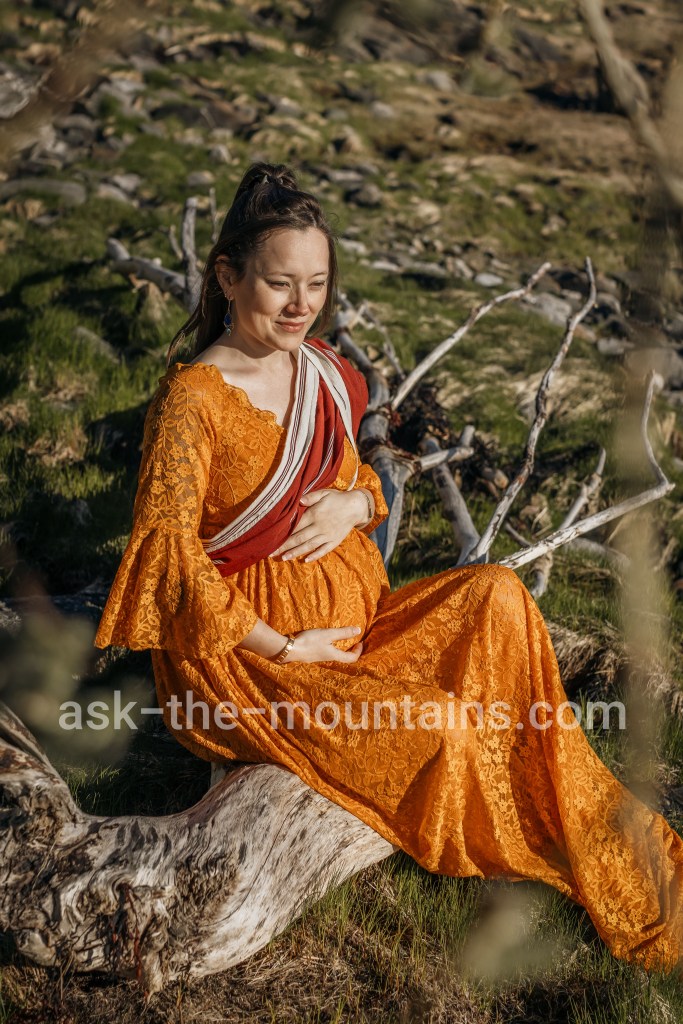
A portrait from May 2024, with second baby 🧡
😹🙏🏼
Ishanath
Amrita Mandala, Art, Awareness, Beauty, Bodhidharma, Buddhism, Chronic illness, Culture, Dharma, Dzogchen, Everyday life, Japan, Jesus, Mahayana, Meditation, Mental health, Migraine, Motherhood, Neurodiversity, Neurological, Sápmi, Soto zen, Spirituality, Tantric, Taoism, Vajrayana, Yoga, Zen, Zen buddhism

How to Pray | Poem + video

In a world that teaches
me first, me only, me always,
prayer is a quiet rebellion.
It begins with a bow,
a loosening of the fist
that clutches at control.

It dares to whisper:
I am not the center.
I am not the crown of all things.
I am a thread in the tapestry,
a note in the chorus,
a servant of something vast.
Something holy.

Prayer is an act of defiance
against the tyranny of ego,
against the hunger that never fills.
It topples the empire of the small self
and builds, stone by stone,
a sanctuary for all beings.

In prayer, we betray the myth of isolation.
We kneel not in defeat,
but in devotion and love.

Prayer is rebellion,
the most radical kind,
for it wages war not on others,
but on the walls within,
until only openness remains.

Through the power of prayer,
we can align ourselves with life and light itself. What a miracle.

We can call for the aid
of both ancient and recent Masters,
Beyond space and time.
Their luminous wisdom and boundless
compassion can touch our hearts as intimately as the Sun’s warmth opens flowers in the morning mist.

Prayer is not just mere words.
It is the trembling of the soul reaching for our wholeness, a candle lit in the dark, a river bending toward the ocean.
Prayer is tantra and transformation.

-M

Amrita Mandala, Awareness, Bodhidharma, Buddhism, Chronic illness, Dharma, Everyday life, Mahayana, Meditation, Mental health, Migraine, Motherhood, People, Rinzai zen, Shamanism, Soto zen, Spirituality, Tantric, Taoism, Vajrayana, Yoga, Zen, Zen buddhism

Trauma healing specials – try it now 🙏🏼

Wanted to share this free online playlist on Youtube in six parts, focused on the healing of traumas in the psyche. It can be done sitting in a comfortable posture, or laying down if you prefer. It has been extremely helpful for me, so I share it in hopes someone else will benefit 🫶🏻

Arctic, Art, Artist, Awareness, Beauty, Bodhidharma, Buddhism, Chronic illness, Culture, Dharma, DIY, Dzogchen, Everyday life, Hair, Health, Heritage, Hinduism, History, Landscape, Meditation, Mental health, Nordic, People, Poems, Sápmi, Tantric, Taoism, Vajrayana, Yoga, Zen, Zen buddhism

Something old

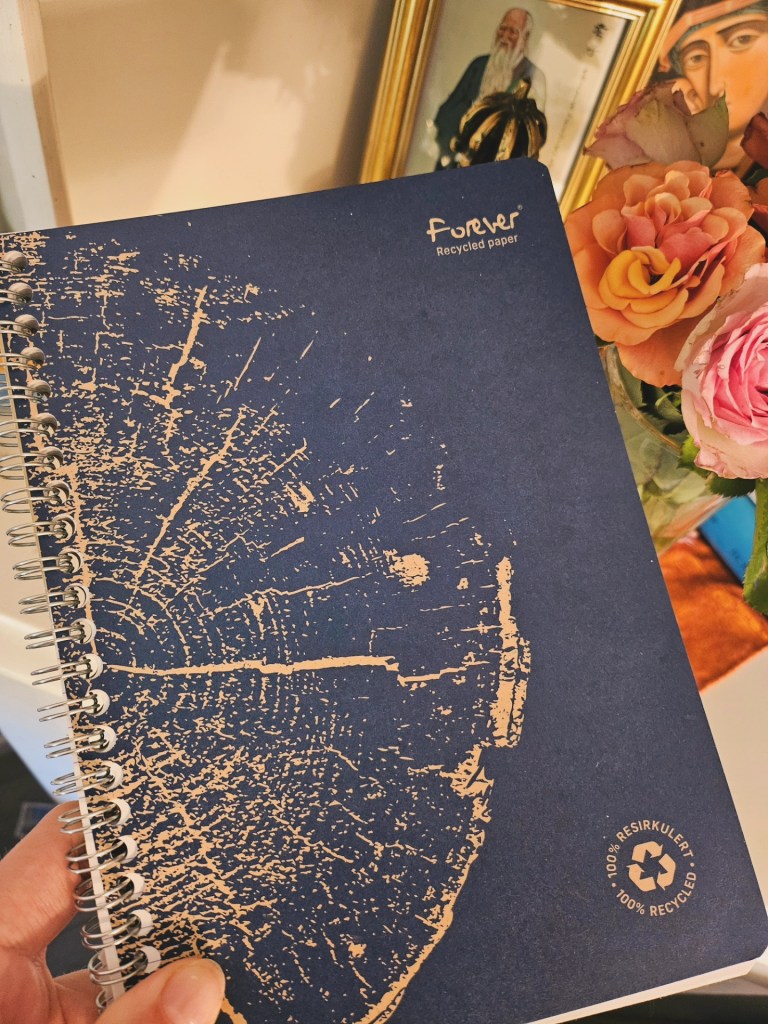
Bought a new diary, in hopes of finding time to write again; haven’t written anything in over a year. Initiated first page with this poem 😊🙏🏼💎

Amrita Mandala, Art, Awareness, Beauty, Bodhidharma, Books, Buddhism, Dharma, Dzogchen, Everyday life, Heritage, History, Japan, Landscape, Mahayana, Rinzai zen, Shamanism, Soto zen, Spirituality, Tantric, Taoism, Vajrayana, Yoga, Zen, Zen buddhism

Zen revitalisation?

A zen tradition that doesn’t separate buddhanature from substrate consciousness (skt. alaya vijnana), doesn’t speak or teach kensho but then claims to be able to just sit (j. shikantaza), that doesn’t have one on one instruction (j. sanzen/dokusan), that has no emphasis of any type of dynamicity or physicality in training, where lineage blessings go unnoticed, where students and roshis spend sesshin after sesshin half asleep, has got to be the most decadent form of Zen to ever exist. These are the very problems that Bodhidharma corrected by teaching the weak, sleepy and ignorant meditation monks dynamic movement practices but also how to transform, stretch and strenghten tissues (c. yijinjing) and how to transform all three bodies from samsaric to nirvanic state (c. xisuijing, bone marrow washing). It’s been long since Bodhidharma’s time but the state of some systems that claim to be zen buddhism merely based on lineage transmission and mimicked external form, proves that the deluded mind is master in deluding itself, without much ability to learn from the mistakes done by others. It is indeed difficult to find practitioners who are able to analyze and extract the essential meaning of dharma thus demonstrating abundant merit (skt. punya).

Baba,
Revitalized Zen
16 March 2025

Yes, this seems to be true; that the state of Zen lineages today is simply not producing Masters, as was the whole point of Zen training. The state of Dharma is seemingly in a bad shape all around. Therefore, I find it very refreshing and interesting to read such quotes as the one above. Here is the YouTube channel of Revitalized Zen, the facebook group and here is the blog. Excellent reading for any spiritual seeker 🙏🏼🪷

Awareness, Beauty, Books, Buddhism, Culture, Dharma, Dzogchen, Heritage, History, Indigenous, Mahayana, Meditation, Spirituality, Tantric, Taoism, Yoga

Warrior who carries no weapons

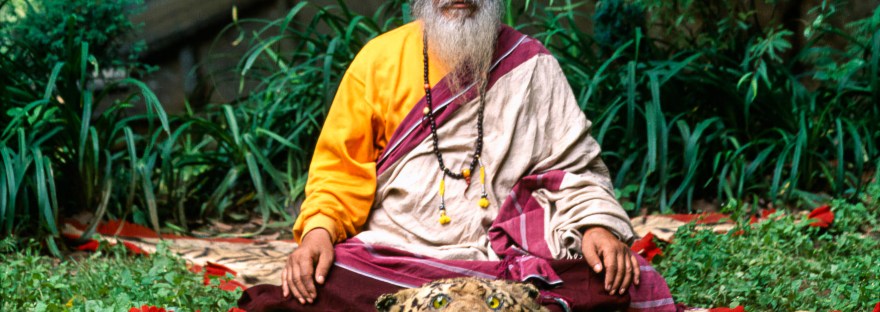
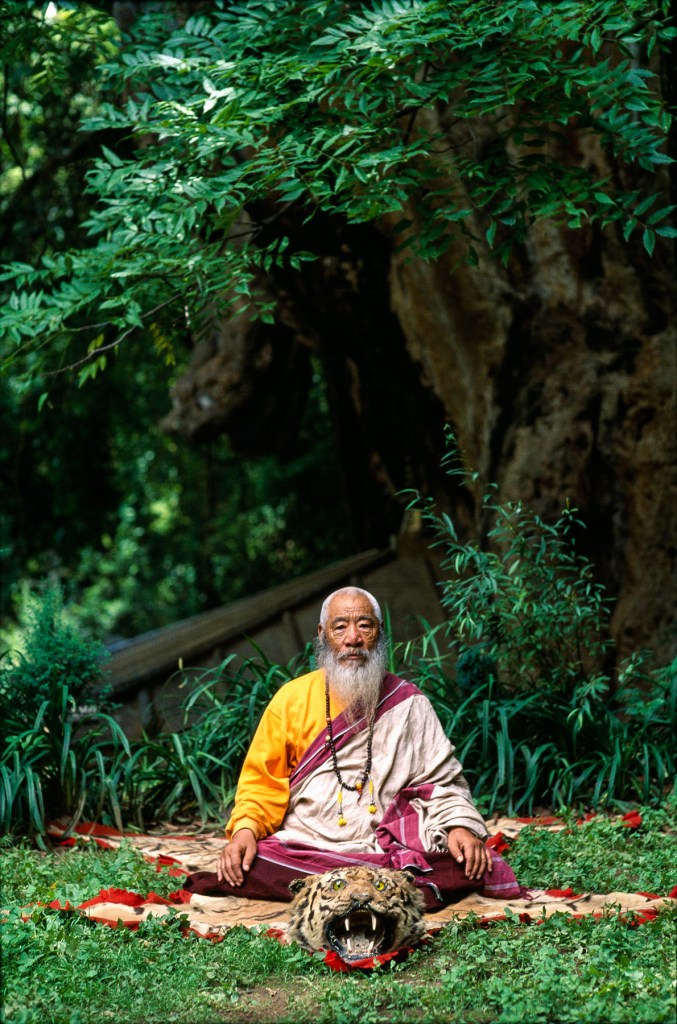
Chatral Rinpoche (8. June 1913 – 30. December 2015). Yogi whom has helped me on my spiritual path 💎📿

You might spend your whole life pursuing only food and clothing,
With great effort and without regard for suffering or harmful deeds,
But when you die you cannot take even a single thing with you — consider this well.
The clothing and alms needed to keep you alive are all you need.
You might dine on the finest meal of delicious meat and alcohol,
But it all turns into something impure the very next morning,
And there is nothing more to it all than that.
So be content with life-sustaining provisions and simple clothes,
And be a loser when it comes to food, clothing and conversation.

No matter where you stay, be it a busy place or a solitary retreat,
The only things that you need to conquer are mind’s five poisons (jealousy, pride, anger, ignorance, attachment).
And your own true enemies, the eight worldly concerns (hope for pleasure and fear of pain, hope for gain and fear of loss, hope for praise and fear of criticism, hope for good reputation and fear of bad reputation).

There is no better sign of accomplishment than a disciplined mind.
This is true victory for the real warrior who carries no weapons.
When you practise the teachings of the sūtras and tantras,
The altruistic bodhicitta of aspiration and application is crucial,
Because it lies at the very root of the Mahāyāna.
Just to have this is enough, but without it, all is lost.

It is far better to eliminate your doubts and misconceptions,
By relying on the instructions of your own qualified teacher,
Than to receive many different teachings and never take them any further.

If you lack the wealth of contentment in your mind,
You’ll think you need all kinds of useless things,
And end up even worse than just an ordinary person,
Because you won’t manage even a single session of practice.
So set your mind on freedom from the need for anything at all.
Wealth, success and status are all simply ways of attracting enemies and demons.
Pleasure-seeking practitioners who fail to turn their minds from this life’s concerns
Sever their connection to the authentic Dharma.

Limit yourself to just a few activities and undertake them all with diligence.
Not allowing your mind to become fidgety and restless.

All quotes by Chatral Rinpoche

Anime, Anthropology, Art, Awareness, Buddhism, Culture, Dharma, Dzogchen, Everyday life, Family, Health, Hinduism, History, Indigenous, Japan, Jesus, Mahayana, Meditation, Mental health, People, Spirituality, Tantric, Taoism, Vajrayana, Yoga

The Laws of The Sun

Have to share this absolute gem of a film 🙏🏼 Found it very well made and entertaining to watch, and a good Dharma film to show kids. I don’t usually watch a lot of animé but I liked it!

Here is the sequel also; The Golden Laws

Happy new year. May all being be free!

Adventure, Arctic, Art, Awareness, Beauty, Culture, Dharma, Everyday life, Finnmark, Hair, Indigenous, Landscape, Mental health, Motherhood, Nordic, Outfit, People, Photography, Saami, Sámi, Sápmi, Self portrait, Siberian, Spirituality, Tantric, Uncategorized, Uralic, Vajrayana, Yoga

The shortest way

“Maintain the state of undistractedness, and distractions will fly away. Dwell alone, and you shall find the Friend. Take the lowest place, and you shall reach the highest. Hasten slowly, and you shall soon arrive. Renounce all worldly goals, and you shall reach the highest Goal. If you follow this unfrequented path, you will find the shortest way.” -Milarepa

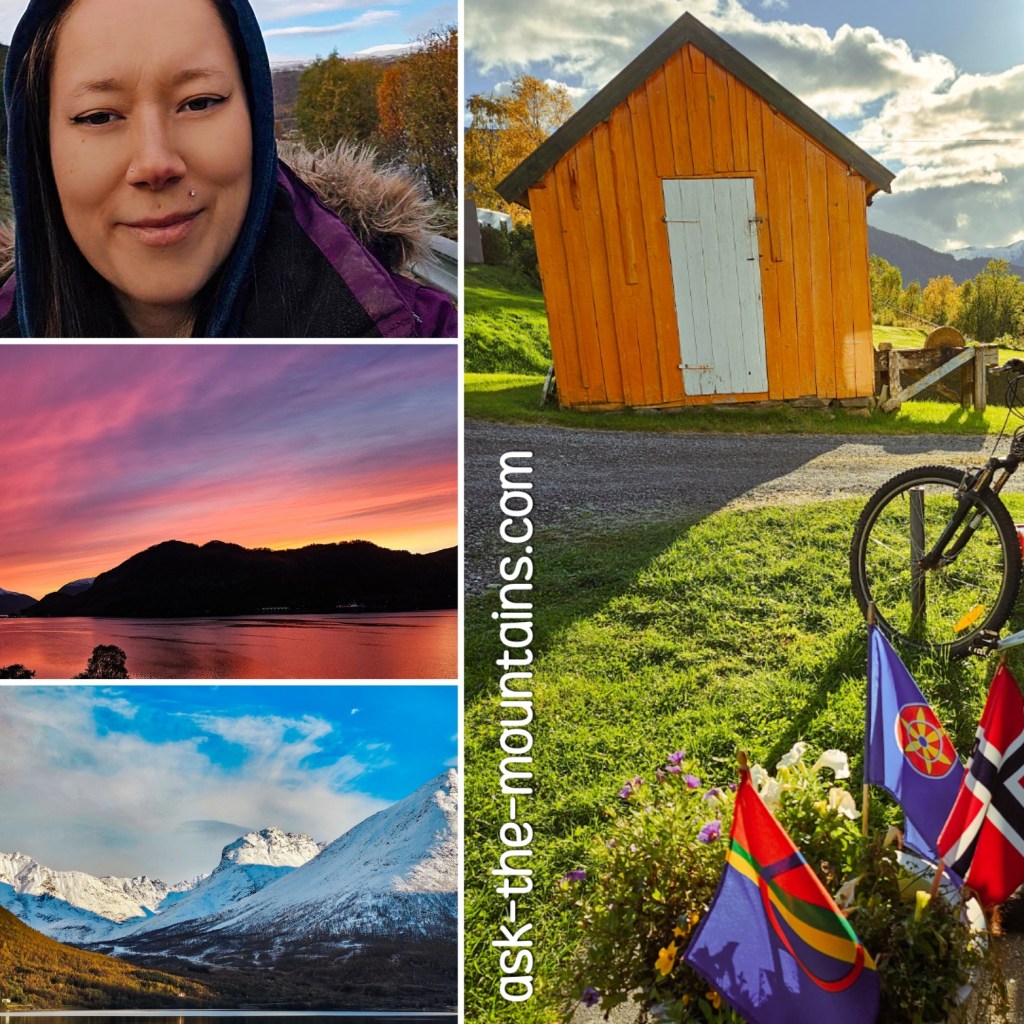
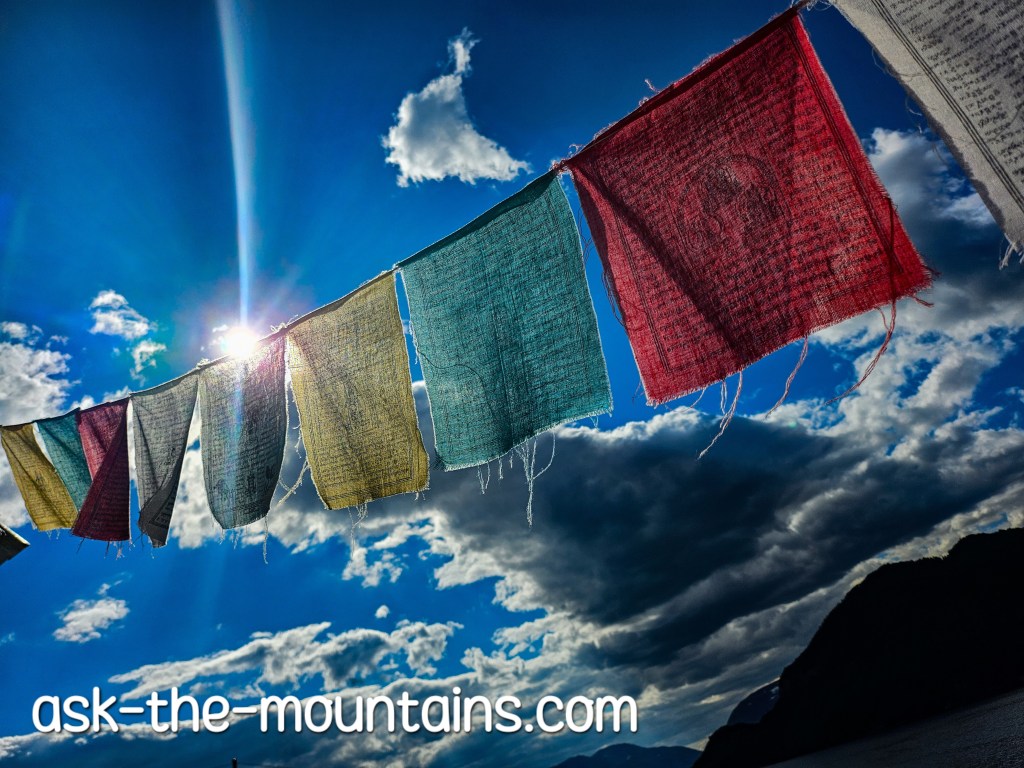
October photos. Colourful sky, sunny days and snowy days.. It’s always shifting very fast here, you could almost say there is four seasons within one season 🌅🌦❄️
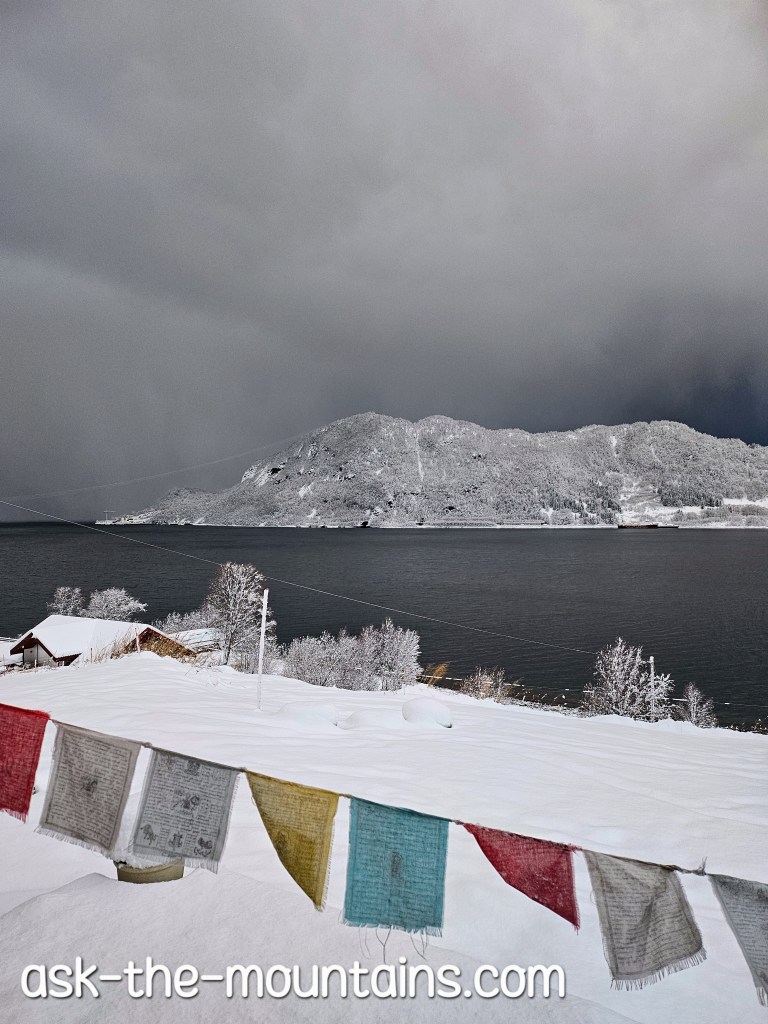
Prayer flags in our garden ☃️ The weather was interesting that day; grey sky and sea, white landscape and a heavy kind of silence.
Arctic, Art, Awareness, Beauty, Buddhism, Chronic illness, Culture, Dharma, Dzogchen, Everyday life, Health, History, Landscape, Mahayana, Meditation, Photography, Tantric, Vajrayana, Yoga

It has to touch the heart

When we are small children, it comes natural for us to think of others. We don’t see much separation between ourselves and others, and so wanting to be kind, to help and be generous comes as naturally as dusk and dawn.

As we age and experiences shape us, we get hardened. We are no longer soft and supple like babies, now we have frozen places in our bodies and mind that makes us feel and act in certain negative ways, or it even makes us ill. We get prickly edges, we might be ‘difficult’ for others to be around and as much as we wish to feel soft, authentic and playful again, it just don’t seem to happen by will alone.

This is where yogic practices (dharma) can help, because it targets and addresses both the physical body, and the subtle energy bodies. Focusing only on one aspect, will not be a holistic solution, in my experience. And focusing only on my own healing, without regard to others who are also suffering, is not sufficient; it has to be for the benefit of others – it has to touch the heart (bodhichitta).

Prayer flags in our garden

Here is the youtube channel and the website of the Amrita Mandala dharma lineage which I practice and which has helped me the most in my life and healing 🙏🏼

(Header image art of Isha Natha by MysticMantraGallery)

Adventure, Arctic, Art, Awareness, Beauty, Buddhism, Culture, Dharma, DIY, Dzogchen, Everyday life, Finnmark, Health, Indigenous, Keto, Landscape, Mahayana, Nordic, Outfit, People, Photography, Poems, Pregnancy, Saami, Sámi, Sápmi, Self portrait, Spirituality, Tantric, Uralic, Vajrayana, Yoga

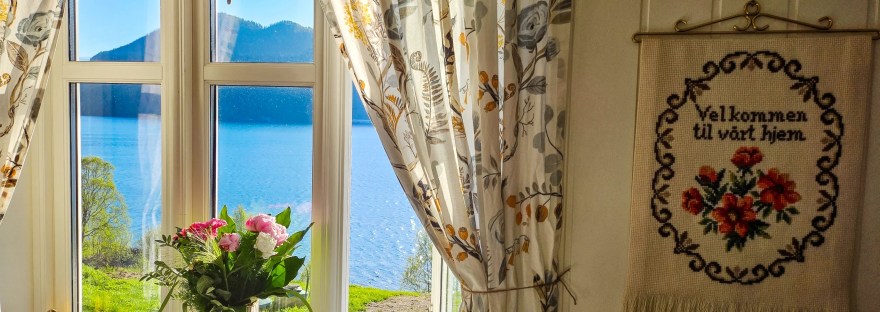
Photo series: Everyday life

In my summer sea sámi gákti. And small baby “shoes” made by mother-in-law 🙏🏼
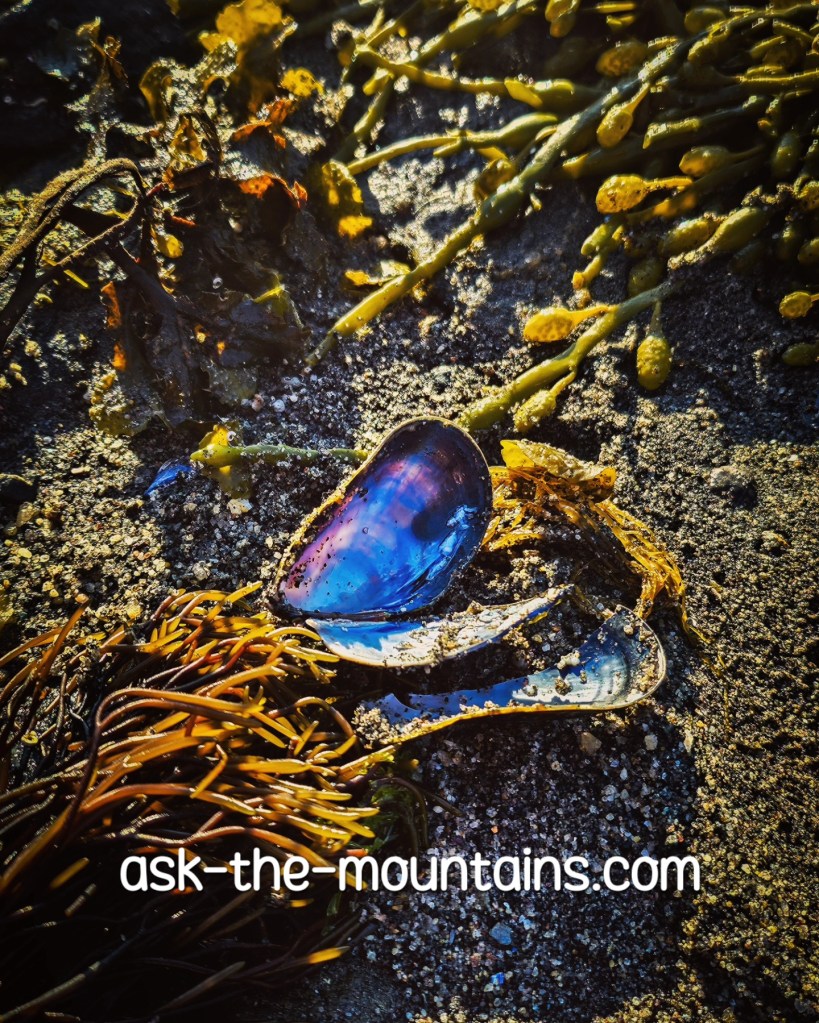
Shades of blue shell
Rusty colours
Blue and purple hues
“Det er morgen igjen, vesle håp
og verden frotterer seg med nyvasket solskinn.
Livets ansikt er aldri det samme
selv om vi ser på det i all evighet.” – Kolbein Falkeid
#home #kitchen #midnightsun
Curious little guy on a short hike in the rain. ☔️
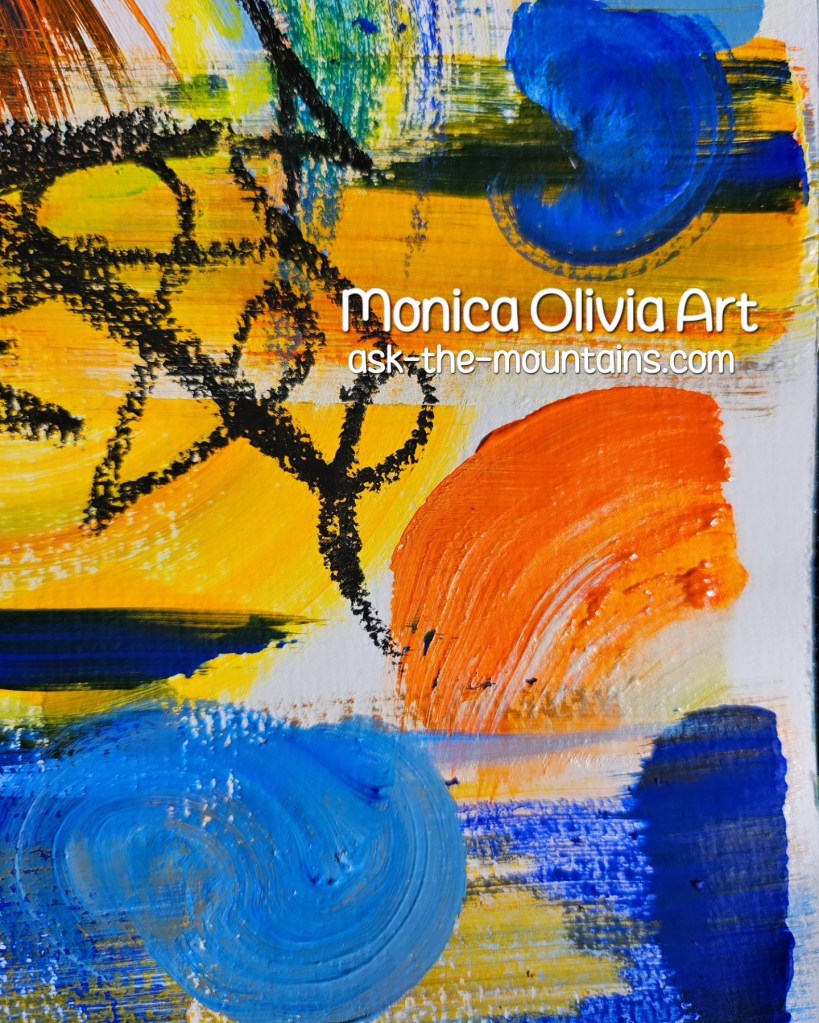
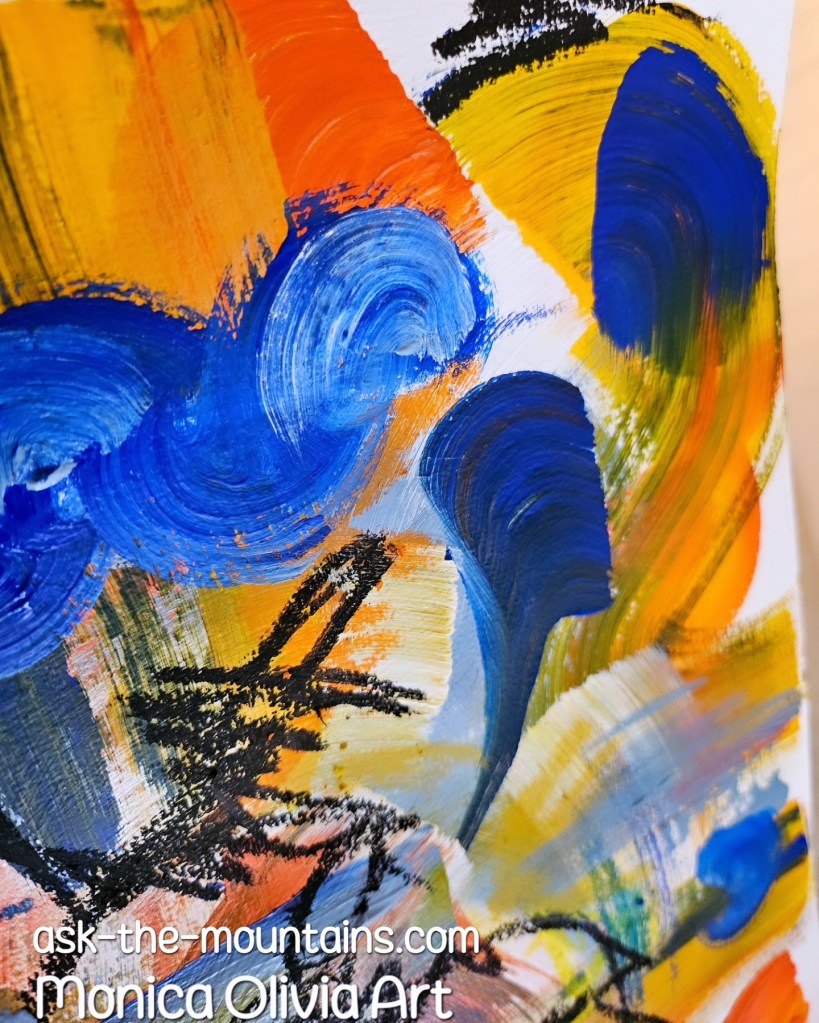
Summer details in some of my older paintings.
Just playing and experimenting with colours and techniques so that I will hopefully find the Joy of painting again 😄 I guess I have a little dry spell in my creative life at the moment..
Blue, orange and yellow are great together.
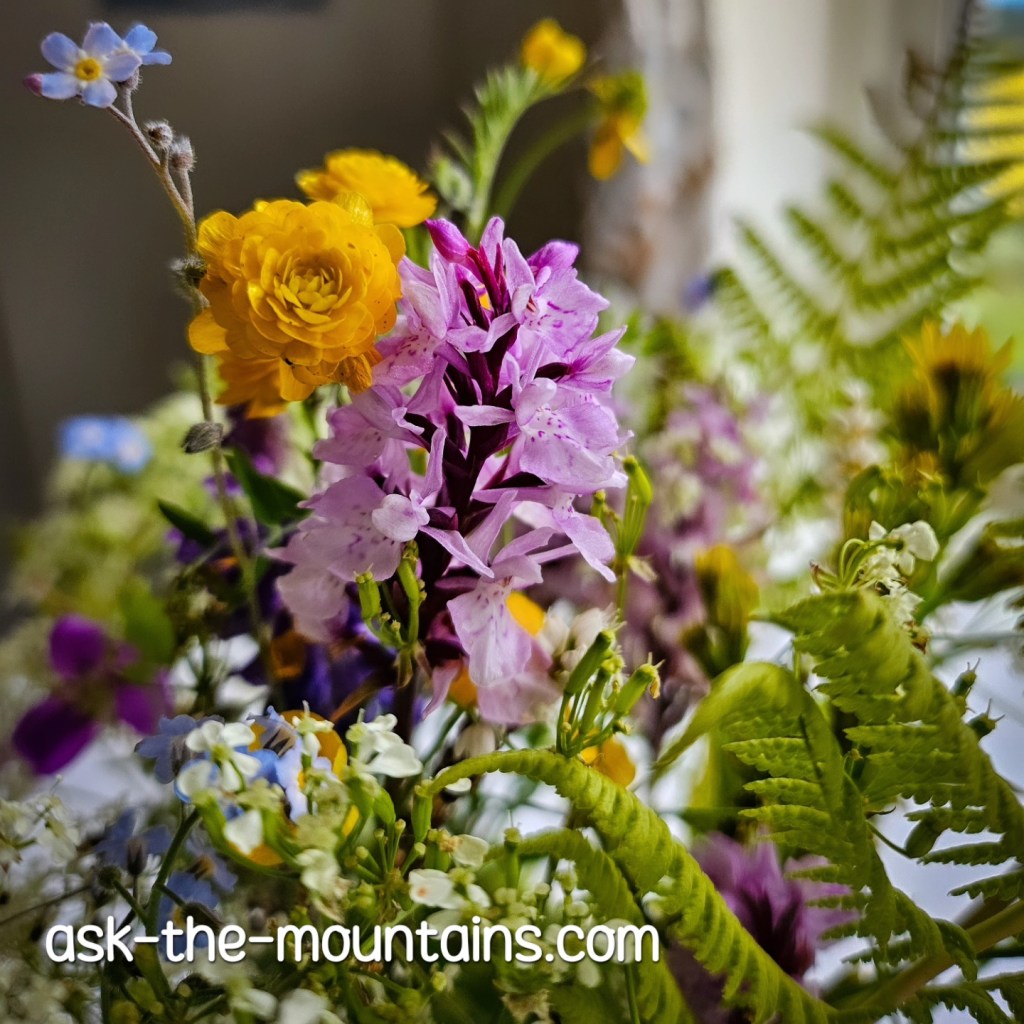
A bouquet I picked by the side of the road.
Details
Beef tallow.

Son and daddy 💙💛❤️💚
My partner of 14 years meditating. #yogisondisplay
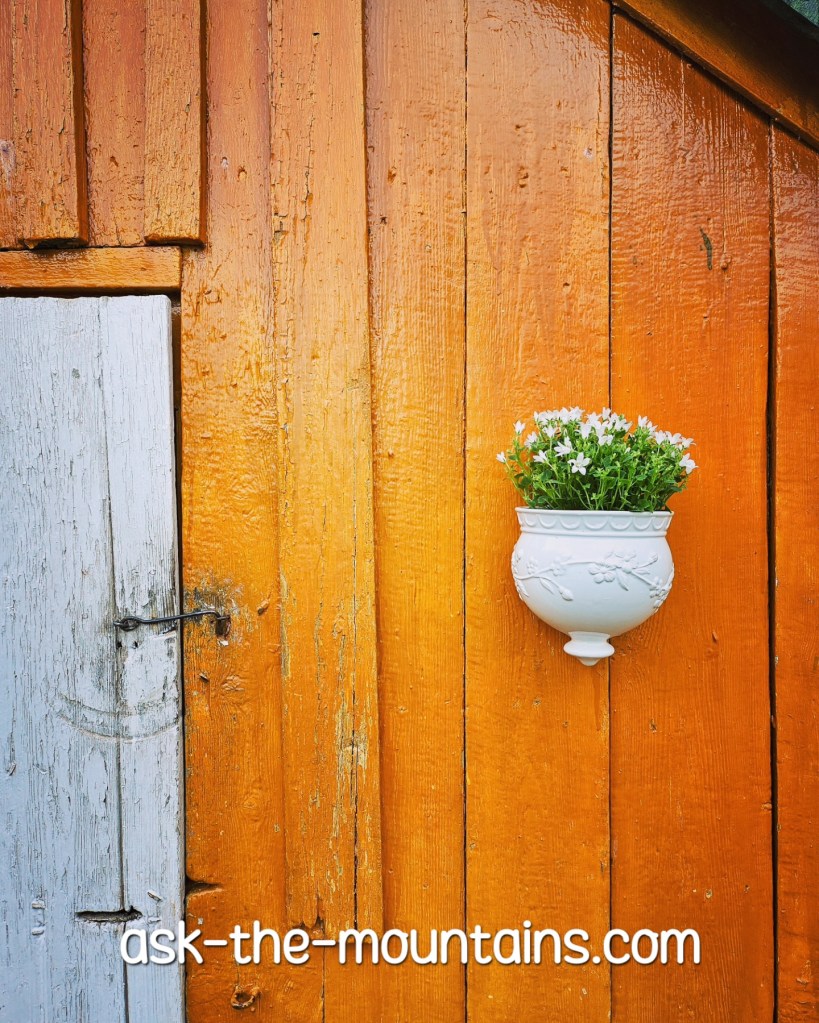
Our shed with some new flowers.
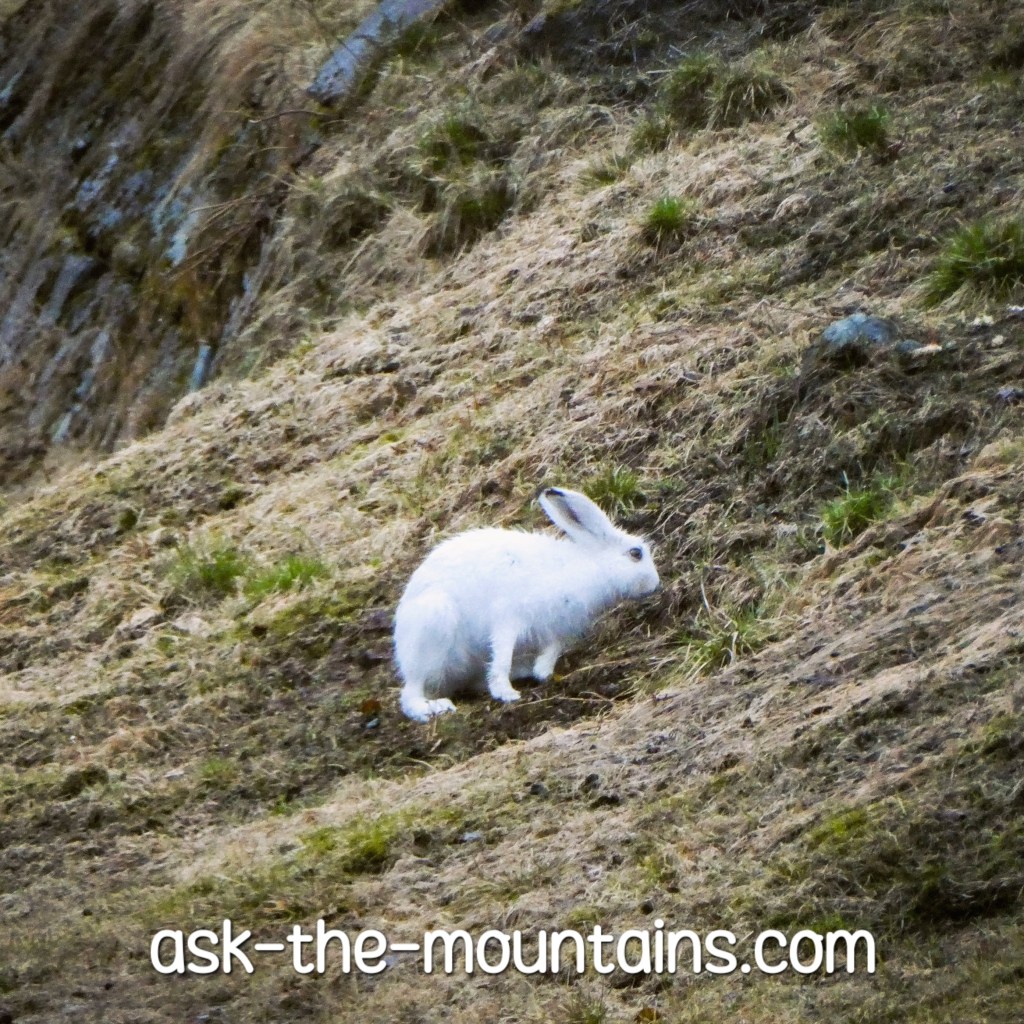
Curious little rabbit in our garden.

Xx Monica Amrita Mani

Animals, Anthropology, Arctic, Art, Awareness, Beauty, Buddhism, Culture, Dharma, DIY, Dzogchen, Everyday life, Finnmark, Heritage, History, Indigenous, Landscape, Mahayana, People, Quotes, Saami, Sámi, Sápmi, Self portrait, Shamanism, Spirituality, Tantric, Tromsø, Uralic, Vajrayana, Yoga

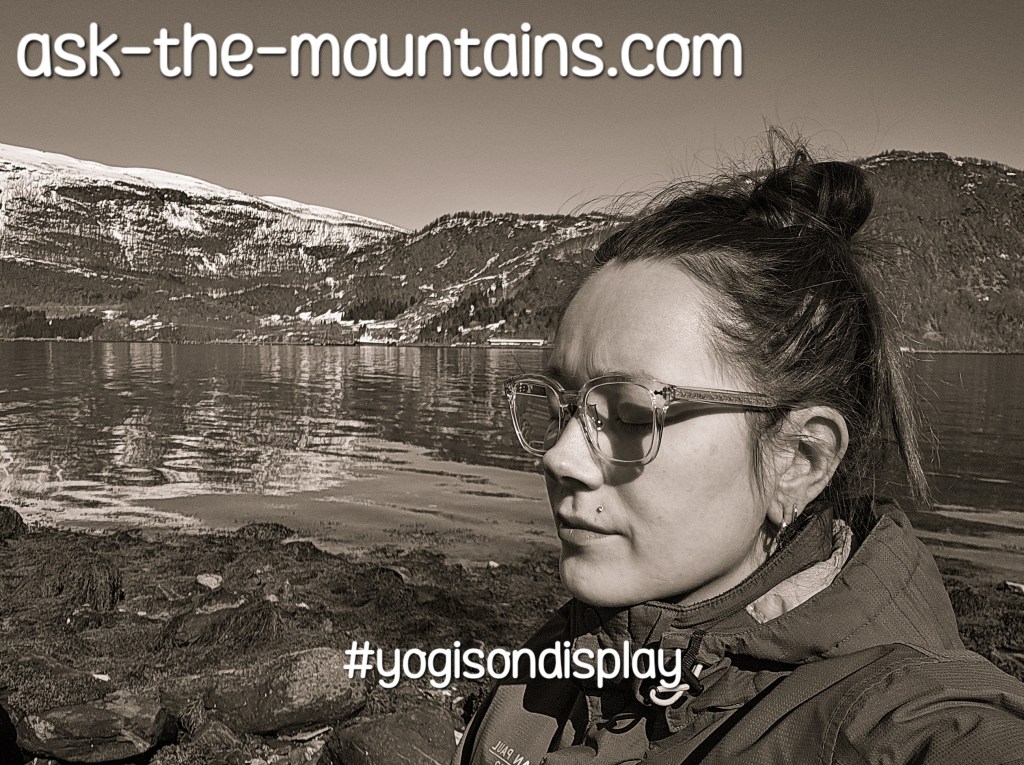
Yogi on display

Yogi on display in nature for the birds, foxes and rabbits to see 😄 also i found a long-ish animal bone that was perfect to use for hitting on a rock to keep the rhythm while chanting and singing prayers.  🐰🐦🦊🦴

What is #YogisOnDisplay?

“Unlike in cultures long established in the dharma, spiritual practice is not visible in the everyday life of Western society. While many Westerners practice some form of spiritual practice, the actual practice is often kept private. This is a great pity. Not only does it speak volumes about the level of spiritual maturity of the West, but it also means that many people never encounter dharma in the first place. If spirituality is not publically displayed, the fact that there is an alternative to existential confusion and suffering does not reach the masses.

In an attempt to counter this, Amrita Baba has initiated the Yogis on Display project. The idea behind Yogis on Display is to encourage spiritual practitioners of the West to become living examples for others. Instead of hiding away in our modern city caves, we need to bring meditation, mantra singing, yoga practice, and so on, directly to where it matters; straight to the middle of the hamster wheel. Displaying the solution to existential confusion and suffering is a hands-on, time-tested way of practicing care and compassion for all beings.
To spread the message of Yogis on Display the hashtag #yogisondisplay has been created. Practitioners who chose to take part are encouraged to take a picture of themselves and share it on social media using this hashtag. This way more people can learn about the initiative and become inspired to light the torch of dharma in our public spheres.” (AmritaMandala.com)

Acrylic painting, Animals, Arctic, Art, Awareness, Beauty, Buddhism, Culture, Dharma, DIY, Everyday life, Heritage, History, Indigenous, Landscape, Meditation, People, Photography, Saami, Sápmi, Shamanism, Siberian, Spirituality, Tantric, Uncategorized, Uralic, Yoga

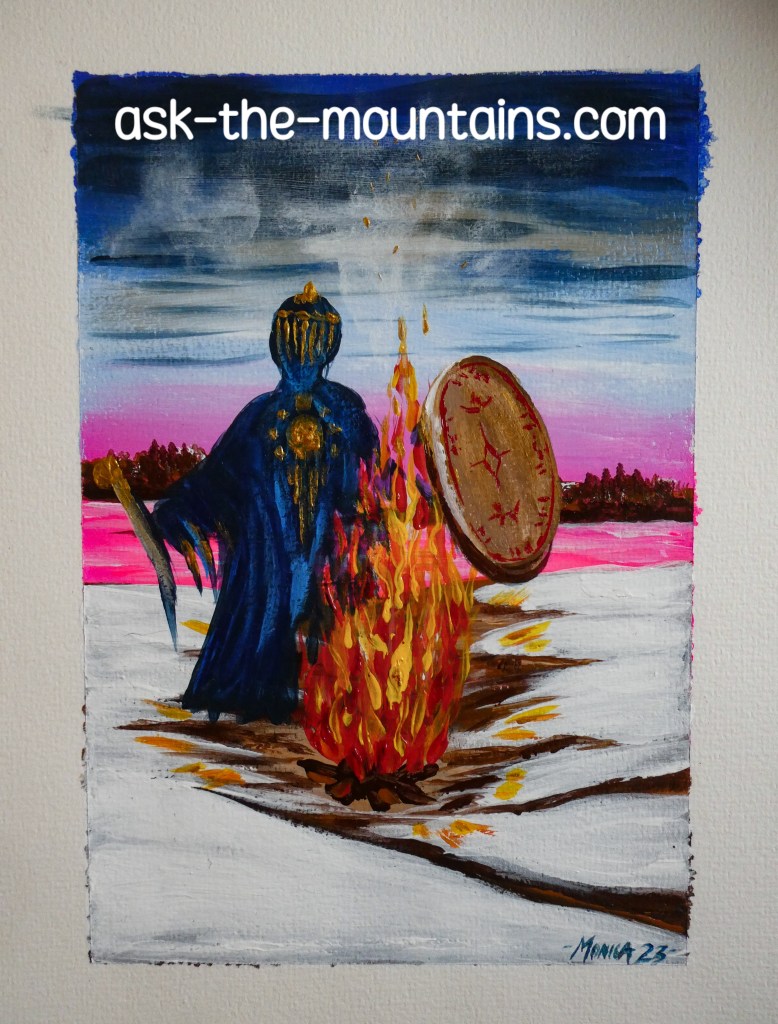
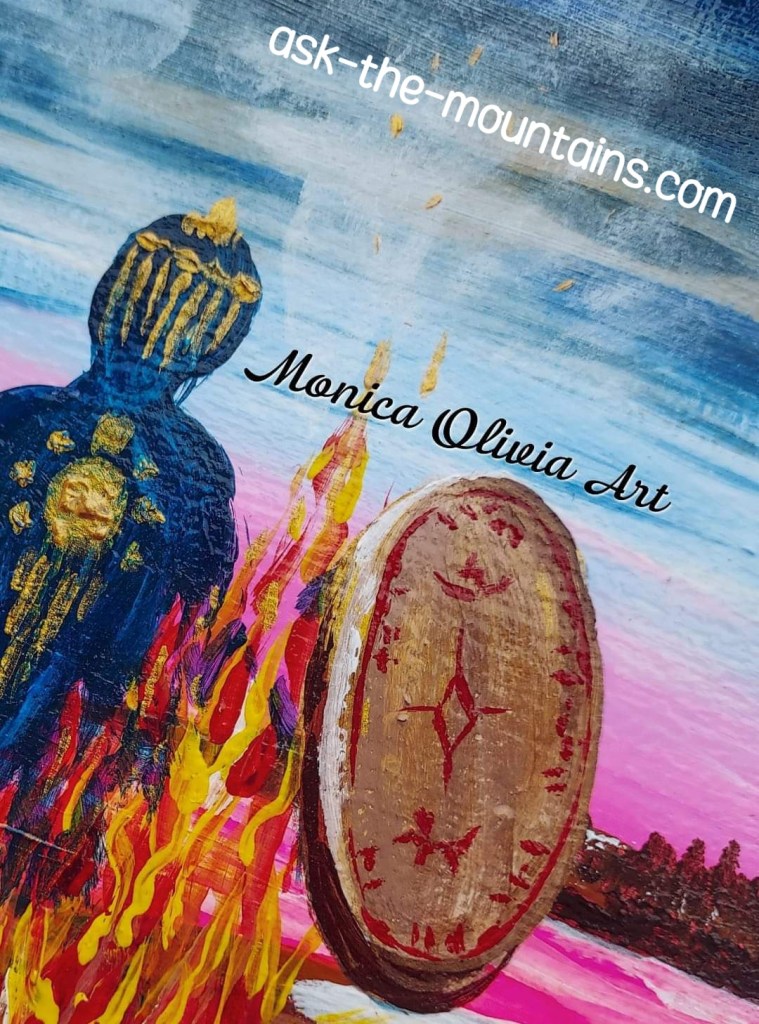
Tantra with shamanistic roots

It is from Eastern Siberia that the word shaman comes from, which means to ‘heat up’. Where it originated before that, I do not know. The ‘new shananism’ people in the west speak of today can hardly be compared.
Shamanism and animism has permeated most if not all of the nomadic and semi-nomadic cultures in this part of the world. The shamans have traditionally been both women and men, though the word ‘shaman’ is masculine form. The feminine word for a female shaman is ‘udugan’ in Tungusic language. In Northern Sámi a shaman is known as a Noaide.
(Acrylic on mixed media paper, A4)
Shaman’s drum to aid in the trance travel

Here is some pictures I used for inspiration for my painting.

I can also highly recommend these practices on youtube by a Uralic Tantric yoga teacher Amrita Baba; where he teaches tantric practices with ancient shamanic masters. Here is part 1 of 4, and the other parts linked below video.

Part 2: https://youtu.be/vS-7P3B7N2Q?si=14fzDmiSptsM0a_q

Part 3: https://youtu.be/2h04mO6bPt4?si=jfKcEQCKLXDRqCcJ

Part 4: https://youtu.be/Auq6GWt-u84?si=BMk0oaolL6tJYPgC