Amrita Mandala, Awareness, Beauty, Bodhidharma, Buddhism, Culture, Dharma, Dzogchen, Everyday life, Family, Health, Heritage, Hinduism, History, Indigenous, Japan, Jesus, Landscape, Mahayana, Meditation, Motherhood, Neurodiversity, Nordic, Outfit, People, Photography, Photoshoot, Pregnancy, Quotes, Saami, Sámi, Sápmi, Self portrait, Shamanism, Spirituality, Tantric, Taoism, Vajrayana, Yoga, Zen

Transformation

This january marked the 10 year anniversary of starting my tantric path, although I started my journey in hatha yoga in 2011.

What is tantra to me?
It is easy to go into a textbook definition of it, and I will add one further down, but first I want to share what it means to me personally.

Tantra is transformation. It is working with energy in energy systems (of our mind and body).

Tantrics are usually laypeople – men and women with children, jobs, etc. We do not renounce the material and relative world but rather the opposite – using everyday life and challenges as fuel for the path, transforming impure energies into their pure state through specific yogic practices*.

Being a tantric means training and trusting one’s own path and experiences, rather than just doing what is being told – to have disernment and critical thinking, yet stay open and humble.

Tantra can turn ignorance into wisdom, selfishness into compassion. Illuminating the dark corners of our minds, interrupting the cyclical habits, and learning how to read and work with energies; masculine and feminine, peaceful and wrathful alike. To find the center between extremes; letting hope and fear, aversion and attachment collaps into each other. With practice I believe it is possible to return ones mind and body from the samsaric state into its natural pristine state – which is the difference between ourselves and fully realised practitioners/masters of yoga/tantra. It only makes sense to me, for example, that if you can heal 10% of your traumas, you can heal 100%.

There is no tantric lineage without a head teacher (‘guru’ in sanskrit language, although I hesitate to use the word guru because it has been so misused and thus misleading). Tantra is based on passing empowerments from the teacher to the student. All empowerments I have received has been from Finnish tantric teacher Amrita Baba, and I am part of his sangha (community of practitioners), called AmritaMandala. I feel fortunate to have found what I deem to be an authentic Teacher of Dharma, who is able to transmit high teachings to his students, so that we actually feel the shifts and benefits. In this pragmatic lineage we work closely with non-physical tantric masters (mahasiddhas), mainly Padmasambhava, Yeshe Tsogyal, Ishanath (aka Jesus Christ), Babaji, Mataji, Krishna, Radha, Lao Tzu, Bodhidharma, among many others. See full list here.

Personally, I feel a very close relationship with Ishanath, he has for instance healed some of my serious physical ailments spontaneously on more than one occasion since 2021 in meditation, and he is – in my eyes – a true tantric yogi beyond of any religious establishment – pure Christ consciousness.

Impermanence is also a central topic in tantra. It is well believed that a practitioner (tantric yogi/ni) should be able to know what happens at the time of death (our two subtle bodies leaving the physical body), and there are practices for this specifically. Meditation and contemplation on illness, death and the impermanent nature of the relative world is essential.

I vaguely remember a few past lives, and that my soul chose this incarnation; I chose being a girl/woman, my parents, my place of birth, and the immense health challenges to fuel my practice. The deeper the suffering, the wider the perspectives, the greater the lessons and the brighter the light at the end of the tunnel.

I am also a Mother, and both of our boys’ souls came to ‘visit’ me before they decided to be born through me. I feel very honored that they chose us as parents, and I cannot wait to see what their plans are for their lives.

Another important cornerstone of tantra is bodhicitta; the genuine wish to attain enlightenment for the sake of all sentient beings. This wish can carry you through some of the darkest moments – it really has for me.

Do you have a spiritual practice? 😊


*Main practices of Amrita Mandala is:
Rainbow Body Yoga (free download)


Amrita Kriya Yoga (free download)


Amrita Asana Yoga


Trauma specials guided practice(youtube playlist)


Mending the Broken Human guided practice (youtube playlist)

Talk on Dzogchen, trekcho, thogal and atiyoga (the highest yoga)

Click here to read about Amrita Mandala’s 13 bhumi model

Free e-book on awakening (opening of the first bhumi center inside the head)

The Two-Part Formula for Awakening
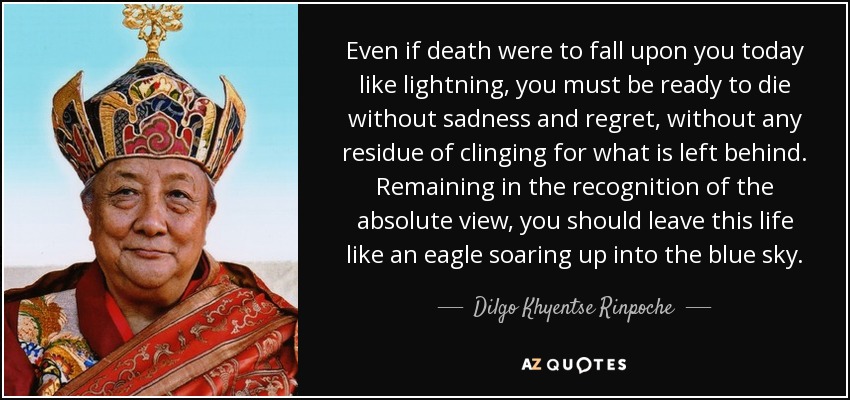
Vajrayana is the tantric interpretation of mahayana. The goal is the same in mahayana but the methods are different.

The biggest practical different, as they’re doctrinally the same, are empowerments and transmissions given by a tantric preceptor who traditionally are called gurus (tib. lit. lama). In tantric empowerments the guru transmits the experience of buddhanature that all beings inherently possess that can be afterwards returned and cultivated by the student. This cultivation is done through the repetition of mantras, visualizations and mudras or physical gestures that are direct expressions of the enlightened speech, mind and body. Mantras are specific verbal formulas of various deities or enlightened archetypes of buddhas and bodhisattvas that embody different aspects of our inherent enlightened nature. Manjushri is an archetype of wisdom and discrimination, Avalokiteshvara that of compassion and Vajrasattva that of selfless clarity. The tantric system is an esoteric method of healing and awakening which under certain circumstances leads to buddhahood ie supreme enlightenment (skt. anuttara samyak sambodhi) in a single lifetime.

It is good to mention that the mentioned enlightenment is not something of the distant past and cultures. Vajrayana which is a yogic training system for normal laypeople, enables full enlightenment for anyone who dedicates to pursue the path to enlightenment for the purpose of helping others, is willing to keep bringing accepting awareness to one’s most painful and unpleasant thoughts, emotions and memories and who is willing to continue to the end of the process regardless.

In terms of doctrines vajrayana, like mahayana, is based on the so called Second and Third Turnings of the wheel of Dharma by Buddha Shakyamuni. Interpretations of these doctrines, especially the buddhanature (skt. tathagatagarbha) teaching of the Third Turning vary slightly. However, all vajrayana, also called tantrayana or mantrayana, is based on the doctrine of emptiness or better, selflessness of all things of the mind (skt. shunyata) and bodhicitta which means revealing the natural loving, compassionate and kind nature of ours towards all beings.

Amrita Baba
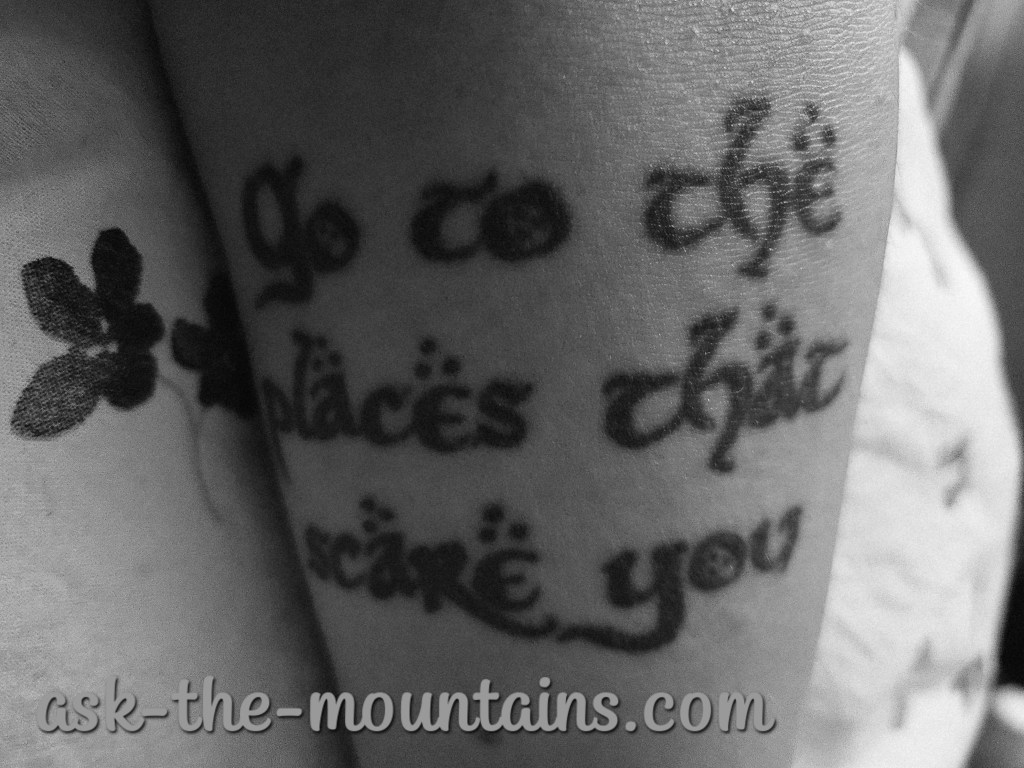
My tantric tattoo.
A portrait from May 2024, with second baby 🧡
😹🙏🏼
Ishanath
Adventure, Arctic, Art, Artist, Awareness, Beauty, Buddhism, Chronic illness, Culture, Dharma, Everyday life, Finnmark, Health, History, Mythology, Neurodiversity, Neurological, Photography, Photoshoot, Poems, Sápmi, Spirituality, Yoga, Zen

A colourful death – Something greater


If you knew that one day someone would be helped and inspired by exactly the trial you are going through now, would it then be easier to bear? I believe that the knowledge/thought that another person can benefit from your story; your experiences and how you solved problems and trials makes the burden lighter in a way; because then you are doing something for something greater than yourself. There is a self-sacrifice in the picture that gives momentum, and you no longer think only of “me and mine,” but also of the well-being of others. I don’t know if this makes sense – I think it’s the autumn and the colourful death and devotion of the plants to the cycle of the seasons that made me write this 🤭🍂💛

-M

Arctic, Art, Awareness, Beauty, Culture, Everyday life, Finnmark, Hair, History, Hypnobirthing, Indigenous, Keto, Landscape, Make-Up, Motherhood, Nordic, Outfit, People, Photography, Photoshoot, Pregnancy, Quotes, Saami, Sápmi, Self portrait, Womanhood

Surrendering to an unseen force

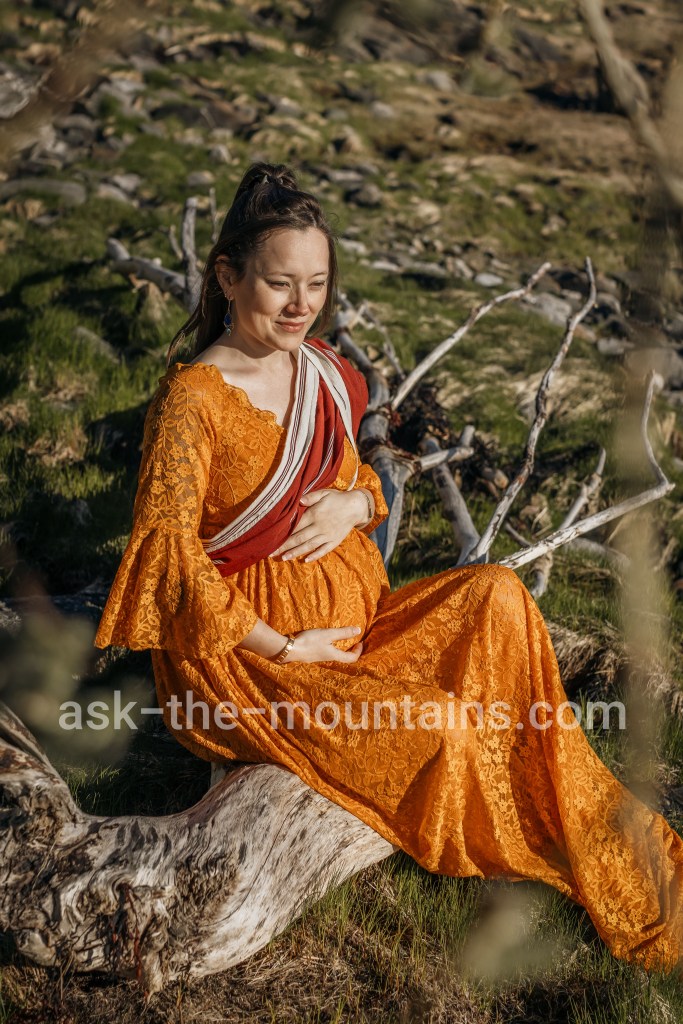
“Pregnancy is a process that invites you to surrender to the unseen force behind all life.” 💚🧡🤍🩵 Photos taken by Gunhild Berg Johansen, I was ca 6 months pregnant here.

I highly recommend this very helpful and insightful podcast episode on breaking the fear-tension-pain cycle that most women go into when in labour, myself included. I am very close to giving birth to our second child, and feeling all the emotions that comes naturally leading up to that. This podcast episode really helped me, along with a hypnobirthing course I’ve been doing lately.

– Monica Amrita Mani

Acrylic painting, Arctic, Art, Beauty, Finnmark, Indigenous, Jewellery, Landscape, People, Photography, Photoshoot, Saami, Sámi, Sápmi, Tromsø, Uralic

Art exhibition May 2023

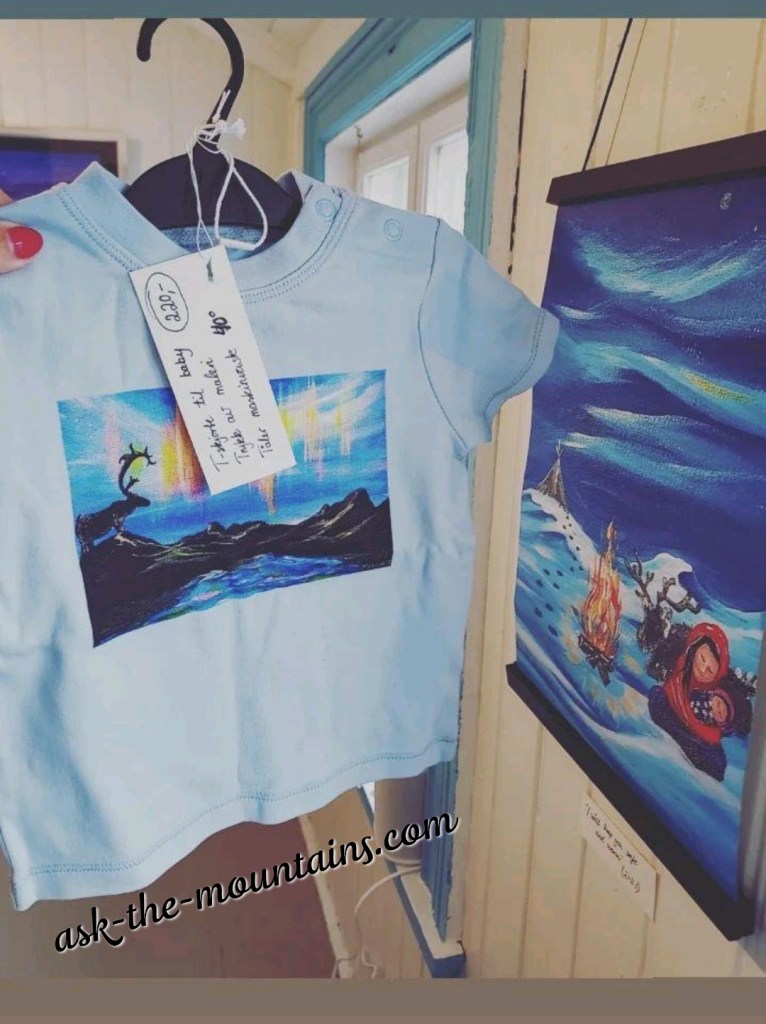
Kunst -og fotoutstilling på SevenDesign Atelier fra 3.-31. mai, oppe i andre etasje, i rommet med de blå vindus-og dørkarmene 💙 Rommet har ett kafébord og stoler, og rommet før har kaffe -og snackservering samt utstilling av andres kunst. Åpent alle ukedager 09:30 – 17:00 (18:00 på torsdager). Har også postkort, print og øredobber til salgs. Jannicke på SevenDesign har utrolige mye annet spennende der, i begge etasjer og flere rom.

Adventure, Arctic, Art, Awareness, Beauty, Chronic illness, Culture, DIY, Duodji, Everyday life, Hair, Health, Indigenous, Jewellery, Knitting, Landscape, Make-Up, Neurological, Outfit, People, Photography, Photoshoot, Quotes, Saami, Sámi, Sápmi, Self portrait, Sewing, Spirituality, Uralic

My creative energy

Can I just say, this is the best photo anyone has ever taken of me? Susann, thank you for capturing my essence. Here I am wearing a headdress and silk liidni I sewed myself, and the gákti summer dress is made by Nadezda Johnsen.
Autumn wind…🧡🍂🙌🏼
Life is a lot of chopping wood and carrying water… I think that is how the saying goes 😉

“Your healing journey will, of course, include a consideration and use of all the best tools modern medicine can offer you, as well as the best tools holistic healing can offer you. From a deeper perspective, illness is caused by unfulfilled longing. The deeper the illness, the deeper the longing. It is a message that somehow, somewhere, you have forgotten who you are and what your purpose is. You have forgotten and disconnected from the purpose of your creative energy from your core. Your illness is the symptom: The disease represents your unfulfilled longing. So above all else, use your illness to set yourself free to do what you have always wanted to do, to be who you have always wanted to be, to manifest and express who you already are from your deepest, broadest, and highest reality. If indeed you have discovered yourself to be ill, prepare yourself for change, expect your deepest longing to surface and to be brought to fruition. Prepare yourself to finally stop running and turn and face the tiger within you, whatever that means to you in a very personal way. I suggest the best place to start to find the meaning of your illness is to ask yourself: “What is it that I have longed for and not yet succeeded in creating in my life?”’ (From Barbara Brennan’s book Emerging Light)

Adventure, Arctic, Art, Awareness, Beauty, Everyday life, Landscape, Photography, Photoshoot, Sápmi

Photo series: Arctic autumn, pt. 1

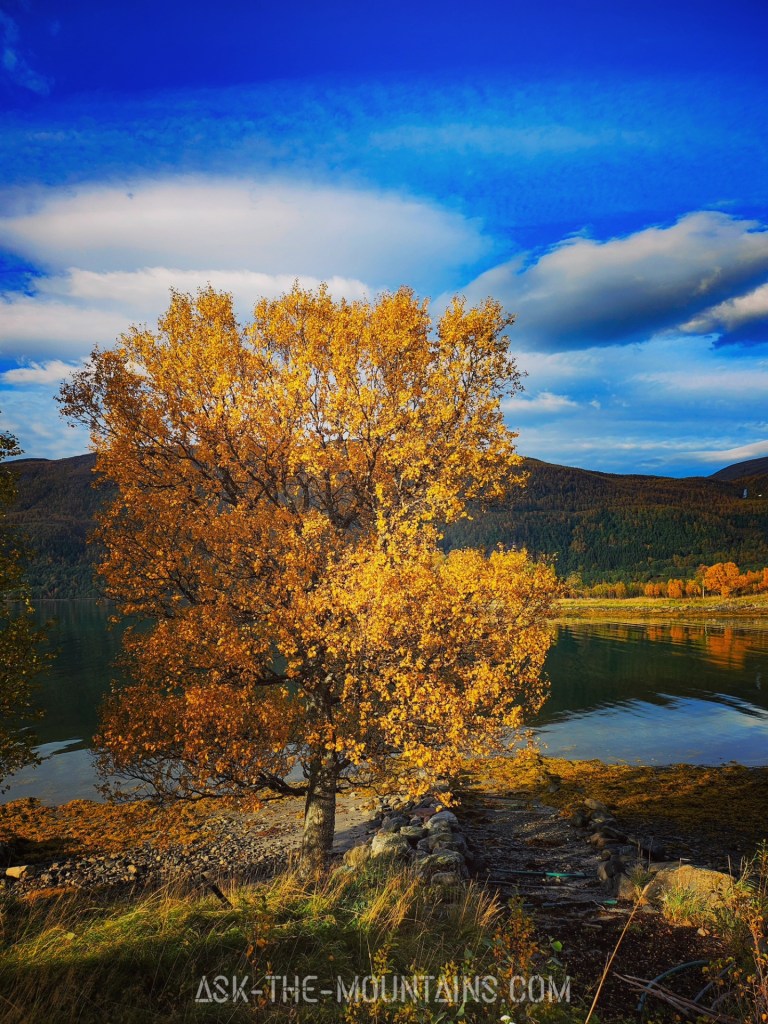
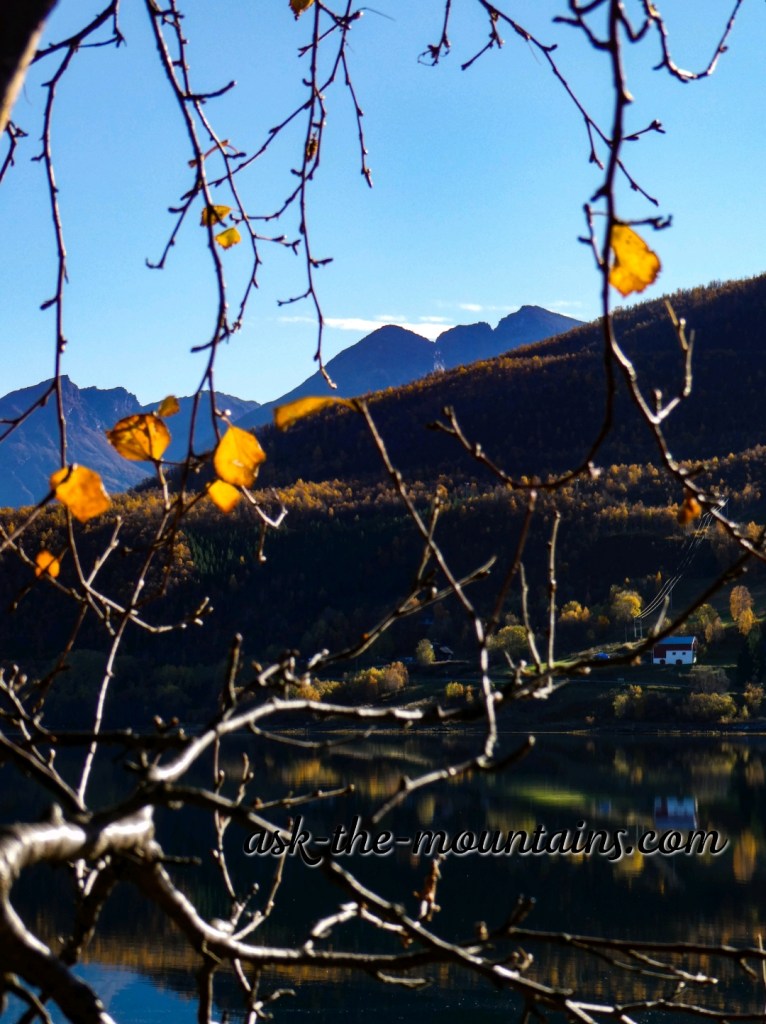
Yellow birch leaves bathing in the sunlight. Ramfjorden/Gáranasvuotna.
Calm sea….
🍂
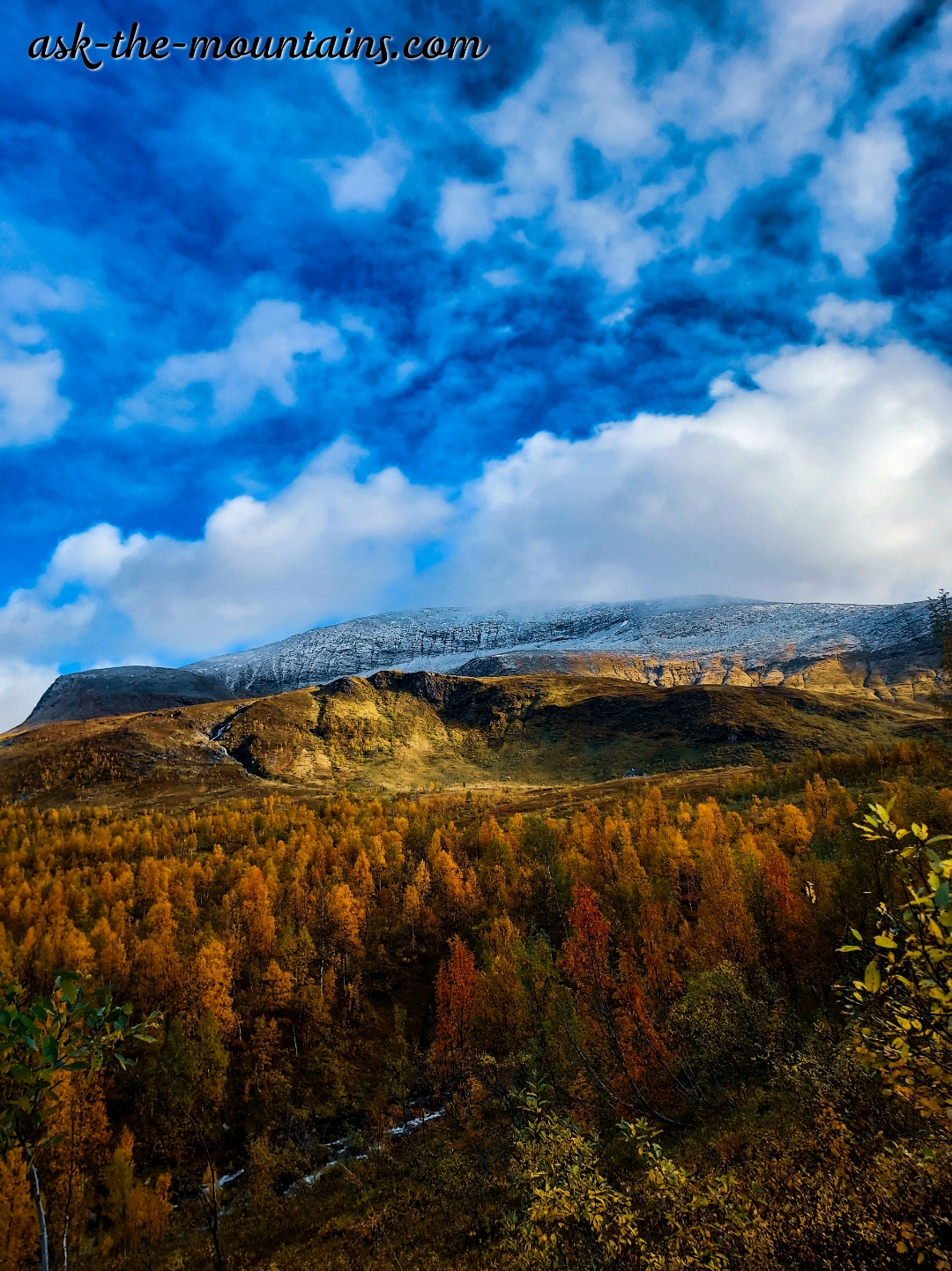
The yellow trees against the blue sky is a sight to behold. 💛💙
Very happy with this shot, was thinking for many weeks that I wanted to take this photo and feel like I nailed it just how I wished 😄👍🏻
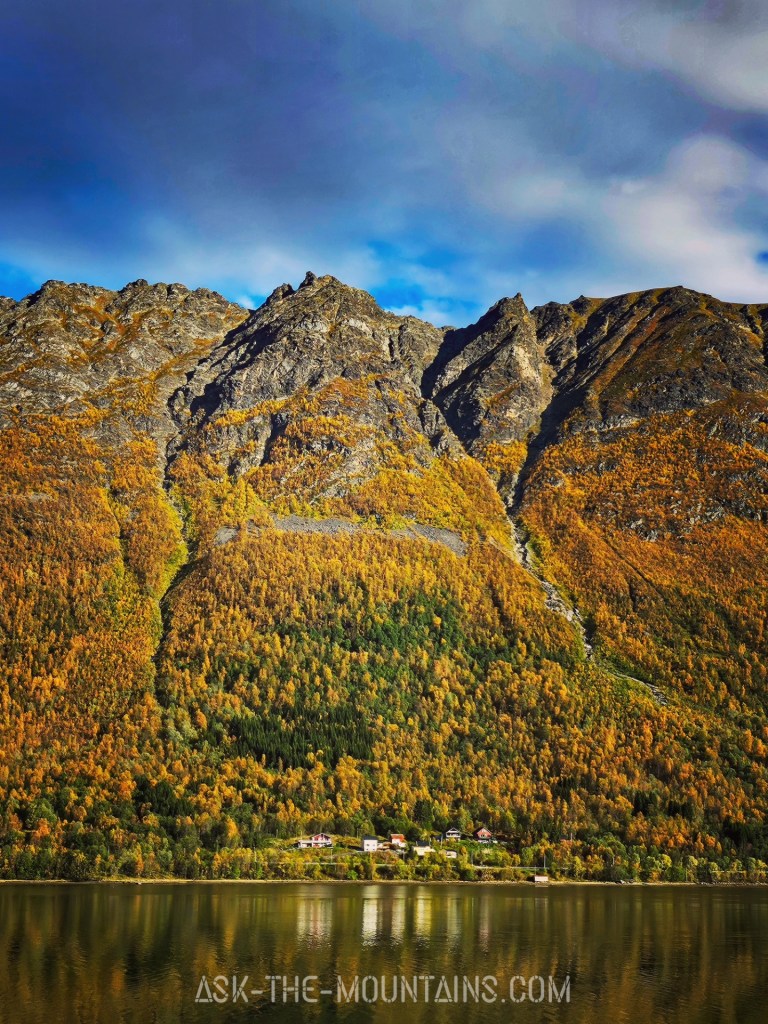
This one is with phone camera, because I could not find my Panasonic camera (found it 2 days later, exactly where I put it!) Tinden / Sálašoaivi.
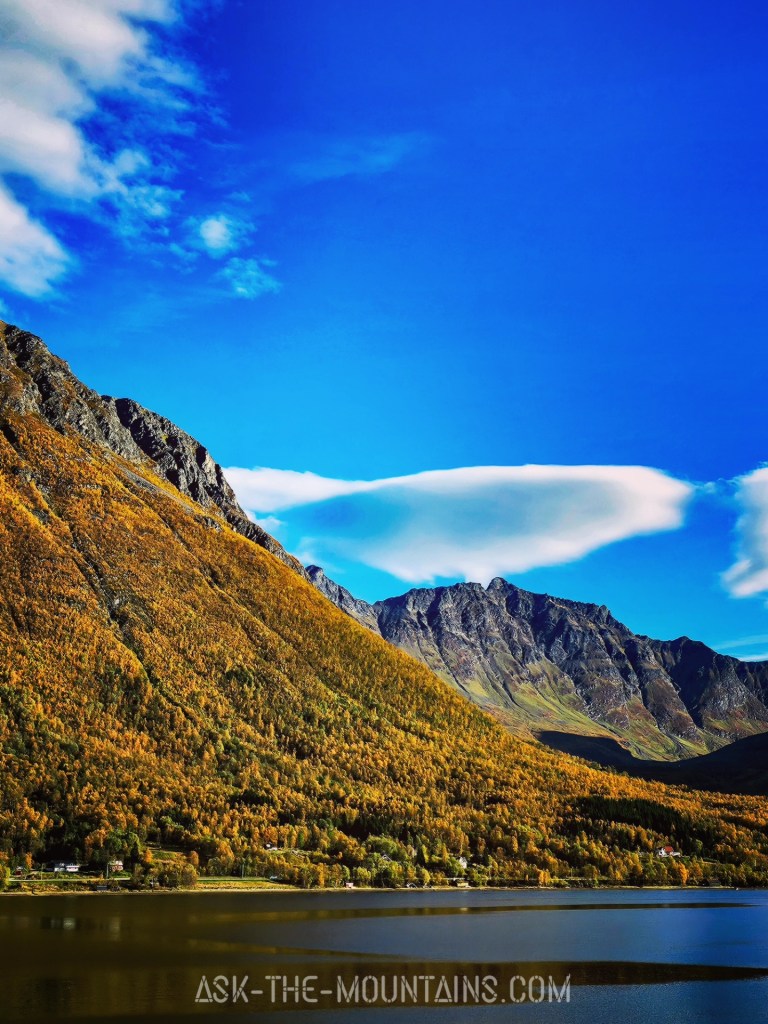
Another phone shot, but feel like I really captured the mood of the weather, even though it is bad quality! ☔️
Arctic, Awareness, Beauty, Culture, Everyday life, Finnmark, Hair, Health, Heritage, Indigenous, People, Photography, Photoshoot, Saami, Sámi, Sápmi, Self portrait, Sewing, Uralic, Vajrayana, Yoga

What that means to me

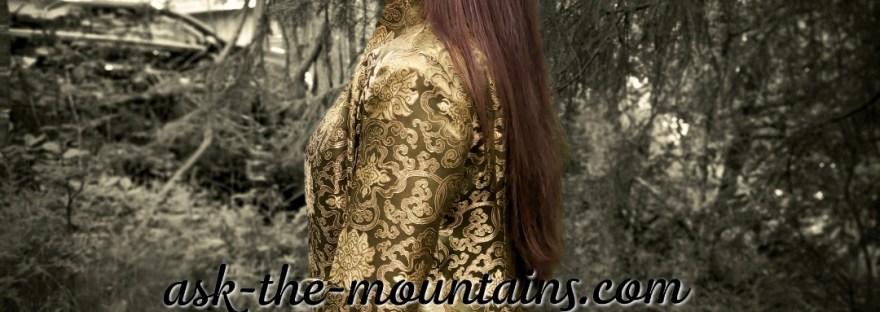
Vajra brocade jacket in green and gold I was lucky to find in local second hand store. It is handmade, too, wonder who made it and gave it away.

I wanted to make a post on the physical body. I have noticed in social media a trend called ‘body positivity’, and I wanted to share my own version of what that means to me:

  • Knowing that my body is made from the natural elements and is a result of thousands of generations
  • Reminding myself that all my cells are working hard to keep me alive every day
  • Eating traditional sustainable foods that my body easily turn into energy
  • Deep sleep and meditation to give body healing and vitality
  • Practice prayer and mantras to help body get rid of karmic traces stored inside the cells
  • Strength training to keep joints stable and posture straight
  • Keeping in mind how ancestors lived, and how they treated their bodies
  • Reminding myself to breathe with my belly, through nose and keeping my tongue in the roof of mouth, while jaw relaxed, as this feels most natural and it makes body relax
  • Tapping into body’s innate healing powers if I feel sick
  • Feeling how the body is an anchor that keeps us in the present moment

Maybe I could add more later. What would you add? Thanks for reading, have a lovely day. -M

Adventure, Arctic, Awareness, Beauty, Everyday life, Indigenous, Landscape, People, Photography, Photoshoot, Saami, Sámi, Sápmi, Sewing, Tromsø, Uralic

Photo series: Arctic summer, pt 1

My mum staring into the ocean 💙
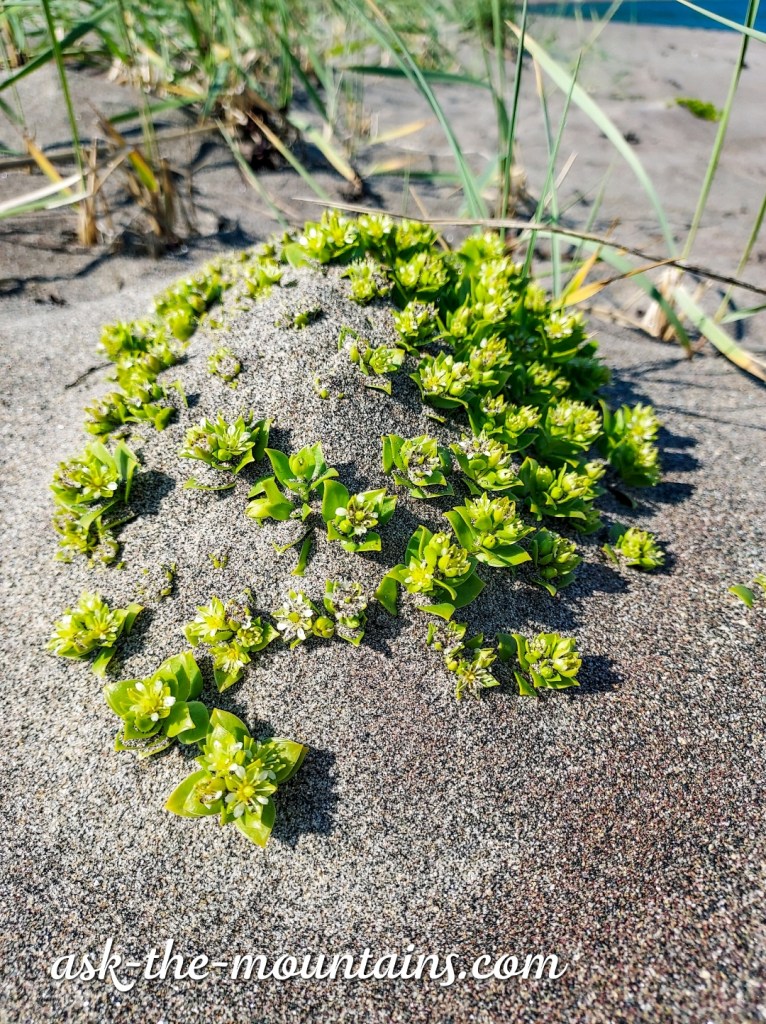
Little flowers in the sand at our hidden secret beach.
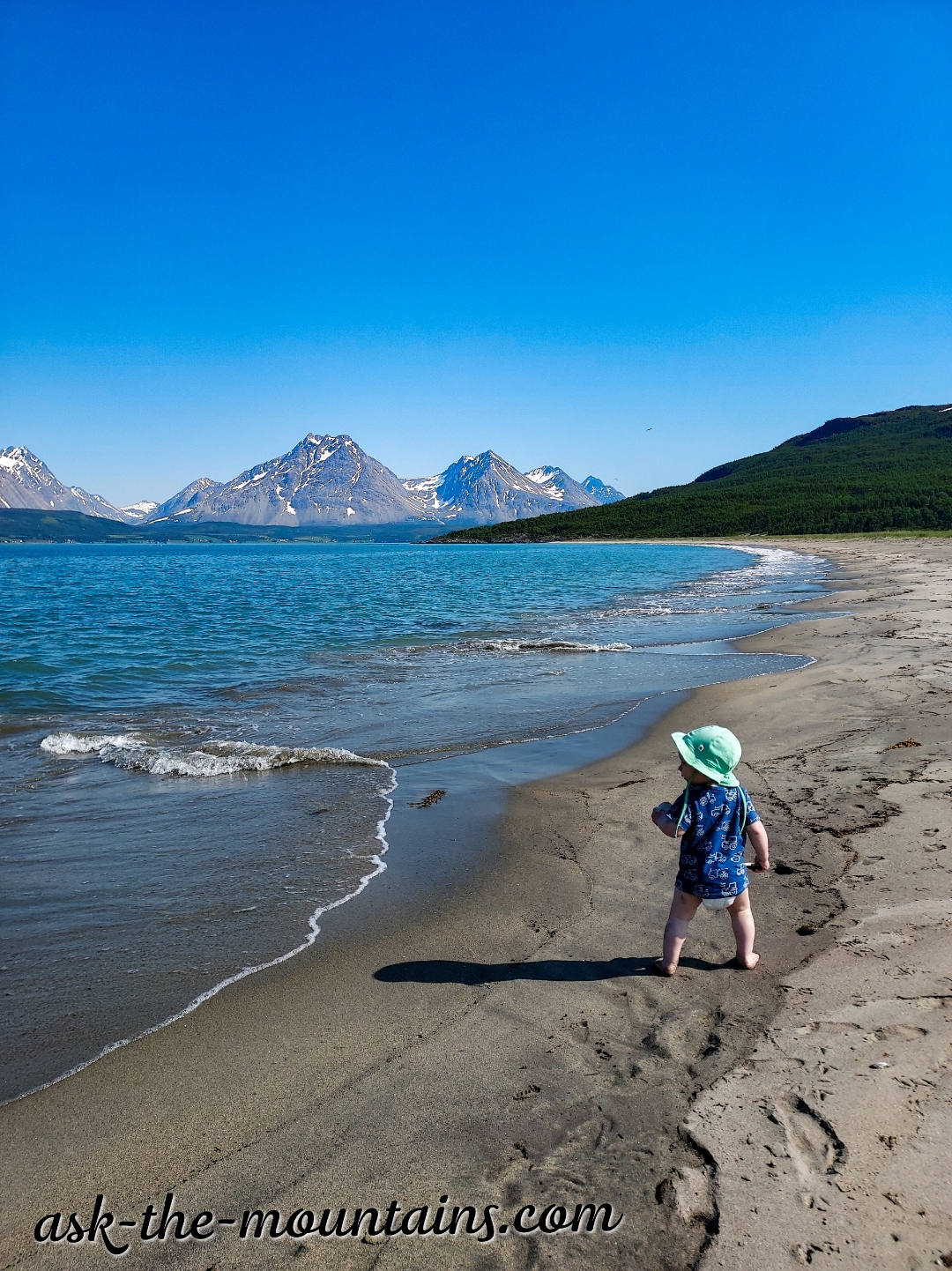
Beach view.
Our son got to see and play with the ocean waves. He was kind of scared, but also curious!
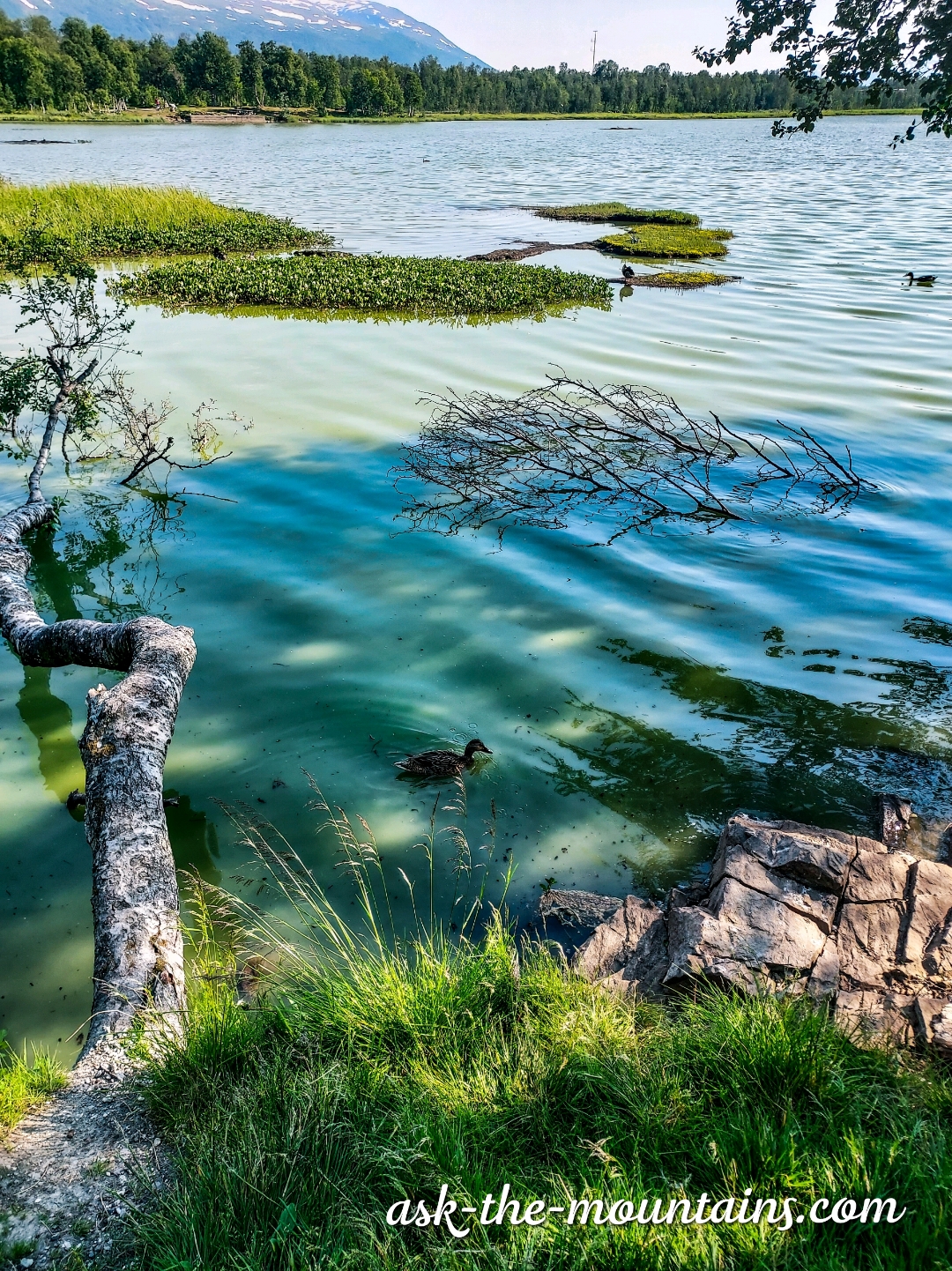
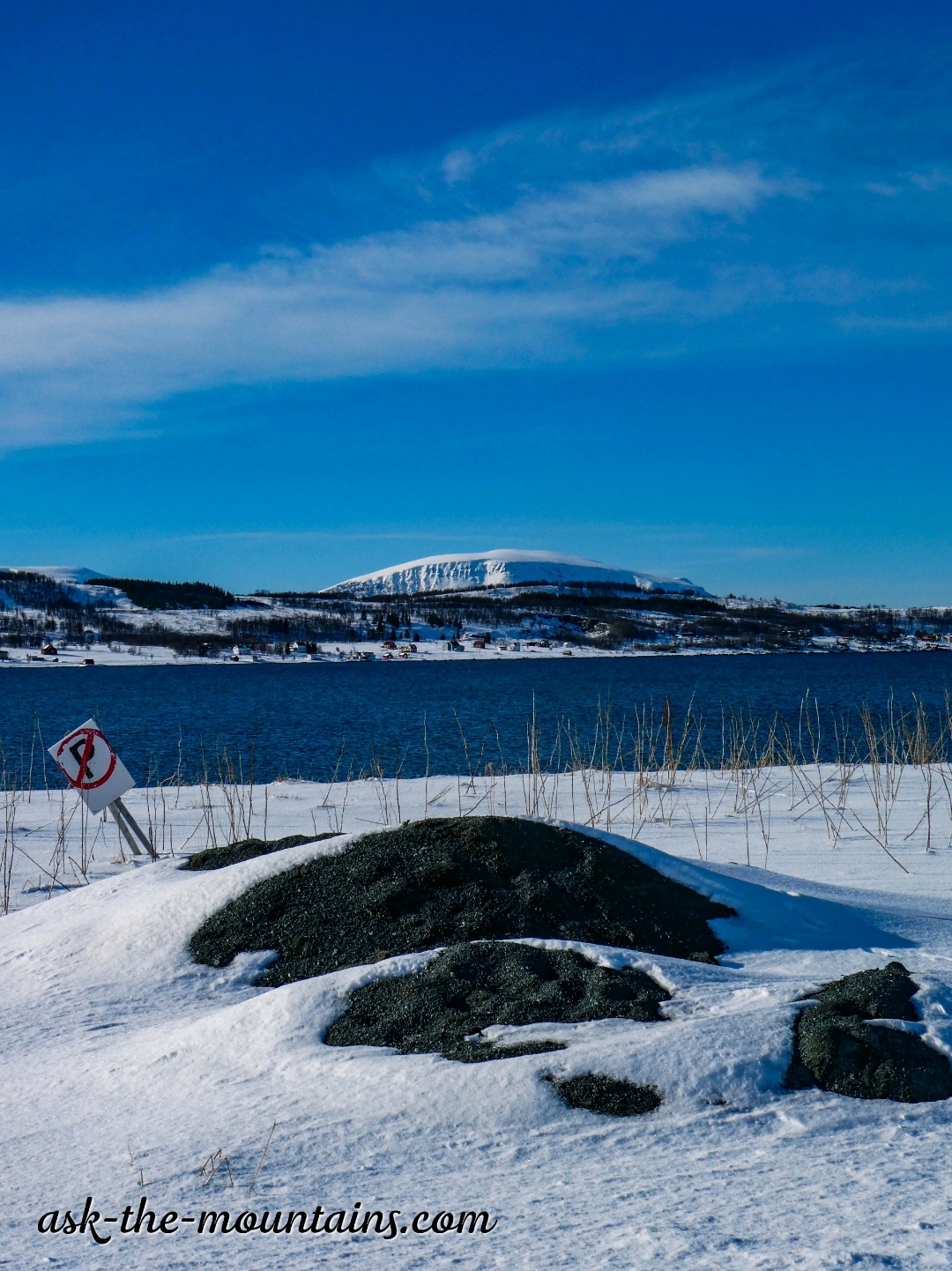
Prestvannet / Báhpajávri
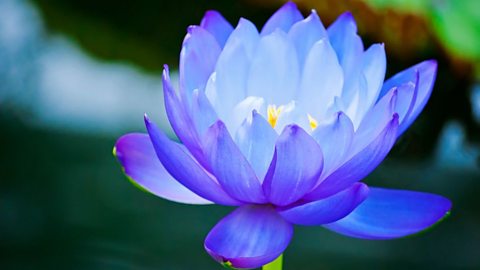
Some lotus like flowers at the Arctic Alpine botanic garden.
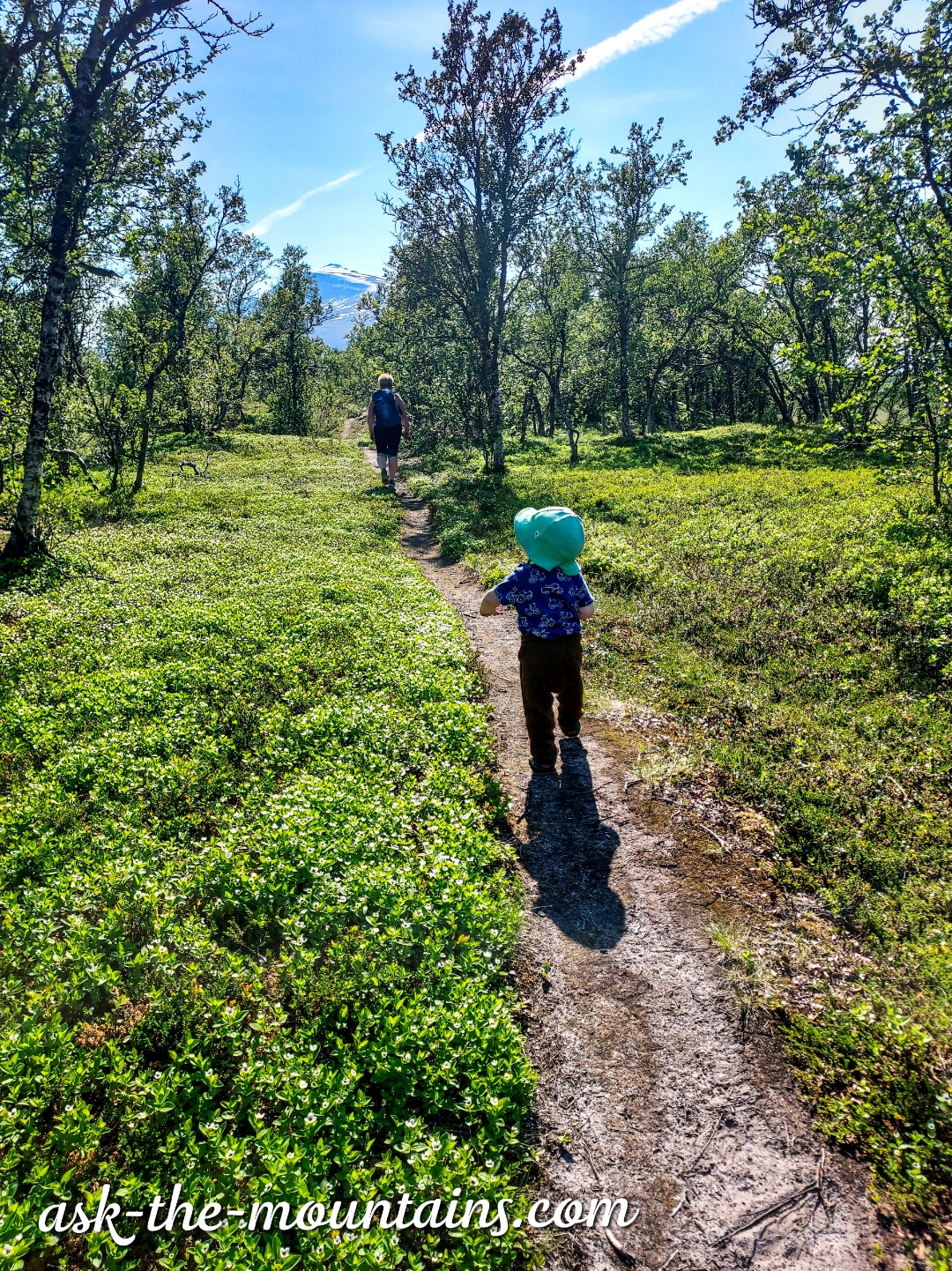
In the forest 💚
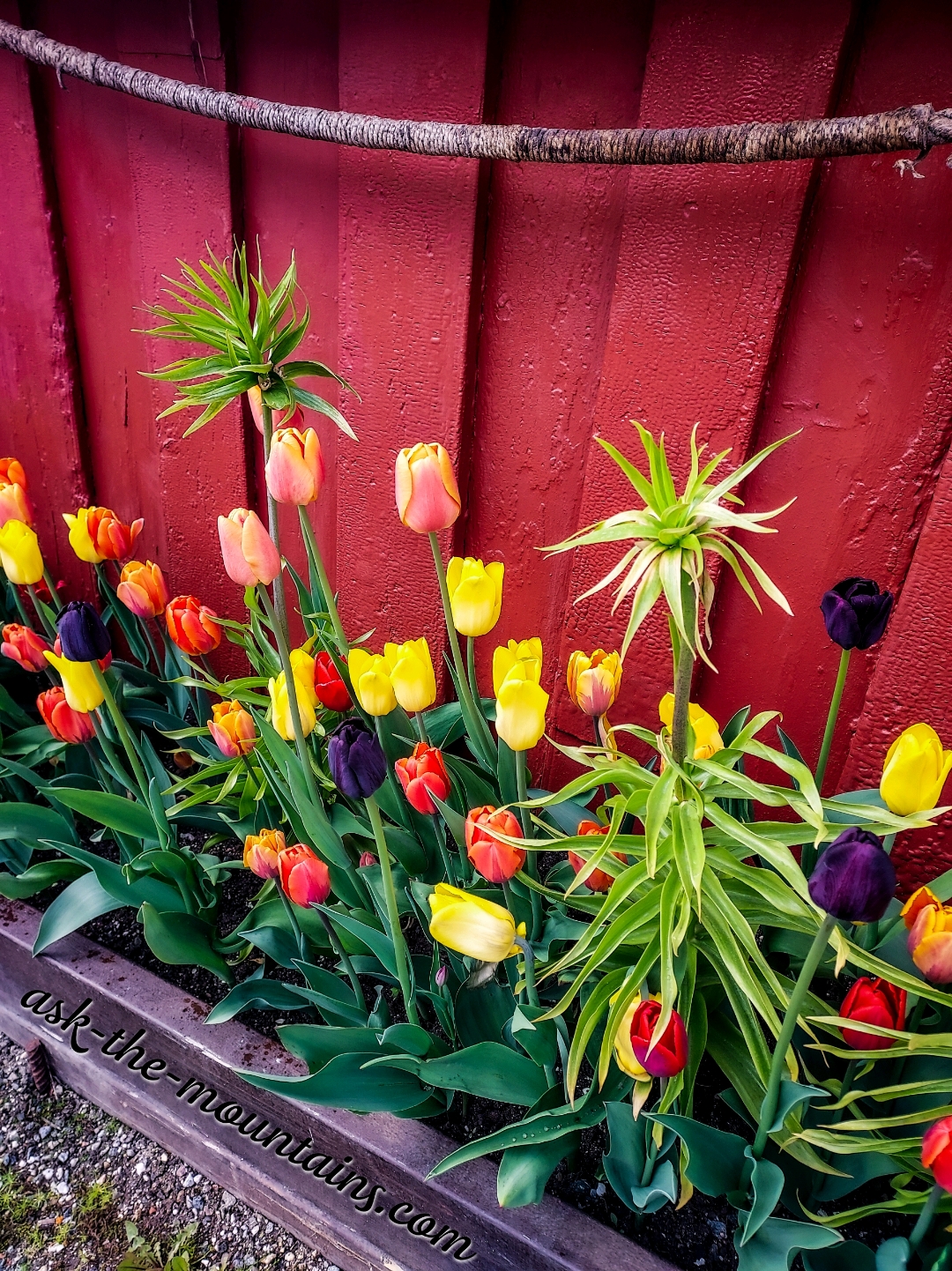
Some gorgeous tulips outside the Polar Museum in Tromsø.
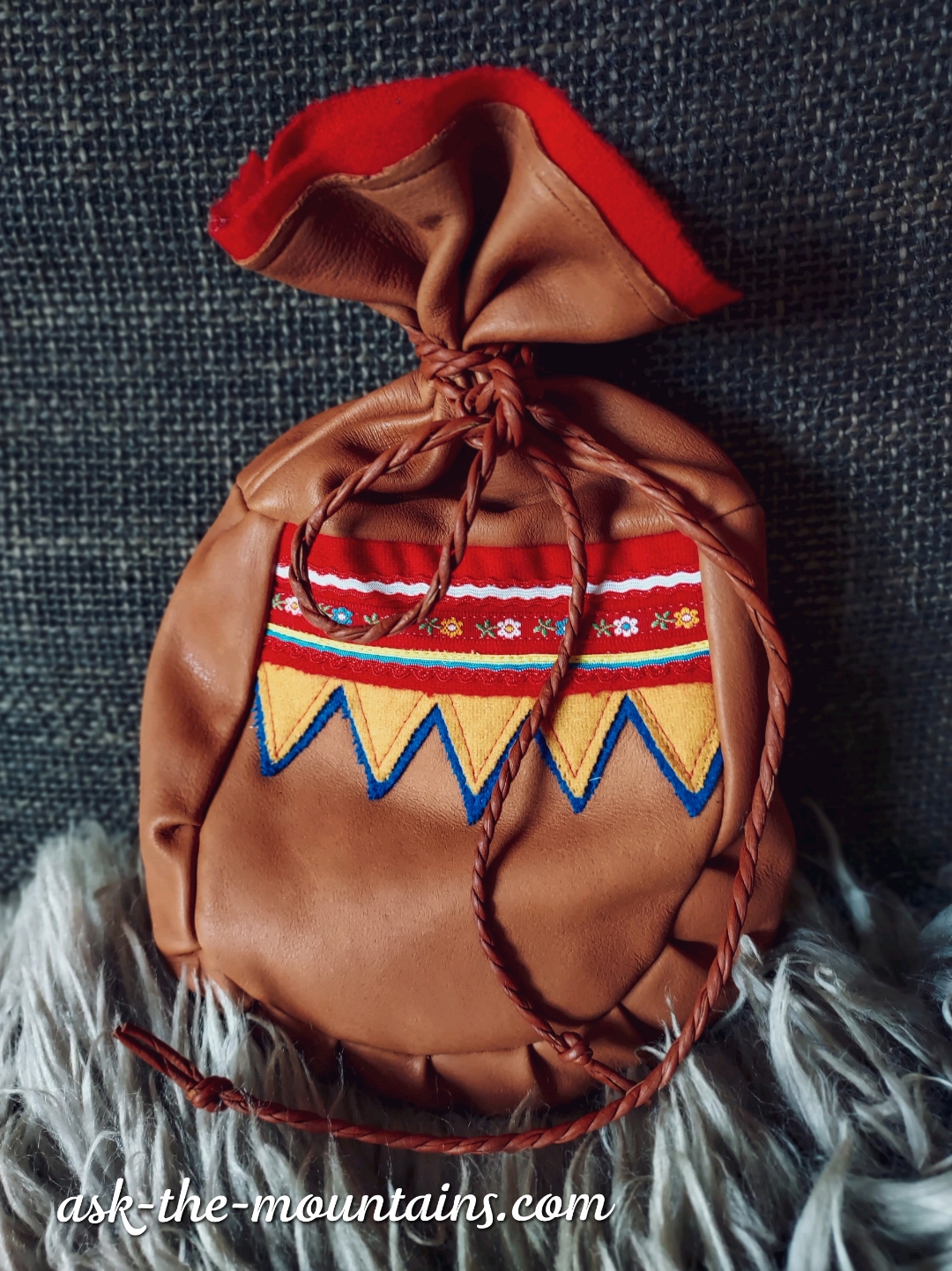
My beautiful coffee bag sewn by duojár Inga Nilsen Eira. It’s made from reindeer skin, wool and cotton bands, and braided reindeer skin string. Perfect to bring my coffee on walks and trips ❤️
Beauty, Culture, Duodji, Everyday life, Finnmark, Indigenous, Outfit, People, Photography, Photoshoot, Saami, Sámi, Sápmi, Tromsø, Uralic

Lihkku beivviin – Happy National Day

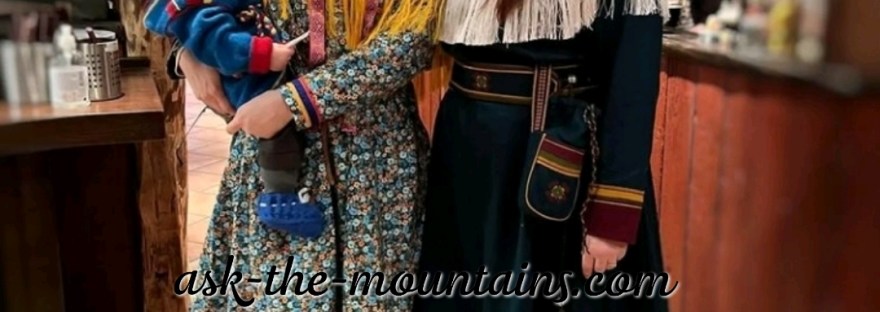
Me, our son and my friend and relative ❤ Láhppigákti. Coastal Sámi.
💙💛❤
Hat and traditional shawl made by me ❤💛
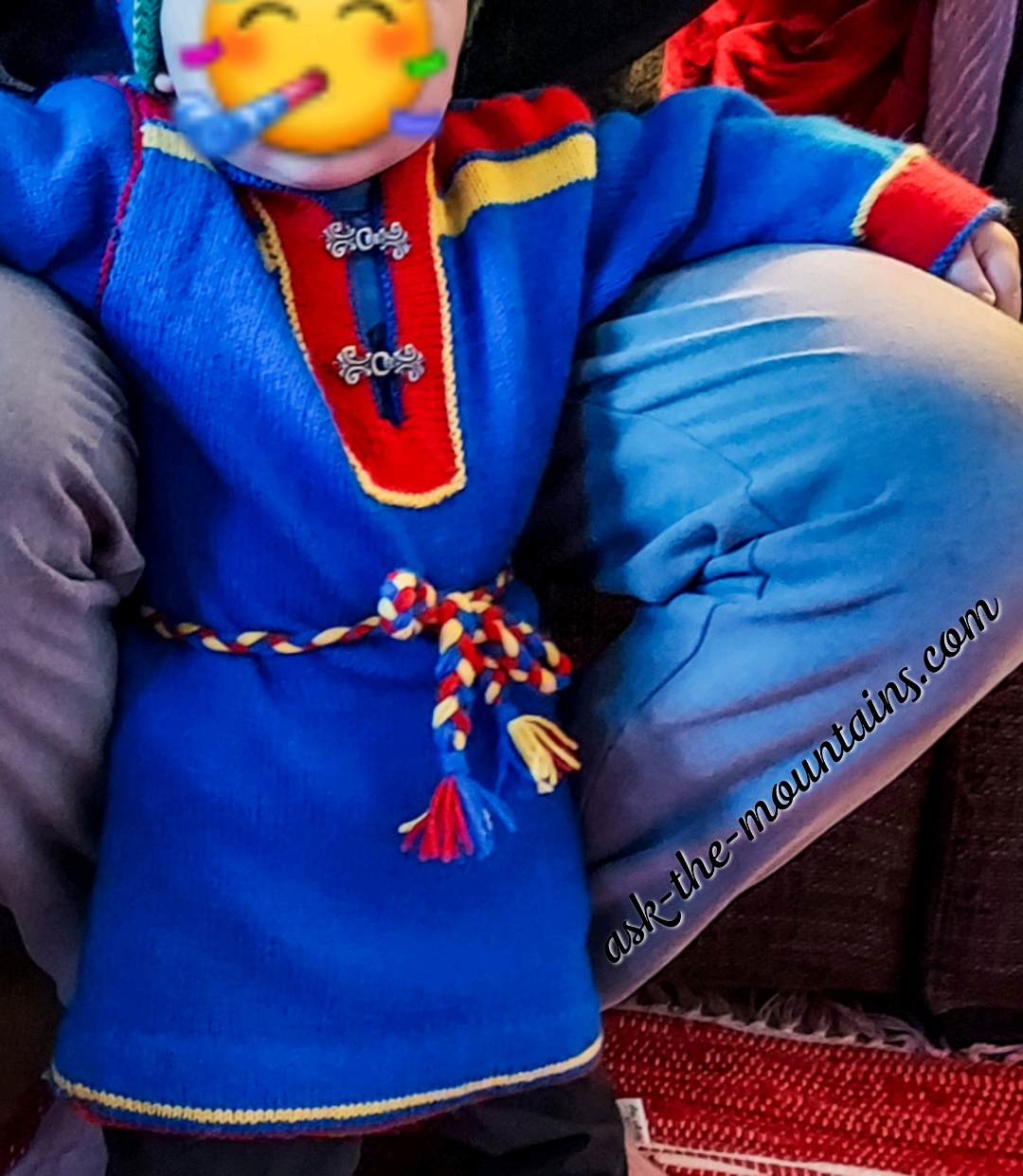
Traditional knit by his father’s mother. Belt is supposed to be on hips, but not easy when he is moving like a little maggot 🪱😄

Today, we celebrated the Sámi National Day, Feb 6th.

I have Kven/Finnish, Norwegian and Sámi heritage, and love to celebrate what I can while I can. I am deeply thankful for my connection to my heritage and my own heart, and wish you all the best 2022 possible.

May all beings be free ✨

Animals, Anthropology, Arctic, Art, Awareness, DIY, Duodji, Finnmark, Heritage, Indigenous, People, Photography, Photoshoot, Saami, Sámi, Sápmi, Uralic

More special?

“People wearing their national dresses symbolise unity. A research conducted on this subject showed that youngsters wearing traditional clothes, irrespective of western pressure, had fewer behavioural and emotional problems. The reason being that they are in touch with their ancestral culture, religion and traditions and thus not confused about their identity or who they are.” Makes sense to me; feeling like you belong and have a community is very important. Nowadays, I think many of us feel a part of many different groups, because we live in a globalised world, and clothing can be changed, thus changing your identity. Maybe that makes our traditional and national dresses even more special? ❤

Here is the link to the study for anyone interested. It also sheds a light on the dangers of not allowing indigenous peoples to use and wear their own clothings, as we have seen happen all over the world.

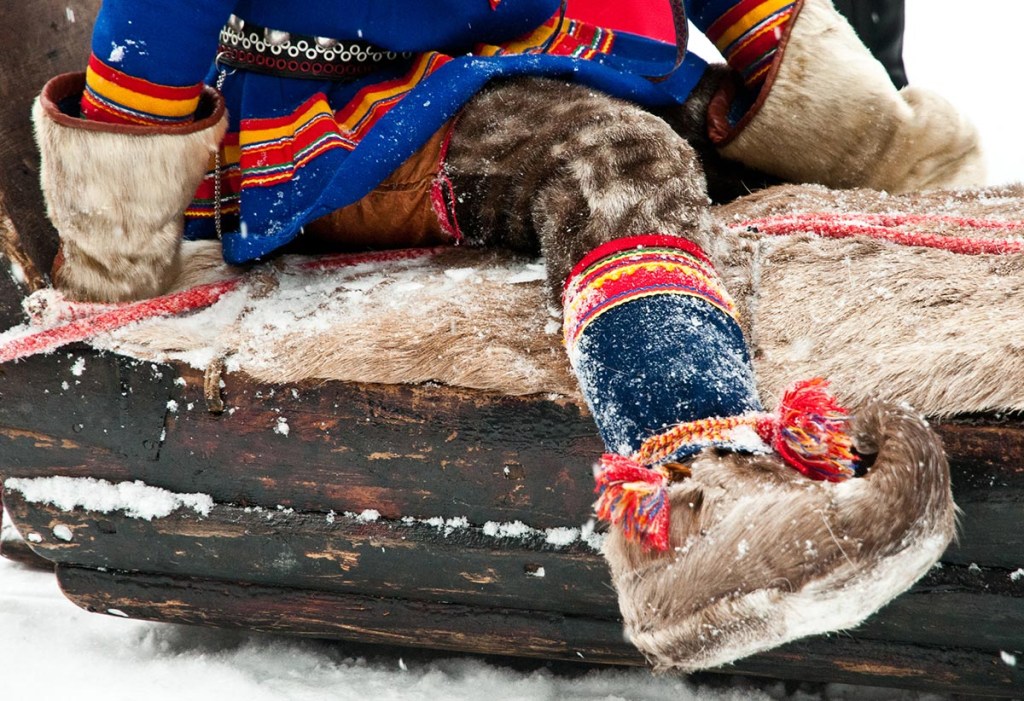
Sámi man in gákti with reindeer pants and mittens. The shoes are nuvttohat, skaller, nutukas.. many names for same shoe. Different languages and dialects. Photo by Lola A. Akerström
Kautokeino Sámis. Guovdageaidnu in Northern Sámi language. Wearing pesks and gáktis. With traditional shawls, belts, mittens and hats. Northern Lapland/Sápmi.
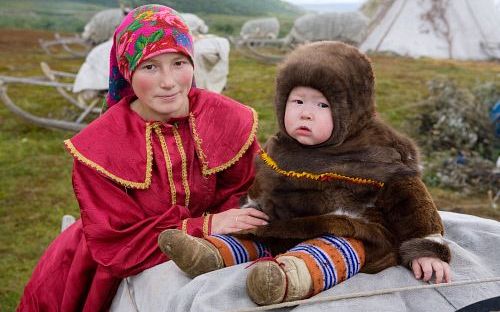
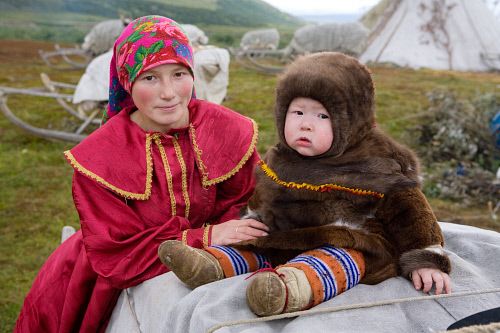
Khanty woman Kristina Neva and baby in reindeer clothing with decor. Summer on the Arctic tundra. Photo by Bryan and Cherry Alexander.

Both Sámis and Khantys are Uralic peoples.