The Sacred Bear and “the Origin of the Sámi People”
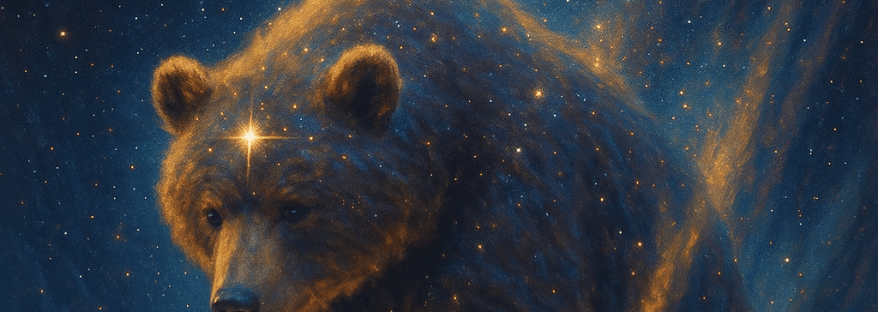
In Sámi mythology, the bear is a divine ancestor, not just an animal.
One myth tells of a heavenly bear who descended to earth and married a human woman. Their children became the first Sámi people.
Because of this, bears were/are honored as ancestor spirits, and when a bear was killed (very rare and ritualised), its bones were carefully placed in a tree to allow its soul to return to the sky.
A ceremony called the Bear Feast included songs, dances, and apologizing to the bear spirit for the killing, inviting it to be reborn.
The Bear Who Fell From the Stars:
A Sámi Creation Song of the First Bear
In the hush before dawn, where no footprints fall, Where the wind hums secrets to the pine, A star broke loose from the roof of night And tumbled down through time.
He fell with a roar through clouds of gold, Bathed in *Beaivi’s light. He landed not dead, but dreaming still In the heart of the forest’s white.
The reindeer bowed their crowned heads low, The lynx stood still in her track. For this was the First of Bears, The Sky-Child, fallen back.
He walked like thunder on ancient snow, His breath, a wind of flame. Yet gentle were his dreaming eyes, And wise, and without shame.
A woman came from a northern vale, A weaver of skins and song. She found him sleeping in a ring of birch And stayed with him all night long.
They spoke without words by fire and frost, By the rhythm of blood and bone. She taught him the names of the winds and streams; He gave her dreams of home.
And so their children, wild and wise, Were neither beast nor man. They sang to trees, they hunted clean, They walked where few else can.
But then the bear, when spring had sung, Felt longing rise like steam: His fur grew light, his eyes grew wide He vanished into dream.
And so today, when the bear is seen, The Sámi bow and sing “Child of stars, our ancient kin, Return again in spring.”
If ever a bear is taken in hunt, The people weep and pray. They dress his skull in flowers and moss And lift his bones away.
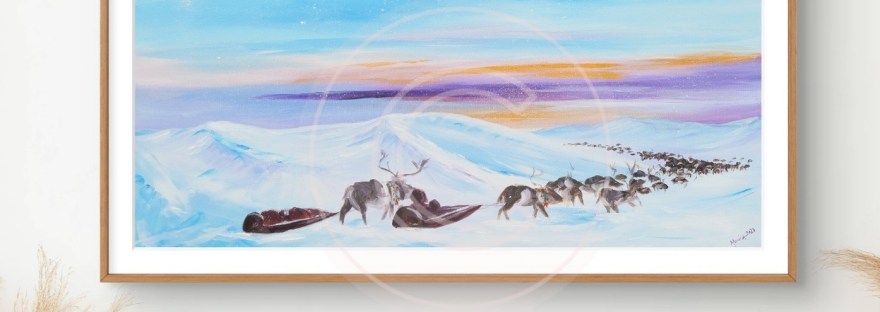
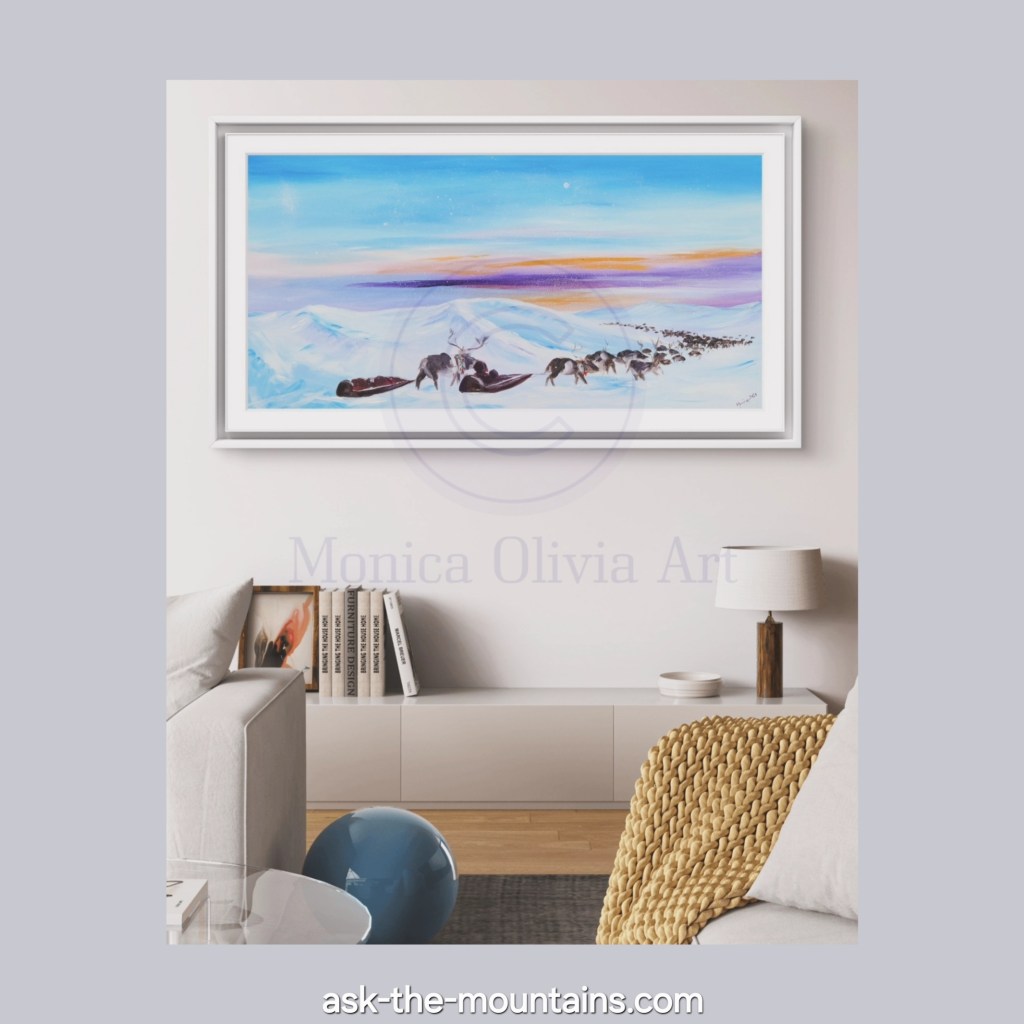
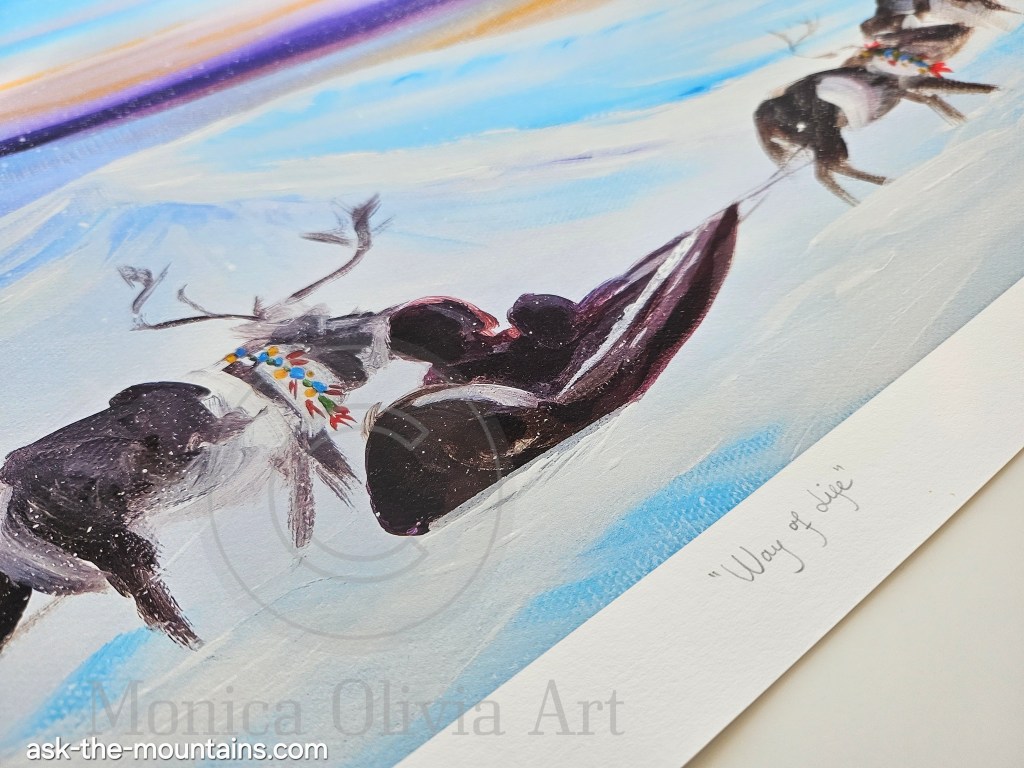
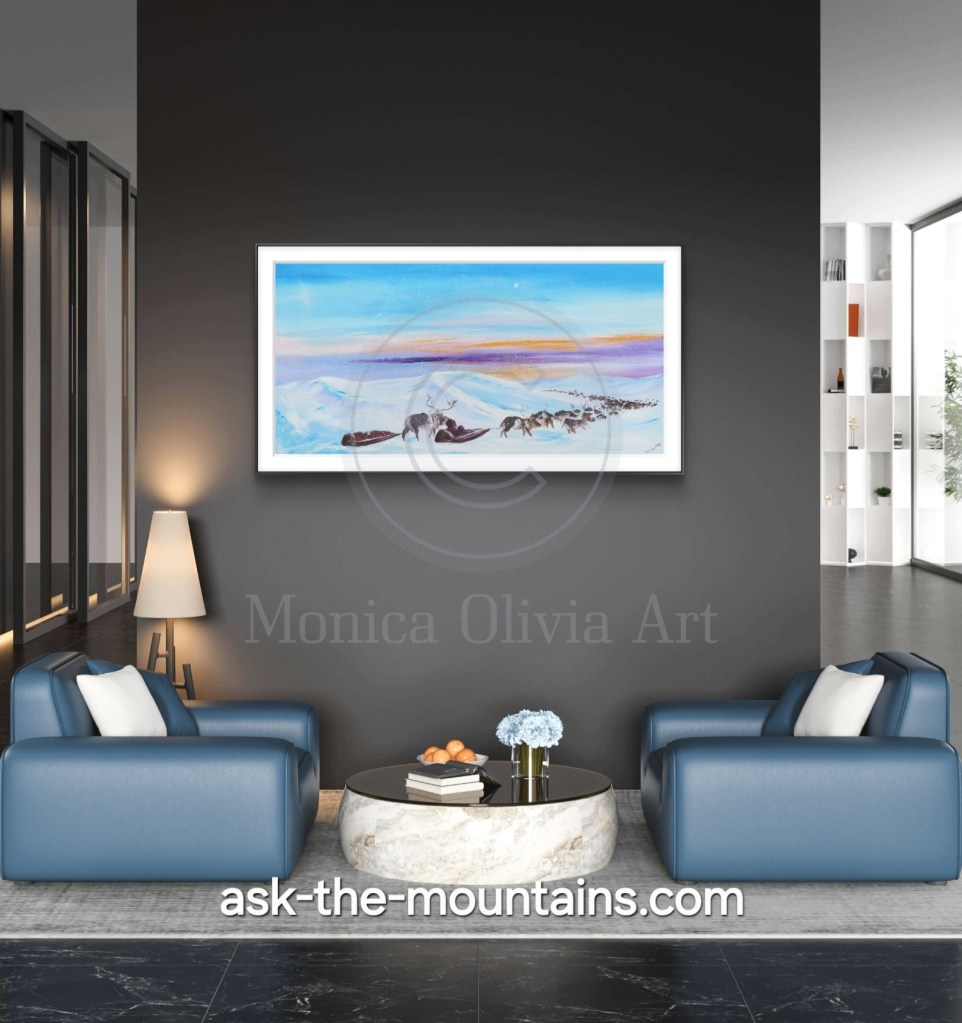
This is the landscape nomadic peoples of the Arctic have travelled for decades and generations. Moving their herds and homes and children safely tucked onto sleds, across the tundra. This is still the case in some areas. If you’ve witnessed the ever-changing play of colours and atmosphere during the Arctic winter and Polar night, it looks something like this; pastel skies, crisp clear air, moon in daytime and the sun hiding behind the horizon, blessing us with a few rays here and there before leaving for a few months. I am in awe at how my ancestors have survived and even thrived here for so long; I feel moved to my core by their know-how of the elements, seasons and animals. “Way of Life” art print, 2400 NOK 🩵💜🤍🧡 89 x 46,5 cm including white edges. The prints have the title written on the white part in front, and signature on the back.
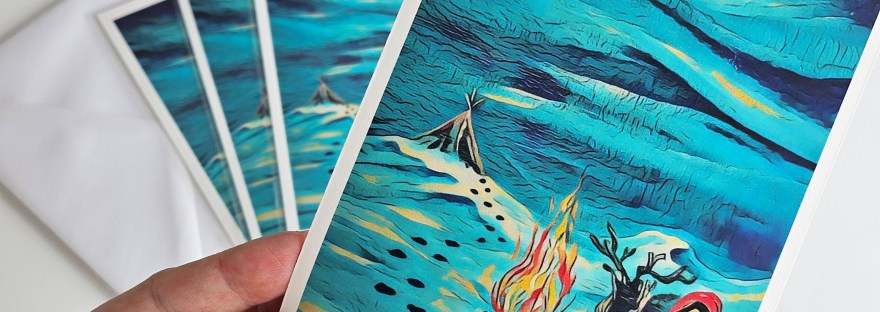
Art card with envolope ✉️ 17 x 12 cm including white edges. 75 NOK (norwegian kroner) Can be shipped anywhere 🤍🌍
The prints are made from a painting I did back in 2021 when I first became a mother. Afterwards, I slightly edited it digitally, and thought it looked wonderful as printed art cards 😊 I have 3 cards available currently.
My Traditional Sámi wives’ silver ring 😍💍🥂 It was a gift alongside actual wedding rings. Got married to my best friend and partner in September. Very small short wedding, no guests, just our kids and two witnesses. It was perfect:)
(Made in Kautokeino, Northern Sápmi)
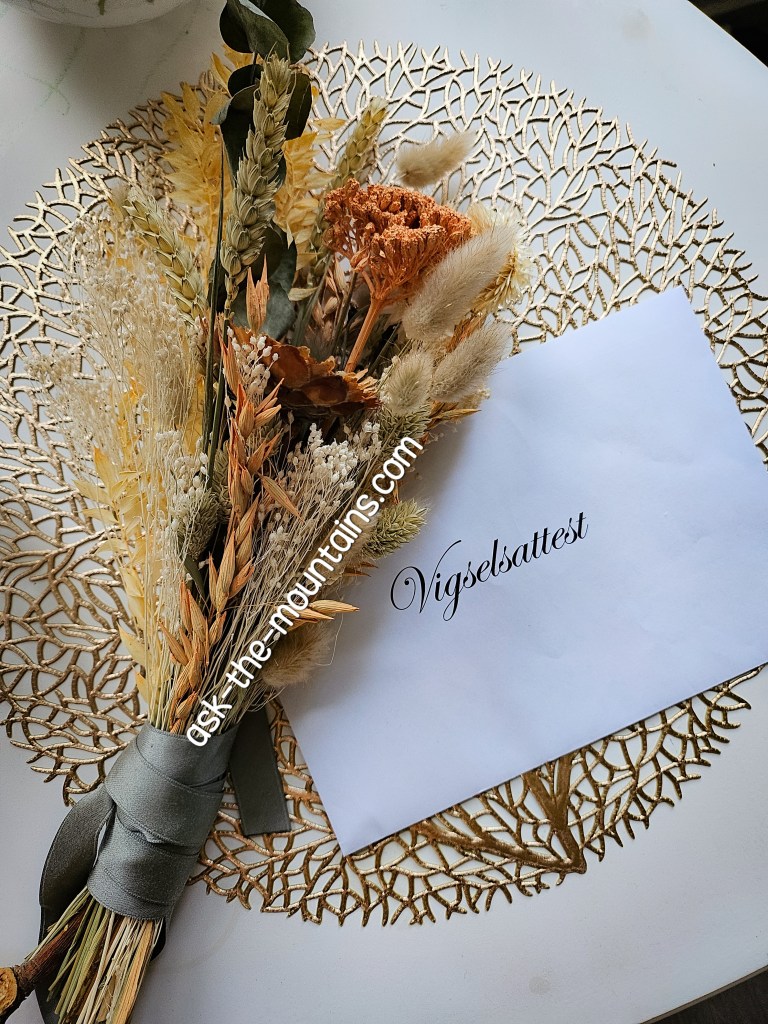
Gold wedding ring inscribed with my now husbands dharma name inside, and he has mine. Never owned anything made from gold before 😄 Always wanted an inscribed gold ring ever since I saw LOTR as a child😜 My bouquet was something I put together from dried flowers and the band around it was same colour as my wedding dress; actually I cut the band (belt) from the dress itself because it was too long.
I am tempted to just answer my own question with “why not?”, but that is not satisfactory at all. Especially since there is a very good answer that comes to mind, although it is a cheesy one;
My soul needs it. It is who I am, and art helps bring out my authenticity. I feel ill when I have long periods of low motivation and inspiration, and thus don’t paint.
As probably many other children who loved art, growing up meant finding out how fragile art making can be. How vulnerable you make yourself. How other things in life seems to creep in and take over your time, to the point where there is not much time left for art making. All children are born with an innate sense of wanting to create and learn, and it can take a long time to find back to that once you have entered the hectic adult world of chores and time schedules. What a shame. But also, what a journey.
Like in all good stories, the main character loses herself at one point or many, and falls into some sort of despair and discontentment. She wants to find herself again and strives to get rid of the layers of inauthenticity she has adopted during adolescence and adulthood. Deep down, she knows herself, but too much junk has accumulated, and she feels frozen and trapped.
“Energy that is in motion, stays in motion”. In other words; just start something, and the momentuum will keep going by itself. The more we create, the more we want to create. Do 2 mintues of art making, and before you know it, time ceases and you enter the timeless realm of creativity, where it doesn’t matter how long you do it, all that matters is that you enjoy it and you feel yourself being in a flow state.
You may ask; why paint? Does the world really need another painting of a mediocre rose or the aurora borealis? The answer is No, it doesn’t. But the world needs your interpretation of a rose or the aurora borealis. Your superpower is and will always be that there is only one of you. When someone buys your artwork, takes it home and put it on their wall, they are bringing a piece of your soul home. They want that unique thing you made out of nothing to remind them of what they perhaps have forgotten themselves. Or, they wish to have a feeling or memory your artwork inhabits in their home through their eyes. This is a huge compliment for any artist.
You may also ask; but how do I find my own style? You don’t! It finds you. And you can’t get rid of it, even if you wanted to. Unique personal style is something that happens on its own. Don’t worry about it, it will reveal itself, if you just keep making stuff.
It’s hard being an artist. It can be lonely, it can be difficult to get into the desired state for creating, it can be challenging to make a studio/workspace, it can be close to impossible to find motivation some days and it can be a job in itself to make something out of thin air. But then again, it can also be the most rewarding soul nourishing work.
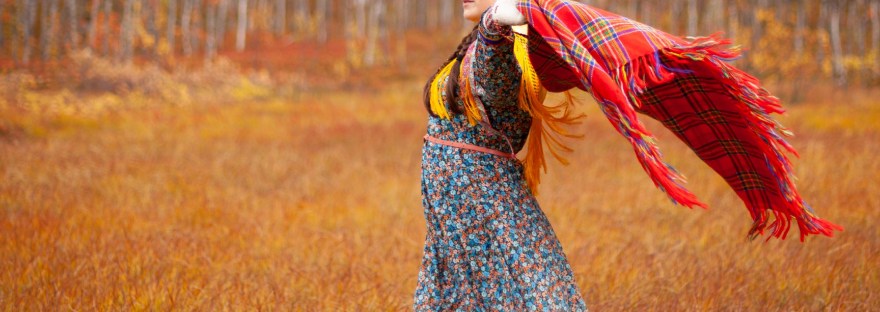
Can I just say, this is the best photo anyone has ever taken of me? Susann, thank you for capturing my essence. Here I am wearing a headdress and silk liidni I sewed myself, and the gákti summer dress is made by Nadezda Johnsen. Autumn wind…🧡🍂🙌🏼Life is a lot of chopping wood and carrying water… I think that is how the saying goes 😉
“Your healing journey will, of course, include a consideration and use of all the best tools modern medicine can offer you, as well as the best tools holistic healing can offer you. From a deeper perspective, illness is caused by unfulfilled longing. The deeper the illness, the deeper the longing. It is a message that somehow, somewhere, you have forgotten who you are and what your purpose is. You have forgotten and disconnected from the purpose of your creative energy from your core. Your illness is the symptom: The disease represents your unfulfilled longing. So above all else, use your illness to set yourself free to do what you have always wanted to do, to be who you have always wanted to be, to manifest and express who you already are from your deepest, broadest, and highest reality. If indeed you have discovered yourself to be ill, prepare yourself for change, expect your deepest longing to surface and to be brought to fruition. Prepare yourself to finally stop running and turn and face the tiger within you, whatever that means to you in a very personal way. I suggest the best place to start to find the meaning of your illness is to ask yourself: “What is it that I have longed for and not yet succeeded in creating in my life?”’ (From Barbara Brennan’s book Emerging Light)
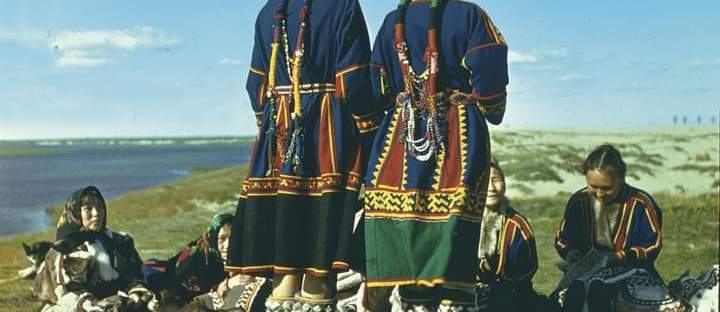
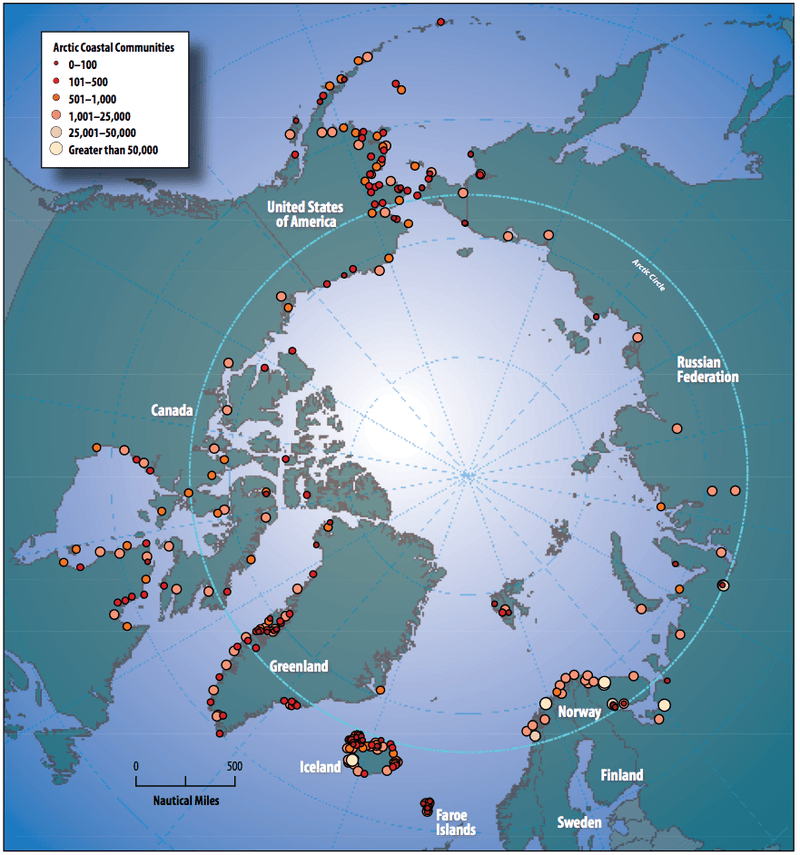
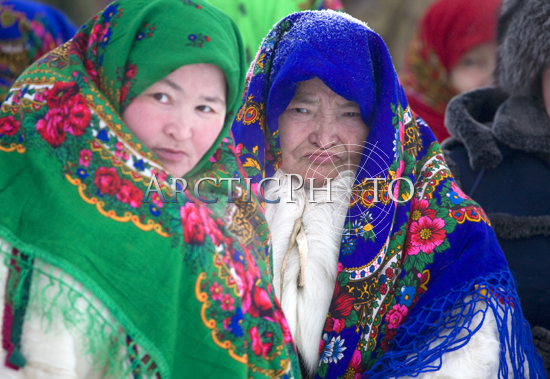
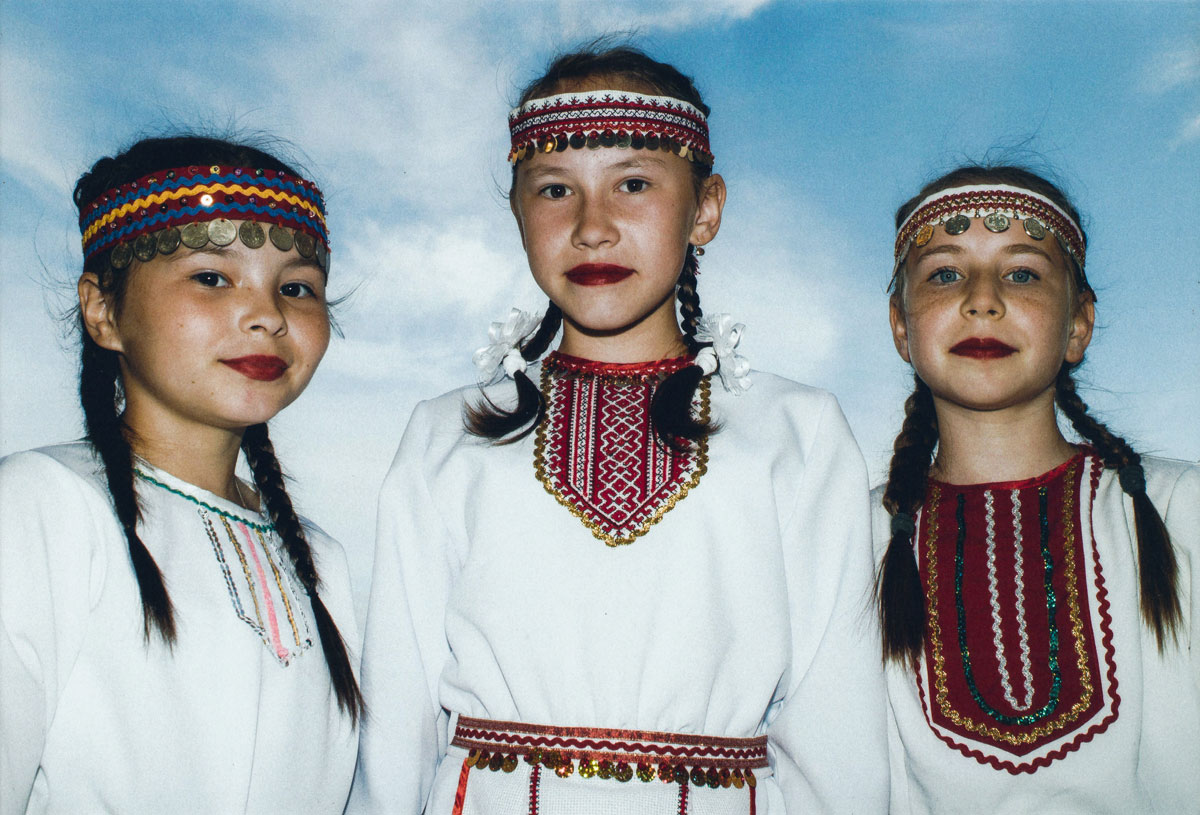
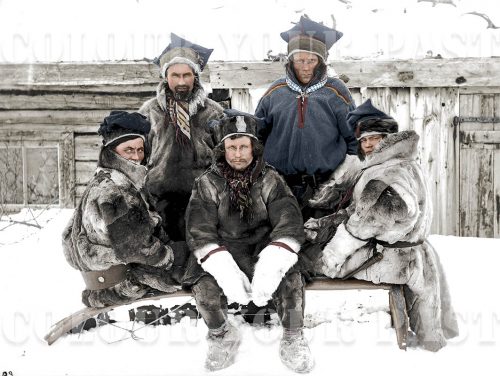
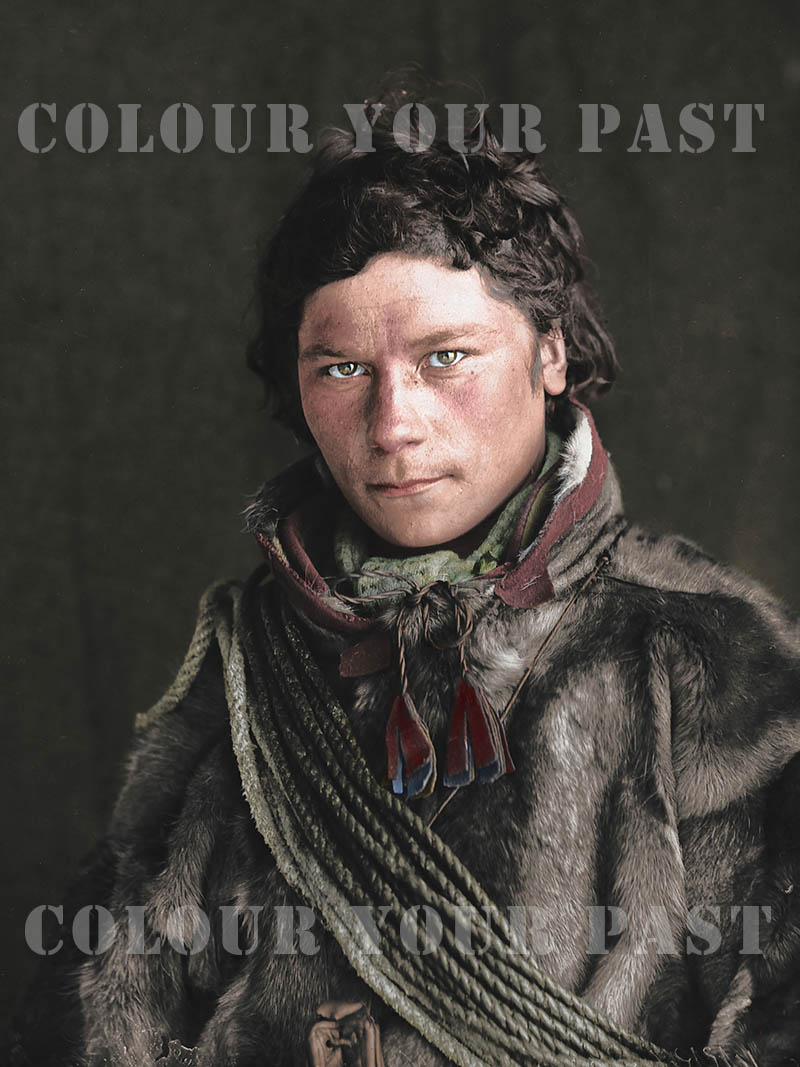
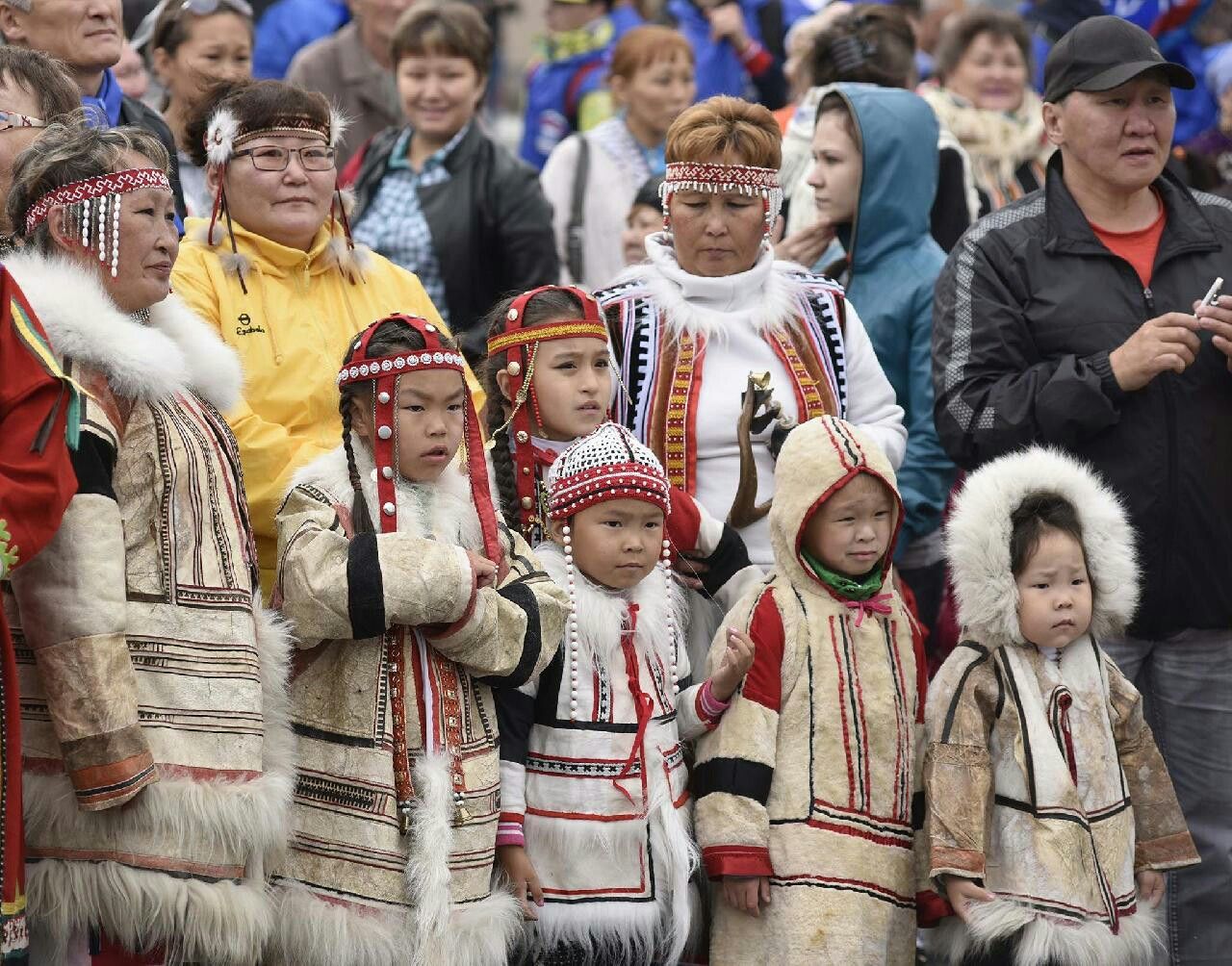
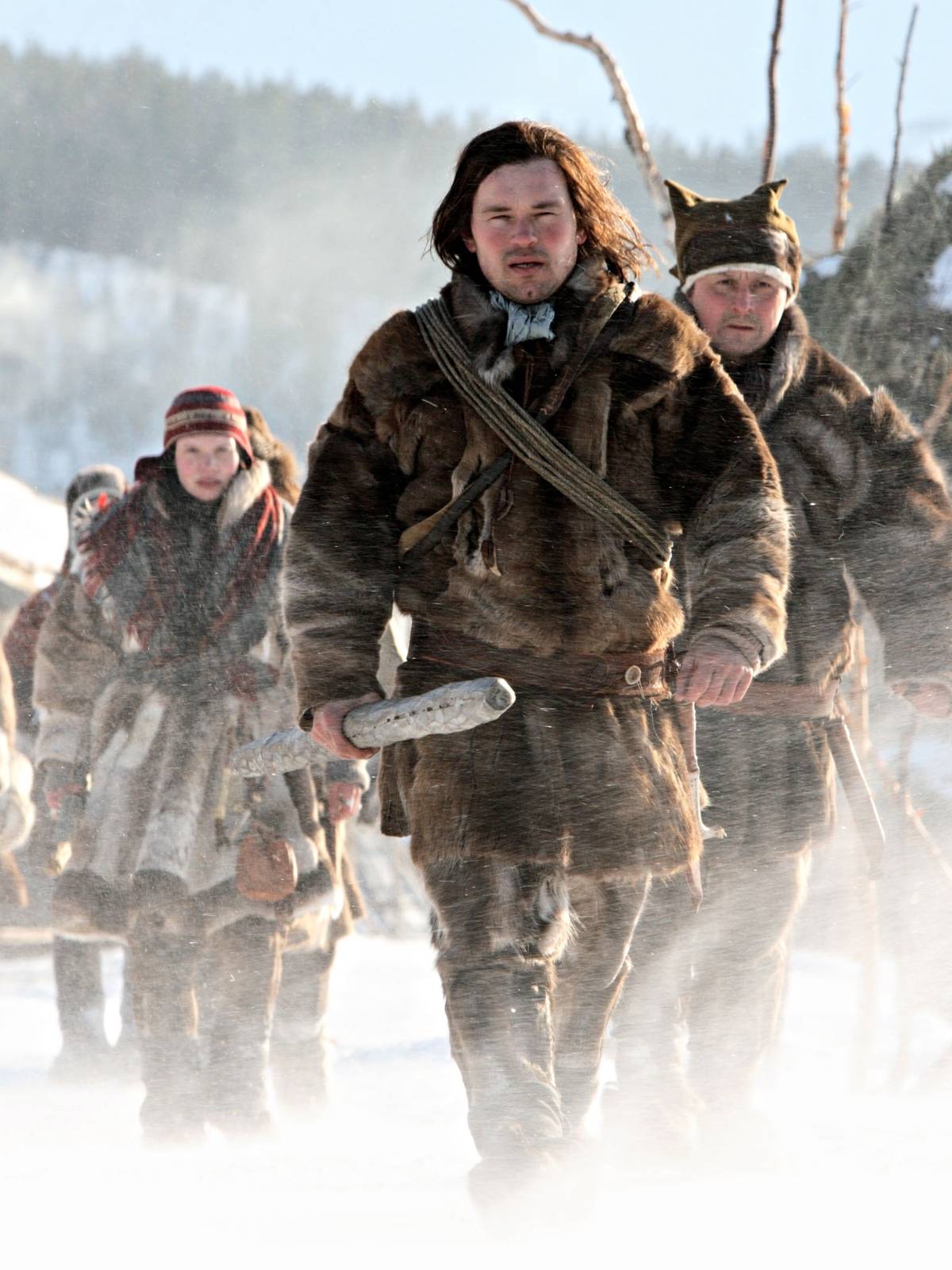
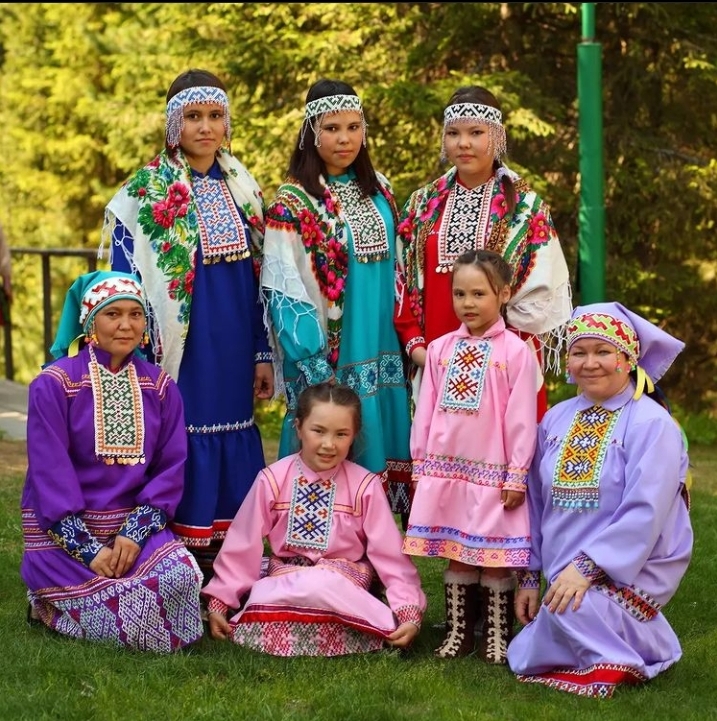
Who are Uralians and Ugrians? We are different peoples with unique cultures and common linguistic roots, stretching from Russia, over Siberia and the Ural mountains, into Scandinavia. Some have moved further south, like the Hungarians. Many of us live Arctic and sub-Arctic lives and livelihoods. Many of us also have lost our traditional cultures and language.
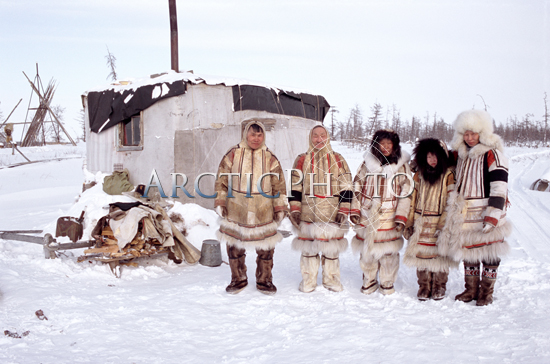
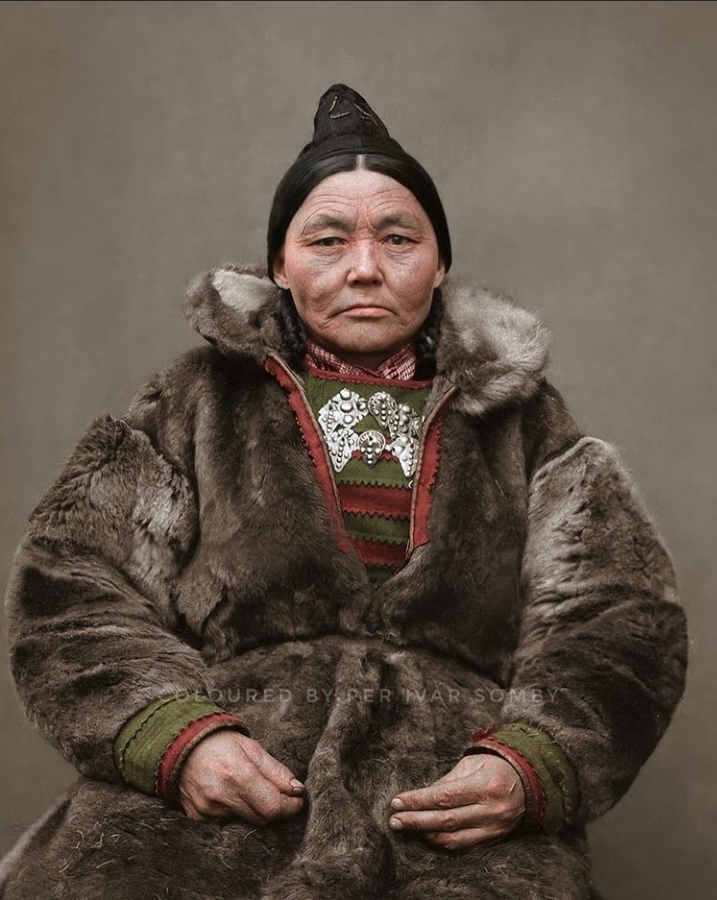
We are Sámis, Kvens, Finns, Karelians, Khantys, Maris, Mansis, Nganasans, Nenets, Komis, Tornedalians, Selkups, and many more. I added a small variety of photos from our community below.
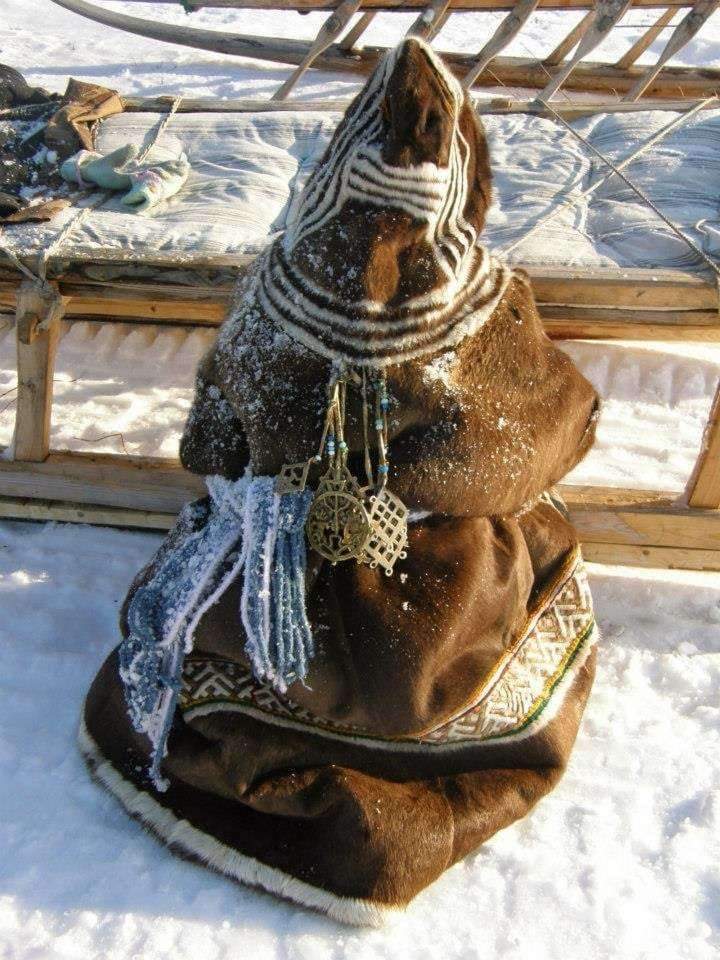
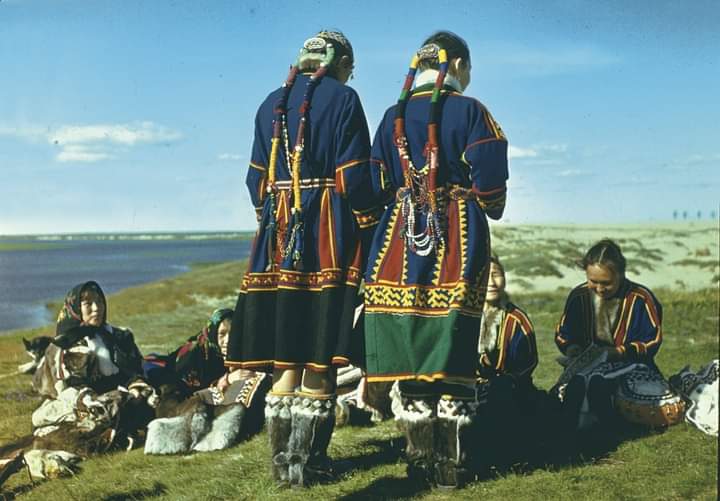
Uralic clothing vary from boys and girls/men and women, and is usually made just to fit the climate. Sewing patterns are often kept within the family and only used by the ethnic group and not outsiders. Summers can get pretty warm, and winters of course get extremely cold, so there are different garments for the seasons. More text and a poem below 😊
Usually, if not always, ethnic European and Eastern/Eurasian (Arctic) clothing has specific designs for women, men, girls and boys. Practical, warm and distinguishable; usually a bit, or vastly, different for each region. Often bright colours and intrinsic details. Made from the immediate surroundings; wool and animals. Sometimes silk. Giving the wearer a place and belonging; need only look at a persons clothes to know where they, or where their parents are from. Sewing patterns are often kept within the family only. Nowadays however, many native outfits are only used a few times a year for special occasions due to many people moving into the city and/or the boarding schools, and designs are evolving with the new creative youth, creating new ideas and identities, which is normal and expected. But traditional sewing skills are sadly not being taught that much from early age.
Clothing is important. No store bought garment sewn by a machine can measure with an outfit that contains your ancestry and history in every stitch. Many nowadays are also lucky to have more than one ancestry and thus more wardrobe options! Many have lost their native language(s) and feel like a “poser” if they use them or sew them, perhaps scared of getting strange looks or be called names, but I will forever argue that we should wear it like our own skin, because it is a birthright of sorts.
Every two weeks a language dies with its last speaker, 50 to 90 percent of them are predicted to disappear by the next century (source for the statistic: National Geographic). For example; 35 out of 38 Uralic languages are endangered or critically endangered due to assimilation and globalisation. Many Uralics live Arctic lives and livelihood in Europe and Eurasia. Herding, fishing and hunting. Linguistics say there used to be at least (!) 31 000 languages in the human history, now we are down to around 6000, and it is declining every fortnight. This makes sewing and using our traditional dresses even more important.
Keep sewing and keep teaching children traditional skills. They will thank you down the line, I am sure of that.
Thank for reading. I will end this post with a poem by Ingrid Mollenkopf from her book ‘Between Sleeps: Uralic Poetry’:
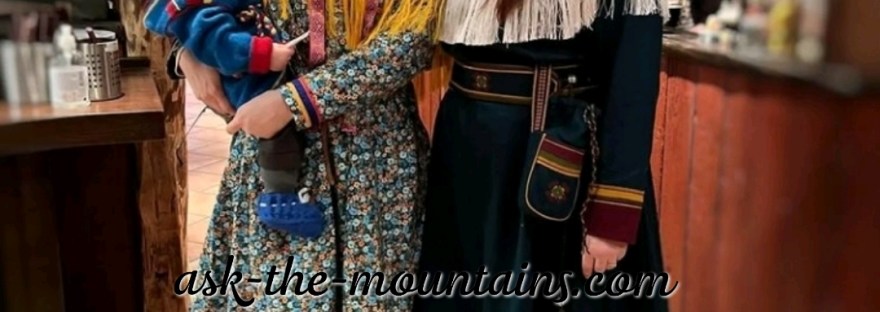
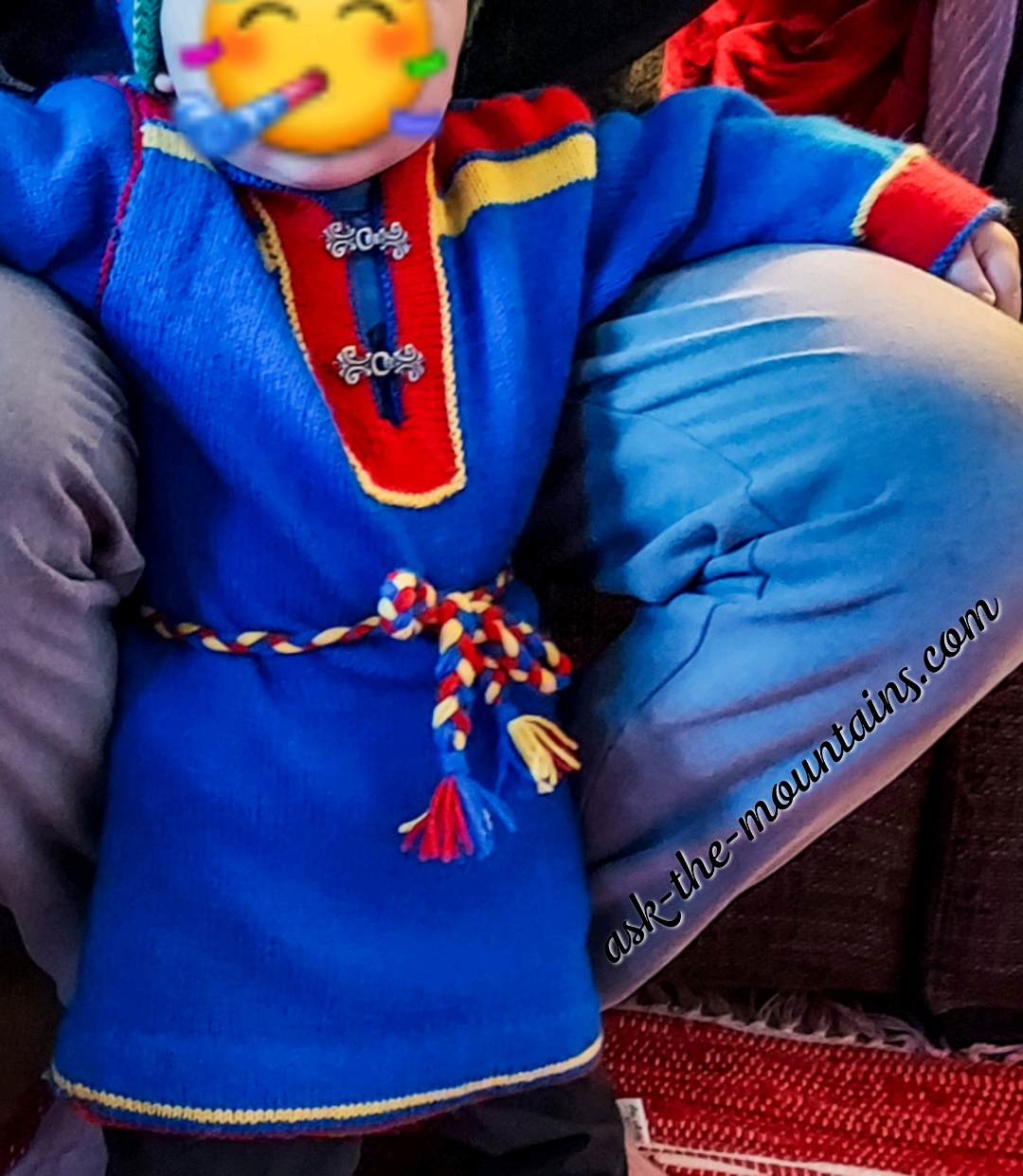
Me, our son and my friend and relative ❤ Láhppigákti. Coastal Sámi.💙💛❤Hat and traditional shawl made by me ❤💛Traditional knit by his father’s mother. Belt is supposed to be on hips, but not easy when he is moving like a little maggot 🪱😄
Today, we celebrated the Sámi National Day, Feb 6th.
I have Kven/Finnish, Norwegian and Sámi heritage, and love to celebrate what I can while I can. I am deeply thankful for my connection to my heritage and my own heart, and wish you all the best 2022 possible.
“People wearing their national dresses symbolise unity. A research conducted on this subject showed that youngsters wearing traditional clothes, irrespective of western pressure, had fewer behavioural and emotional problems. The reason being that they are in touch with their ancestral culture, religion and traditions and thus not confused about their identity or who they are.” Makes sense to me; feeling like you belong and have a community is very important. Nowadays, I think many of us feel a part of many different groups, because we live in a globalised world, and clothing can be changed, thus changing your identity. Maybe that makes our traditional and national dresses even more special? ❤
Here is the link to the study for anyone interested. It also sheds a light on the dangers of not allowing indigenous peoples to use and wear their own clothings, as we have seen happen all over the world.
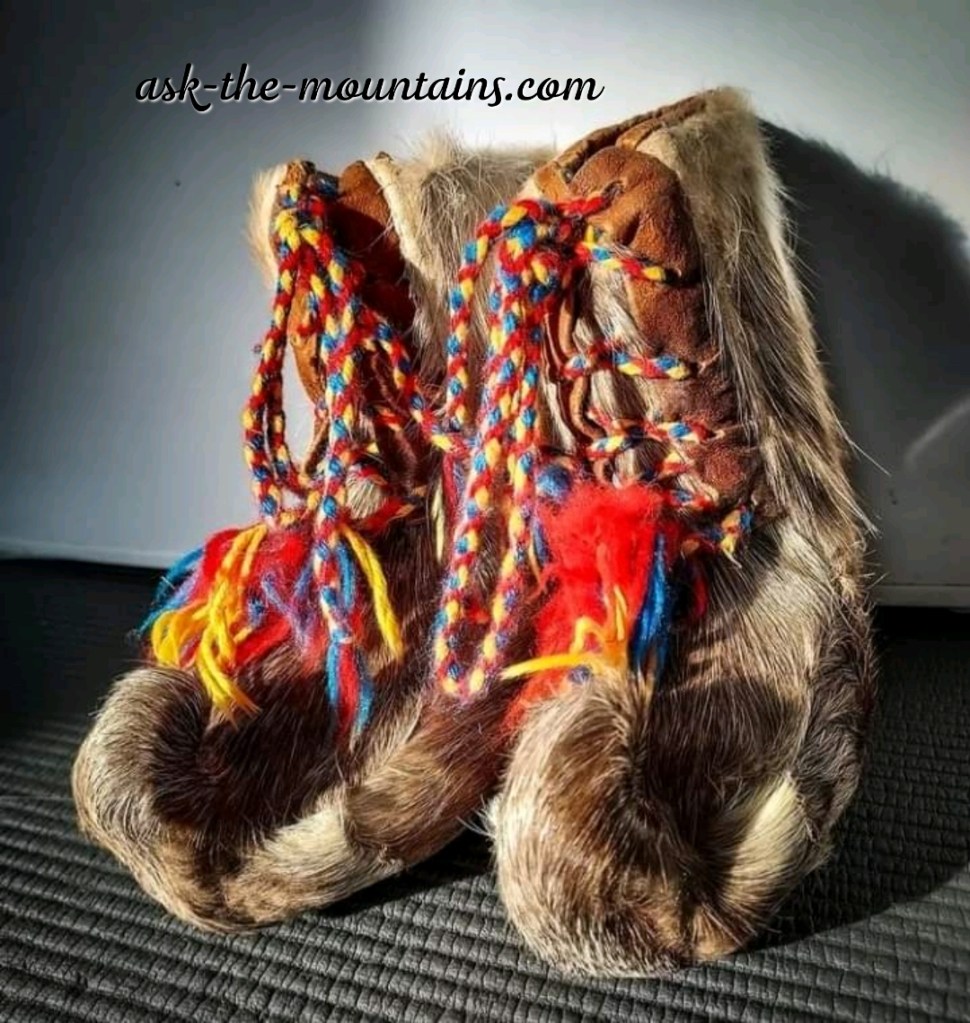
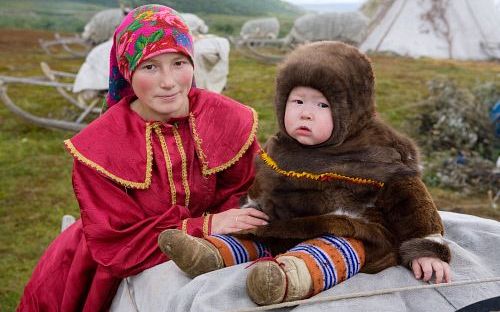
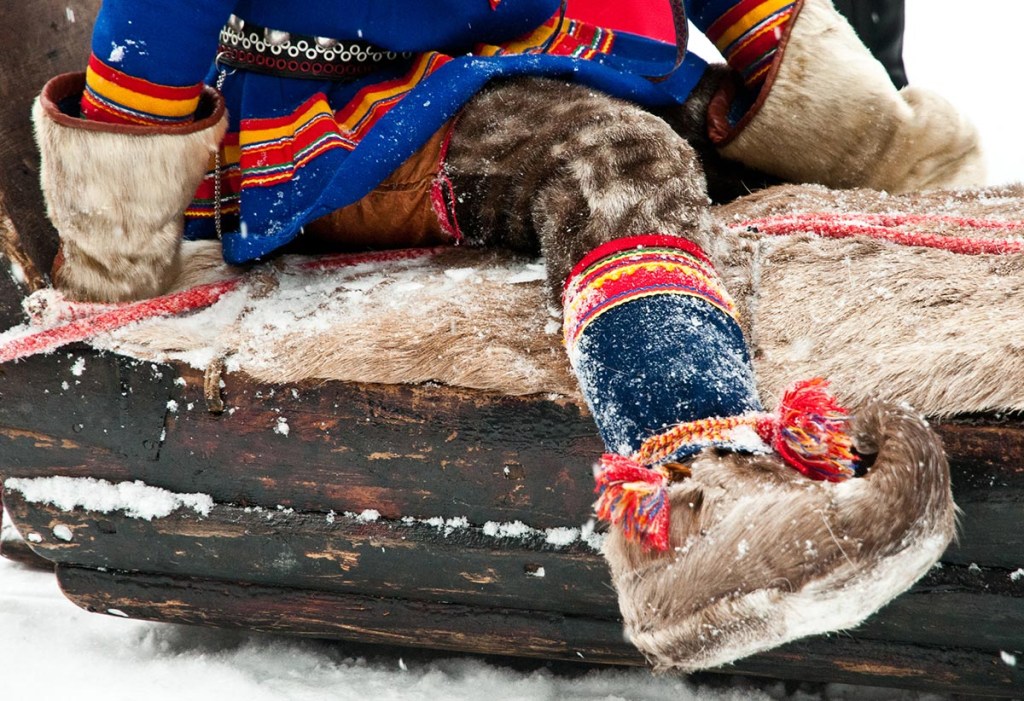
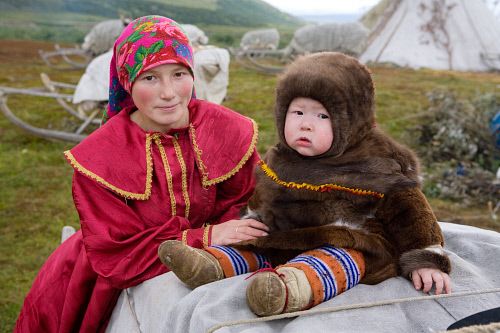
Sámi man in gákti with reindeer pants and mittens. The shoes are nuvttohat, skaller, nutukas.. many names for same shoe. Different languages and dialects. Photo by Lola A. AkerströmKautokeino Sámis. Guovdageaidnu in Northern Sámi language. Wearing pesks and gáktis. With traditional shawls, belts, mittens and hats. Northern Lapland/Sápmi. Khanty woman Kristina Neva and baby in reindeer clothing with decor. Summer on the Arctic tundra. Photo by Bryan and Cherry Alexander.
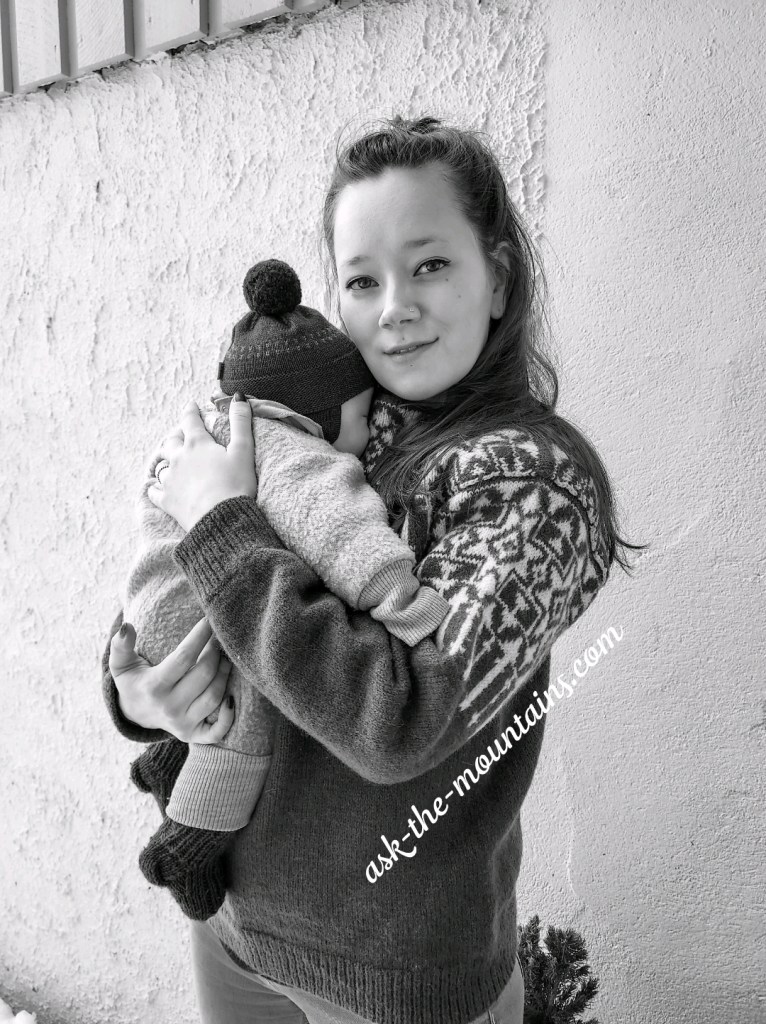
Our sweet little boy 🖤 My wool sweater knitted by grandma.
Being a mama has really opened my heart, not just for our child, but for all children. I have always loved the little new humans obviously, but being a parent takes it to another level somehow. Truly an automatic bodhicitta practice; infinite love and boundless compassion – our true nature.
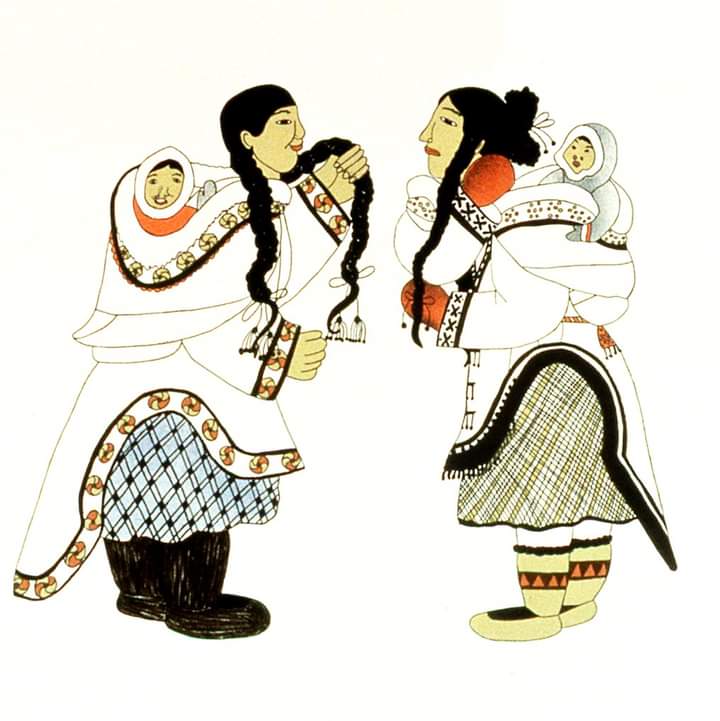
Here are some beautiful motherhood art pieces I really like. Hope you enjoy them as much as I do! 🥰
Art by Germaine Arnaktauyok, “Quiet Time”, 2005Art by Mayoreak Ashoona, “Matching braids”, 1991
Not a painting or art print, but traditional Sámi komse (baby carrier). Truly an art piece in itself, with every woven band having a meaning. Art by Emily KewageshigArt by Alanah Jewell
How has motherhood changed you? Has it opened your heart (more)?
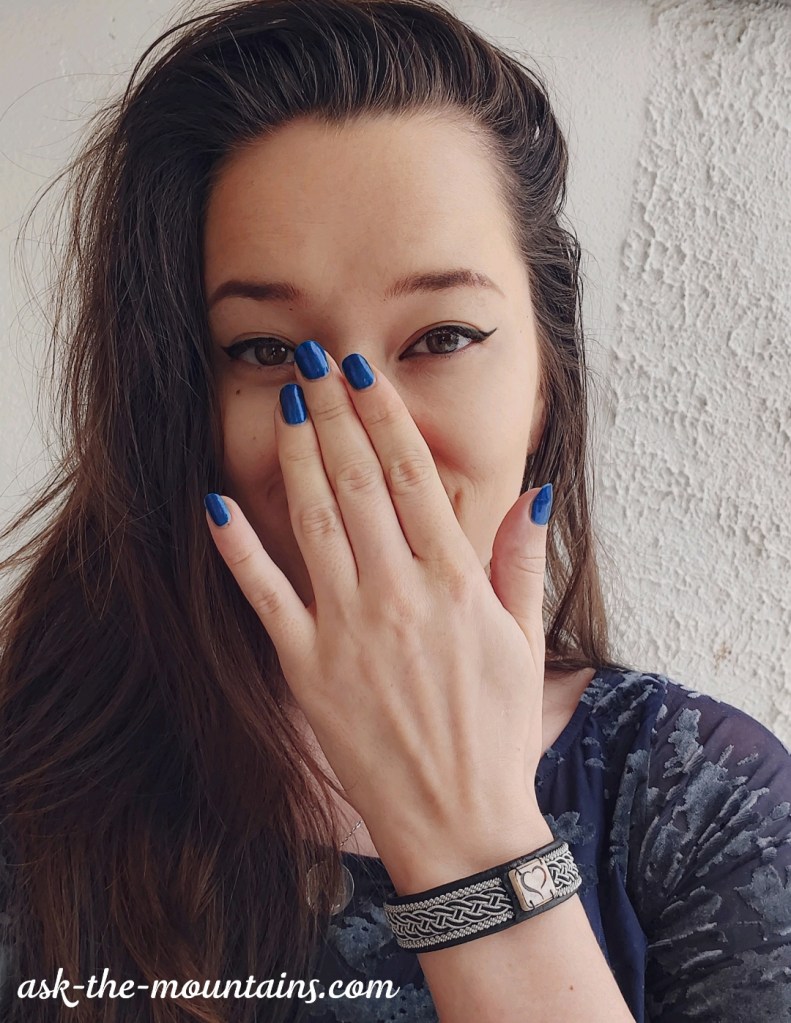
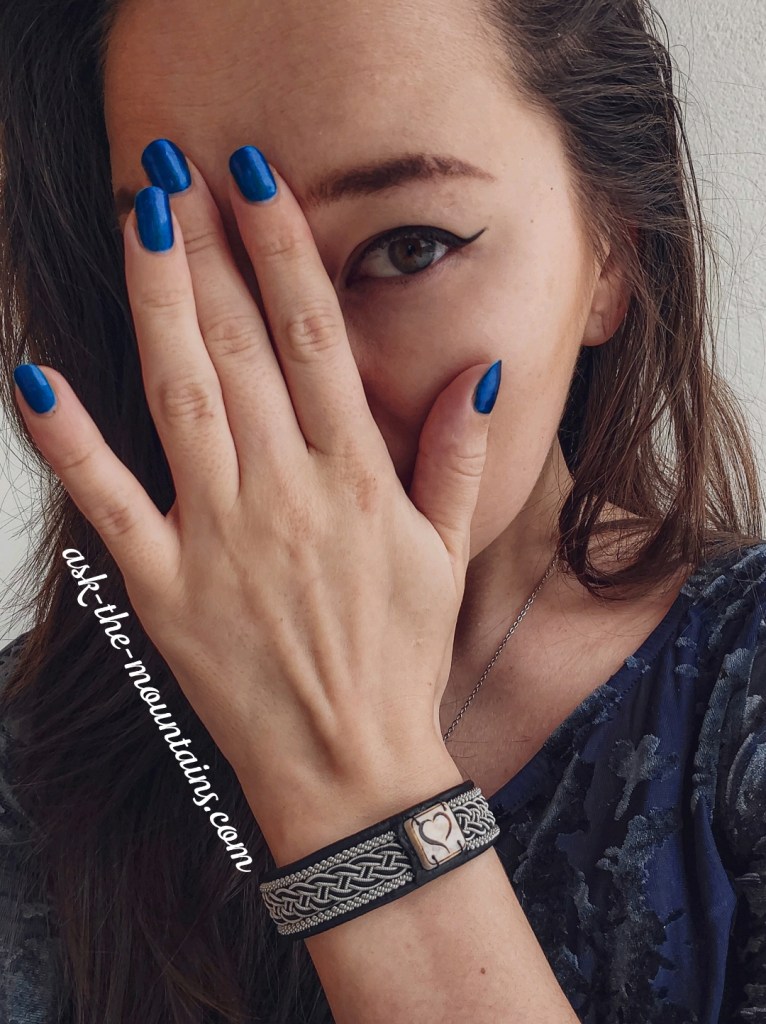
Was so lucky to receive this traditional Sámi bracelet from my partner’s mum as a gift “for giving her the greatest gift” (our son, her grandson) 🖤
It is made from black leather, reindeer antler button and decoration, and the braids are traditional tinwire used in duodji/daidda. It is made by @tinntraadfruen on instagram if you want to see her work 💫
What was a gift you received that had a nice meaning behind it?


































 Ask The Mountains