
Resharing this one for autumn purposes 😊🧡🍂
20 x 40 cm, acrylic 🍁
Not for sale 🙏🏼
How is autumn where you live?

Uralic & Nordic artist living in the European Arctic with my little family. Art, dharma, culture and much more.

Resharing this one for autumn purposes 😊🧡🍂
20 x 40 cm, acrylic 🍁
Not for sale 🙏🏼
How is autumn where you live?

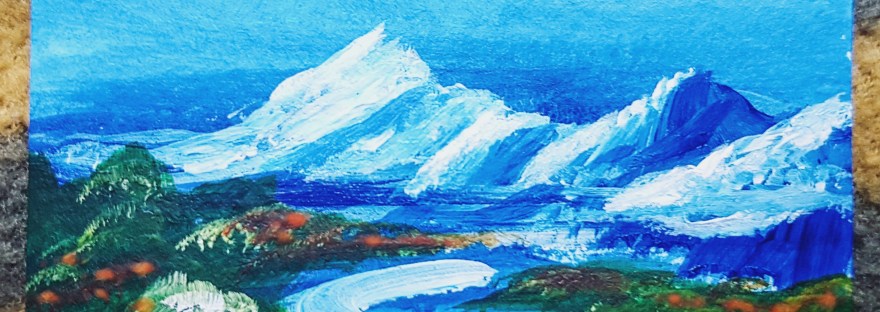


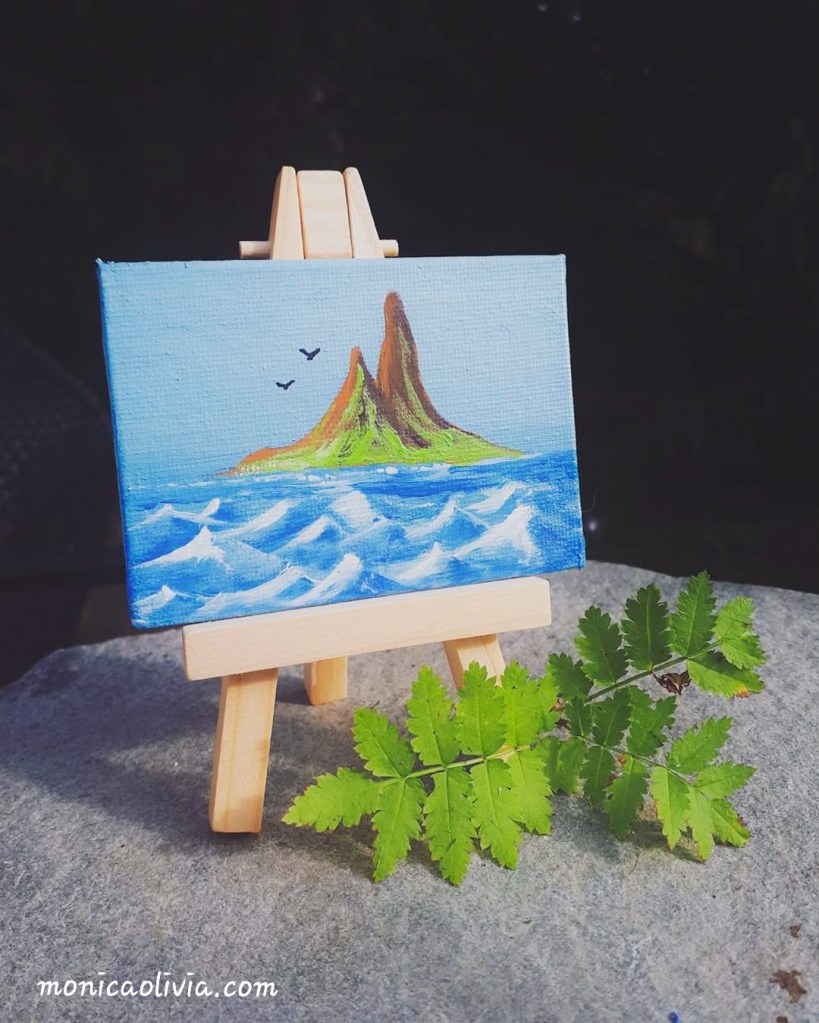
Very small and cute painting framed in a 10 x 15 cm frame. This little painting took me ten minutes to make, I wanted to make it without thinking too much; just go with the brushstrokes 🌬🧡🍂


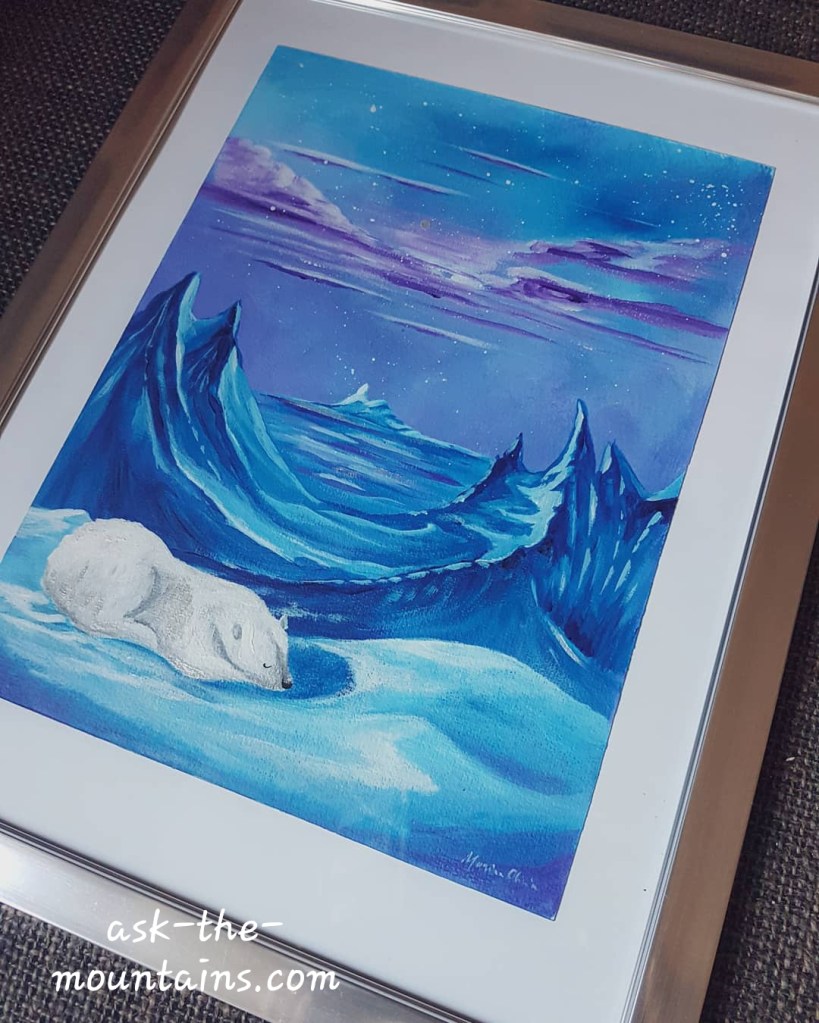

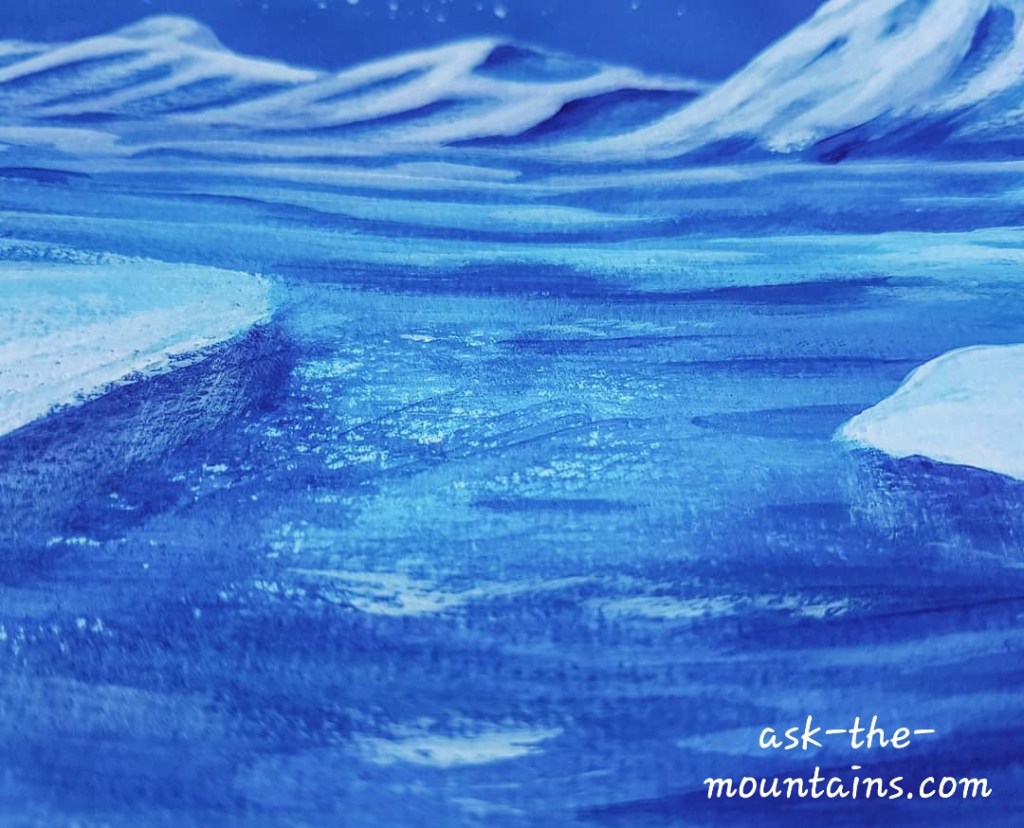

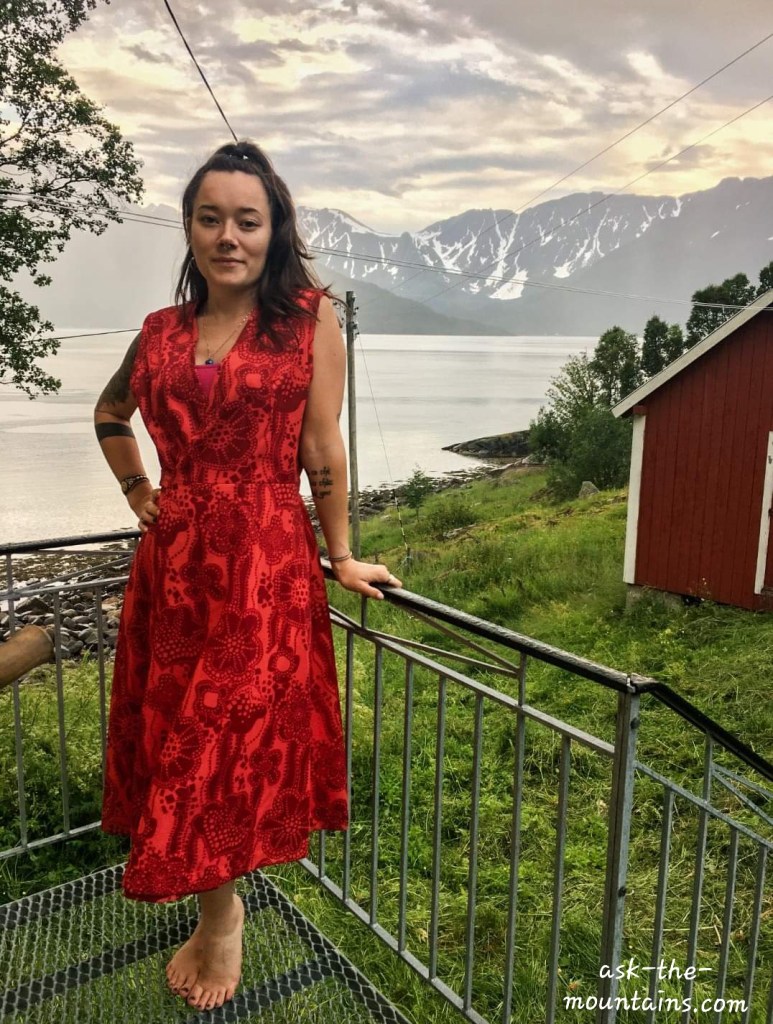


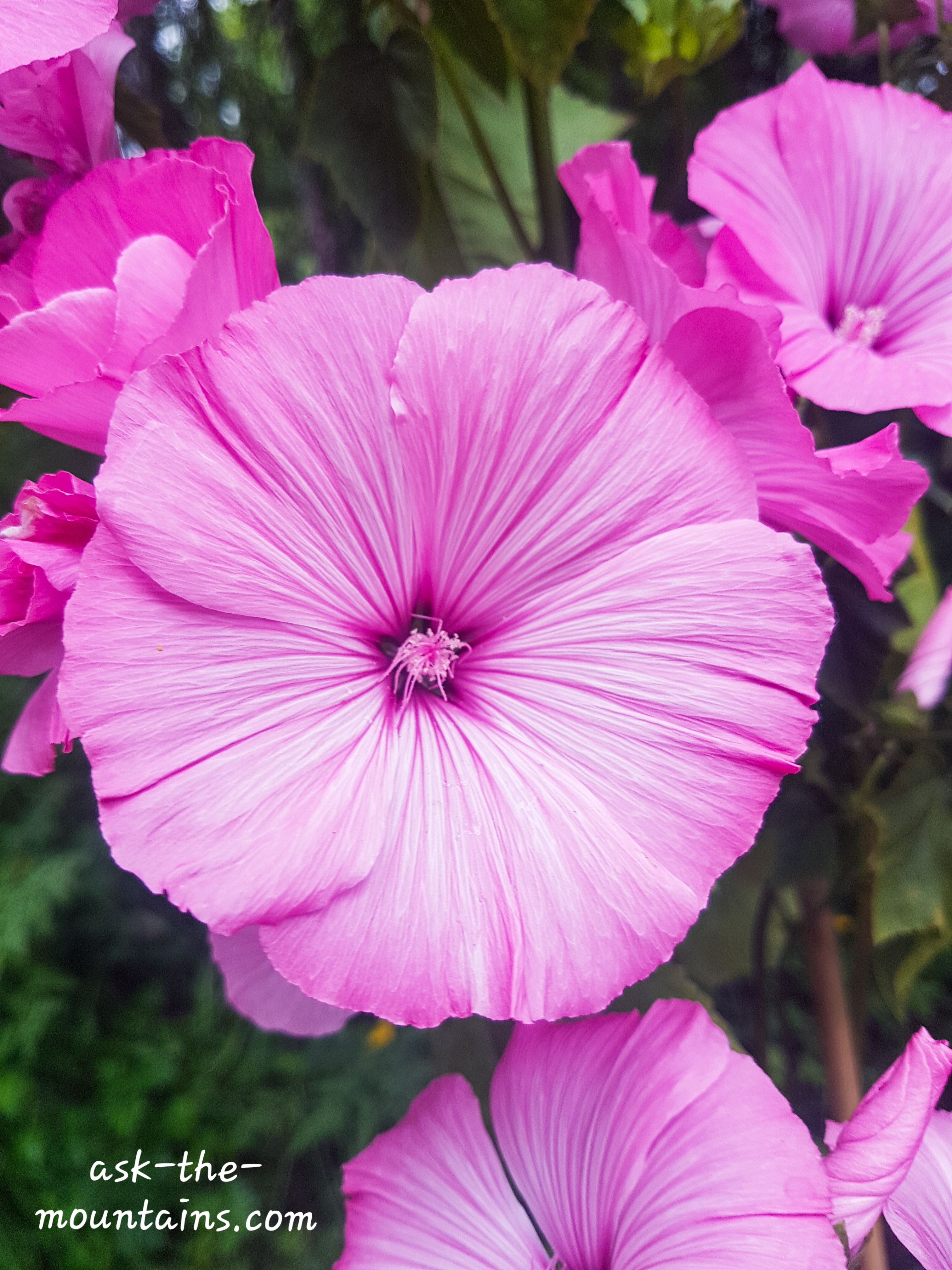
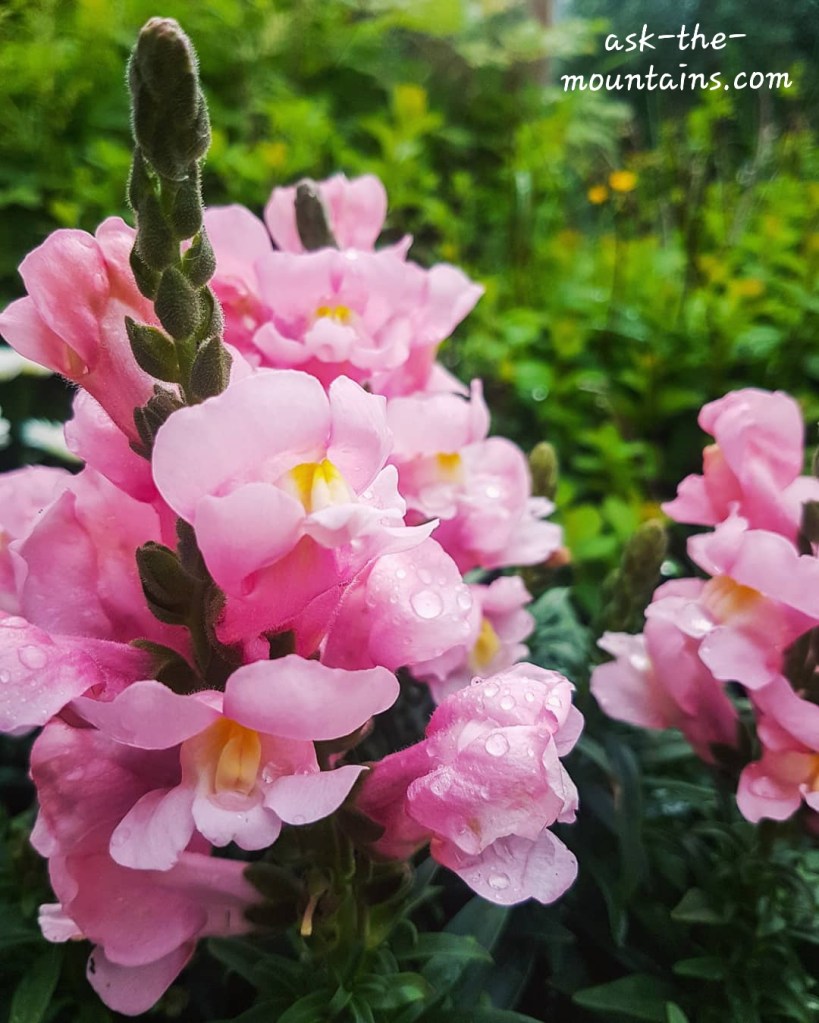


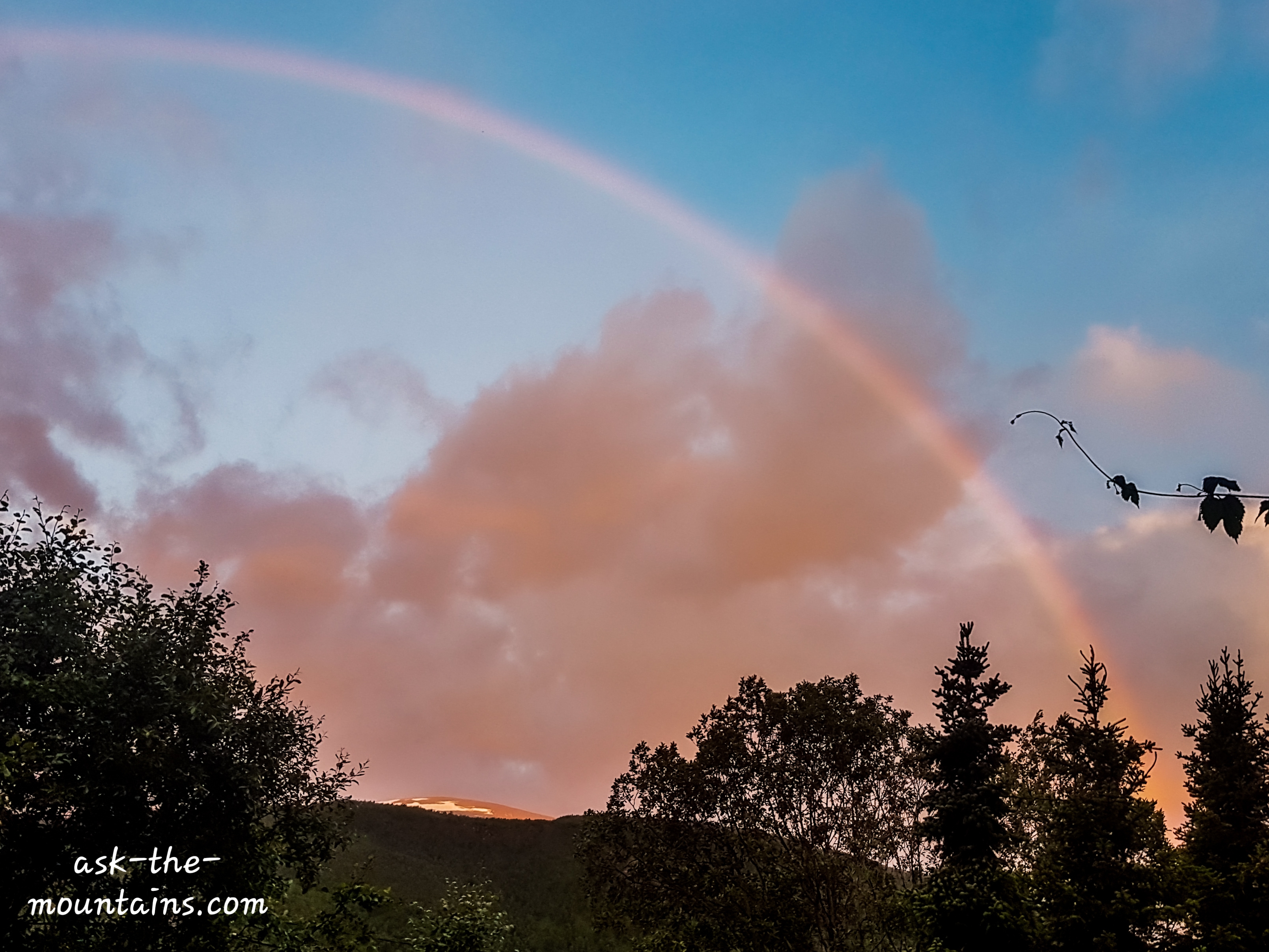
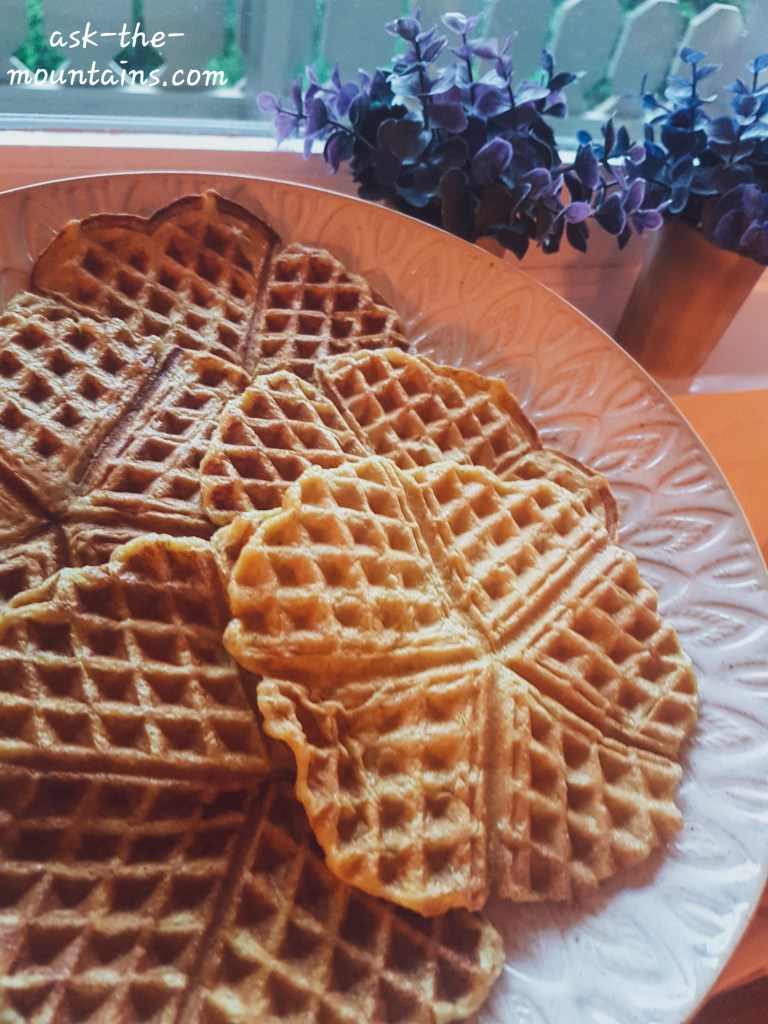
Sommeren er på hell, og jeg ser tilbake på en begivenhetsrik sommer, til tross for at jeg har vært mest hjemme. Vært heldig med været i juli, nå er det august og kveldene er mørke igjen, midnattssola er borte og det er på tide på finne frem stearinlysene.

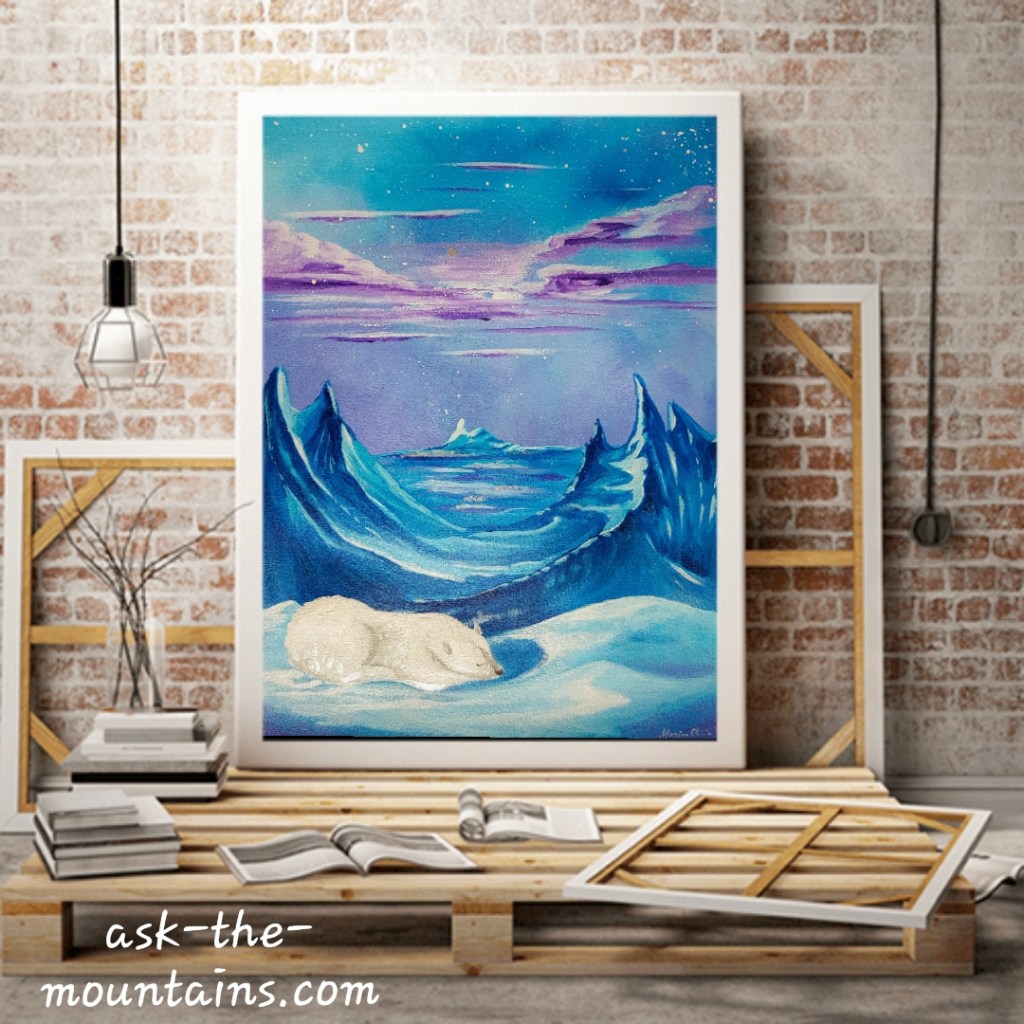
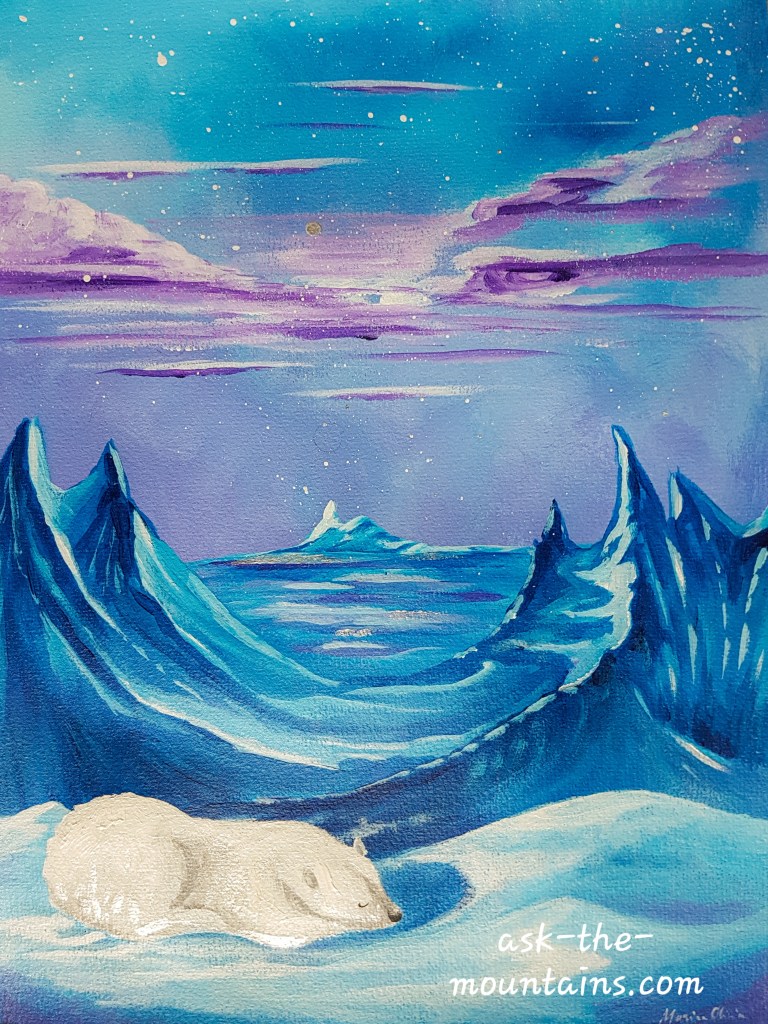
“During the fall, if a polar bear is pregnant, she digs a den into a snow drift. She then climbs into the hole and stays there to give birth and care for her cubs for the first few months of their life. She and her cubs will not emerge from the den until the spring. Male bears and non-pregnant females continue to roam and feed throughout the winter.”
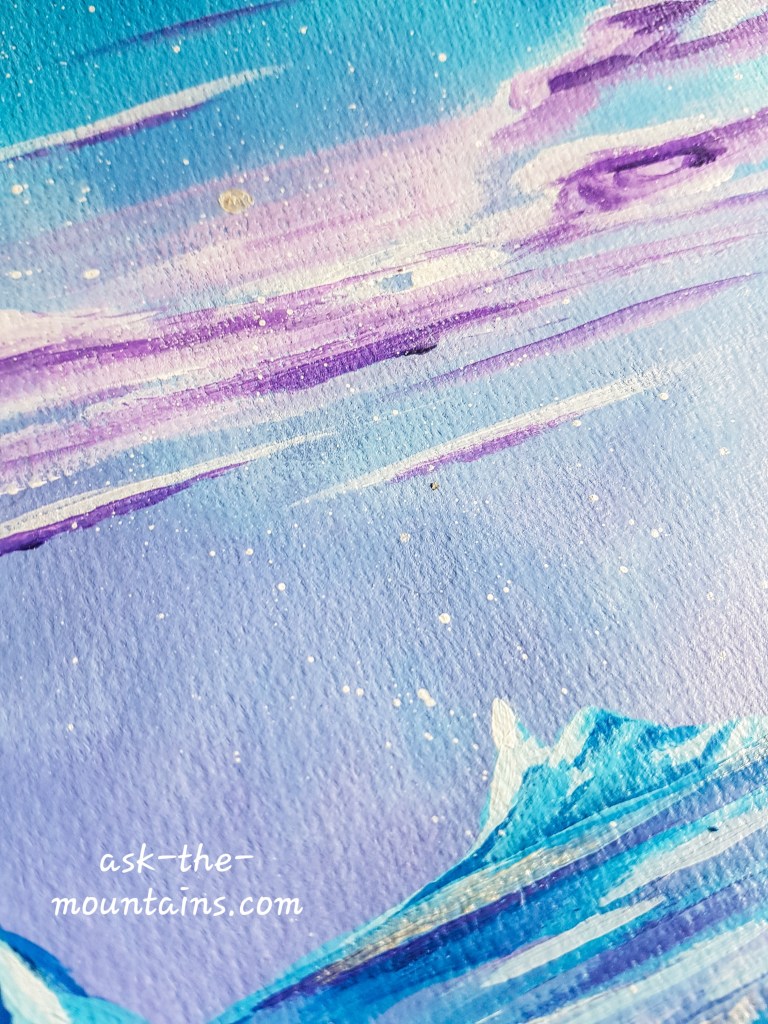

One of the absolute top animals on my list I wish to see in my lifetime.. Guess I need to head up to Svalbard for that!

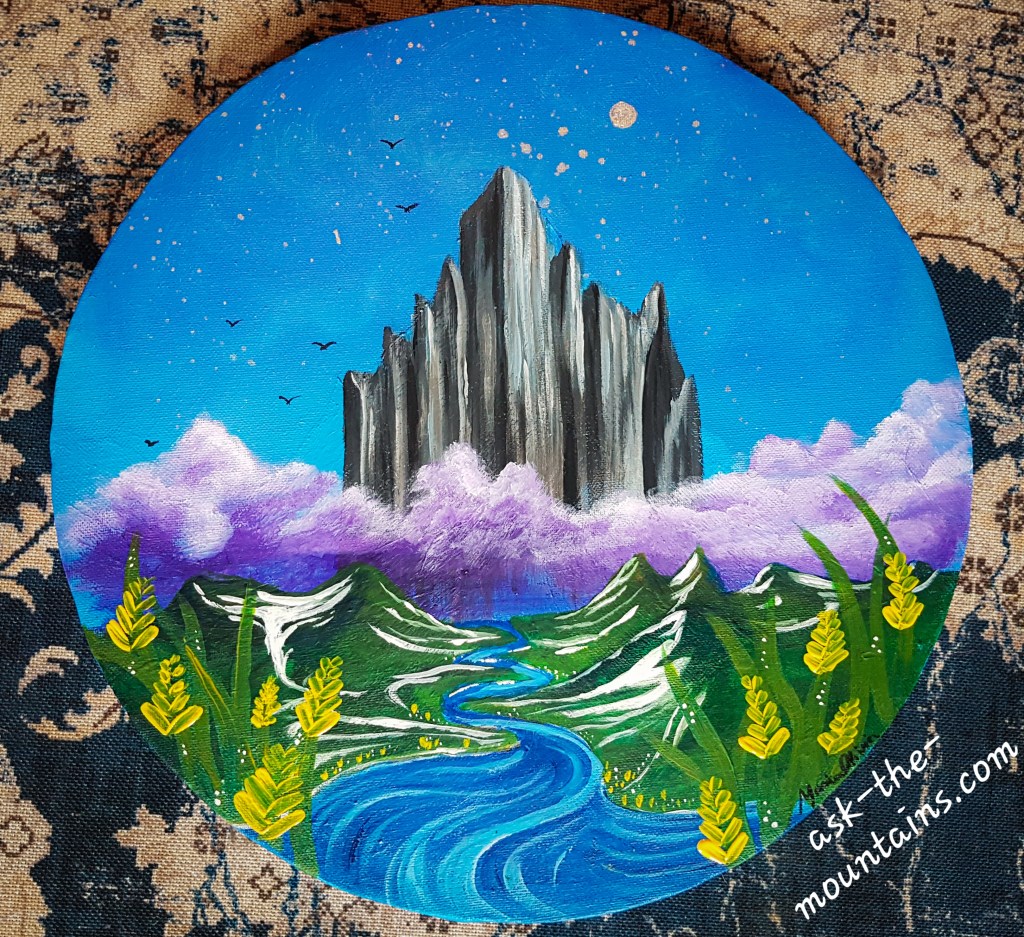
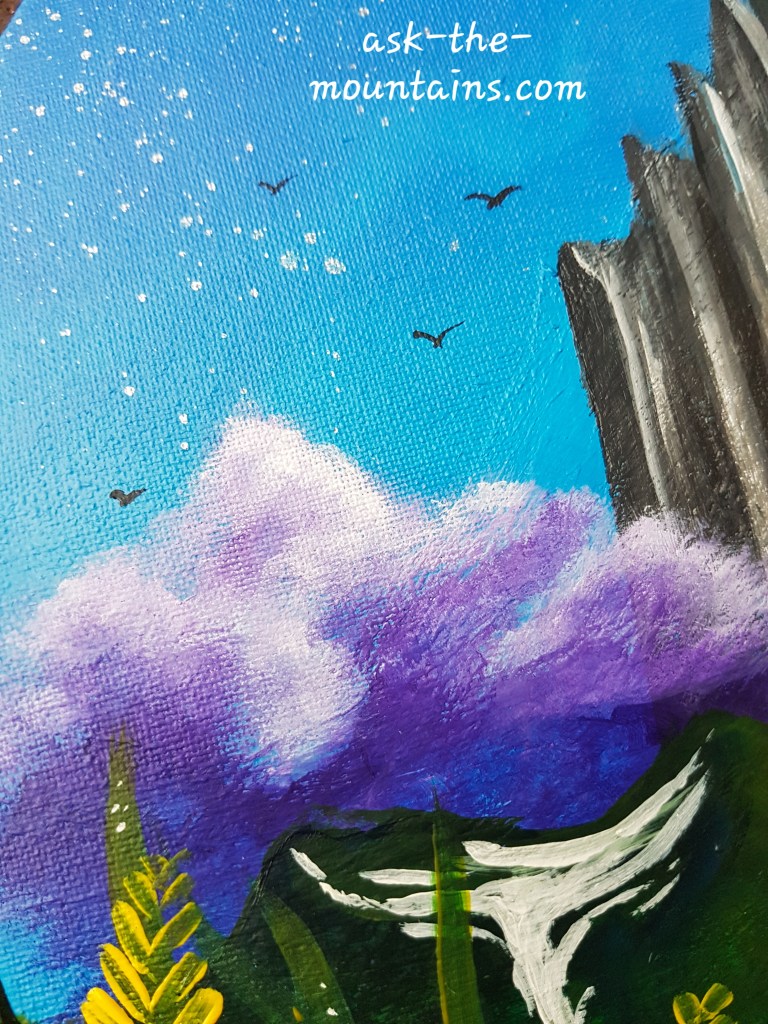

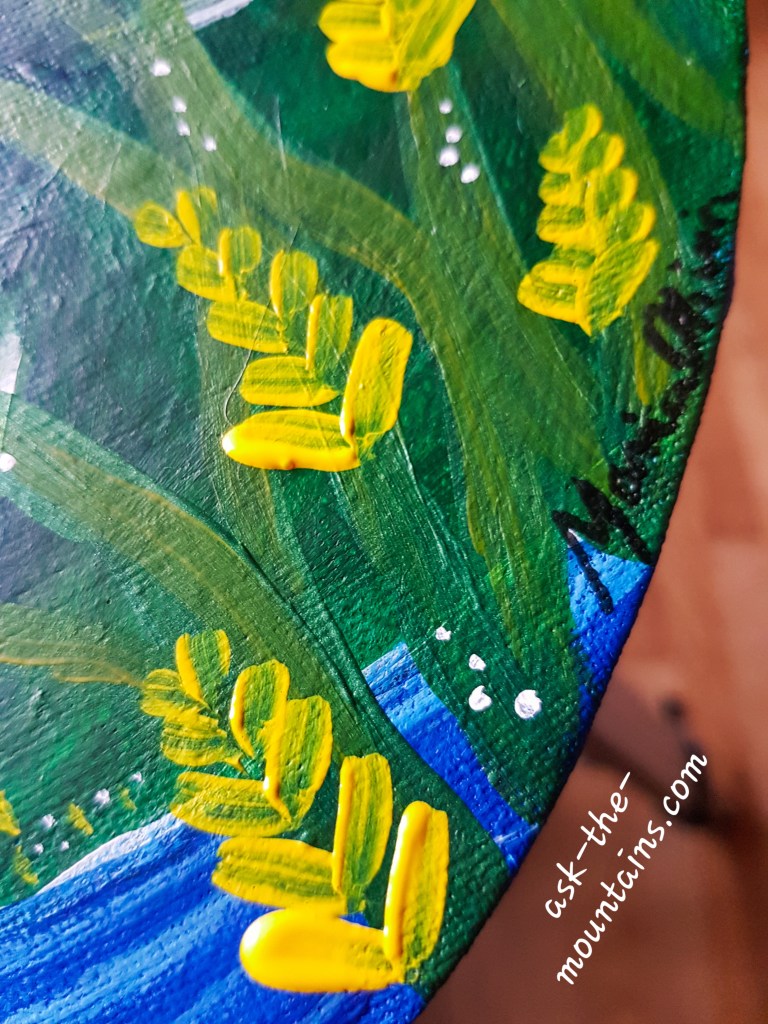

Happy to be back to painting since rearranging the flat. It’s been a mess for months, but now it’s starting to look and feel much better and I got my work/painting/crafts station back!🙌🏻🎨🌼

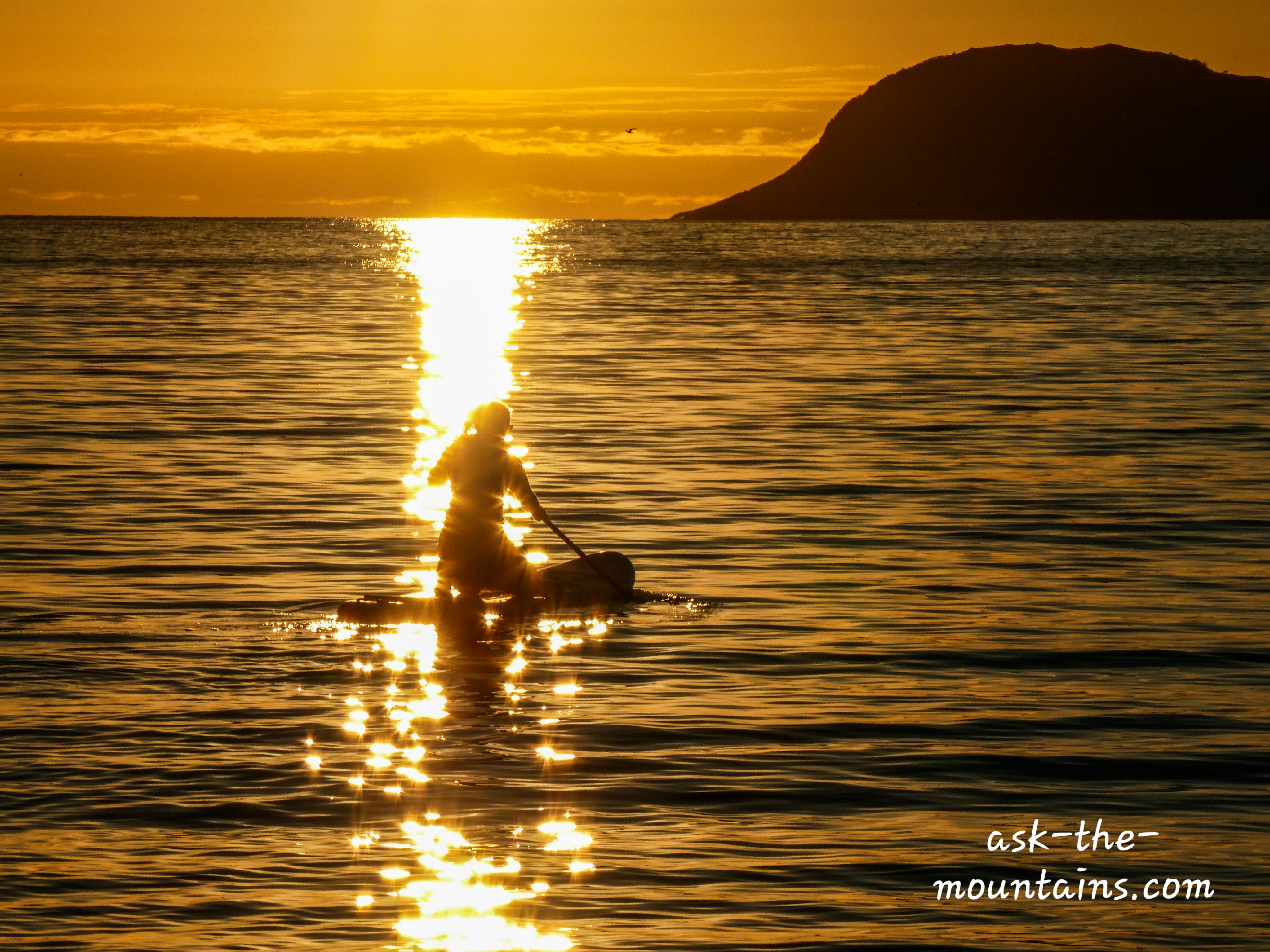


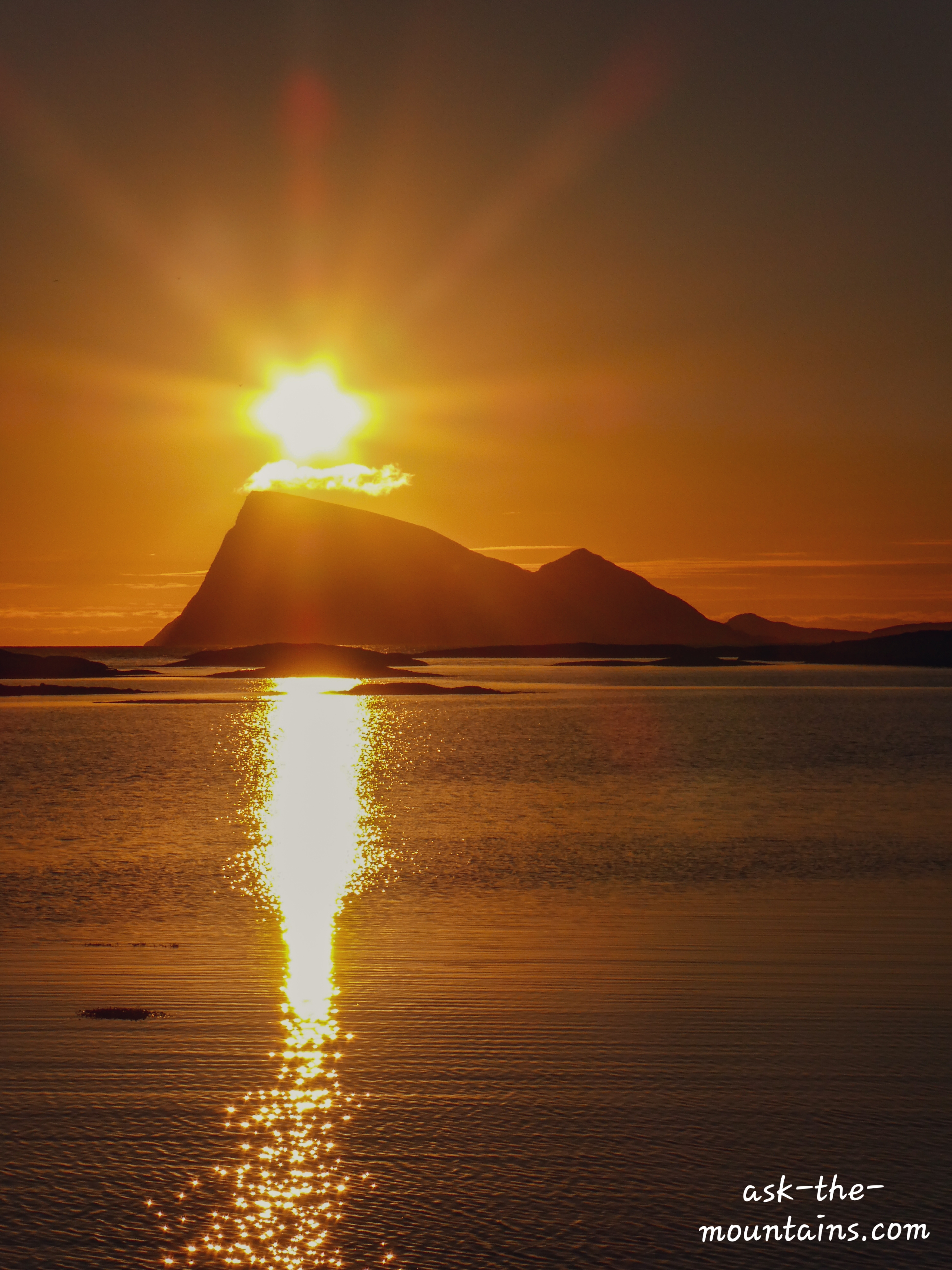


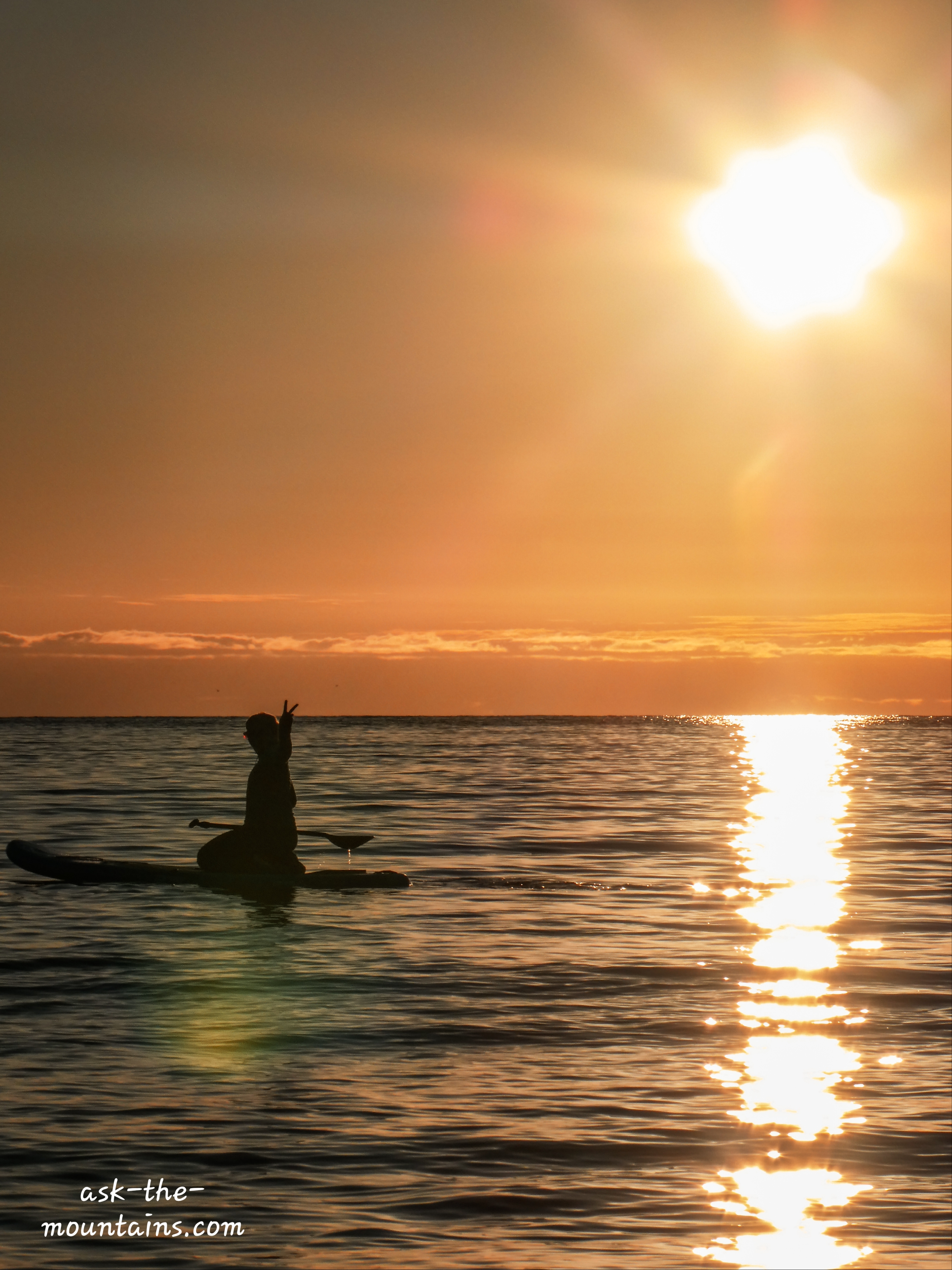
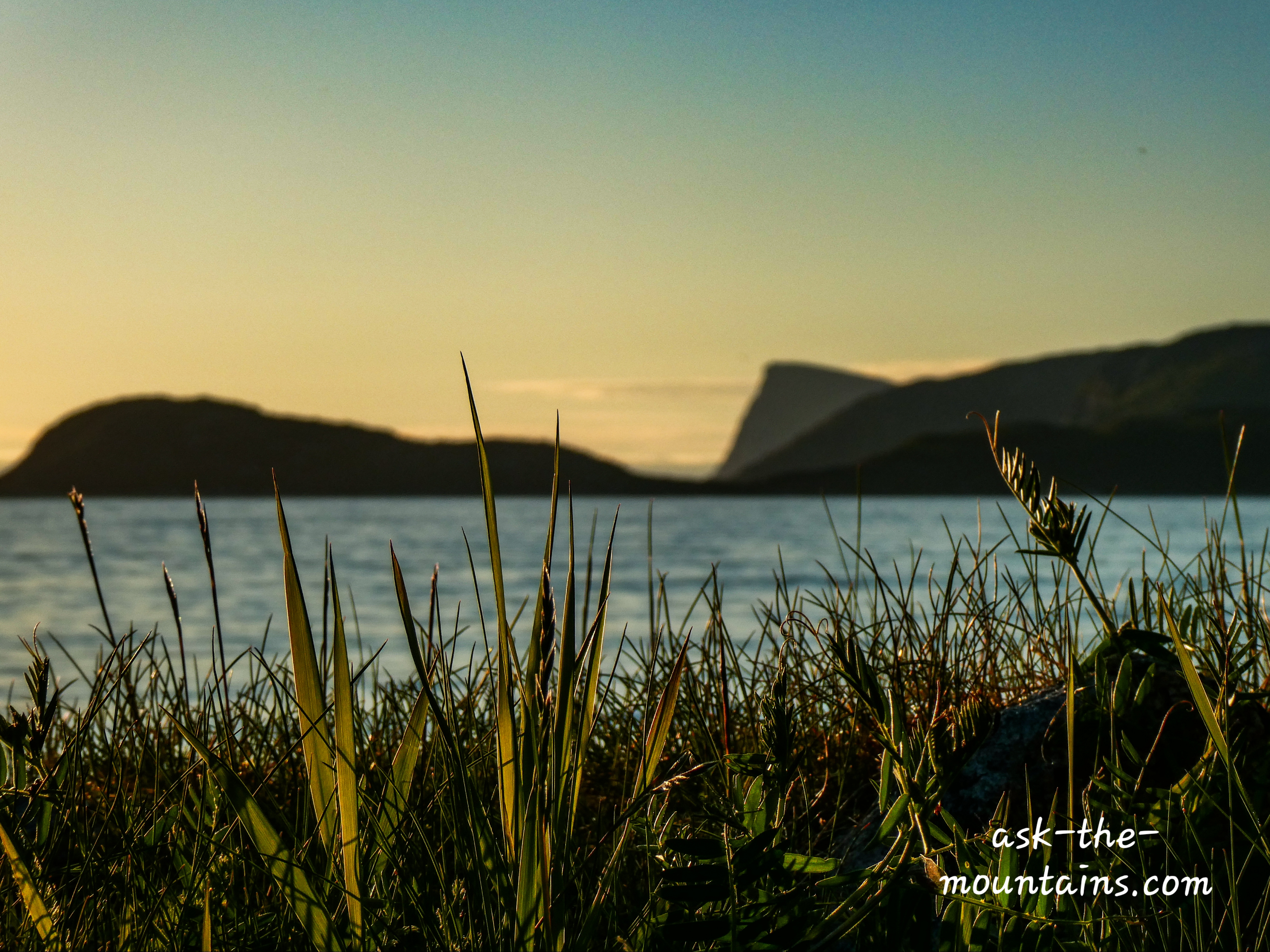
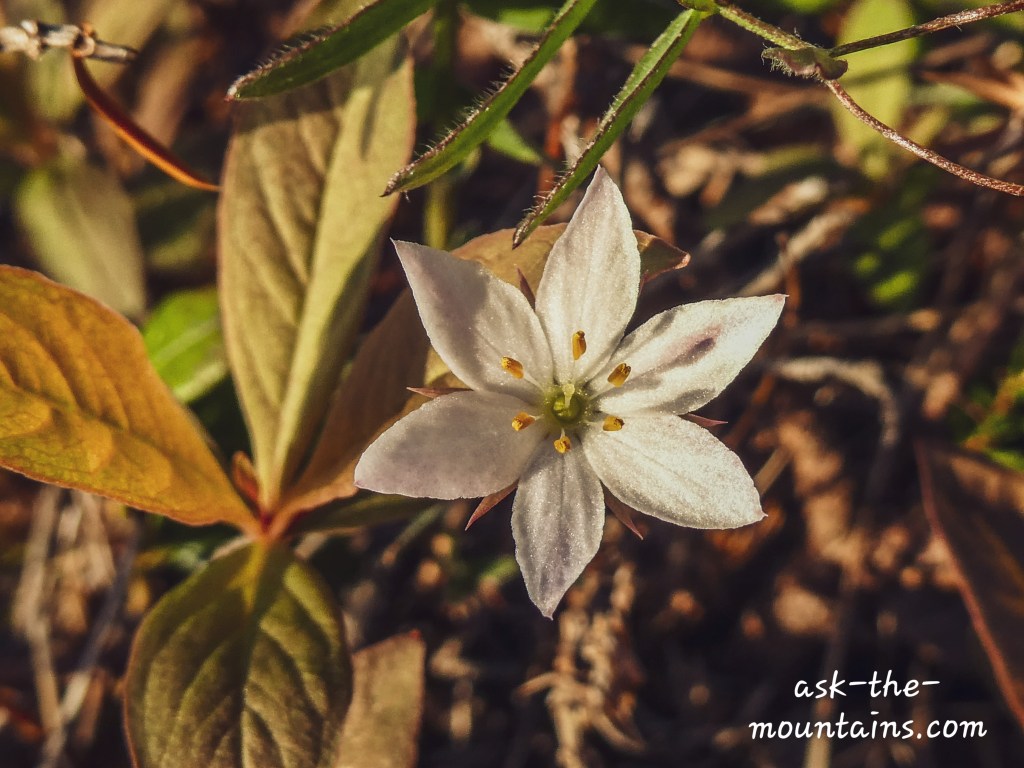


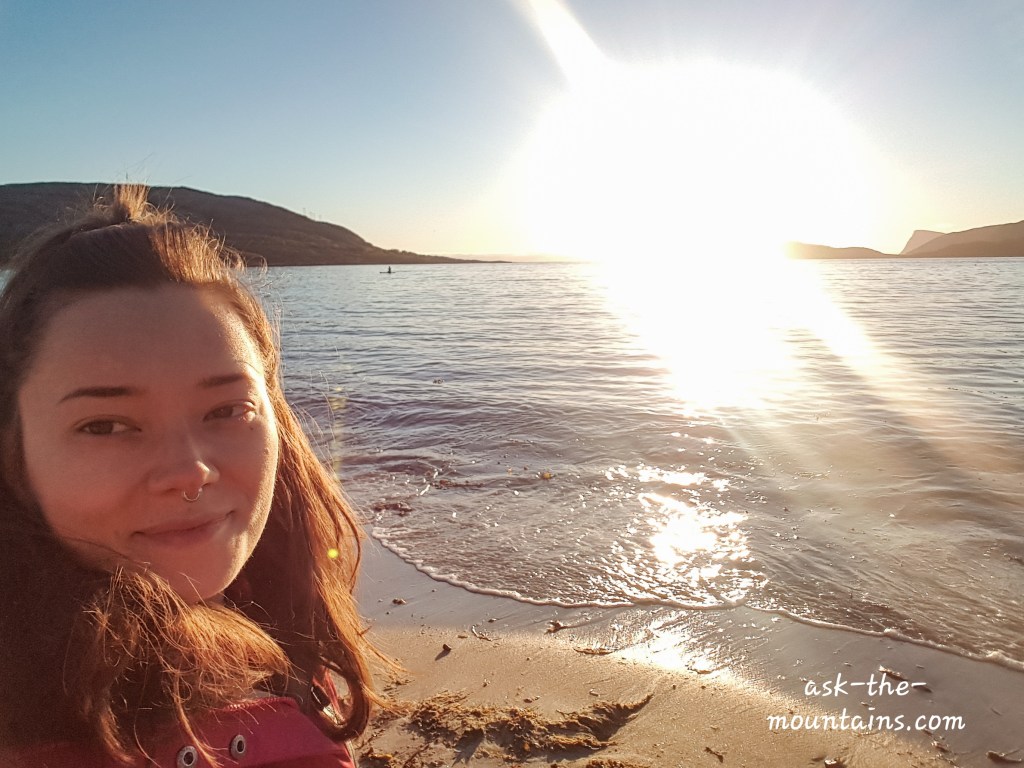
Midnight sun padling and camping with my lovely childhood friend Heidrun at Sandviksletta, Sommarøy, Troms, previously this summer 🌅


Tenker at maleri er små vindu til andre verdener 🎨
Begge disse maleriene var gaver 🎁

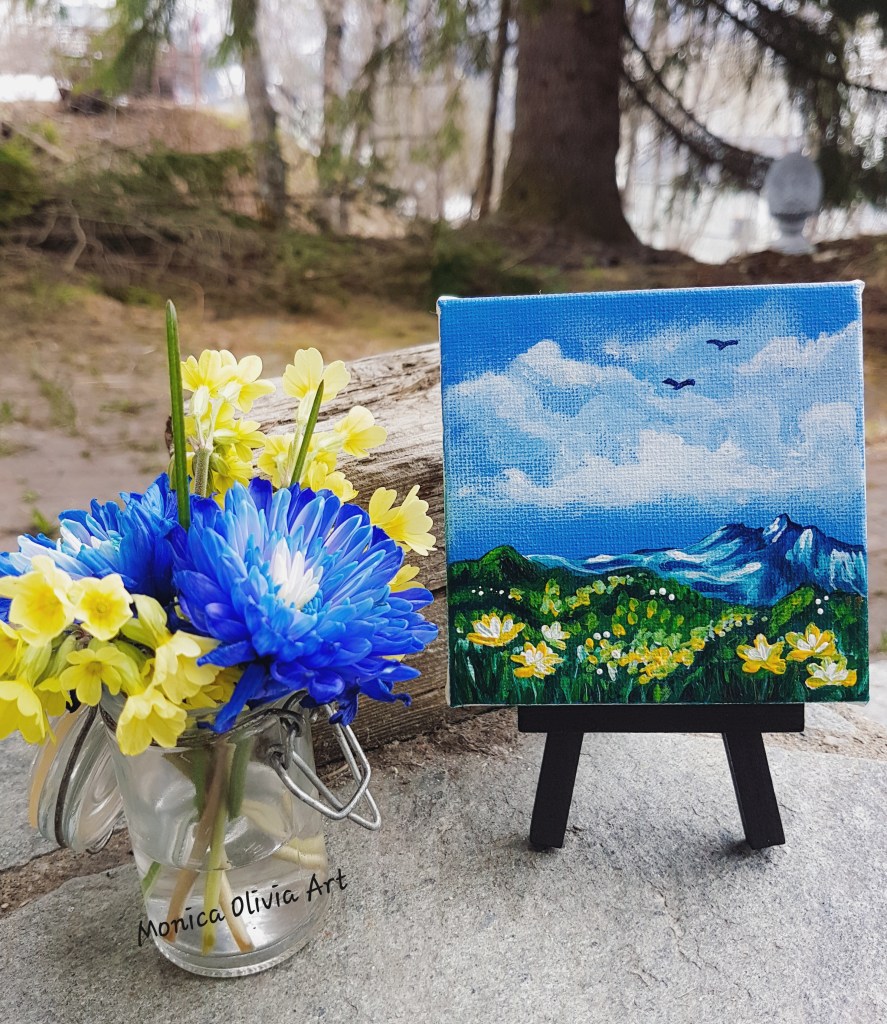

Summer has finally arrived in the Arctic, kind of. Still some snow around, but also green and some flowers!🌿🌻 Didn’t realise how much I missed some warm weather, although I absolutely love winter.


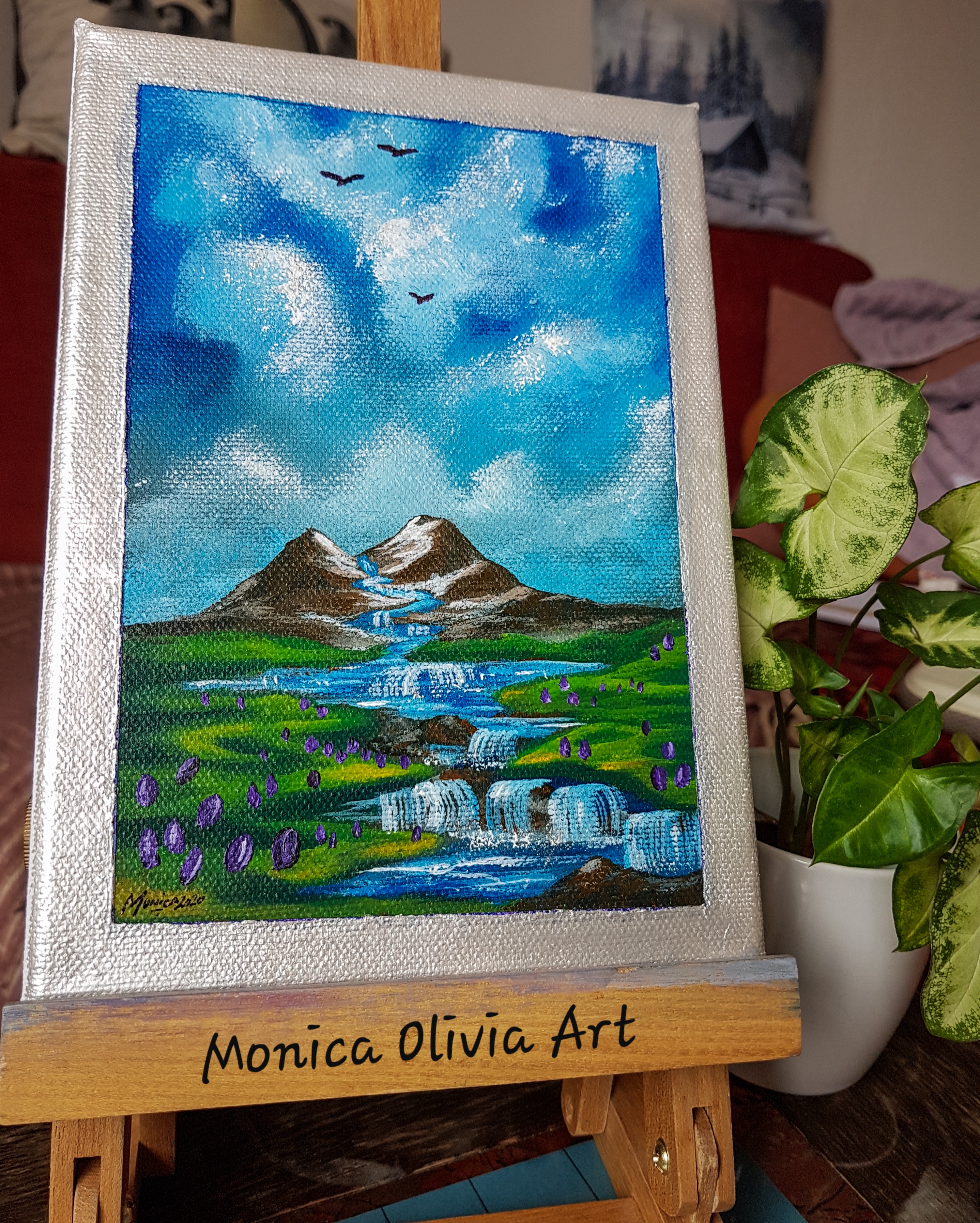
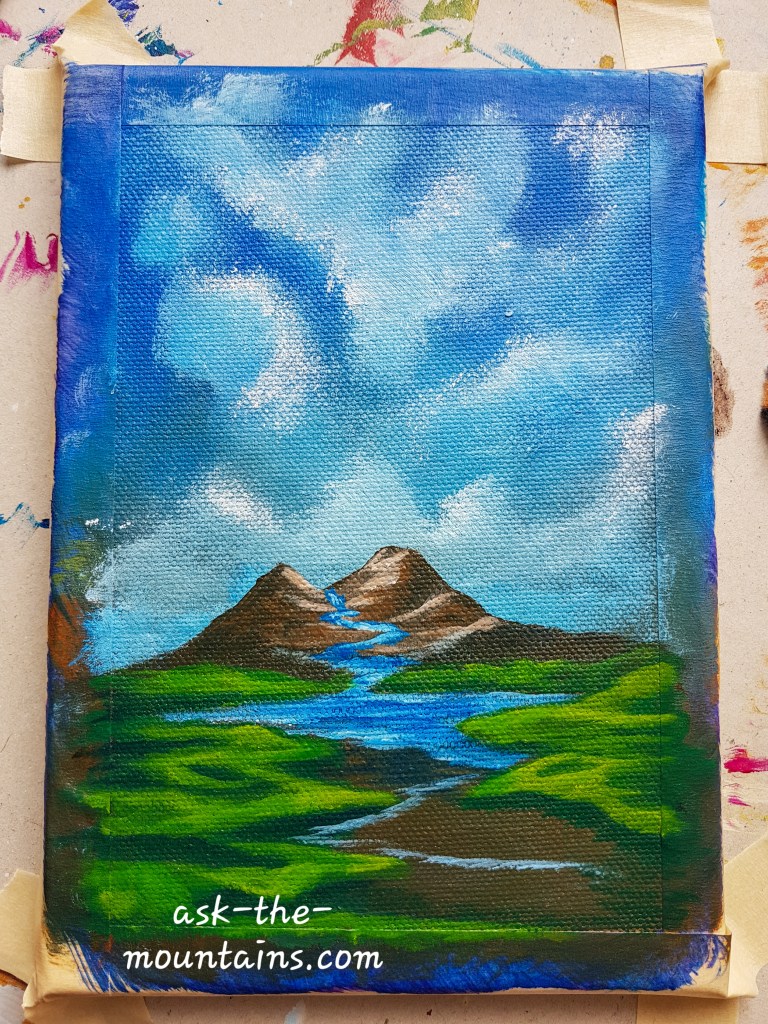
Male våren og sommeren mens vi vente på den..🙂🌱🌻🦋


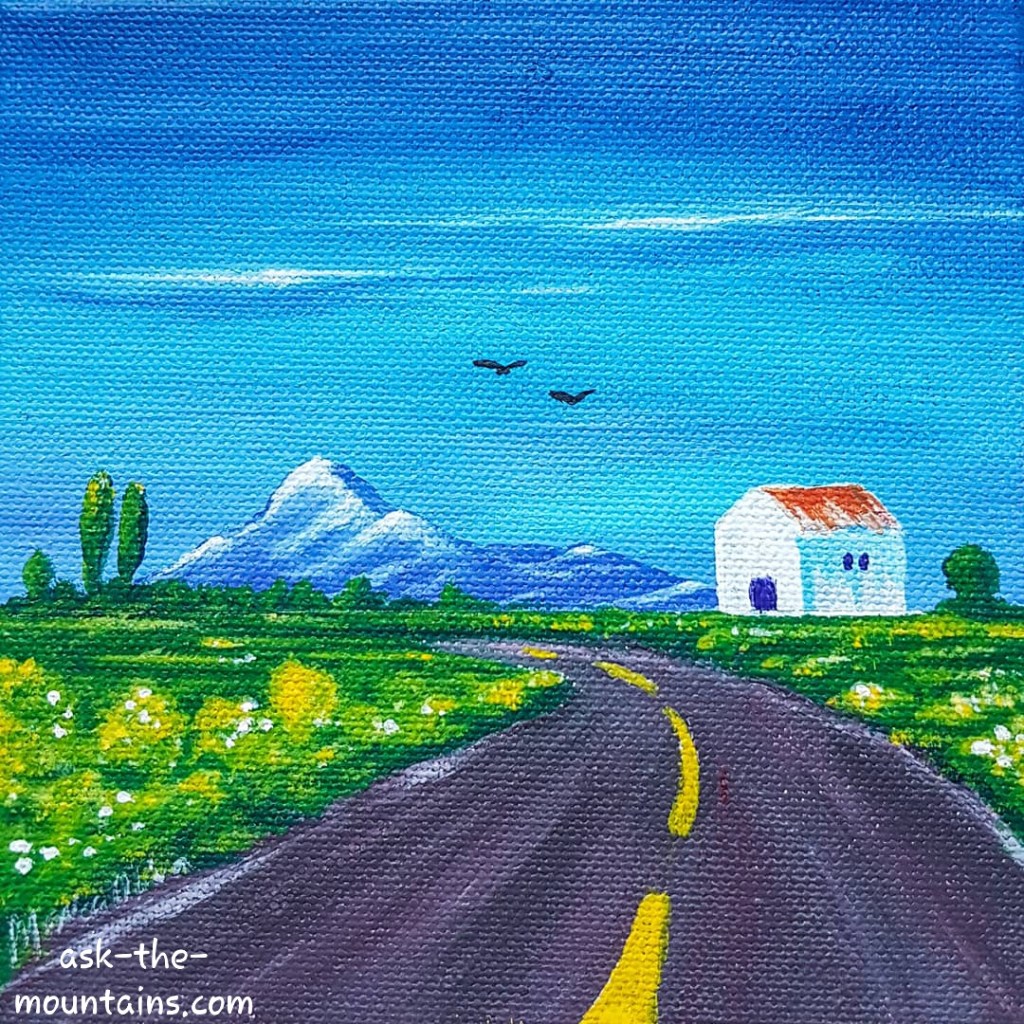




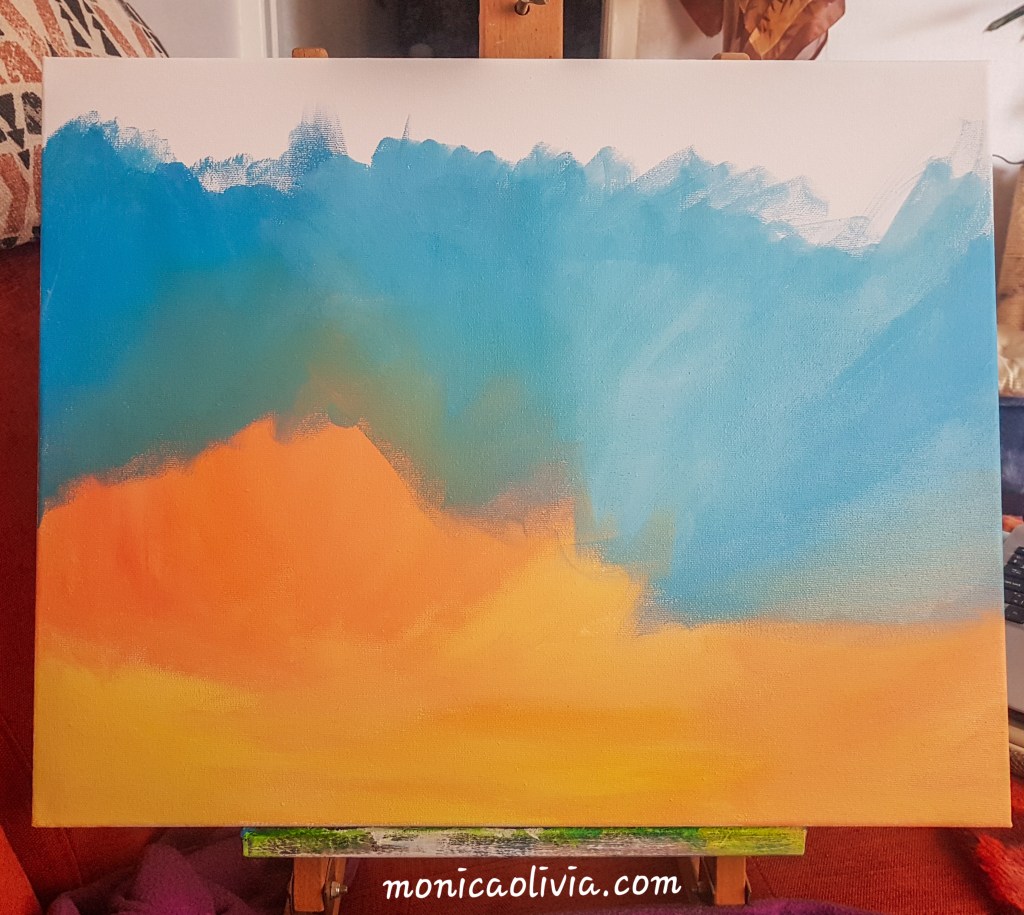


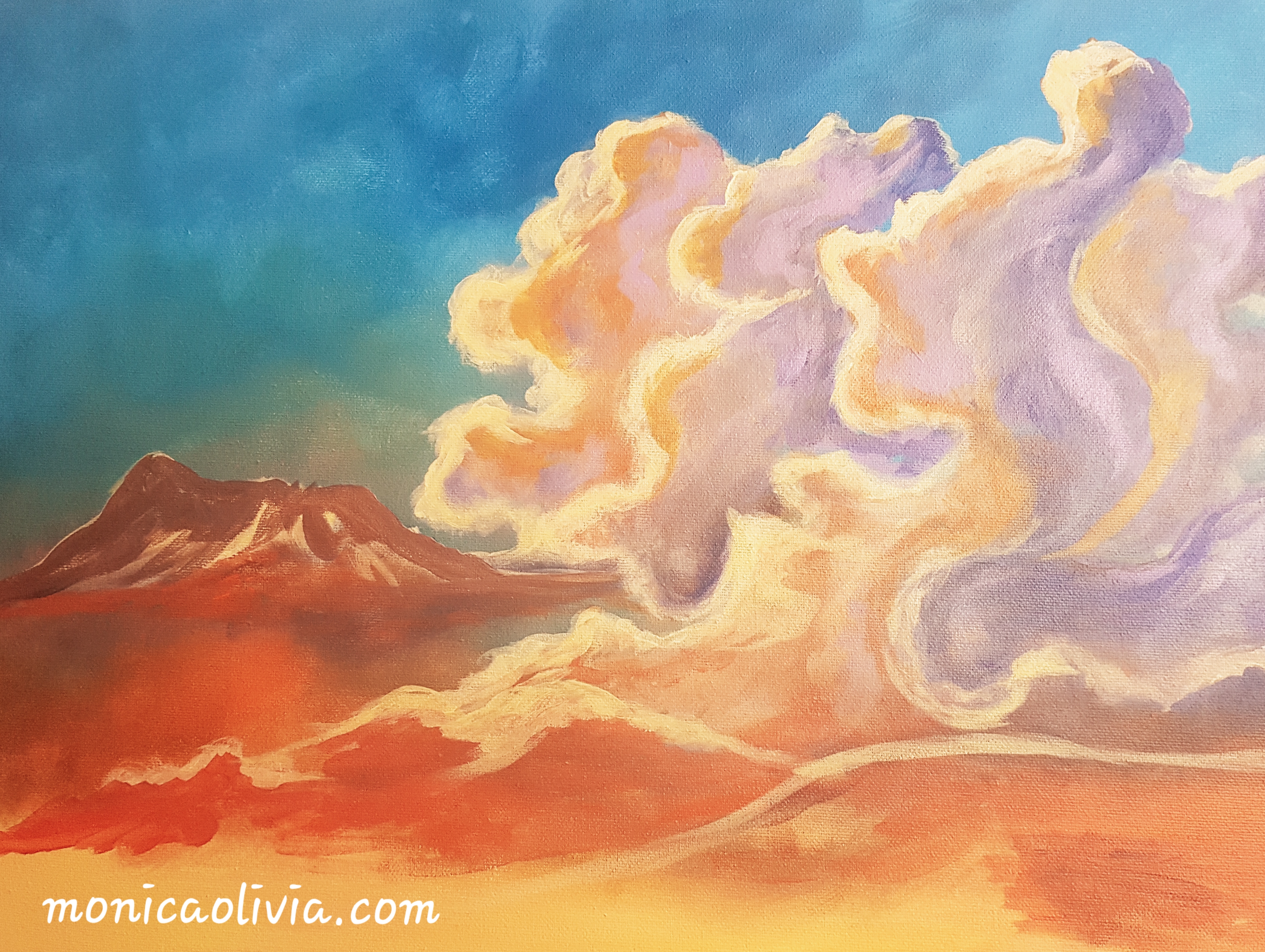

Some pictures from the painting process ☝🏻


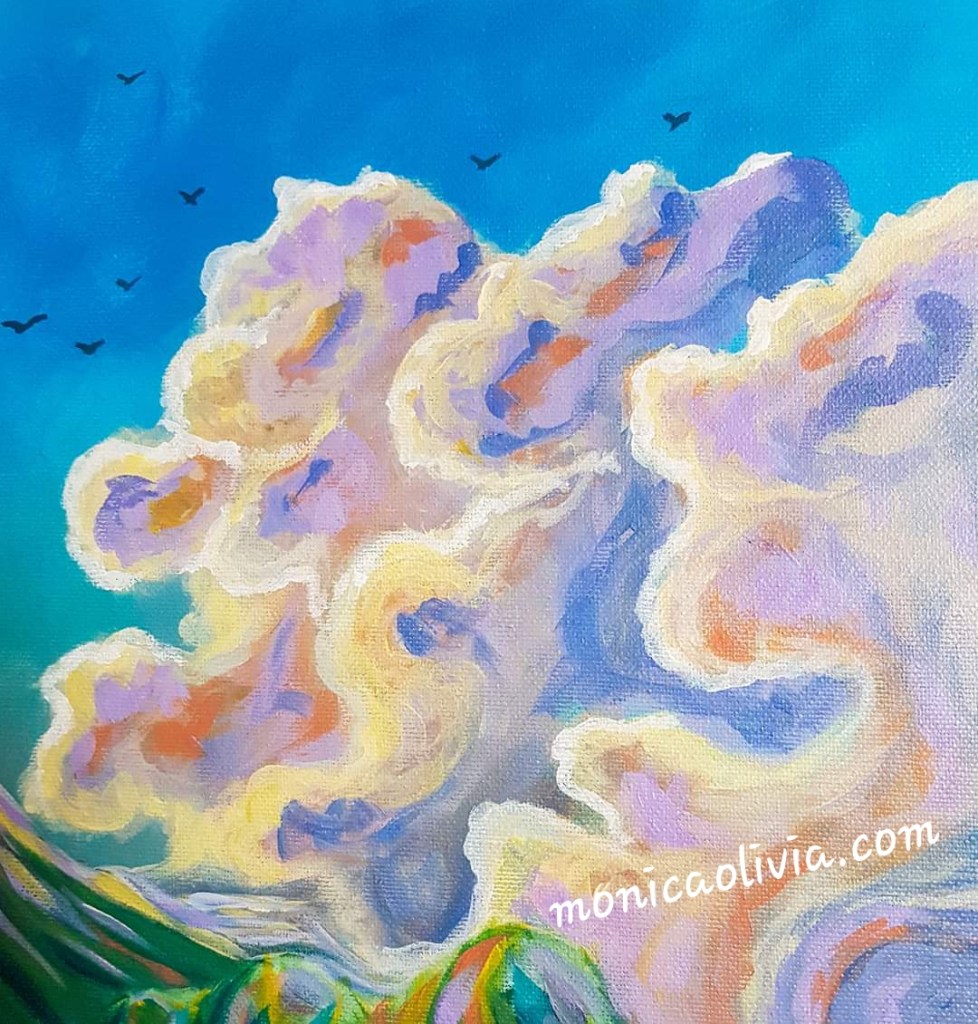
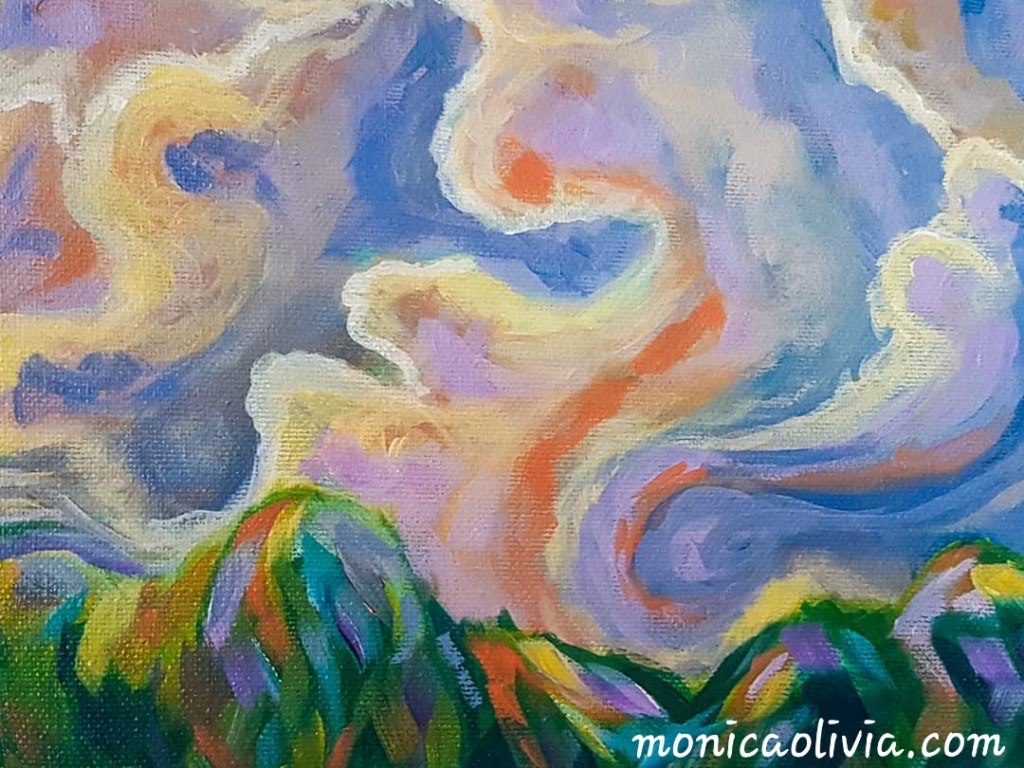


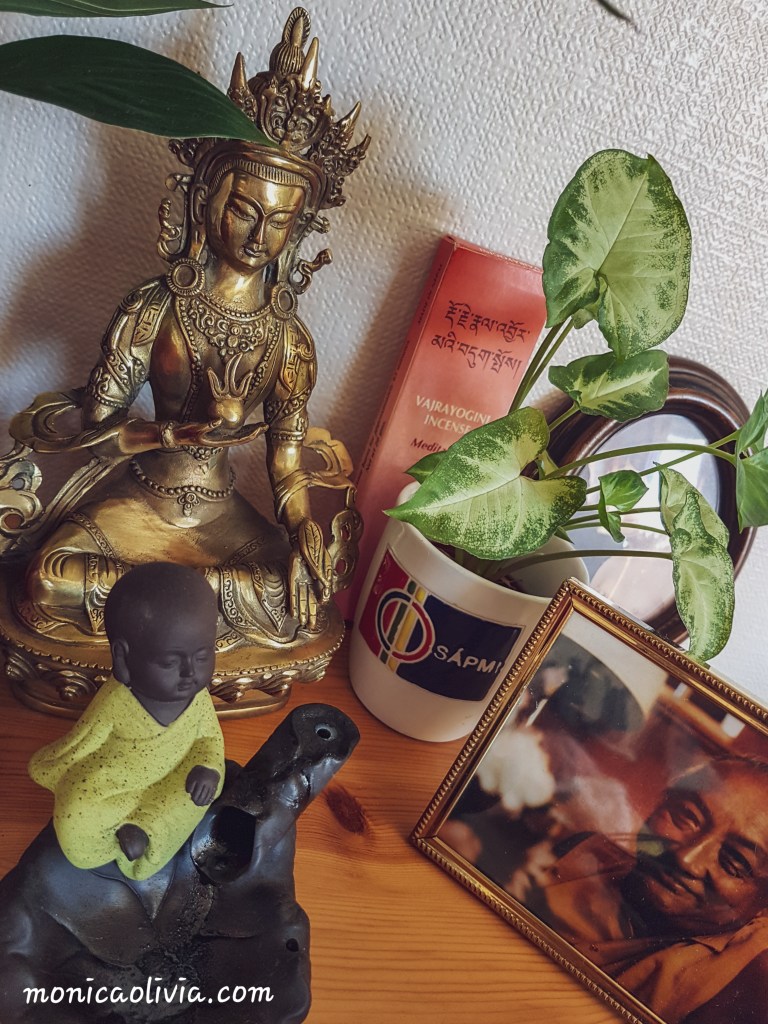



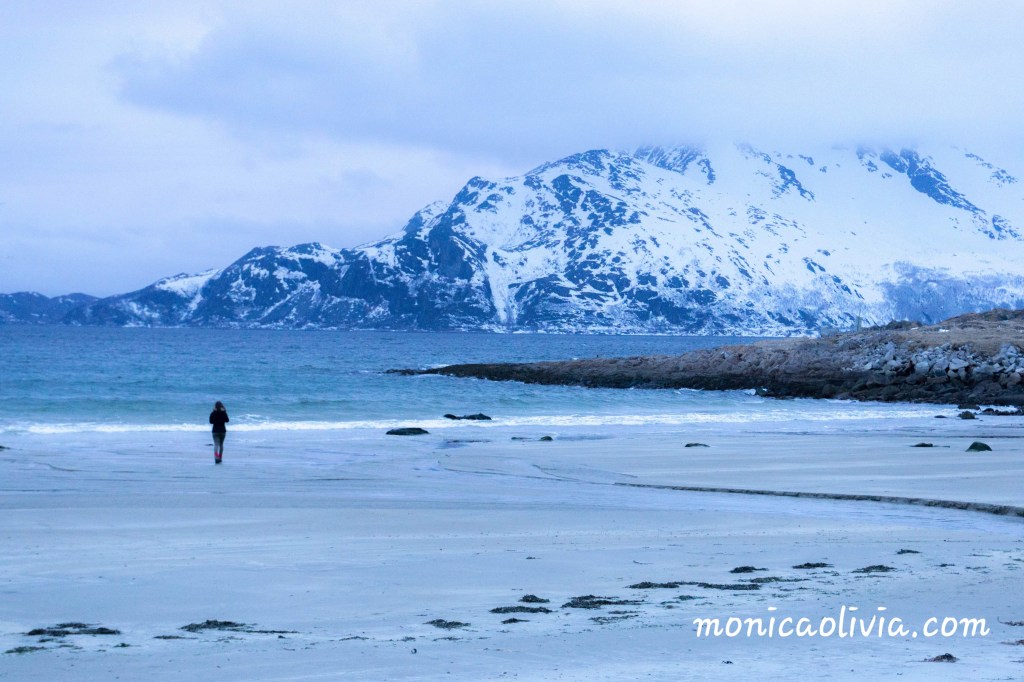
Just updated my domain and header. All in all, still the same blog with same content; art, photography, occasional personal thoughts and ideas, adventures, health related stuff and maybe some tantra/dharma. The name Ask the mountains comes from my favourite song by greek artist Vangelis and swedish singer Stina Nordenstam.


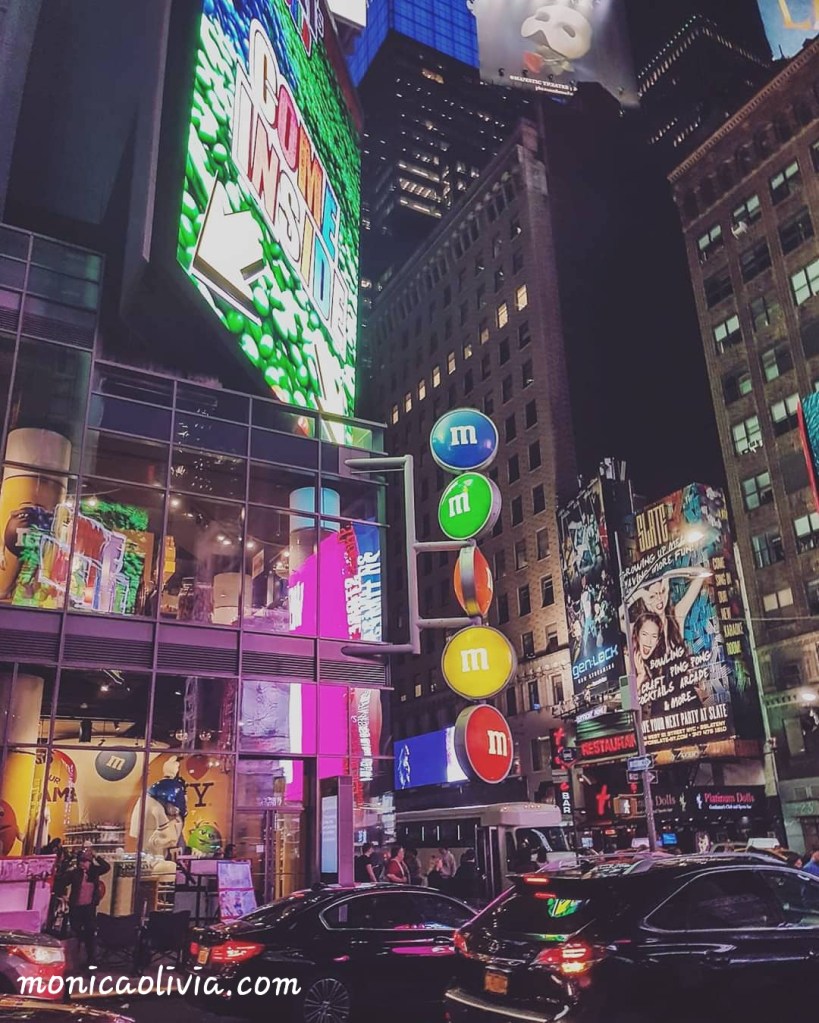


Some snaps from NYC from last april 🌇🗽 First and only time I have been to the US.
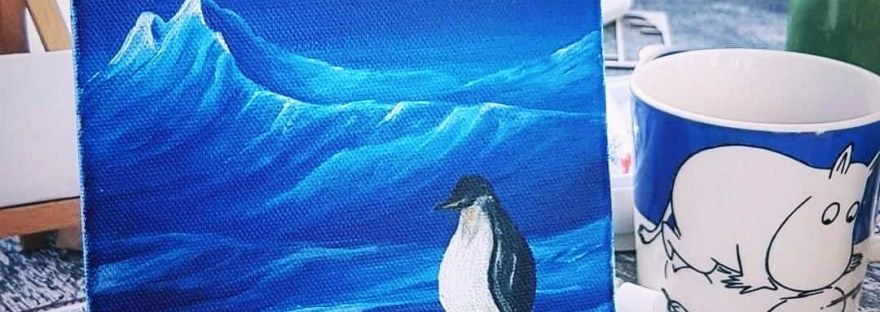


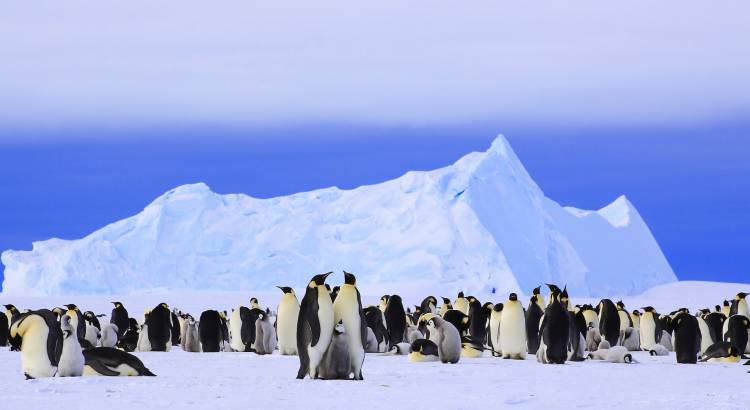
Some cool penguin facts for world penguin day:
– There are currently 17-26 types of penguins, depending on definition (I read many conflicting definitions). Emperor, adélie and macaroni penguins being my favourites 😁
– Male penguins searches their habitat for the perfect stone to present their chosen female. They mate for life and they both take care of their offspring.
– Penguins are defined as birds although they cannot fly. Their wings are made for swimming. They are great in water, but a bit awkward on land.
– Penguin feathers are shorter and stiffer than most bird feathers, which makes penguins more streamlined in the water and traps more air to keep them warm.



















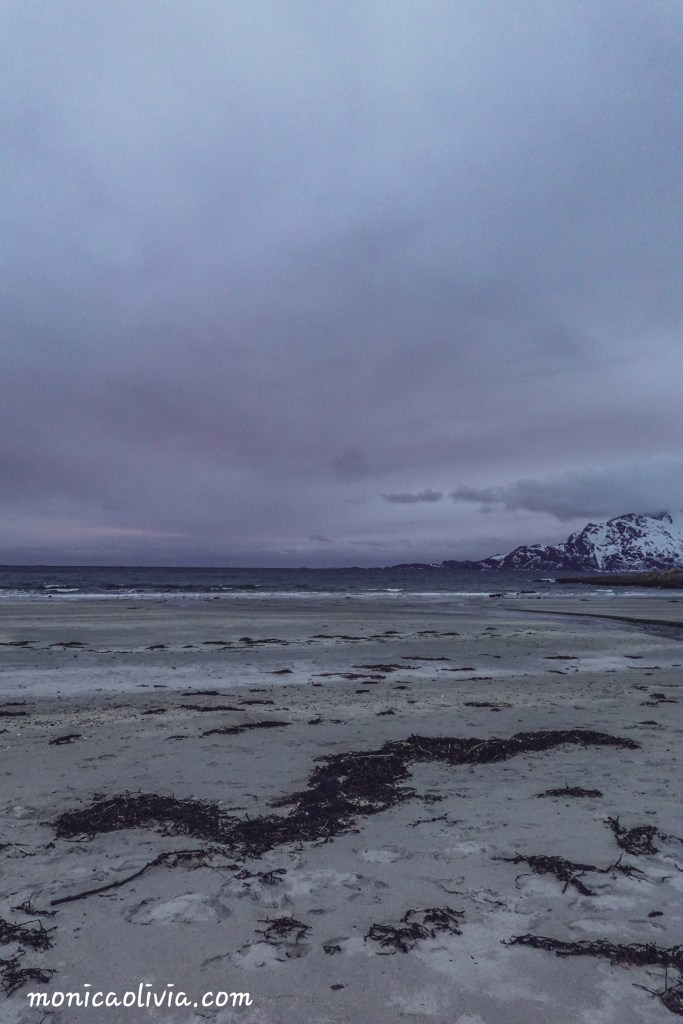
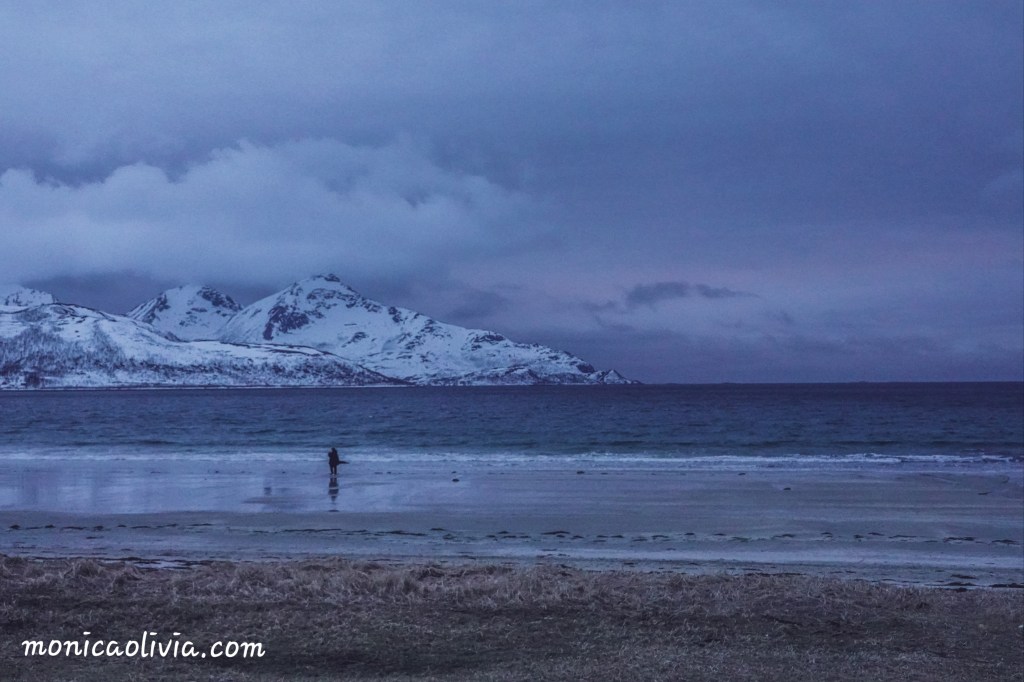
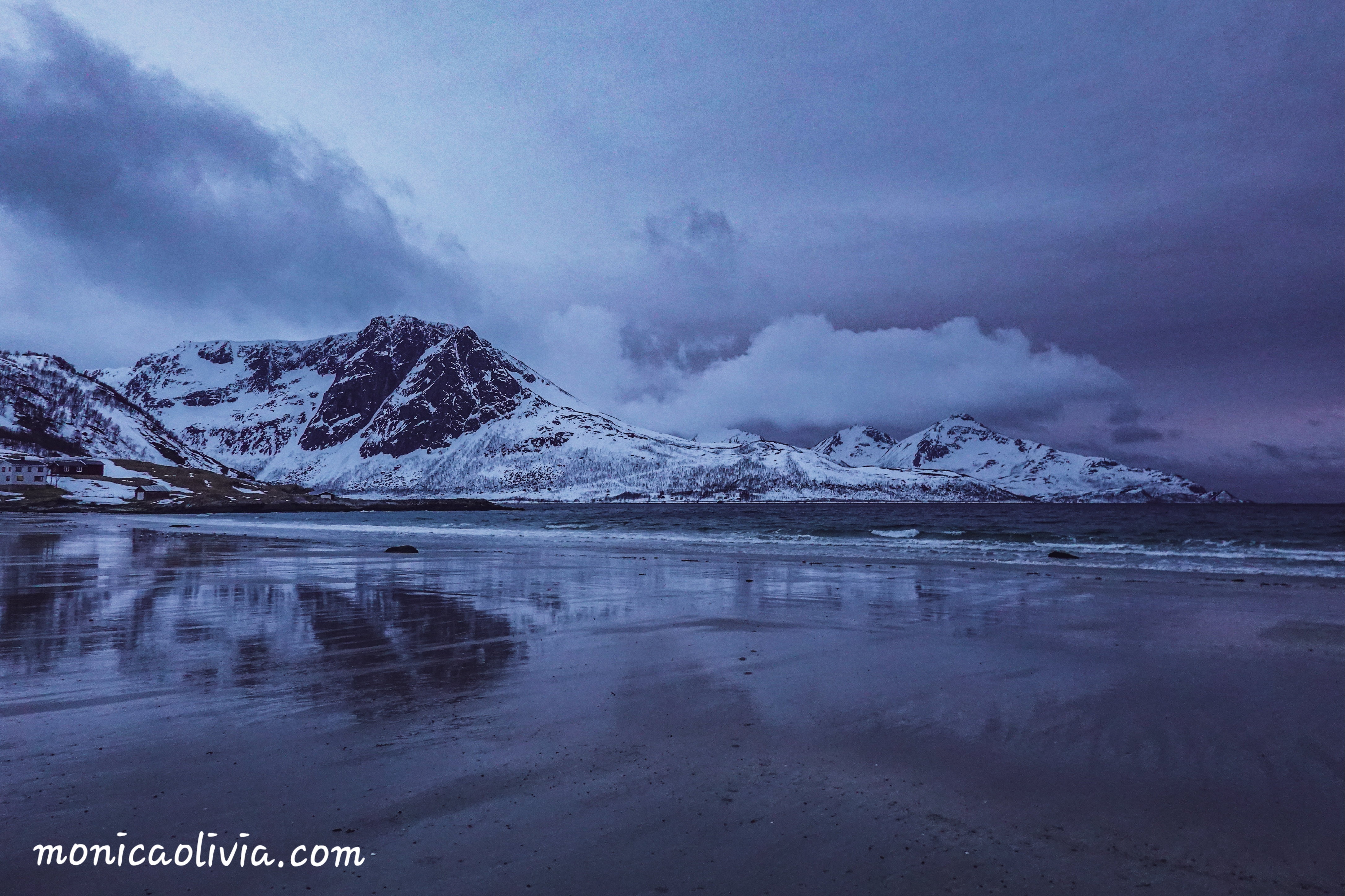
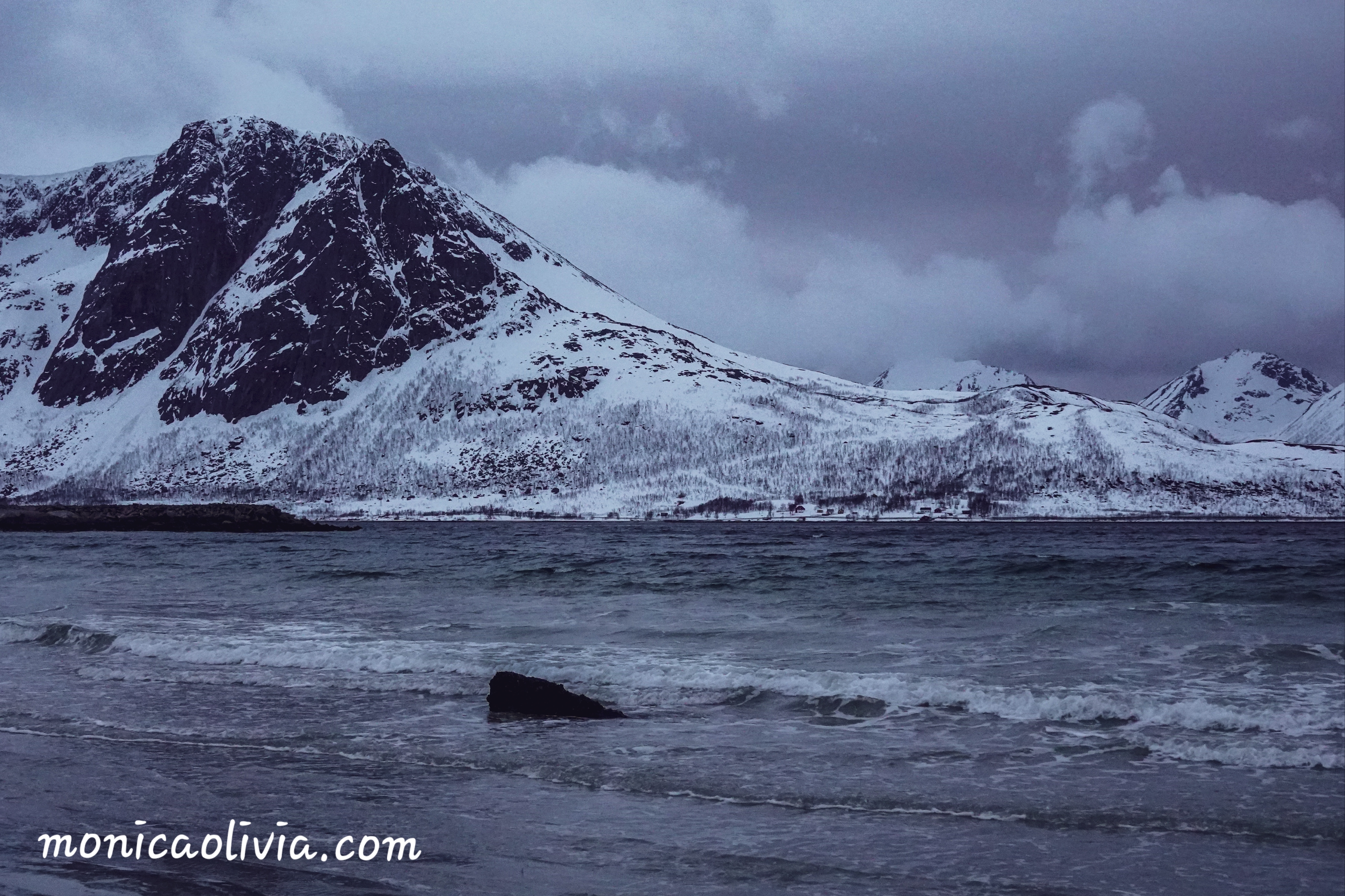
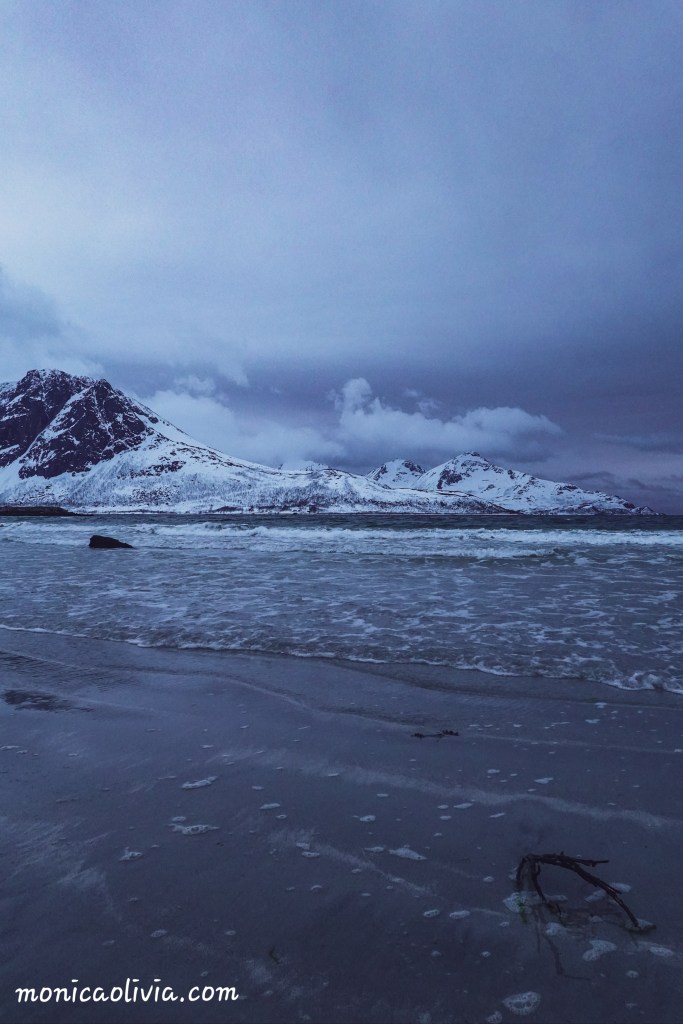
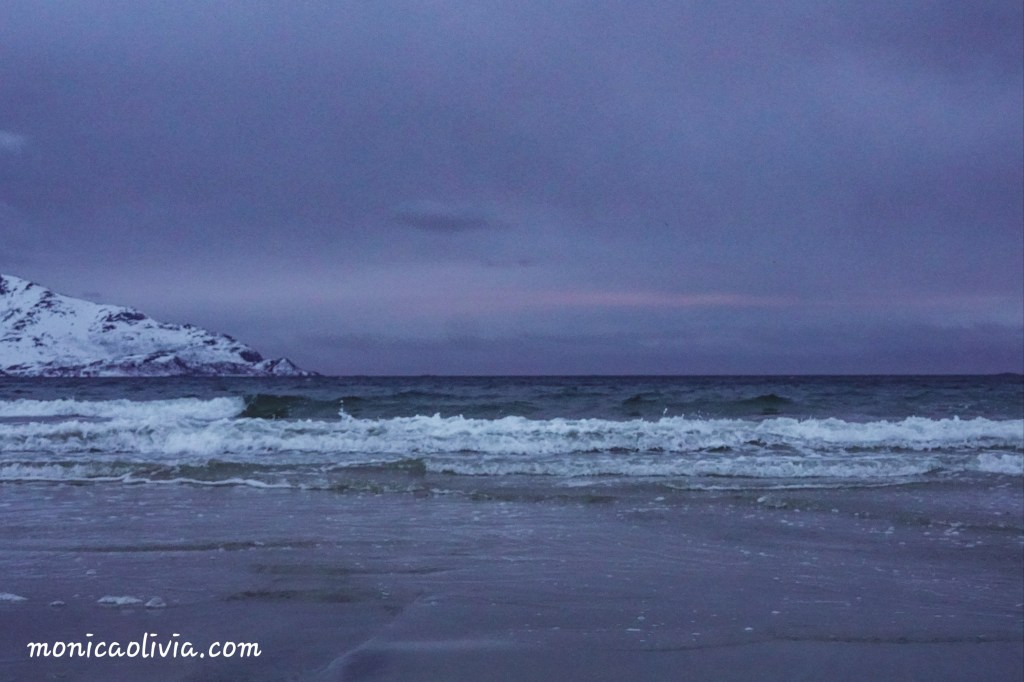
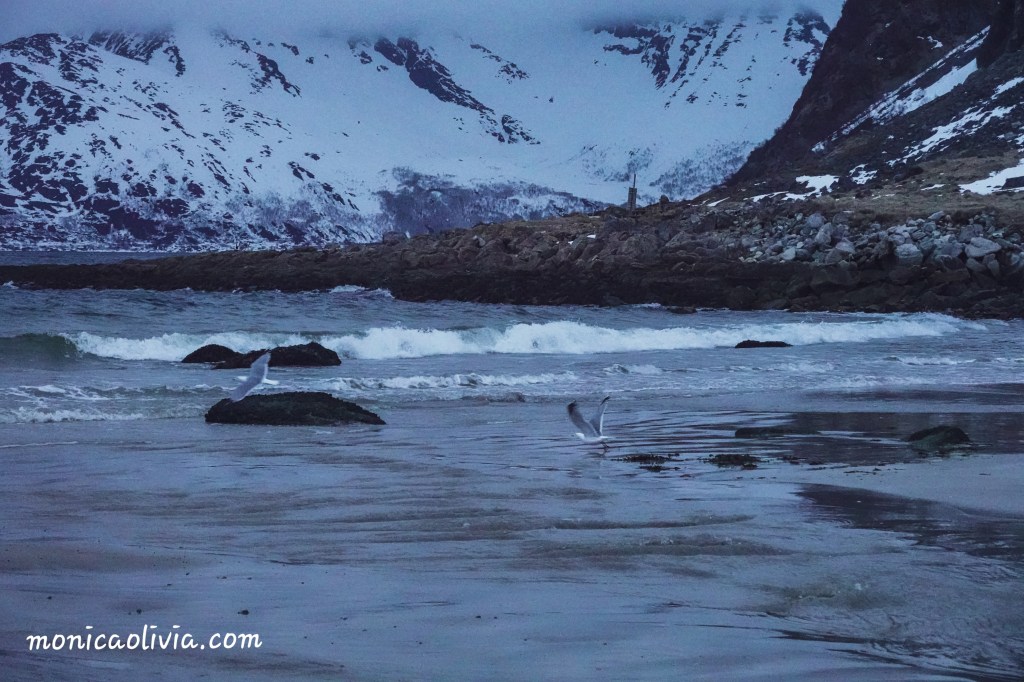
Ever changing light on this beach 🌅📸

Whatever your struggles are, whether you share them with others, online or in private, or keep it all to yourself, know that healing, aliveness and beauty can always, always be found, as it is already in you and in nature around us 🧡🌅
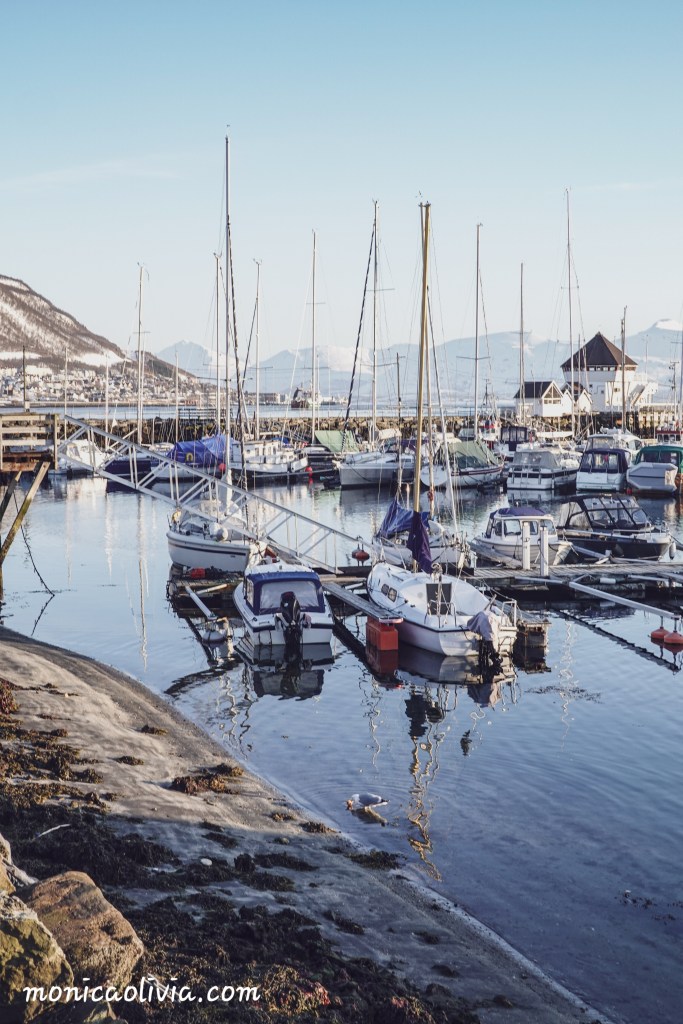




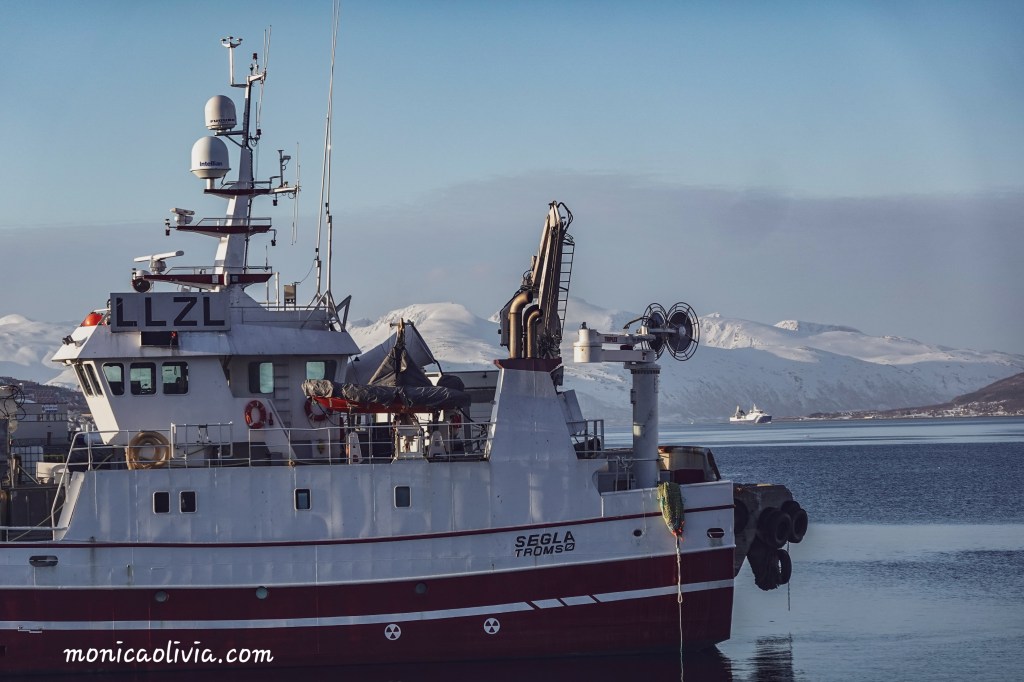


Majestetiske Istiden i Midt-Troms, 1489 moh. Bilde tatt i april 2017 💙☺

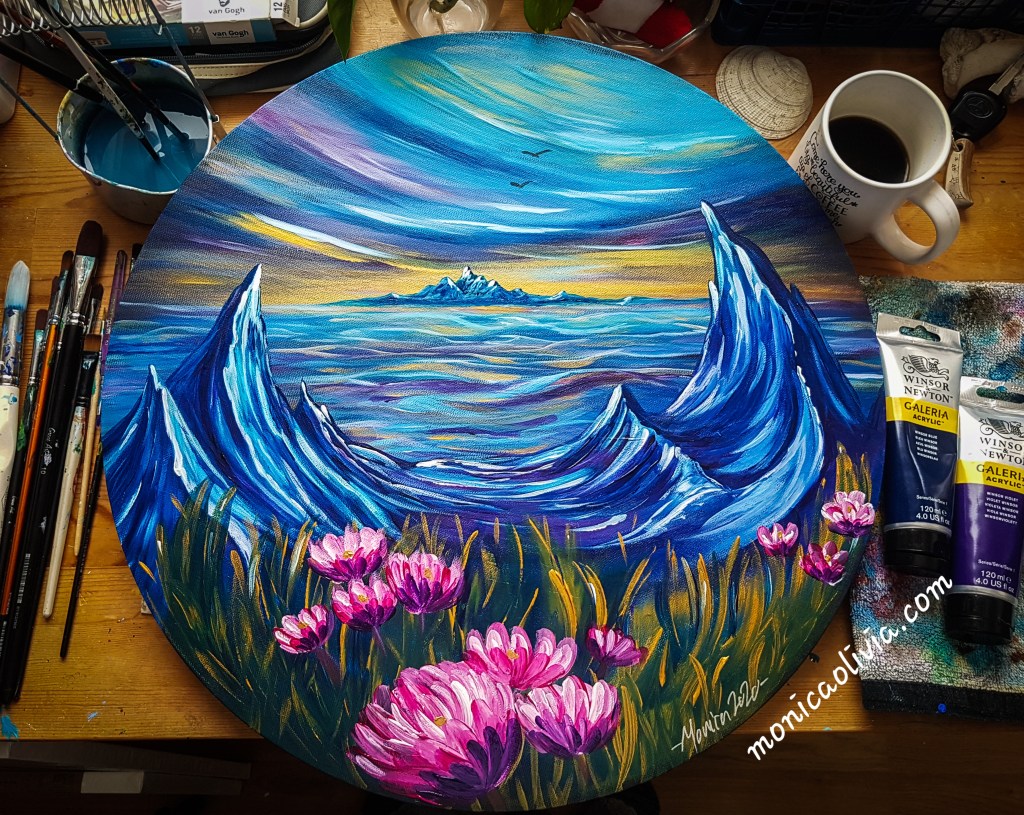


50 cm Ø, acrylic on round canvas. Colours used: pink, blue, gold, white, purple.
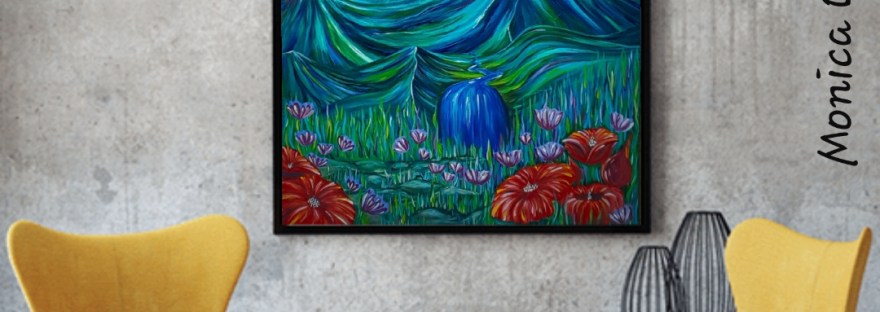

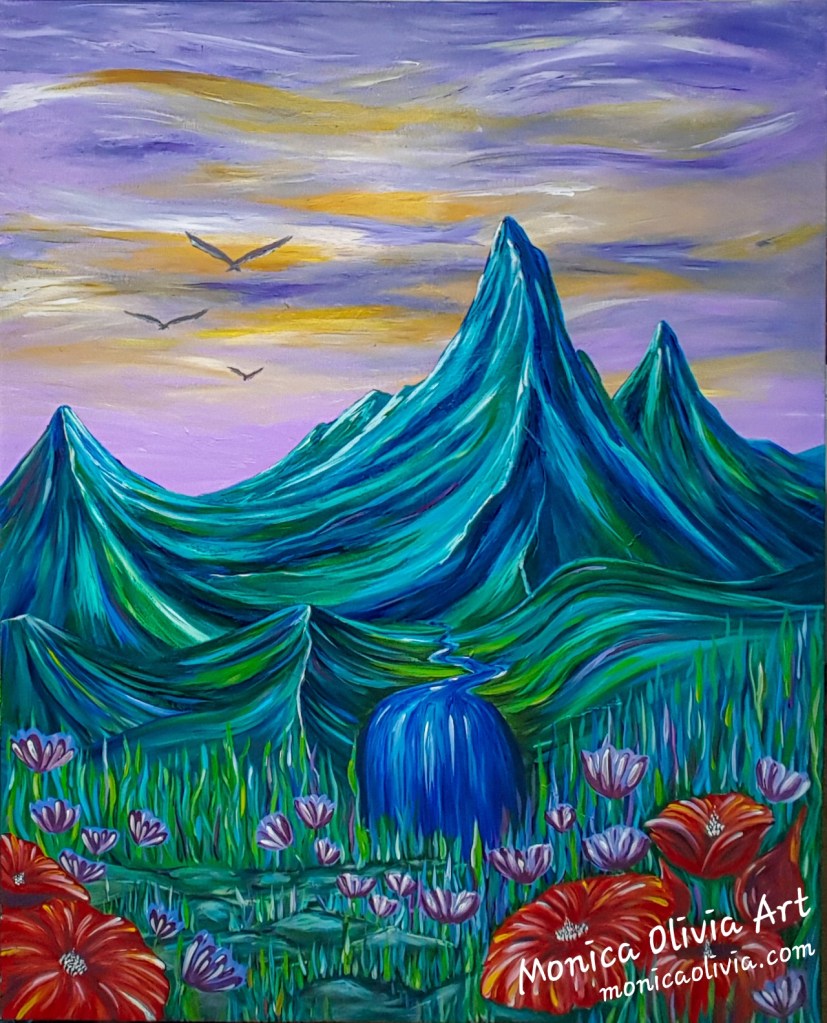

As soon as I go up in canvas size my paintings turn out very different than my small ones. But this time it didn’t, so I think I have found my ‘limit’.

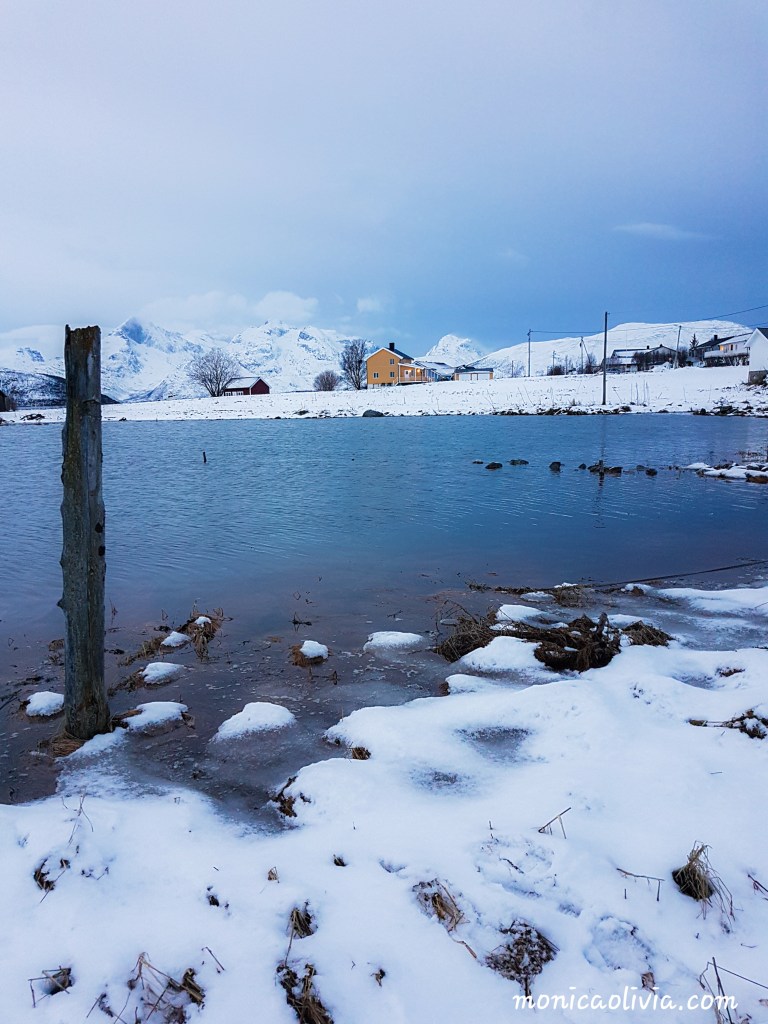


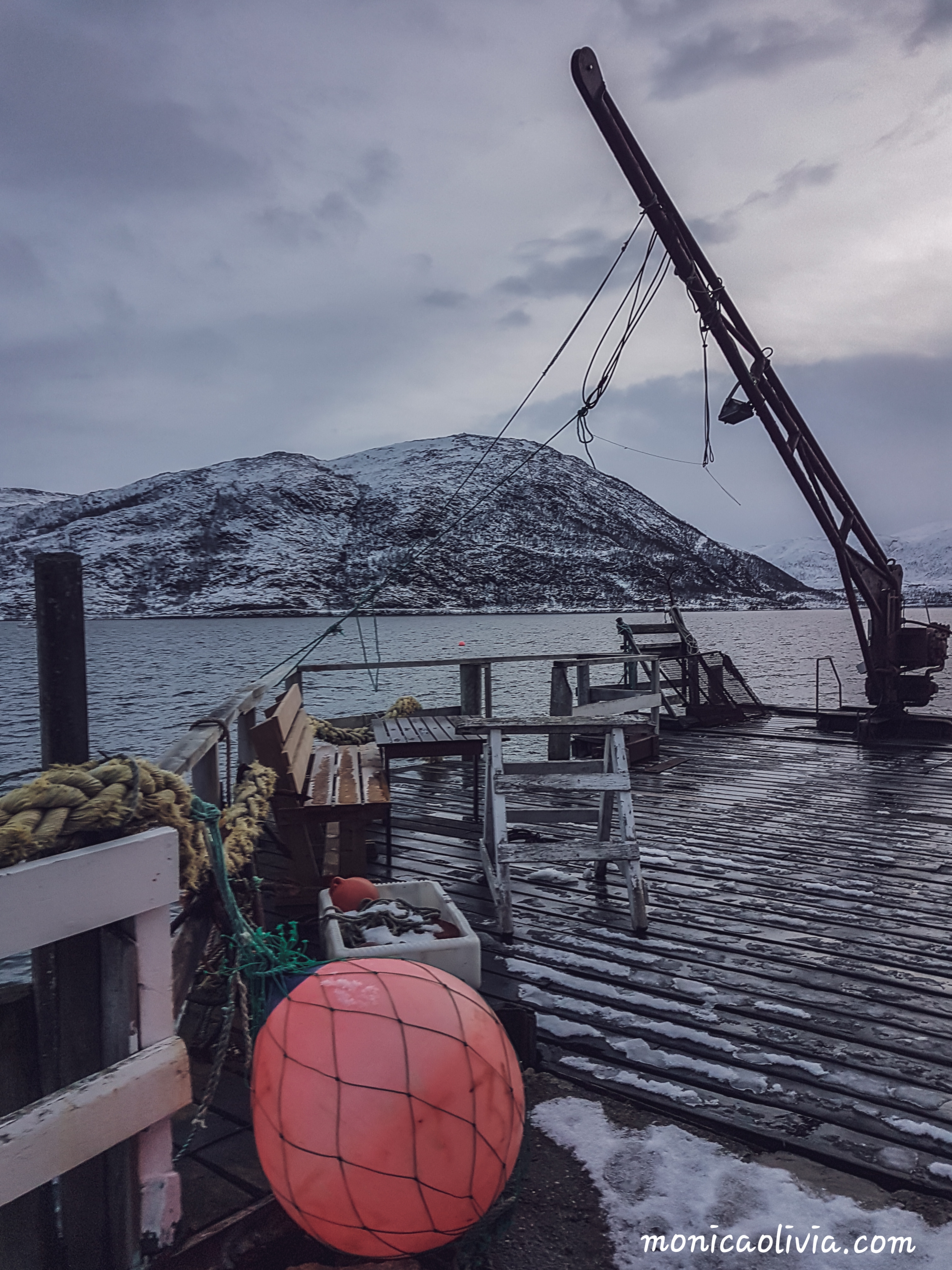


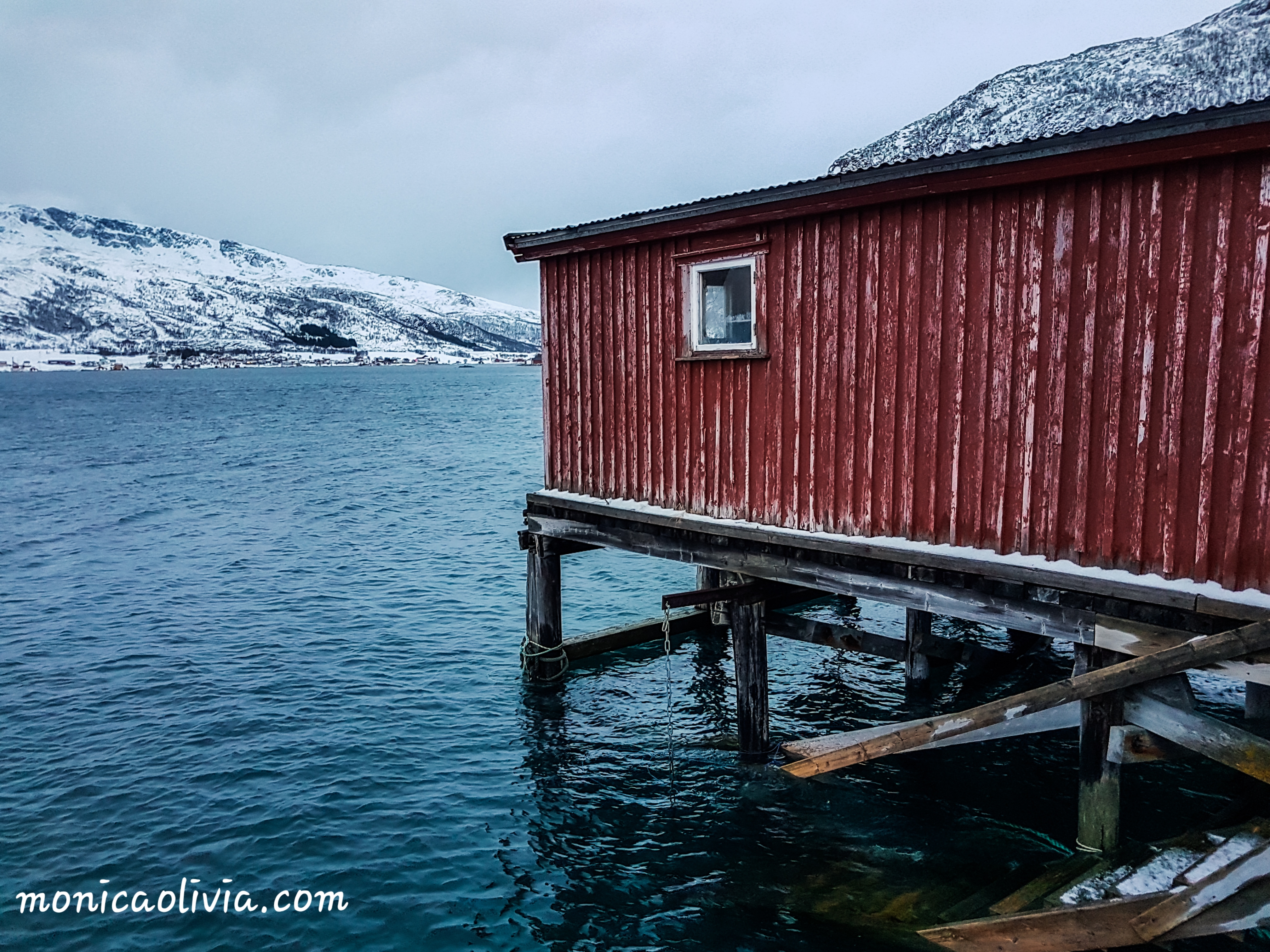


Skulsfjord, a very nice scenic 40 minute drive from my fjord. Went there with a friend in the polar night this january 💙🏔

It’s a powermove deciding to live your life as authentically as possible. And it’s hard to shame someone for their life choices, for going their own way, when they are not ashamed themselves.

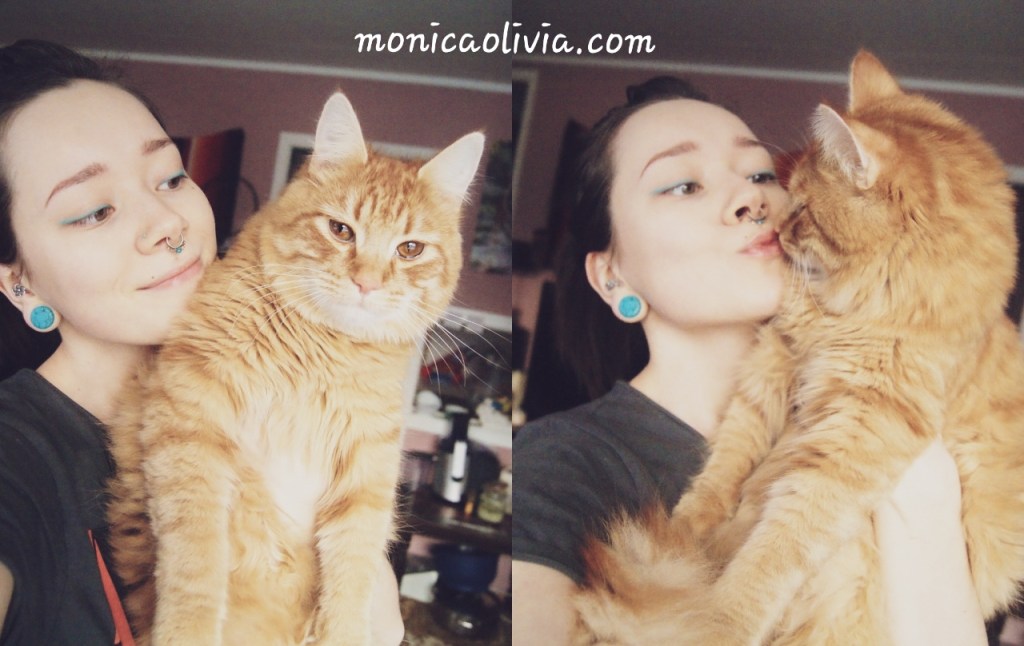
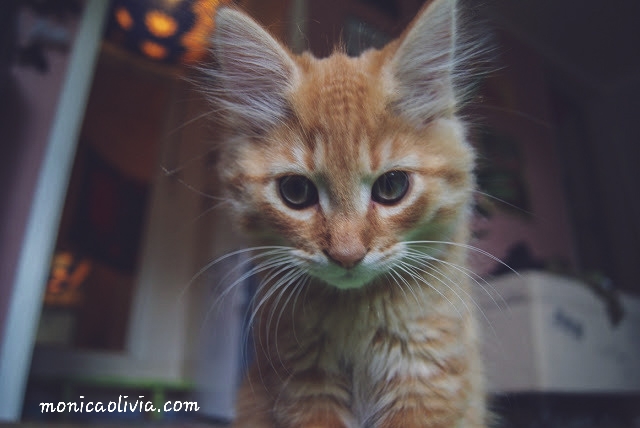
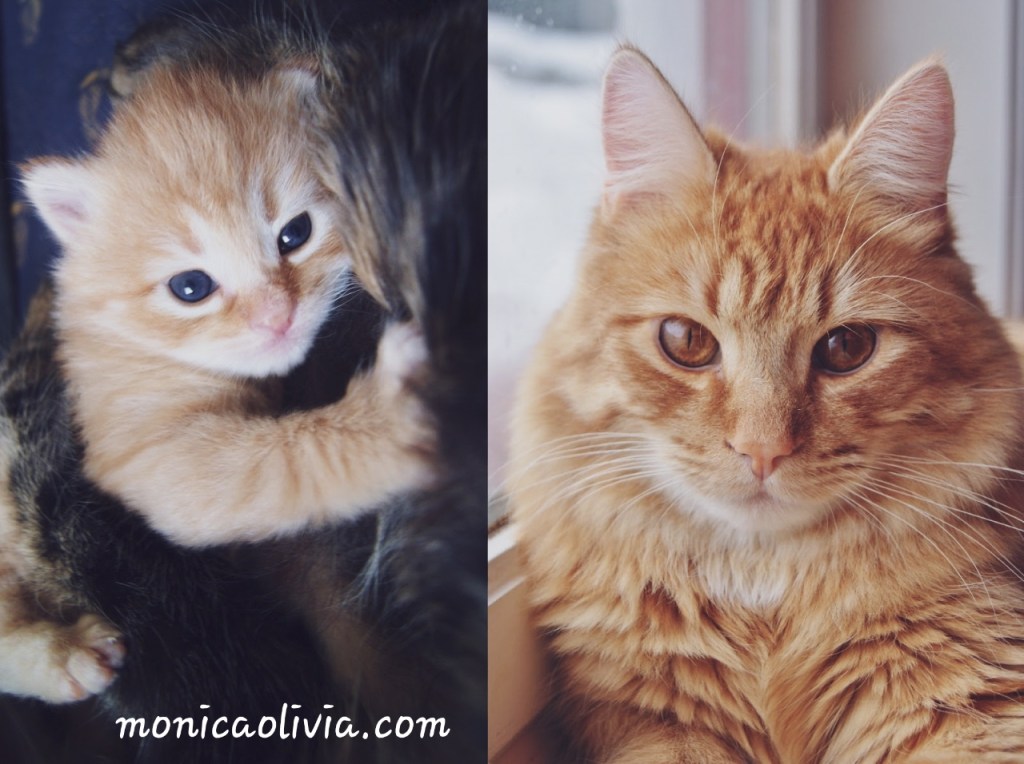


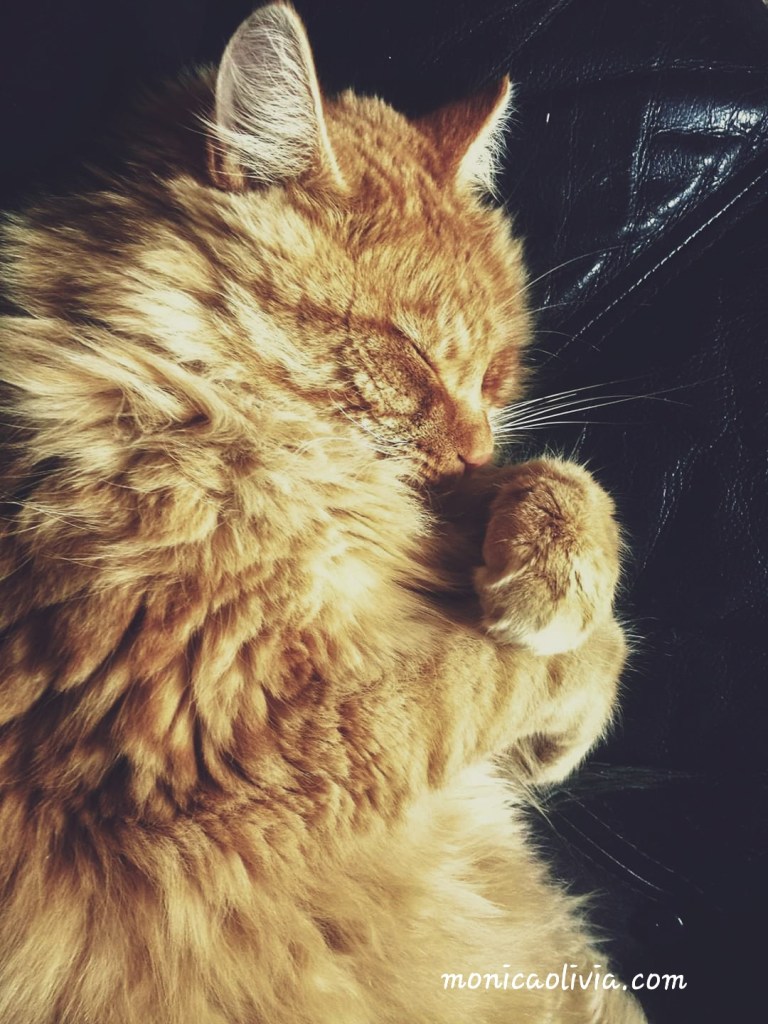


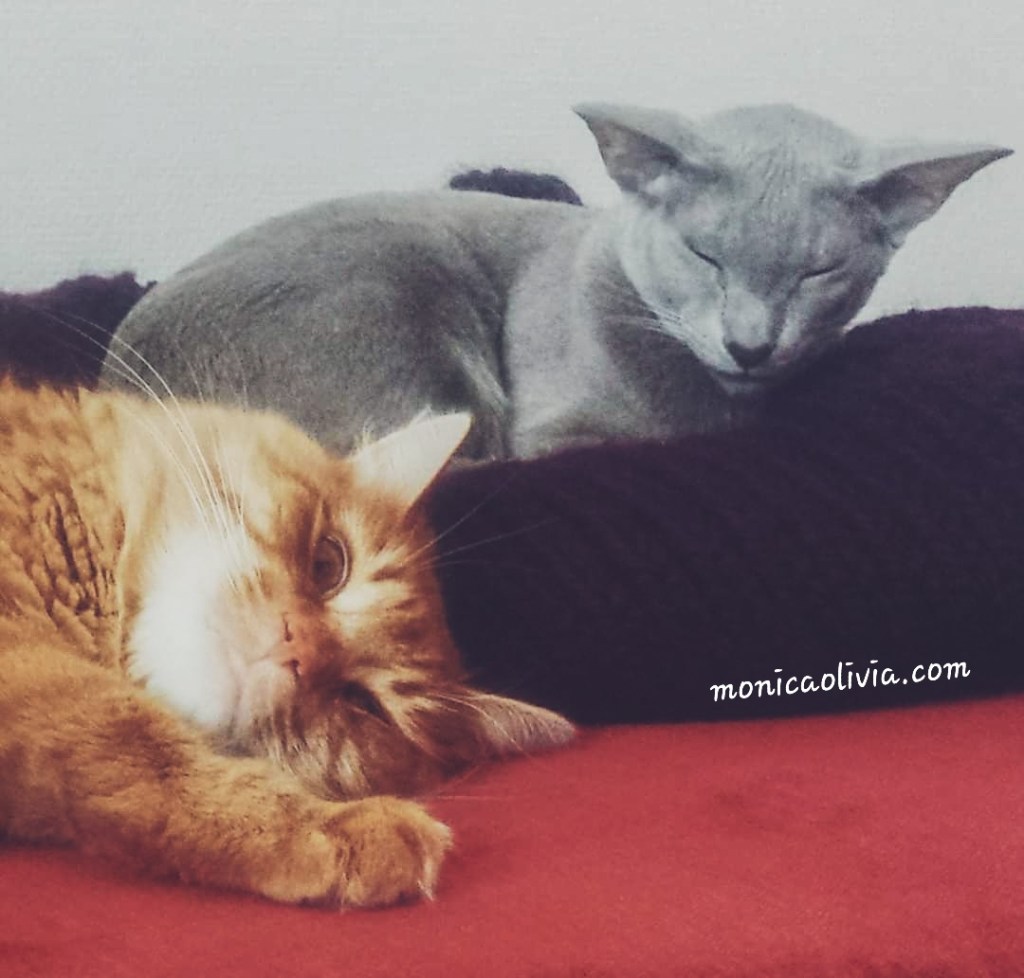
Fikk lyst å dele noen bilder av den fineste monsen jeg noensinne har bodd med. Snakk om go’gutt med personlighet. Var så heldig å ha han i tre år før han dessverre ble påkjørt. Stort savn.


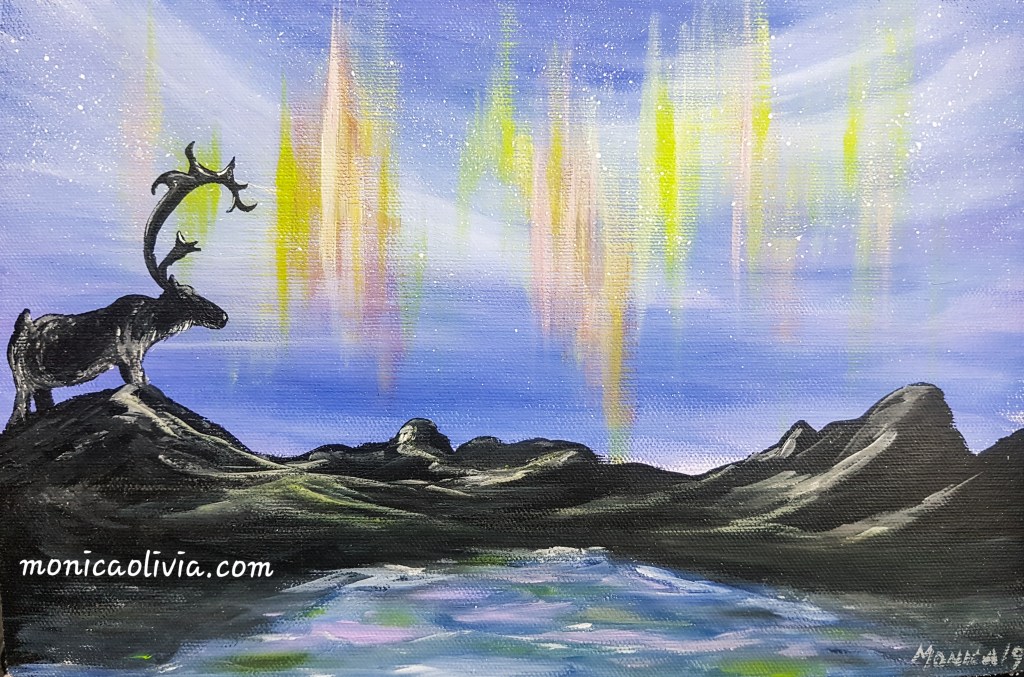
“The sight filled the northern sky; the immensity of it was scarcely conceivable. As if from Heaven itself, great curtains of delicate light hung and trembled. Pale green and rose-pink, and as transparent as the most fragile fabric, and at the bottom edge a profound and fiery crimson like the fires of Hell, they swung and shimmered loosely with more grace than the most skillful dancer.” 🌌
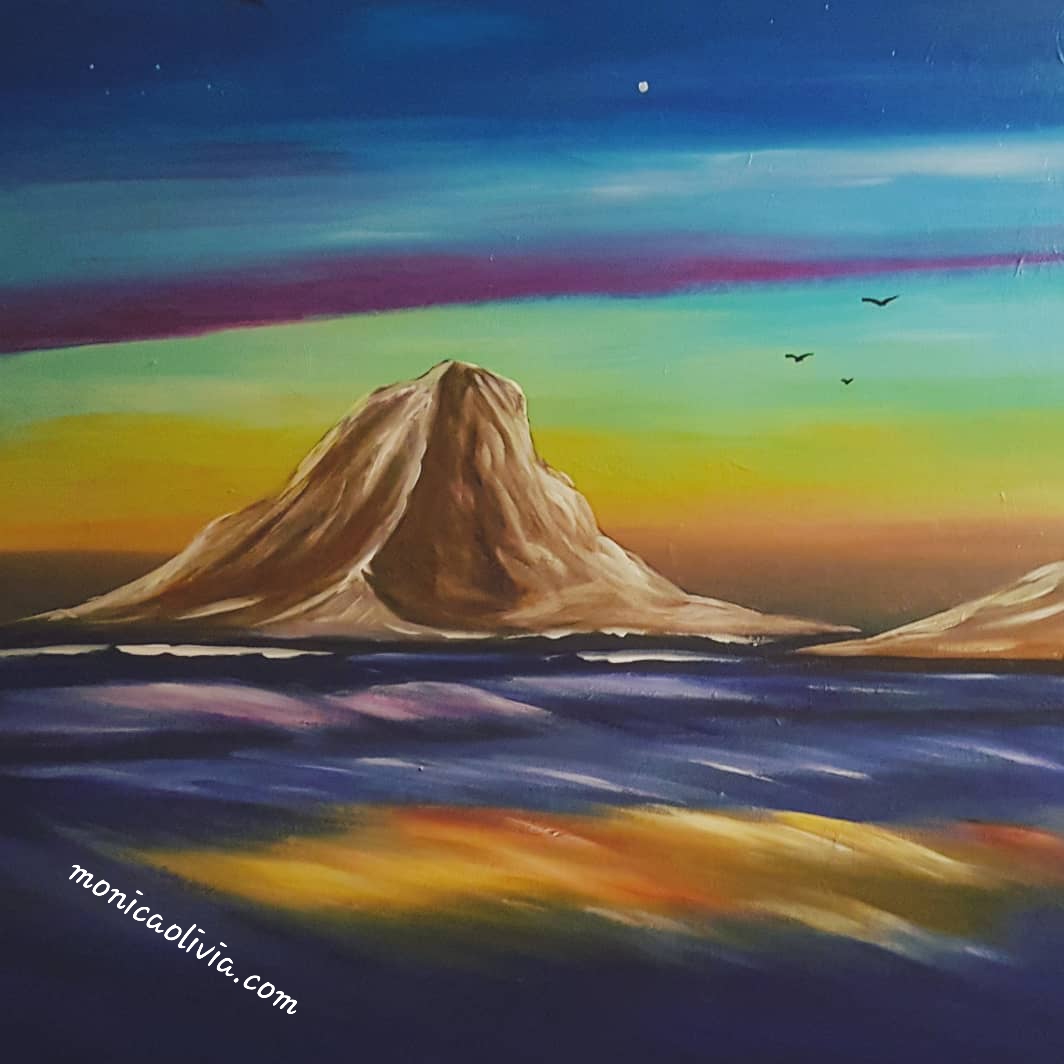


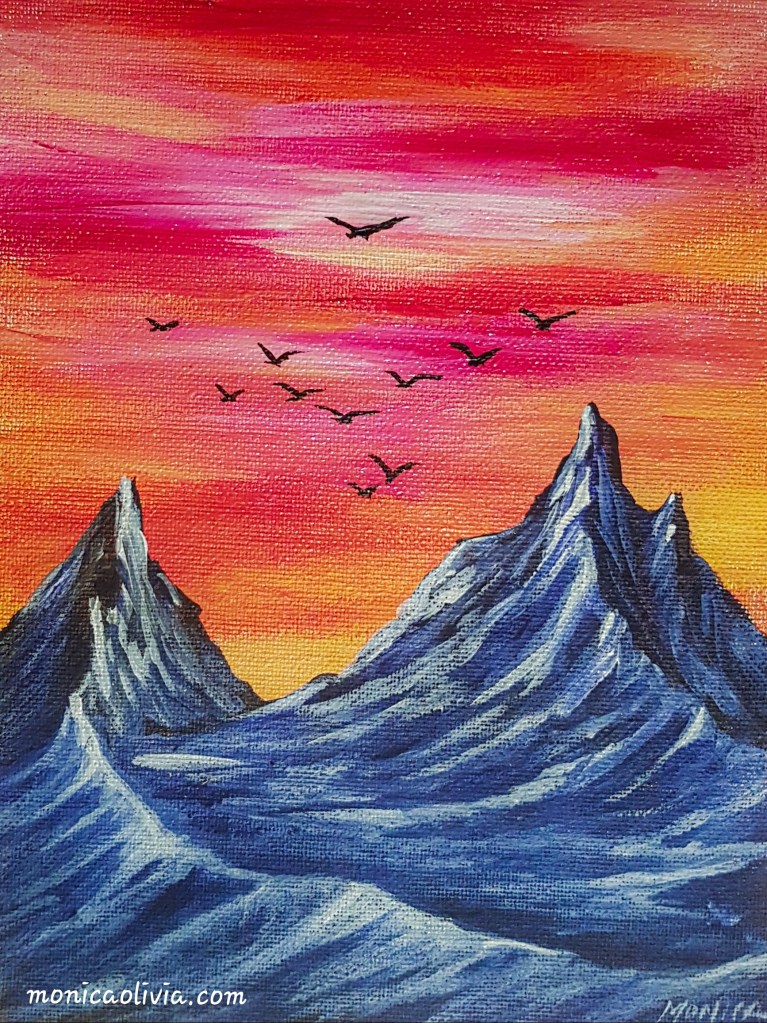
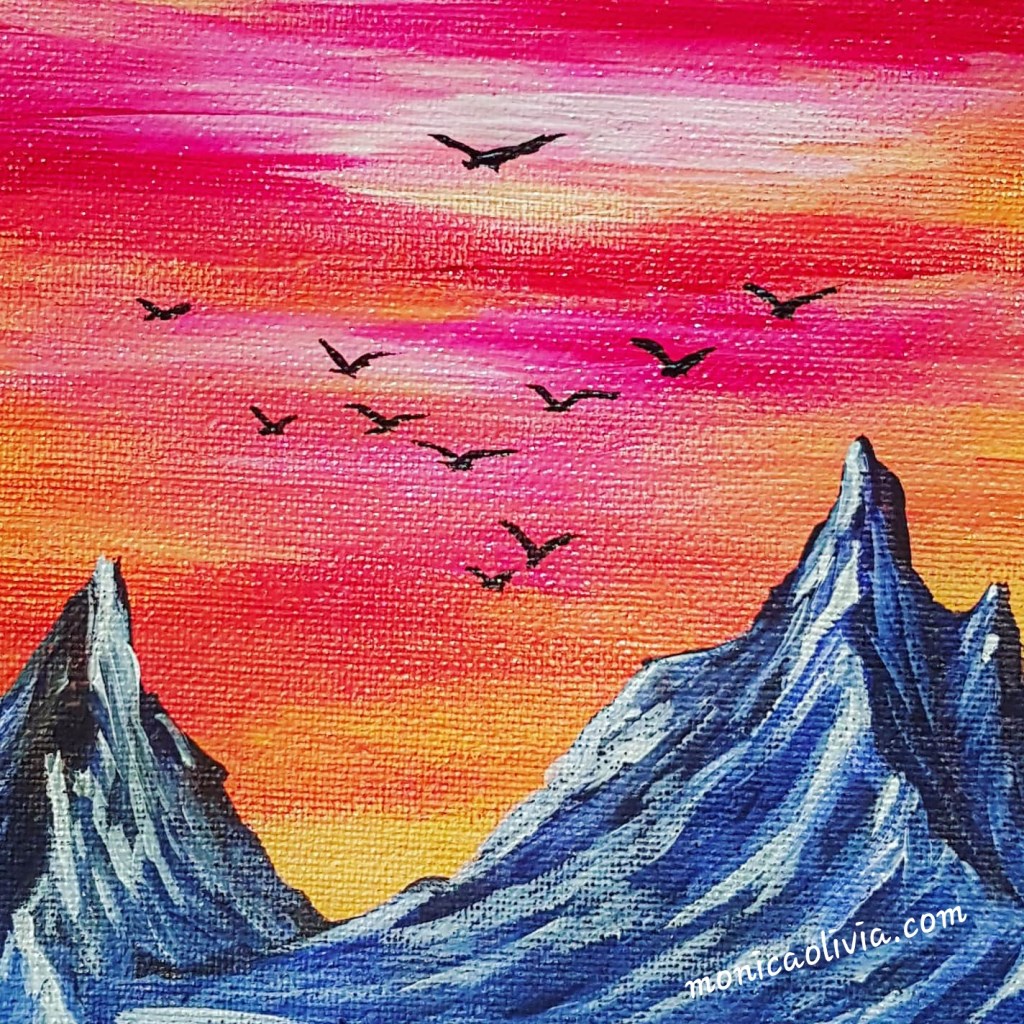
My little late night creativity painting.. Couldn’t sleep last night so I thought why not just spend my time wisely 😄 A bit unusual colour choices for me, but I like how it turned out. Was unsure if I choose the right colour for the mountains but I can always change that later if the mood strikes me..🌈🎨
This painting is 65 x 45. Acrylic painting.

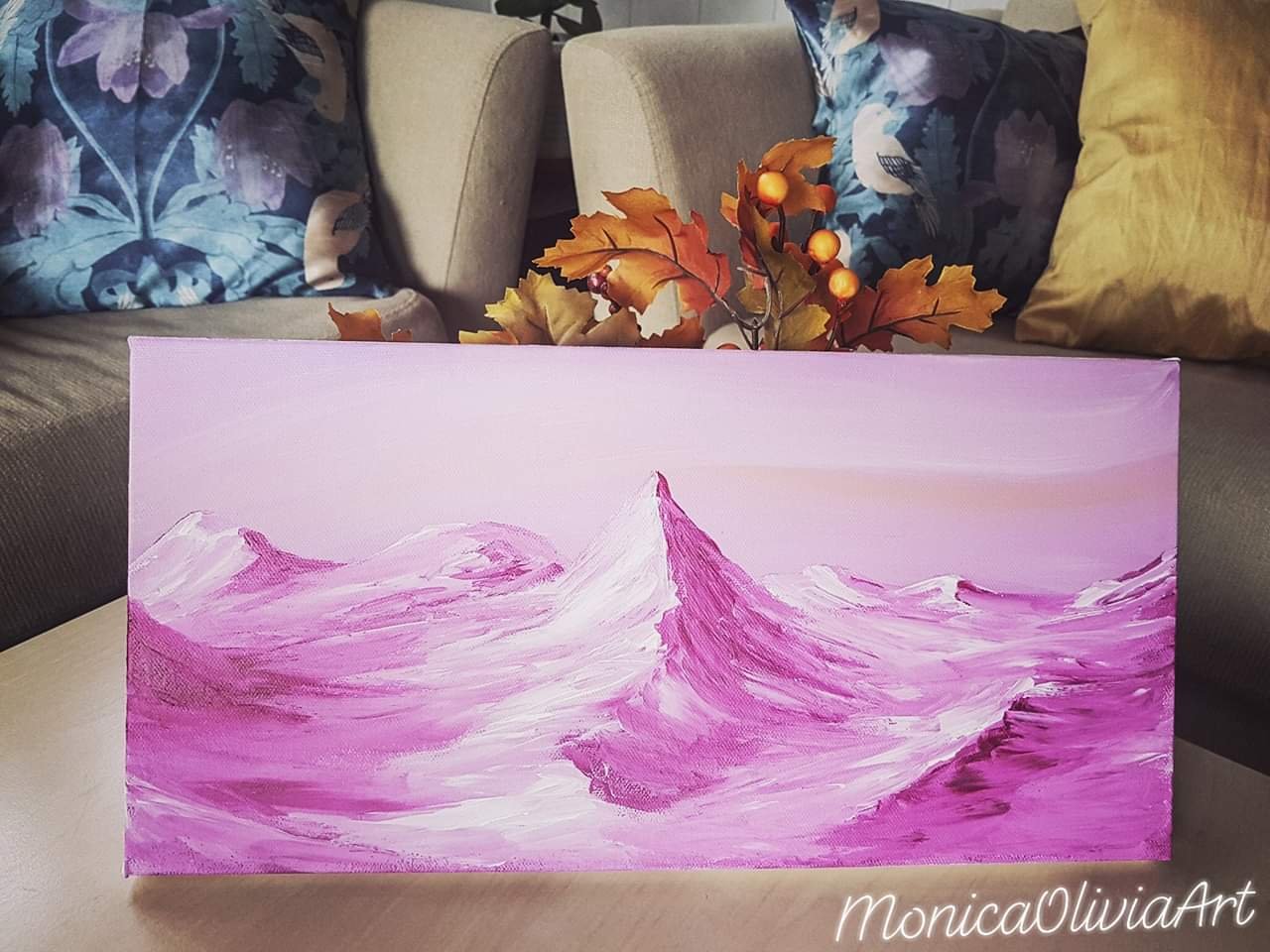
Lekt litt med andre farger enn blått for en gangs skyld. Brukte kun rosa, hvit og bittelitt gult i dette maleriet.
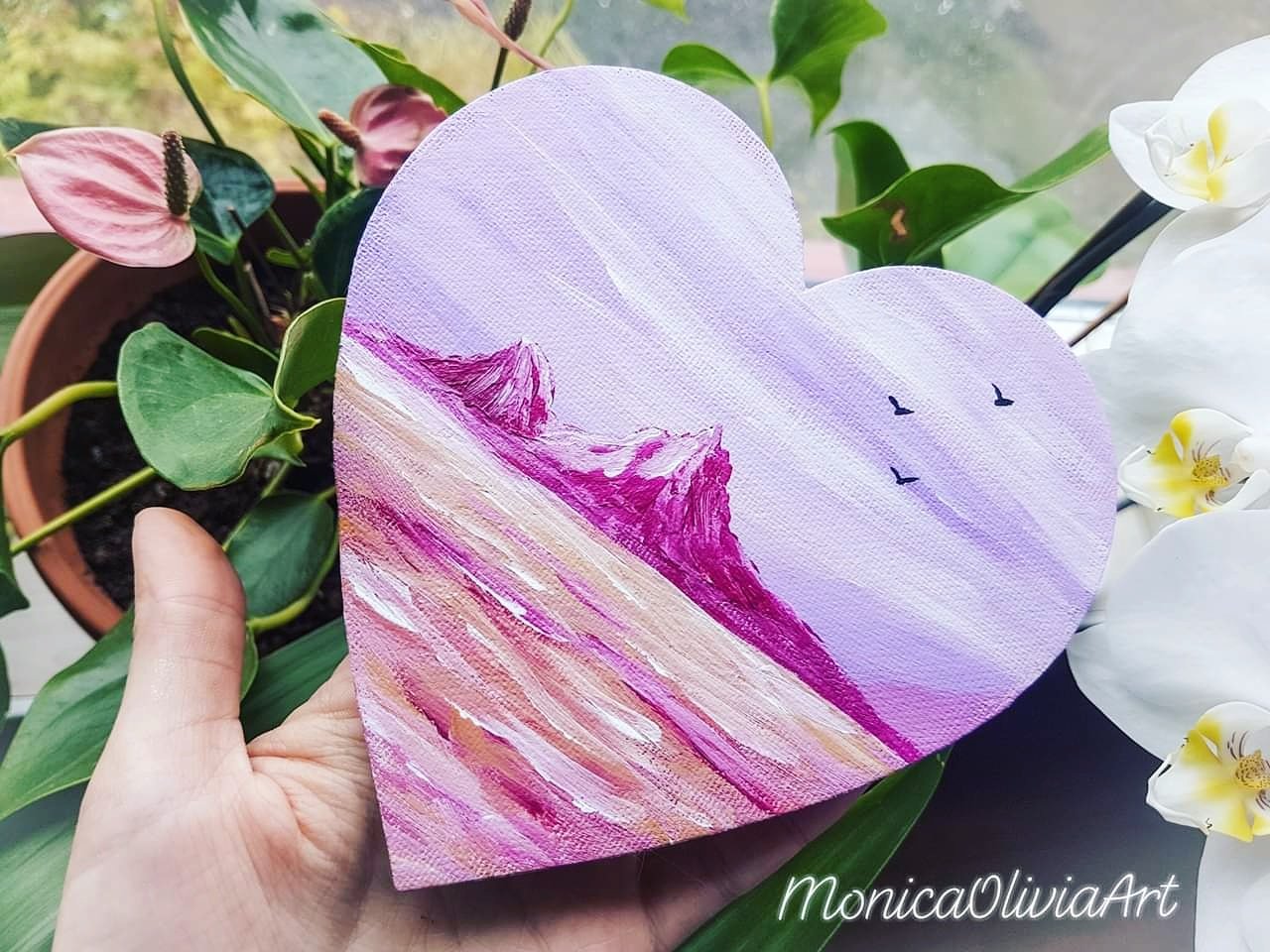
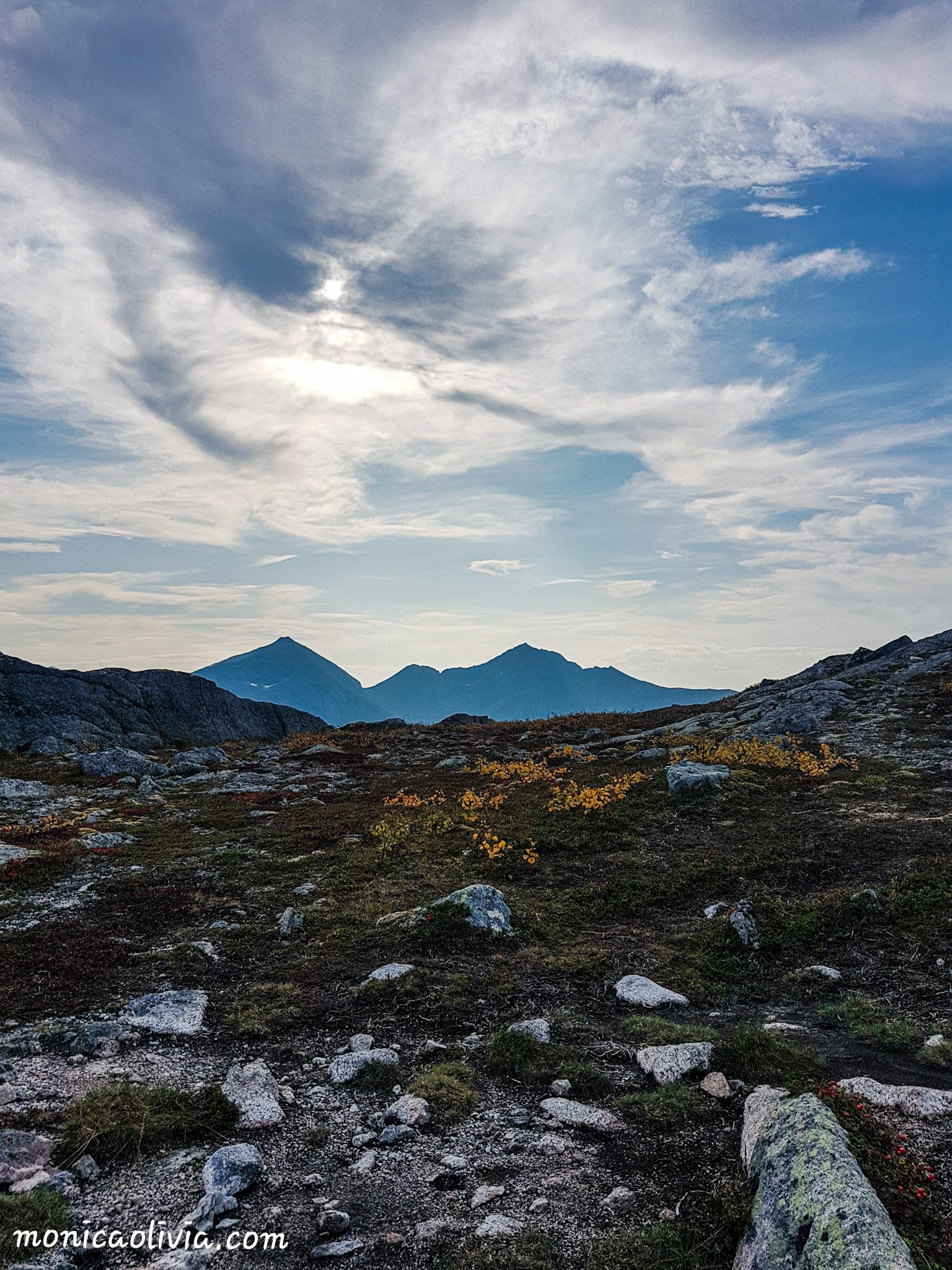

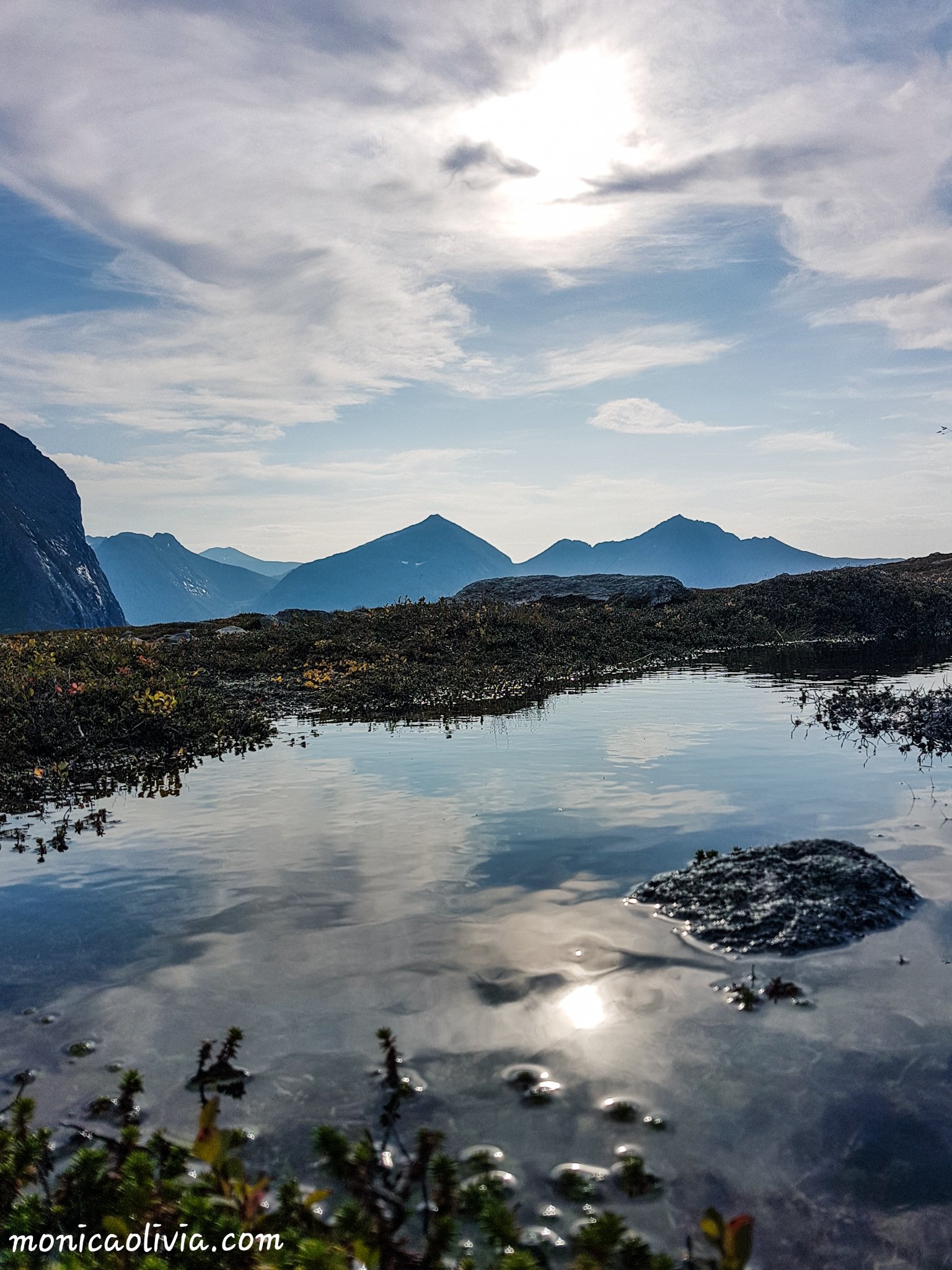


Go towards the people that see you for who you truly are, in all your colours. For your badass kindness and fierce compassion. How we treat others reaches far beyond outer beauty and appearances; touching someone elses’ heart and helping them feel free and loved unconditionally is a gift that will never stop giving.
Hope everyone had a great summer 🌷
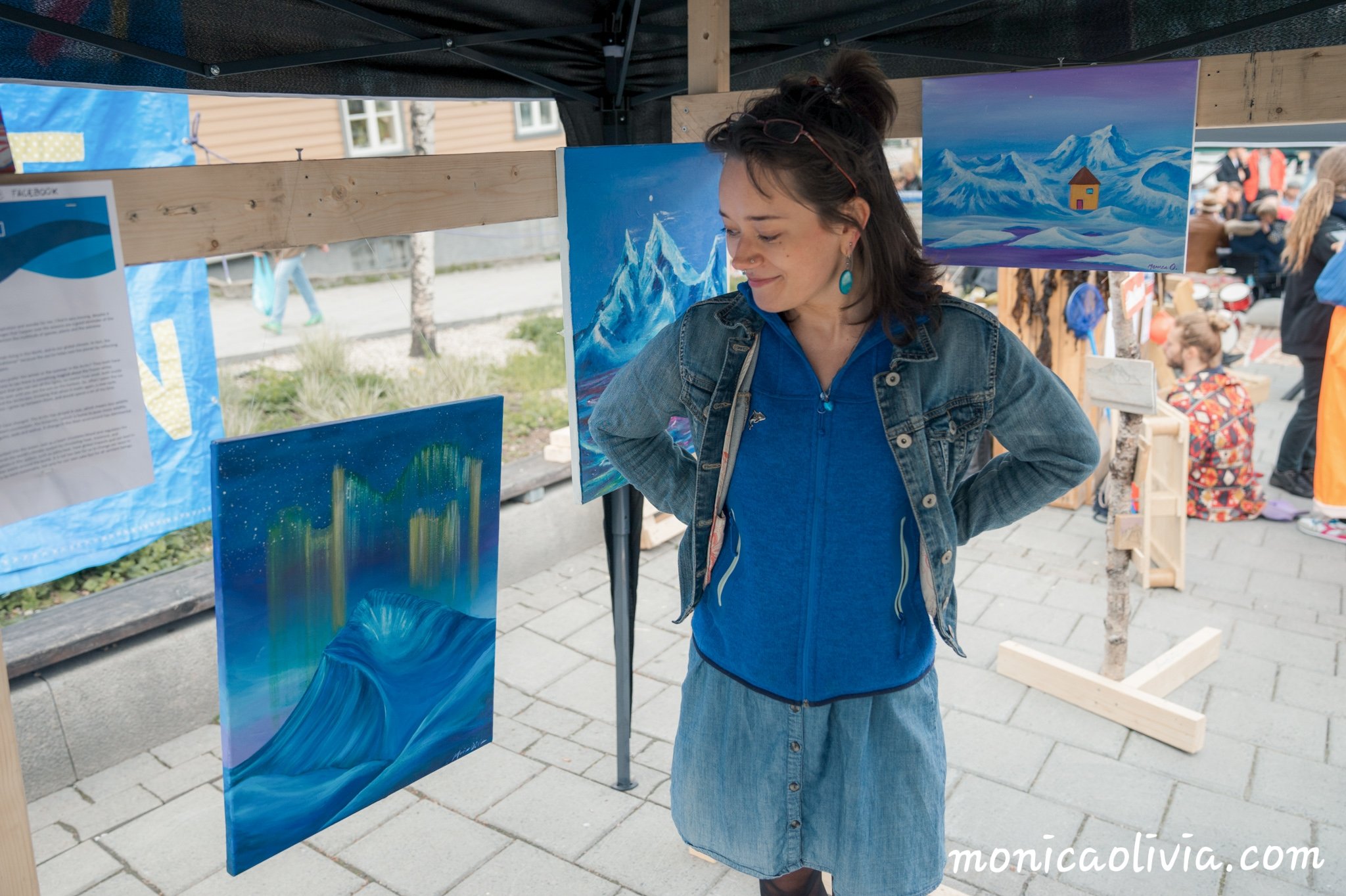
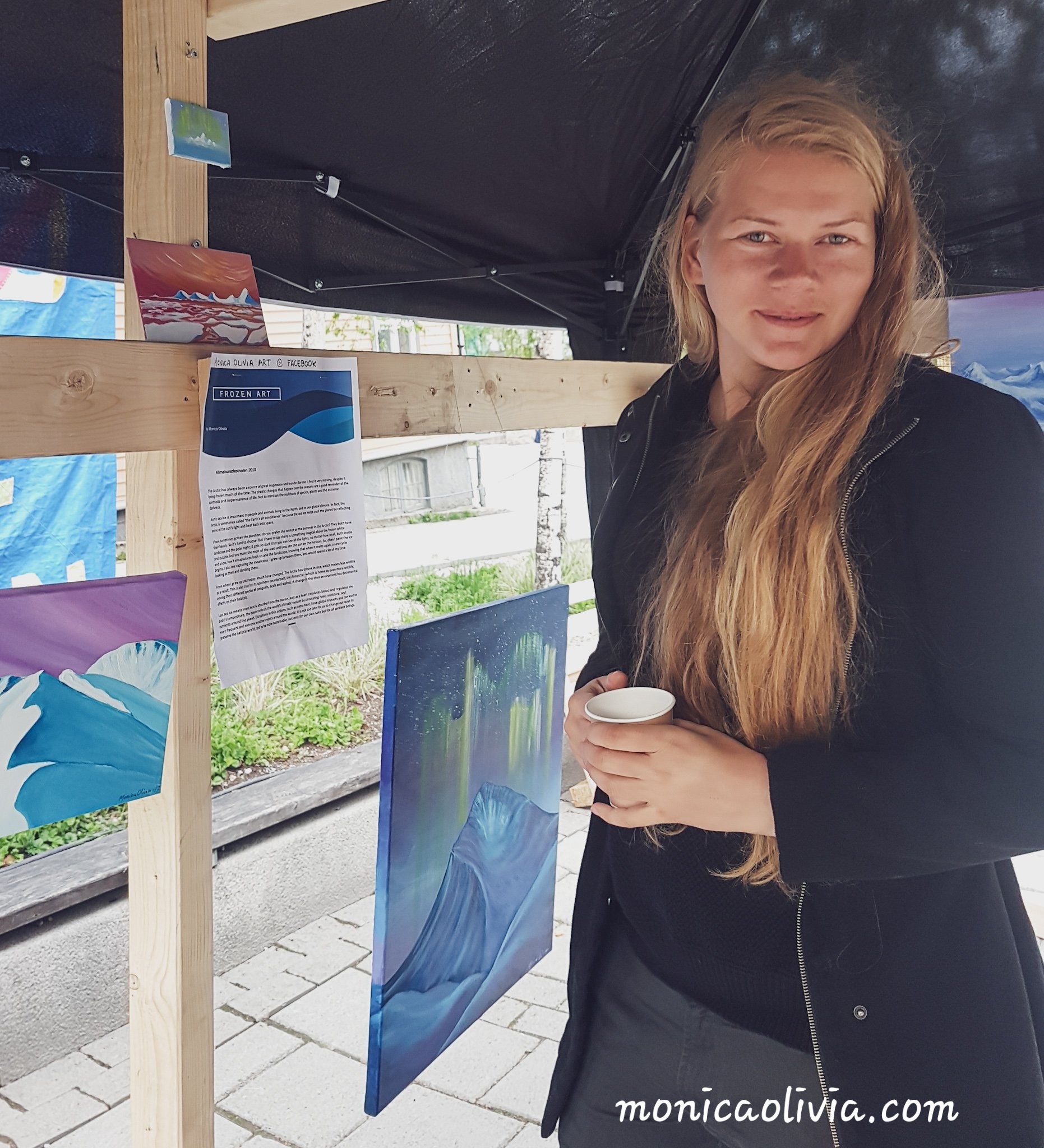


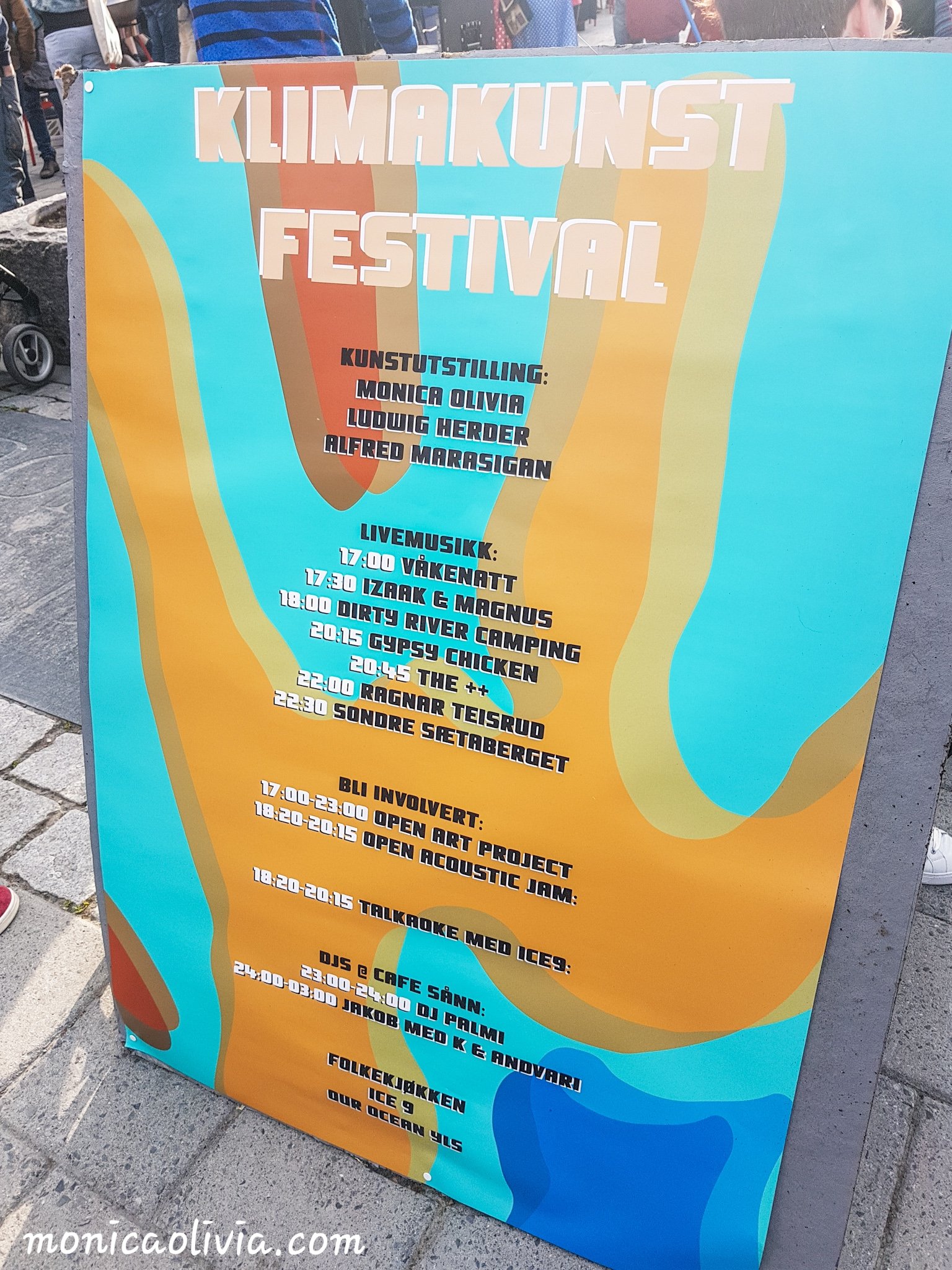
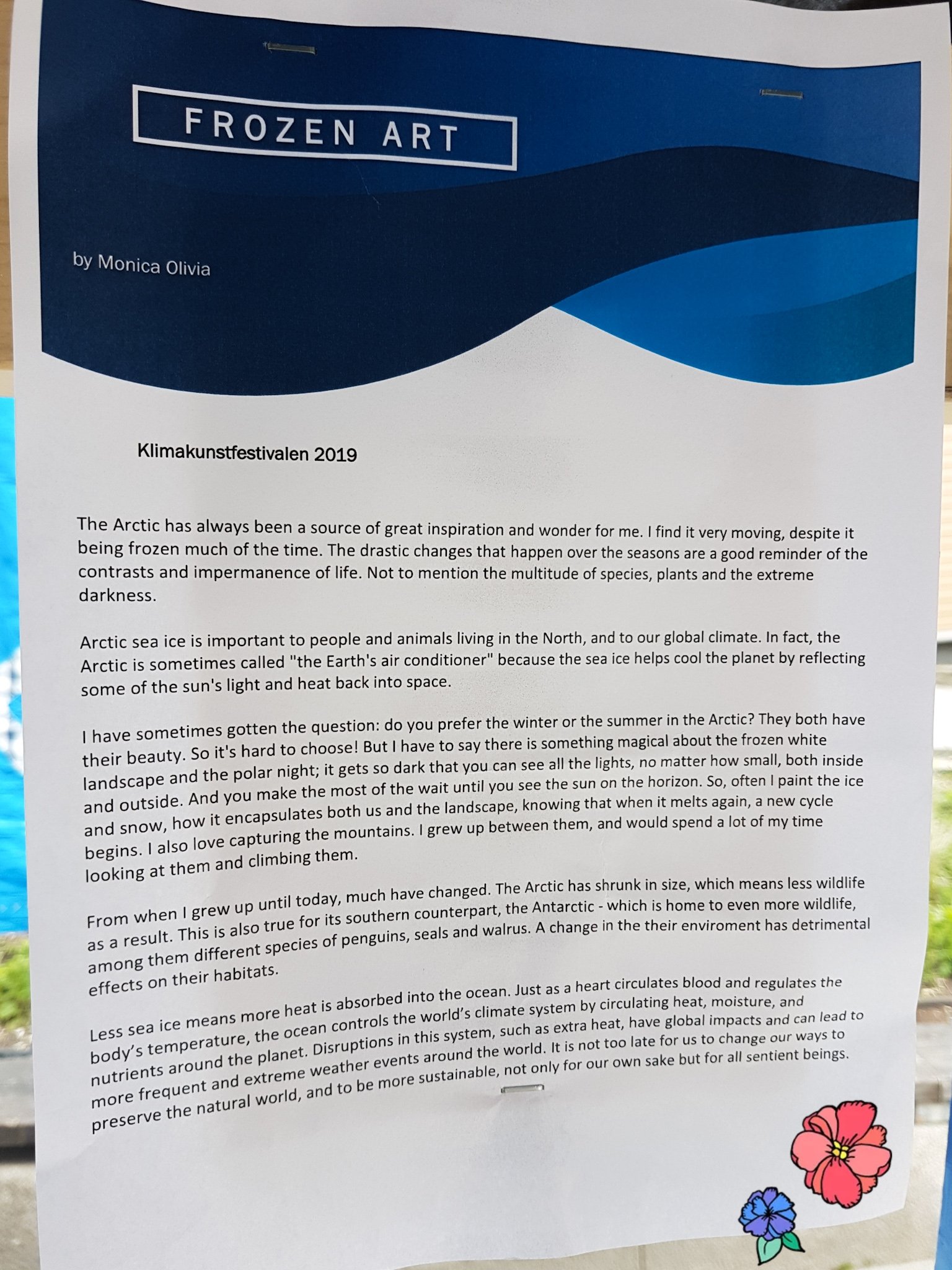
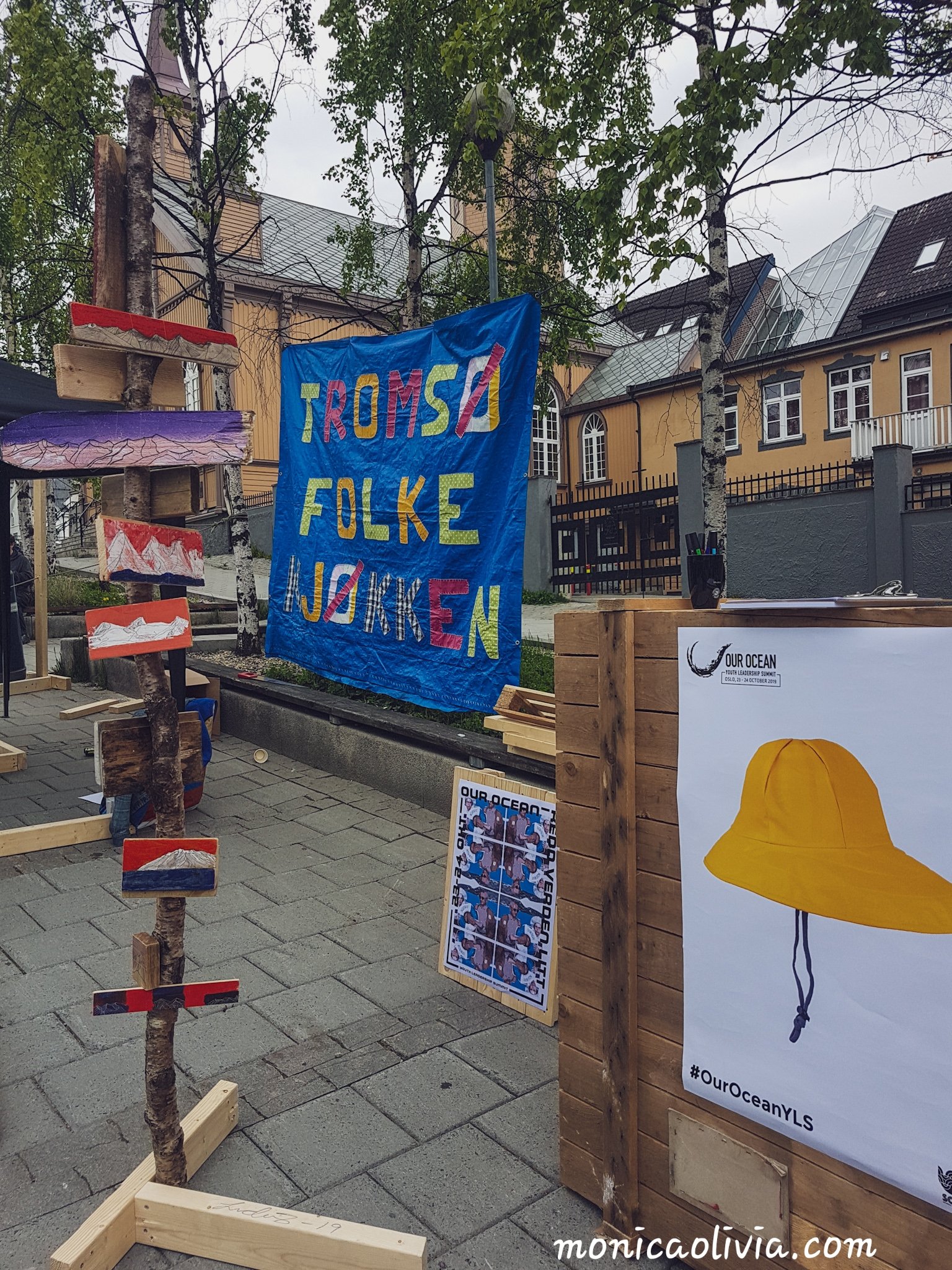
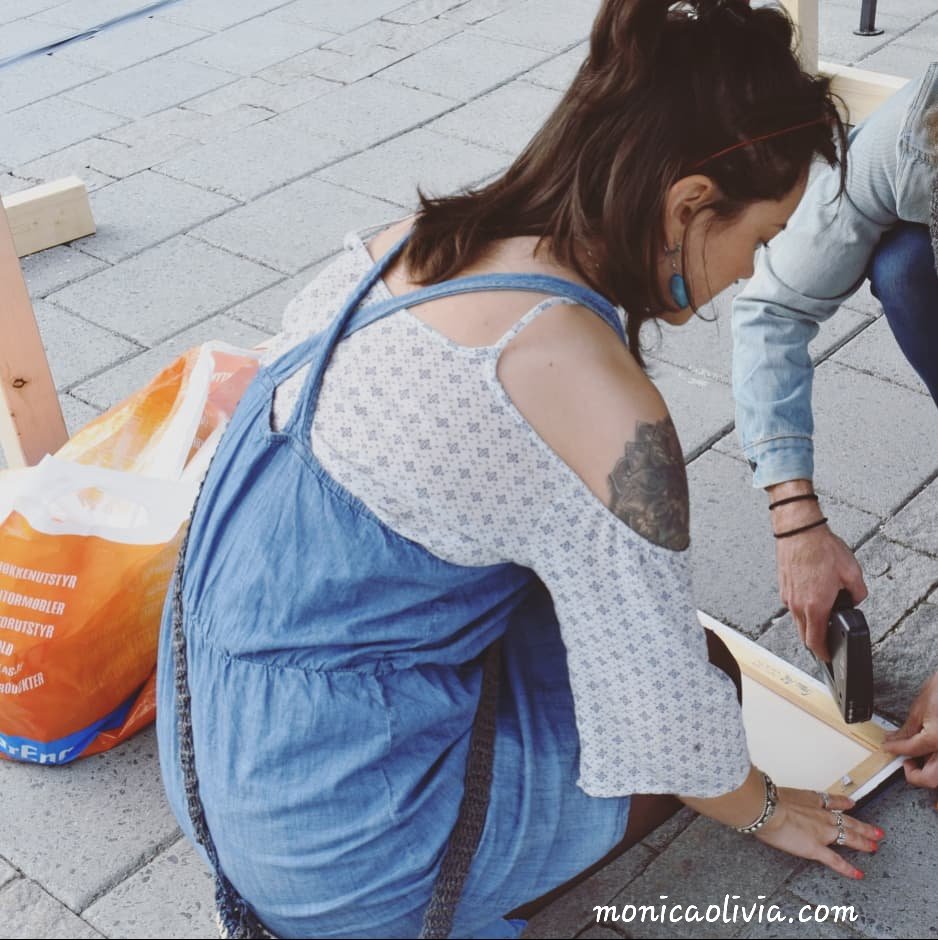
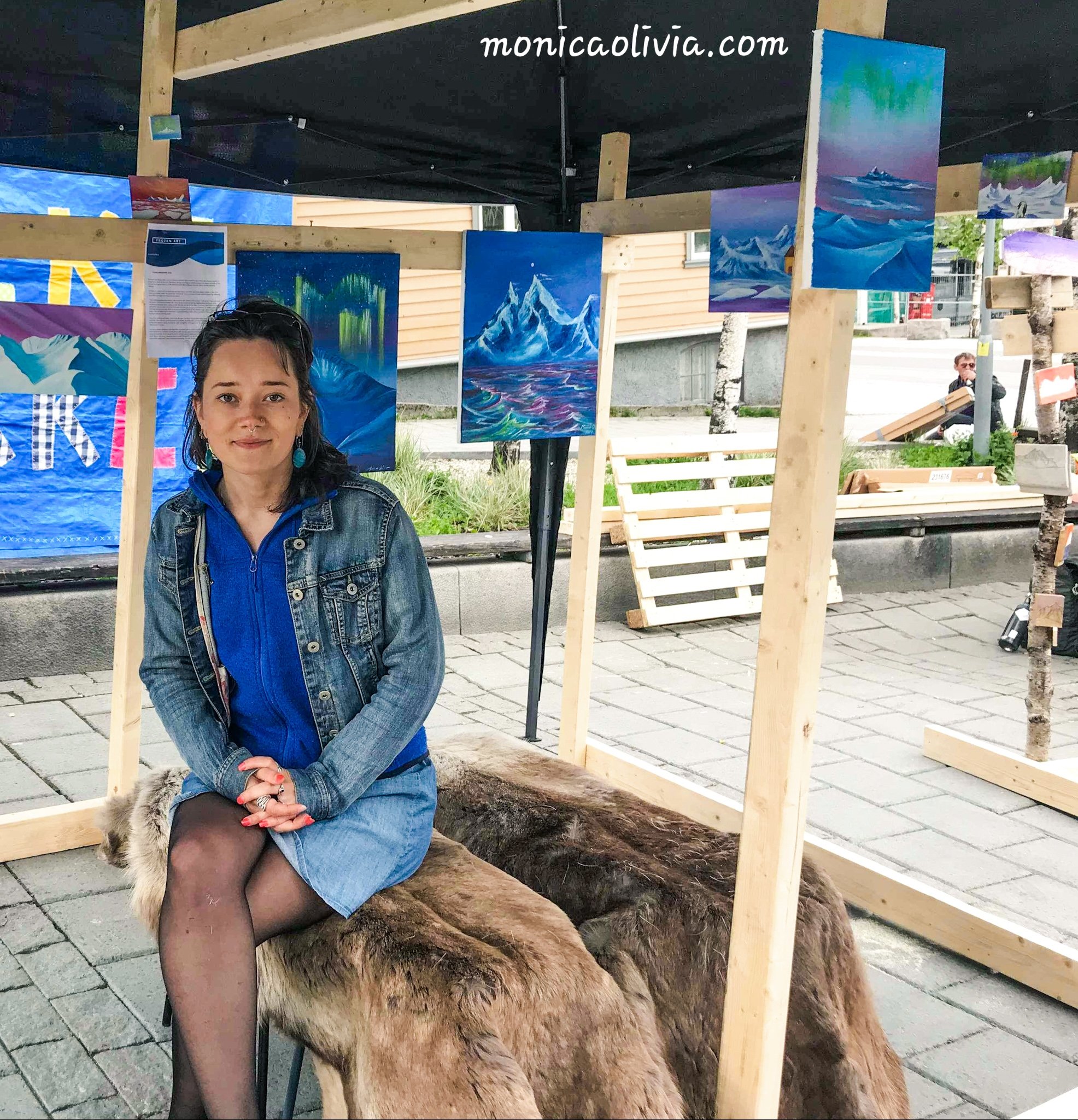
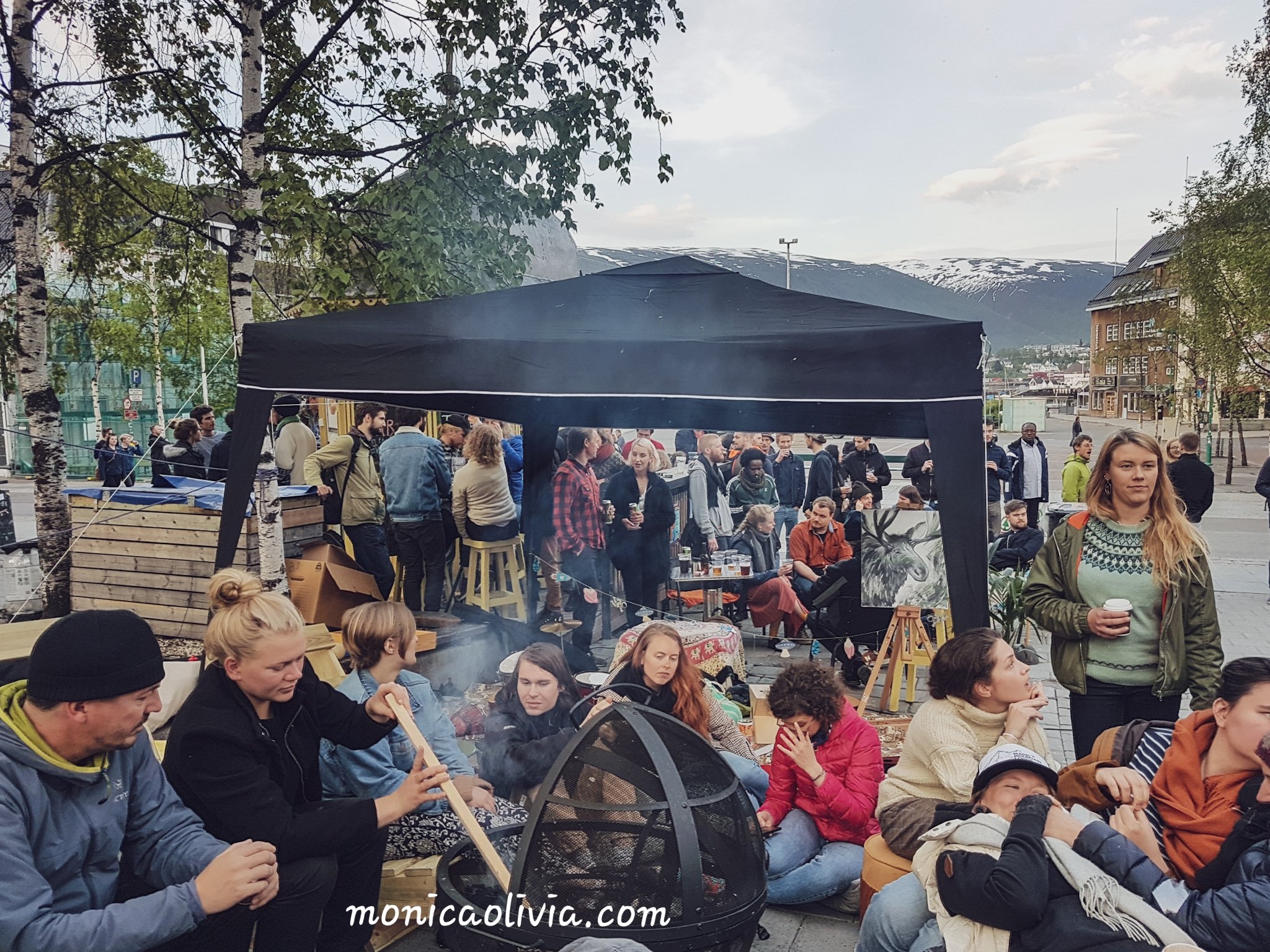


Noen bilder fra en utendørsutstilling jeg hadde på Klimakunstfestivalen i begynnelsen av juni i Tromsø.
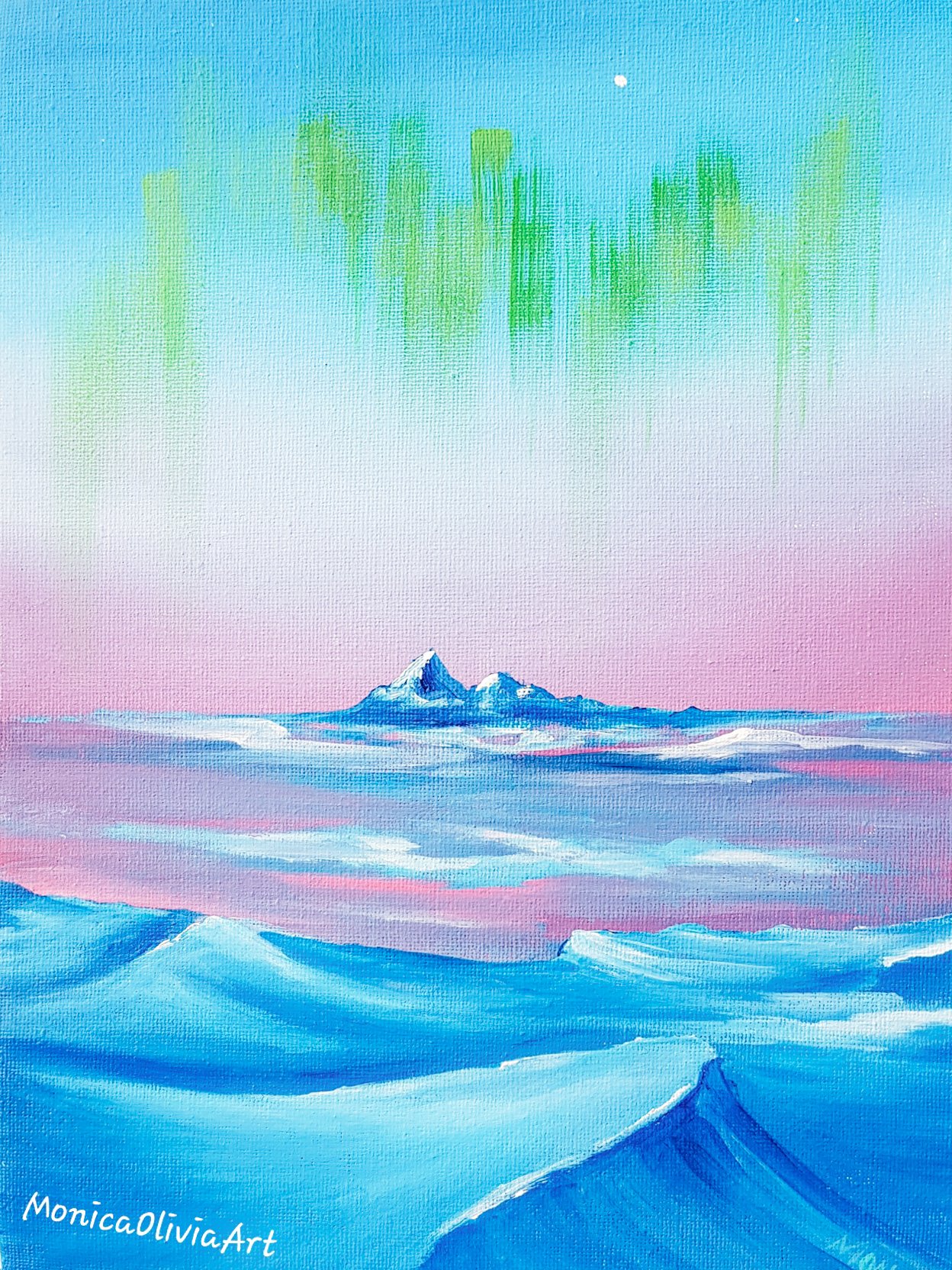

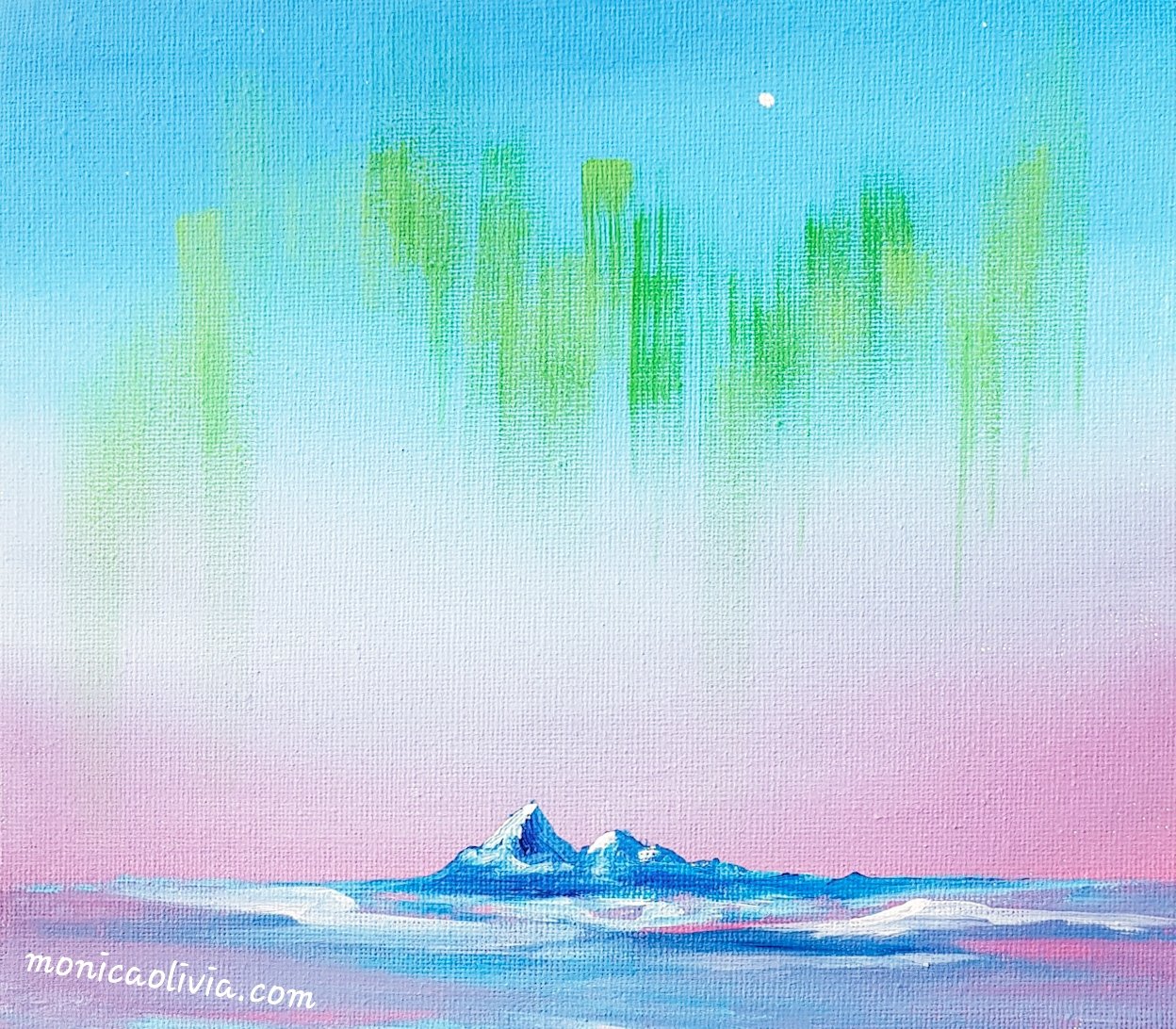


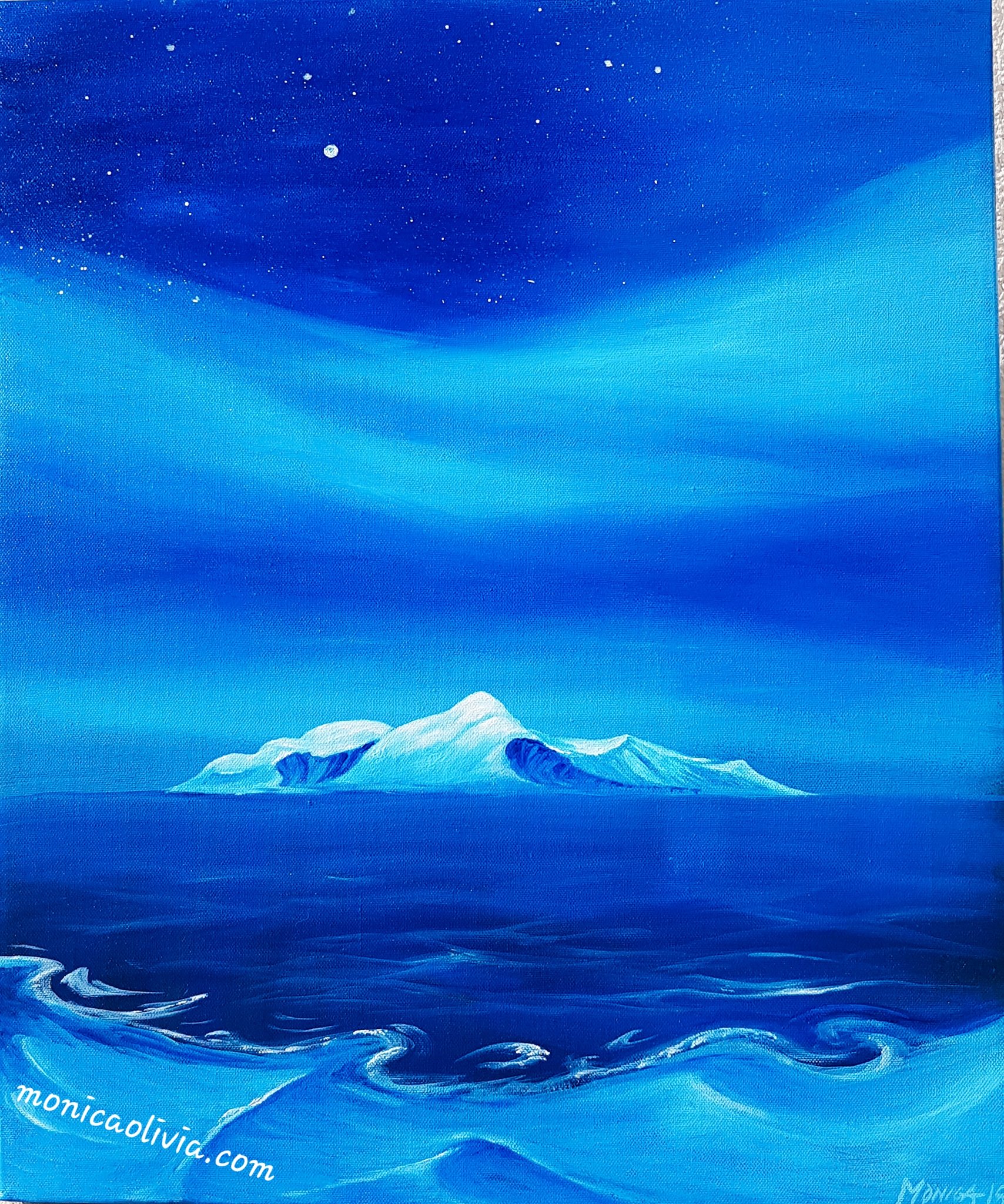
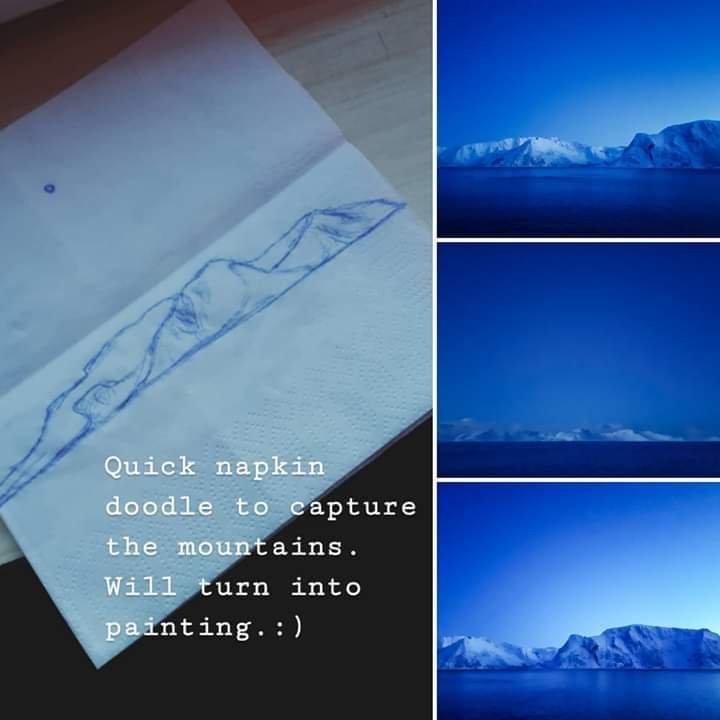
Et av mine nyeste maleri; akryl på lerret, 45 x 55 cm. Inspirert av det kalde arktiske landskapet i januar 😊💙


En enkel d.i.y som jeg ladge for masse år siden; sydde et lite hårtørkle/pannebånd ut av et sjal med fint fargerikt blomstermønster. På midten av båndet er det et lite tøystykke som klemmer det sammen og gir sånn fin fasong. Enkel dobbelknute i nakken ✌ Nå som jeg begynner å få hår igjen (holdt det på 7 mm en god stund), så er det gøy å leke med litt farger, frisyrer og diverse hårpynt. Også må jeg innrømme at min naturlige hårfarge ikke er så verst, er nok ferdig med å farge det.



“Å i Lofoten”, 45 x 55 cm 🌊
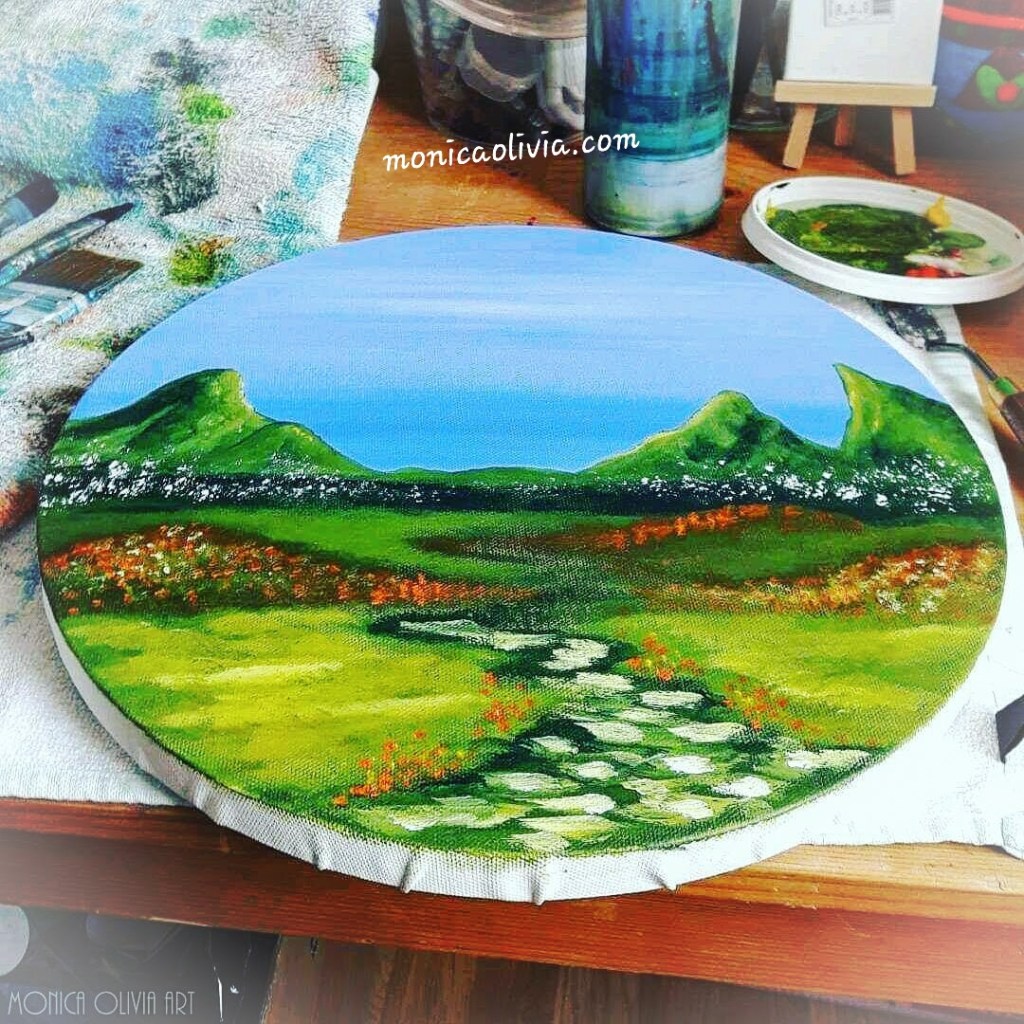
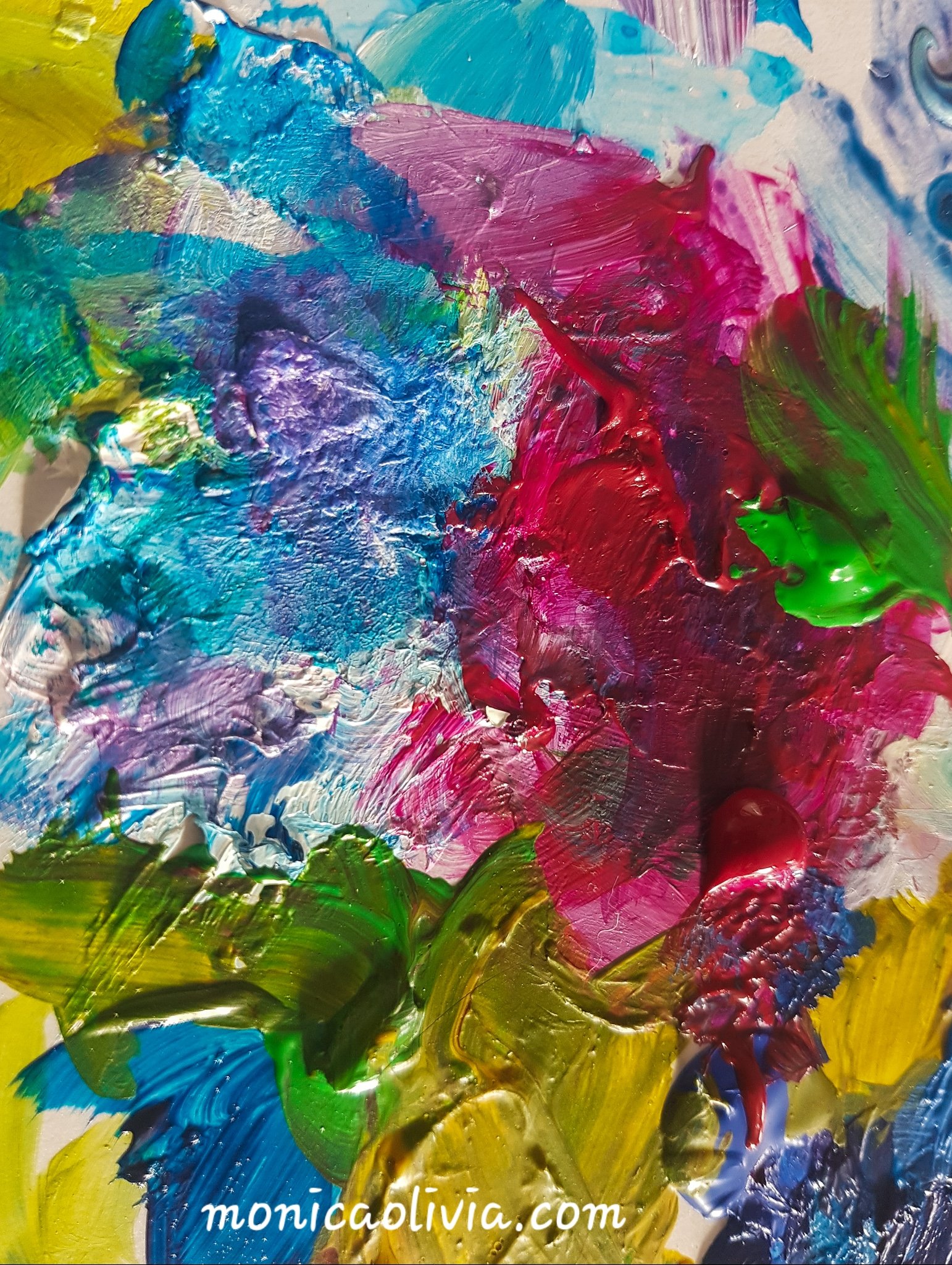
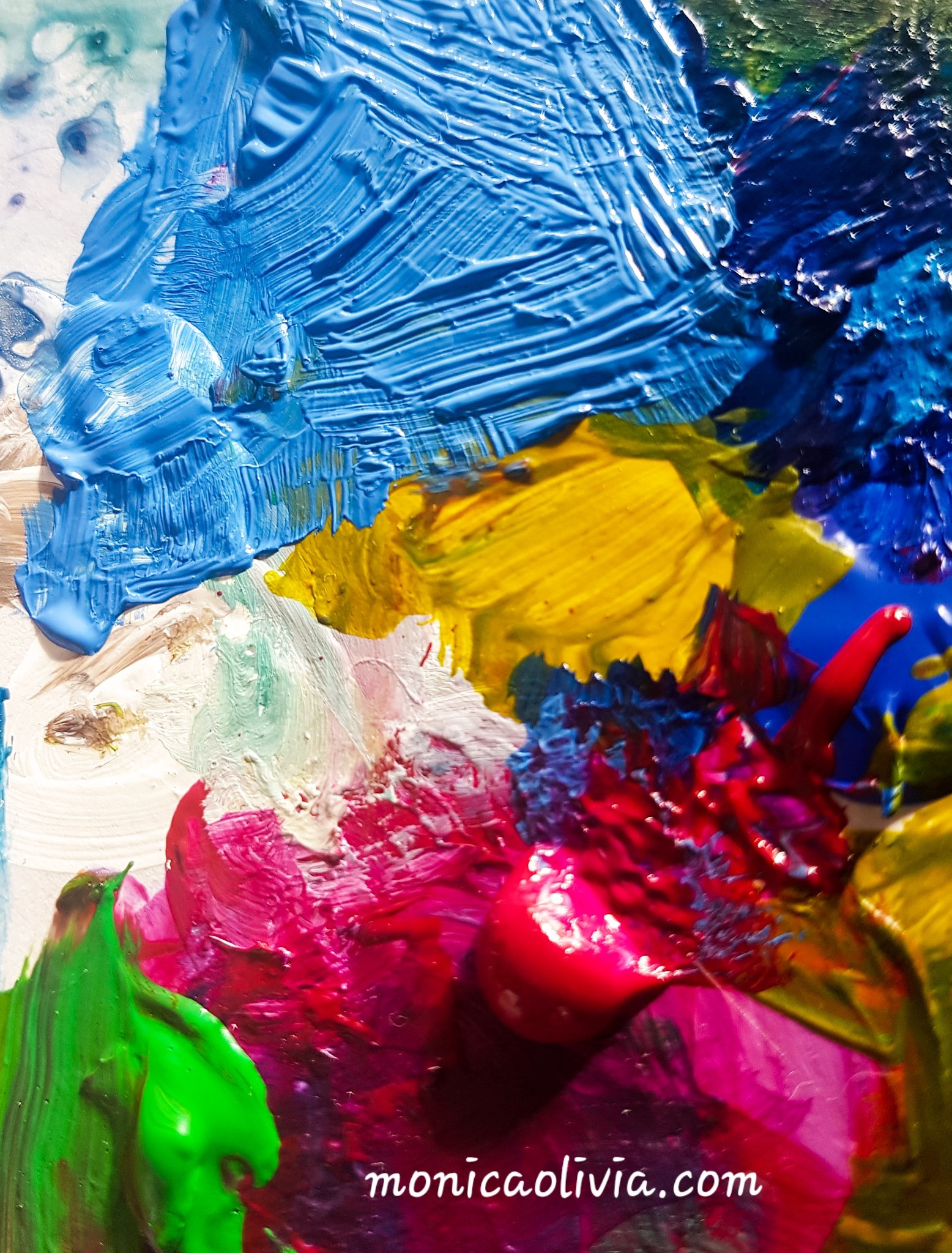
Syns paletten jeg brukte nesten også ble et lite kunstverk 😄🎨


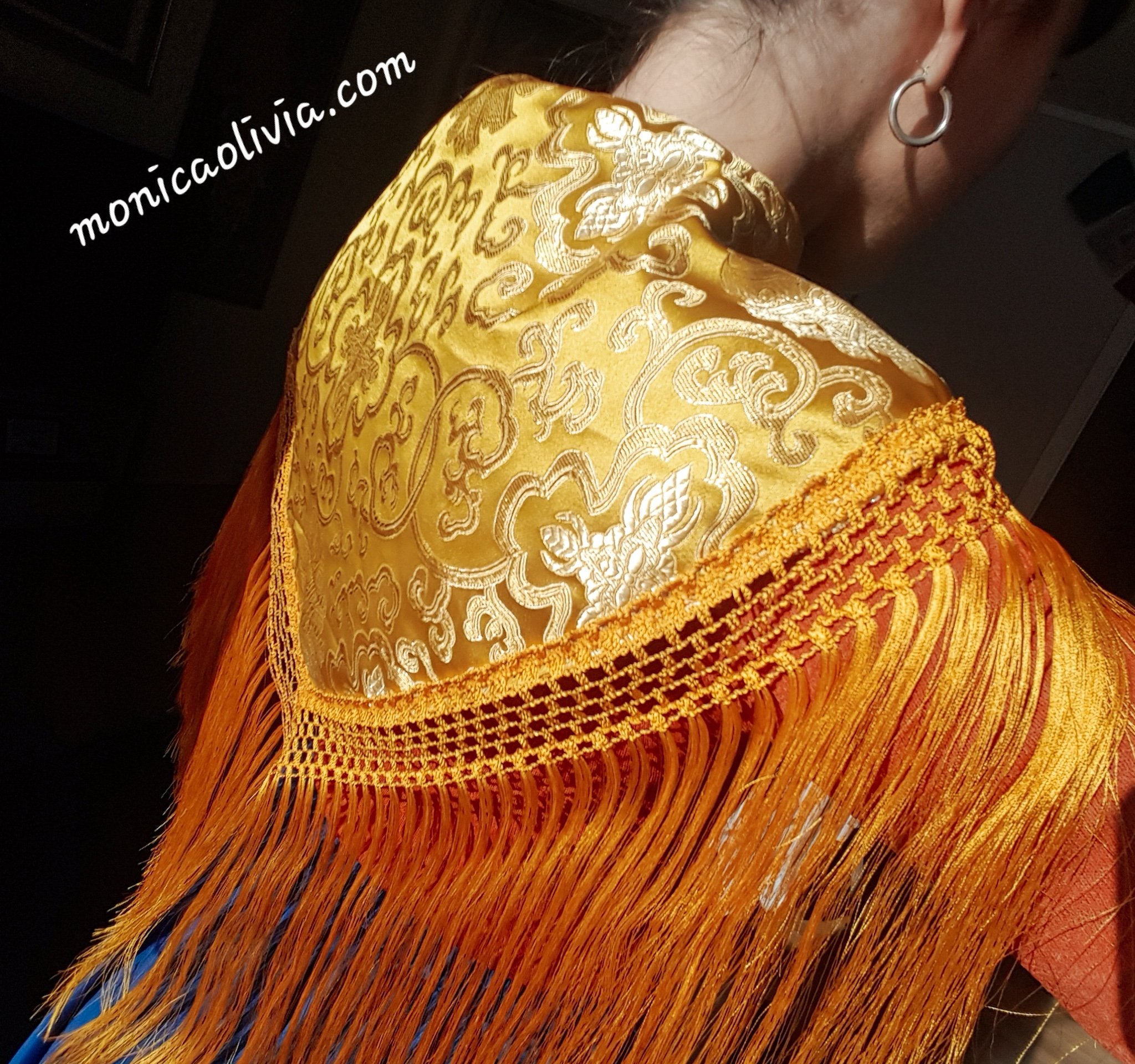

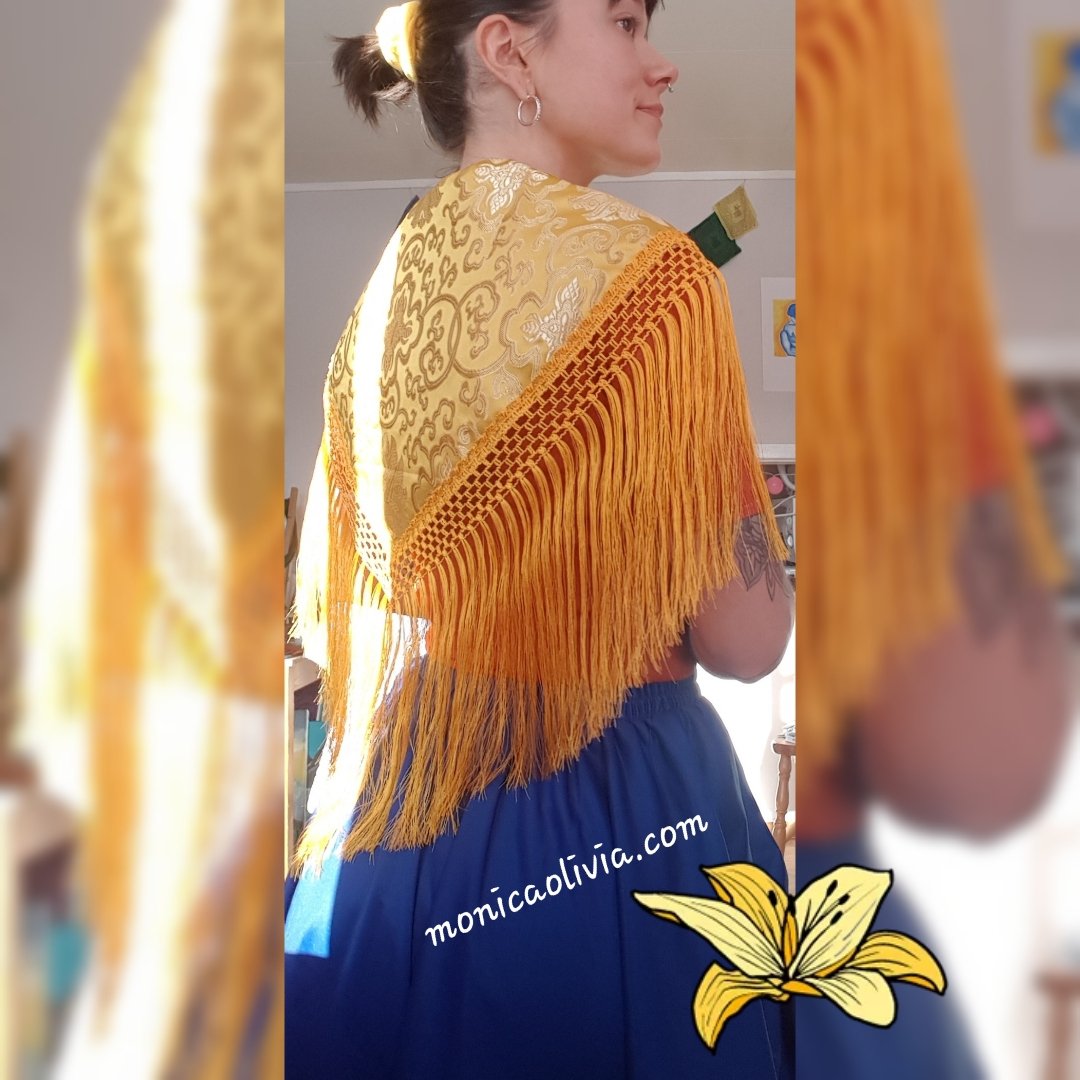


Handmade traditional form fitted sámi silk shawl for my Sea Sámi kofte made with Asian brocade fabric traditionally used in buddhism. Lotus and vajra pattern in yellow and gold 😊 Turned out so nice, very happy with the result, it’s glowing in the sunlight 🙌 My kofte (gákti) is green, which will look amazing with the yellow 💛

The way of yoga and dharma is to become less and less until we are like the wind in the trees or the ripples on the water. In reality only a beautiful movement of love, compassion and joy seeking nothing for itself but serving the world with genuine kindness and generosity. Letting go (awakening) of the ever demanding ego (self identity) is the greatest gift we can bring to our own life and the life of all beings. The less of ‘you’ there is, the happier you will be. What a paradox. Becoming no-one, going no-where. A joyous zero, empty yet fulfilled.


“Du vet når en tulipan henger med huet, og så trøkker man den inn blant de andre for at den skal stå oppreist… Et sånt samfunn vil jeg ha.” 🧡🌷💐
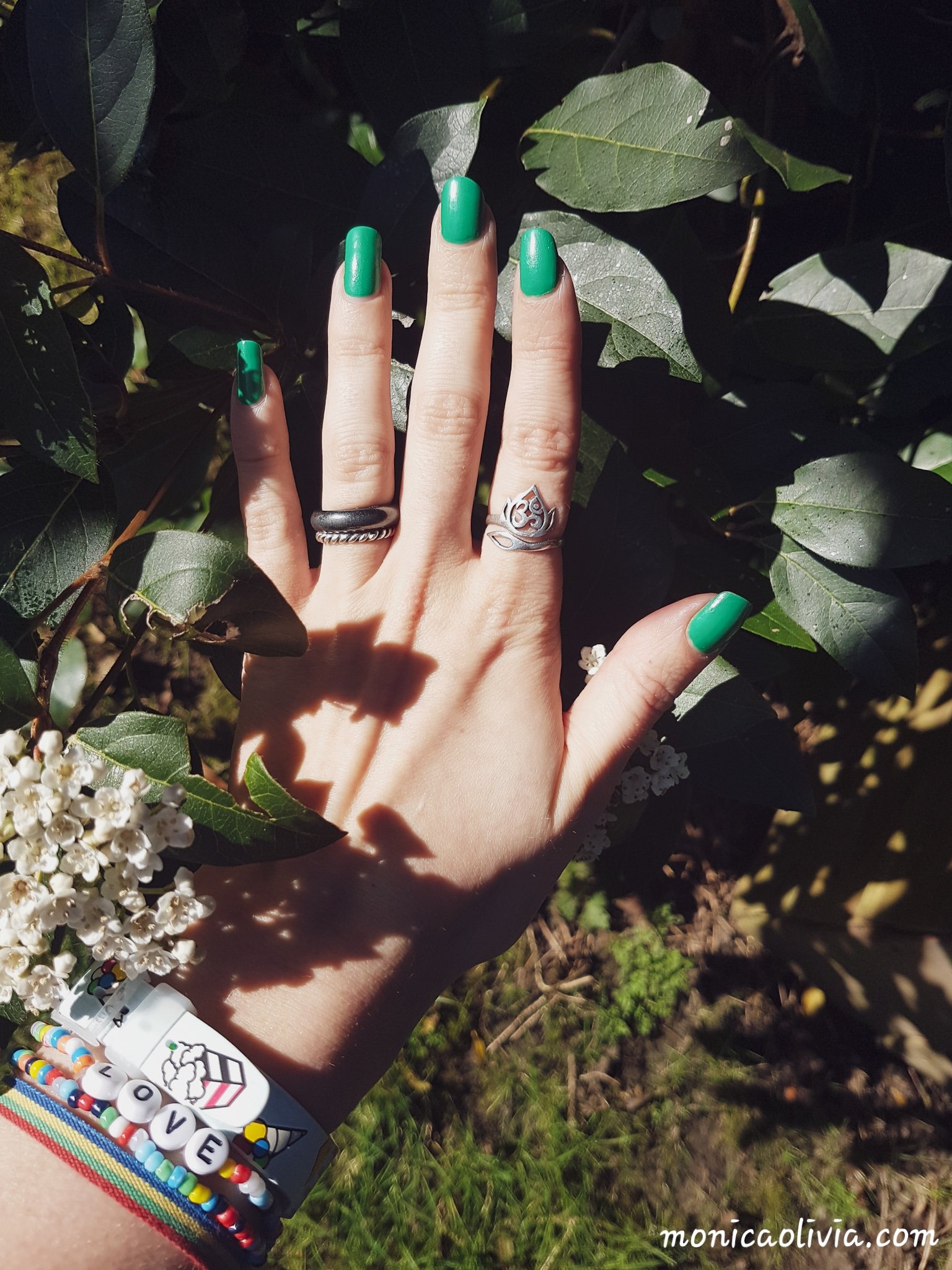
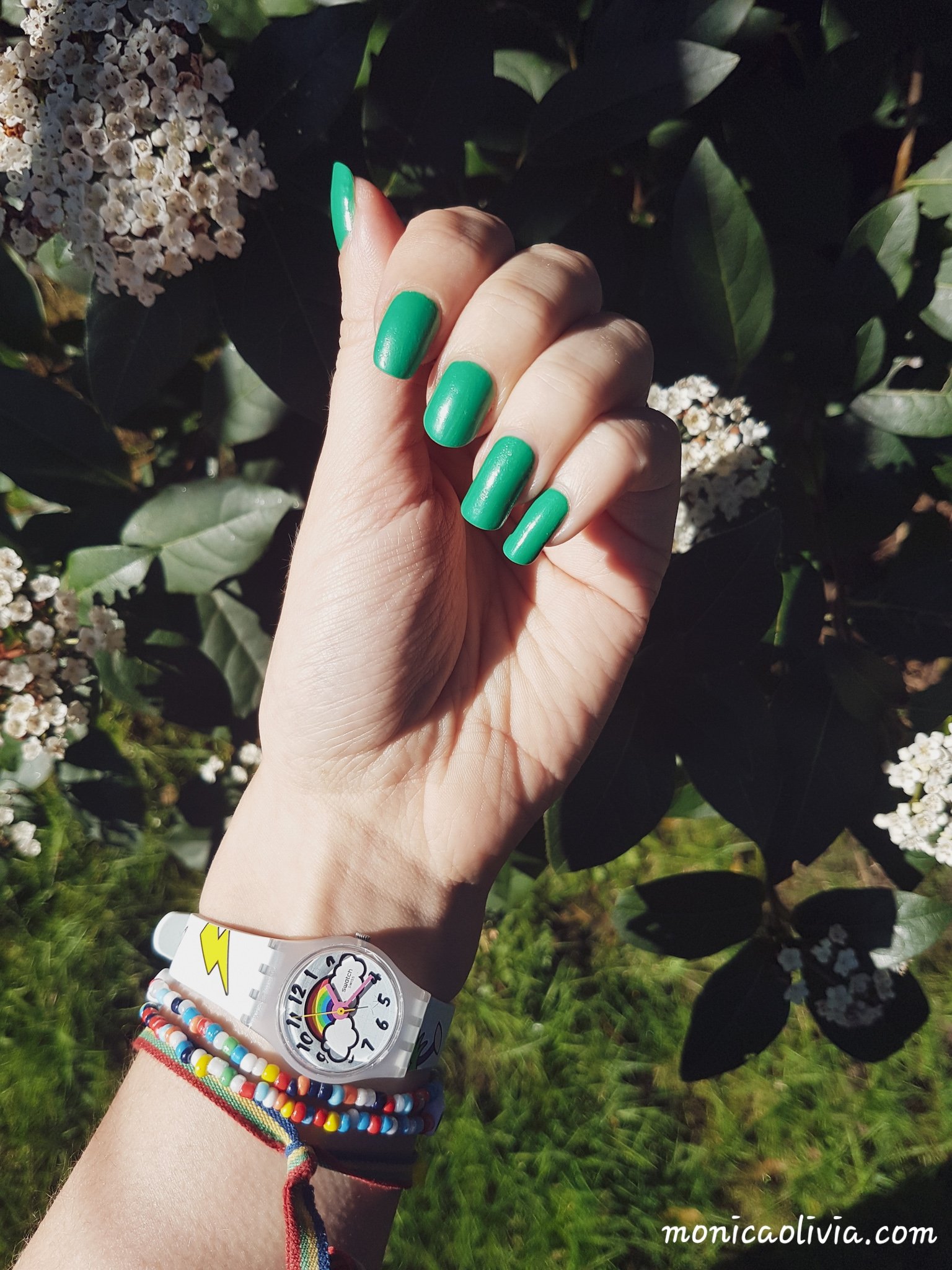
Jeg er nok i overkant glad i å ha lange negler og neglelakk. Idag ble det grønn 💚 Vanligvis klipper jeg de helt ned når jeg driver med klatring, men av og til lar jeg de vokse ut 😊

When one looks toward one’s own mind –
The root of all phenomena –
There is nothing but vivid emptiness,
Nothing concrete there to be taken as real.
It is present and transparent, utter openness,
Without outside, without inside –
An all pervasiveness
Without boundary and without direction.
The wide-open expanse of the view,
The true condition of the mind,
Is like the sky, like space:
Without center, without edge, without goal.
By leaving whatever i experience
Relaxed in ease, just as it is,
I have arrived at the vast plain
That is the absolute expanse.
Dissolving into the expanse of emptiness
That has no limits and no boundary,
Everything i see, everything i hear,
My own mind, and the sky all merge.
– Shabkar





Some phone photos with simple edit 💚

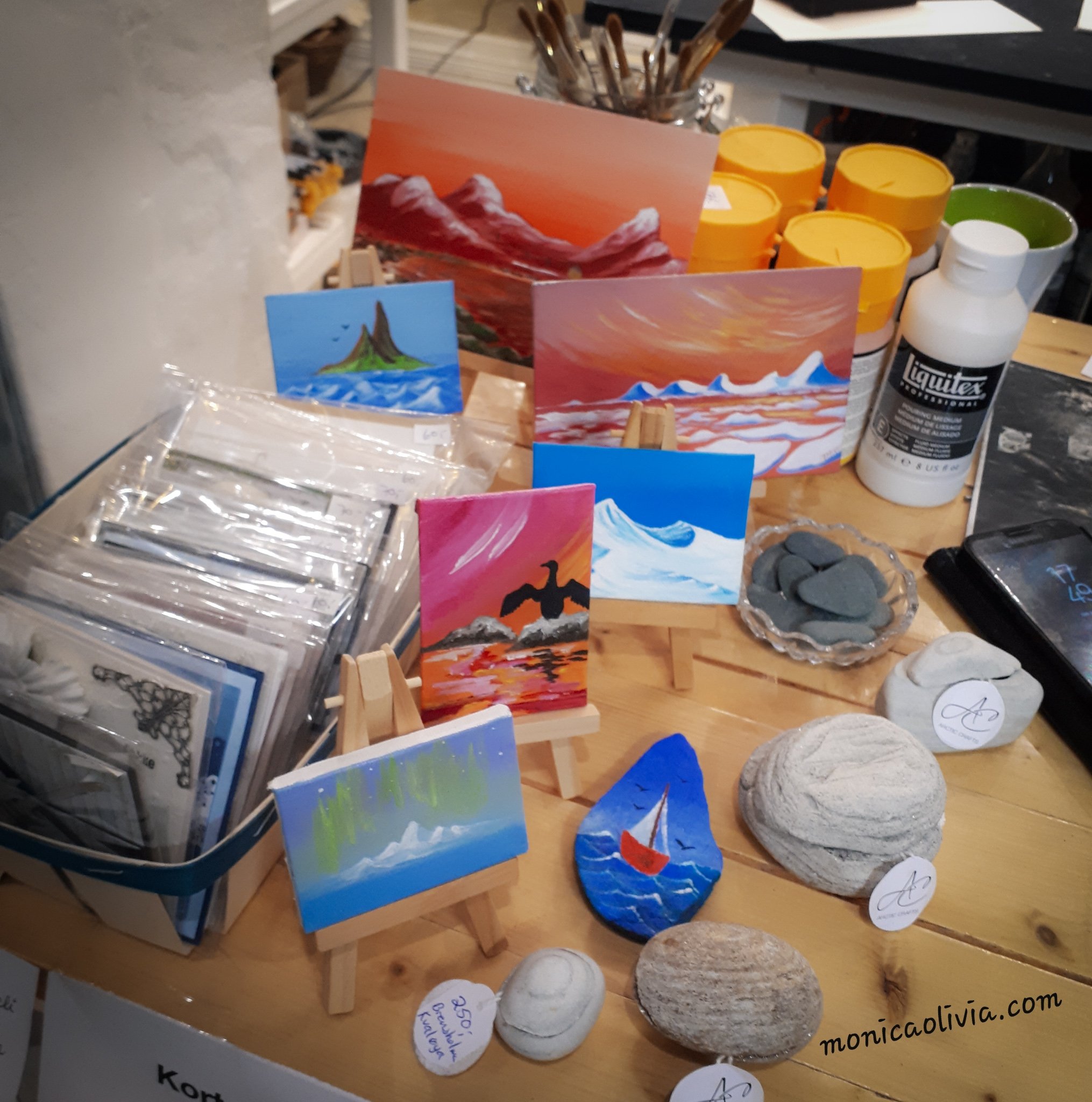

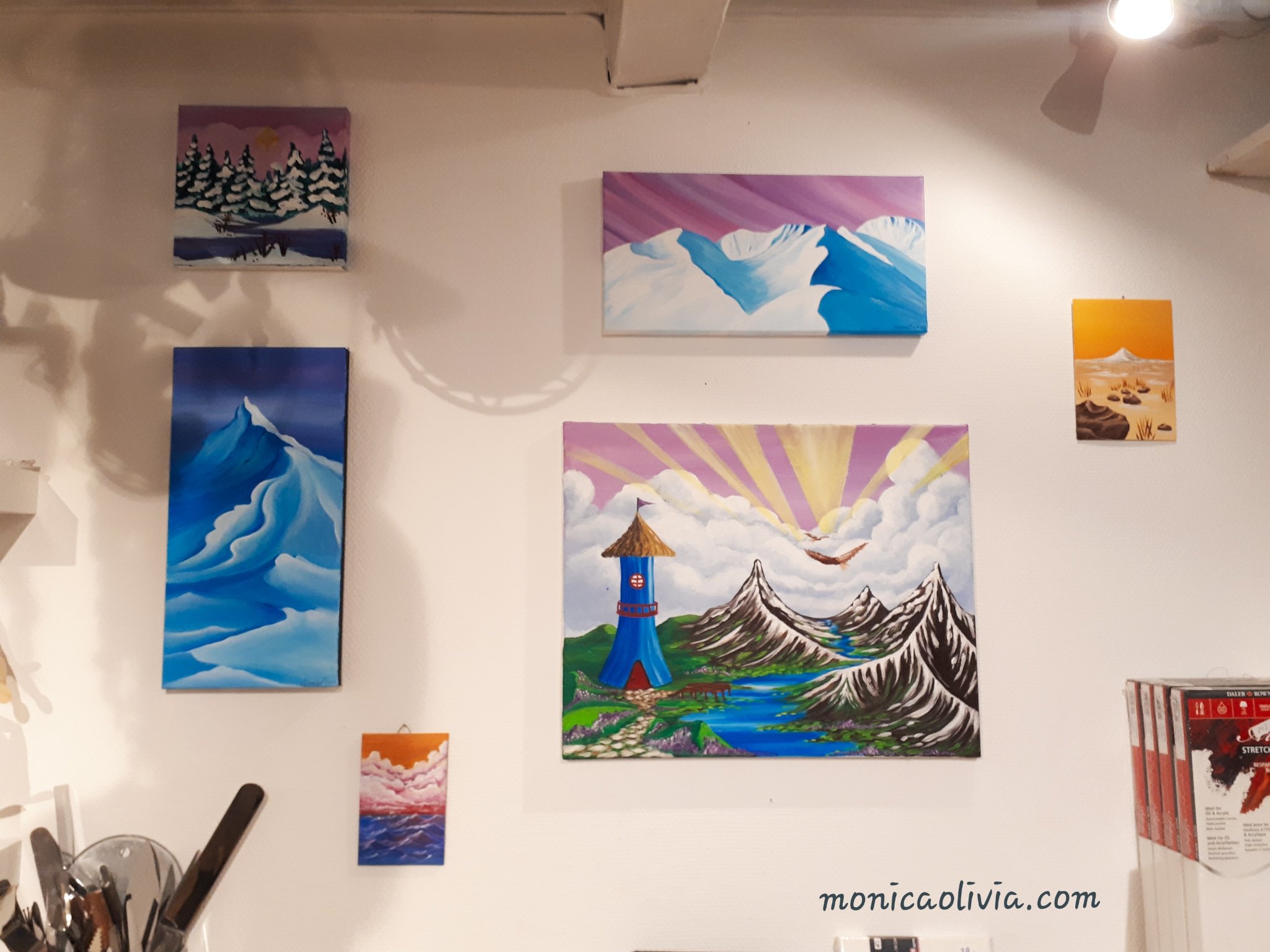
I hele desember og januar har jeg utstilling på Seven Design Ateliér i Tromsø. Sykt gøy å få noen av mine verk opp på veggen!


Acrylic on canvas, 12 x 17 🧡 “Der borte” (“Over there”)
“There is a pleasure in the pathless woods,
There is a rapture on the lonely shore,
There is society where none intrudes,
By the deep sea,
and music in its roar:
I love not man the less, but nature more.”

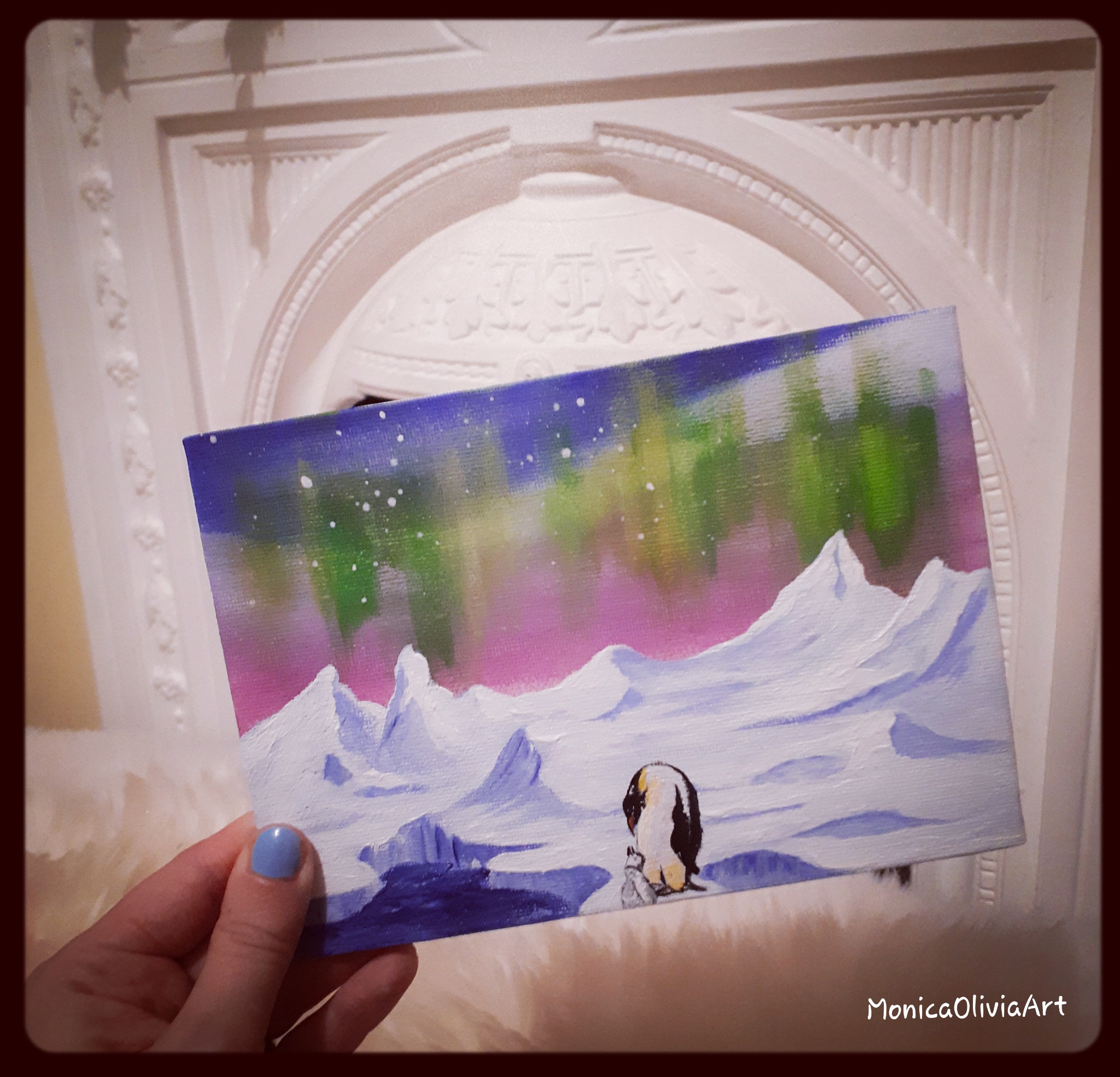
To nye maleri, begge med dyremotiv.
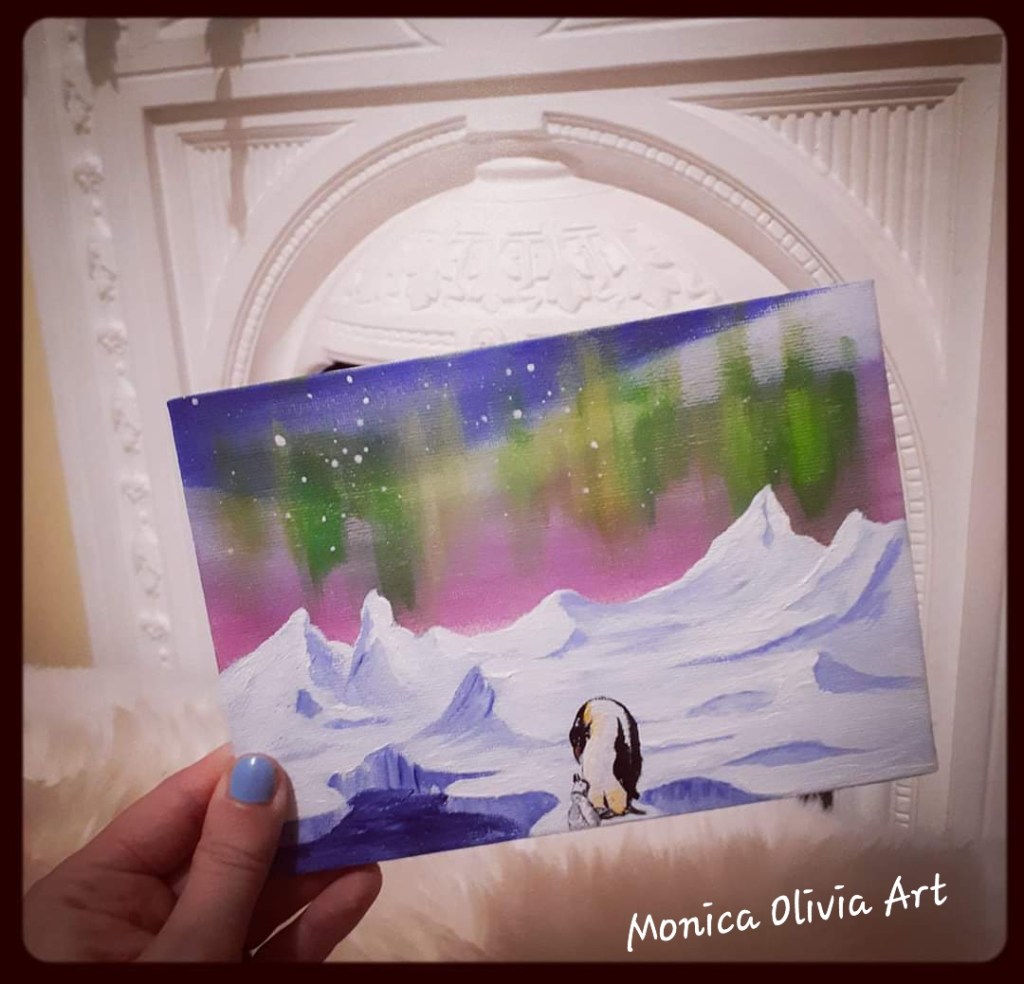
Pingvin er helt klart favorittdyret og har tenkt lenge på å male det. Første foesøk på å male en keiserpingvin som mater sin lille pingvinbaby! Fornøyd 😊🐧 (Akrylmaling, 12 x 17 cm)
Bildet øverst var noe helt uti fra min egen fantasi, ble litt drømmeaktig, syns jeg. Liker veldig godt kombinasjonen grønn og rosa. Akryl på A4 linpapir.
Before even starting this list, I know this is going to be a long post. I will not be able to choose just one artwork by each artist, and I want to write what exactly it is about their work which speaks to me and inspires me. Just googling and looking through their work and studying their techniques instantly sparks motivation and awe in me. I do have more than 10 favourites by the way, but let’s not go too crazy!
Here are the artists:
Nicholas Roerich
Thomas Cole
K. Hokusai
John Savio
Eva Harr
Robert Gonsalves
Theodor Kittelsen
The Brothers Hildebrandt
Phil Couture
Let’s begin!
Nicholas Roerich
The list is sort of random, except for the one on top. Nicholas Roerich’s artworks are truly some of the best I’ve seen, not only in style and composition but also in the message they convey: often spiritual, mystical and religious themes combined with amazing landscapes and colour combinations.
Short trivia: Roerich (1874-1947) was a Russian painter, philospher and archeaologist. Founder of Agni Yoga or Living Ethics/Teaching of Life with his wife, Helena. He did a five year long ‘expedition’ to Asia, which in his own words were: “from Sikkim through Punjab, Kashmir, Ladakh, the Karakoram Mountains, Khotan, Kashgar, Qara Shar, Urumchi, Irtysh, the Altai Mountains, the Oyrot region of Mongolia, the Central Gobi, Kansu, Tsaidam, and Tibet”, which immensely influenced his works.
During his life, he lived both in Russia, Finland, England, India and USA.
Besides the recognition as one of the greatest Russian painters, Roerich’s most notable achievement during his lifetime was the Roerich Pact (the Treaty on the Protection of Artistic and Scientific Institutions and Historic Monuments) signed April 1935 by the representatives of American states in the Oval Office of the White House. It was the first international treaty signed in the Oval Office.
There is a museum in New York displaying 150 of his works- which I would love to visit 🙂
Fun fact: The minor planet 4426 Roerich in the Solar System was named in honor of Nicholas Roerich.
Here are some of his best works, in my opinion (Sources: Google and the Roerich museum website)

“On the heights, (Tummo)”, 1936 – As a breathing exercise, tummo (Candali in Sanskrit) is a part of tantric practice. Tummo literally means “brave female” or “inner fire” in Tibetan.

(Could not find the title for these, but I find them lovely)
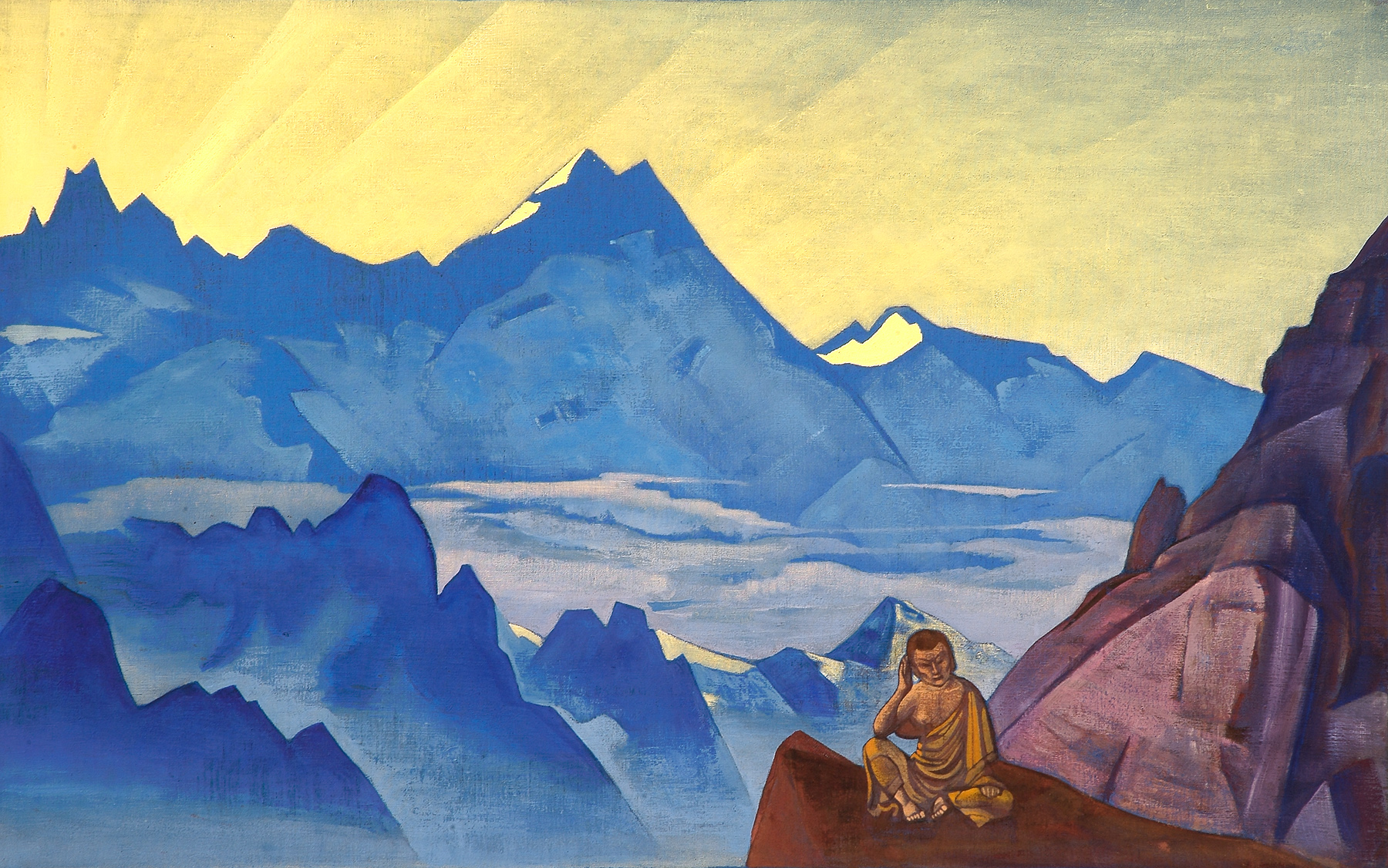
“Milarepa – the one who harkened”, 1925 – the first painting I saw of Roerich and fell in love with.
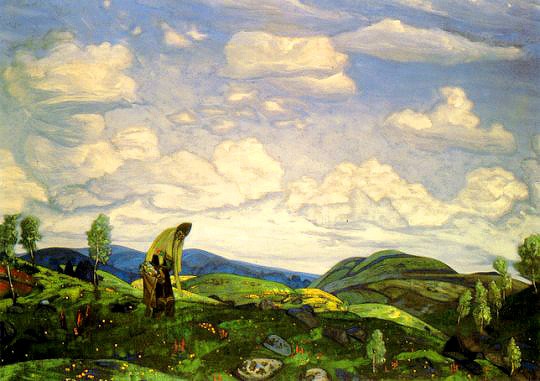
“St. Panteleimon the Healer”, 1916

(Could not find the title for this one either)

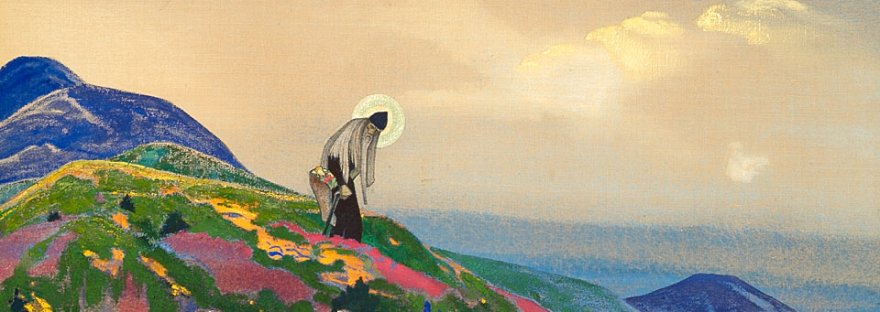
“Padmasambhava”, 1924 – I particularly like this one because of the colours, but also how Padmasambhava (aka The Lotus Born, Guru Rinpoche) sort of sits leaning over a little mountain top looking over the meditating monk in a caring way, probably giving him some blessing, transmission or terma (secret teaching). I would love to have this on my wall.
Thomas Cole
As you can probably guess, my favourite kind of art is landscapes; mountains and rivers, skies and horizons. Thomas Cole’s work is very realistic and typical for the romantic era, but also carries a sort of spiritual vibe to them as he often implemented celestial beings, such as angels. He is exceptionally good at perspective and composition, as you can see in the works below – and the details are amazing.
Short trivia: Thomas Cole (1801-1811) was born in England, but moved to the United states when he was 17 with his family. He is known for his amazing landscape paintings of the American wilderness, and was mostly self taught, studying other artists’ work and reading books.
In 1842, Cole embarked on a grand tour of Europe in an effort to study in the style of the Old Masters and to paint its scenery. Most striking to Cole was Europe’s tallest active volcano, Mount Etna. Cole was so moved by the volcano’s beauty that he produced several sketches and at least six paintings of it.
Fun fact: The fourth highest peak in the Catskills (where he and his wife lived) is named Thomas Cole Mountain in his honor.
I struggled choosing a limited amount of Cole’s paintings because he has so many good ones. I chose four of the absolute best ones, in my opinion, where the two first ones are part of a four series of paintings called The Ages of Life.
(Sources: google and Wikipedia)


Amid those scenes of solitude… the mind is cast into the contemplation of eternal things.
Thomas cole
Katsushika Hokusai
I love Japanese art. Although kind of typical Japanese in style, Hokusai still has his own expression, and I like the use of so many colours. He also has a lot of movement in his works, making them come alive. Just look at that wave 🙂
Short trivia: Hokusai (approx. 1760-1849), was a Japanese painter and woodblock print maker.
Hokusai had a long career, but he produced most of his important work after age 60 (!) His most popular work is the ukiyo-e series Thirty-six Views of Mount Fuji, which was created between 1826 and 1833. It consists of 46 prints.
Hokusai was never in one place for long. He found cleaning distasteful, and instead, he allowed dirt and grime to build up in his studio until the place became unbearable and then simply moved out. The artist changed residences over 90 times throughout his life.
During a Tokyo festival in 1804, he created a portrait of the Buddhist priest Daruma said to be 600 feet (180 m) long using a broom and buckets full of ink. Another story places him in the court of the Shogun Iyenari, invited there to compete with another artist who practiced more traditional brush stroke painting. Hokusai’s painting, created in front of the Shogun, consisted of painting a blue curve on paper, then chasing a chicken across it whose feet had been dipped in red paint. He described the painting to the Shogun as a landscape showing the Tatsuta River with red maple leaves floating in it, winning the competition.
The artist also had difficulty settling on a single moniker. Although changing one’s name was customary among Japanese artists at this time, Hokusai took the practice even further with a new artist name roughly each decade. Together with his numerous informal pseudonyms, the printmaker claimed more than 30 names in total (!)
His tombstone bears his final name, Gakyo Rojin Manji, which translates to “Old Man Mad about Painting.”
Fun fact: Claude Monet acquired 23 of the Japanese artist’s prints.
(Sources: katsushikahokusai.org, artsy.net, google and wikipedia)


John Savio
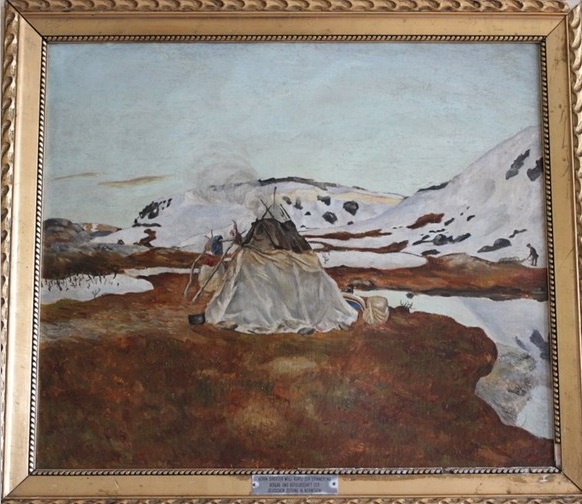
The only Sámi artist on my list, and the best one 🙂 I snuck him on there despite him not mainly being a painter, but also doing lithography. This summer, I went to see his original artworks at the Savio museum in Kirkenes, my mother’s hometown – half of my roots. Most of his art has Arctic inspired themes; reindeers, the Sámi peoples way of life, and the tundra (vidda). He has captured a life frozen in time that no longer exists, but is still somehow in me.
Short trivia: John Andreas Savio (1902-1938) from Bugøyfjord, was the first sámi artist to get his own exhibition at the National Gallery (Norway). He also exhibited some of his works in Paris in 1937.
Savio grew up as an orphan and died at age 36. He was poor most of his life and used to go door to door, trying to sell his art.



Eva Harr
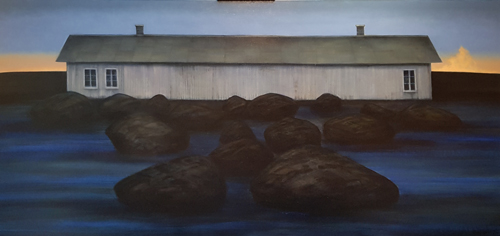
I was lucky enough to visit Eva Harr’s gallery in Reine, Lofoten this autumn, and got to see her original works up close. Her style is realistic combined with a fiction-like feeling; it could be a real place she has painted, but it could also be a made-up dreamy landscape. She’s good at combining elements, such as rocks, and I like how she is able to make many of her paintings look hazy.
Short trivia: Harr (1951) is a Norwegian painter, born in Harstad. She has her own gallery as mentioned, and many of her works are displayed in other museums around Norway. Her own words about her art:
from her own website, evaharr.no
“Jeg har en meditativ holdning til mitt arbeide, der naturens syklus alltid står i fokus. Døgnets ulike stemninger, lyset og mørket, nattens begynnelse og slutt – og ikke minst månen med sin mektige symbolikk og innvirkning på våre liv. Symbolene jeg finner i naturen er ofte universelle og sterkt ladet. Dette velger jeg å utforske og fordype meg i. Mitt landskap er et indre landskap, og er metafor på mine indre reiser. Jeg vil speile naturen, og dens viktige plass i våre liv. Jeg blir berørt av dette uforutsigbare som preger vår tid, uro og støy som truer vår natur. Dette preger mitt blikk, og er underliggende i mitt valg av motiv. Samtidig ser jeg klart at lysets skiftninger og landskapet i nord, er en veldig viktig inspirasjonskilde.”
Some of her amazing works (Sources: google and her website)


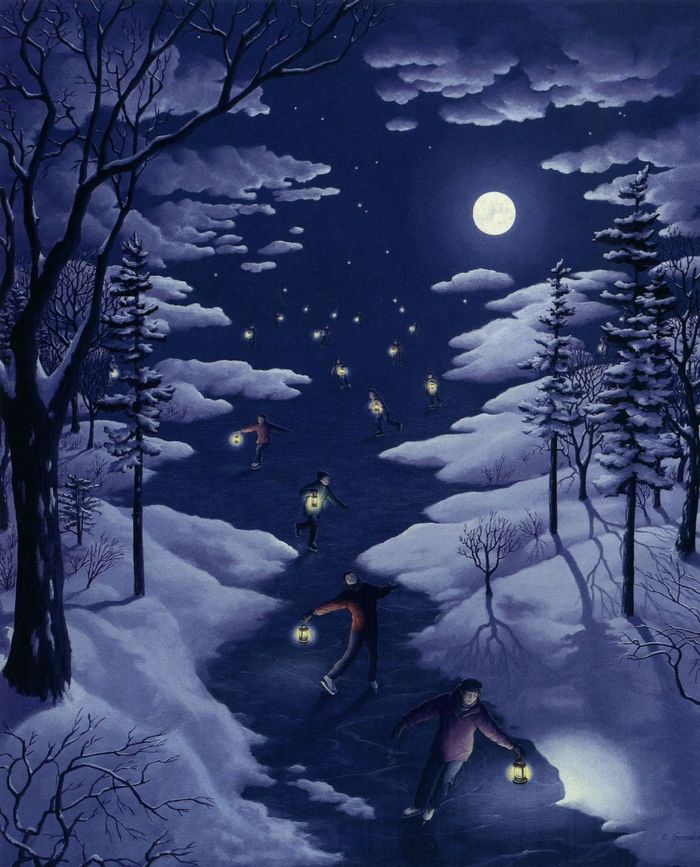
Rob Gonsalves
Four years ago, I came across one of Gonsalves’ paintings (the first one below) and it reminded me of a meditation experience I had had. So I checked out more of his works, and found so many more that I liked. Style: surrealism (or magic realism) and optical illusions.
Short trivia: Rob Gonsalves (1959-2017), also known as The Master of illusion, was a architect and painter from Ontario, Canada. His works were very much influenced by other surrealist artists, such as Dalí and Escher. He also published several books containing his works. Sadly, Gonsalves took his own life last year. Check out this webpage if you want to see more of his mindbending artworks.
(Sources: wikipedia and google)



Theodor Kittelsen
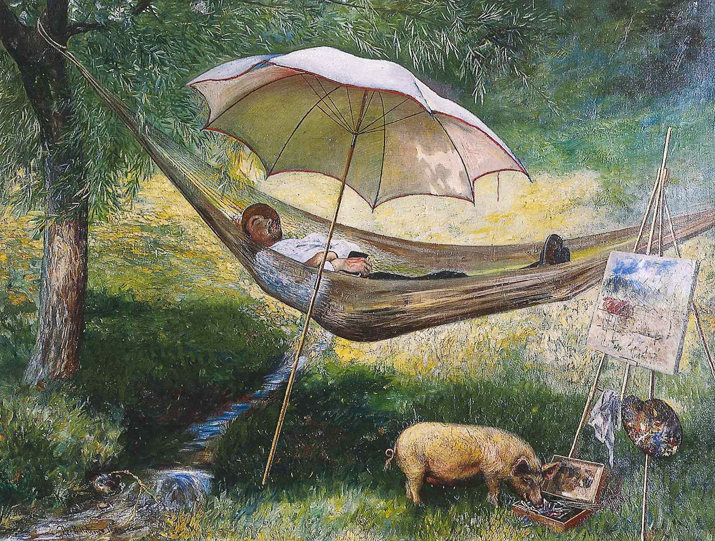
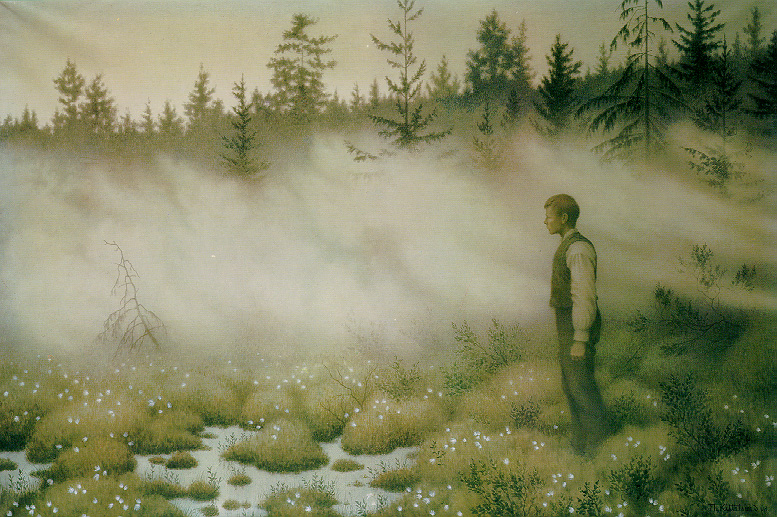
One of the most famous and beloved artists in Norway. You have probably seen his works even if you don’t know it. His art reminds me of childhood, as he made illustrations to many of the big Norwegian fairytales, lores and legends. I wish I had more of Kittelsen’s art, but I have been so fortunate to get my hands on five vintage porcelain plates (for hanging on the wall) with his drawings on them, and one giclée print of “White Bear King Valemon”.
Short trivia: Theodor Severin Kittelsen (1857-1914) was a Norwegian illustrator and painter born in Kragerø. He has also written and published several poems. He came from a poor family with seven siblings, and his father died when Theodor was only 11 years old. This forced him to get out and get a job as an apprentice, which inevitably lead him to meet art historian Diderich Aall, who saw how gifted the boy was. Aall decided to pay for his art education.
In 1874, 17 years old, Kittelsen attended Wilhelm von Hannos drawing school in Christiania (now Oslo). In 1876, he travelled to München, to study at the royal art academy there.
Kittelsen’s depiction of trolls have largely shaped how people see these beloved fictional creatures.
His family’s home at Lauvlia is today a museum. Some of his most popular works were made here. His wife Inga was a stay-at-home teacher for their nine children and she organised his exhibitions.
Th. Kittelsen also composed an eerie book with illustrations about the Black Death.
Despite being very talented, Kittelsen never achieved financial security through his works.
Fun Fact: The Norwegian black metal band Burzum have used Kittelsen’s drawings for their albums Hvis lyset tar oss and Filosofem.
(Sources: wikipedia, google and theodorkittelsen.no)




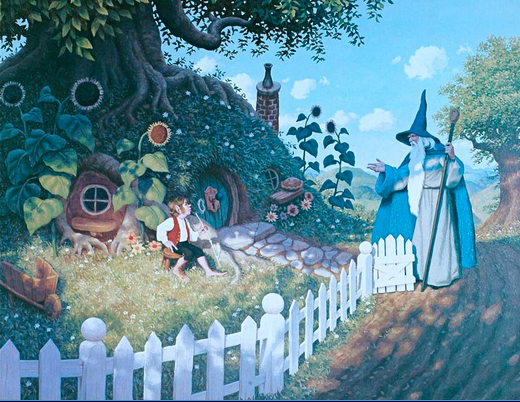
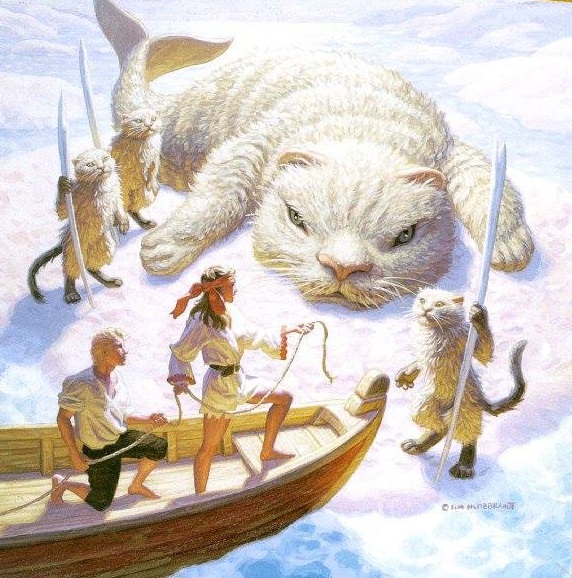
The Brothers Hildebrandt
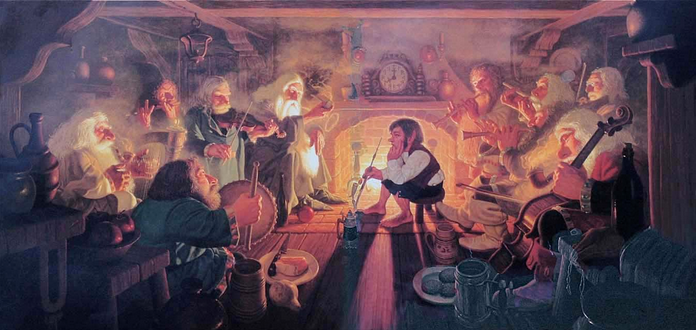
When I was a kid, I used to flick through my dad’s art books and magazines, and I specifically remember seeing fantasy paintings. Fantasy is a very unique genre, and I love how skillful you have to be with your brush to make good fantasy art. Tim and Greg Hildebrandt are two of these.
Short trivia: Greg and Tim Hildebrandt, known as the Brothers Hildebrandt (born January 23, 1939), are American twin brothers who worked collaboratively as fantasy and science fiction artists for many years. They produced illustrations for comic books, movie posters, children’s books, posters, novels, calendars, advertisements, and trading cards. Tim Hildebrandt died on June 11, 2006.
They began painting professionally in 1959 as the Brothers Hildebrandt. The brothers both held an ambition to work as animators for Walt Disney, and although they never realized this dream, their work was heavily influenced by illustration style of Disney feature films such as Snow White, Pinnochio and Fantasia.
The brothers are best known for their popular The Lord of the Rings calendar illustrations, illustrating comics for Marvel Comics and DC Comics, original oil paintings for a limited edition of Terry Brooks’s The Sword of Shannara, and their Magic: The Gathering and Harry Potter illustrations for Wizards of the Coast.
(Sources: timhildebrandt.com and Wikipedia)


Phil Couture
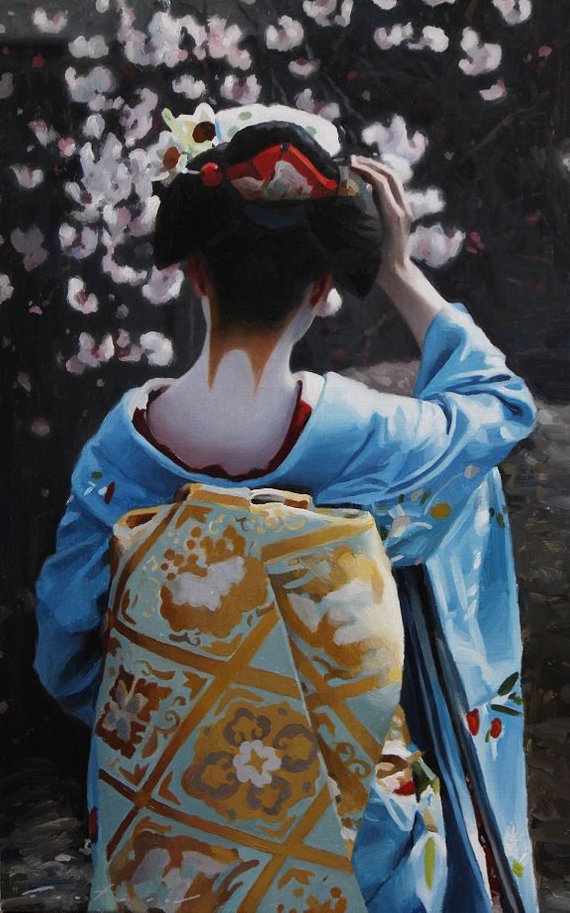
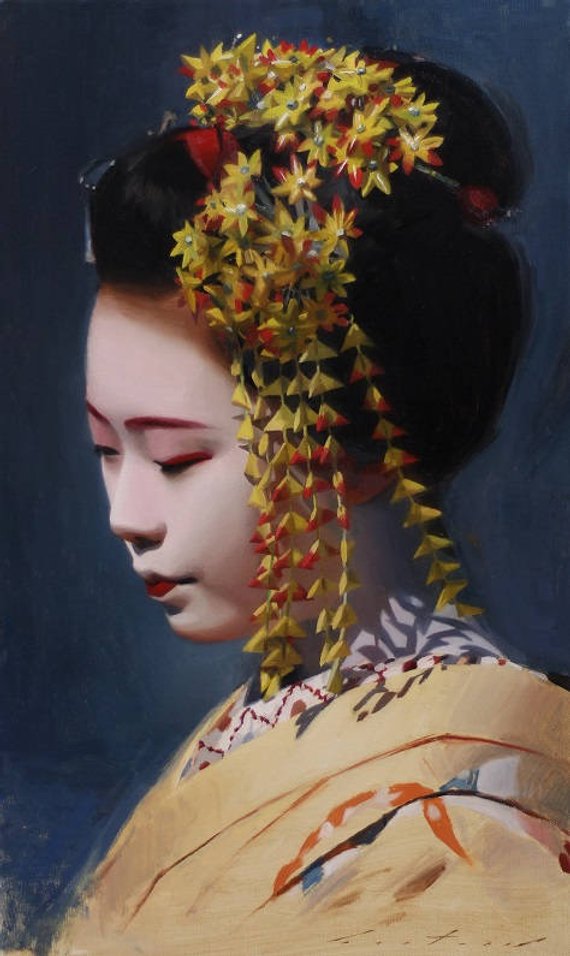
An oil painting artist I discovered last year on Etsy. As mentioned above, I like Asian art, and also fine art, so Phil Couture’s oil portraits of geishas really deserved a place on my list. I ordered one of his prints not long ago. Style: realism.
Short trivia: Philippe Couture was born in Drummondville, Canada in 1984, raised in Lakeland, Florida, and currently resides in Kyoto, Japan. He has been drawing and painting his entire life and Phil’s art education was primarily self-taught. His training consisted of drawing and painting from life, studying masterpieces in museums around the world, and employing exercises taught by classical ateliers. – from his own website.
Couture also has his own Instagram page.

Thanks for reading! Who is your favourite artist/painter?


Akryl, A4 🐚🌊🍁🎨
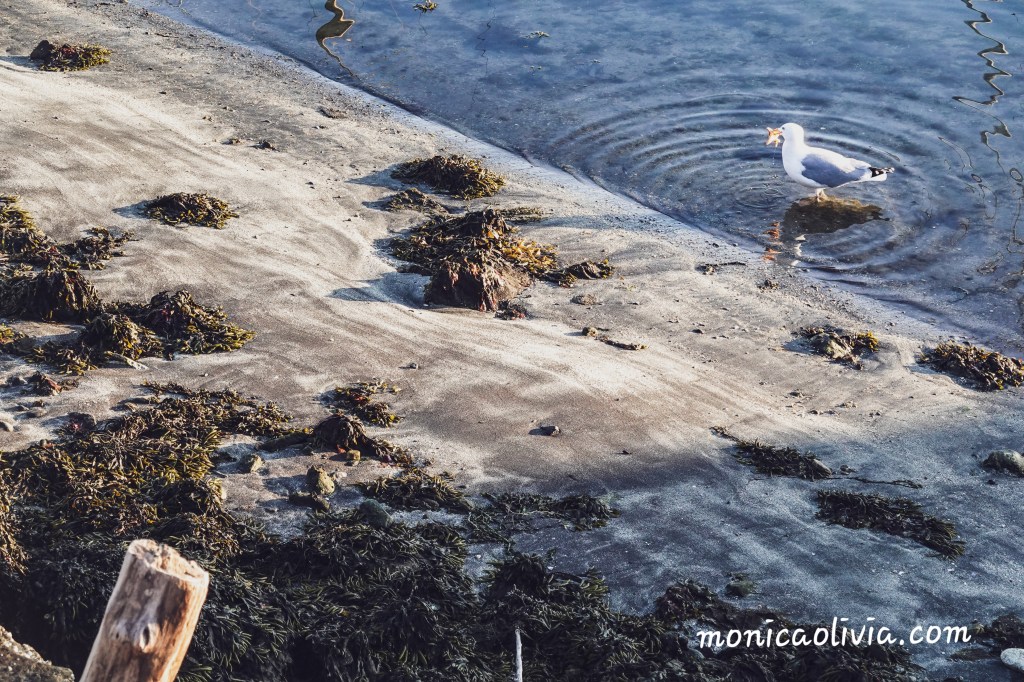
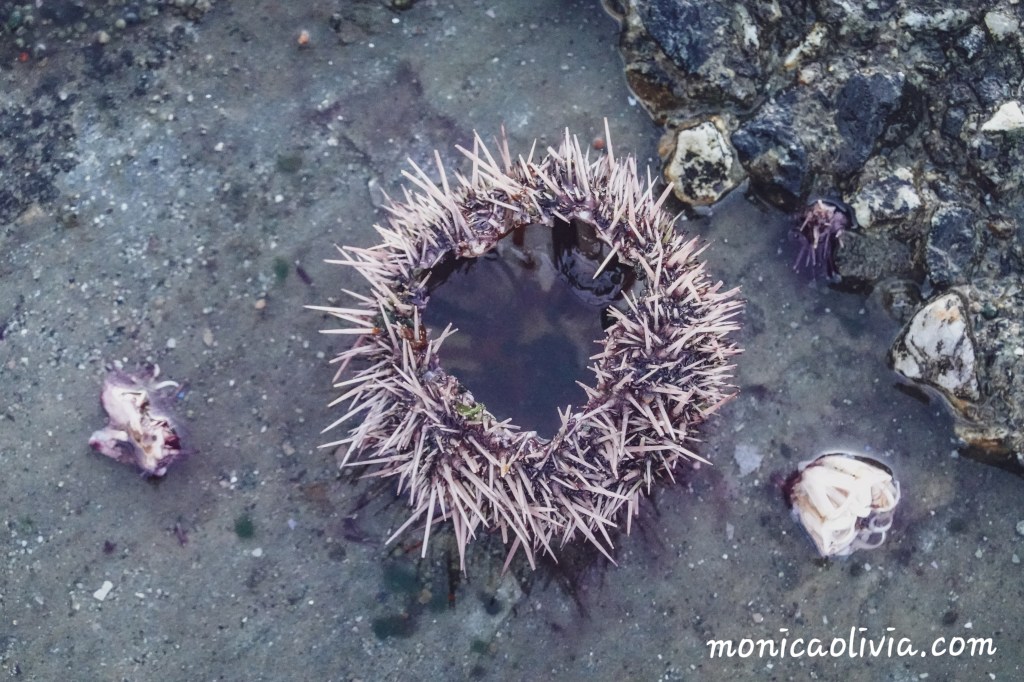
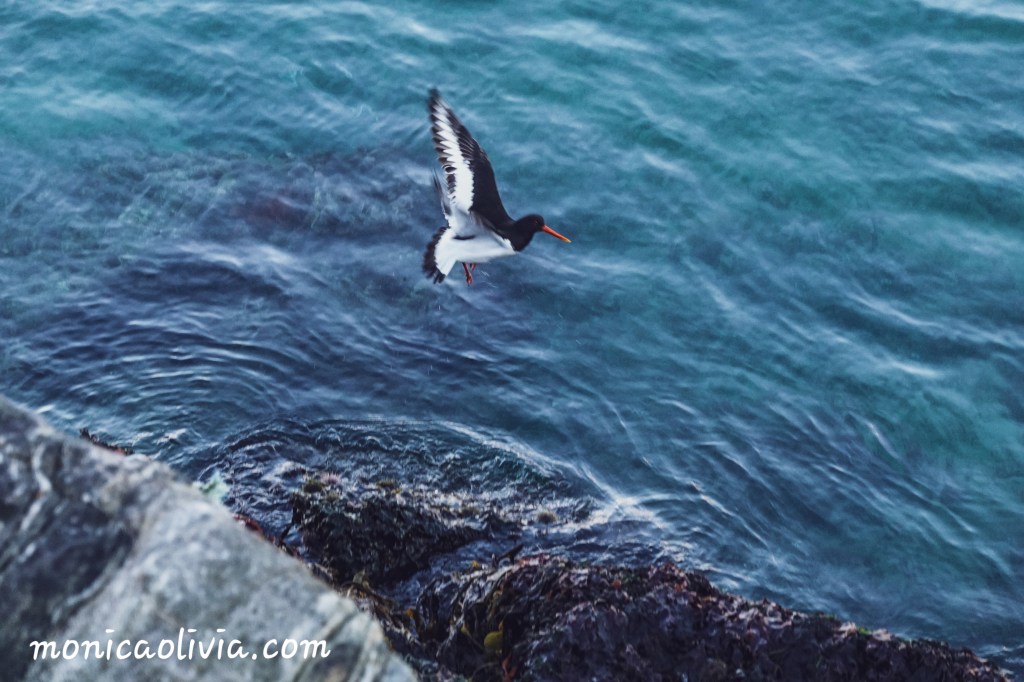
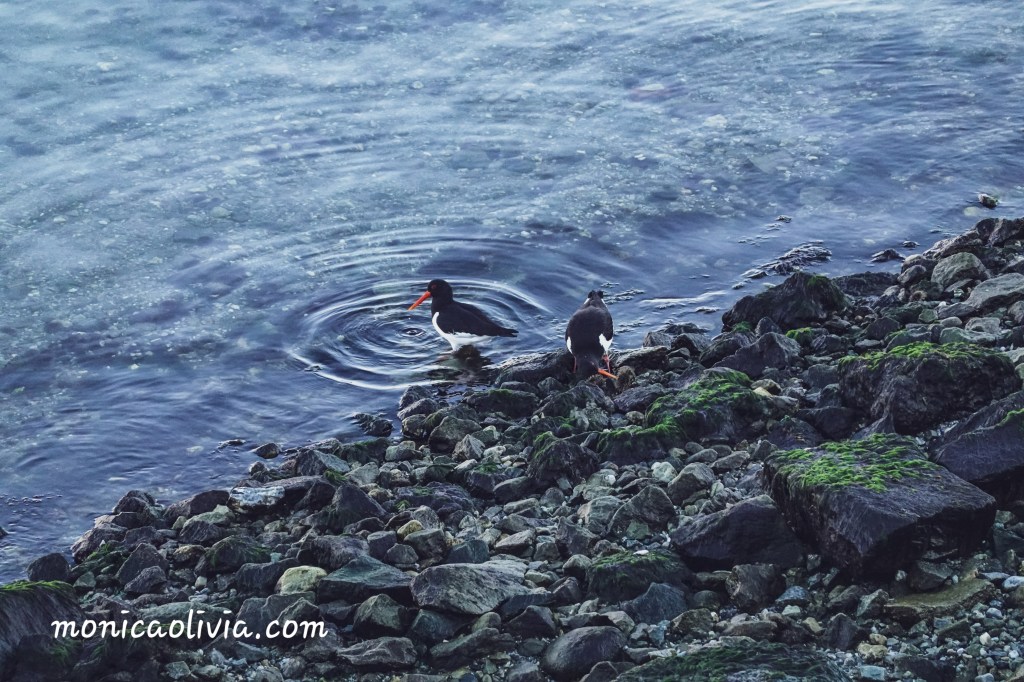
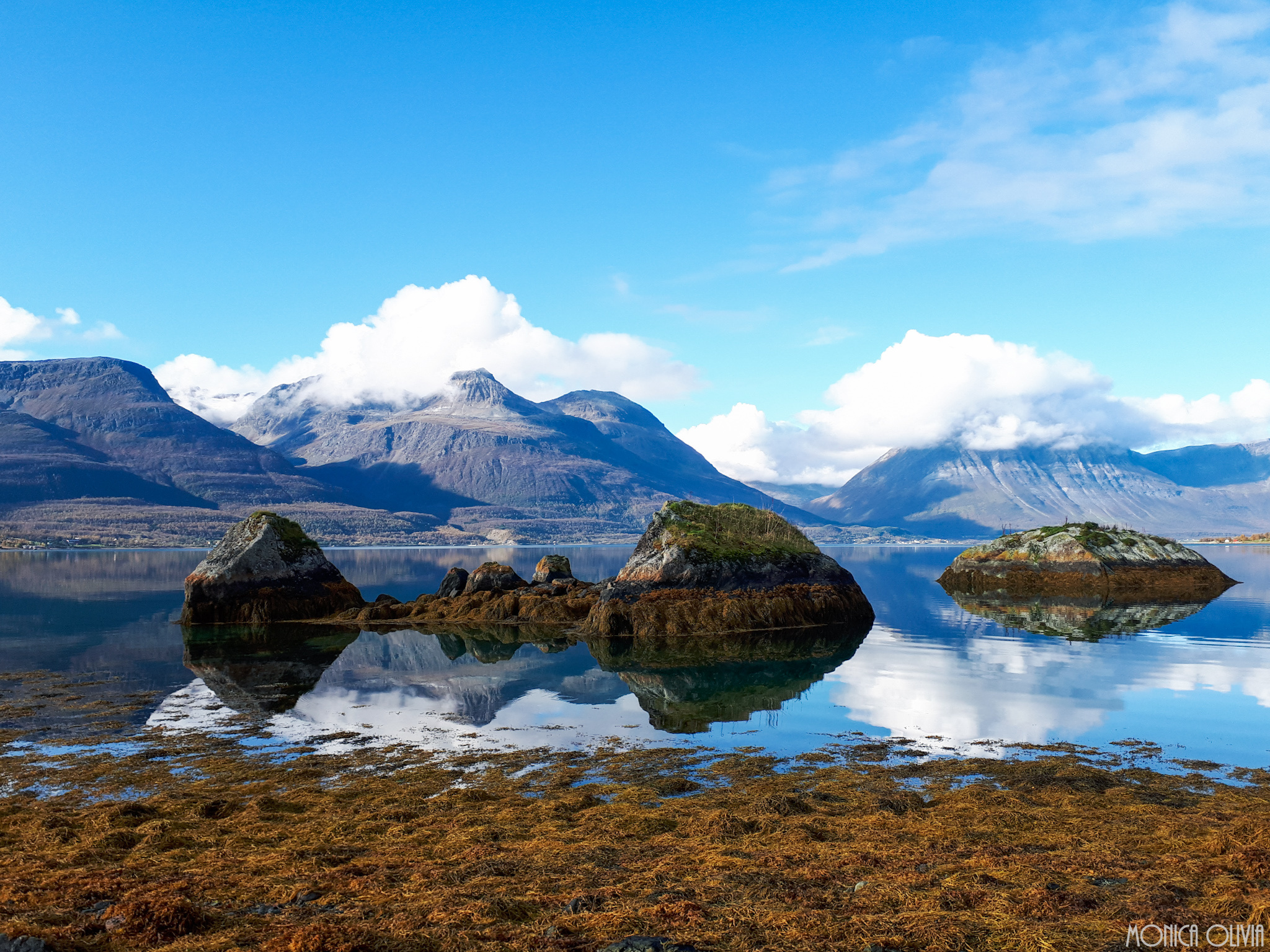
Fjæra har alltid vært et lite fristed for mæ; lukta fra havet og tangen, lyden av bølgan, alle fargan og livet mellom steinan.


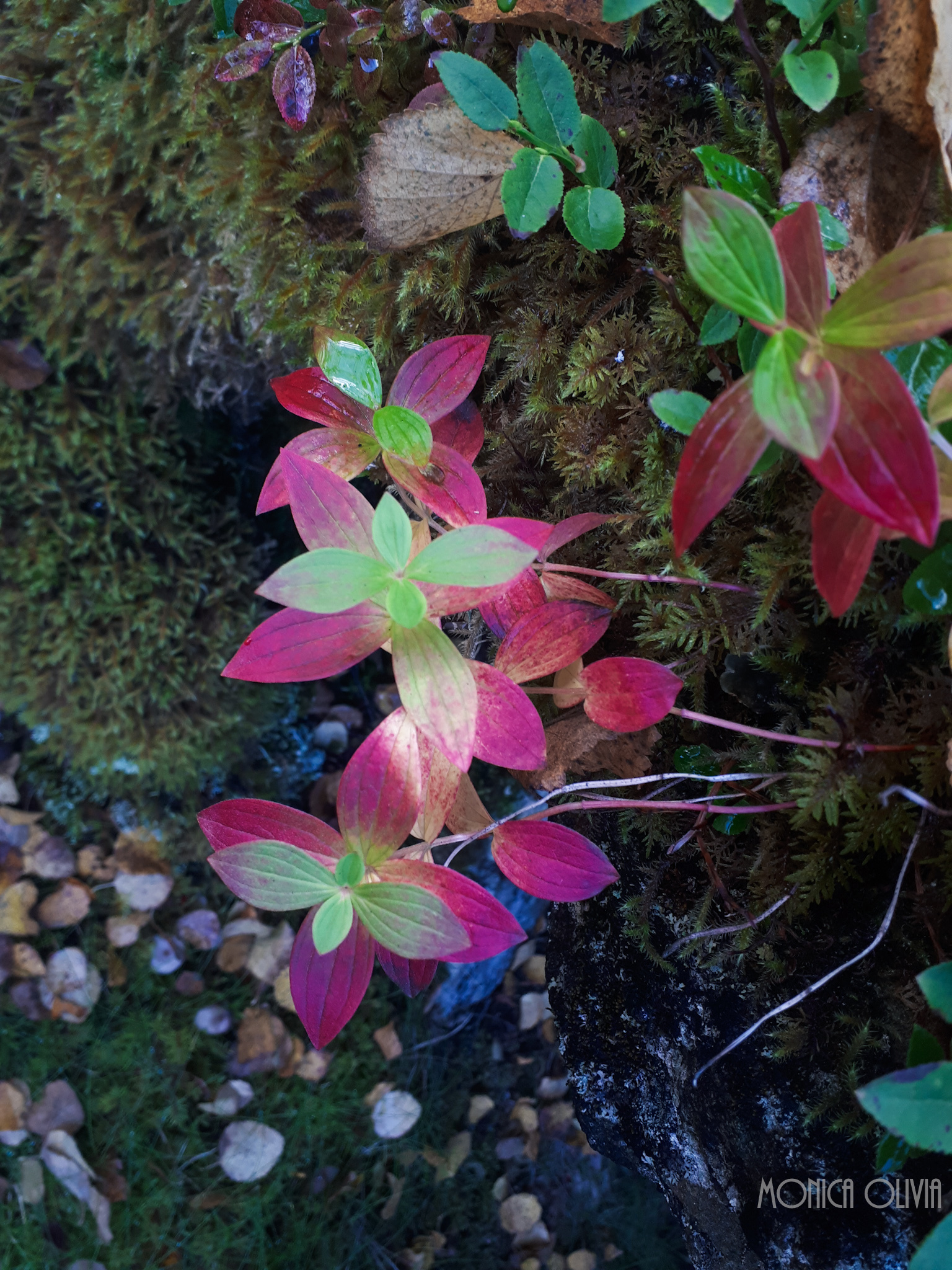
Høsten er en alltid en fin og fargerik påminnelse om forandring og det forgjengelige.
Jeg liker lister, lister er både gøy å skrive og å lese, så her er en liten liste over ting jeg…
Burde: Stå opp tidligere og ikke starte dagen med kaffe, men ordentlig frokost. Har blitt en sånn en!
Skal: Bruke dagen i dag på å få unnagjort ting jeg har utsatt; svare på mailer, bestille legetimer og få pressa inn noen timer med sitting (meditasjon).
Har dilla på for tiden: Nutella. Er maktesløs mot Nutella.
Ønsker å bli bedre i: Å kommunisere! Jeg har ingen problem med å skrive ting, men skulle ønske jeg var flinkere til å si ting, ikke være så konfliktsky.. Det er vel en øvingssak?
Leser nå: The Lotus Sutra og One Taste av Ken Wilber. Han skriver bra, veldig bra. Har kommet sånn 20 sider inn i boka, og har allerede flirt og grått. Skal sjekke ut flere av hans bøker etter denne. Har lagt til en widget nederst på bloggen til GoodReads-profilen min, sånn btw:)
Gleder meg til: Retreats i både november og desember. Samt kunstutstillingen jeg skal ha på SevenDesign rundt nyttår! Det blir stas.
Gruer meg til: HPV-vaksinen. Haha. Ikke fordi jeg er redd sprøyter, men jeg vet aldri hvordan kroppen reagerer, eventuelle bivirkninger og sånt.
Sparer penger til: Retreats. Og reising.
Prøver å ikke gjøre mer: Utsette ting.
Savner: Sommeren.
Jobber mot: Male nok bilder til en ny utstilling til neste år.
.
.
Kommentér gjerne om du har flere punkt jeg kan adde til lista mi 🙂

Tried out some aquarelle techniques (wet-on-wet). Always found watercolors difficult; finding the right paper, using the right amount of water, waiting the right time for the water to be absorbed and using just enough paint/ink.. all the factors. Still, it’s fun and I want to learn how to use watercolors properly!🙌

My best early Sunday morning try at making a logo/profile pic for my Facebook art page.
Think it turned out pretty good! I used an app called Logopit Plus to add the fonts and circles, and the picture itself I just took outside on the porch – daylight really brings out the color in my paintings.
This morning I also felt very inspired and creative to make something, and I have always been very fond of Asian art, specifically Chinese and Japanese style paintings. So this one is inspired by that:

“The Master has mastered Nature; not in the sense of conquering it, but of becoming it. In surrendering to the Tao, in giving up all concepts, judgments, and desires, her mind has grown naturally compassionate. She finds deep in her own experience the central truths of the art of living, which are paradoxical only on the surface: that the more truly solitary we are, the more compassionate we can be; the more we let go of what we love, the more present our love becomes; the clearer our insight into what is beyond good and evil, the more we can embody the good.” – Lao Tzu
Have a nice week!
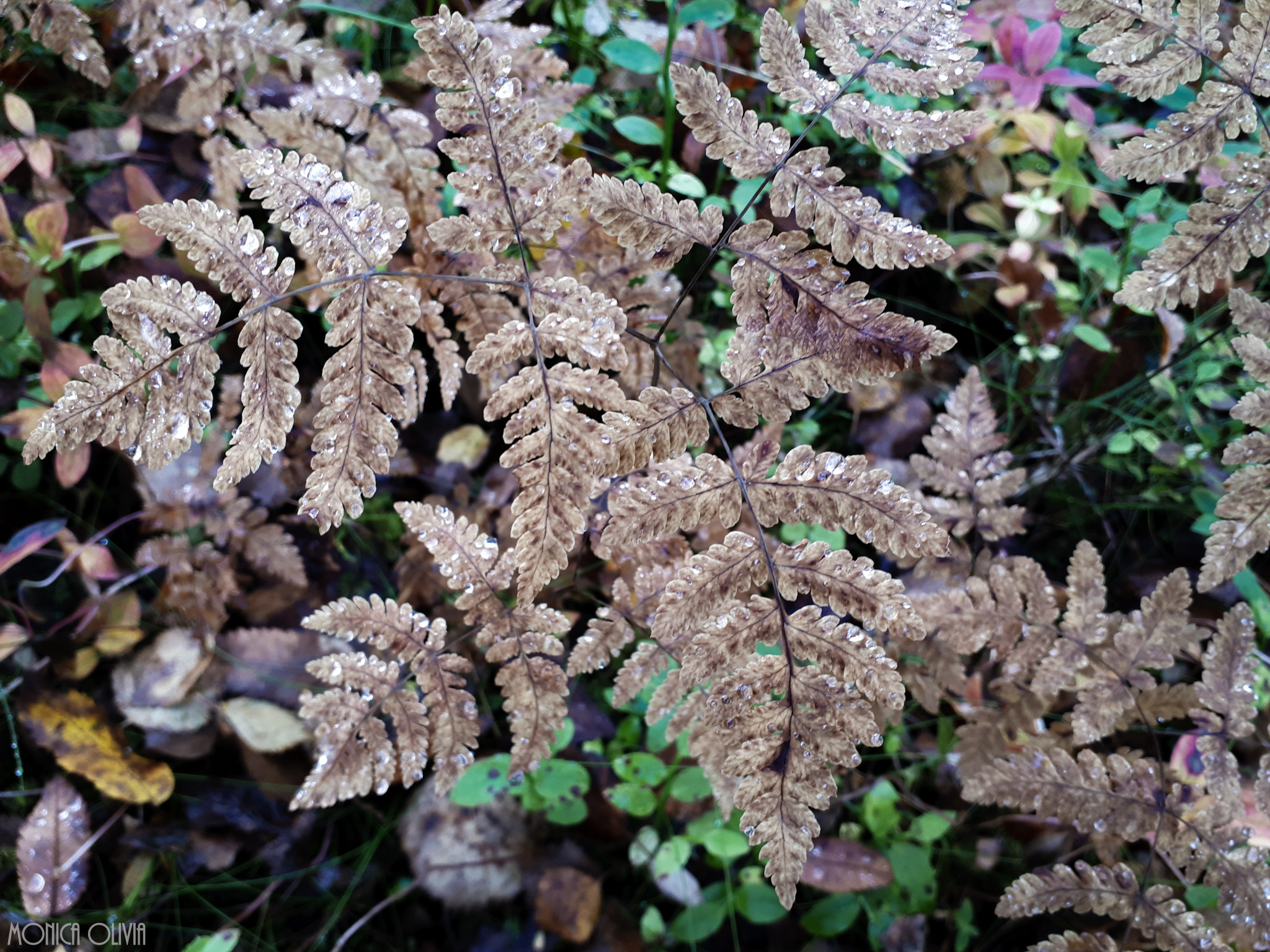
Cave, rock and tunnel exploration in Laksvatn, down by the sea. Autumn is really here, the colors speak for themselves 🙂







Deep in the wild mountains, is a strange marketplace where you can trade the hassle and noise of everyday life, for eternal Light.” – Milarepa


September sun, crisp air and wonderful colors

What buddhism and the dharma means to me
These past couple of days, my mind has been spinning in the direction of motivation and inspiration towards writing and painting. I feel creative again, after many, many months of having a huge creative blockage in my system. I’m painting and writing letters to people I care about. I’m not feeling as critical towards my own ability to create, and therefore I am able to play around more without being too hung up on the result. I even found the courage to go ask an art studio and a gallery in town if they wanted to display my paintings, and they did! What an adrenaline kick.
Anyway. I felt like writing about my buddhist path. Two nights ago, I was at a small get-together, a moving-in-party at a buddhist friend´s place, and the conversation steered towards spirituality and religion. Me and this friend were the only practicing buddhists in the room, and it became evident to me that there are a lot of assuptions about buddhism that I just don’t find true at all, in my personal experience. For example that the (historical) Buddha Shakyamuni is looked upon as a God, above other people/followers, that enlightenment/buddhahood is something mystical only available to certain people and that spirituality is only empty rituals.
To me, it only makes sense that since we all have a mind, that means we all have the ability to transform it, to step out of the wheel of suffering and confusion. And since we all have a heart, we all have the potential to open it towards all living beings, and develop a compassionate heart without disrimination. The Buddha Shakyamuni showed us it’s possible, and so did many other dharma practitioners and teachers, such as Yeshe Tsogyal, Padmasambhava and Jetsun Milarepa – to mention a few.
I think it’s important to remember that when we are practicing dharma, it is not to become a part of Tibetan or Indian culture, or to belong to any other culture with a strong tie to buddhism. It is “simply” to be a kind of scientist who looks closely at our own minds, and to be able to use the samsaric (cyclic) mind as a tool to transform it into an enlightened one. Training our minds through meditation. In this sense, I feel buddhism has much more of a spiritual approach to it, than a religious one. There is a lot of religious and cultural baggage attached to buddhism that I personally don’t agree with; for example putting young children in monasteries, away from their families, blindly believing something just because a robed person said it without using common sense to check it for yourself, and the still-existing patriarchy that’s still going on in some areas of buddhism.
Despite this, I still call myself a buddhist, or dharma practitioner, because I feel a strong devotion in my own heart to practice the dharma following the buddhist approach and a motivation to transform my mind using the buddhist teachings. I feel lucky to not live in a poor country and to have time to practice and to be able to go on retreats 3-4 times a year with a wonderful sangha and a very capable teacher. I also feel like the basic buddhist principles of ethics, honesty and being of help and benefit to others is such a beautiful and transformative thing which one can implement in one’s daily life.
Having been doing yogic practice for about 7 years now, I definitely feel like I have a more clear mind and a more pure heart. Still long ways to go, but feeling progress is golden. If you’d like to check out the tradition I am practicing in, go to openheart.fi 🙂

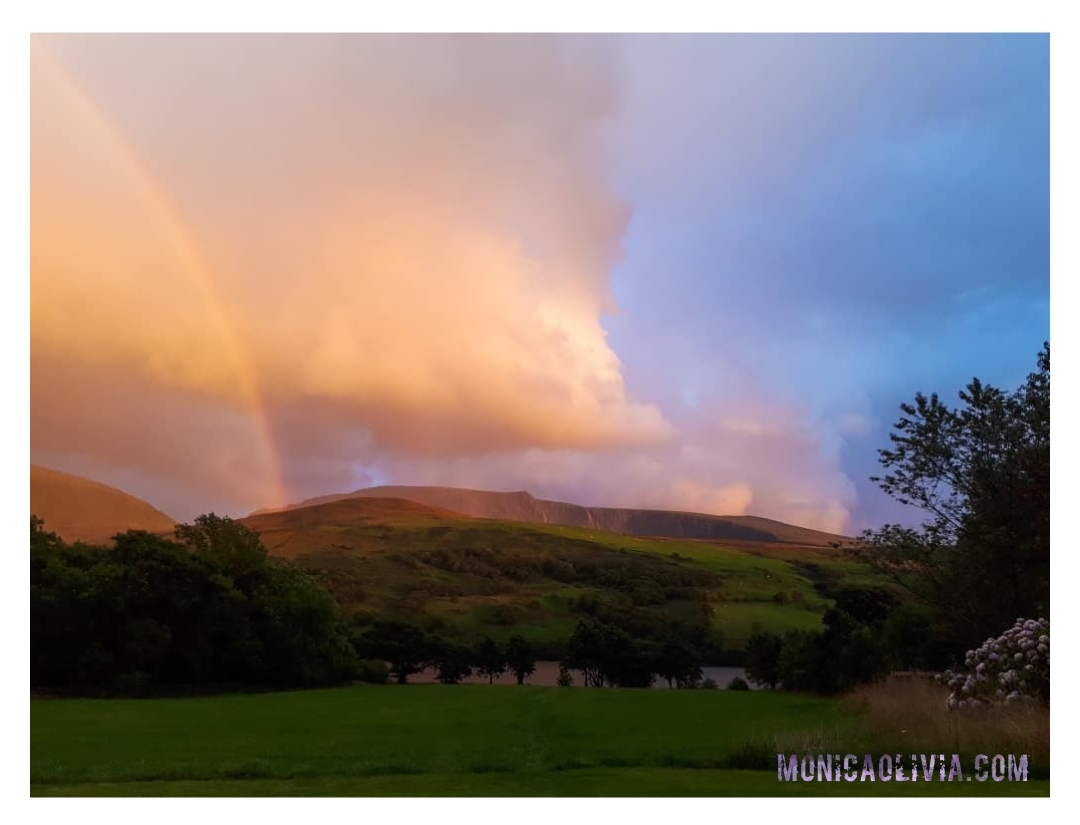

Wonderful rainbow on the next last day of this year’s summer retreat.
 Ask The Mountains