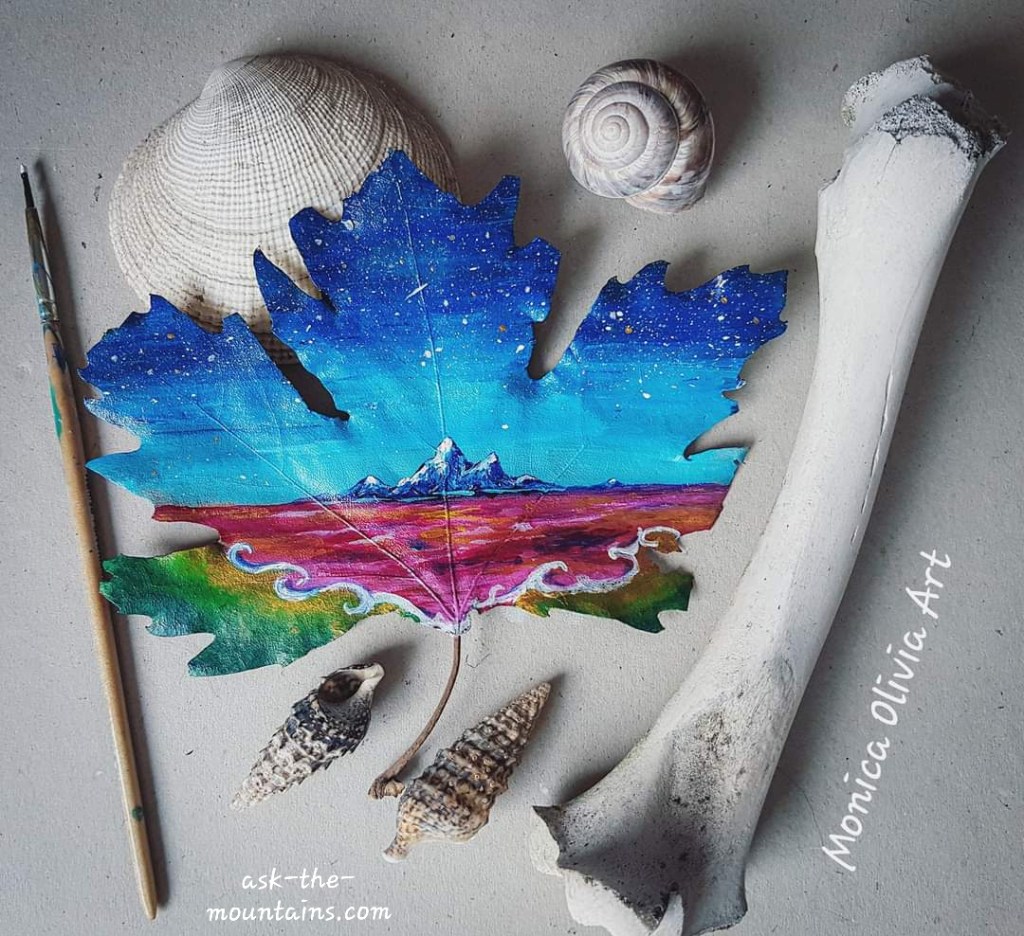
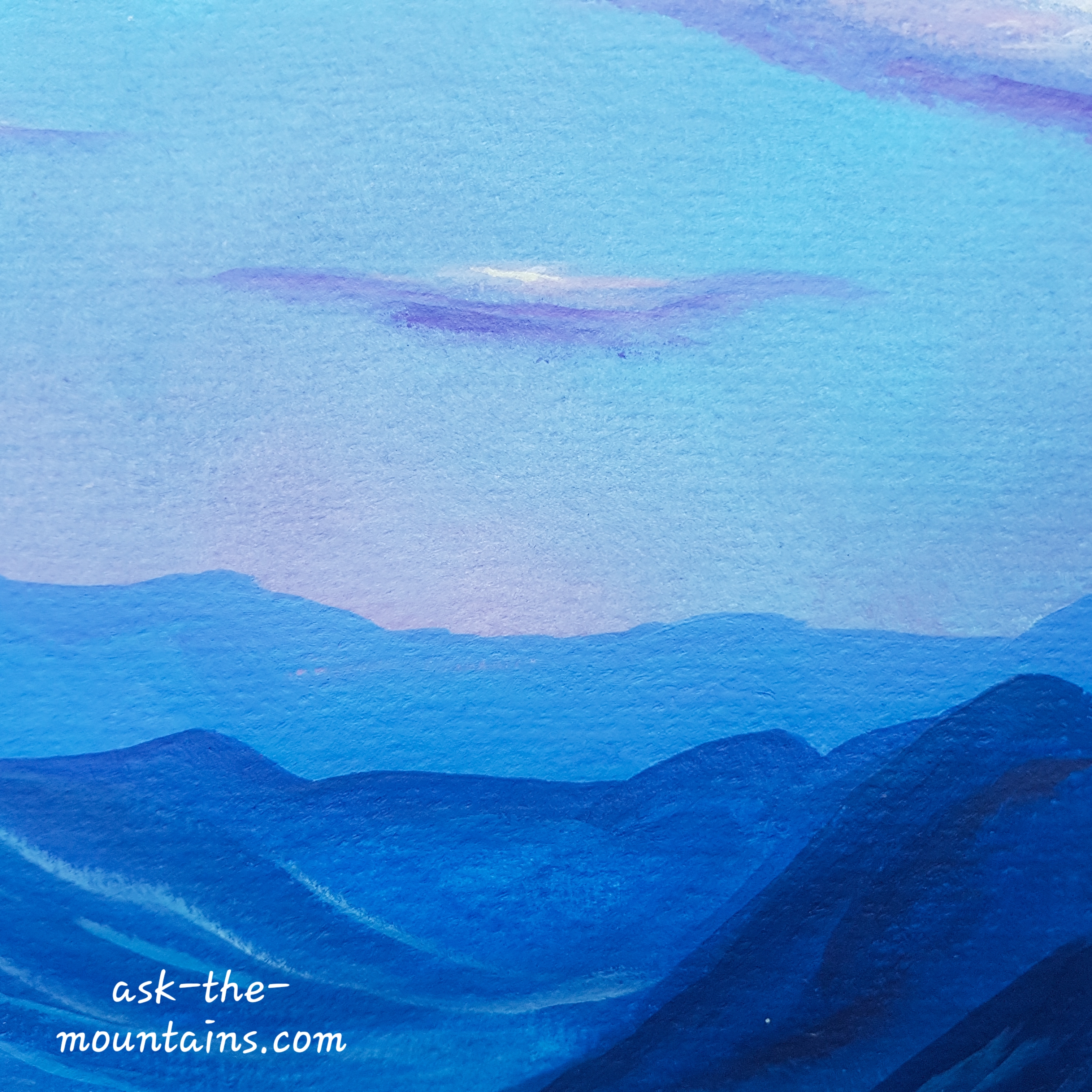
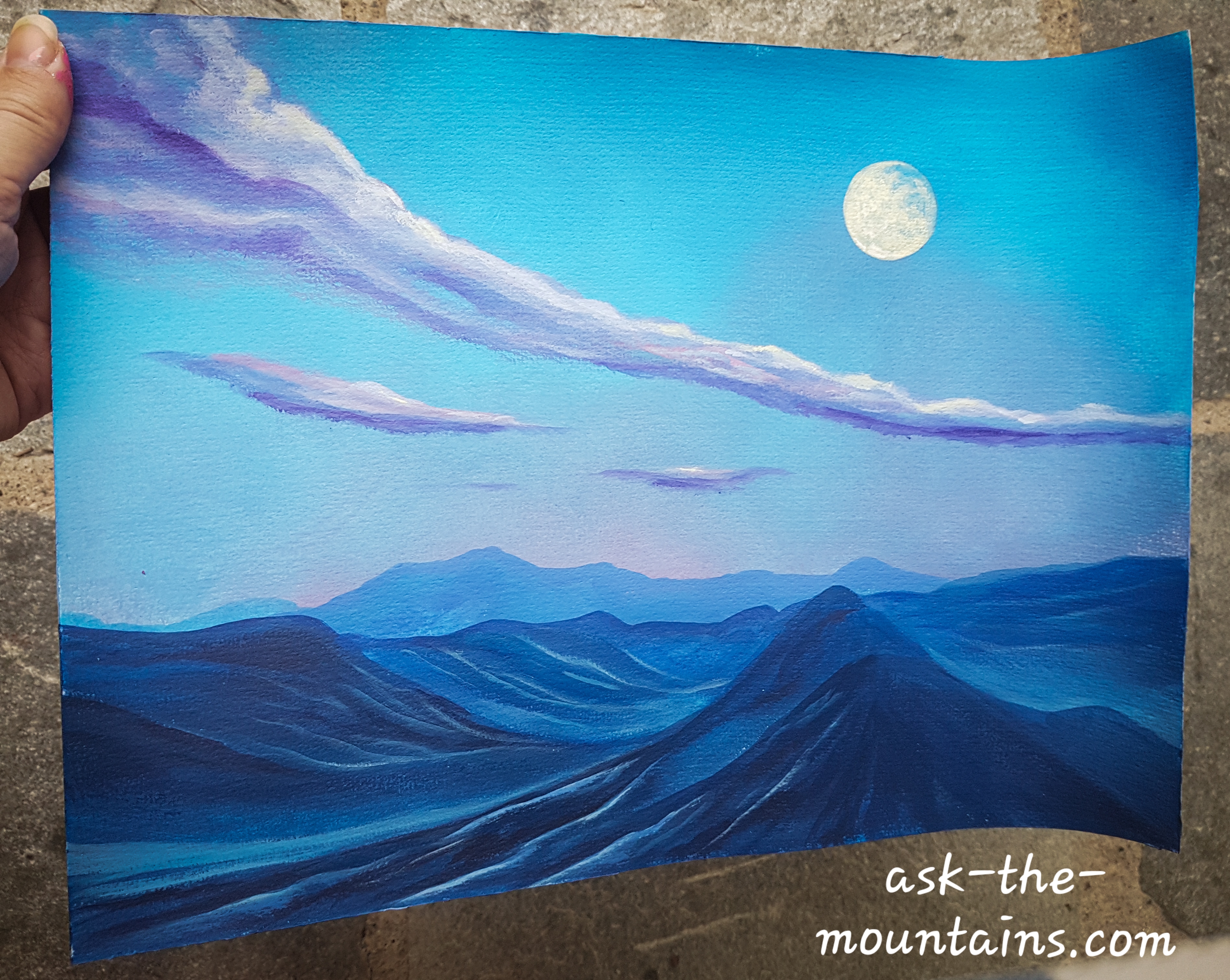
This leaf survived in my bag for weeks, on planes and buses (from some travels in february, I hope to find time to share some photos with you soon!) Only a bit broken in the edges 💜💙💚 Turned out great as canvas for a little landscape painting🎨🍁

Uralic & Nordic artist living in the European Arctic with my little family. Art, dharma, culture and much more.

This leaf survived in my bag for weeks, on planes and buses (from some travels in february, I hope to find time to share some photos with you soon!) Only a bit broken in the edges 💜💙💚 Turned out great as canvas for a little landscape painting🎨🍁


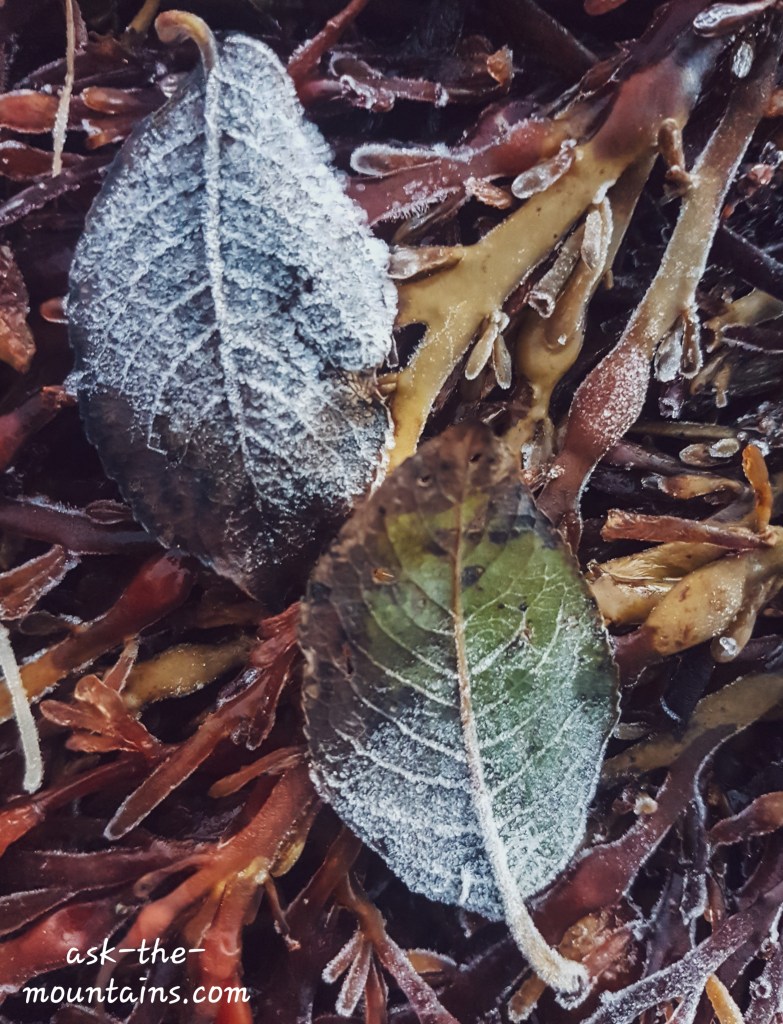
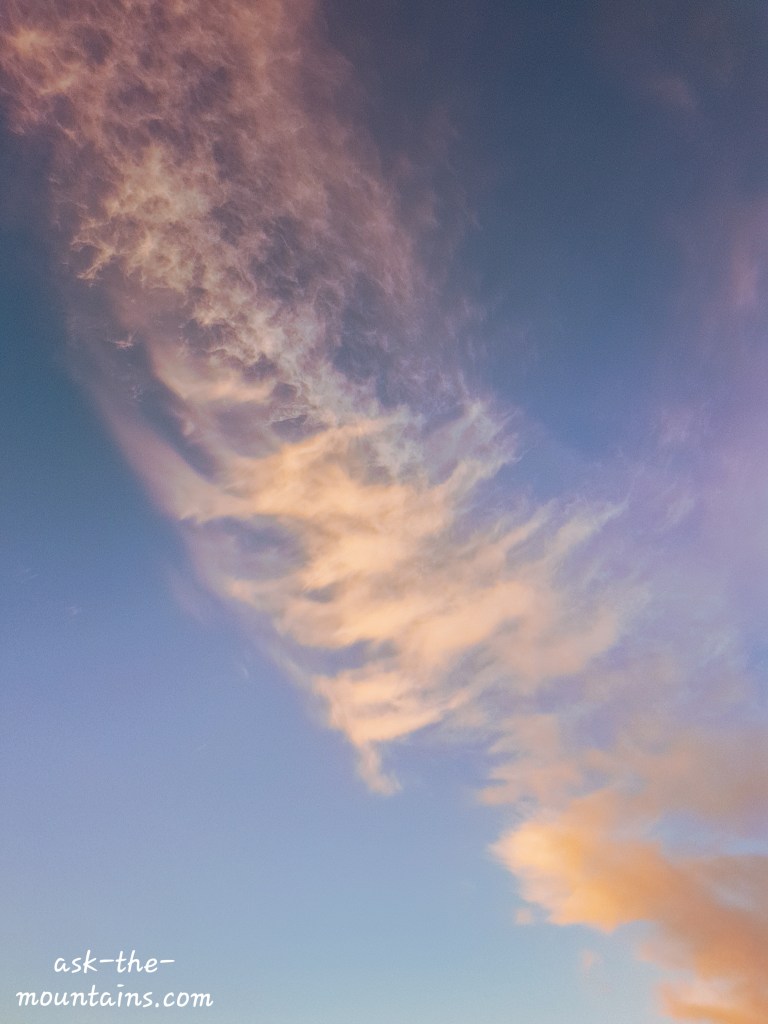


Hvordan takler/liker du mørketida?


Wishing all a lovely end of autumn 🍂🍁






“The first study on the DNA of the ancient inhabitants of Finland has been published, with results indicating that an abundance of genes reached Finland all the way from Siberia.
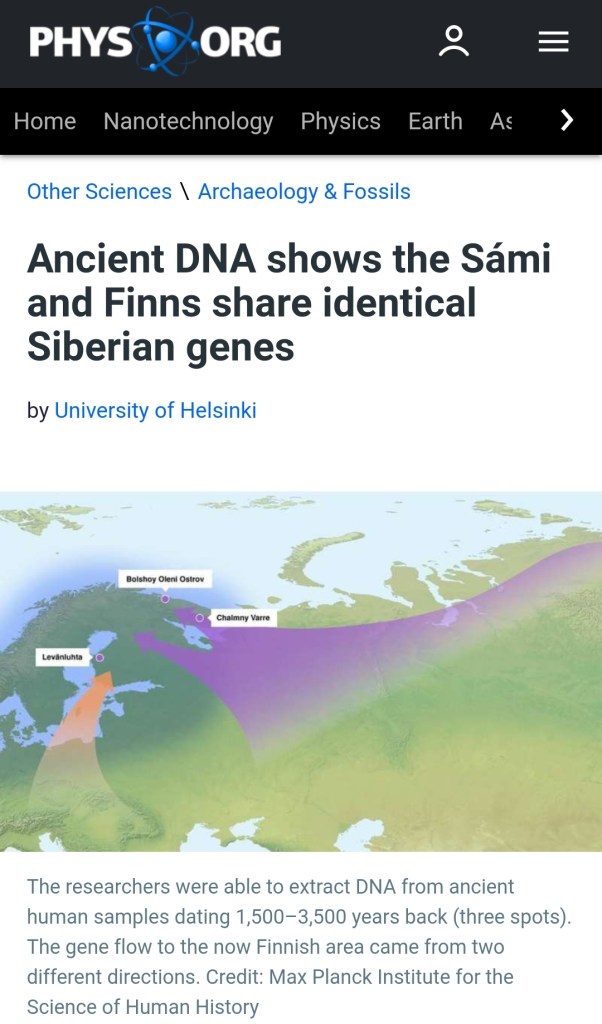
The genetic samples compared in the study were collected from human bones found in a 3,500-year-old burial place in the Kola Peninsula and the 1,500-year-old lake burial site at Levänluhta in South Ostrobothnia, Finland. All of the samples contained identical Siberian genes.
Siberian origin remains perceptible
The ancient DNA has also been compared to modern populations. Siberian origins are still visible in the Sámi, Finns and other populations of the Finno-Ugric language family.
“However, it has been mixed up with the European genome. Of all European populations, modern Sámi are the most evident representatives of the Siberian genome. As for the title of the modern people with the largest Siberian genetic component, that privilege goes to the Nganasan people living in northern Siberia,” says Päivi Onkamo, head of the SUGRIGE project at the Universities of Helsinki and Turku.
The project succeeded in mapping out the entire genome from the bones of eleven individuals. From the Kola Peninsula, the bones of six individuals were collected from a 3,500-year-old burial place, while those of two individuals were found from another location dating back to the 18th and 19th century. In the case of the bones found in the Levänluhta site in South Ostrobothnia, the entire genome was mapped for three individuals.”
You can go to HERE to read the full article.
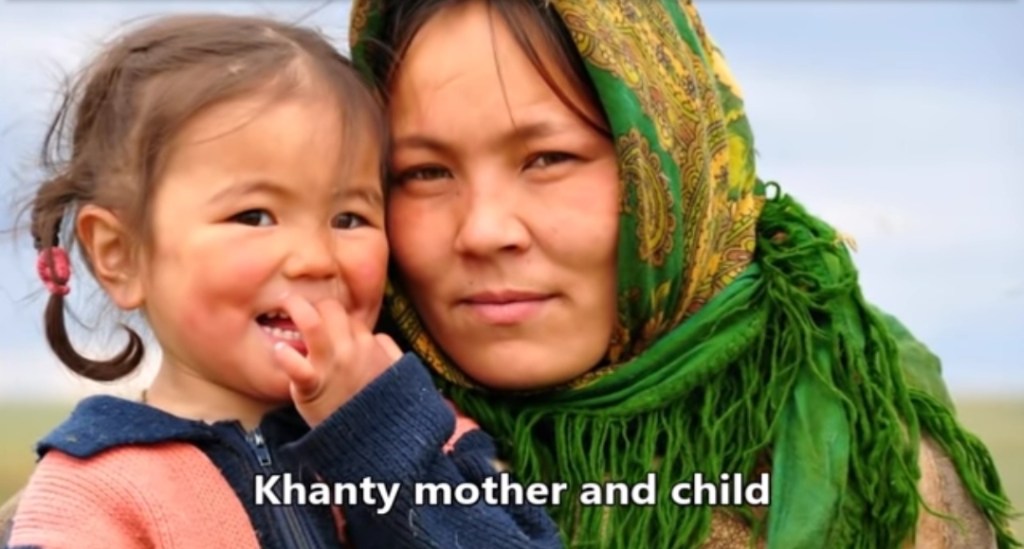
Some other Uralic/Finno-ugric peoples with roots from Ural mountains, Siberia are the Nenets (previously called the Samoyeds), the Khanty, the Mansi, the Selkup and the Mari people. We also have very similar traditional costumes and of course traditionally being nomadic, following the reindeers, and sharing same langauge family. Maybe I will write a post on our traditional dresses.
These findings also makes sense with my own FamilyTreeDNA results, although commercial DNA test kits are not super accurate:
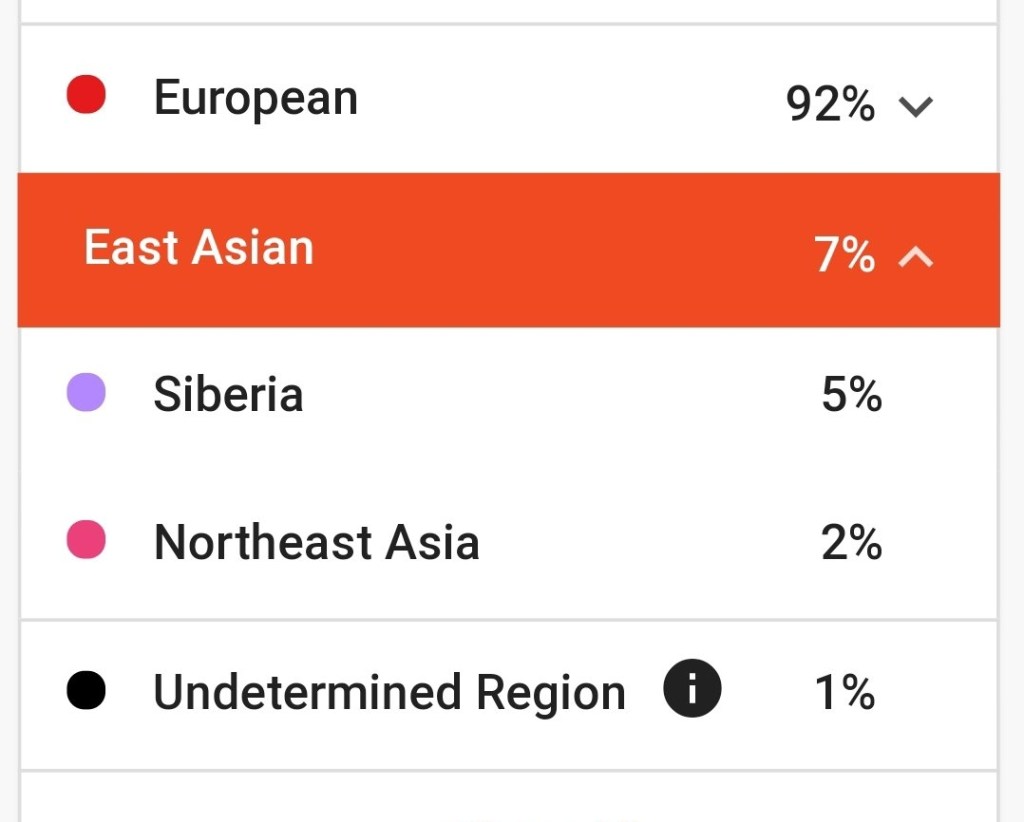
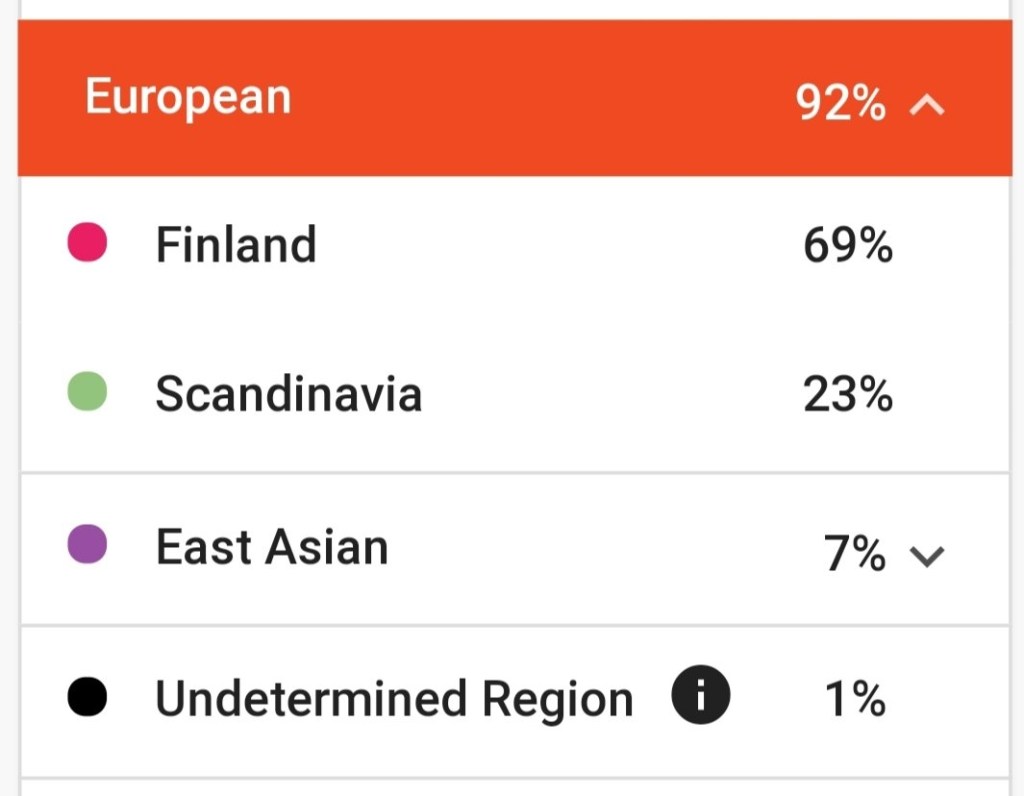
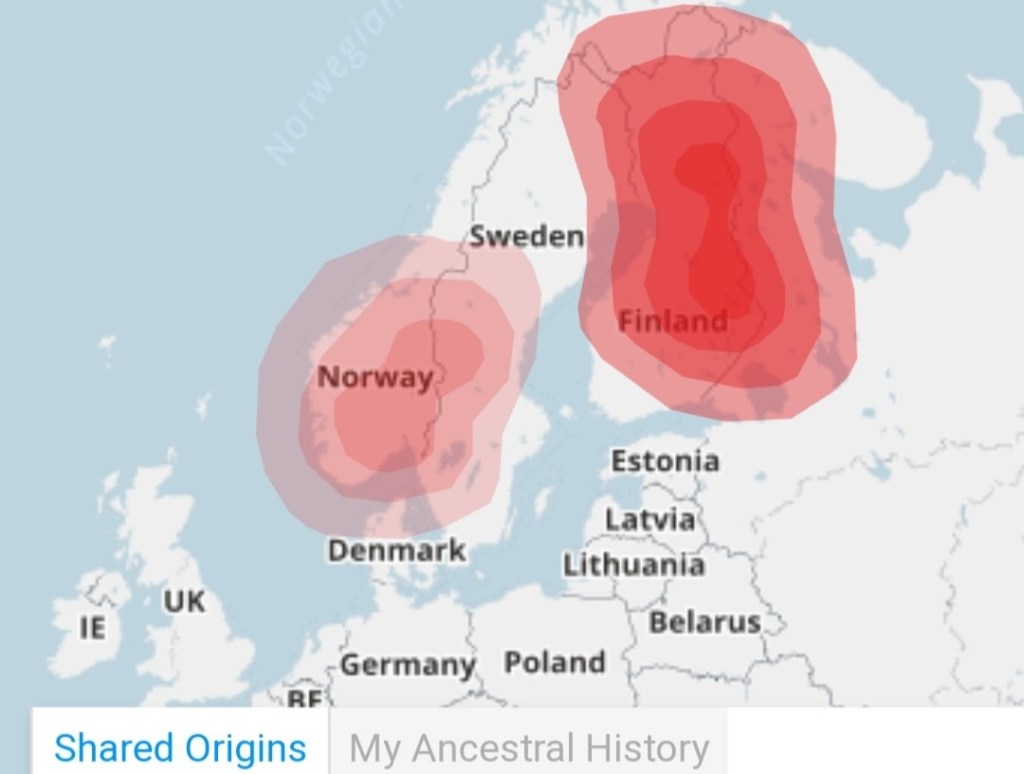

🙏🏼


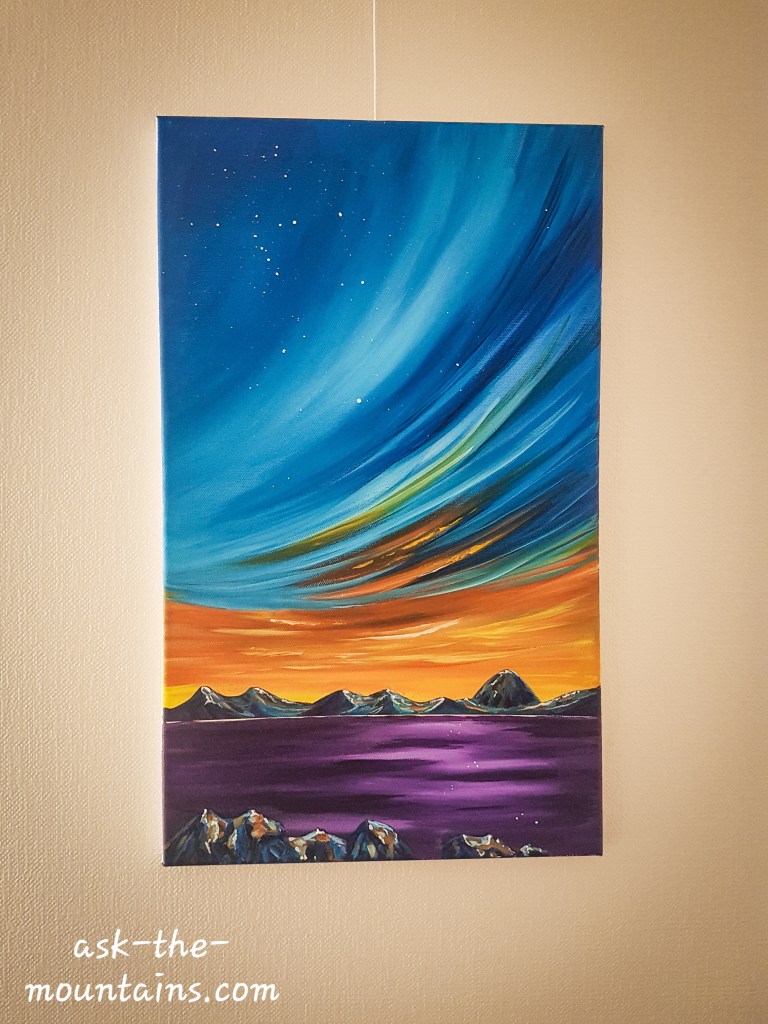
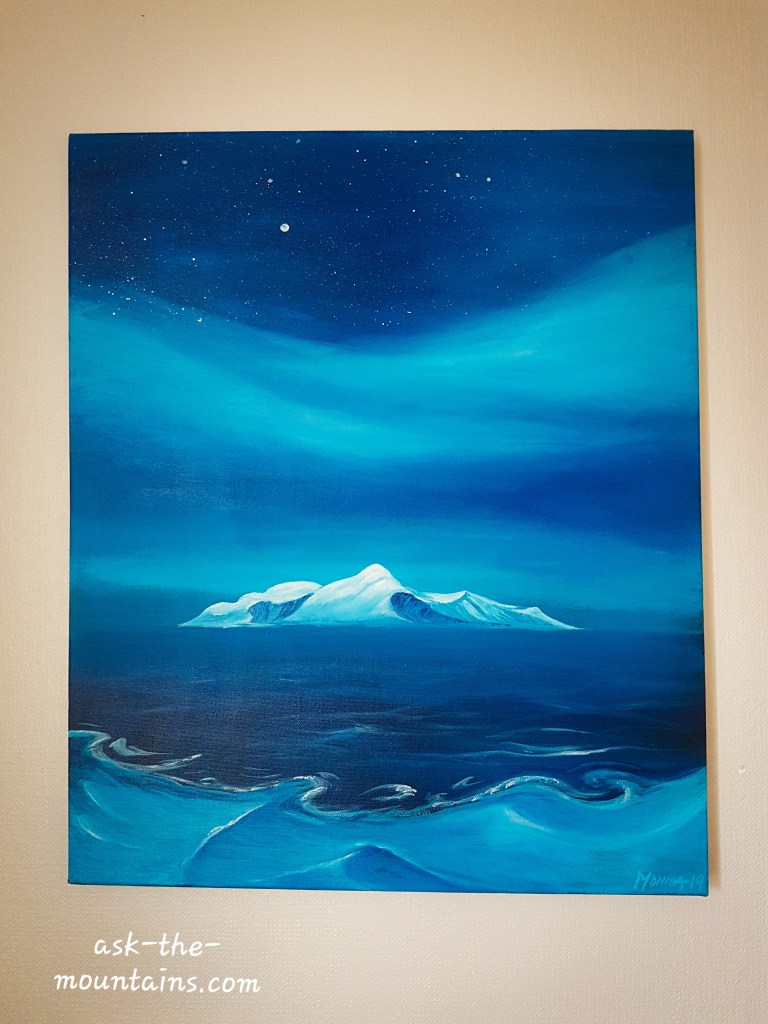
Liker å pynte stua med egne maleri 💙🧡💛💜 #myart
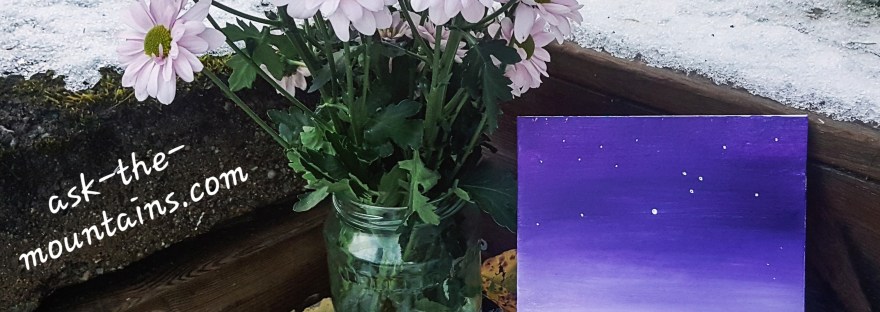

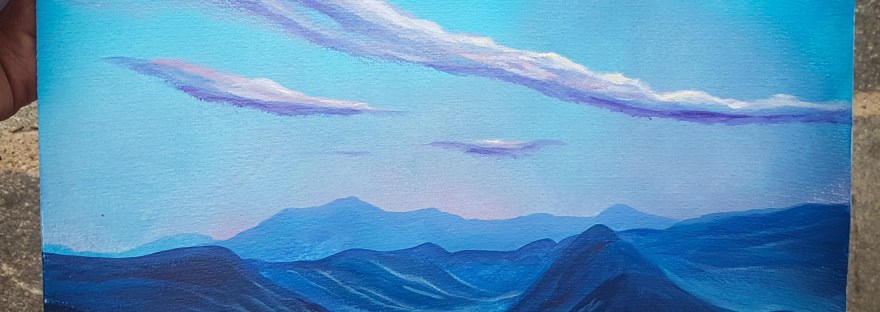

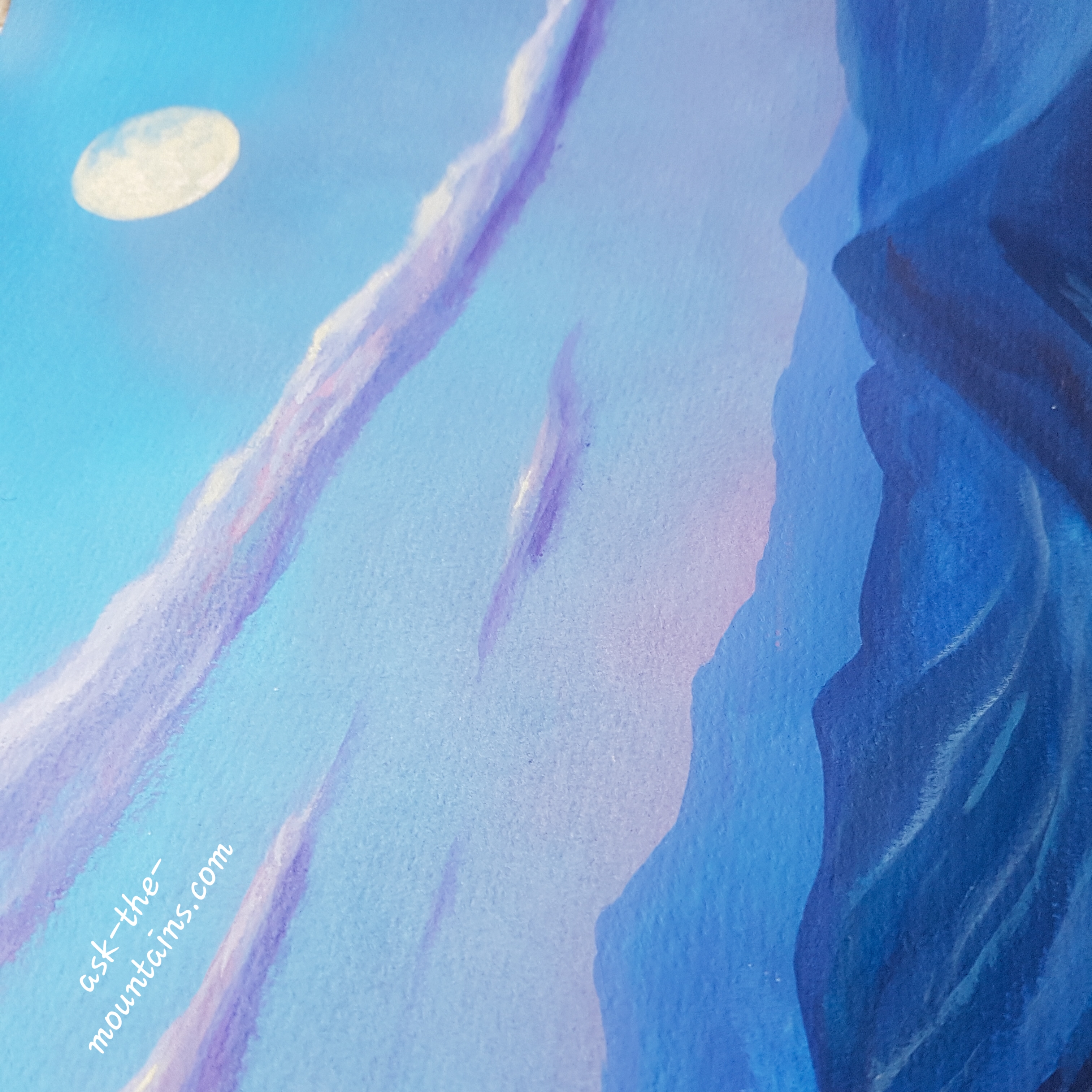
Akryl, 24 x 32 cm, mixed media papir 🌖
Farga brukt: blå, hvit, lilla, rosa, rød, gul 🎨


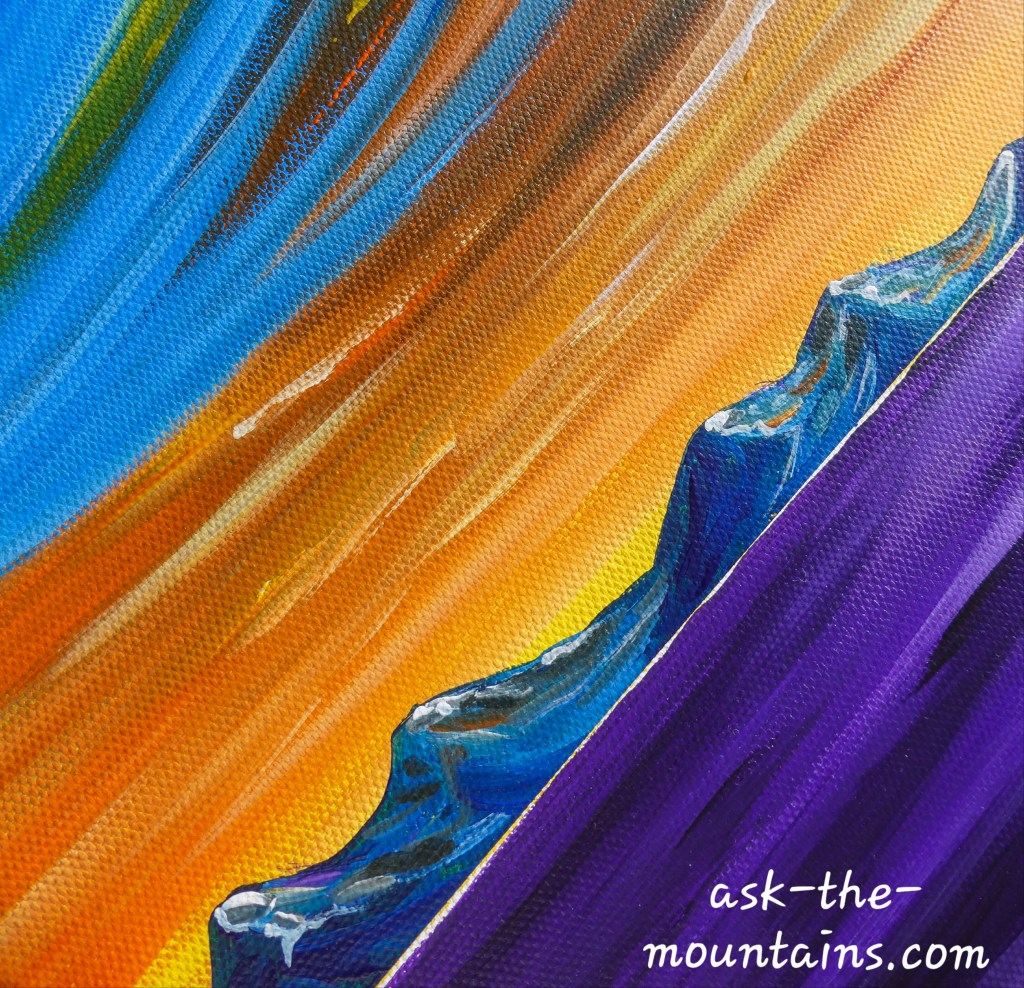


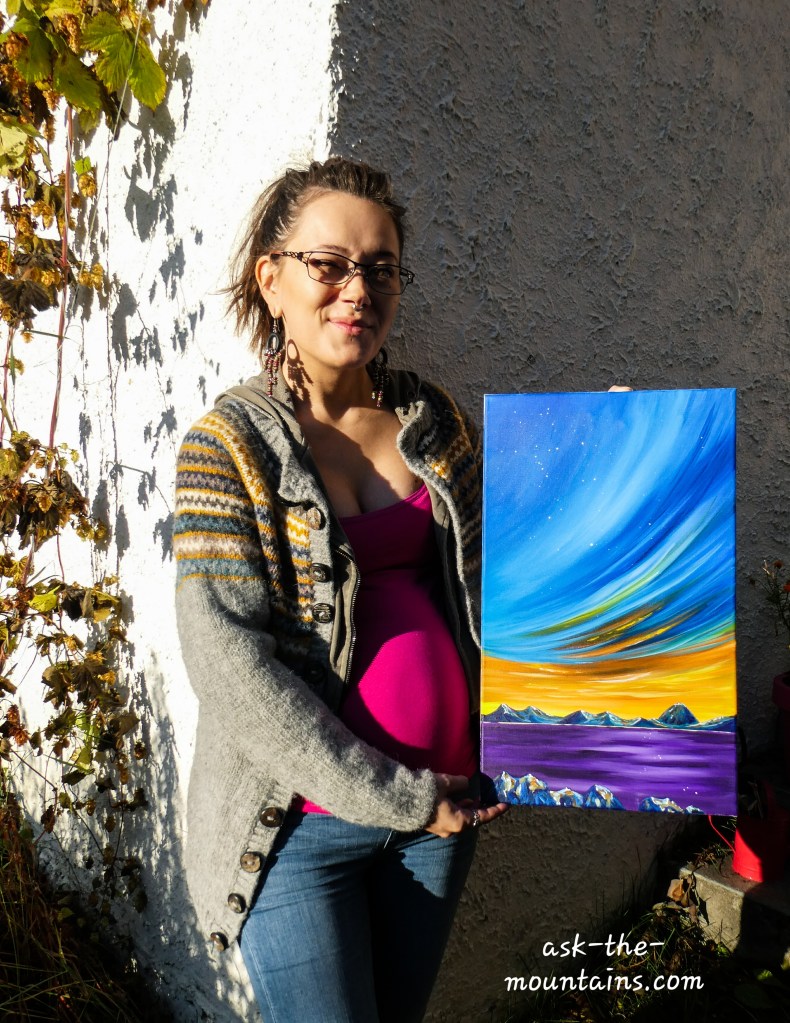

Did you know there is a reason why orange+blue and yellow+purple work together so well? 🧡💙💛💜 They are considered complementary colours! “Complementary colours are pairs of colours which, when combined or mixed, cancel each other out by producing a grayscale colour like white or black. When placed next to each other, they create the strongest contrast for those two colors. Complementary colours may also be called ‘opposite colours’.”



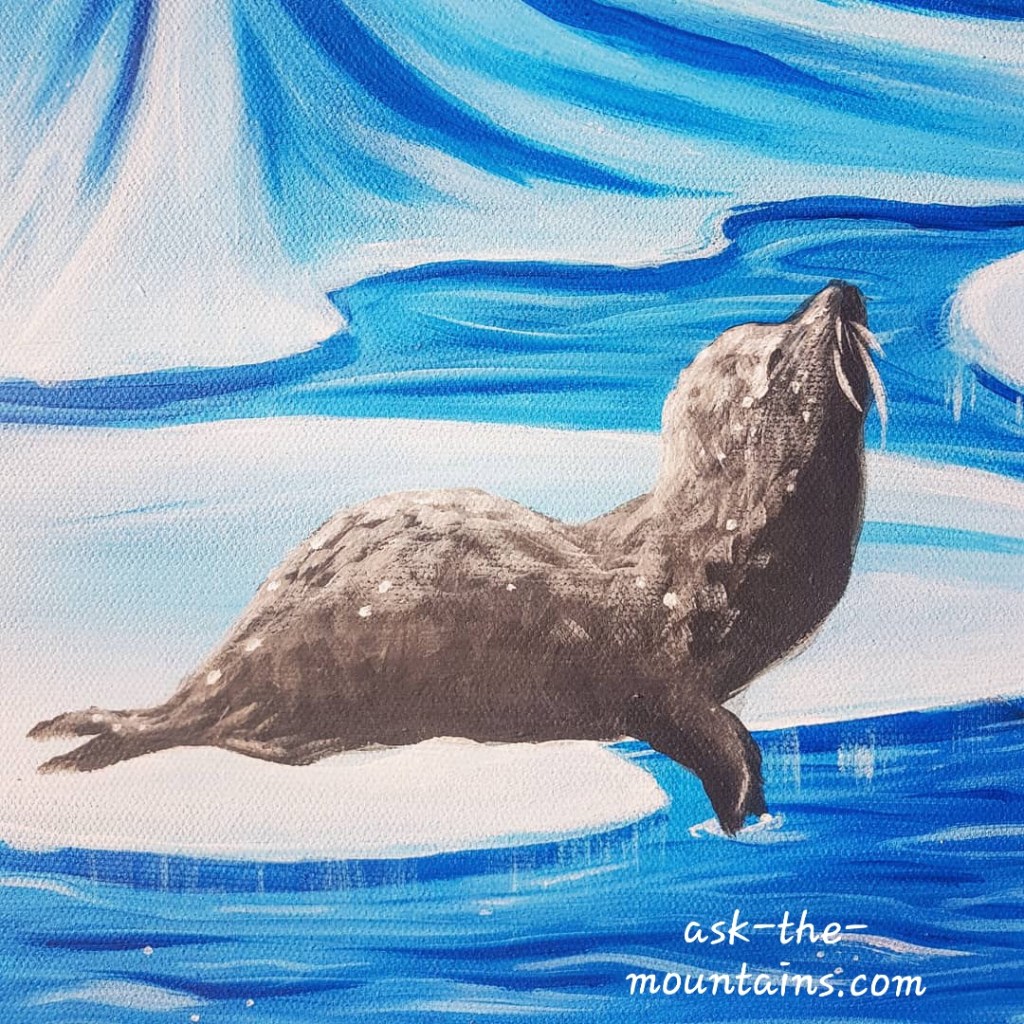
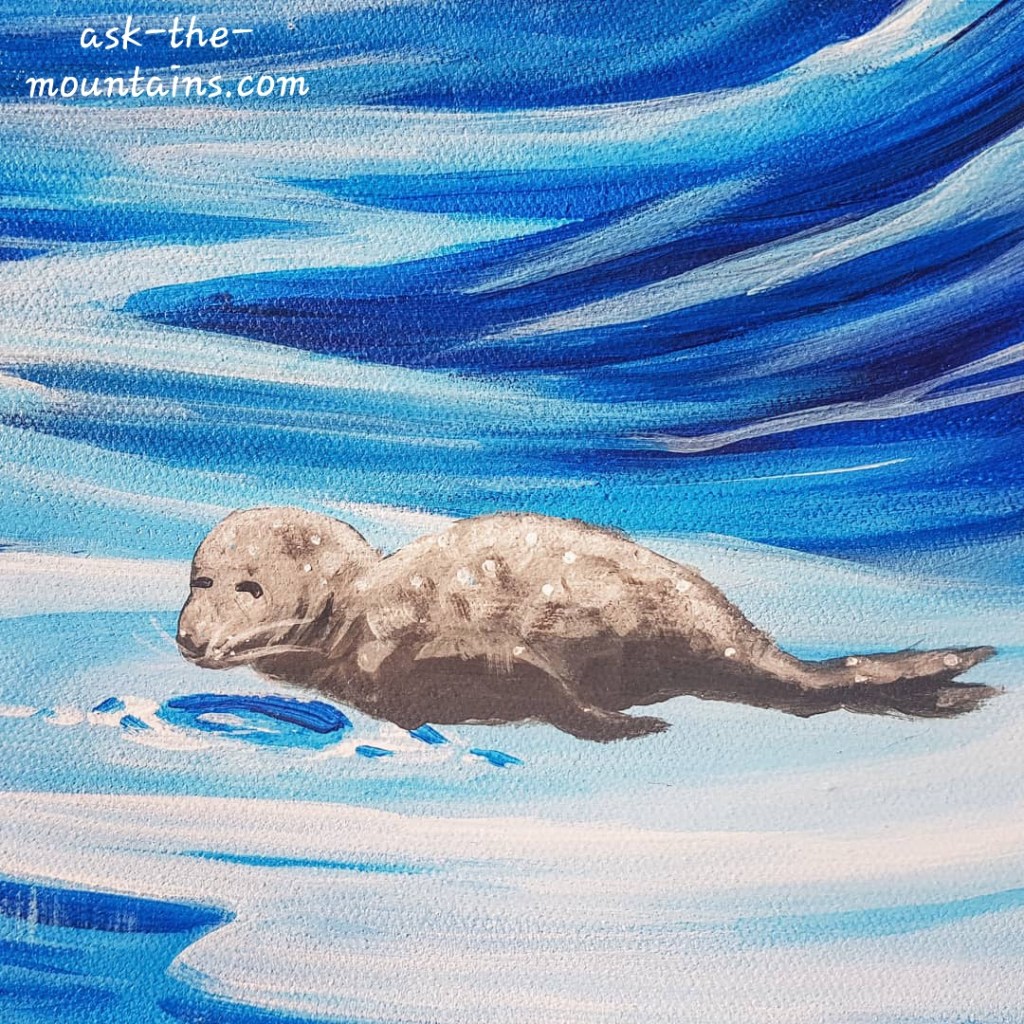
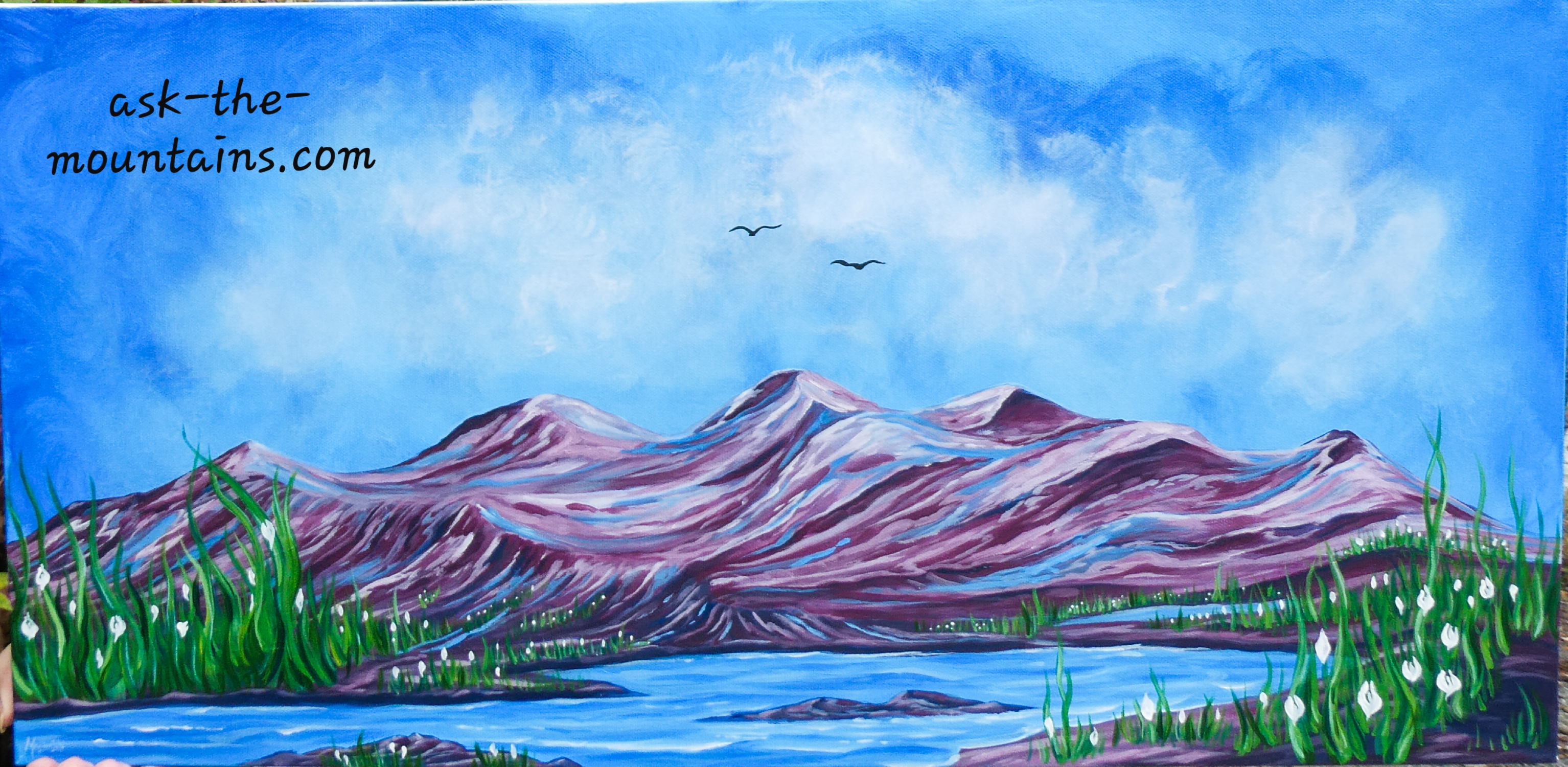
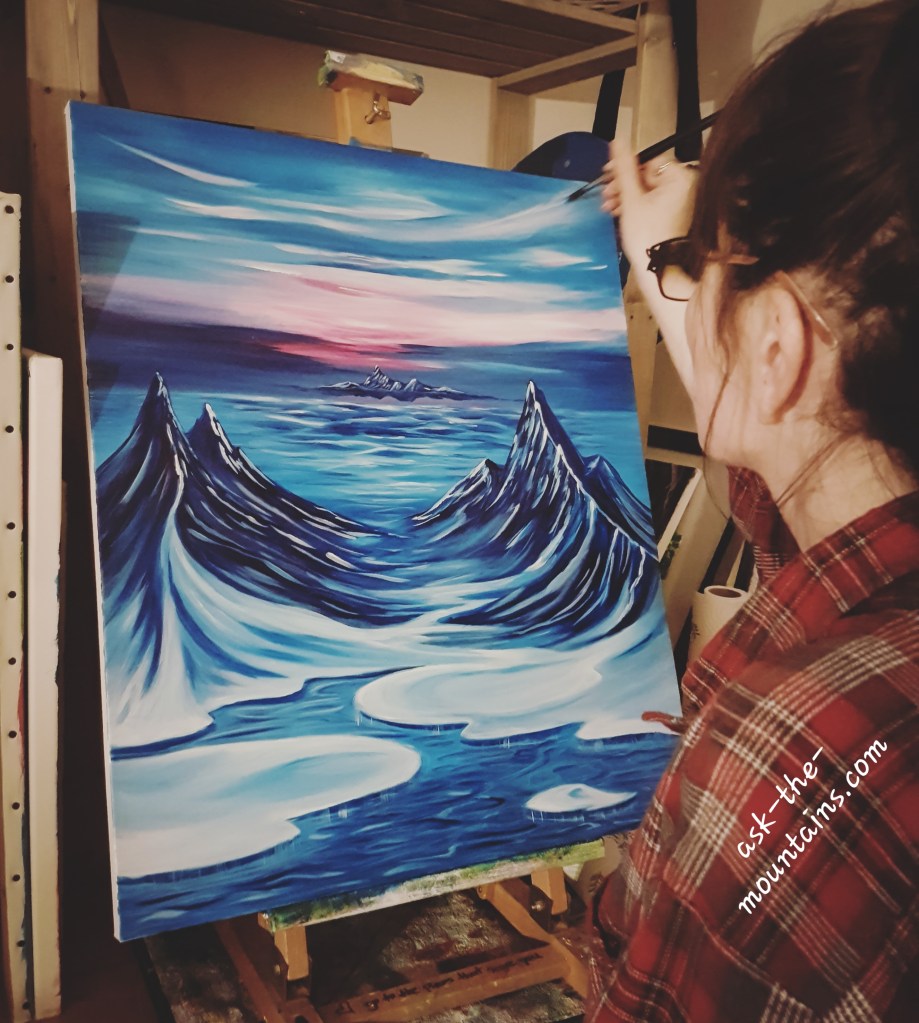
60 x 50 cm, acrylic on canvas with matte varnish 💙 No title yet 🙂
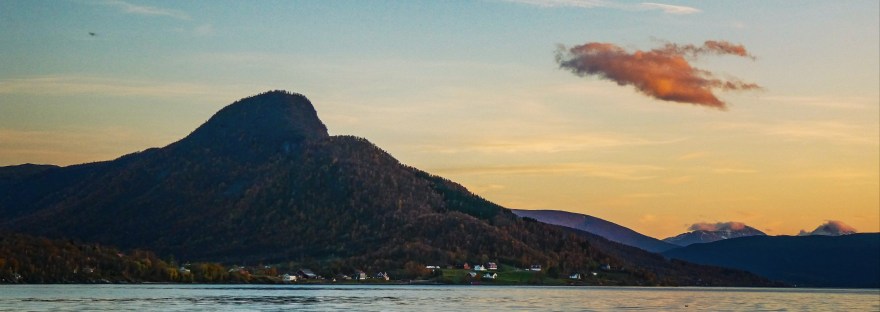


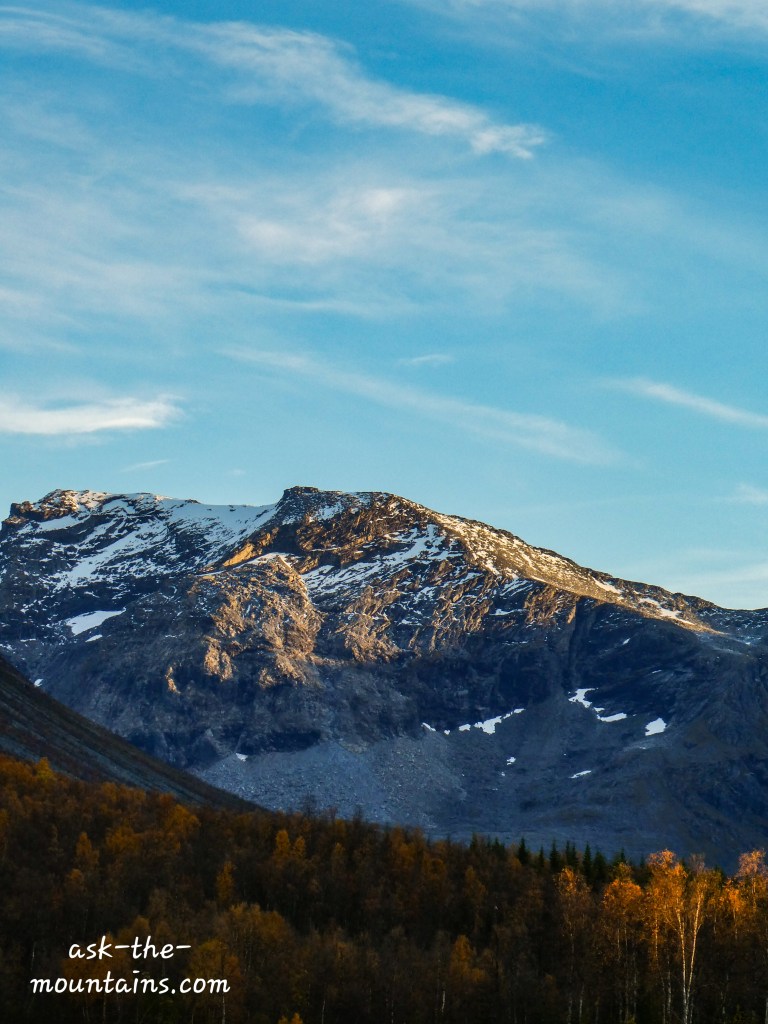
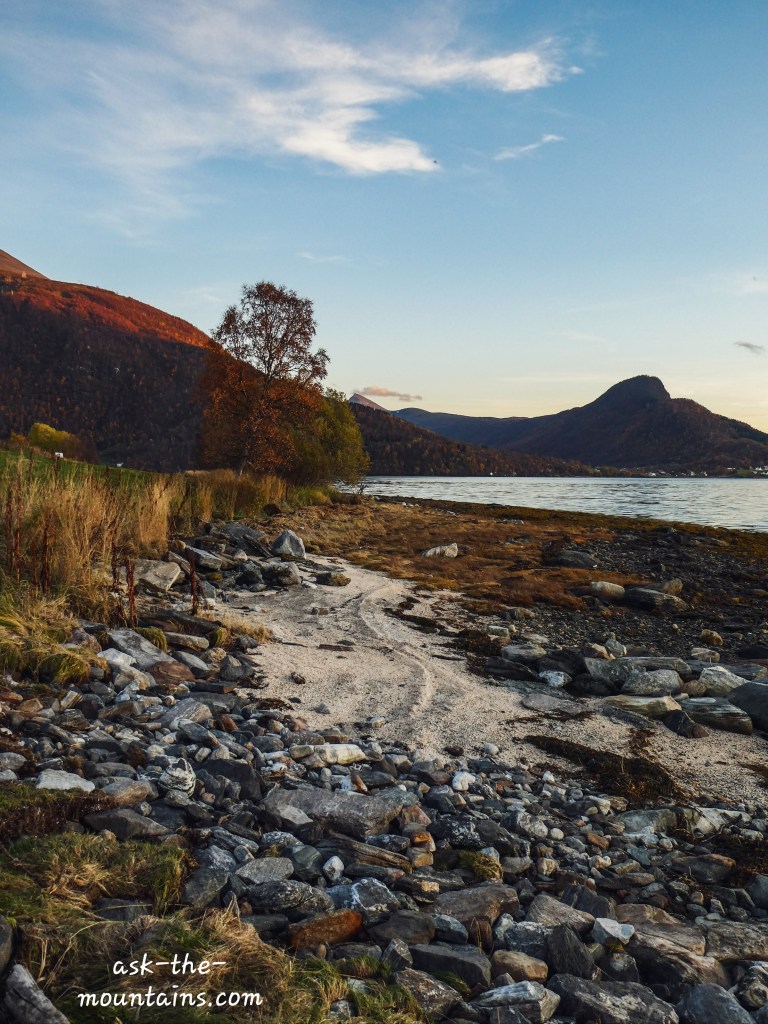
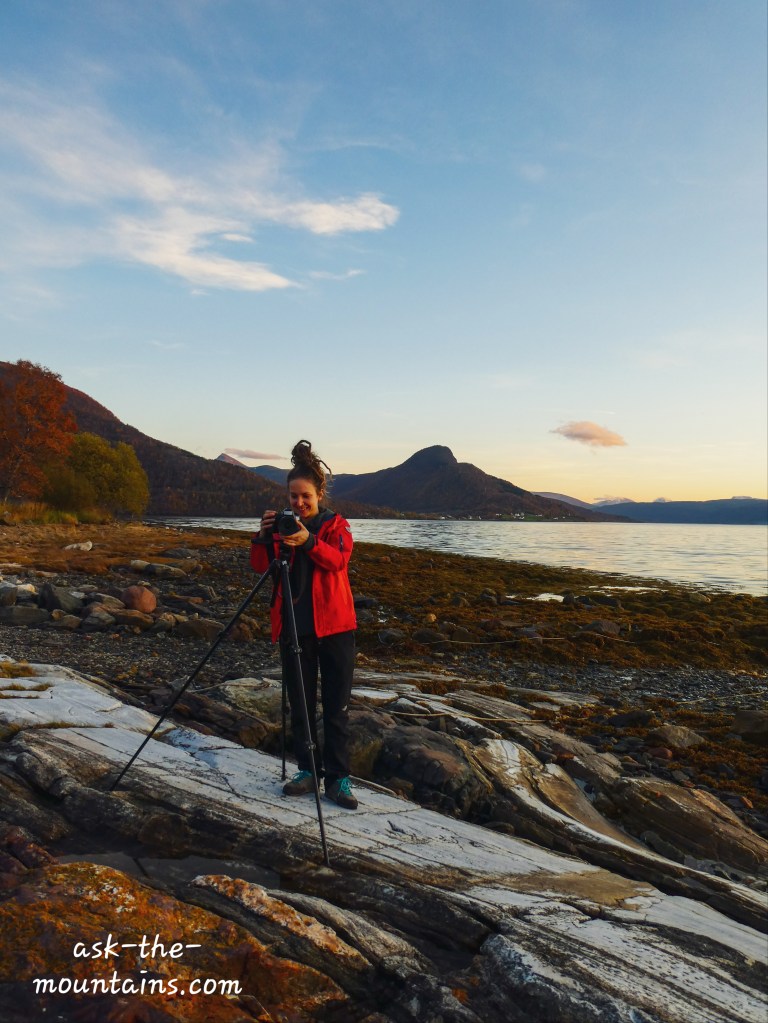
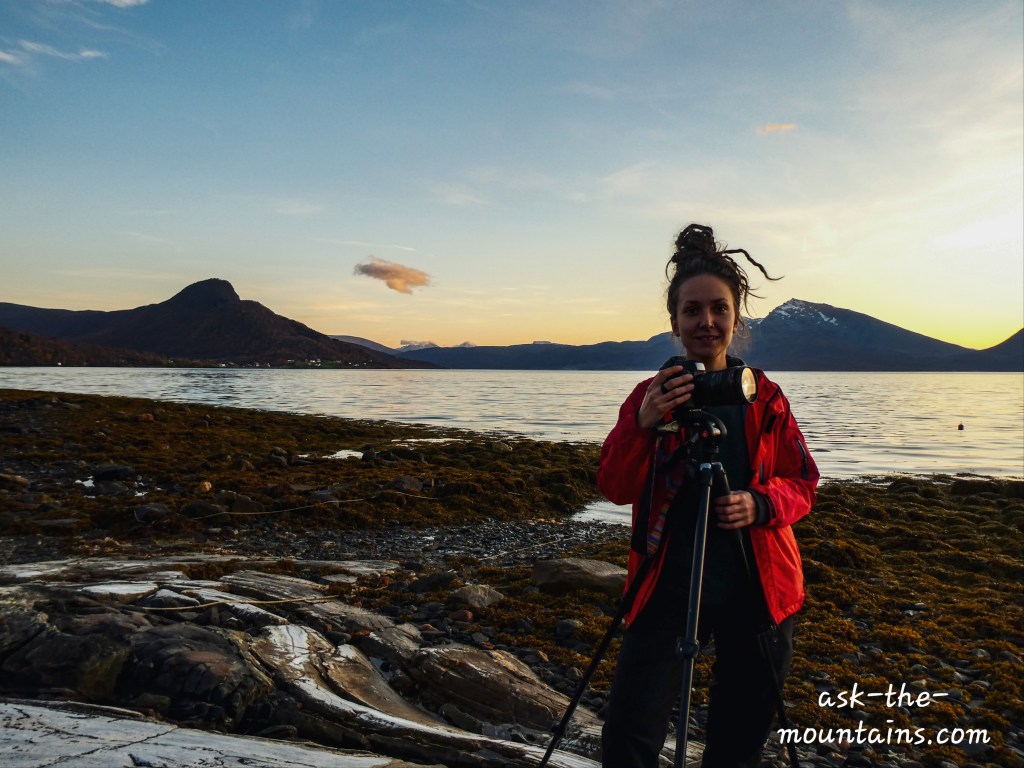

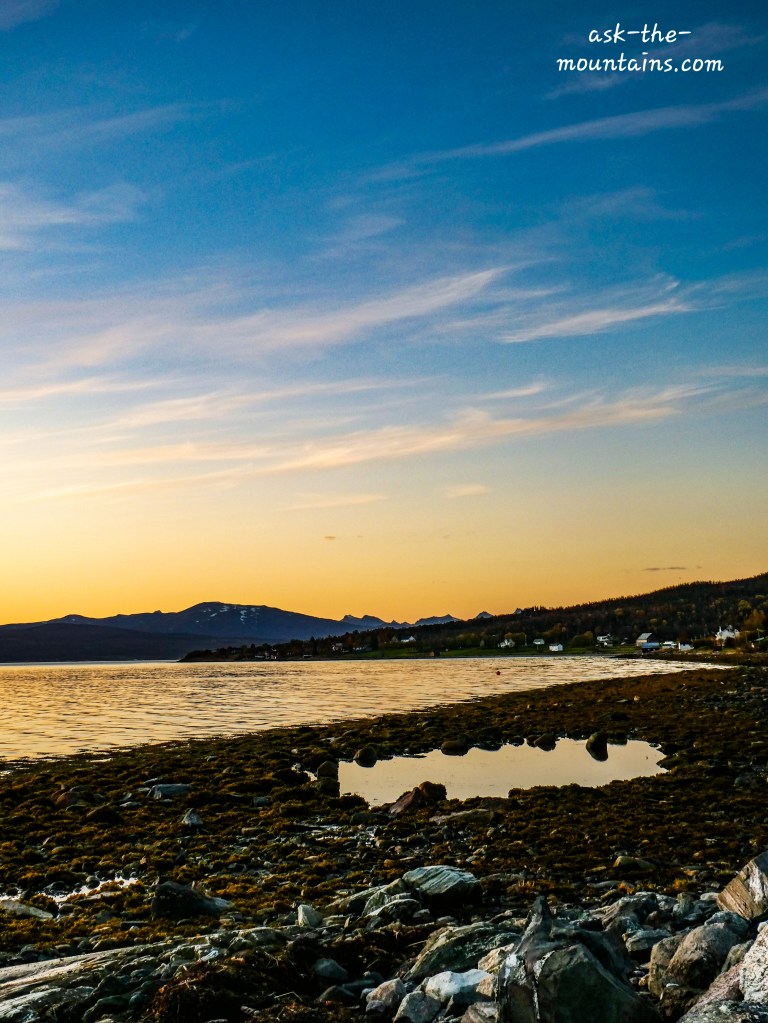
Had some gorgeous light today, perfect for some photography and filming 😉 #staytuned


Lowcarb chocolate muffins (from one of those easy to make packages) 😋🙌🏼 Also, look at the beautiful Latvian cup coasters of traditional woven belts 😁 they make me smile. And remind me to maybe do some more weaving myself 🤷🏻♀️
 Ask The Mountains