
This january marked the 10 year anniversary of starting my tantric path, although I started my journey in hatha yoga in 2011.
What is tantra to me?
It is easy to go into a textbook definition of it, and I will add one further down, but first I want to share what it means to me personally.
Tantra is transformation. It is working with energy in energy systems (of our mind and body).
Tantrics are usually laypeople – men and women with children, jobs, etc. We do not renounce the material and relative world but rather the opposite – using everyday life and challenges as fuel for the path, transforming impure energies into their pure state through specific yogic practices*.
Being a tantric means training and trusting one’s own path and experiences, rather than just doing what is being told – to have disernment and critical thinking, yet stay open and humble.
Tantra can turn ignorance into wisdom, selfishness into compassion. Illuminating the dark corners of our minds, interrupting the cyclical habits, and learning how to read and work with energies; masculine and feminine, peaceful and wrathful alike. To find the center between extremes; letting hope and fear, aversion and attachment collaps into each other. With practice I believe it is possible to return ones mind and body from the samsaric state into its natural pristine state – which is the difference between ourselves and fully realised practitioners/masters of yoga/tantra. It only makes sense to me, for example, that if you can heal 10% of your traumas, you can heal 100%.
There is no tantric lineage without a head teacher (‘guru’ in sanskrit language, although I hesitate to use the word guru because it has been so misused and thus misleading). Tantra is based on passing empowerments from the teacher to the student. All empowerments I have received has been from Finnish tantric teacher Amrita Baba, and I am part of his sangha (community of practitioners), called AmritaMandala. I feel fortunate to have found what I deem to be an authentic Teacher of Dharma, who is able to transmit high teachings to his students, so that we actually feel the shifts and benefits. In this pragmatic lineage we work closely with non-physical tantric masters (mahasiddhas), mainly Padmasambhava, Yeshe Tsogyal, Ishanath (aka Jesus Christ), Babaji, Mataji, Krishna, Radha, Lao Tzu, Bodhidharma, among many others. See full list here.
Personally, I feel a very close relationship with Ishanatha, he has for instance healed some of my serious physical ailments spontaneously on more than one occasion since 2021 in meditation, and he is – in my eyes – a true tantric yogi beyond of any religious establishment – pure Christ consciousness. (I am raised atheist and am not baptised, so this connection came later in life).
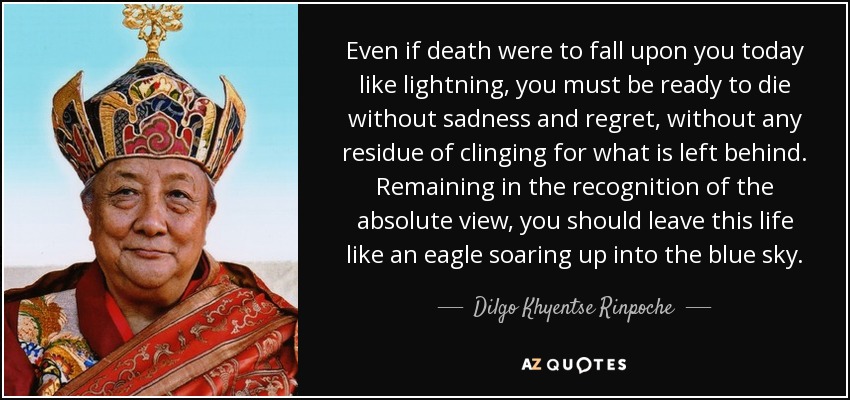
Impermanence is also a central topic in tantra. It is well believed that a practitioner (tantric yogi/ni) should be able to know what happens at the time of death (our two subtle bodies leaving the physical body), and there are practices for this specifically. Meditation and contemplation on illness, death and the impermanent nature of the relative world is essential.
I vaguely remember a few past lives, and that my soul chose this incarnation; I chose being a girl/woman, my parents, my place of birth, and the immense health challenges to fuel my practice. The deeper the suffering, the wider the perspectives, the greater the lessons and the brighter the light at the end of the tunnel.
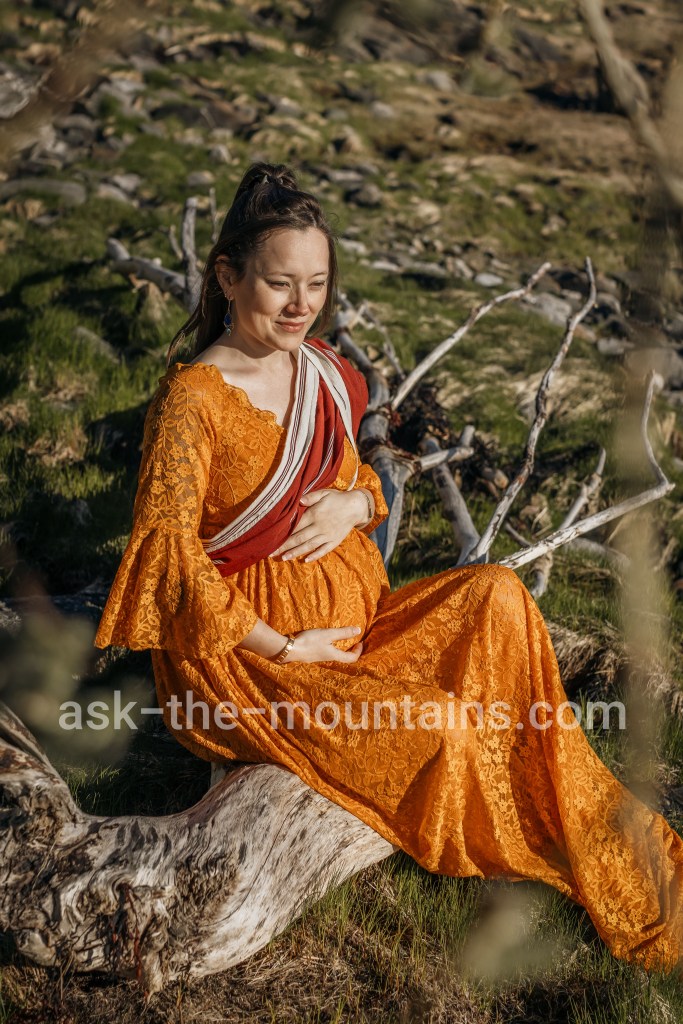
I am also a Mother, and both of our boys’ souls came to ‘visit’ me before they decided to be born through me. I feel very honored that they chose us as parents, and I cannot wait to see what their plans are for their lives.
Another important cornerstone of tantra is bodhicitta; the genuine wish to attain enlightenment for the sake of all sentient beings. This wish can carry you through some of the darkest moments – it really has for me.
Do you have a spiritual practice? 😊
*Main practices of Amrita Mandala is:
Rainbow Body Yoga (free download)
Amrita Kriya Yoga (free download)
Trauma specials guided practice(youtube playlist)
Mending the Broken Human guided practice (youtube playlist)
Talk on Dzogchen, trekcho, thogal and atiyoga (the highest yoga)
Click here to read about Amrita Mandala’s 13 bhumi model
Free e-book on awakening (opening of the first bhumi center inside the head)
The Two-Part Formula for Awakening
Vajrayana is the tantric interpretation of mahayana. The goal is the same in mahayana but the methods are different.
The biggest practical different, as they’re doctrinally the same, are empowerments and transmissions given by a tantric preceptor who traditionally are called gurus (tib. lit. lama). In tantric empowerments the guru transmits the experience of buddhanature that all beings inherently possess that can be afterwards returned and cultivated by the student. This cultivation is done through the repetition of mantras, visualizations and mudras or physical gestures that are direct expressions of the enlightened speech, mind and body. Mantras are specific verbal formulas of various deities or enlightened archetypes of buddhas and bodhisattvas that embody different aspects of our inherent enlightened nature. Manjushri is an archetype of wisdom and discrimination, Avalokiteshvara that of compassion and Vajrasattva that of selfless clarity. The tantric system is an esoteric method of healing and awakening which under certain circumstances leads to buddhahood ie supreme enlightenment (skt. anuttara samyak sambodhi) in a single lifetime.
It is good to mention that the mentioned enlightenment is not something of the distant past and cultures. Vajrayana which is a yogic training system for normal laypeople, enables full enlightenment for anyone who dedicates to pursue the path to enlightenment for the purpose of helping others, is willing to keep bringing accepting awareness to one’s most painful and unpleasant thoughts, emotions and memories and who is willing to continue to the end of the process regardless.
In terms of doctrines vajrayana, like mahayana, is based on the so called Second and Third Turnings of the wheel of Dharma by Buddha Shakyamuni. Interpretations of these doctrines, especially the buddhanature (skt. tathagatagarbha) teaching of the Third Turning vary slightly. However, all vajrayana, also called tantrayana or mantrayana, is based on the doctrine of emptiness or better, selflessness of all things of the mind (skt. shunyata) and bodhicitta which means revealing the natural loving, compassionate and kind nature of ours towards all beings.
Amrita Baba






 Ask The Mountains