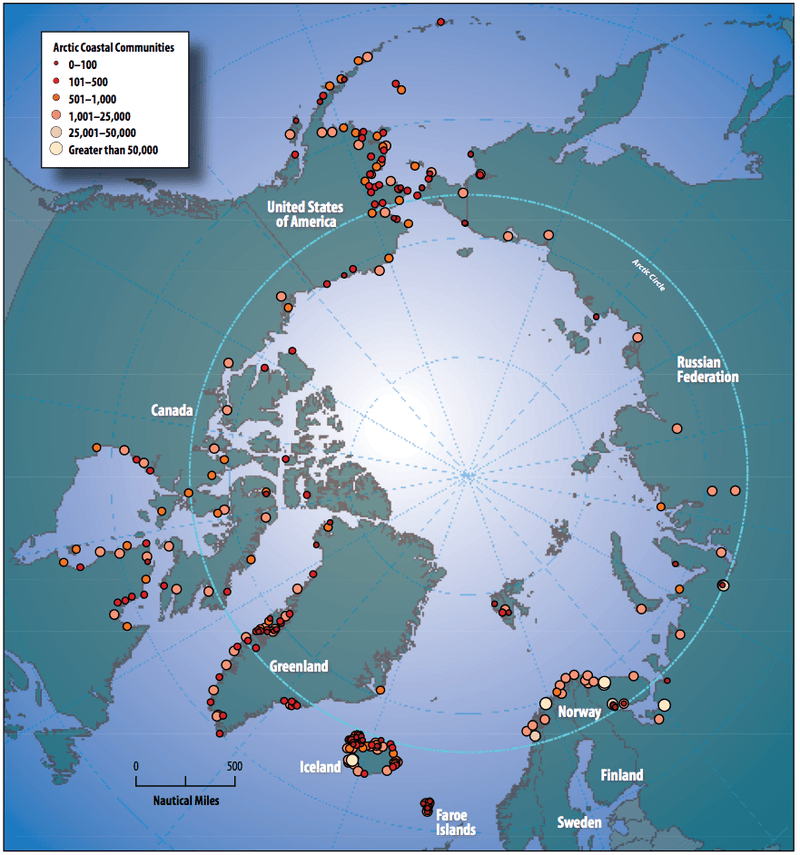
Who are Uralians and Ugrians? We are different peoples with unique cultures and common linguistic roots, stretching from Russia, over Siberia and the Ural mountains, into Scandinavia. Some have moved further south, like the Hungarians. Many of us live Arctic and sub-Arctic lives and livelihoods. Many of us also have lost our traditional cultures and language.
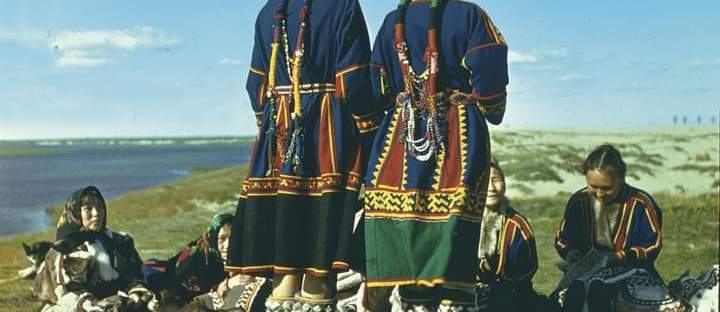
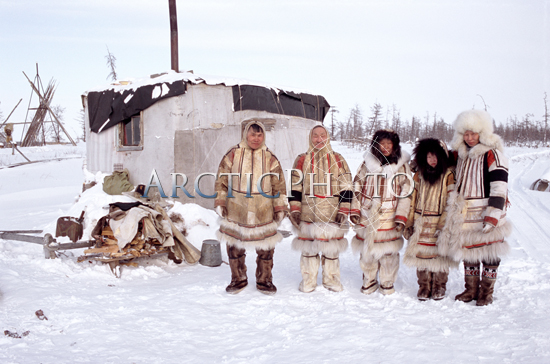
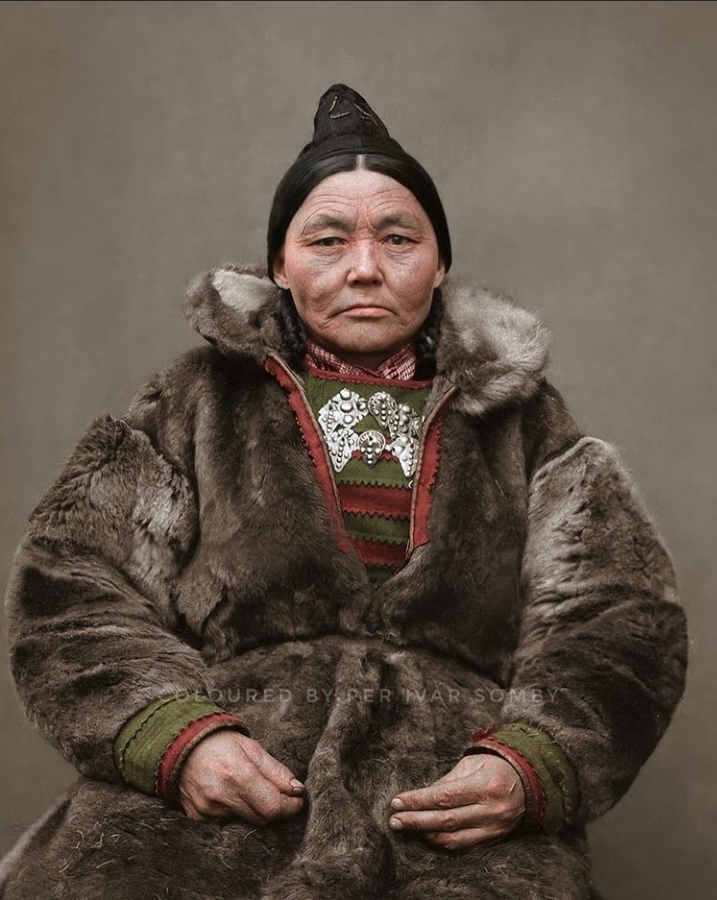
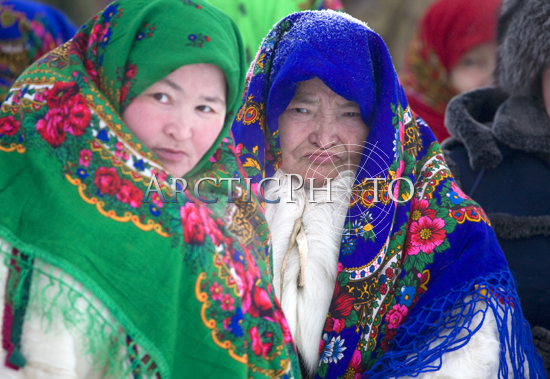
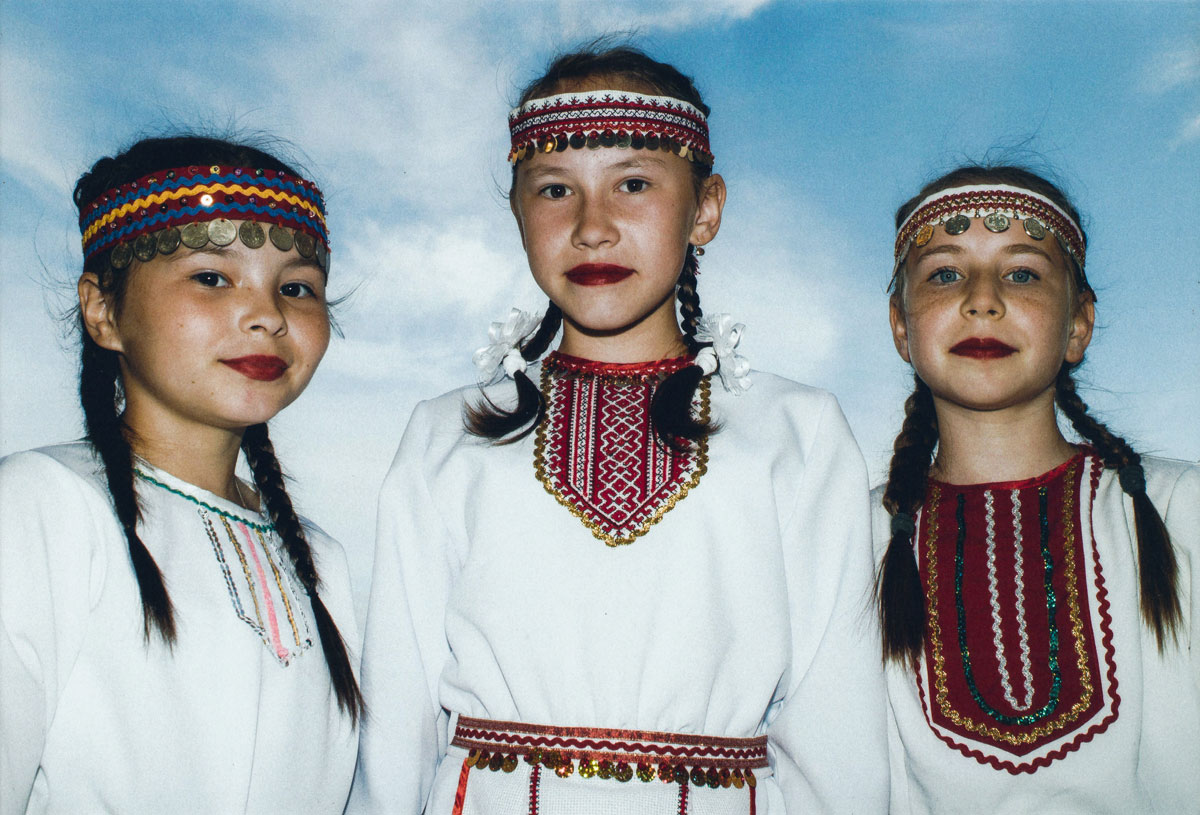
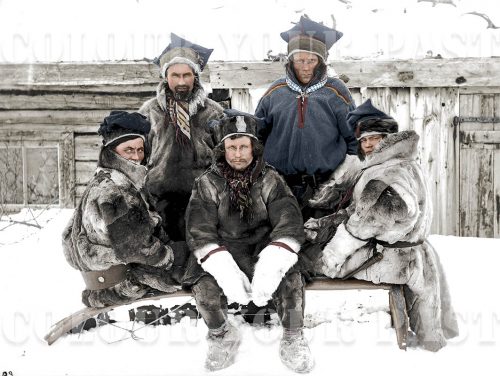
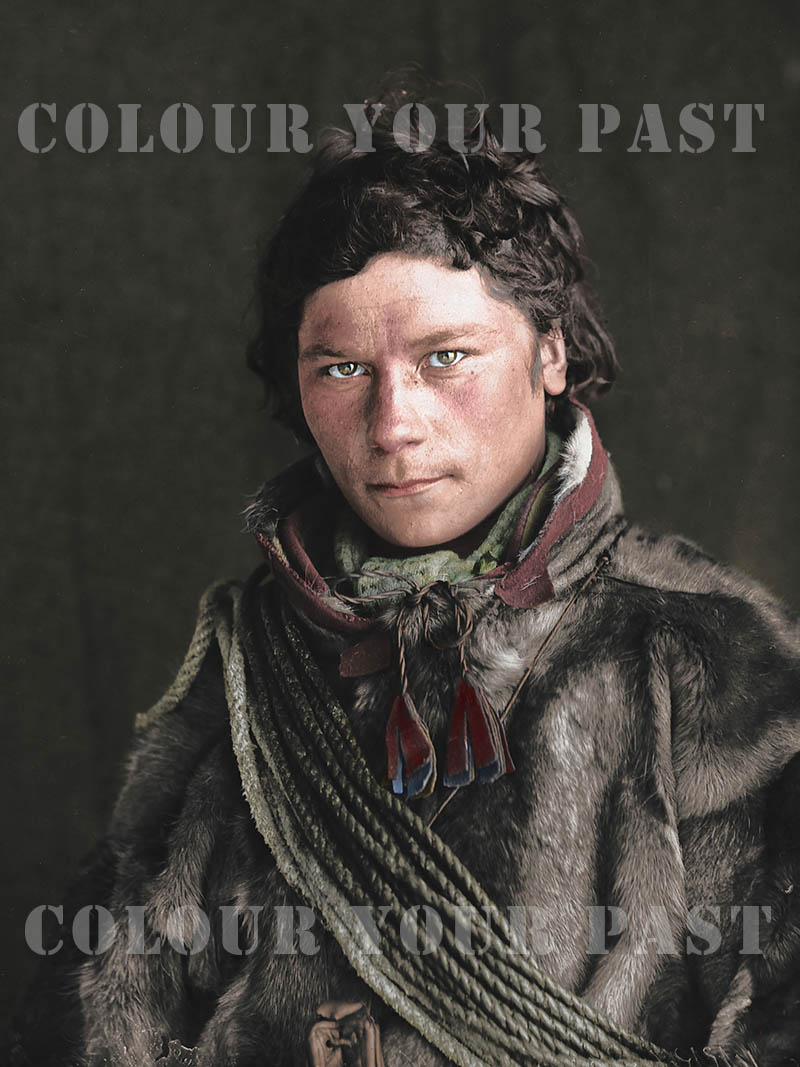
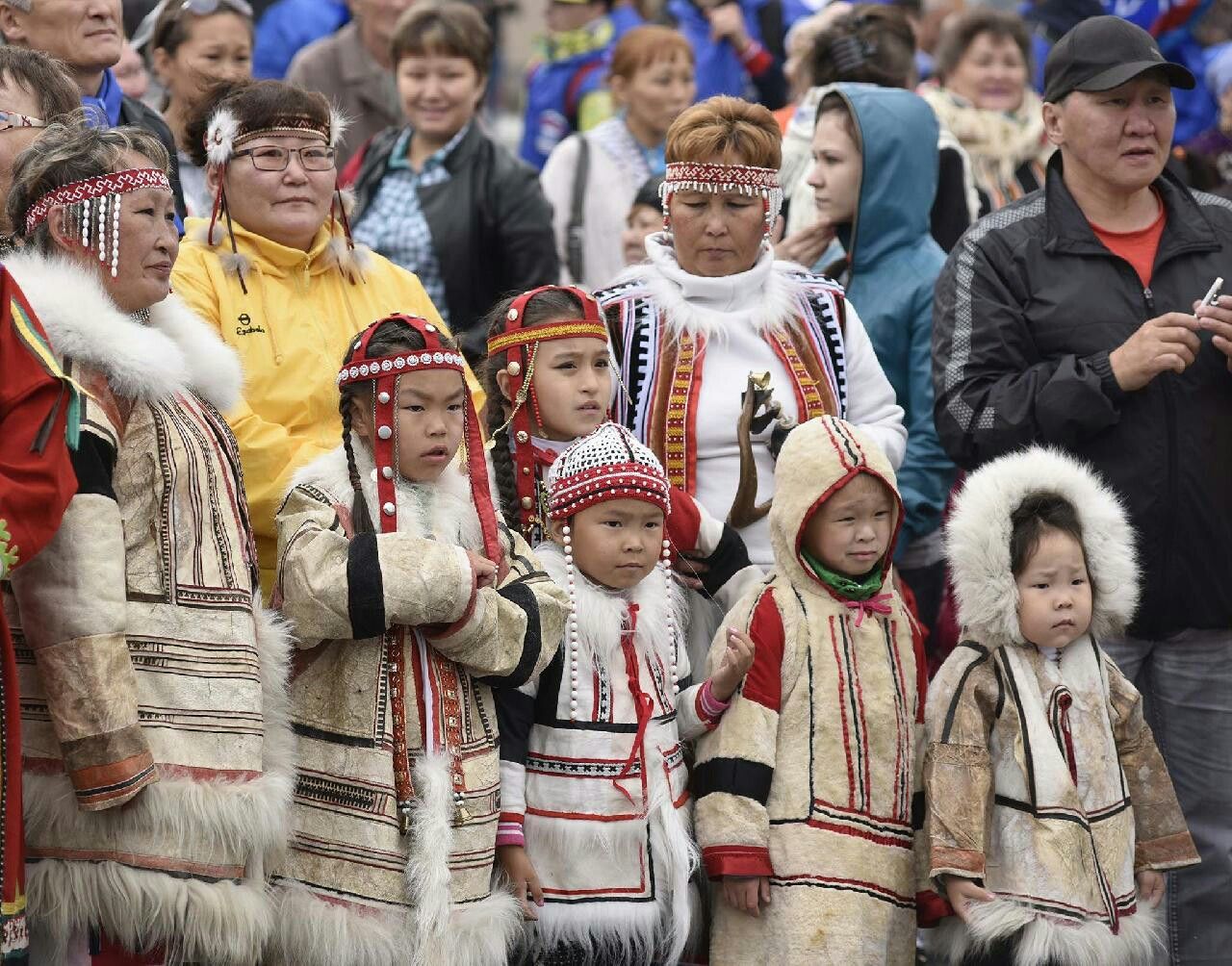
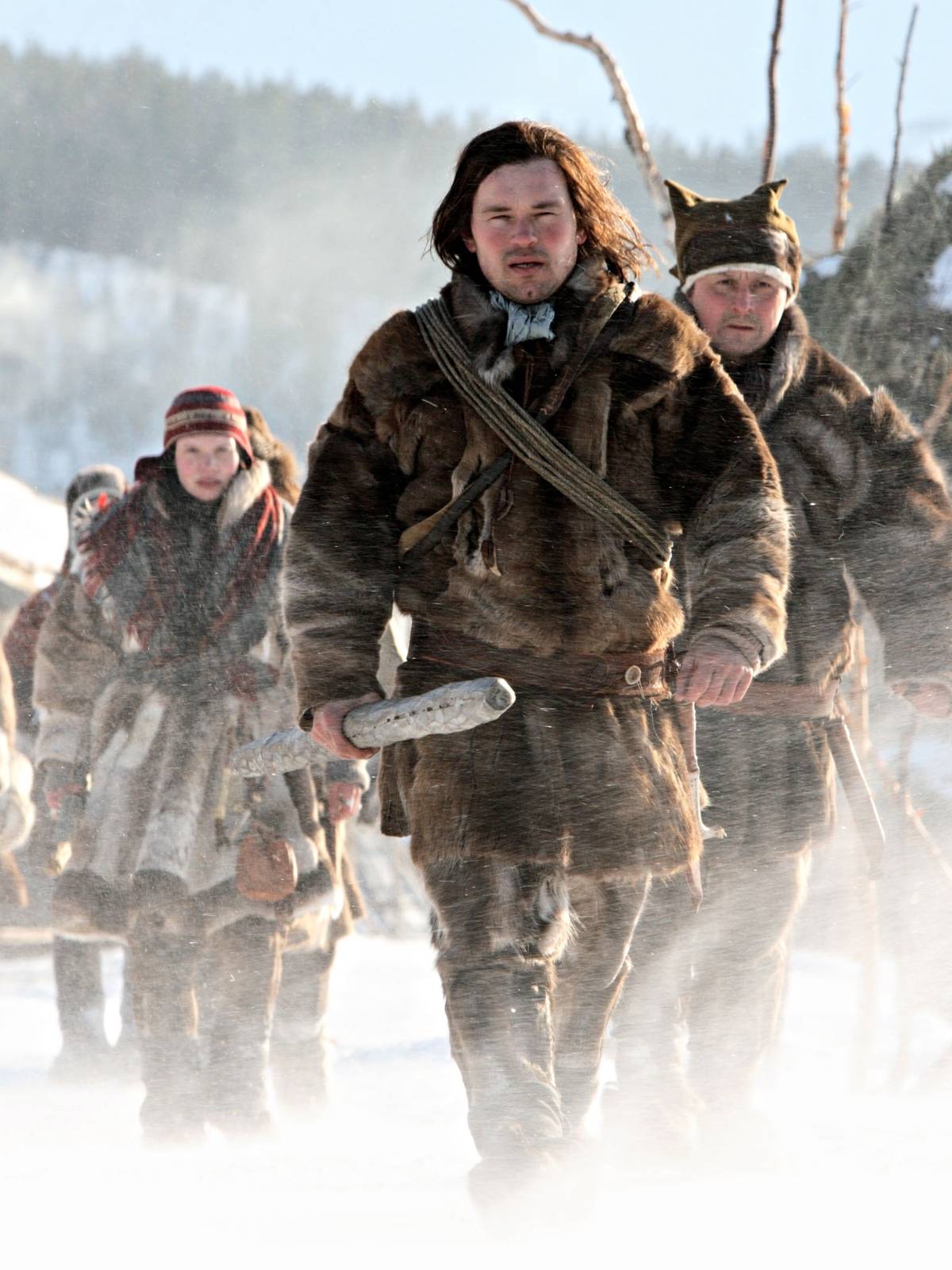
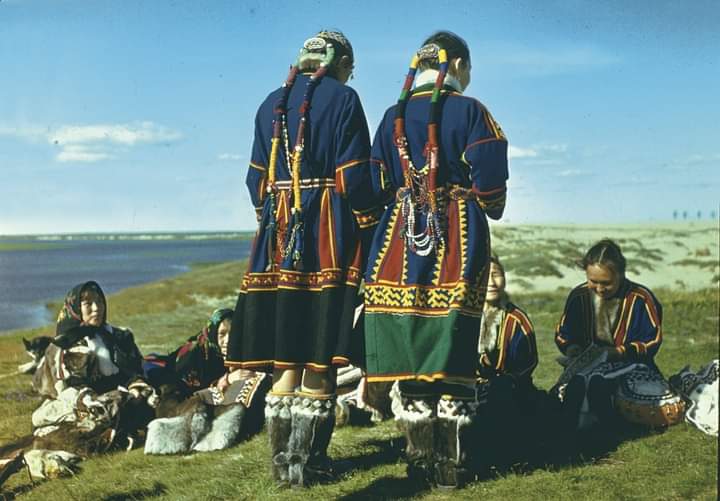
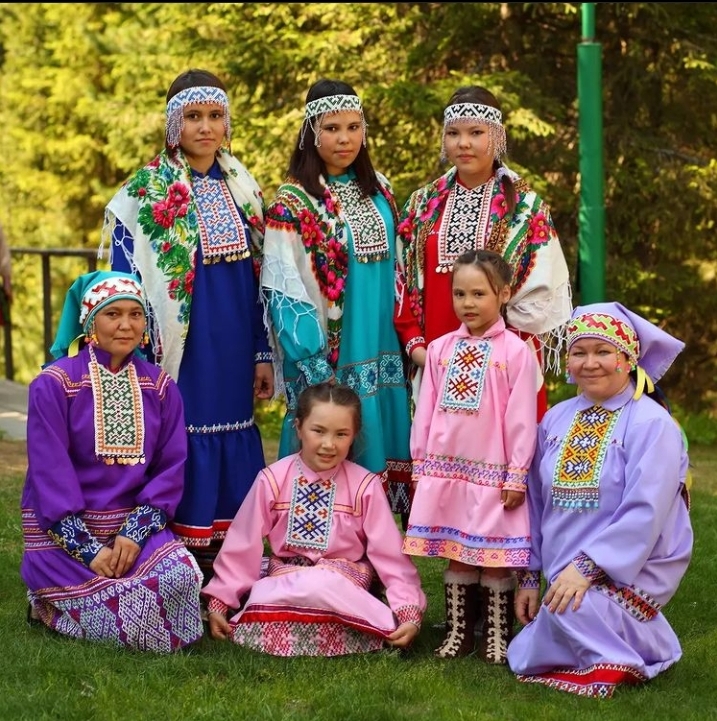
We are Sámis, Kvens, Finns, Karelians, Khantys, Maris, Mansis, Nganasans, Nenets, Komis, Tornedalians, Selkups, and many more. I added a small variety of photos from our community below.
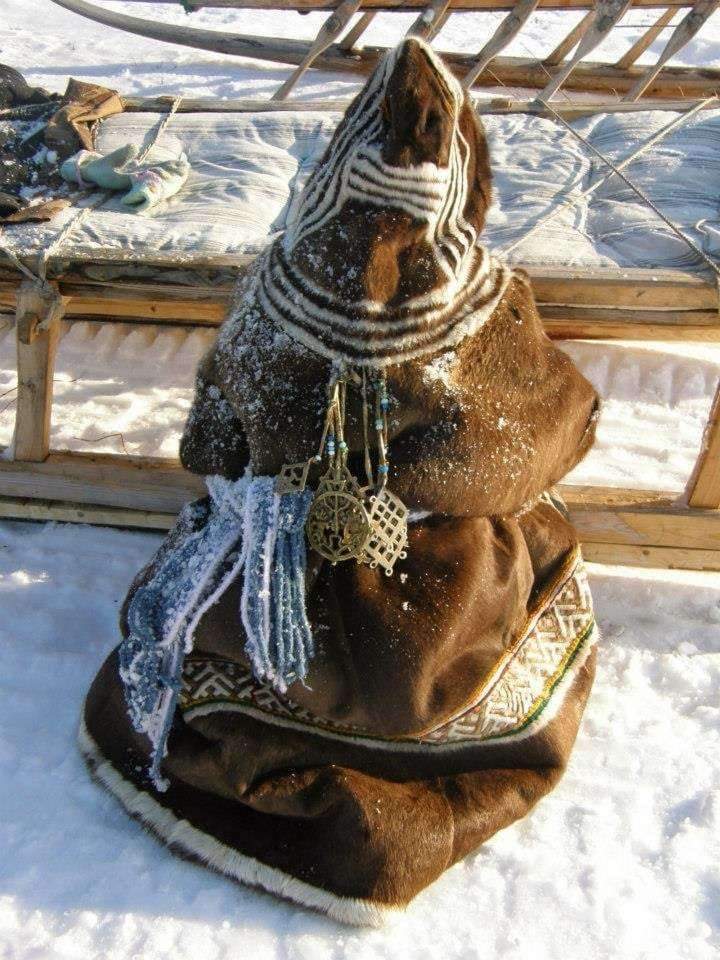
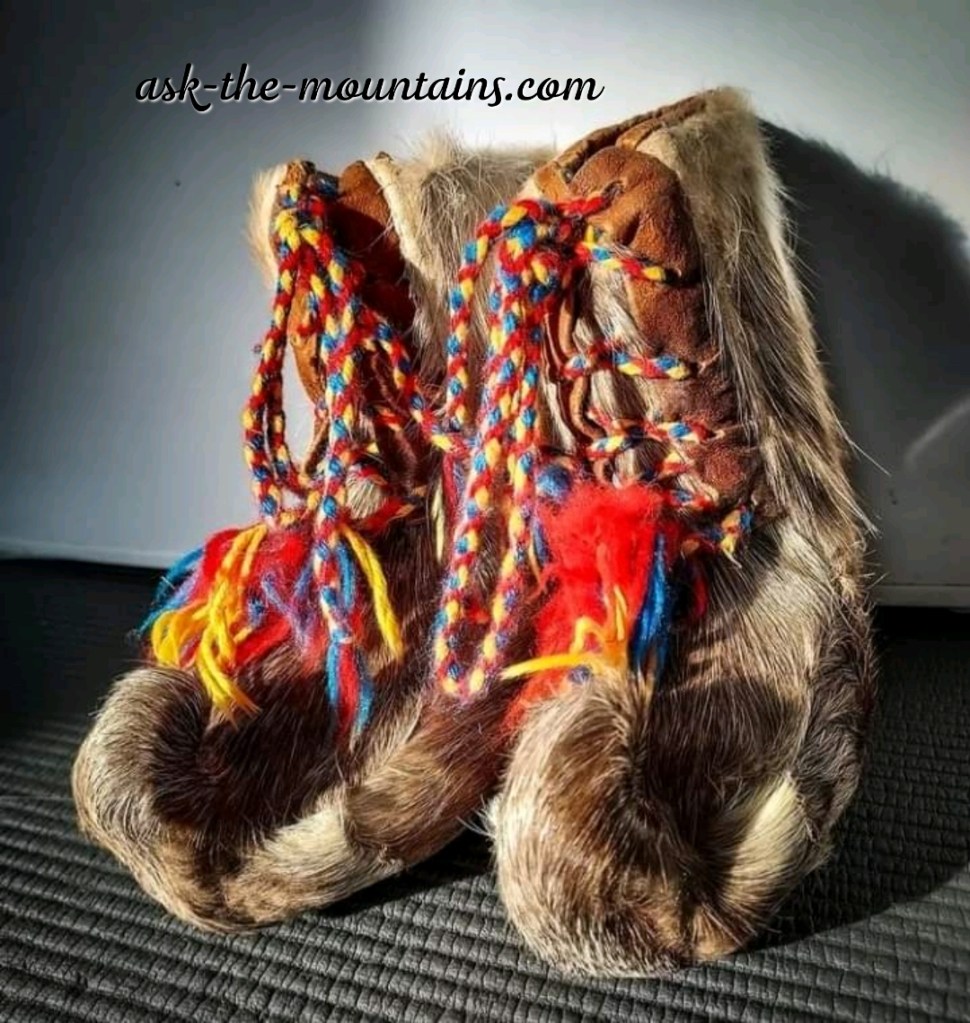
Uralic clothing vary from boys and girls/men and women, and is usually made just to fit the climate. Sewing patterns are often kept within the family and only used by the ethnic group and not outsiders. Summers can get pretty warm, and winters of course get extremely cold, so there are different garments for the seasons. More text and a poem below 😊
Usually, if not always, ethnic European and Eastern/Eurasian (Arctic) clothing has specific designs for women, men, girls and boys. Practical, warm and distinguishable; usually a bit, or vastly, different for each region. Often bright colours and intrinsic details. Made from the immediate surroundings; wool and animals. Sometimes silk. Giving the wearer a place and belonging; need only look at a persons clothes to know where they, or where their parents are from. Sewing patterns are often kept within the family only. Nowadays however, many native outfits are only used a few times a year for special occasions due to many people moving into the city and/or the boarding schools, and designs are evolving with the new creative youth, creating new ideas and identities, which is normal and expected. But traditional sewing skills are sadly not being taught that much from early age.
Clothing is important. No store bought garment sewn by a machine can measure with an outfit that contains your ancestry and history in every stitch. Many nowadays are also lucky to have more than one ancestry and thus more wardrobe options! Many have lost their native language(s) and feel like a “poser” if they use them or sew them, perhaps scared of getting strange looks or be called names, but I will forever argue that we should wear it like our own skin, because it is a birthright of sorts.
Every two weeks a language dies with its last speaker, 50 to 90 percent of them are predicted to disappear by the next century (source for the statistic: National Geographic). For example; 35 out of 38 Uralic languages are endangered or critically endangered due to assimilation and globalisation. Many Uralics live Arctic lives and livelihood in Europe and Eurasia. Herding, fishing and hunting. Linguistics say there used to be at least (!) 31 000 languages in the human history, now we are down to around 6000, and it is declining every fortnight. This makes sewing and using our traditional dresses even more important.
Keep sewing and keep teaching children traditional skills. They will thank you down the line, I am sure of that.
Thank for reading. I will end this post with a poem by Ingrid Mollenkopf from her book ‘Between Sleeps: Uralic Poetry’:
My name is Monica, aka Mani. Uralic and Nordic artist who loves photography, painting and nature. Born and raised in the European Arctic. I am a tantric student in the Amrita Mandala lineage. (My dharma name is Mani). Welcome!
View all posts by Ask the Mountains
6 thoughts on “We Are Uralic”
I have Tornedalen ancestors that relocated to Dalarna in Sweden(my direct ancestors) .. and a lot of cousins in Troms and Finnmark that are descendants of the siblings/children of my ancestors that relocated to Lyngen, Olderdalen, etc.. many are ”Norwegianized”, some are Kven, some are now inter-married with Sami.. so happy I found your blog .. who knows, we might be related:)
Oh, i would not be surprised if we are related, almost all those areas are familiar to me/my family tree. Yes the Norwegianization process was brutal, just wiped so much out, making trauma for generations. Seems to be some slow healing and reconsiliation happening these past years though.. Which is lovely to see. Only 3 generations ago, Sámi, Kveni and Norwegian language was all spoken daily in Troms and Finnmark, very different story today.
Thank you for your comment, nice to “meet” you:)
Hi! I am a member of Ob-Ugric (Khanty and Mansi) community and I am pleasantly surprised to see our peoples on this page. I even see some of my immediate relatives (cousins) in one photo. However, Khanty are mistaken for Nenets in one photo and for Mansi in another. Well, that’s OK, I guess, because our clothing can be indeed similar to such a degree that it’s basically indistinguishable. But I can still see, who is a Khanty, who is a Nenets and who is a Mansi. I guess it’s not bad that we are 3 neighboring peoples who share similarities and can support each other. Selkups are our neighbours too, and they too belong to “North-Western Siberian” circle of peoples. We all 4 peoples, Khanty, Mansi, Nenets and Selkups, belong to the same historical-cultural area. Arguably one could count into it also the 5th ethnic group, the Ket peoples, who speak isolated language (it doesn’t belong to Uralic tree of languages). Western Siberia is a territory that has a Yenisei river as it’s eastern border. Yenisei river is also basically eastern border for Uralic languages, except for Nganasan language and some Nenets people, who settled in Taimyr peninsula in 20th century. Nganasan peoples, despite speaking Uralic and Samoyedic language, culturally belong to a different part of area – Eastern Siberia. Nganasans have many cultural similarities with Evenks, Yukaghirs and other Eastern Siberian peoples. And Nganasans live quite far away from our, Ob-Ugric, peoples, like 1000-2000 km away. It’s about the same geographical distance as between Sami peoples and Ob-Ugric peoples.
As for clothing, truly seasonal clothing exists for Ob-Ugric (Khanty and Mansi) peoples and maybe Selkups (one could count in also Kets, but their traditional clothing is long gone). It’s us, Ob-Ugric people, who have light summer shirts (for men) and dresses (for women), and it’s us, who wear demiseasonal or winter coats or parkas over them, when needed. Khanty and Mansi people historically knew how to spun nettles and make textiles out of them, so textile clothing tradition is really old. But of course, furs, leather and wool are traditional materials too, and one couldn’t survive winters without them. Nenets and Nganasan peoples, though, had a different approach to clothing. Historically all the clothing was made just from furs and leather, they didn’t have real distinction between summer and winter clothing. They just used worn out winter clothing for summer. Nenets later started to make coats and parkas out of wool for summer season, when wool became available due to trade. And nowadays many Nenets women wear self-made dresses sewn out of textiles. But those dresses are clearly influenced by neighboring Khanty and Komi peoples. Earlier Nenets women wore somewhat similar body clothing to Nganasan people. Men don’t have traditional shirts at all, they have parkas only. As for gender differences in clothing, the general rule in Western Siberia is – the more you go south-east, the more unisex clothing becomes. Ket clothing is nearly unisex, you have to often look pretty close in historical photos to distinguish men from women. It’s not truly unisex, though, the differences still are there. Nenets clothing is on the opposite spectrum – male and female clothing is really well distinguishable. And I know that many Nenets believe it’s forbidden to cross-dress, because spirits can become angry. Khanty and Mansi too frown upon cross-dressing, except one event – Bear Feast. It’s this event when men can dress as women. Not really other way, though, as far as I know. Otherwise cross-dressing wasn’t accepted thing. My grandparents would become really angry if they’d see my mother or aunt coming home without long enough dress or skirt. My mother and aunt had to change their “town” clothes like at least kilometer away from home, especially if they wore trousers or something like that. But to be fair, in our culture traditional female and male clothing isn’t too different each from other (even though it’s more distinguishable than in Ket culture). In many cases the difference is really about the length of garments or the way how it’s decorated. Women have also their own jewellery that men don’t wear. But otherwise…Headscarves were worn by both men and women, for example. My grandparents were followers of traditional religion, if you wonder about the religion.
Hello, Evi! Thank you for the detailed and informative comment. I rarely get long comments like this on so was very happy to see it. 😊
Please let me know which photos I mistakenly wrote Nenets for Khanty, and Mansi in another one so i can correct it 🙏🏼
Would be great to know more from you; because me, plus a Sakha woman names Uraana and a Chukchi woman named Zoya are currently making a documentary film about our languages and cultures. We have no deadline for it due to some funding issues, but perhaps some of your information would be useful in the film, as we also mention basically all European and Asian Arctic indigenous peoples. We have an instagram page for it under the name of ‘canisaysomethingfilm’ where we share updates. 🙂 kind regards, Monica.















 Ask The Mountains
I have Tornedalen ancestors that relocated to Dalarna in Sweden(my direct ancestors) .. and a lot of cousins in Troms and Finnmark that are descendants of the siblings/children of my ancestors that relocated to Lyngen, Olderdalen, etc.. many are ”Norwegianized”, some are Kven, some are now inter-married with Sami.. so happy I found your blog .. who knows, we might be related:)
LikeLike
Oh, i would not be surprised if we are related, almost all those areas are familiar to me/my family tree. Yes the Norwegianization process was brutal, just wiped so much out, making trauma for generations. Seems to be some slow healing and reconsiliation happening these past years though.. Which is lovely to see. Only 3 generations ago, Sámi, Kveni and Norwegian language was all spoken daily in Troms and Finnmark, very different story today.
Thank you for your comment, nice to “meet” you:)
LikeLike
Im so so deeply touched by your mention. Im so awed by your blog ♥️💝💕❤️💜
LikeLike
Thank you so much!! That means a lot to me ❤️🙌🏼 i love your poem book ✨️😊
LikeLike
Hi! I am a member of Ob-Ugric (Khanty and Mansi) community and I am pleasantly surprised to see our peoples on this page. I even see some of my immediate relatives (cousins) in one photo. However, Khanty are mistaken for Nenets in one photo and for Mansi in another. Well, that’s OK, I guess, because our clothing can be indeed similar to such a degree that it’s basically indistinguishable. But I can still see, who is a Khanty, who is a Nenets and who is a Mansi. I guess it’s not bad that we are 3 neighboring peoples who share similarities and can support each other. Selkups are our neighbours too, and they too belong to “North-Western Siberian” circle of peoples. We all 4 peoples, Khanty, Mansi, Nenets and Selkups, belong to the same historical-cultural area. Arguably one could count into it also the 5th ethnic group, the Ket peoples, who speak isolated language (it doesn’t belong to Uralic tree of languages). Western Siberia is a territory that has a Yenisei river as it’s eastern border. Yenisei river is also basically eastern border for Uralic languages, except for Nganasan language and some Nenets people, who settled in Taimyr peninsula in 20th century. Nganasan peoples, despite speaking Uralic and Samoyedic language, culturally belong to a different part of area – Eastern Siberia. Nganasans have many cultural similarities with Evenks, Yukaghirs and other Eastern Siberian peoples. And Nganasans live quite far away from our, Ob-Ugric, peoples, like 1000-2000 km away. It’s about the same geographical distance as between Sami peoples and Ob-Ugric peoples.
As for clothing, truly seasonal clothing exists for Ob-Ugric (Khanty and Mansi) peoples and maybe Selkups (one could count in also Kets, but their traditional clothing is long gone). It’s us, Ob-Ugric people, who have light summer shirts (for men) and dresses (for women), and it’s us, who wear demiseasonal or winter coats or parkas over them, when needed. Khanty and Mansi people historically knew how to spun nettles and make textiles out of them, so textile clothing tradition is really old. But of course, furs, leather and wool are traditional materials too, and one couldn’t survive winters without them. Nenets and Nganasan peoples, though, had a different approach to clothing. Historically all the clothing was made just from furs and leather, they didn’t have real distinction between summer and winter clothing. They just used worn out winter clothing for summer. Nenets later started to make coats and parkas out of wool for summer season, when wool became available due to trade. And nowadays many Nenets women wear self-made dresses sewn out of textiles. But those dresses are clearly influenced by neighboring Khanty and Komi peoples. Earlier Nenets women wore somewhat similar body clothing to Nganasan people. Men don’t have traditional shirts at all, they have parkas only. As for gender differences in clothing, the general rule in Western Siberia is – the more you go south-east, the more unisex clothing becomes. Ket clothing is nearly unisex, you have to often look pretty close in historical photos to distinguish men from women. It’s not truly unisex, though, the differences still are there. Nenets clothing is on the opposite spectrum – male and female clothing is really well distinguishable. And I know that many Nenets believe it’s forbidden to cross-dress, because spirits can become angry. Khanty and Mansi too frown upon cross-dressing, except one event – Bear Feast. It’s this event when men can dress as women. Not really other way, though, as far as I know. Otherwise cross-dressing wasn’t accepted thing. My grandparents would become really angry if they’d see my mother or aunt coming home without long enough dress or skirt. My mother and aunt had to change their “town” clothes like at least kilometer away from home, especially if they wore trousers or something like that. But to be fair, in our culture traditional female and male clothing isn’t too different each from other (even though it’s more distinguishable than in Ket culture). In many cases the difference is really about the length of garments or the way how it’s decorated. Women have also their own jewellery that men don’t wear. But otherwise…Headscarves were worn by both men and women, for example. My grandparents were followers of traditional religion, if you wonder about the religion.
LikeLike
Hello, Evi! Thank you for the detailed and informative comment. I rarely get long comments like this on so was very happy to see it. 😊
Please let me know which photos I mistakenly wrote Nenets for Khanty, and Mansi in another one so i can correct it 🙏🏼
Would be great to know more from you; because me, plus a Sakha woman names Uraana and a Chukchi woman named Zoya are currently making a documentary film about our languages and cultures. We have no deadline for it due to some funding issues, but perhaps some of your information would be useful in the film, as we also mention basically all European and Asian Arctic indigenous peoples. We have an instagram page for it under the name of ‘canisaysomethingfilm’ where we share updates. 🙂 kind regards, Monica.
LikeLike